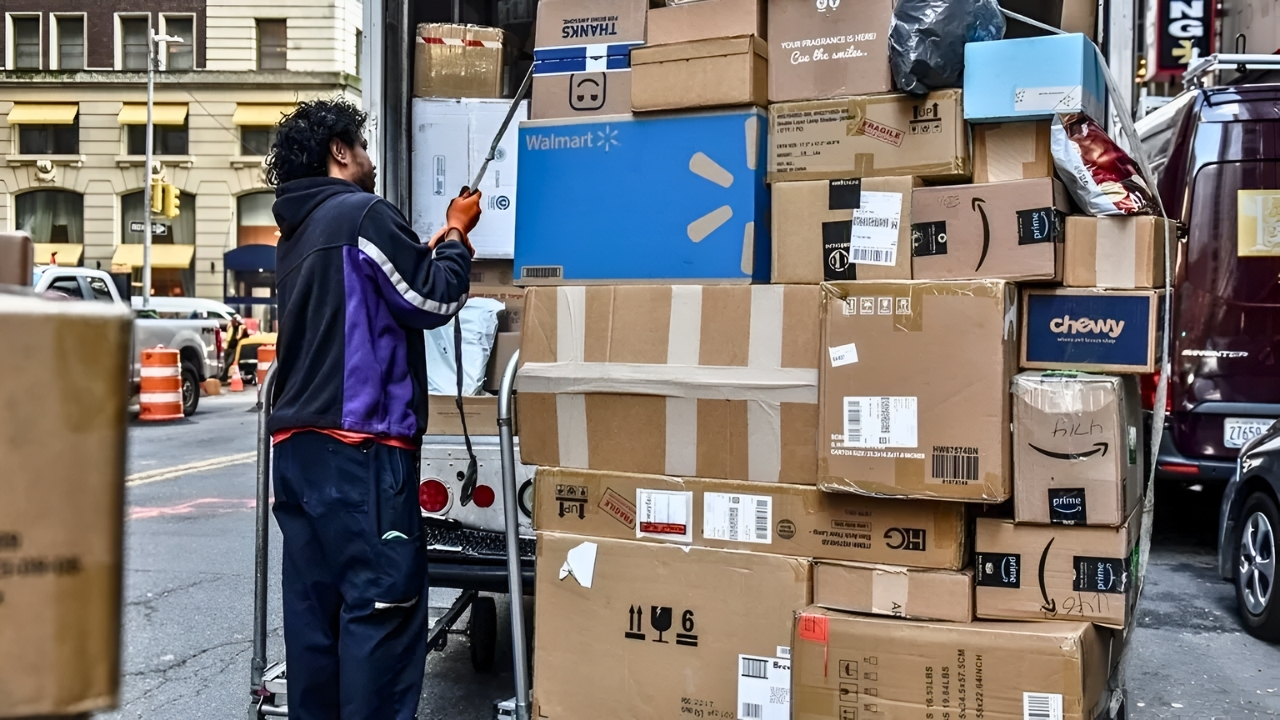
A quiet but dramatic shift is reshaping the American retail experience this holiday season. Major beauty chains like Sephora and Ulta have cut their return windows from 60 to 30 days, joining a wave of retailers tightening policies and deploying new security measures. Once a hallmark of U.S. consumer convenience, generous return policies are being scaled back as retailers confront mounting costs and fraud. This transformation is altering not just how Americans shop, but how they think about every purchase.
Return Rates and Retail Pressures

Retailers are facing unprecedented challenges as return rates climb. In 2024, returns accounted for 16.9% of total retail sales, up from 14.5% the previous year. Online purchases are returned at nearly three times the rate of in-store buys; independently reported statistics show online apparel returns typically range from 20% to 30%, while in-store purchases are returned at 8-10%. Fraudulent returns—such as “wardrobing,” where items are used and then returned—cost retailers $103 billion annually. Over half of Gen Z shoppers engage in “bracketing,” buying multiple sizes or colors to try at home and returning the rest.
Processing returns is expensive, with sources indicating return processing often costs retailers between $20 and $30 per item; these costs can significantly impact retailer margins. Each item must be shipped, inspected, and often resold at a discount or liquidated. Retailers are forced to choose between maintaining customer goodwill and ensuring financial survival, leading to stricter policies and new technologies to track and limit returns.
Changing In-Store and Online Experiences

Shoppers are encountering new realities at checkout. Security tags, once reserved for electronics, now appear on clothing, beauty products, and home goods. RFID-enabled tags track inventory and help flag duplicate returns, while some degrade with moisture to reveal wear. The shortened 30-day window means customers must decide quickly—seasonal purchases may expire before they’re needed. Store associates increasingly scan government IDs to monitor return histories, and frequent returners risk account closures or being limited to store credit.
Fast fashion retailers, who built their business models on “buy-before-you-try” convenience, are especially affected. Online apparel returns frequently exceed 20%, prompting chains like ASOS to close accounts of serial returners and introduce return fees. Ink tags and QR codes that fade after washing are now common. H&M, Zara, and Amazon have all implemented return fees, and the compressed window is changing the “buy now, decide later” culture that fueled growth.
Beauty Industry Adjusts
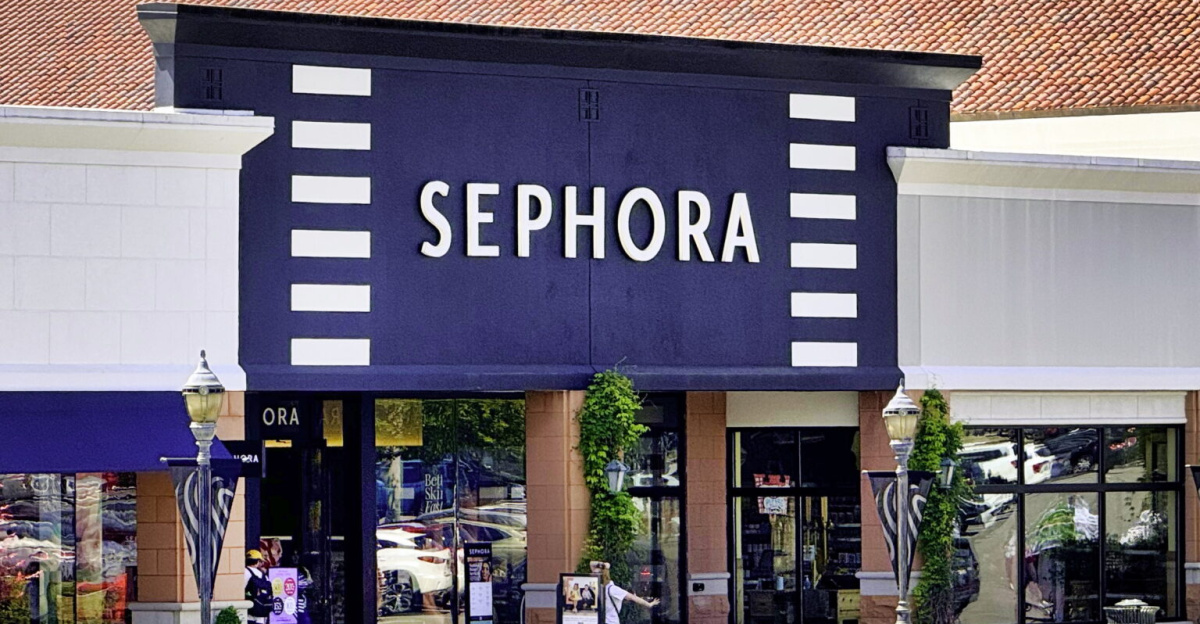
The beauty sector is undergoing a coordinated transformation. Ulta and Sephora’s move to a 30-day return window marks a significant industry response. At Ulta, returns made after 30 days receive only store credit, not cash refunds. Sephora now requires government ID verification and tracks customer return histories. These changes challenge shoppers who need to test products for skin reactions or shade matching, and holiday purchases made in November may expire before January, fundamentally changing gift-giving strategies and pushing customers toward riskier in-store testing or accepting higher financial risk.
Global and Consumer Impacts

American consumers have long enjoyed return privileges that are rare elsewhere. In France, Sephora offers only 14 days for returns, and used products are typically rejected. Max Mara’s global policy is also 14 days. As U.S. retailers tighten policies, the “try-at-home” culture that drove e-commerce dominance is eroding. Zalando, a major European retailer, recently cut its return window from 100 to 30 days in key markets.
The impact on consumers is profound. Some report financial hardship when unable to return items, and those with mental health challenges are disproportionately affected. Shortened windows and rising return fees—often $4.95 to $9.99—make returns more difficult, especially for those with depression, anxiety, or agoraphobia. Hassle-free returns remain a top priority for shoppers; some consumers report abandoning purchases anticipating difficulties.
Retailers and the Economy Adapt
Return costs are ultimately passed on to consumers through higher prices. With $890 billion in annual returns and $103 billion lost to fraud, retailers must recover these expenses. Smaller businesses, lacking sophisticated fraud detection, are forced to adopt stricter policies, creating competitive disadvantages. Even customers who never return items subsidize those who abuse policies, compounding costs across the economy.
Store credit is quietly replacing cash refunds, keeping revenue within businesses and reducing fraud. Studies show 68% of customers return for another purchase after receiving store credit, boosting repeat business. Retailers like Ulta offer full refunds within 30 days, but only store credit after that, locking spending into their ecosystem.
Looking Ahead
The shift in return policies signals a broader transformation in American retail. Personalized return policies based on purchase history are likely to become more common, with trustworthy customers enjoying generous terms and frequent returners facing restrictions. Real-time AI monitoring and advanced fraud detection will proliferate. Further window compression and expansion of store-credit-only returns are expected, though sustainability concerns and regulatory interventions may temper these trends.
What began as a change in beauty retailers’ policies has become an economic and cultural transformation. Security tags, shortened windows, and AI surveillance are practical responses to a growing challenge. The ripple effects touch every household, from grocery bills to mental health, shipping networks, and environmental debates. The longstanding American assumption—“I can always return it”—is fading, and every purchase now carries new stakes.