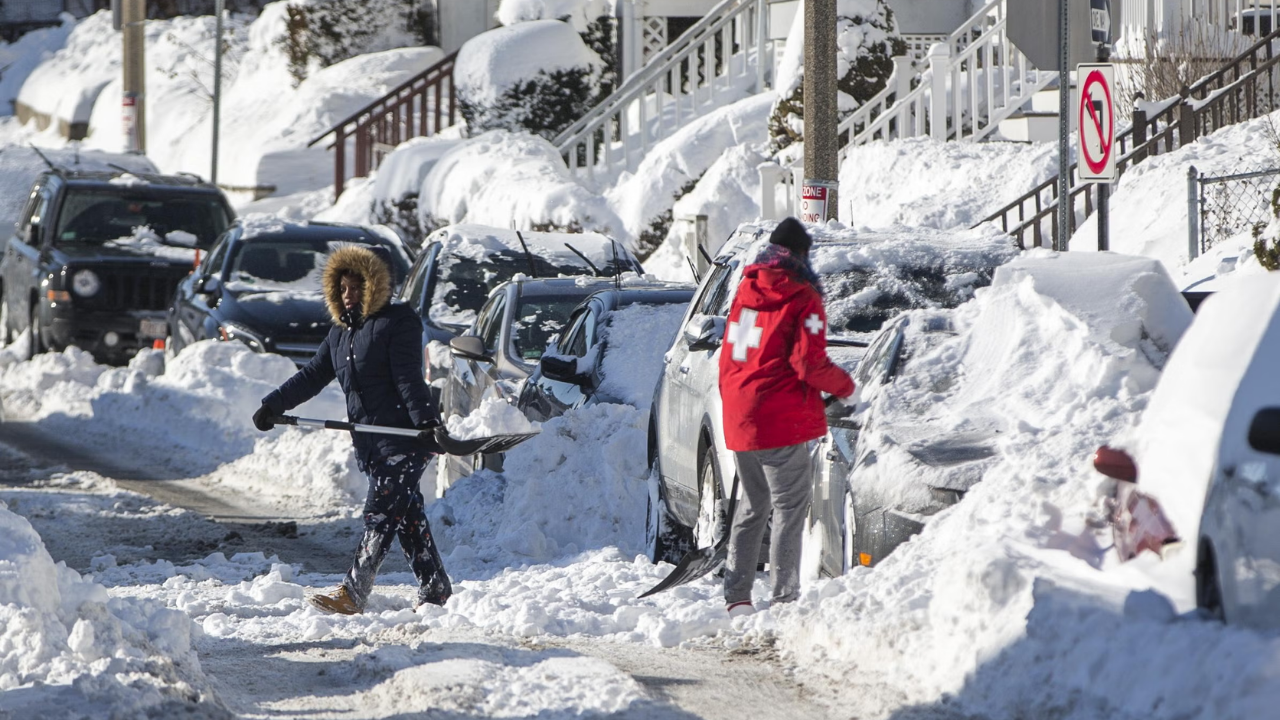
A record-setting post-Thanksgiving storm wreaked havoc across more than 40 states, burying regions under as much as 31 inches of snow. The storm, spanning over 1,000 miles from the Pacific Northwest to the East Coast, prompted winter weather alerts, disrupted travel for up to 82 million Americans, and resulted in hundreds of crashes and road closures.
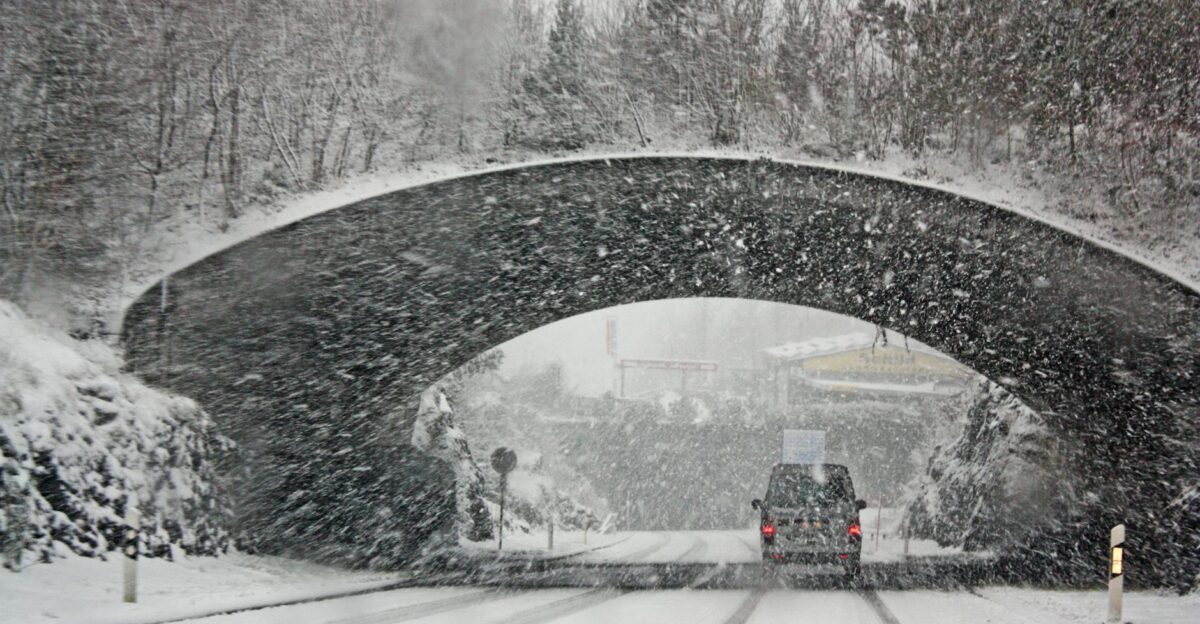
As blizzard conditions and wind gusts reaching 50 mph swept the nation, individuals faced life-threatening travel environments.
The Meteorological Convergence
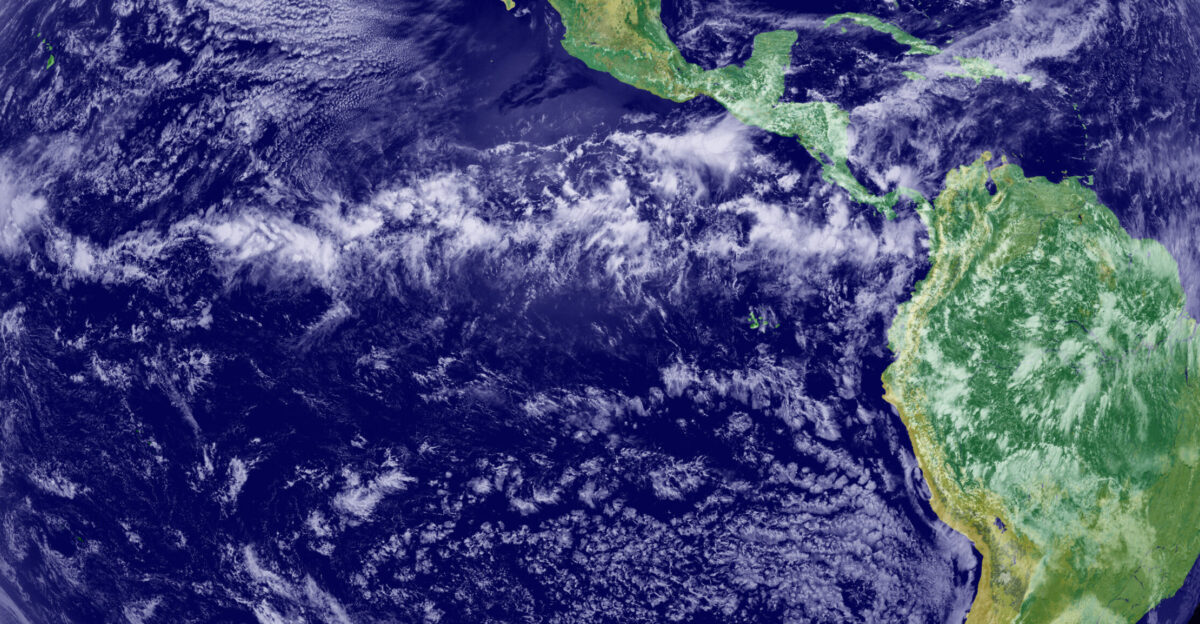
What triggered this chaos? A robust cold front clashed with lingering warm holiday air, resulting in a massive cross-country storm system.
Meteorologists described it as the “most widespread snow of the season.” This storm began on Thanksgiving night, peaked as it passed through the Rockies on Friday, gripped the Plains on Saturday, impacted the East Coast on Sunday, and finally exited on Monday morning, coinciding precisely with peak holiday travel volumes.
Travel Disruptions Across the Nation
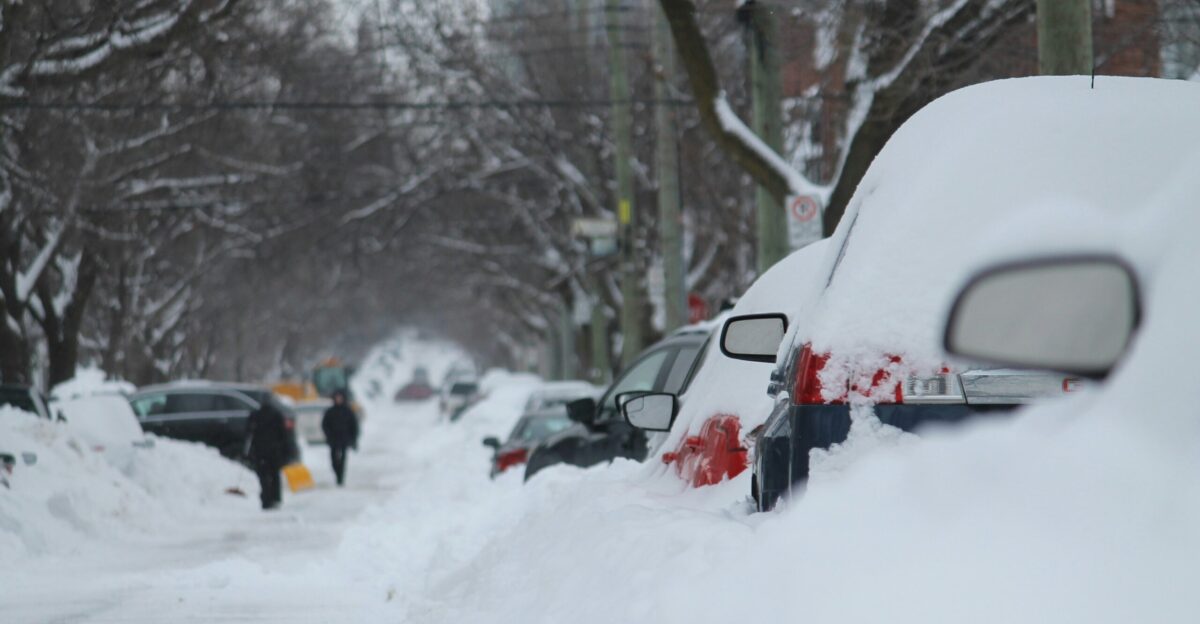
The consequences were staggering. Over 82 million Americans encountered hazardous travel conditions during the busy post-Thanksgiving weekend. Major highways, including stretches of I-94 and I-29, were closed, and there were over 4,000 flight delays or cancellations nationwide.
Chicago’s O’Hare International Airport implemented ground stops as the National Weather Service warned of dangerously low visibility due to snow and wind.
Businesses and the Storm’s Impact
Businesses grappled with the aftermath of nature’s fury. Airlines enacted travel waivers and canceled fees as hotels faced peak demand from stranded travelers seeking refuge.
Retailers postponed Black Friday promotions, while grocery stores in storm-affected areas dealt with empty shelves due to damaged supply chains. Major distribution hubs in the Midwest slowed operations, causing significant bottlenecks for essential supplies.
A Surge in Substitute Markets
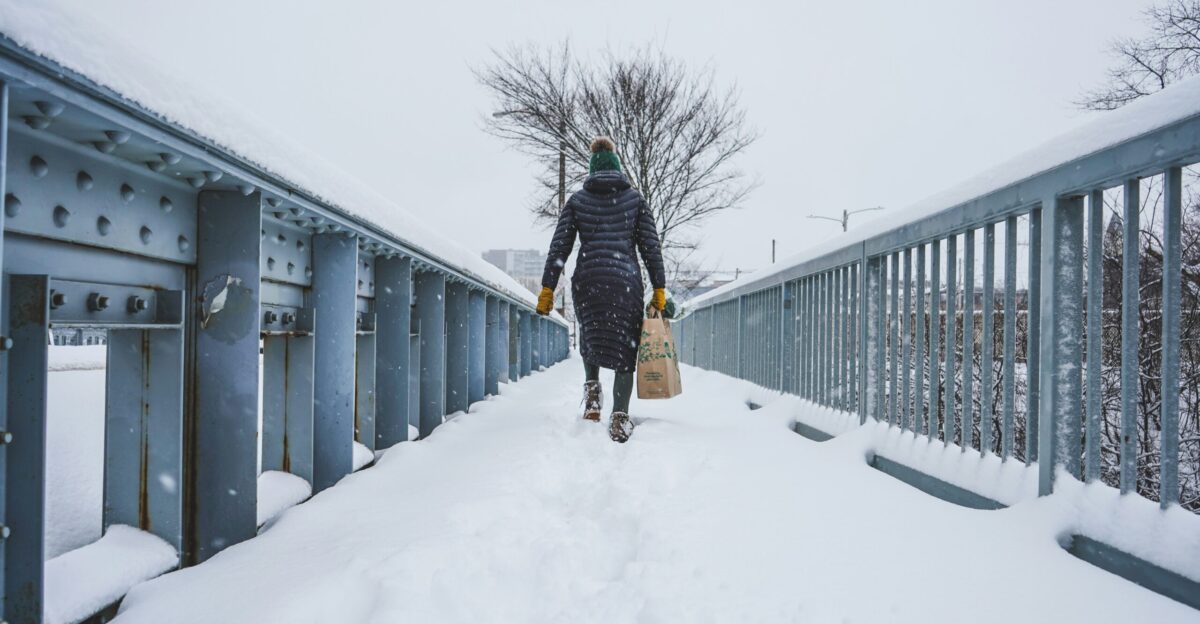
Amid the chaos, alternative services thrived. Ride-sharing apps, grocery delivery services, and streaming platforms saw record numbers as traditional transit and shopping faltered.
Snow removal equipment manufacturers reported an increase in orders, with sales of snow blowers, salt, and emergency supplies skyrocketing across the Midwest and Northeast. Gas stations in affected areas experienced brisk sales as residents prepared for extended outages, creating a surprising boost for such businesses.
International Supply Chain Struggles
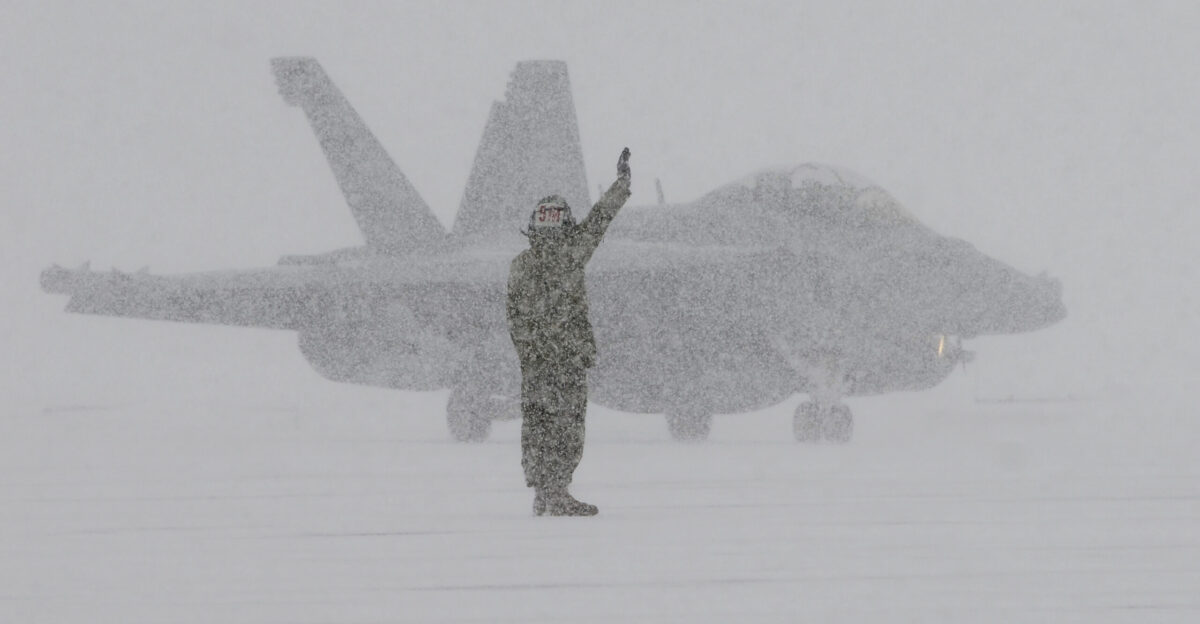
The storm’s reach extended beyond borders, affecting international freight and trade. Delays at major U.S. ports and airports led to shipment backlogs for European and Asian markets, as global manufacturers braced for product shortages.
The Port of Chicago and Memphis International Airport crucial nodes for transatlantic and transpacific commerce reported significant delays, rippling through international supply chains into early December.
Real Stories from the Affected
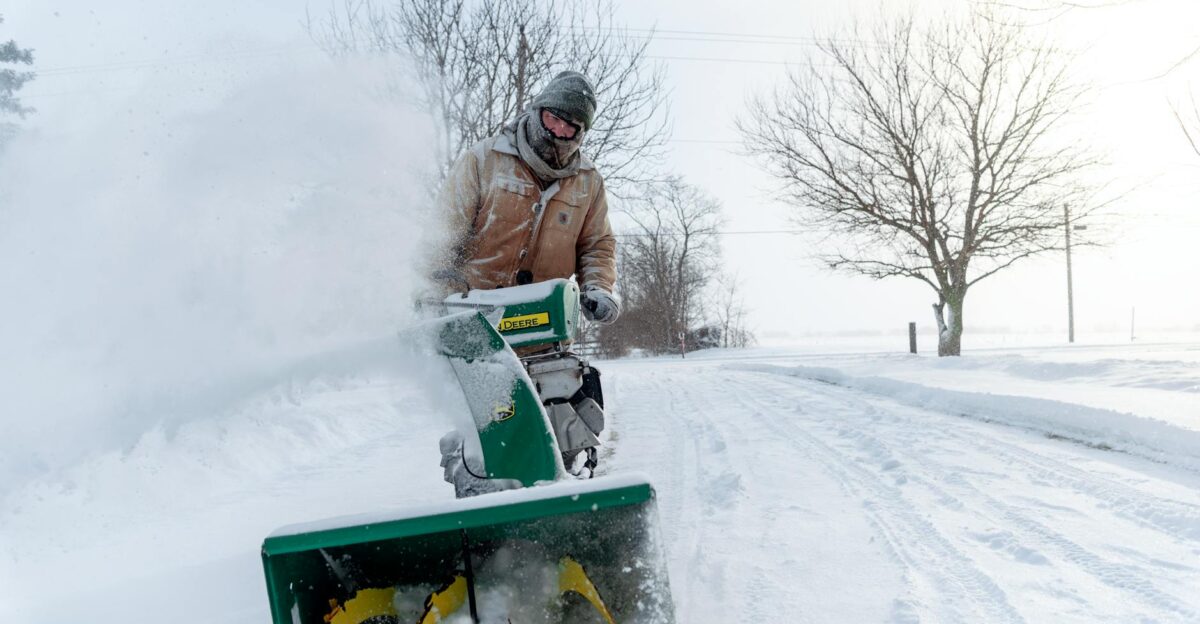
Amid the statistics are stories of real people. In Alden Township, Minnesota, a tragic event occurred when a 69-year-old man was killed by a snow-covered tree while clearing his driveway. This incident highlighted the severe personal risks tied to the storm’s intensity.
Additionally, families across Ohio, Pennsylvania, and New York lost power for hours, relying on neighbors for support as emergency crews struggled to respond to the storm.
Emergency Responses by State and Federal Agencies

In response to the storm’s devastation, several governors declared emergencies, deploying the National Guard to clear roads and assist stranded motorists in heavily impacted states like Minnesota and Michigan.
FEMA coordinated emergency shelters for those most affected, while local agencies urged citizens to limit travel to essential trips only. The Federal Highway Administration issued recommendations for road treatment and traffic management, showcasing the urgent need for mobilization.
Economic Implications of the Storm
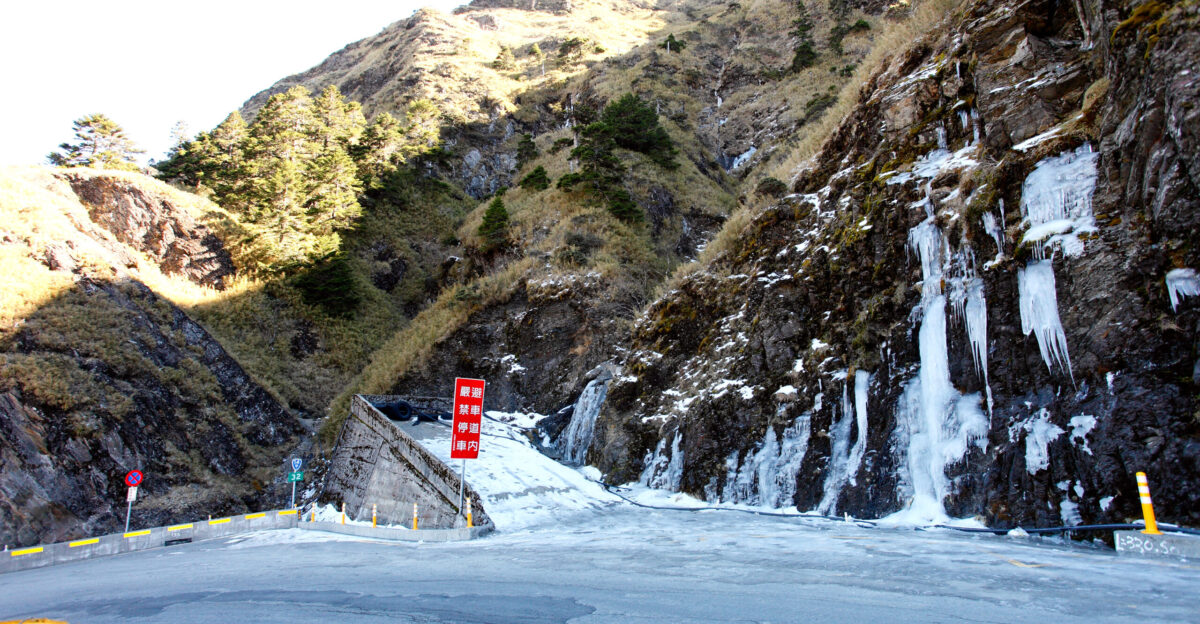
As the storm subsided, economic concerns began to emerge. Prices for heating oil and natural gas surged in response to heightened demand amidst Arctic cold that plunged temperatures below 30 degrees Fahrenheit in parts of the Midwest.
Insurance companies faced thousands of claims stemming from car accidents, property damage, and business interruptions. The overall economic impact, including recovery efforts, repairs, and heating expenses, was estimated to be several hundred million dollars across the affected states.
Health and Safety Concerns Amid Winter Weather
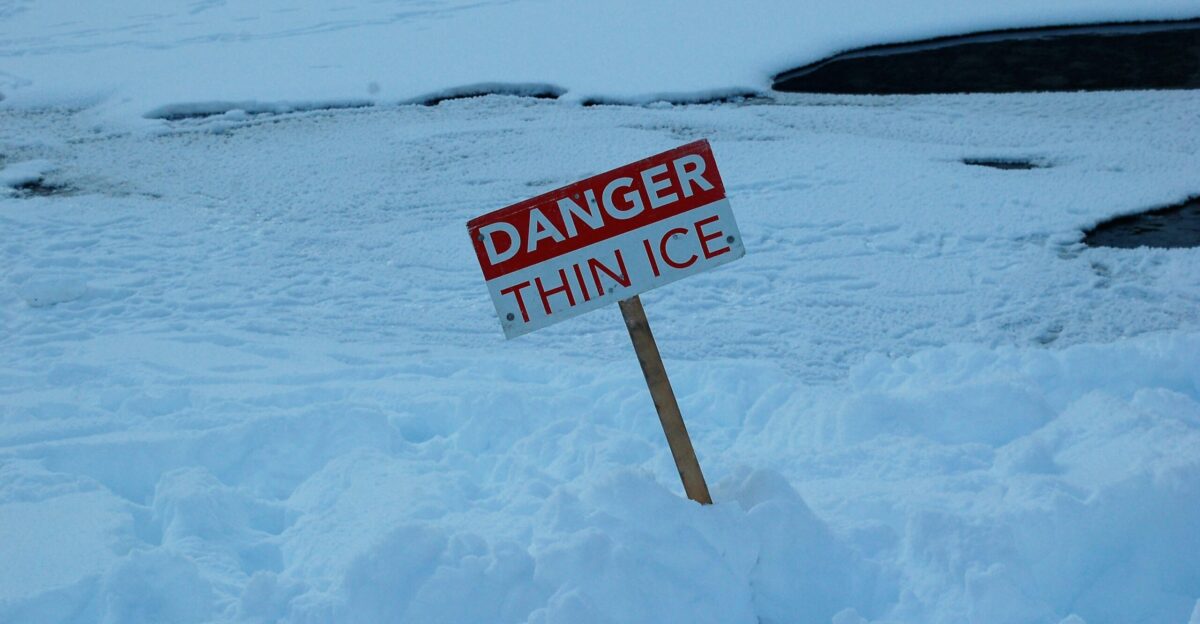
With hazardous conditions gripping the region, hospitals reported a rise in injuries from falls and exposure-related issues. Health officials warned of the risks of frostbite and hypothermia as temperatures fell well below zero, about 30 degrees colder than seasonal norms.
Schools announced extended closures, prioritizing student safety, while communities banded together to look out for one another during this challenging time.
Agricultural Impacts and Crop Damage
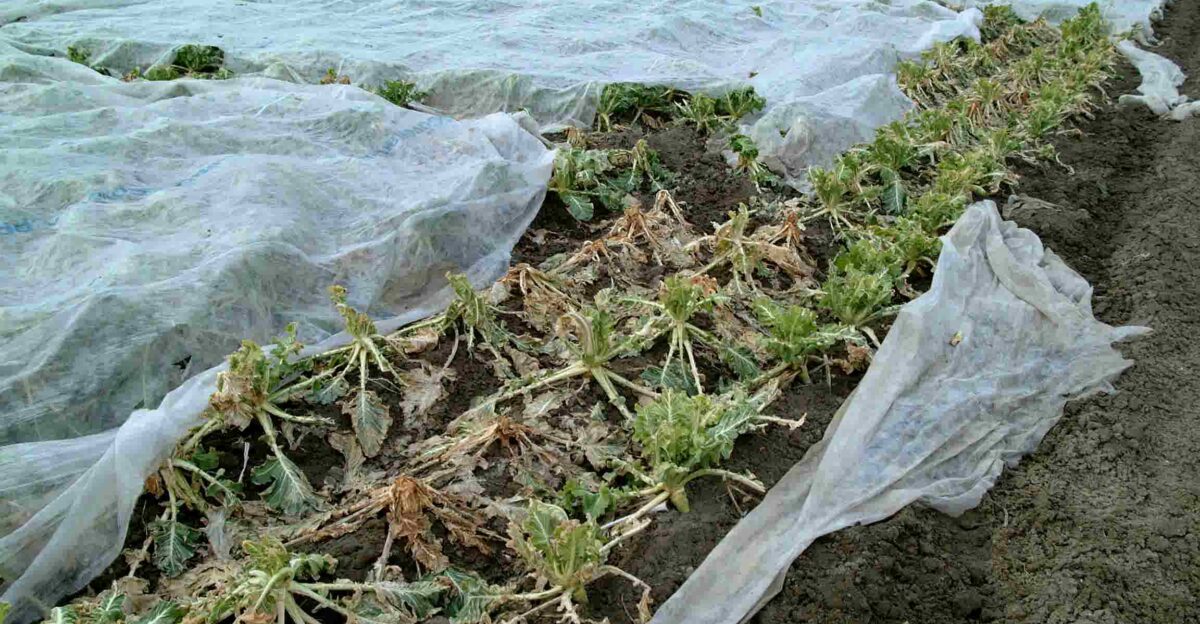
Farmers were not immune to the storm’s impact. Crop assessments reported widespread damage in affected areas, particularly in the Midwest, where falling branches and flooding hindered harvests.
Agricultural yields for winter crops showed drastic drops in impacted regions. As farmers struggled against nature’s whims, the consequences could ripple through the agricultural supply chain for months to come.
Community Resilience on Display
Despite adversity, communities demonstrated resilience. Neighbors helped one another by sharing supplies and providing shelter, showcasing the strength of local bonds.
First responders received thousands of emergency calls related to stranded drivers and medical crises. Their efforts under pressure highlighted the essential role of community support systems during emergencies.
Recommendations for Future Preparedness
In light of the storm, experts recommend enhancing emergency preparedness for future weather events. Increased investments in infrastructure, better forecasting and warning systems, and public education on emergency protocols are critical components for effective responses.
Communities are urged to review their disaster plans to ensure a quicker and more coordinated response in similar situations.
Reflecting on Climate Change

The severity of this winter storm has reignited discussions about the role of climate change in extreme weather events. Experts warn that such occurrences may become more frequent due to global warming.
The intersection of climate science and policy emphasizes the necessity for immediate action to mitigate future risks linked to climate patterns, encouraging lawmakers and communities to focus on sustainability efforts.
Lessons Learned
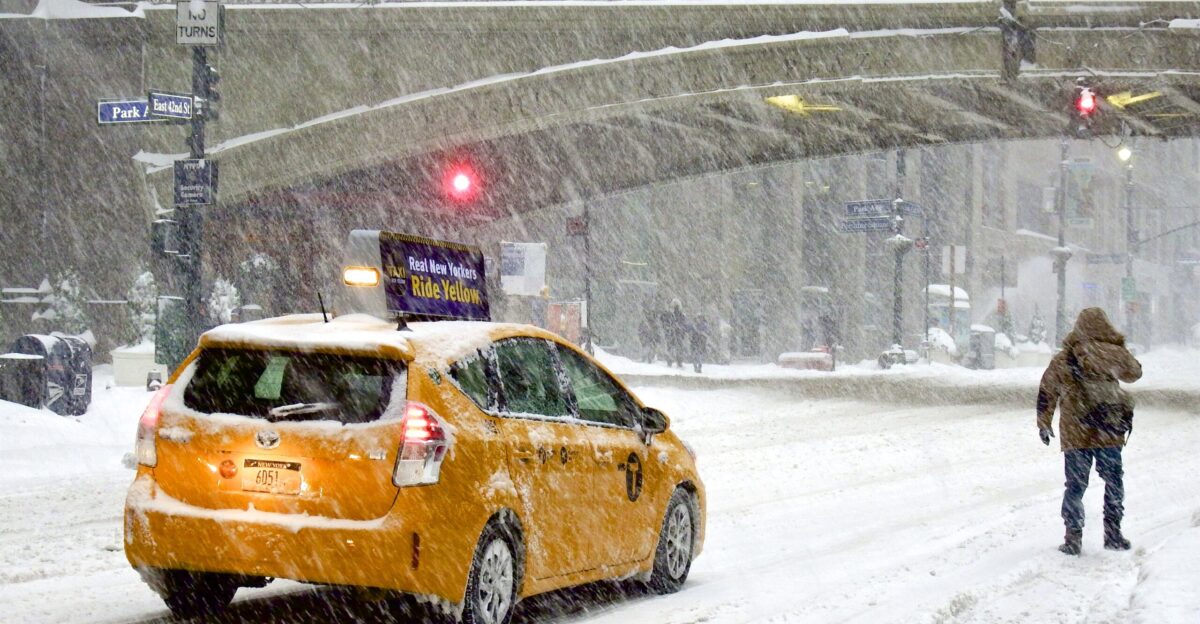
As recovery continues, the storm serves as a poignant reminder of nature’s power and the fragility of daily life in the face of extreme weather. The stories of hardship and resilience captured will stay with those affected.
Whether through personal acts of kindness or statewide emergency measures, the post-storm narrative reflects humanity’s ability to come together, learn from hardships, and prepare for an uncertain future in a changing climate.
Sources:
CNN November 26, 2025 Post-Thanksgiving cross-country winter storm reporting
National Weather Service November 27, 2025 Winter storm forecast and timeline
USA Today November 26, 2025 Thanksgiving travel weather forecast
Reuters November 27, 2025 State and federal government response and supply chain impacts
Associated Press November 27, 2025 Business and retail storm impacts
CNBC November 23, 2025 Thanksgiving air travel and market effects