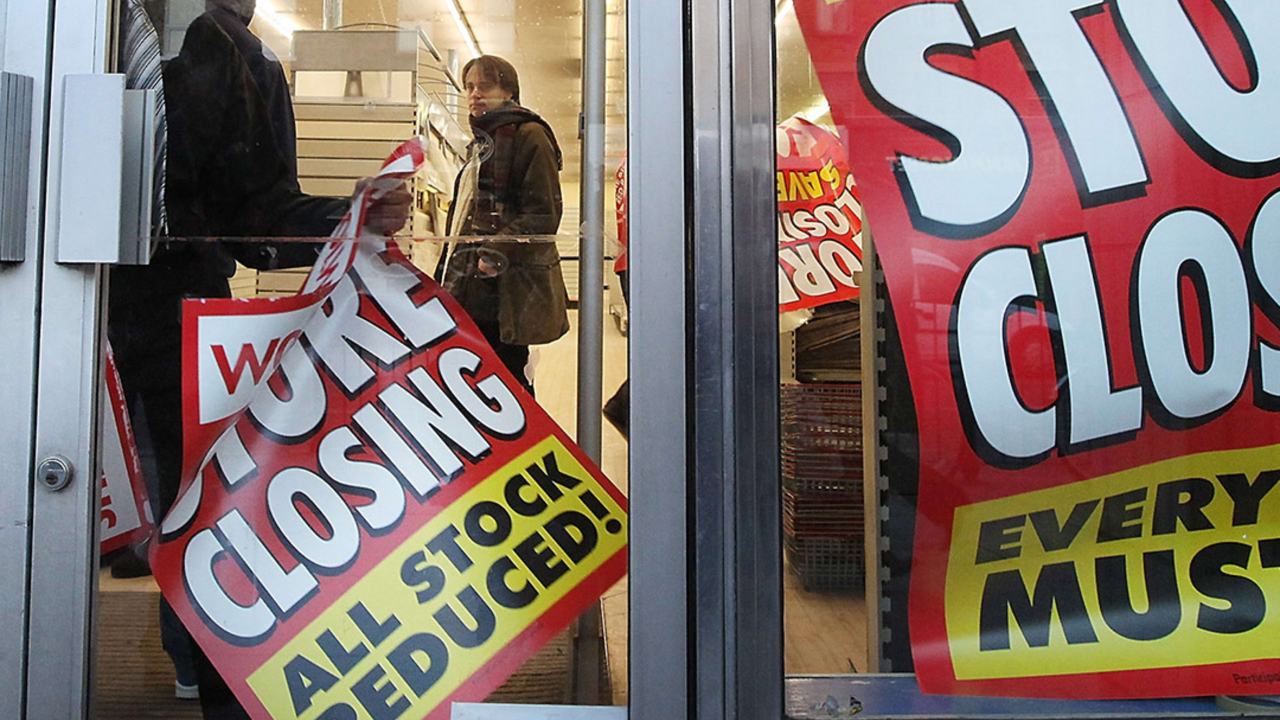
America is experiencing an unprecedented wave of retail closures in 2025, with more than 15,000 stores projected to shutter by year’s end.
This marks the most significant contraction since the pandemic, outpacing previous years and signalling a deep transformation in how, where, and when Americans shop. The scale of this disruption far exceeds earlier industry predictions, fundamentally reshaping the national consumer landscape.
Why Are So Many Stores Closing?
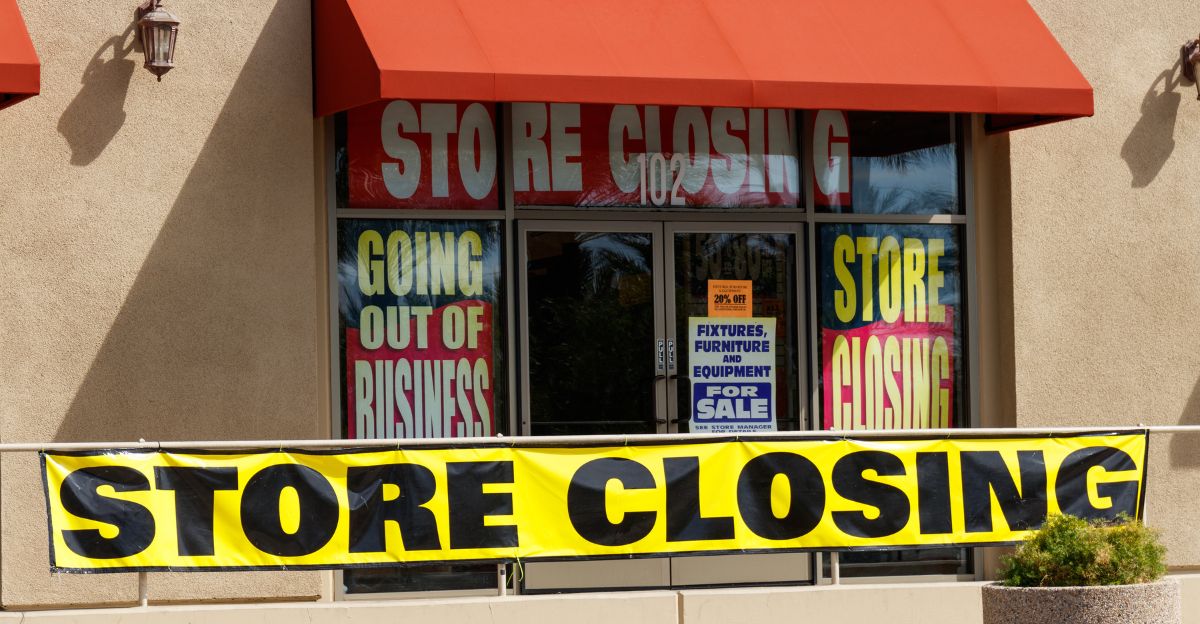
Several converging factors drive this phenomenon: surging e-commerce sales, persistent inflation, rising operational cost hikes, and enduring shifts in post-pandemic consumer habits.
Together, these economic headwinds are forcing both iconic heritage brands and everyday retailers to urgently reconsider their physical footprints in communities across the country. The combination creates an unsustainable environment for traditional brick-and-mortar operations.
Department Store Giants Shrink
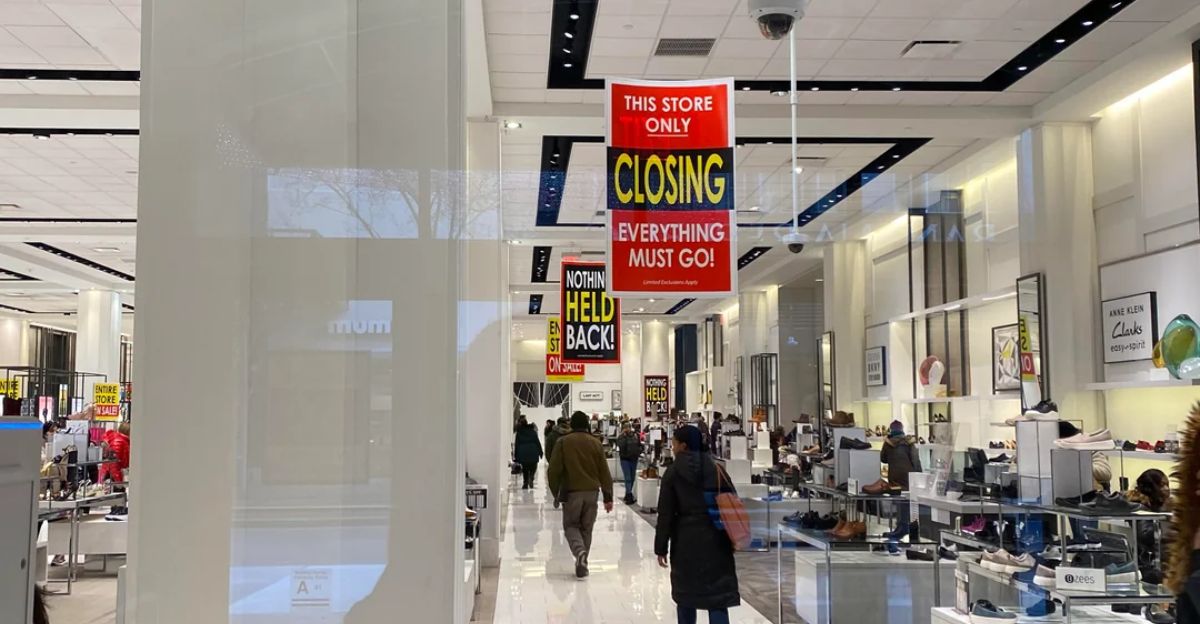
Legacy department store brands, including Macy’s, JCPenney, and Dillard’s, are now substantially reducing their store footprints in response to market pressures. Macy’s leads the downsizing in 2025, closing 66 stores this year and planning to shutter a total of 150 locations by 2026.
JCPenney and Dillard’s are following similar strategic consolidation paths, responding to declining profits and persistent underperformance in their physical retail operations.
Complete Liquidations
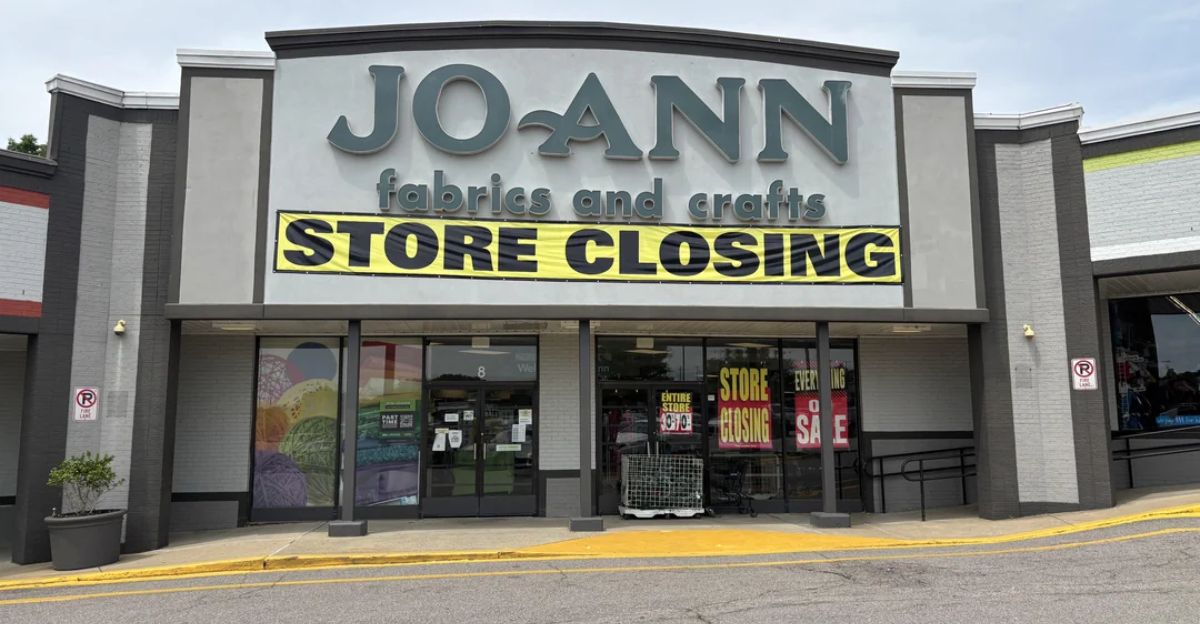
Some retailers face total liquidation rather than gradual restructuring. Joann Fabrics announced it would close all 850 stores nationwide, while Party City completed the liquidation of over 700 locations after bankruptcy proceedings.
Forever 21 also announced closure of all its U.S. sites, unable to compete with aggressive e-commerce newcomers and fast-moving digital-first rivals in the highly competitive fashion market.
The Pharmacy Sector’s Collapse
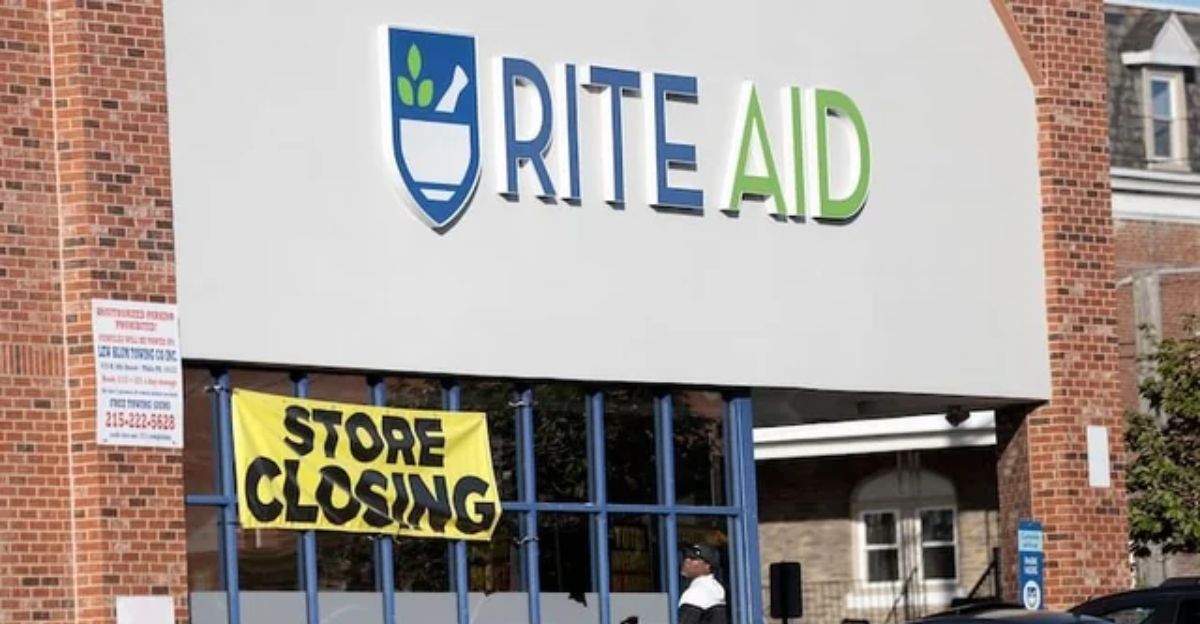
America’s pharmacy chains are not spared from the retail upheaval. Rite Aid, once a ubiquitous presence across the nation, has closed all remaining stores after bankruptcy filing.
Walgreens and CVS are shuttering hundreds of additional locations, raising serious alarms about the emergence of “pharmacy deserts” where millions of Americans lose easy access to prescriptions and essential medical care services.
Discount Chains Are Hit Hard
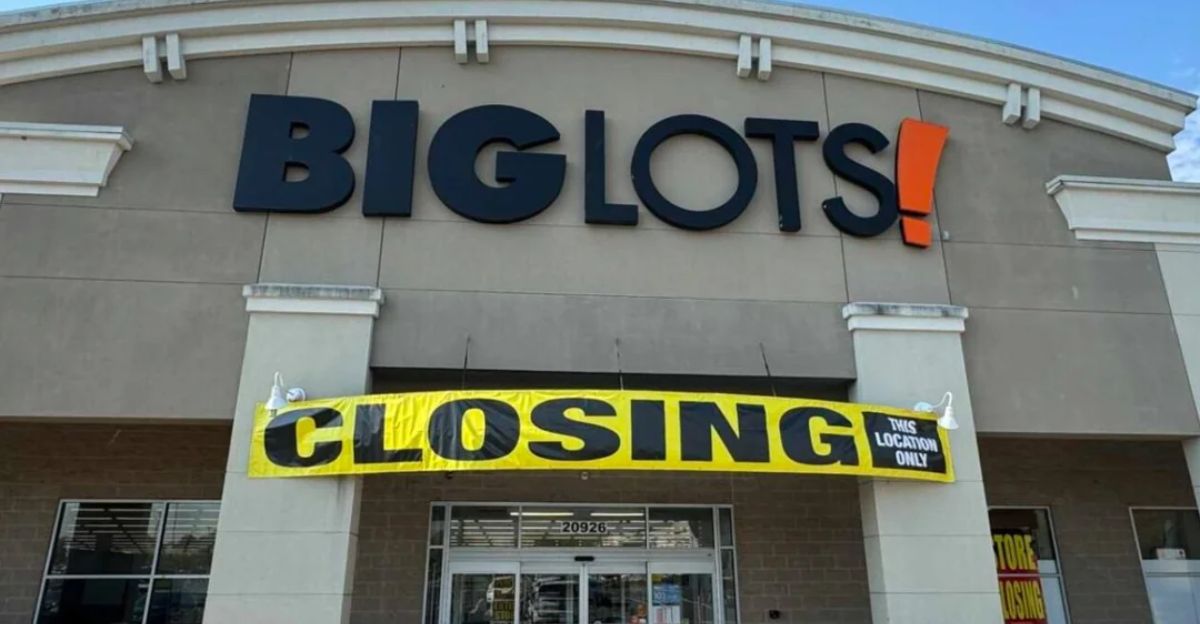
Discount retailers, long a staple in low-income neighborhoods nationwide, are also contracting significantly. Big Lots announced the closure of more than 500 stores under severe financial strain, with numerous locations converting to other discount retail banners.
Dollar General plans nearly 100 closures despite its broader expansion strategy, acknowledging market saturation in key regions across America.
Fashion and Specialty Chains Retreat
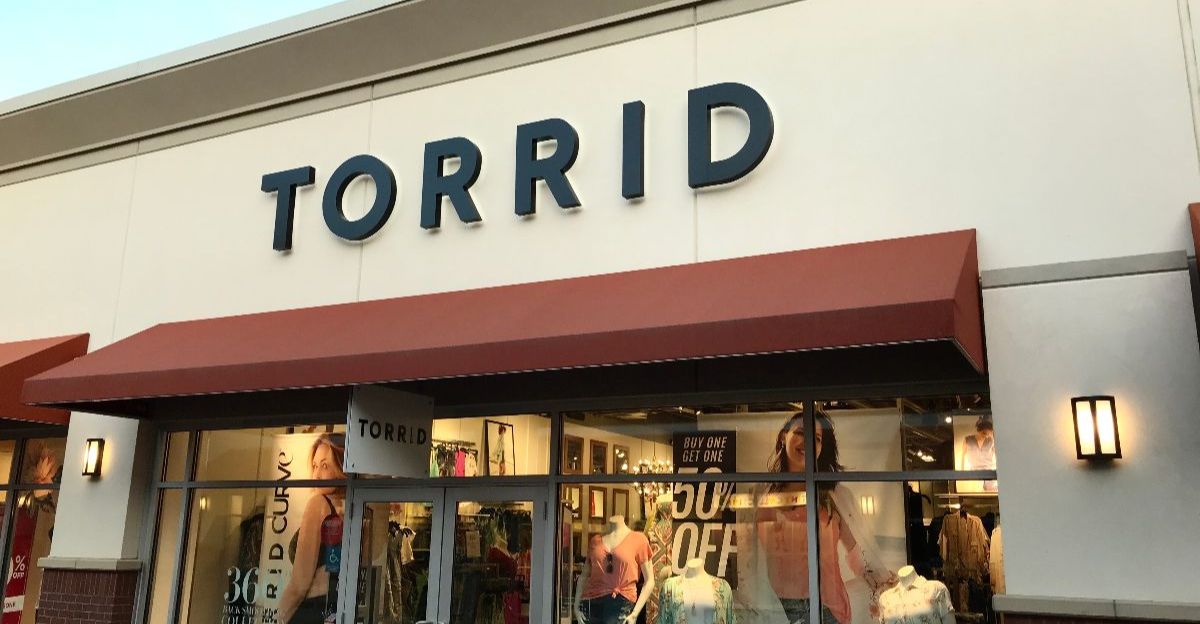
Fashion retailer Torrid is slated to shut up to 180 stores—nearly a third of its entire portfolio—while Claire’s plans to close 291 stores including Icing outlets.
These widespread closures reflect the sector’s ongoing struggle to keep pace with digital-native rivals and rapidly shifting youth fashion tastes and preferences in an evolving marketplace.
The Auto, Home, and Quick-Serve Sectors
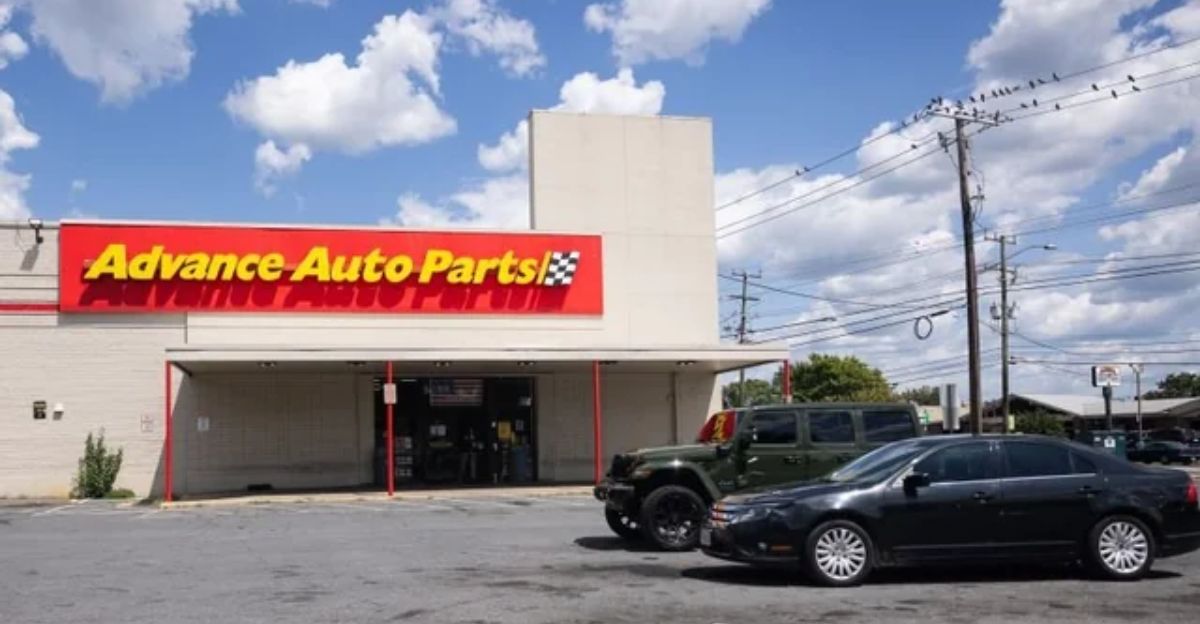
Advance Auto Parts will close over 500 stores by mid-2025, fundamentally restructuring its national distribution network. At Home is consolidating by closing approximately 30 underperforming locations nationwide.
Even convenience staples like 7-Eleven are significantly affected, shuttering more than 500 locations after years of lackluster sales growth and declining customer traffic patterns throughout the country.
Starbucks and Iconic Brands Downsize
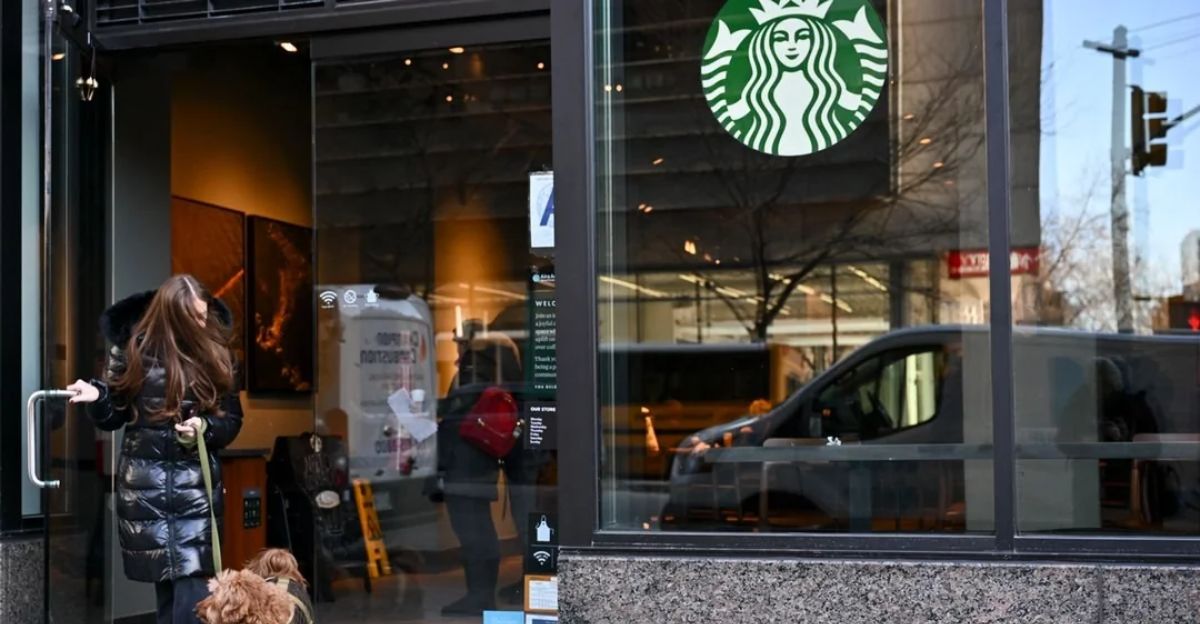
Well-known brands including Starbucks are actively trimming their U.S. operations substantially in response to market conditions. More than 600 Starbucks locations are set to close nationwide in 2025, representing approximately one percent of the company’s North American store locations overall.
The company cites restructuring needs and changing consumer daytime coffee habits as the strategic decision, mirroring broader trends in the quick-serve restaurant industry.
Retail Deserts on the Rise
With major retailers pulling out of communities nationwide, vast regions—especially in rural areas and lower-income urban neighborhoods—are becoming concerning “retail deserts.” Residents in these underserved communities must travel significantly farther for essential groceries, apparel, and basic health needs.
This geographic disparity exacerbates existing economic and social inequities deeply affecting vulnerable populations.
Economic Ripples Hit Local Communities

Store closures have far-reaching consequences extending well beyond empty storefronts and abandoned buildings in affected areas. Thousands of jobs disappear along with businesses, further reducing local tax revenue for municipal budgets and essential services.
Small towns and city neighborhoods feel the loss acutely as anchor retailers close, substantially impacting surrounding small businesses and municipal operations.
The Digital Shift Behind Closures

A dramatic surge in online shopping represents a primary driving factor in accelerating store closures nationwide.
As of 2025, more than one in five retail sales occur online, and nearly 60% of consumers polled say they shop online more frequently than in physical stores. Retailers that are unable to effectively integrate their digital and physical sales channels are at the greatest immediate risk of closure.
Winners in a Shrinking Market
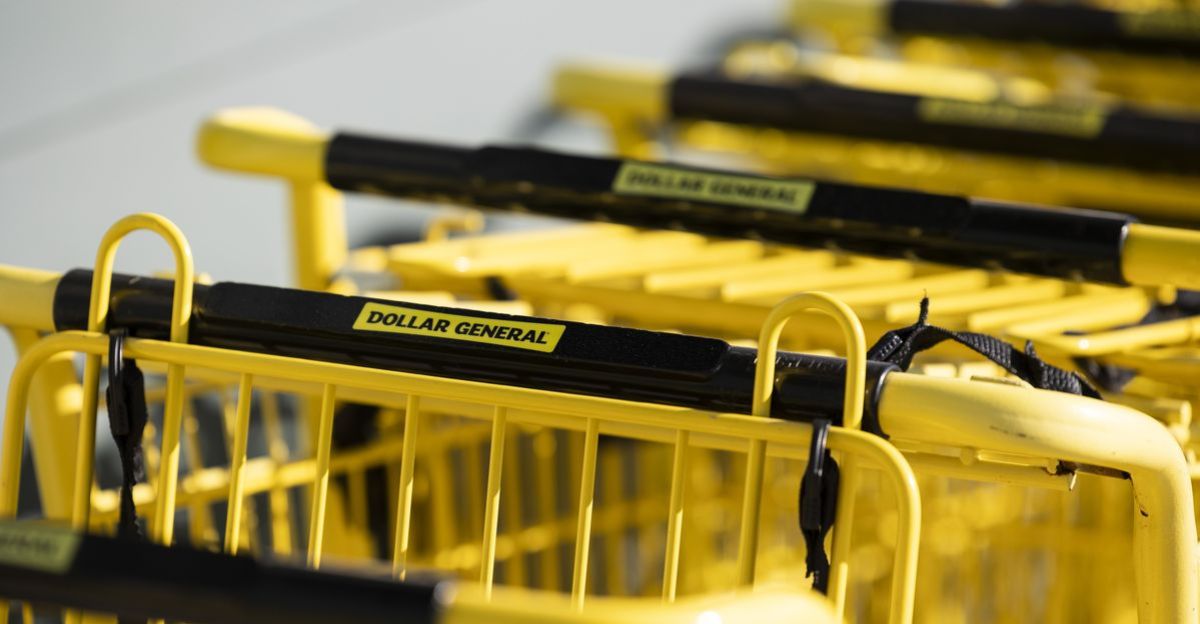
Not all retailers are shrinking during this transformative period; some continue strategic expansion despite market challenges. Dollar General continues to expand in carefully selected markets, planning to open 725 new stores by the end of 2025 to strengthen its national presence.
Walmart, Costco, and Target are also investing substantially in strategic expansion, capitalizing on omnichannel models and strong brand loyalty.
The Rise of Ultra-Discount Competition

Chinese-founded e-commerce platforms, such as Shein and Temu, are aggressively eroding traditional retailers’ margins by offering ultra-low prices, thanks to tariff advantages. These platforms exploit tariff loopholes allowing goods under $800 to enter duty-free into American markets.
Their rapid growth was specifically cited as a primary reason for Forever 21’s collapse, underscoring the global economic implications of contemporary U.S. retail competition.
Operational Costs Squeeze Margins
Increasing rents, wages, and logistics costs are severely squeezing the profit margins of traditional retailers across all categories and regions. Layered with supply chain disruptions and expanding tariff impacts on imported goods, these cumulative pressures leave many stores operating with razor-thin or negative profit margins.
Closures become inevitable for underperforming locations unable to achieve sustainable profitability and break-even operations.
Retailers Target “Right-Size” Solutions
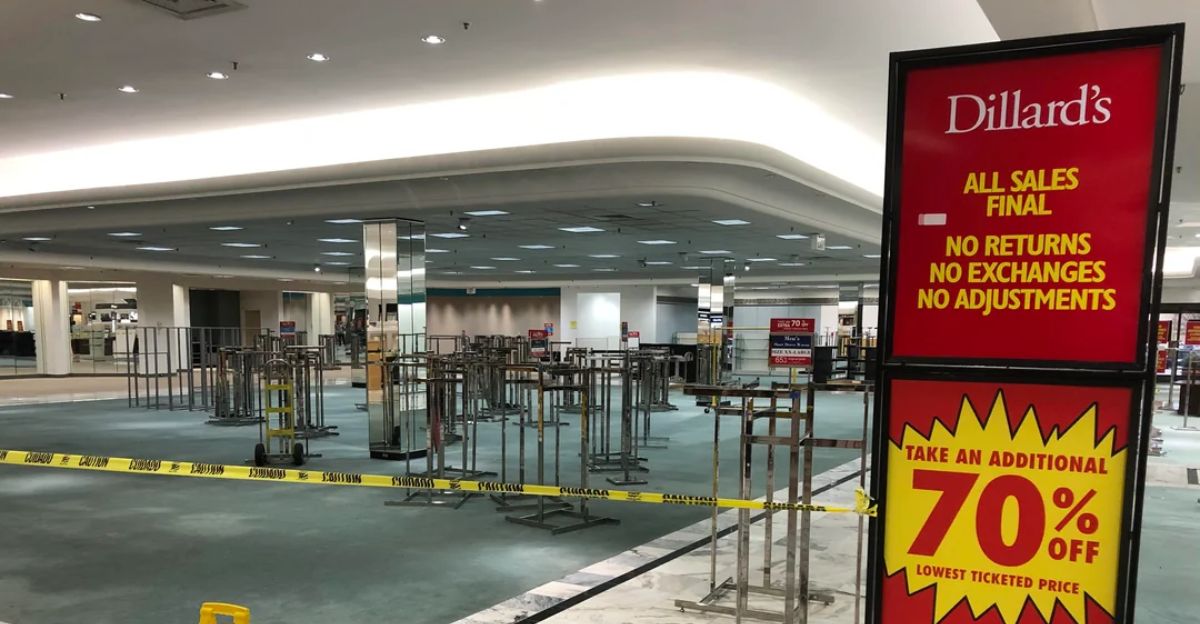
Many companies publicly describe their closures as “right-sizing,” emphasizing a strategic shift to fewer, more profitable locations supplemented by growing digital commerce capabilities.
Dillard’s and Macy’s both insist their downsizing represents strategic optimization and efficiency, not a wholesale retreat from retail markets. However, the sheer extent of closures has genuinely surprised and concerned many communities nationwide.
Community Health Risks Increase
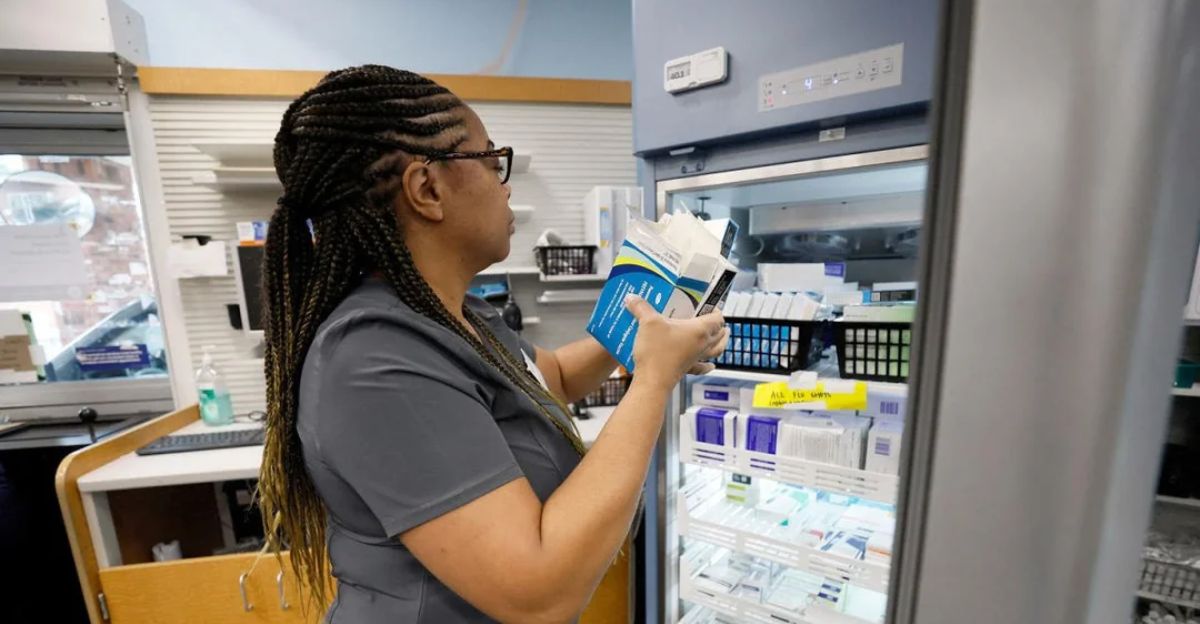
The shutdown of pharmacies and full-service grocers in vulnerable areas creates serious documented health risks for longtime residents.
Research demonstrates that residents in identified retail deserts face substantially higher risks for health problems due to limited access to medications and fresh healthy food options available locally. This burden falls particularly heavily on elderly populations and low-income communities nationwide.
Economic Inequality Worsens
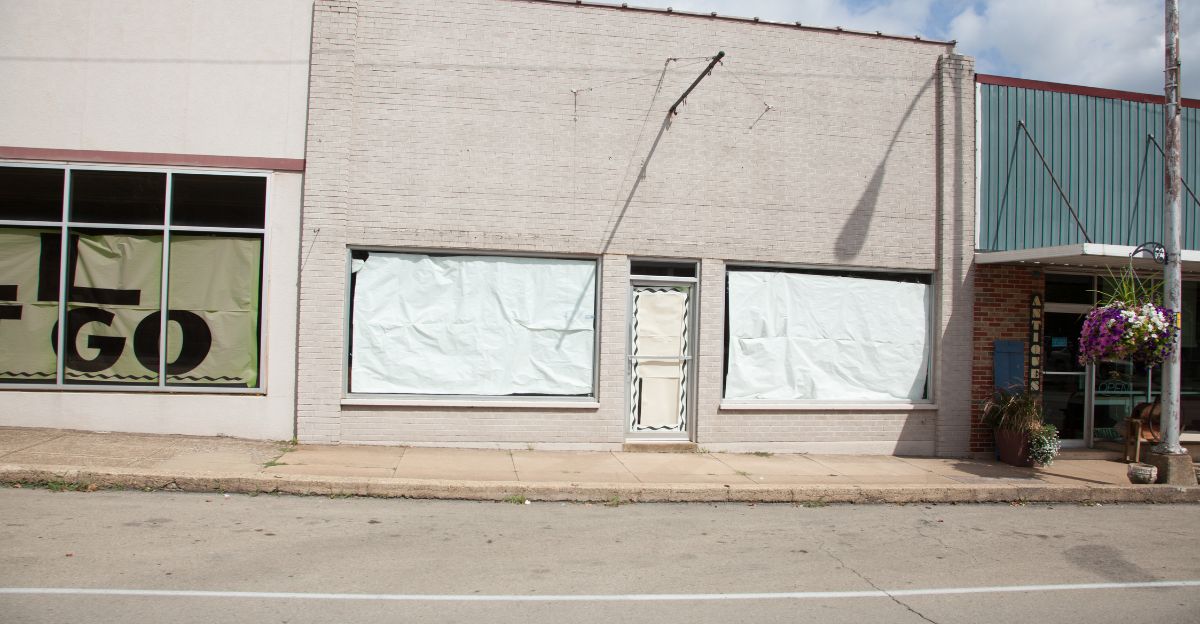
The growing patchwork of retail deserts underlines and deepens existing economic divides between affluent and struggling communities across America. As anchor retailers close, less affluent areas experience rising transportation costs and dramatically fewer employment opportunities for workers.
This accelerates the drain of resources from already struggling communities facing systemic economic disadvantages and limited economic mobility.
Local and State Governments Respond

Cities and states are actively experimenting with solutions ranging from tax incentives for grocers and pharmacies to public-private partnerships supporting mobile retail options.
Advocates strongly argue that without meaningful government intervention, underserved communities may face mounting health consequences and persistent economic problems. Policymakers are exploring various approaches to revitalize retail access in underserved regions.
A Nation in Transition
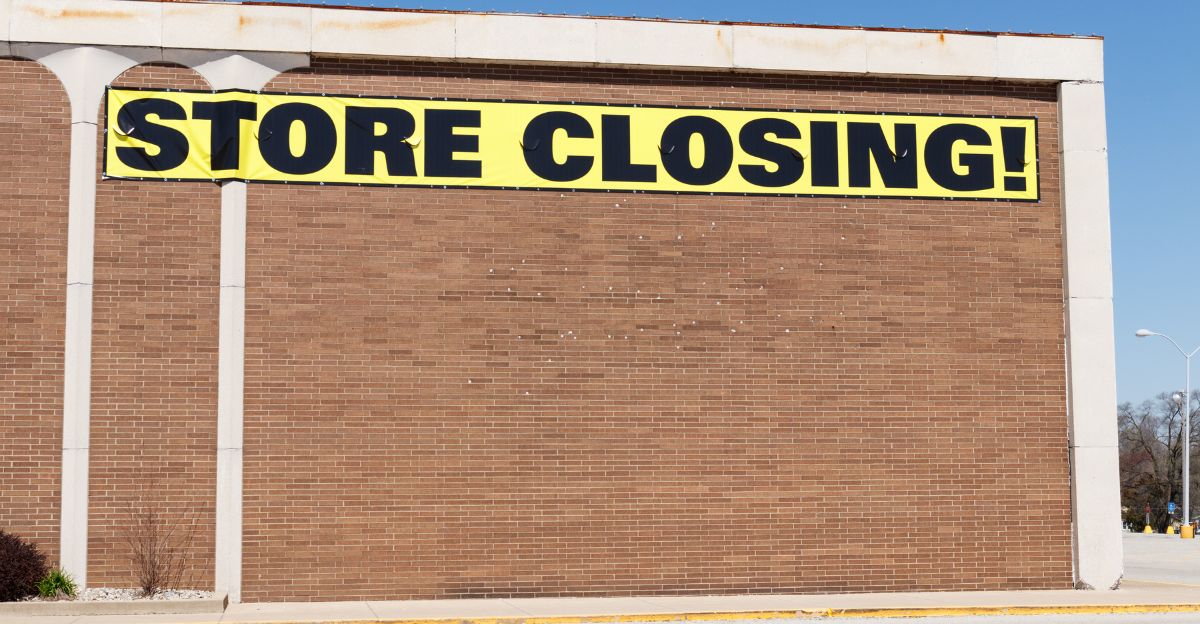
America’s accelerating store closures are fundamentally reshaping the consumer landscape and transforming not only how Americans shop but also the health and viability of towns and neighborhoods nationwide.
As the retail reset unfolds, only those brands nimble enough to successfully bridge the physical and digital divide are expected to thrive. This dramatically changed marketplace environment presents both significant challenges and opportunities for adaptation.
Sources:
GetVMS, Navigating the 15,000 Store Closures of 2025
Axios, Retail Store Closure Lists and Analysis, 2025
Business Insider, More Than 3,700 U.S. Stores Closing This Year
CNBC, Store Closures and Industry Trends, 2025
USA Today, Major Retailer Closings and Locations
Reuters, Retail Industry Financial Reports and Bankruptcy Filings
McKinsey, State of the Consumer Trends Report 2025
Placer.ai, Retail Traffic and Consumer Behavior Analysis