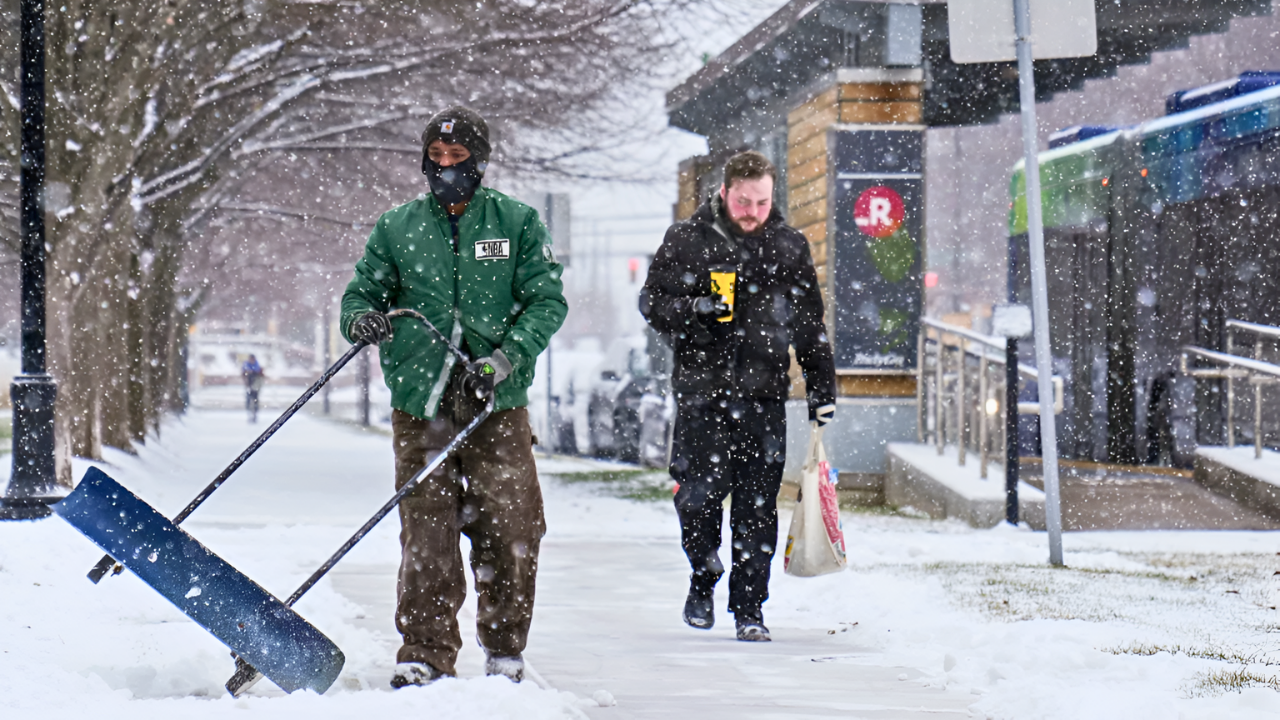
It’s just before 6 a.m. Tuesday, when the first flakes and sleet slip into the New York metro skyline, right as alarms buzz and coffee makers click on. A nor’easter is sliding up the East Coast after a brutal weekend that saw massive flight disruptions across the Midwest—Chicago O’Hare alone recorded over 1,100 cancellations and 800 delays on Saturday—now threatening the New York region.
Millions step outside and feel it instantly: this isn’t a drizzle; it’s a day-changer.
City Gets Soaked, Suburbs Get Buried
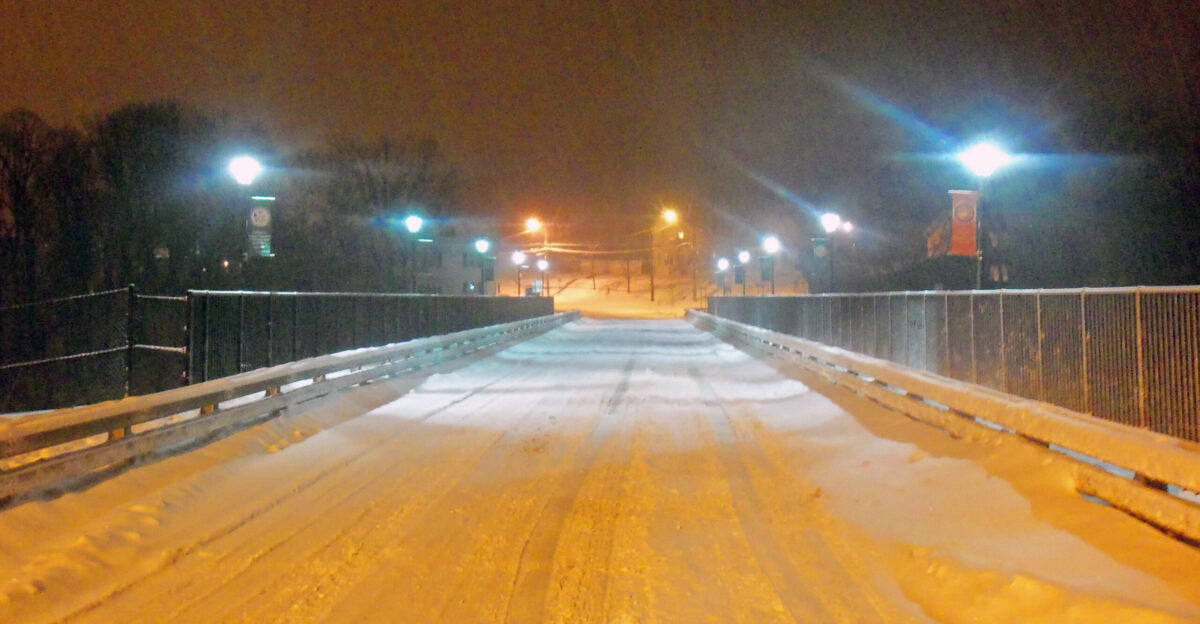
In the five boroughs, early flurries quickly turn to a chilly mix of sleet and rain, with forecasters expecting up to 2 inches of rainfall and no meaningful snow buildup on city streets.
Just a short drive away, it’s a different world: Putnam and Rockland counties brace for 3–5 inches while parts of Orange County stare down up to 7 inches under a winter storm watch.
Twenty Million Commutes On A Knife Edge
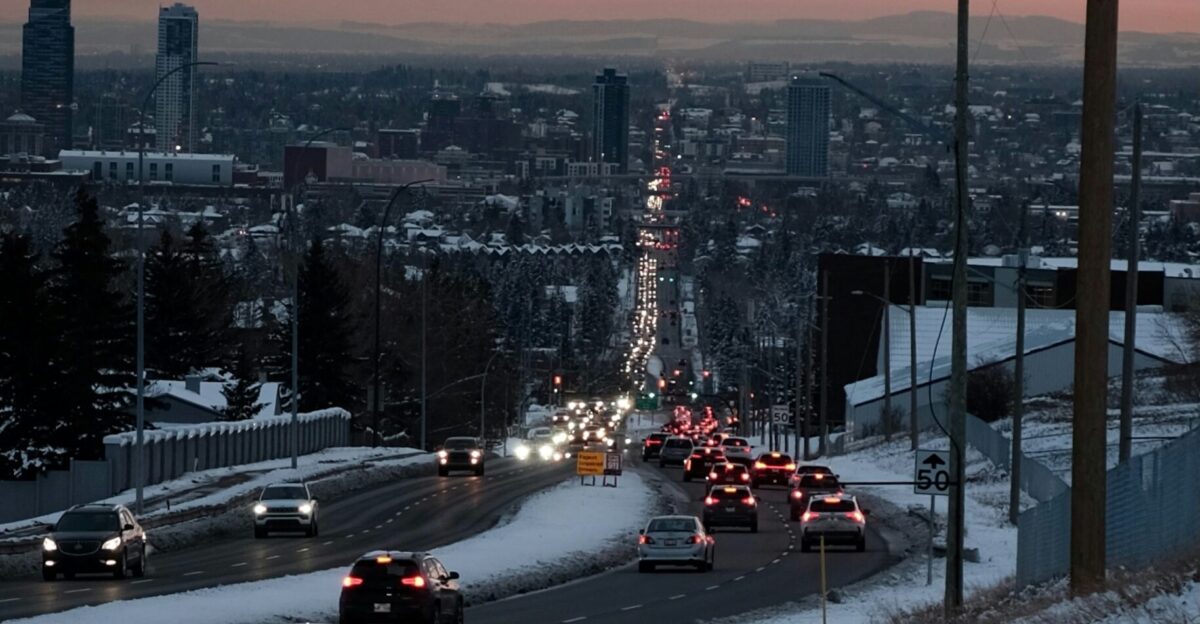
Across the metropolitan region, nearly 20 million people wake up trying to answer the same question: do you risk the drive, or stay put and hope your boss understands?
An estimated 8–10 million commuters are directly in the storm’s crosshairs during the morning rush, with the same mix of rain, sleet, and wet snow expected to complicate the evening trip home.
Midwest Storm Set The Stage for Northeast Disruptions
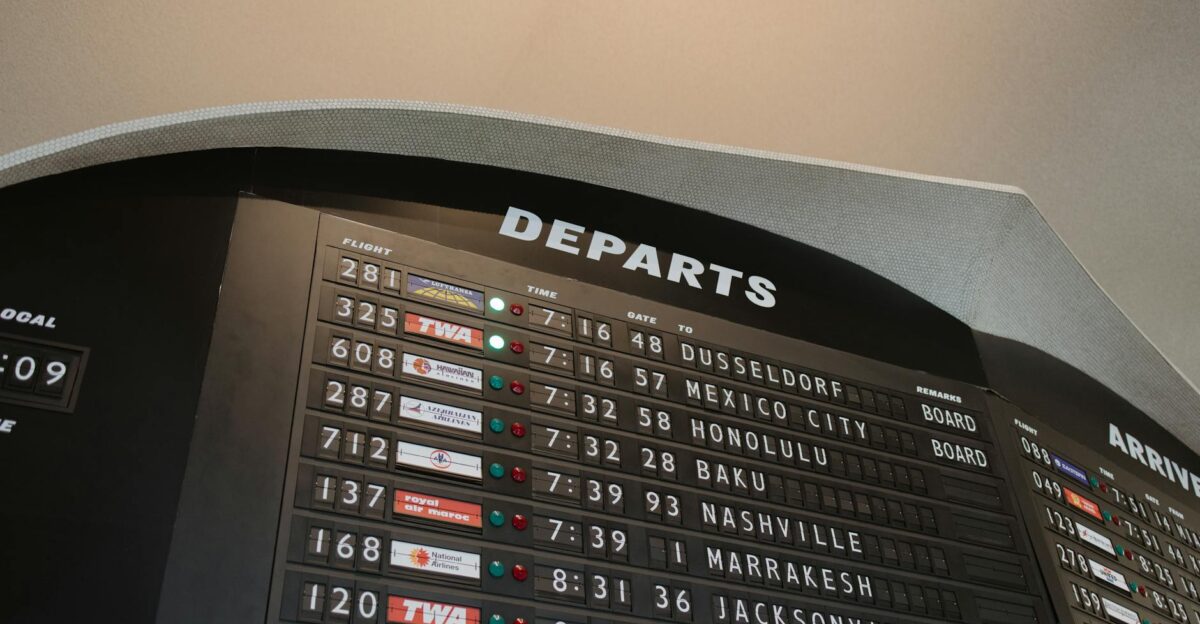
By sunrise, airport boards at New York’s three major hubs are flashing yellow warnings. Over the weekend, a massive winter storm system devastated Midwest air travel, with Chicago O’Hare and Midway airports recording more than 1,100 and 240 cancellations, respectively, on Saturday alone, as well as over 800 delays at O’Hare.
That same system is now tracking toward the Northeast. While mass cancellations haven’t yet grounded New York airports, delays are mounting at JFK, LaGuardia, and Newark.
‘Slick And Hazardous’—NWS Doesn’t Sugarcoat It
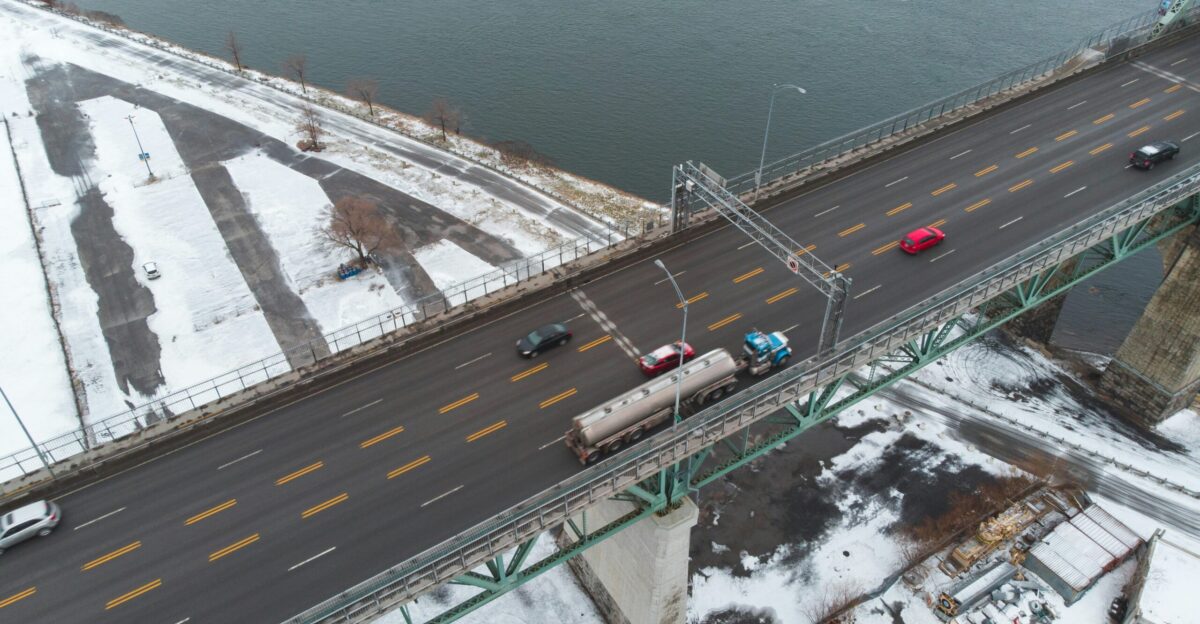
The National Weather Service leans on plain language to cut through the noise. Forecasters warn that roads—”especially bridges and overpasses”—will likely turn slick and hazardous, urging drivers to plan for slippery conditions and longer-than-normal travel times.
For many, that briefing becomes the morning’s deciding factor: log in from home, or brave the blacktop.
Umbrellas, Not Snow Shovels
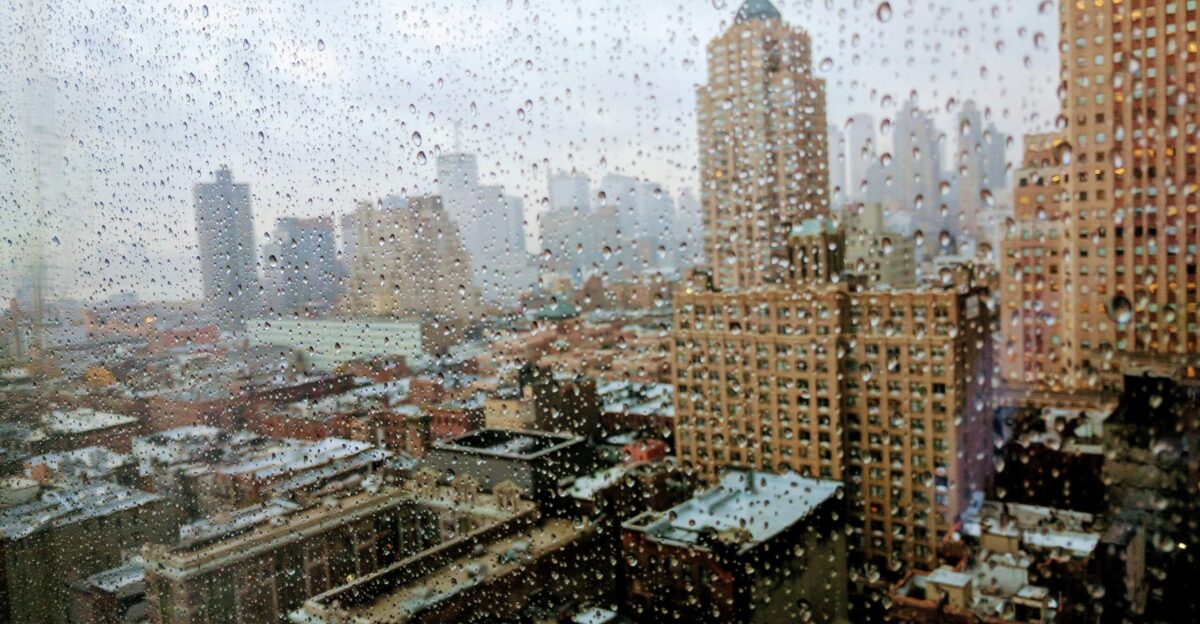
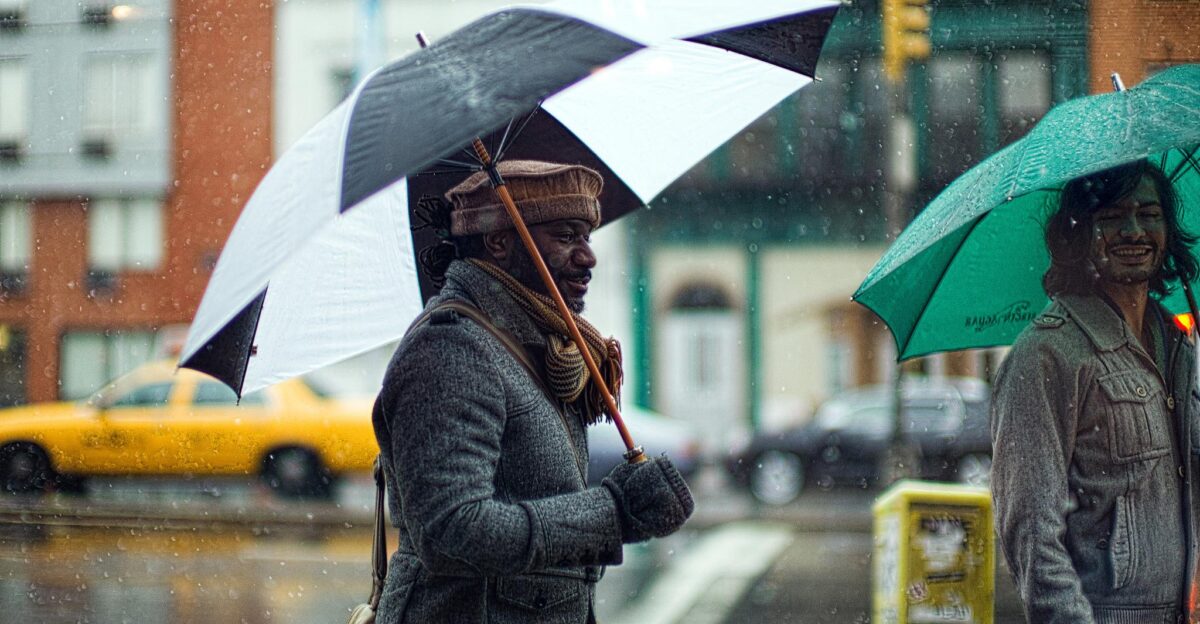
Inside the city, Tuesday feels less like a snowstorm and more like a bone-cold soak. Up to 2 inches of rain puddle at crosswalks, turn subway stairs into miniature waterfalls, and leave commuters arriving at work damp around the edges.
It’s the kind of day when the smart move is to wear waterproof layers, extra socks, and have a backup umbrella stashed at the office.
Just 20 Miles, Completely Different Winter
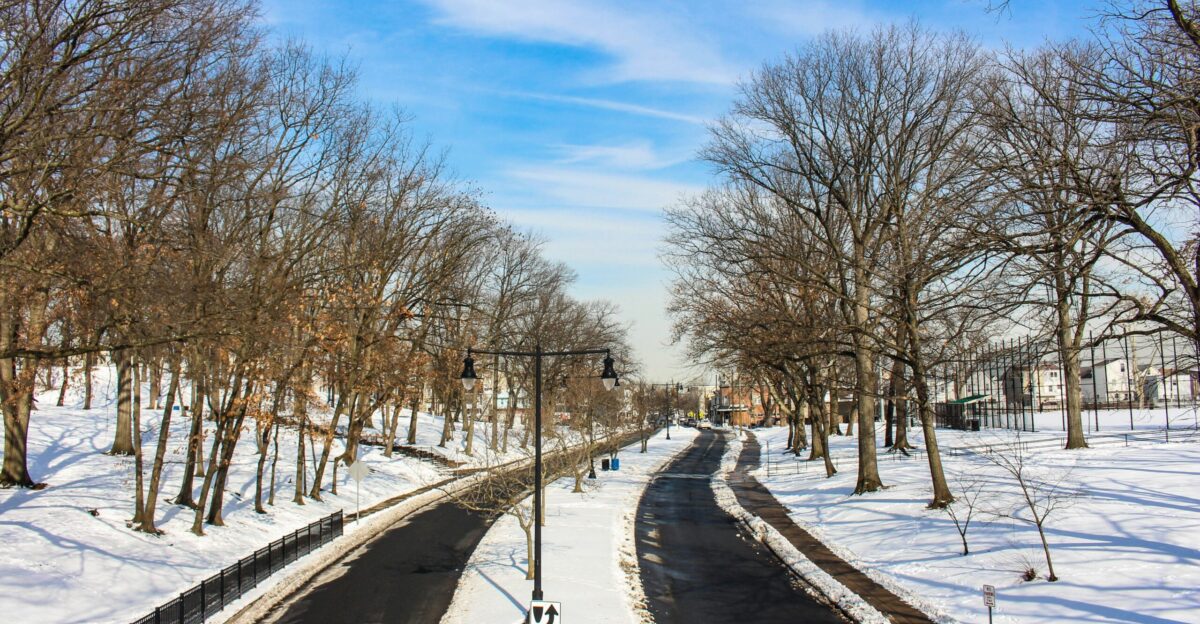
Drive north or west out of the city, and the storm sharpens. In Orange County, 4–7 inches of snow can quickly turn parking lots into plow routes, while parts of Putnam, Rockland, and western Passaic counties in New Jersey see roads coated in 3–5 inches of heavy, wet accumulation.
The nor’easter slices the region into zones: drenched in one place, buried in another.
The First Step Is The Riskiest

As temperatures flirt with freezing, danger hides in plain sight. Sidewalks that look merely damp can mask thin sheets of ice. Stairs, porches, driveways, and neighborhood hills become problem spots, just as the NWS warns that bridges and overpasses are especially prone to icing first.
For parents hustling kids to school, every curb and crosswalk feels like a small calculation.
A Storm Riding A Bigger Winter Pattern
This isn’t just a one-off bad day. The nor’easter is part of a larger polar vortex-driven pattern that has already upended travel in the Midwest and is now sliding east.
Its timing—landing right after Thanksgiving, as people return to work, college, and daily routines—turns a typical early-season storm into a full-scale stress test of the region’s winter readiness.
Highways Crawl, Transit Groans
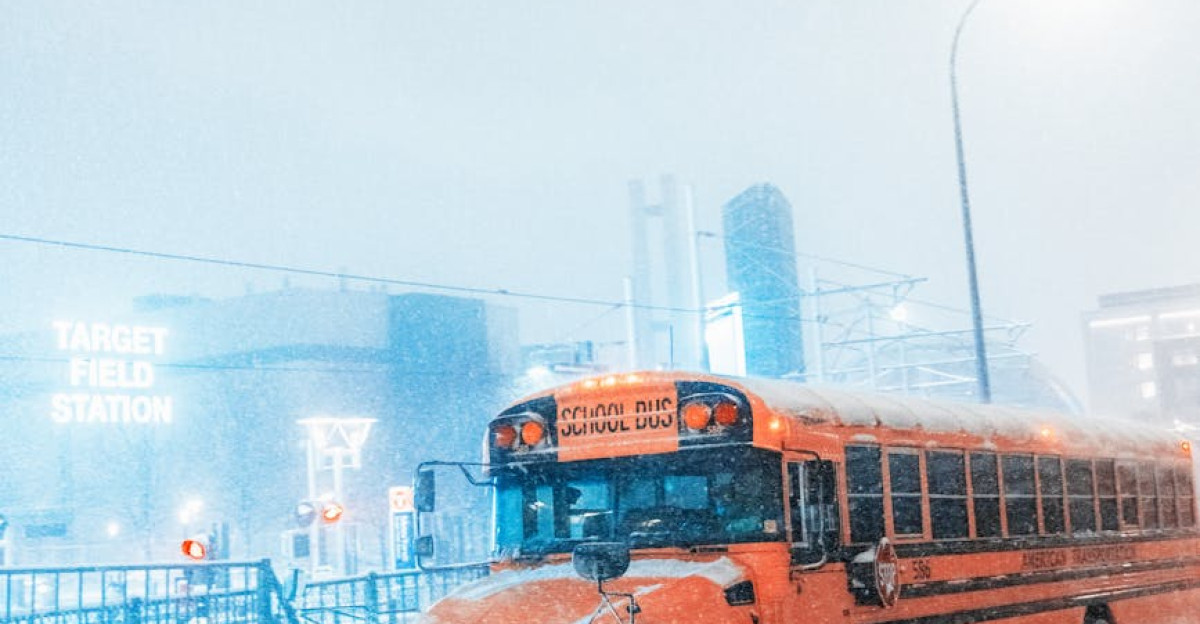
On major arteries, hazard lights flicker through the sleet as drivers inch over slick lanes and brace for sudden slowdowns. Accident risks typically jump during the first mixed-precipitation event of the season, as drivers relearn winter reflexes.
Buses slog through deepening slush, and subway and commuter rail systems warn riders to expect slower service and weather-related delays.
Not Just A New York Problem
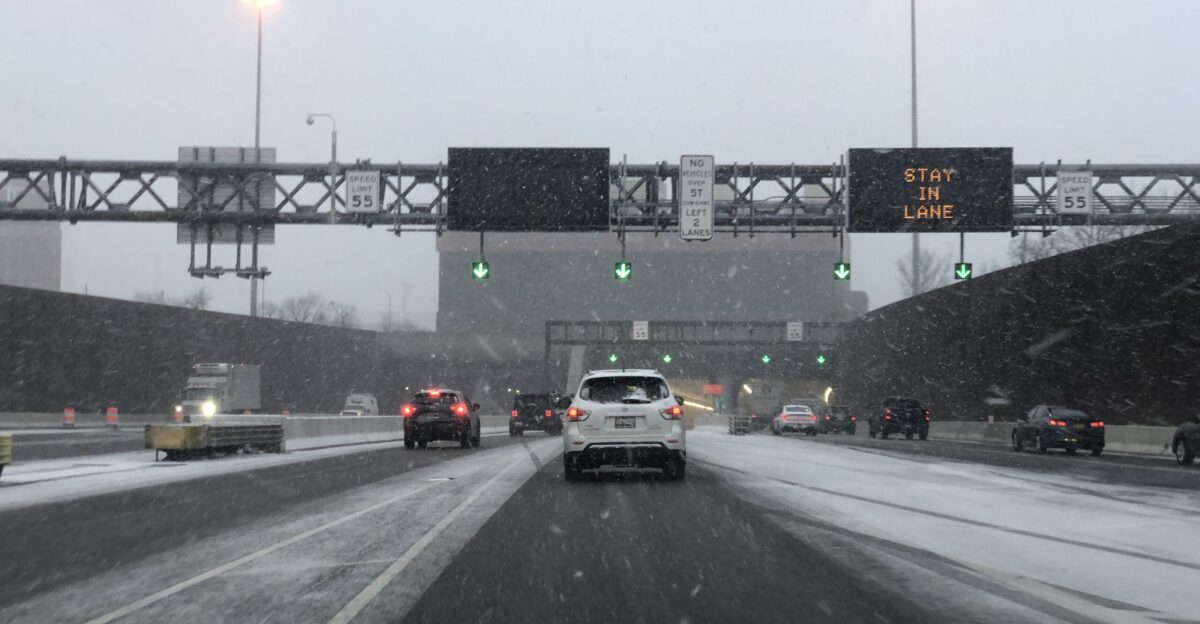
The nor’easter stretches along the Interstate 95 corridor, linking New York’s misery with that of Washington, D.C., Baltimore, Philadelphia, and Boston.
In each city, the precise mix shifts—more rain here, more snow there—but the storyline stays familiar: school and office closures, travel headaches, and the uneasy feeling that winter just announced its arrival in one sweeping move.
Holiday Homecomings Hit A Wall
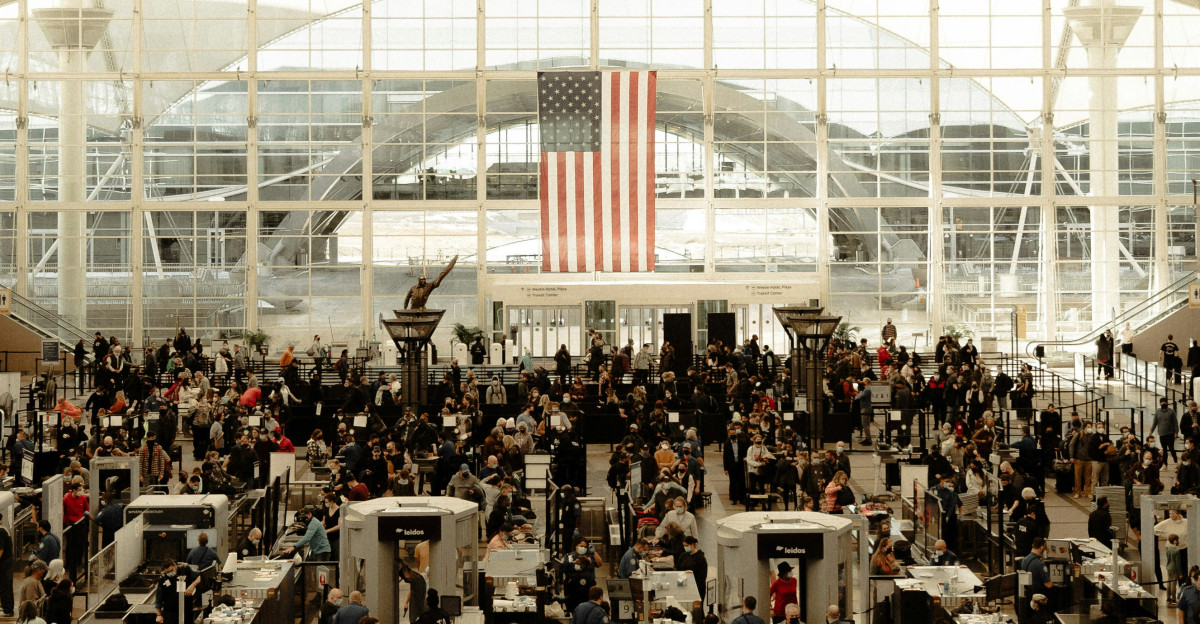
For thousands still trying to make their way back from Thanksgiving trips, the storm feels like a cruel extension of the holiday rush. Parents juggle restless kids on terminal floors, college students camp out near charging stations, and red-eye travelers find themselves unexpectedly booking airport-hotel rooms.
The nor’easter compounds the weekend’s disruptions: travelers stranded by the Midwest cancellations now face another wave of uncertainty as conditions deteriorate on Tuesday.
Could NYC Still Get A Surprise Snow Burst?
Even as forecasts call for mostly rain in the city, meteorologists keep a nervous eye on the rain-snow line draped just outside the boroughs. A slight southward shift could flip New York from wet to briefly white, laying down a quick, slushy coating on untreated streets.
It’s the kind of last-minute twist that keeps residents on edge, watching the radar all day.
One Storm, Dozens Of Different Realities
From a soaked Brooklyn school run to an Orange County plow truck carving paths at dawn, the same nor’easter system plays out in wildly different ways.
The storm shatters the idea of a single “New York weather story,” showing how hyperlocal the impacts can be—flooded basements in one town, jackknifed trucks in another, perfect snowman weather just a few exits up the highway.
Your Best Move As The Nor’easter Peaks

With a winter storm watch in place for some suburbs through Tuesday evening and two commutes under threat, officials are keeping the advice simple: check conditions early, adjust plans if possible, and avoid unnecessary trips.
For many, that means logging onto work from the kitchen table, rescheduling flights, or shifting errands by a day—small choices that could make a big difference on a deceptively dangerous first storm.
Sources:
NOAA Climate Prediction Center – 2025–26 Winter Weather Outlook and seasonal guidance
National Weather Service New York, NY – Area Forecast Discussions and Winter Storm Products
NOAA Weather Prediction Center – 2025 Storm Summaries for late November–early December systems
Reuters – National coverage of early winter storm advisories and post-Thanksgiving travel disruption