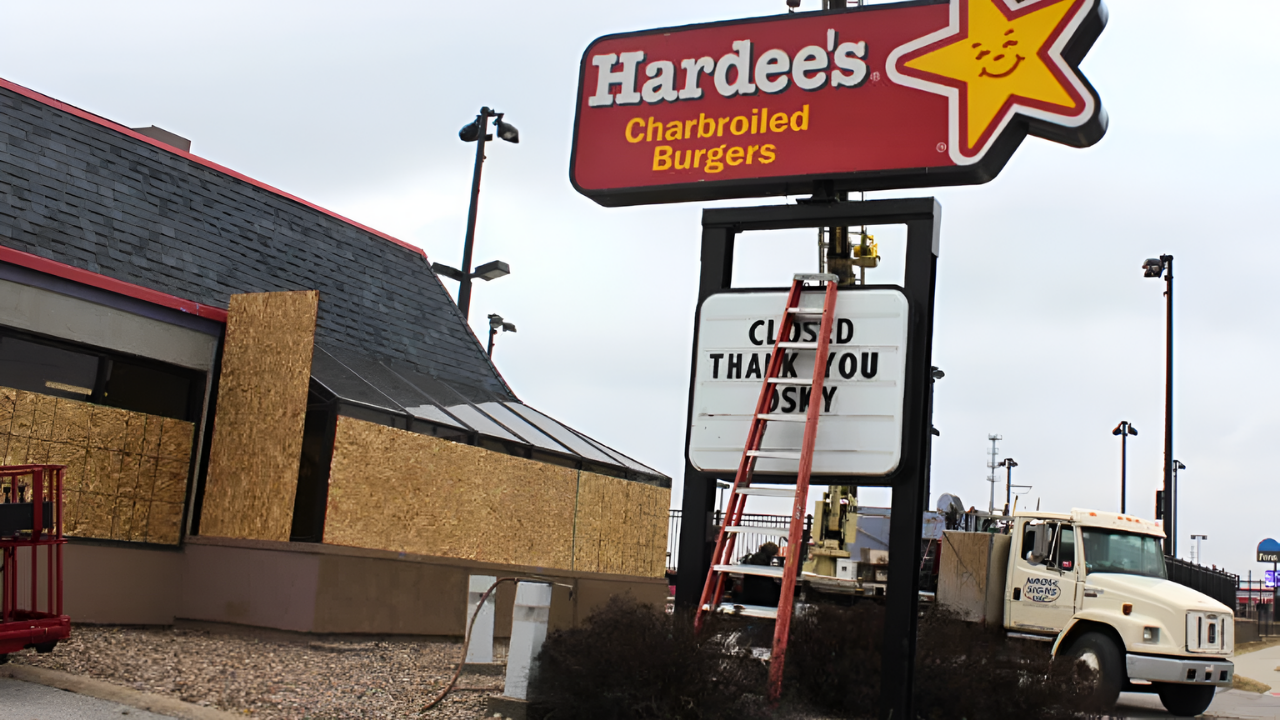
The American fast-food industry is undergoing an unprecedented wave of consolidation. Wendy’s, Carl’s Jr., Hardee’s, and Five Guys are closing hundreds of U.S. locations, signaling a shift from expansion to strategic retrenchment. Rising labor costs, inflation, and declining customer traffic have squeezed profit margins, forcing chains to rethink operations.
Interim Wendy’s CEO Ken Cook emphasized that closures are meant to strengthen the franchise system, saying the company is “working with struggling franchisees on a case-by-case basis.”
While the industry continues to attract attention for strong topline sales, these moves highlight the growing tension between profitability and growth. Here’s what’s happening in the fast-food world.
Wendy’s Project Fresh and Strategic Pullback
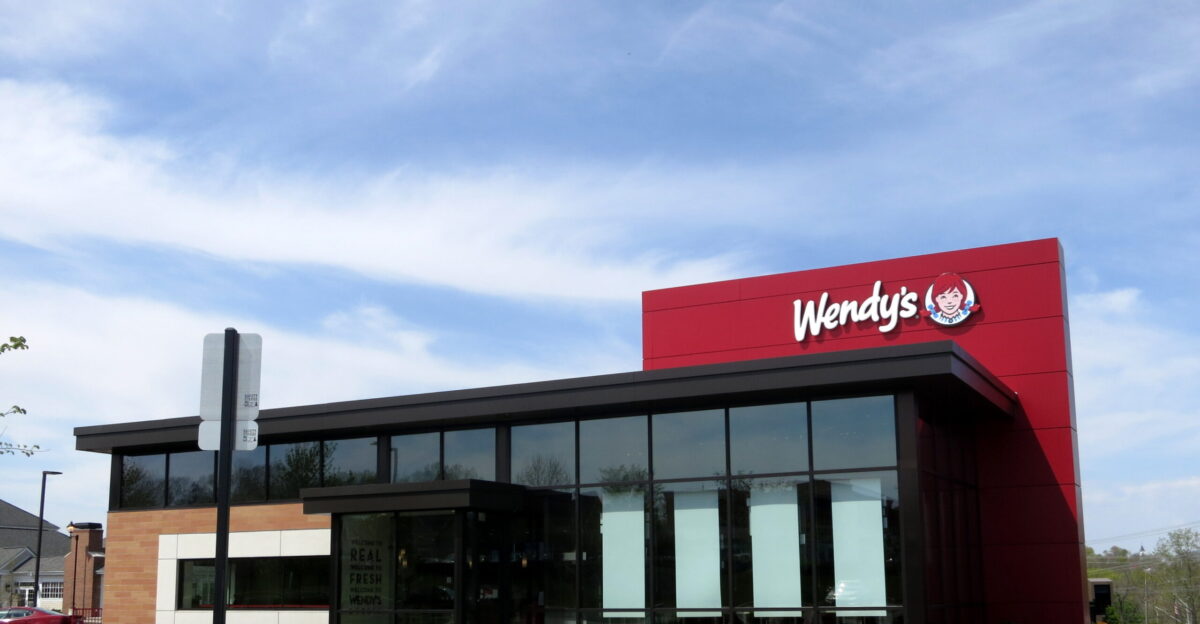
Wendy’s announced Project Fresh on November 7 planning to close 200–300 U.S. locations through 2026. Cook framed these closures as a way to redirect capital toward remaining restaurants, investing in technology and infrastructure.
This follows roughly 200 closures in 2024, though Wendy’s continues selective global expansion, reflecting a focus on profitability rather than rapid growth. The closures will involve 60-day WARN notifications to affected employees, as required by federal law. Cook acknowledged that “the overall U.S. franchisee system remains healthy, although there are pockets of more acute financial pressure.”
Industry-Wide Strains
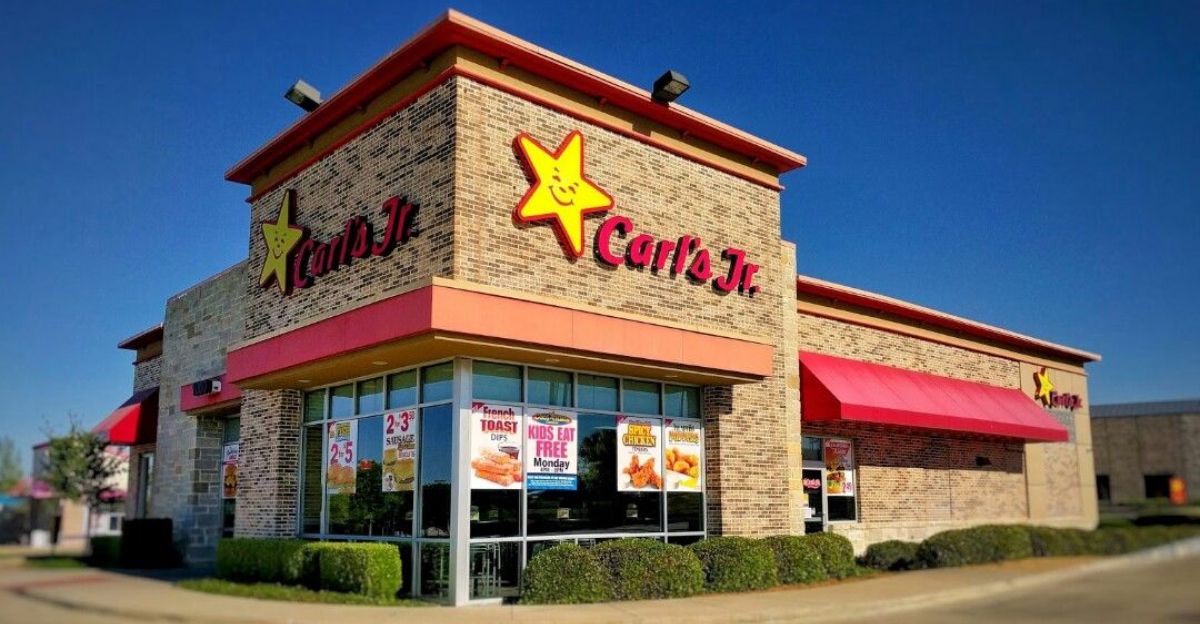
CKE Restaurants Holdings, which operates Carl’s Jr. and Hardee’s, has faced similar pressures. In May 2023, Summit Restaurant Holdings—a major CKE franchisee operating over 145 Hardee’s locations—filed for Chapter 11 bankruptcy. Summit cited rising labor and food costs, declining foot traffic, and supply constraints.
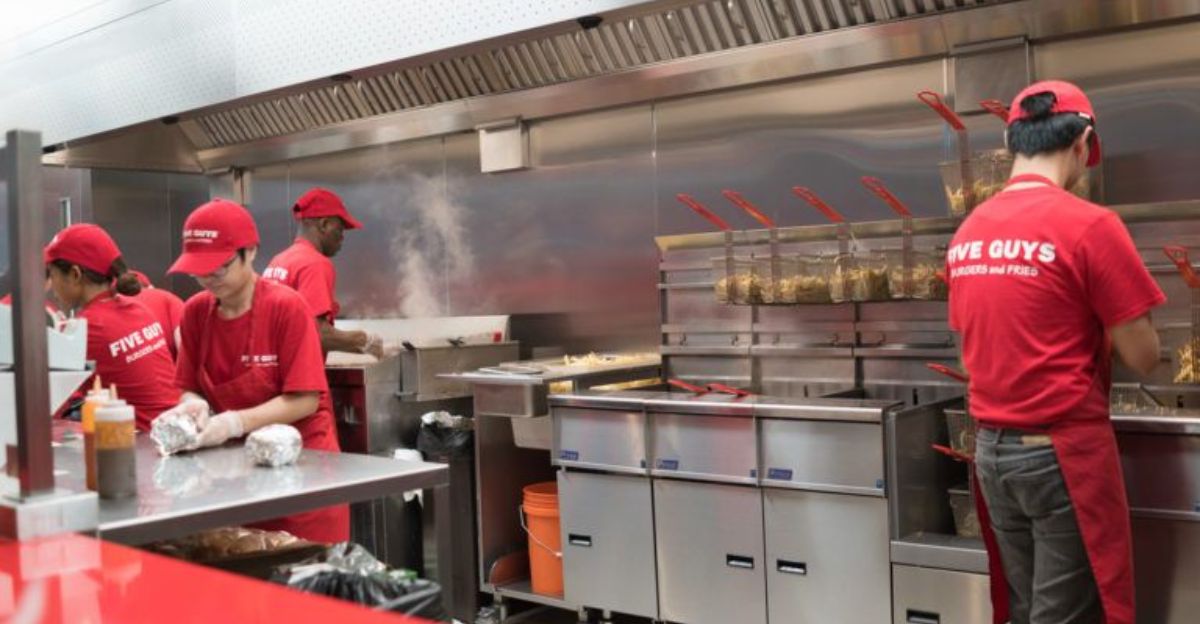
Meanwhile, Five Guys, traditionally resistant to closures, has seen recent permanent shutdowns across multiple states, including Salem, Oregon, and Folsom, California. The Folsom closure alone impacted 16 employees with 60-day notices filed with California authorities. These closures illustrate financial stress spreading across formerly stable franchises.
Rising Costs and Shrinking Margins
Fast-food operators are navigating sustained cost pressures. Labor costs have surged 35 percent since 2019, far exceeding the sector’s typical 3–5 percent pre-tax margins. California’s $20-per-hour FAST Act minimum wage, effective April 2024, accelerated staffing consolidations.
Commodity inflation adds further strain. Cocoa prices jumped 163–168 percent and coffee rose about 68 percent since January 2024, while sunflower oil, beef, and other essentials fluctuated sharply. Overall food costs have increased 35 percent since 2019, forcing chains to prioritize cost control measures to maintain viability.
Falling Traffic and Affordability Concerns
Customer traffic in limited-service restaurants dropped 1.6 percent in Q1 2025 compared to last year. Wendy’s same-store sales fell 4.7 percent in Q3 2025 as higher menu prices drove reduced foot traffic. Benchmark meal costs have climbed to $8 at McDonald’s, $11 at Burger King, and $15 or more at Five Guys, eroding value perception among core customers.
Franchisees operate on razor-thin margins, leaving little room to absorb simultaneous cost increases. Industry data shows typical margins of 3–5 percent, meaning even modest cost shifts can materially affect profitability and operational sustainability.
Strategic Recalibration for Profitability
Closures represent a broader strategic shift. Wendy’s Project Fresh focuses on brand revitalization, operational improvements, and capital redeployment to high-performing locations. Chains are curbing new build-to-suit programs and investing in existing store enhancements instead.
Operators are also adopting supplier diversification, menu optimization, AI-driven inventory management, digital menus, and loyalty program upgrades. While these strategies offer partial relief, persistent inflation and declining customer traffic remain challenges.
Consolidation may strengthen remaining operations, but it comes with human and operational costs that highlight the difficulties of franchise management today.
A New Era for Fast-Food
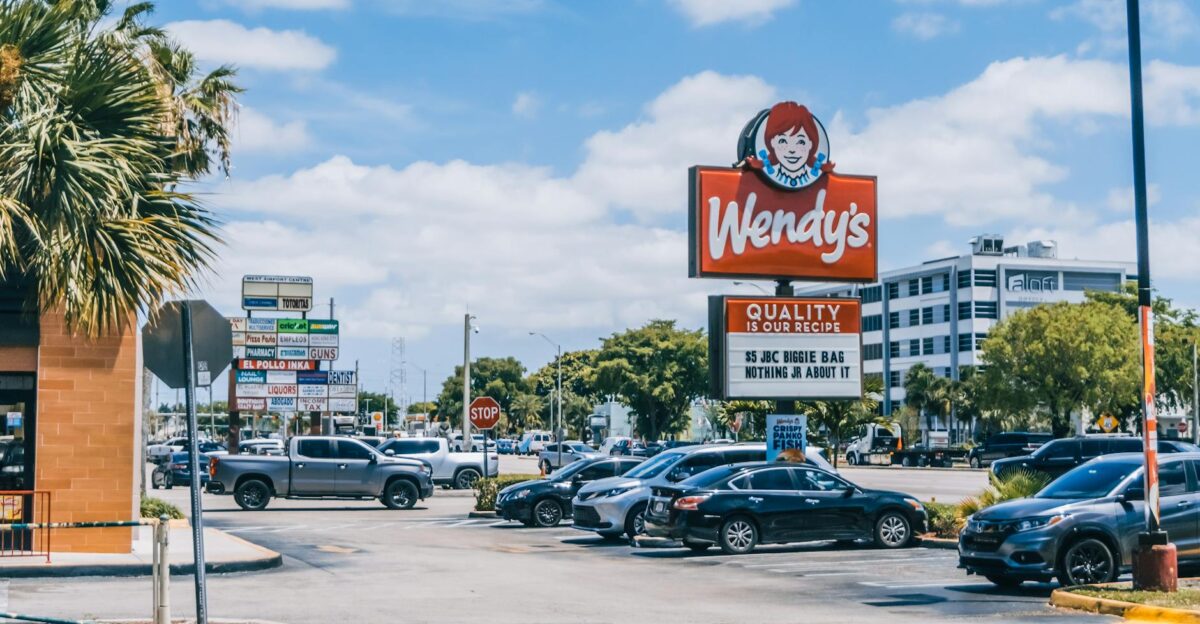
The current wave of closures underscores a pivotal moment for the fast-food industry. Chains are moving away from aggressive expansion, prioritizing profitability, efficiency, and operational sustainability. While these strategies may stabilize remaining locations, they also reveal the financial pressures and human impact of corporate optimization.
As operators recalibrate, consumers may see changes in menu pricing, service models, and restaurant distribution. This consolidation could ultimately strengthen the industry’s long-term viability, but it also reminds us that even iconic brands face real-world challenges when balancing growth, costs, and customer expectations.
Sources:
The Wendy’s Company Q3 2025 Earnings Report & Conference Call Transcript (November 7, 2025)
National Restaurant Association Food Inflation and Labor Cost Research (2025)
California Employment Development Department WARN Notice Database (November 2025)
U.S. Bankruptcy Court District of Colorado – Summit Restaurant Holdings Chapter 11 Filing (May 2023)
California Department of Industrial Relations – FAST Act Legislation and Implementation (April 1, 2024)
Placer.ai Q1 2025 Quick-Service Restaurant Traffic Analysis
QSR Magazine and Restaurant Business Online – Industry Reporting