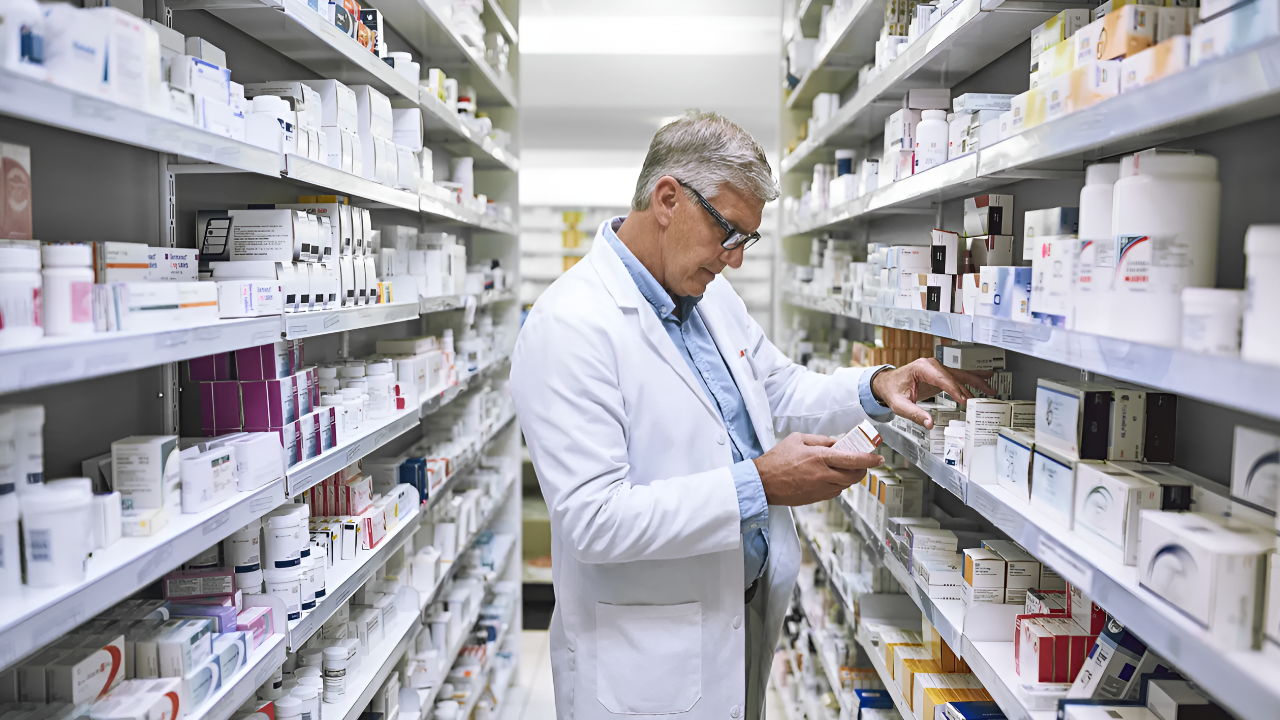
Pill bottles line the shelf—unassuming, silent. But somewhere among them lie more than 140,000 bottles of a vital cholesterol drug that may not be doing its job. On September 19, 2025, atorvastatin calcium tablets (generic for Lipitor) were pulled from shelves across all 50 U.S. states.
The recall was classified a Class II risk by the U.S. Food & Drug Administration on October 10, 2025—weeks after the initial announcement left patients unaware.
The Regulatory Wake-Up Call
The FDA’s notice didn’t just make headlines—it raised alarms. Routine quality checks showed that some atorvastatin tablets failed dissolution tests, meaning they may not dissolve properly in the body and could deliver less medication than intended.
The FDA classified it as a Class II recall, signaling moderate risk: temporary or reversible effects possible, but serious harm unlikely. For heart patients, even temporary loss of cholesterol control can carry consequences.
Why Statins Matter
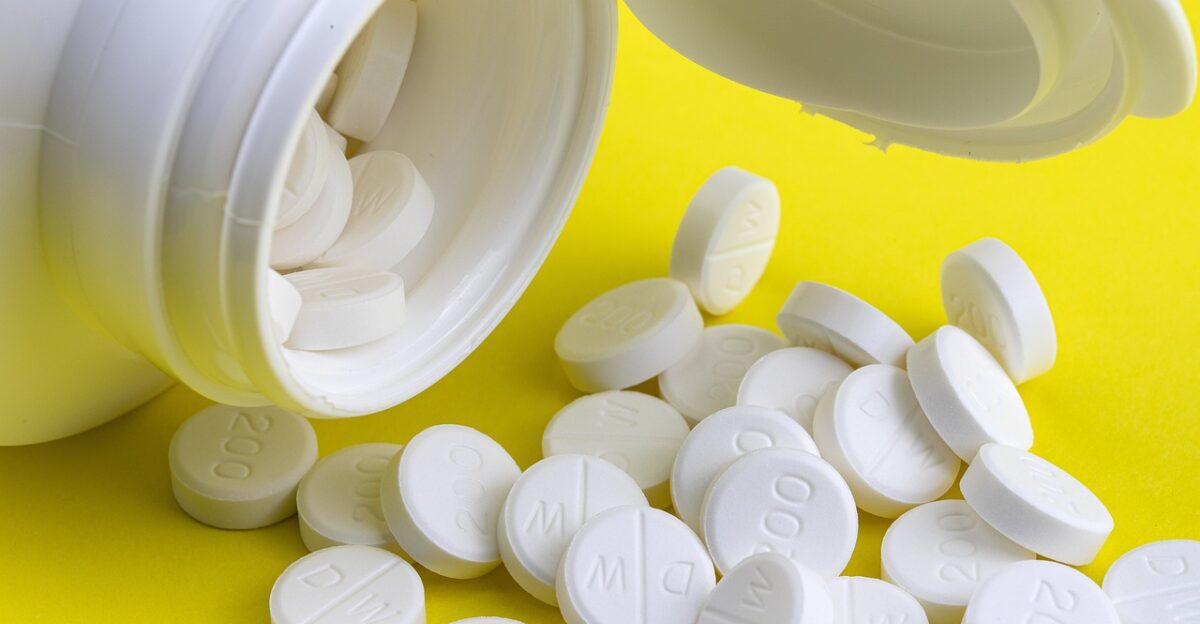
Statins like atorvastatin are the cornerstone of modern heart-disease prevention. They reduce LDL cholesterol and prevent heart attacks, strokes, and chest pain. Atorvastatin alone accounts for roughly 40 percent of all statin prescriptions, reaching an estimated 18 million Americans.
When these tablets fail to dissolve as designed, their ability to protect the heart diminishes—turning what should be a safeguard into a potential weak link in cardiovascular care.
Manufacturing Pressure & Quality Risks
Generic drugs must be affordable and identical in effect to their brand-name versions—but scaling up production introduces risk. Manufacturing lapses, humidity control failures, or formulation inconsistencies can all lead to dissolution problems.
This recall highlights how thin the margin is between savings and safety. If even one step falters, millions may unknowingly take “ghost pills” that pass through their systems without benefit.
The Recall Unpacked

Ascend Laboratories, based in New Jersey, recalled 141,984 bottles of atorvastatin calcium tablets covering 32 lot numbers and four strengths—10 mg, 20 mg, 40 mg, and 80 mg. Bottle sizes ranged from 90 to 1,000 tablets, with expiration dates between June 2026 and February 2027.
The recall, initiated September 19 and classified October 10, spans the entire country. Each bottle represents one patient who may now face disrupted or diminished therapy.
Span Across All 50 States

This wasn’t a localized event—it reached every U.S. state. Nearly 70,000 pharmacies were involved in identifying and removing affected bottles.
Though the number of bottles per pharmacy averaged only two, the effort required coordination nationwide. Pharmacists scrambled to check inventory, notify patients, and source replacements—an unprecedented logistical exercise for a generic statin that millions depend on daily.
Patients in Uncertainty
The recall placed patients in limbo. About 0.8 percent of all atorvastatin users—roughly 140,000 people—could be directly affected. Because the drug’s failure is invisible, many patients continued taking ineffective tablets for months.
No public guidance was issued; patients had to confirm lot numbers themselves. For individuals managing heart disease, that uncertainty can translate into anxiety—and potentially, elevated cholesterol levels until the problem is corrected.
What Class II Really Means
A Class II recall may sound reassuring, but the definition hides nuance. The FDA explains it as posing “temporary or medically reversible health consequences.” For a heart-healthy adult, that may be acceptable; for a patient with coronary disease, even a short-term rise in cholesterol can increase the risk of heart attack or stroke.
The label “moderate risk” doesn’t always feel moderate to those depending on every milligram.
Financial & Market Repercussions
At retail prices averaging $15 to $50 per bottle, the recall represents roughly $2.1 million to $7.1 million in lost consumer-level value. That figure doesn’t include pharmacy labor, distributor coordination, or patient anxiety.
Generic drug markets operate on thin margins, meaning even a moderate-sized recall sends ripples through supply chains. Competitor brands may see temporary gains, while manufacturers reassess how to prevent another multimillion-bottle setback.
The Communication Gap
Perhaps the most troubling element was silence. Ascend Laboratories issued no public press release and provided no direct consumer guidance. Patients learned of the recall through FDA reports or news outlets.
Without clear messaging, some affected pills may remain in households today. The event exposes a persistent flaw in the recall system: companies often notify regulators—but not the people actually taking the medicine.
Pharmacies on the Frontline
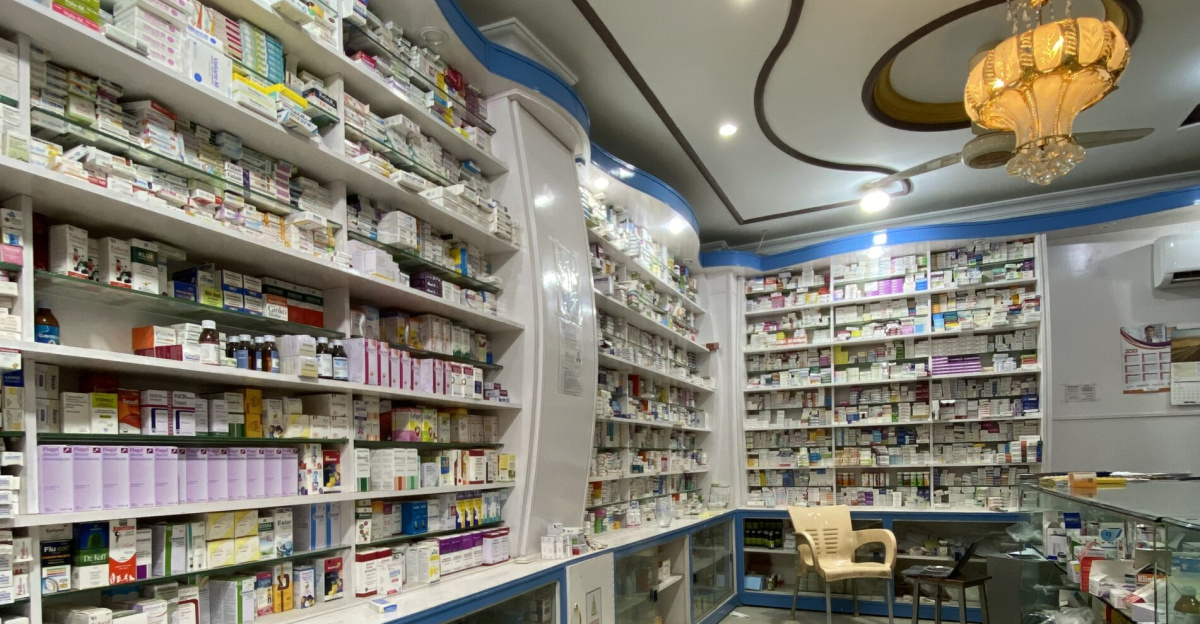
Pharmacists became the de-facto recall managers. Many spent hours matching lot numbers, contacting patients, and coordinating replacements. While each store handled only a handful of bottles, the cumulative burden was immense.
Staff members reported frustration over limited manufacturer support and incomplete data. For healthcare workers already stretched thin, the recall underscored how vital clear communication and traceable packaging are in pharmaceutical safety.
Manufacturer’s Quiet Role

Ascend Laboratories and its parent company, Alkem Laboratories, oversaw the recall but maintained a low profile throughout. The lack of a public statement has raised questions among healthcare professionals and patient advocates.
Transparency builds trust; silence erodes it. As the world’s most prescribed statin, atorvastatin demands vigilance—and many are calling for stricter FDA requirements for public disclosure when essential medications are affected.
Replacing the Meds Safely
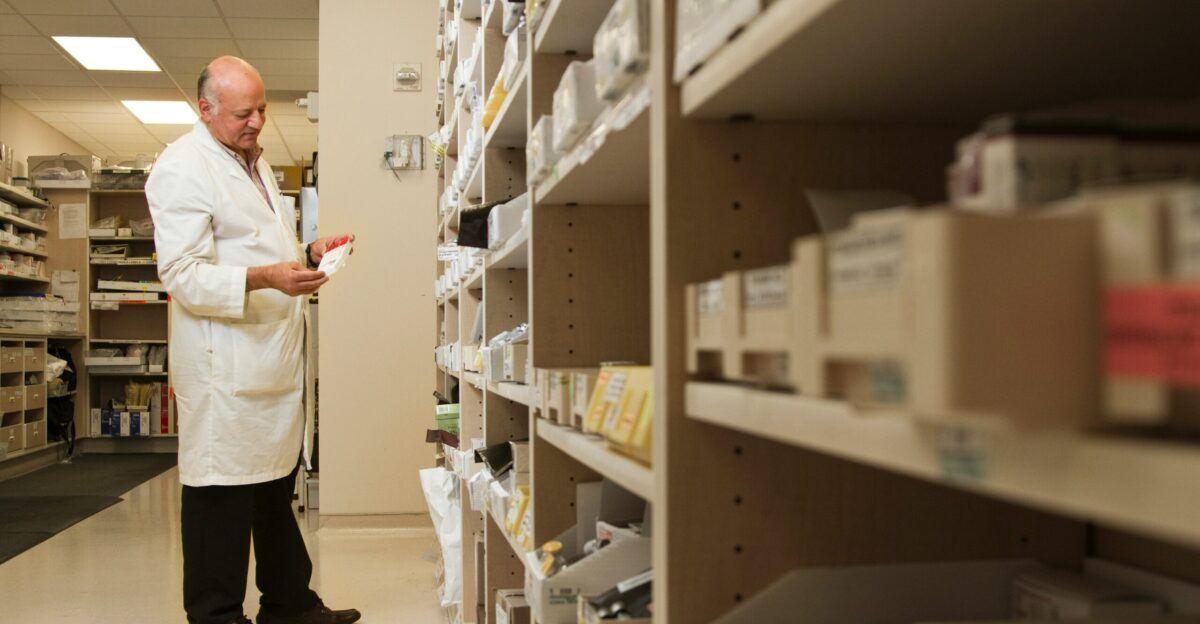
Experts stress one rule above all: do not stop taking atorvastatin without medical advice. Abrupt withdrawal can raise cardiovascular risk. Instead, patients should check the lot number on their bottle—especially if it expires between June 2026 and February 2027—and contact their pharmacist.
Replacements from unaffected lots or equivalent statins are available, but delays in distribution mean persistence is key. Your doctor can confirm the safest substitute.
Expert Takeaways

Cardiologists emphasize that while this recall poses a low immediate danger, it reveals a high-stakes weakness in the drug-supply chain. Generic manufacturers must maintain rigorous dissolution and stability testing to guarantee efficacy.
Patients, meanwhile, should inspect medications, store them properly, and stay informed through verified FDA channels. The event has reignited debate over whether “low risk” standards adequately protect those with chronic conditions.
Looking Ahead
The atorvastatin recall leaves a lasting question: how many “silent failures” go unnoticed until they reach pharmacy shelves? With 45 million Americans taking statins, the event highlights the fragile balance between cost, convenience, and confidence.
Regulators now face renewed pressure to tighten oversight, while patients are reminded that trust in medicine isn’t automatic—it’s earned, one tested tablet at a time.