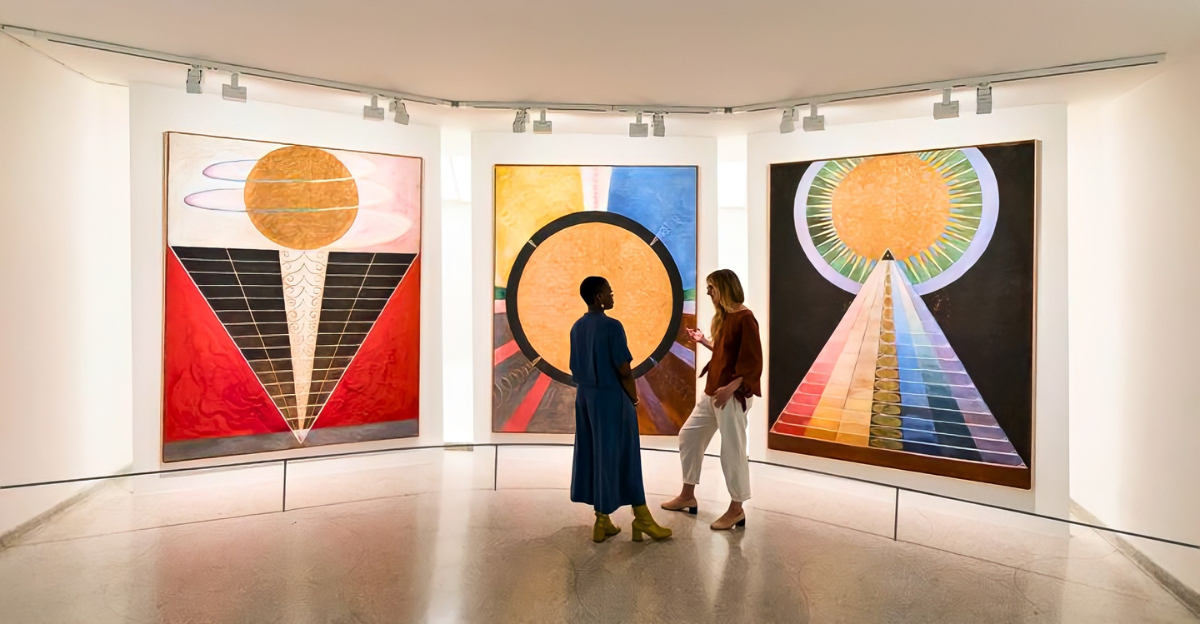
Step into a contemporary gallery today, and mystical, spiritual artworks greet you like old friends. Once dismissed as fringe or overly eccentric, these works now dominate major exhibitions. The Guggenheim’s 2018 “Hilma af Klint: Paintings for the Future” drew over 600,000 visitors, reimagining abstraction’s origins through a spiritual lens.
As the museum’s press release noted, audiences were captivated by a realm where color, geometry, and spirit collide. What was once hidden is now celebrated, inviting viewers to contemplate realms beyond the visible, a journey that feels intimate and infinite.
From Hidden Canvases to Star Exhibitions
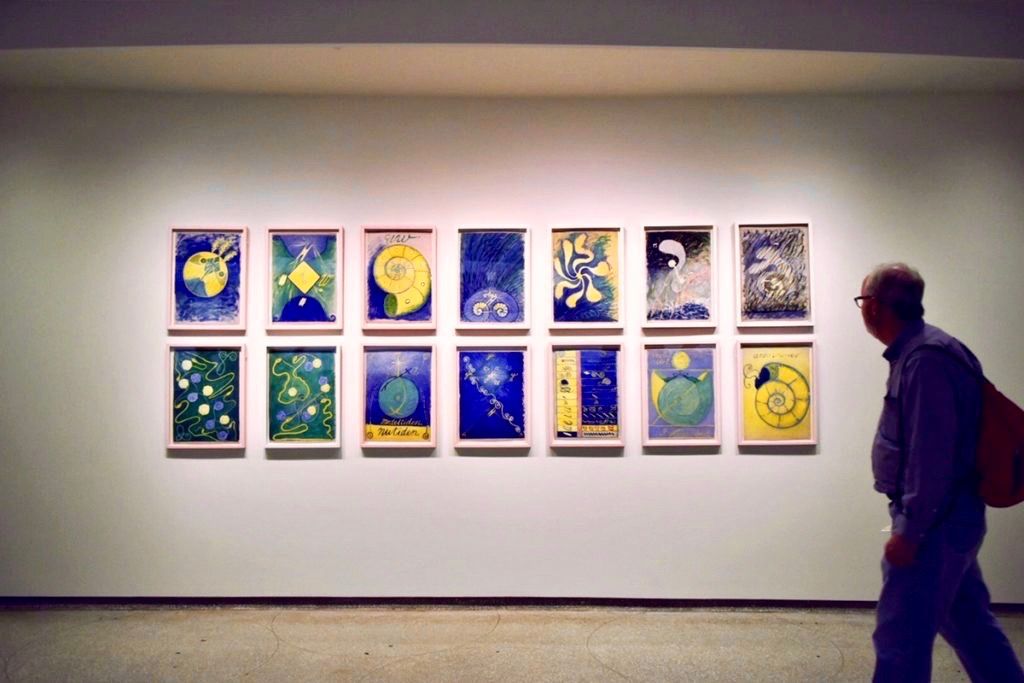
Hilma af Klint’s canvases remained secret for decades, her visionary abstractions tucked away for twenty years after her death. Fear of mockery kept her work silent, yet history eventually caught up. The Art Newspaper observed during the Guggenheim show that critics finally acknowledged her role as a forerunner to abstraction.
Curator Tracey Bashkoff remarked, “We are finally seeing these visionary artists take their place in the canon.” What once existed at the margins now occupies the spotlight, as audiences are invited to connect with ideas and energies long concealed.
What Counts as Spiritual Art Today?
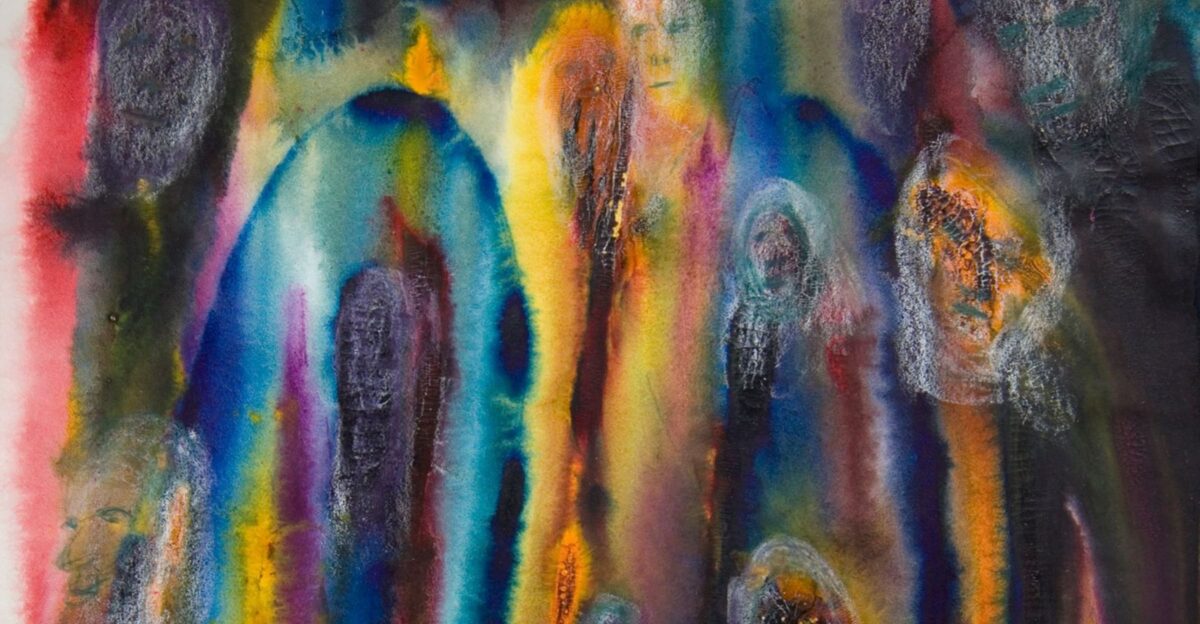
Spiritual art defies easy definition. Robert Cozzolino, curator of the Minneapolis Institute of Art’s “Supernatural America,” explains that such work “visualizes what lies beyond tangible existence.” This can mean theosophical diagrams, ritual objects, or feverish abstractions charged with energy and cosmic resonance.
Whether personal or universal, these works traverse unseen realms, offering viewers a chance to encounter the mysterious. Spiritual art blurs lines between philosophy, belief, and visual expression. It turns the gallery into a space where audiences can feel both wonder and connection, as if glimpsing hidden forces that shape life.
Why Mystical Themes Were Once Shunned
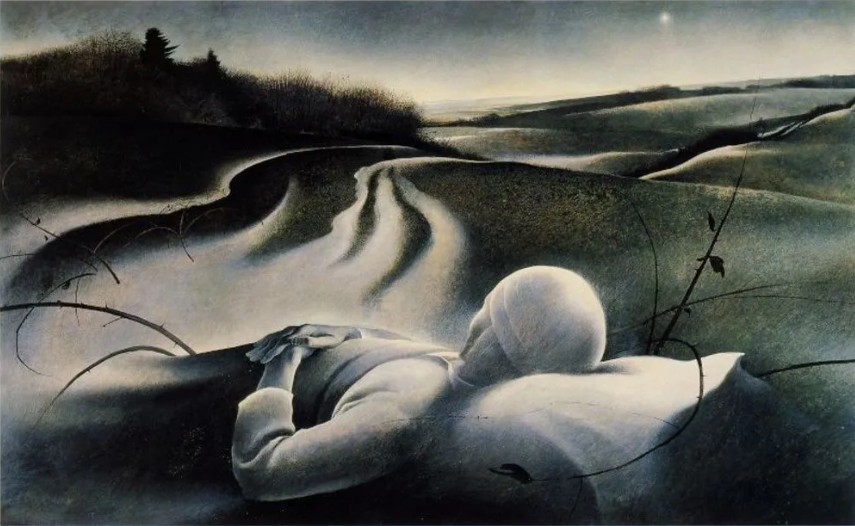
For centuries, rationalism and secular criticism dominated the art world, and anything hinting at the supernatural was treated with suspicion. Art historian Sirje Helme told Artishock in 2024 that during Europe and America’s height of positivism, spiritual themes were deemed “unserious.” As galleries prioritized material, conceptual, or political art, mystical imagery was relegated to the periphery.
It wasn’t a lack of skill that kept spiritual artists out, but cultural bias. However, institutions are rethinking these boundaries today, recognizing that mysticism and abstraction often share the same impulse: to interpret the world beyond the immediately visible.
Museums Rethink What Matters
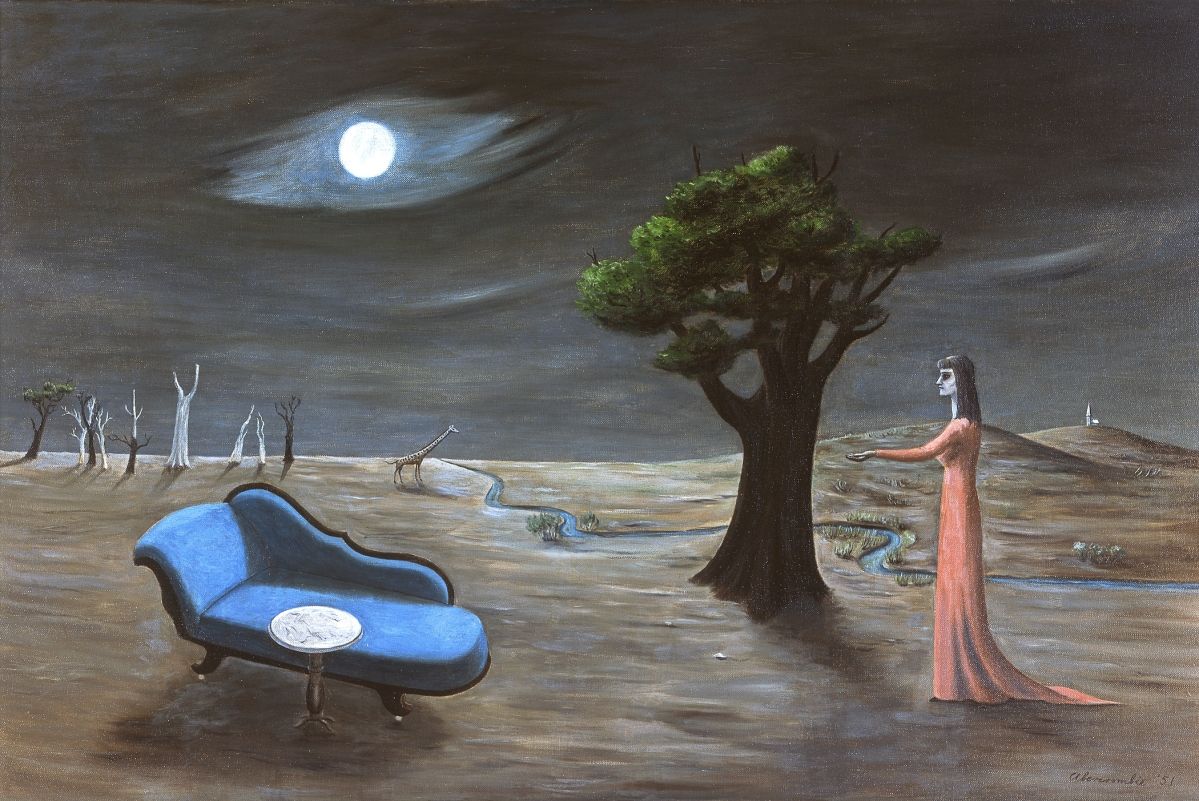
Exhibitions like “Supernatural America” challenge traditional hierarchies, showcasing medium artists alongside celebrated figures. Curator Cozzolino emphasized that these shows “explore humanity’s imaginative capacity,” revealing how visions of the beyond shape artistic expression. By featuring 19th-century spirit imagery and contemporary interpretations, museums invite audiences to reconsider what is valuable or radical in art.
Spirituality is no longer an afterthought; it’s central to understanding the human experience. Visitors are offered a rare opportunity to reflect on invisible energies, ancestral memory, and cosmic narratives, all within the contemplative space of a gallery.
Hilma af Klint’s Long-Awaited Recognition
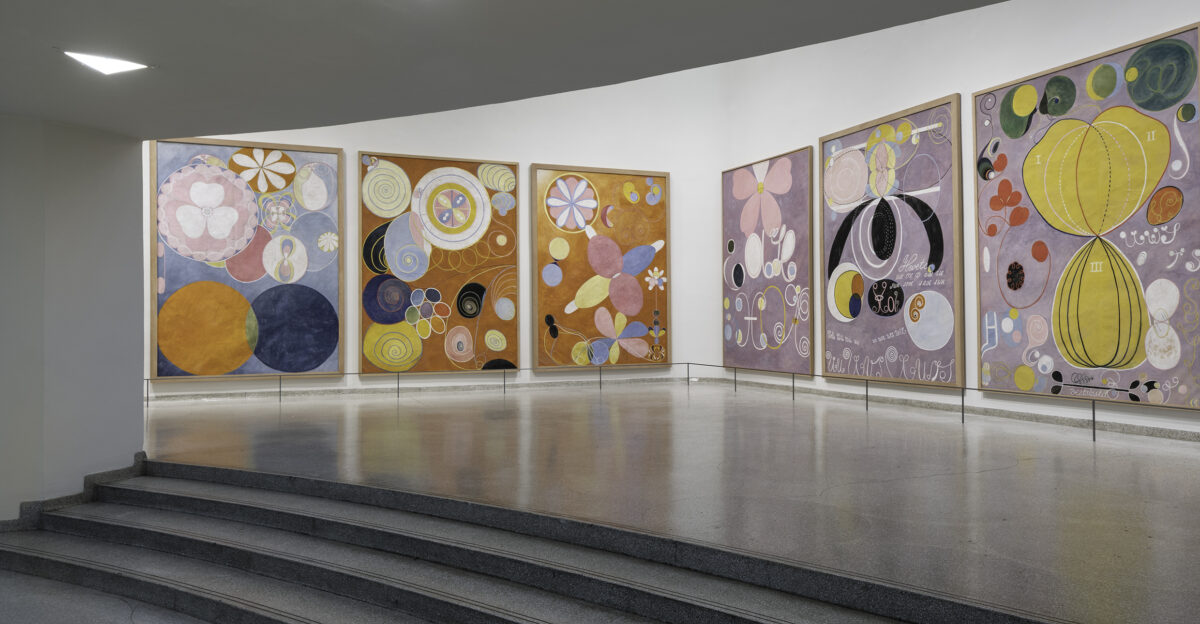
Af Klint’s Guggenheim exhibition was described as a “thunderbolt,” drawing record crowds and renewed scholarly attention. Her stipulation that the work remain unseen for decades only heightened the intrigue. Curators praised her as a pioneer, whose “messages from spirit guides” anticipated the abstract movement.
The show’s catalog became a bestseller, signaling audiences’ eagerness to engage with art that bridges the mystical and the modern. Suddenly, what was hidden for fear of ridicule became a defining moment in art history, showing how visionary ideas can finally find their public and reshape cultural understanding.
Global Visions: Spirituality Beyond the West
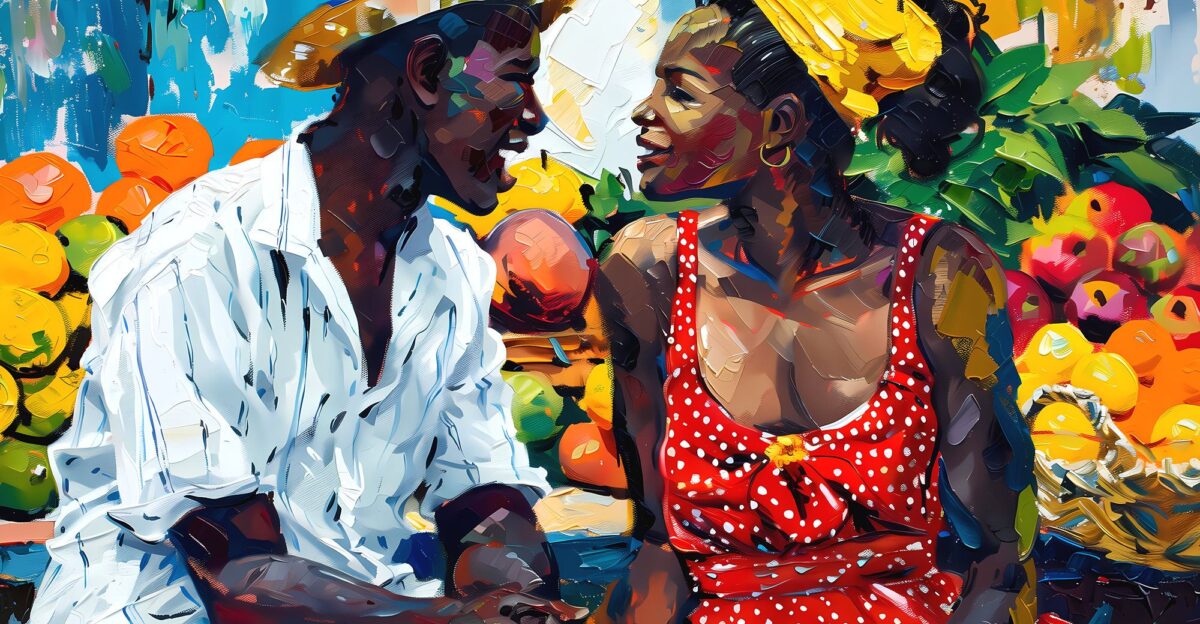
Spiritual art is not limited to European or North American traditions. Kanitra Fletcher, curator of the 2024 “Spirit & Strength: Modern Art from Haiti,” highlighted Haitian artists blending ritual, ancestral presence, and modern identity. Fletcher explained that her goal was to provide multiple “entry points” into Haitian culture, reflecting historical struggles and contemporary vibrancy.
By placing spiritual art from the Caribbean alongside Western abstraction, exhibitions emphasize that metaphysical creativity is global, urgent, and evolving. Visitors leave with a broader perspective, appreciating spirituality not as a niche but as a central, unifying force across cultures.
Private Mysticism Goes Public
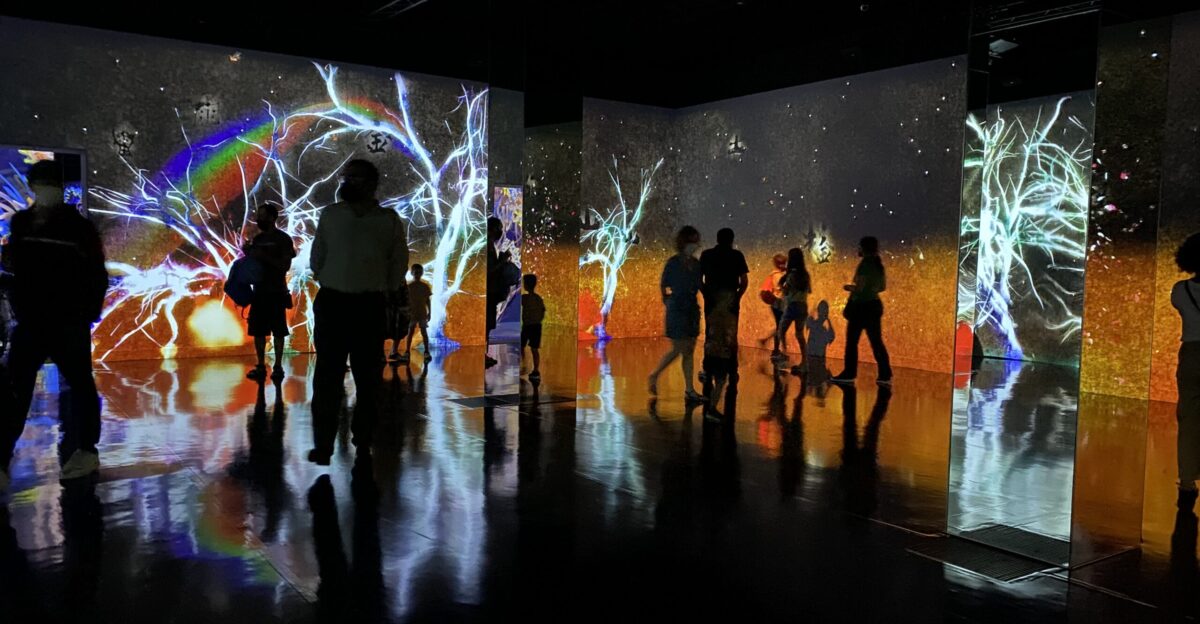
Historically, spiritual art appeared in temples, churches, or domestic settings, but it was later confined to private practice by secular trends. ARC Gallery curator Indira Johnson explained that her 2024 show “Beneath the Surface” aimed to make the unseen visible, highlighting “energy flows operating beneath daily life.” The exhibition invites audiences to sense, rather than see, artistic expressions of spiritual reality.
Through abstraction, immersive installations, and ritual objects, spiritual practice returns to a public stage, asking viewers to contemplate rather than mere observation, a shift from hidden devotion to shared exploration.
Galleries as Modern Cathedrals
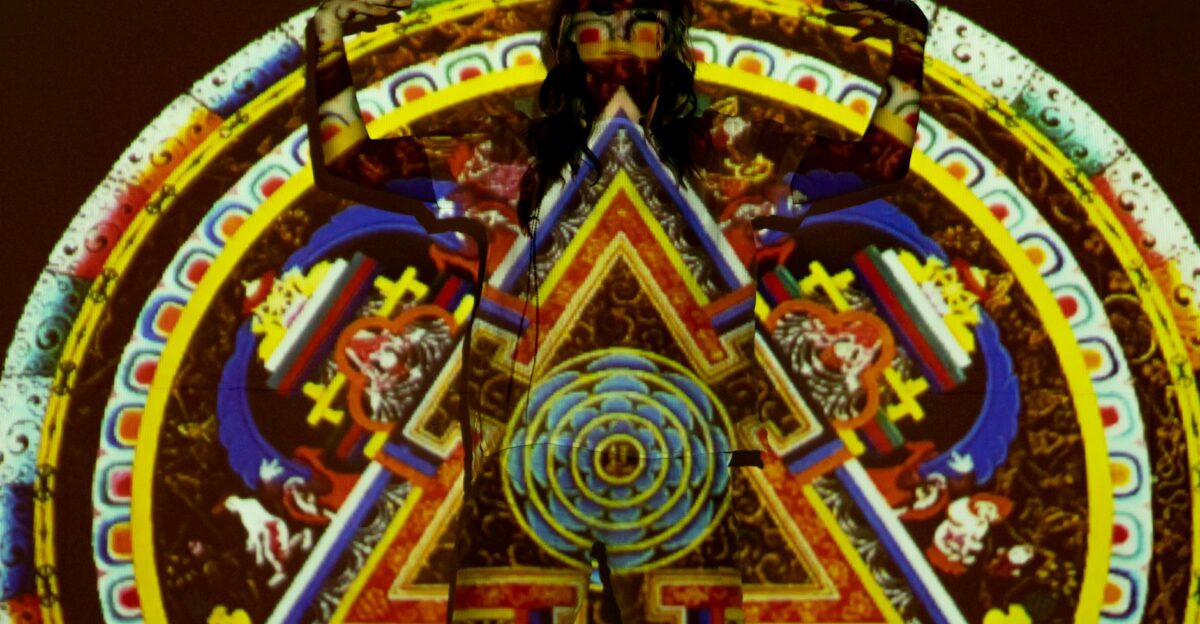
Many theorists liken contemporary galleries to secular churches, spaces designed for quiet reflection. Soft lighting and hushed rooms evoke a reverence once reserved for religious spaces, enhancing the spiritual impact of exhibitions. Ritual objects and transcendental themes heighten this effect, inviting viewers to feel awe rather than merely analyze.
By blending architectural design, curation, and artwork, galleries offer experiences reminiscent of sacred spaces, while still rooted in contemporary artistic discourse. Audiences encounter art as decoration and as a vessel for wonder, contemplation, and connection.
Artists Leading the Spiritual Revival
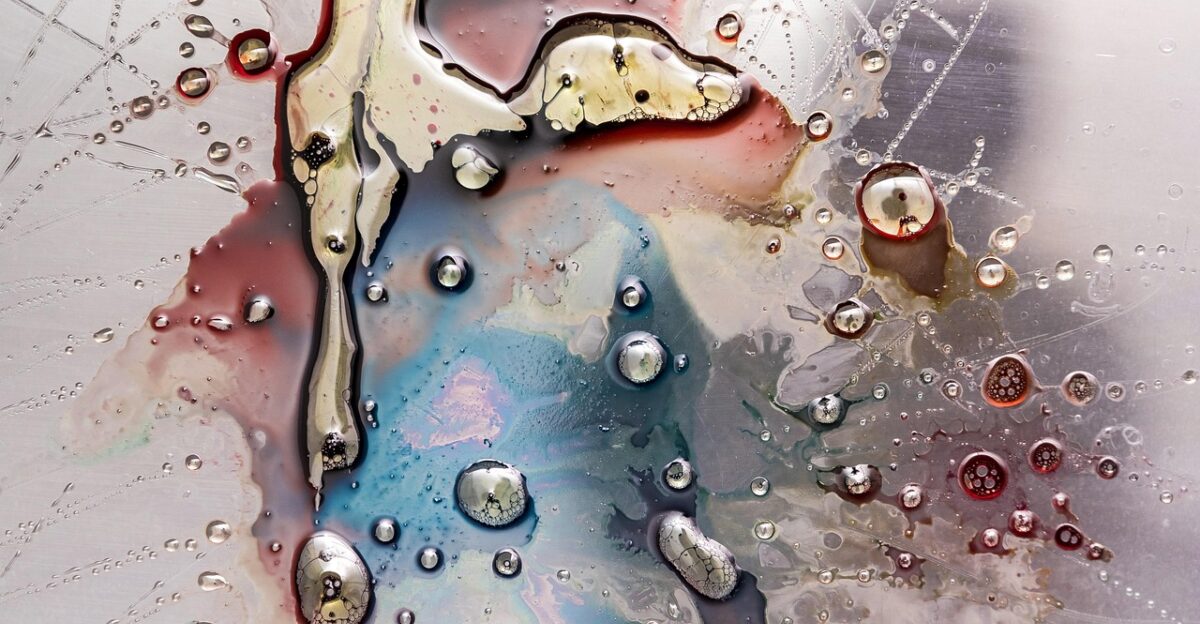
Figures like Agnes Pelton and Emma Kunz, once working in obscurity, are now recognized for their luminous explorations of transcendence. Pelton’s abstract visions radiate quiet power, while Swiss visionary Kunz’s geometric compositions channel deep metaphysical principles. Curators describe these artists as “trailblazers,” whose works bridge private spiritual practice and public recognition.
The renewed attention underscores a broader trend: spiritual expression is no longer sidelined, but integral to understanding 20th-century abstraction and contemporary art. Their visibility inspires audiences to reconsider what constitutes influence, genius, and spiritual insight.
The Shape of Spirituality
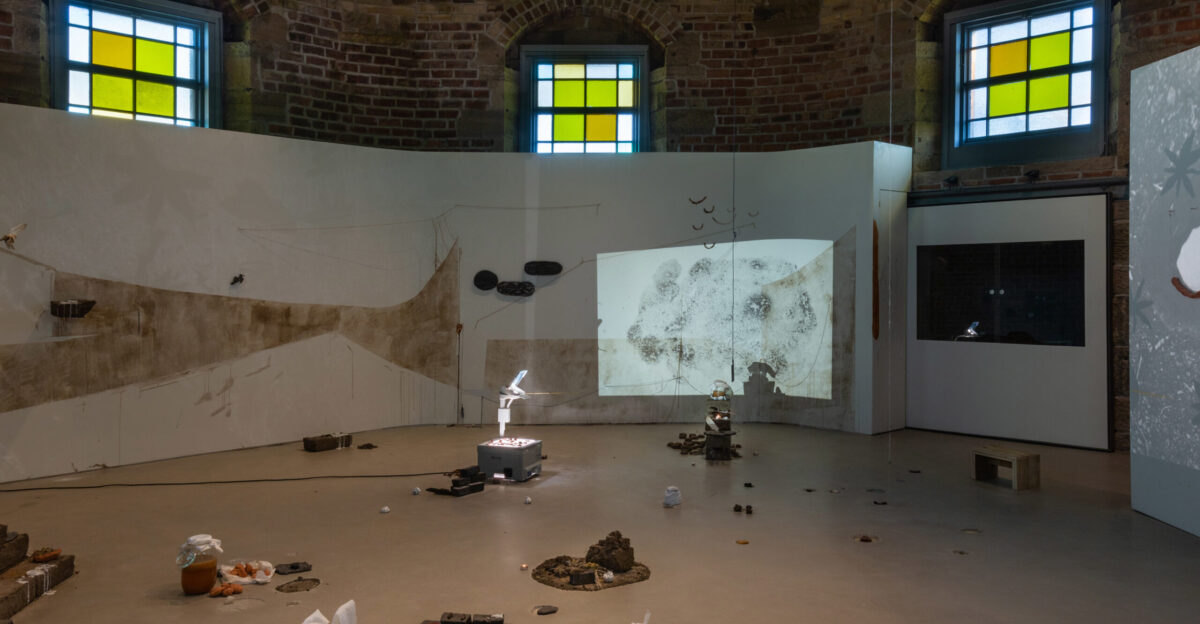
Spiritual art today is not limited to figurative or ritual objects. Cozzolino notes that abstraction, performance, and immersive installations allow artists to evoke unseen energies and ancestral memory. Visitors encounter forms that defy expectations yet pulse with metaphysical resonance.
These works challenge conventional categories by breaking traditional boundaries, emphasizing experience over representation. Spirituality in art is no longer fixed or historical; it’s dynamic, participatory, and evolving. Audiences are invited to engage with both emotion and intellect, feeling a connection to forces larger than themselves.
Audiences Crave the Sublime
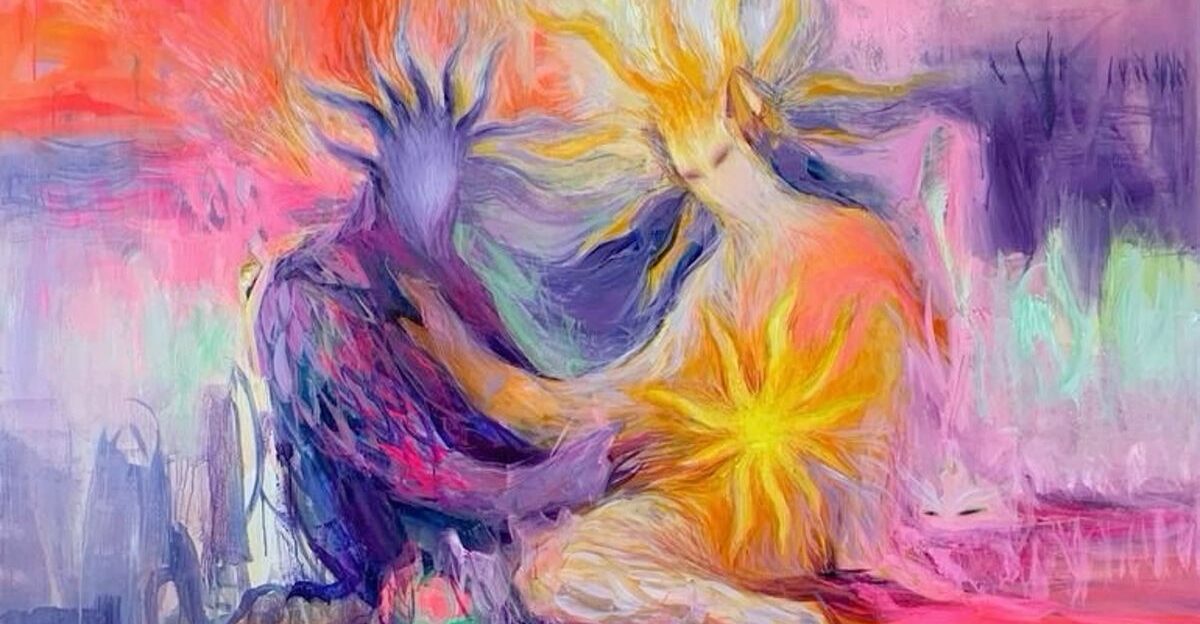
Museum surveys reveal visitors increasingly seek profound encounters with art, experiences that bypass intellect and touch feeling, according to gallery guides. Spiritual artworks offer this rare engagement, countering the digital, data-driven world. By reaching for universal mysteries, these pieces allow reflection on impermanence, energy, and interconnectedness.
Visitors report heightened empathy and contemplation, as if the gallery becomes a space for personal and collective insight. Spiritual art is no longer niche; it answers a deep cultural need for meaning, awe, and emotional resonance.
Case Study: Revealing Hidden Energies
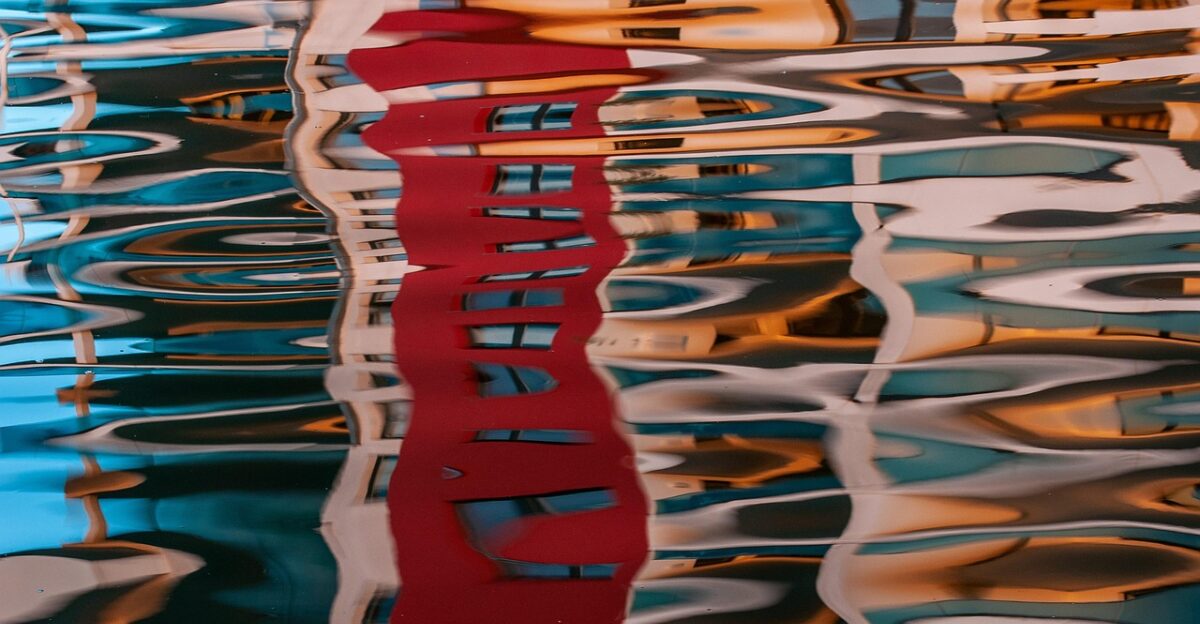
At ARC Gallery, “Beneath the Surface” explored invisible currents shaping daily life. Curator Indira Johnson framed the exhibition as “an examination of energy and spirituality” to foster awareness and empathy. Works featured abstract forms, immersive installations, and subtle references to unseen forces, inviting visitors to contemplate life beyond the material.
By highlighting these currents, the exhibition challenged audiences to engage actively, rather than passively consume art. Critics noted that this approach reframes spiritual art as an exploration of lived reality, making the intangible tangible and compelling.
Balancing Respect and Representation
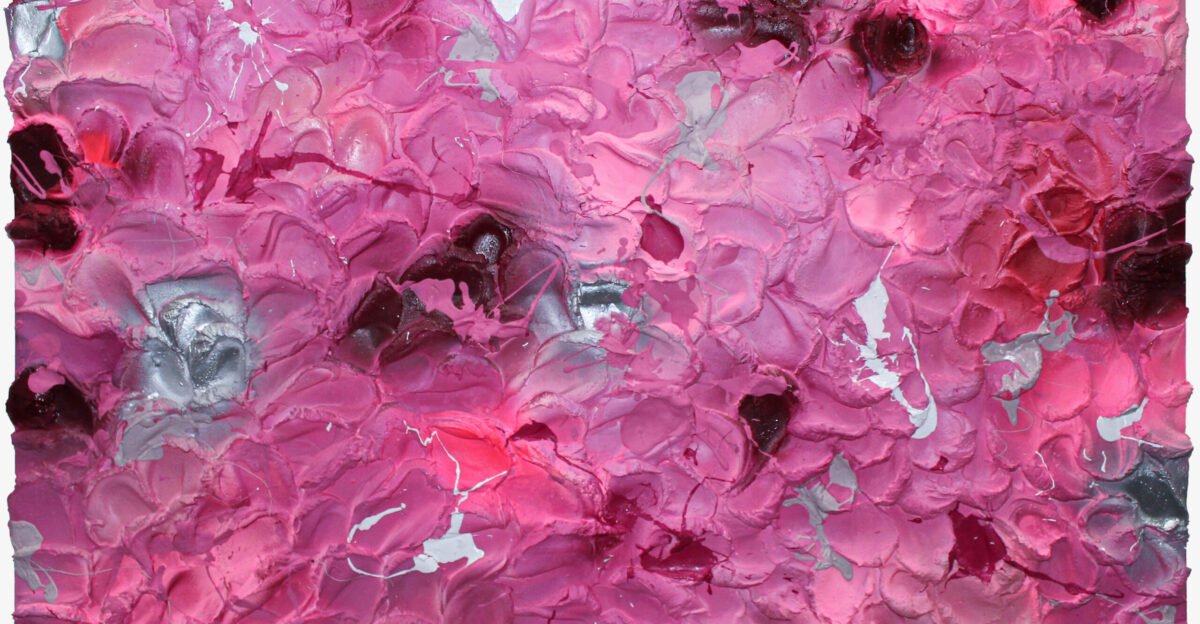
Modern curators face a delicate task: showcasing spiritual traditions without appropriation. Johnson emphasized collaboration with cultural elders, aiming to “shine a light on the depth of the human condition.” Exhibitions increasingly consider context, ensuring ritual, ancestral, and metaphysical elements are honored.
Critics warn that misrepresentation risks reducing profound practices to aesthetic decoration. By foregrounding respect alongside visibility, museums navigate a new paradigm in which spiritual art becomes educational and transformative, highlighting humanity’s rich metaphysical diversity.
Tech Meets the Mystical
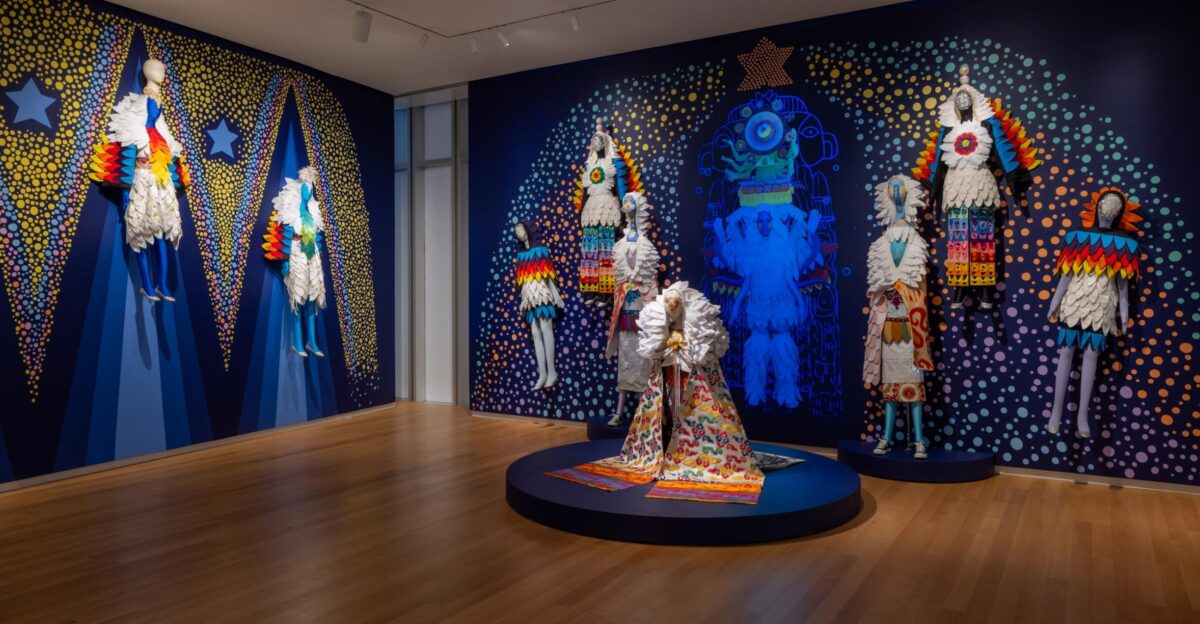
Digital media offers artists new ways to evoke the unseen. Saya Woolfalk’s VR installation “Empathic Universe” immerses visitors in ceremonial practice and animist transformation, encouraging them to perceive the gallery as a cosmological environment. Woolfalk told The New York Times that her goal is for audiences to “experience space as alive,” blending technology and spirituality.
This fusion of innovation and metaphysics extends spiritual art into interactive, experiential territory, demonstrating that mystical exploration adapts to the contemporary world. Visitors leave with a sense of wonder, traversing digital and spiritual realms.
Ritual Returns to Museum Halls
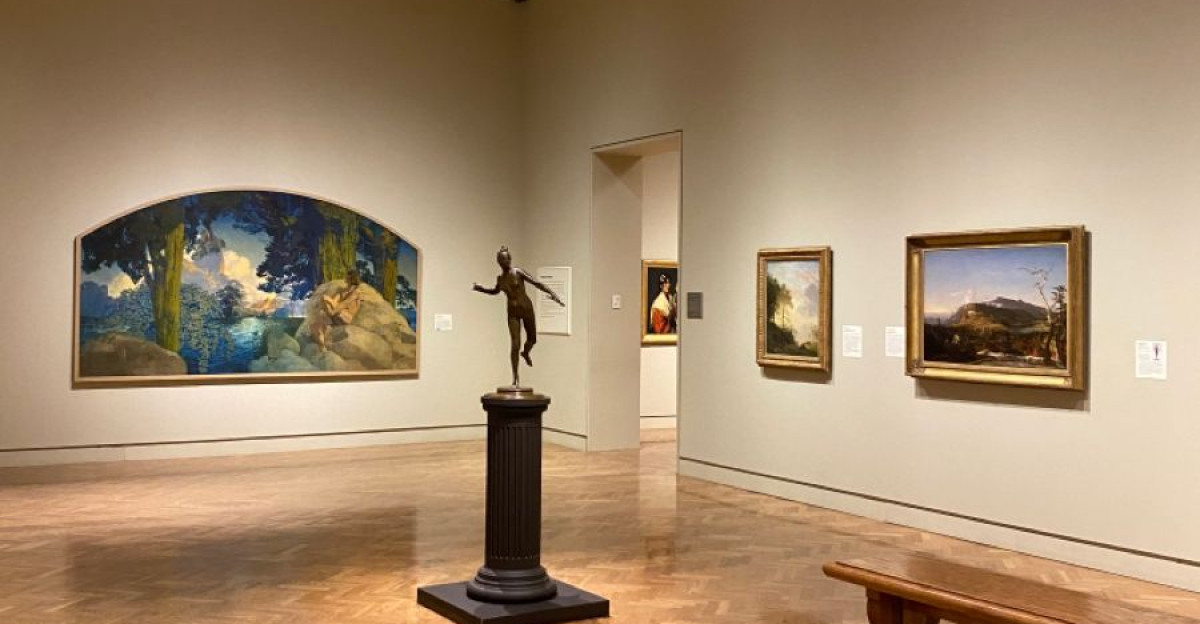
Exhibitions like the Minneapolis Institute of Art’s “The Enduring Soul” foreground ancestral connections and invisible threads linking past and present. Visitors are greeted “with the blessings of the Ancestors,” emphasizing ritual’s continuing relevance. Curators collaborate with elders to ensure authenticity and cultural sensitivity, highlighting art as a social and spiritual engagement vehicle.
By reintroducing ritual into public spaces, museums transform passive viewing into a participatory experience. They allow audiences to connect with cultural heritage and personal reflection and reaffirm spiritual art as a living, evolving force.
Spiritual Art Enters the Canon
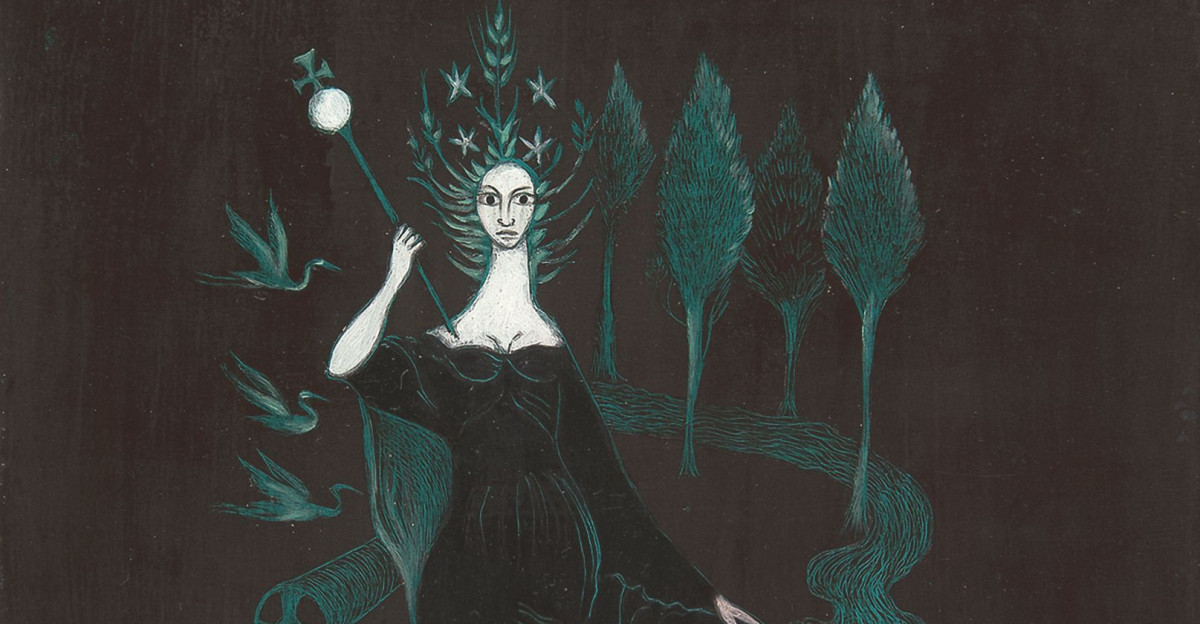
Spiritual art’s rise signals more than a passing trend. Art News noted the “growing visibility of spiritualist women artists,” as galleries increasingly embrace wonder over irony. Major biennials and museums now integrate metaphysical work into their central programming, reframing it as canonical.
Editorials suggest that this shift represents a broader cultural openness, where reverence and imagination reclaim space alongside critique. Spiritual art is recognized not just for aesthetics, but as a critical lens through which to explore creativity, history, and belief, marking a significant transformation in how the art world values the invisible.
Inspiring a New Generation of Creators
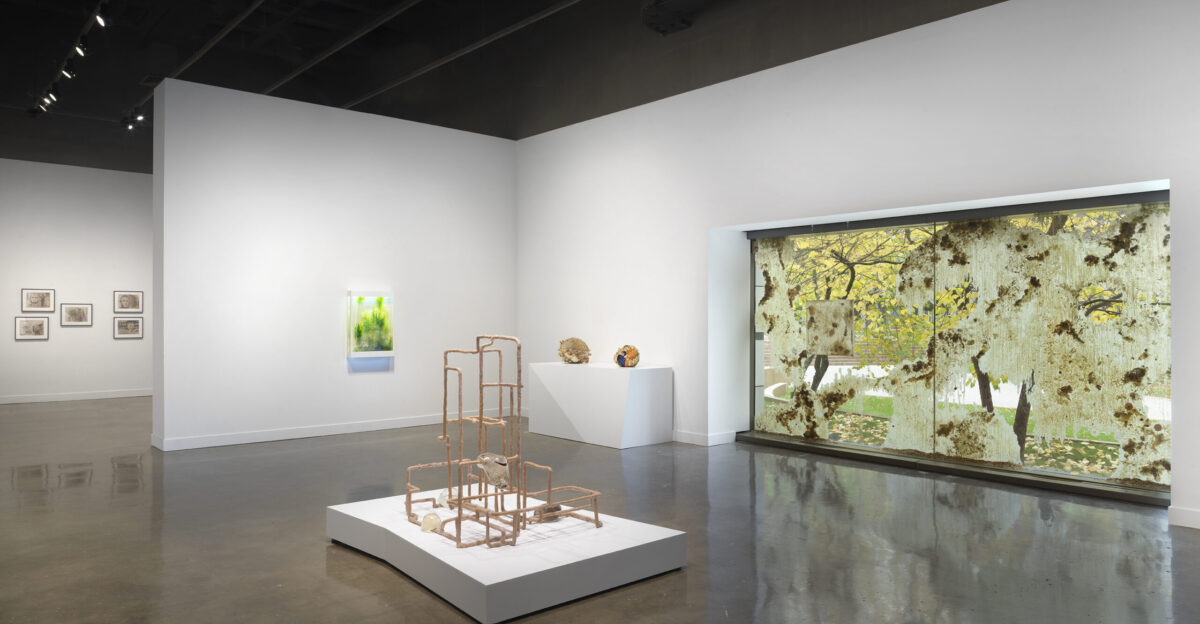
Contemporary exhibitions invite younger artists to explore awe, transcendence, and ecological connection by validating spiritual themes. Woolfalk encourages audiences to reconsider their bodies’ relationship with nature, while other artists demonstrate the universality of metaphysical inquiry. Emerging creators now have visible pathways to explore themes previously sidelined, from abstraction to immersive ritual.
Museums and galleries become incubators of imagination, where curiosity meets craft, ensuring that spiritual art evolves with each generation. Audiences witness a living tradition, vibrant, experimental, and ready to spark reflection across diverse perspectives.
The Cultural Appetite for Mystery
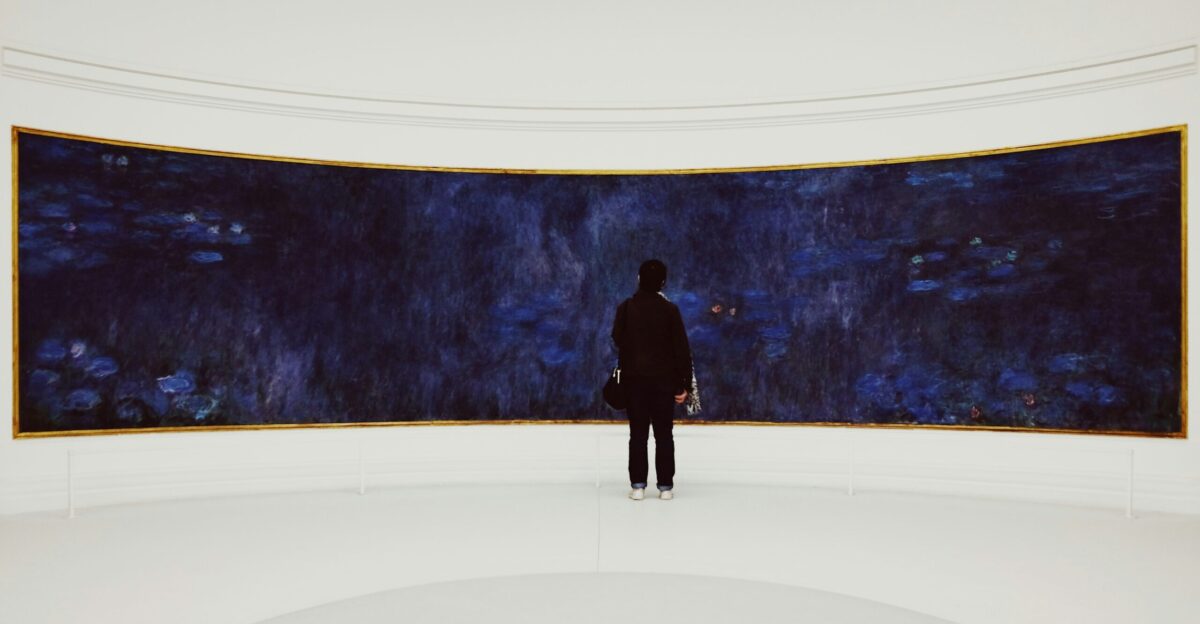
Surveys indicate that viewers increasingly seek art that offers ambiguity, awe, and metaphysical exploration. In a world dominated by algorithmic clarity, uncertainty and wonder feel revolutionary. Exhibitions emphasize immersive, meditative experiences, from geometric abstractions to interactive installations.
The art world’s embrace of the mystical mirrors society’s hunger for depth, reflection, and connection. Museums thus become spaces of both education and emotional resonance, offering encounters that linger long after the visit. Spiritual art thrives not as nostalgia, but as an urgent, contemporary response to a longing for meaning.
A Future of Wonder
The trajectory of spiritual art suggests an enduring presence in galleries worldwide. With careful curation, respectful representation, and technological innovation, these works invite audiences into personal and universal realms. Museums increasingly prioritize experiences that evoke awe, empathy, and introspection, while collectors and critics take notice of the value in mystical exploration.
Art that illuminates the unseen as society navigates uncertainty offers guidance, inspiration, and connection. The future of spiritual art promises recognition and transformation—an invitation to experience mystery, energy, and creativity in timeless and profoundly modern ways.