McDonald’s USA announced its largest-ever investment in regenerative agriculture this week. The company pledged more than $200 million over seven years to transform cattle ranching practices across America. Senator Roger Marshall, founding chairman of the Make America Healthy Again (MAHA) Caucus, hailed the announcement as a major victory for the movement’s agricultural priorities.
The fast-food giant’s commitment marks a pivotal moment for corporate agriculture and the MAHA initiative. The movement positions soil health as fundamental to producing nutrient-dense foods. McDonald’s serves more than 90% of Americans annually.
This investment signals mainstream corporate adoption of regenerative practices that companies considered niche just five years ago. The timing aligns with growing momentum for the MAHA strategy, which the Department of Health and Human Services officially released in September 2025.
Historic Partnership Launches Grassland Initiative
McDonald’s launched the Grassland Resilience and Conservation Initiative on September 15, 2025. The company partnered with the National Fish and Wildlife Foundation and the USDA’s Natural Resources Conservation Service.
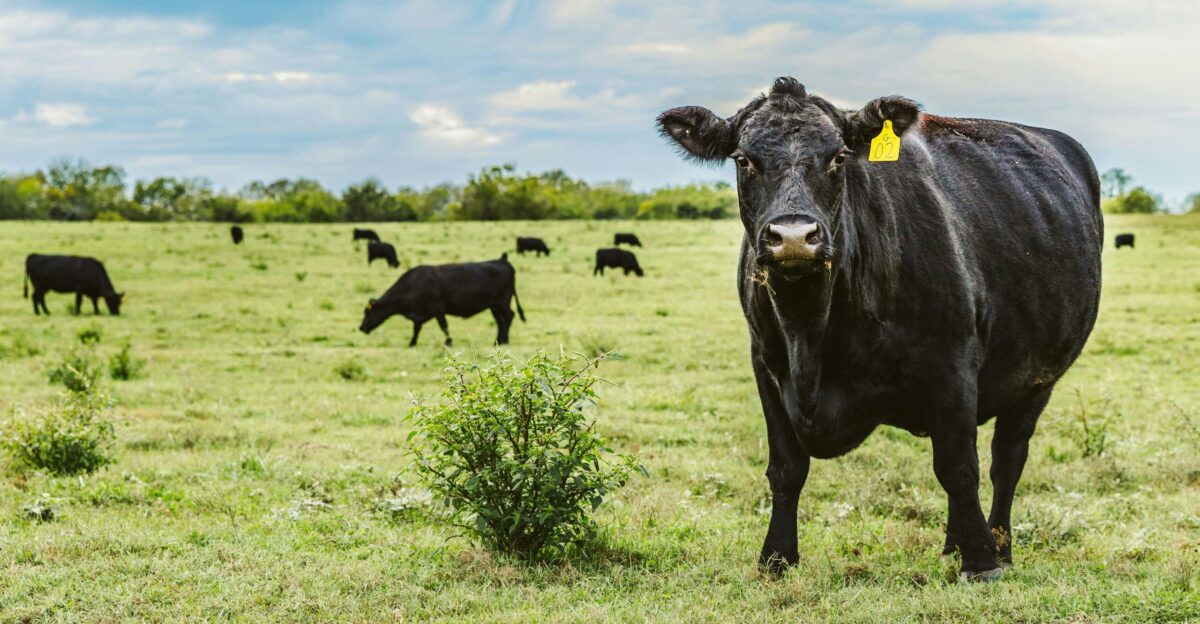
The seven-year program will support regenerative grazing practices across 4 million acres of cattle ranches spanning up to 38 states. Officials will award competitive grants beginning in January 2026.
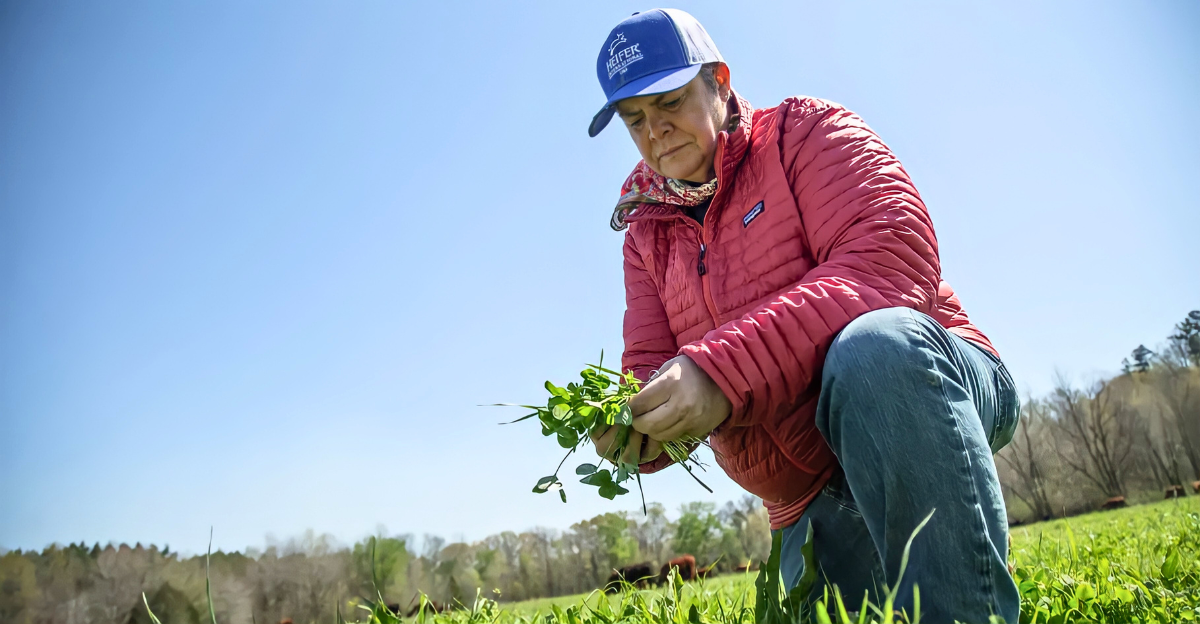
Participating ranchers will receive funding to implement rotational grazing systems that move cattle frequently across pastures. This approach allows grasslands to recover and build deeper root systems that sequester atmospheric carbon.
“It is great to see such a large and influential company like McDonald’s invest $200 million in regenerative farming,” Senator Marshall stated in his official response. The Kansas Republican emphasized that “the bridge between MAHA and agriculture is soil health.”
He added that “producing nutrient-dense foods begins with healthy soil.” Marshall has championed connecting agricultural practices to public health outcomes through the MAHA framework.
Corporate Agriculture Embraces Sustainability
McDonald’s recognizes climate-related supply chain risks and commits to reducing agricultural emissions by 16% by 2030. Chief Supply Chain Officer Cesar Piña explained the company’s rationale.
“As a brand that serves more than 90% of Americans every year, we recognize the responsibility we have to help safeguard our food systems for long-term vitality,” Piña said.
The company previously tested regenerative practices on potato farms in Canada and Europe. This initiative represents its most ambitious agricultural sustainability project to date.
McDonald’s now joins the forefront of a broader shift toward regenerative agriculture among major corporations. Companies like General Mills, Nestlé, Walmart, and PepsiCo have made similar investments in recent years.
These companies recognize that sustainable farming practices enhance supply chain resilience while addressing environmental concerns. McDonald’s suppliers, including Cargill, Golden State Foods, and The Coca-Cola Company, contribute additional funding to support the initiative.