The U.S. manufacturing sector shrank for the fifth month in a row in July 2025. The Institute for Supply Management (ISM) reported a Purchasing Managers’ Index (PMI) of 48.0, down from 49.0 in June. A reading below 50 signals contraction, meaning production, orders, and employment are declining.
Factory employment dropped to its lowest level in five years. Companies face rising costs linked to tariffs and shifting demand. This contraction is shaking the foundation of America’s industrial economy.
Communities Feel the Strain
Plant closures ripple far beyond factory walls. Local tax revenue falls when major employers shut down, reducing funds for schools, roads, and municipal services.
Nearby businesses such as restaurants, shops, and suppliers lose customers and contracts. Entire towns can struggle to stay afloat when anchor manufacturers disappear. This isn’t just an economic story; it’s a human story affecting communities across the country.
July 2025 Shows Sharp Decline
According to ISM, the July 2025 Manufacturing PMI remained at 48.0, marking five straight months of contraction. Factory employment dropped to 43.4, the lowest level since July 2020.
The manufacturing sector contributes 10.2% to U.S. GDP. It lost 7,000 jobs in May 2025 alone, highlighting ongoing structural challenges. These numbers point to a sector under sustained pressure, setting the stage for the closures that will follow in this story.
How We Got Here

America was a global manufacturing powerhouse after World War II. But research shows job losses began as early as 1979. Economists explain that technology and changing consumer preferences, not trade alone, drove declines.
Automation and robotics increased output while reducing the workforce. Manufacturing output grew even as jobs fell, showing that productivity gains and tech advancements reshaped the industry. The story of these closures is tied to decades of industrial evolution.
Rising Costs and Market Pressures

Factories are grappling with rising input costs. ISM reports that tariffs on steel and other materials continue to push expenses higher, though inflation has slightly eased since June’s near three-year peak.
Commodity price swings affect food processors and other sectors. These cost pressures, combined with declining margins, create a challenging environment for manufacturers and make it harder for older facilities to compete with modern, automated plants.
Technology and Global Competition
Automation continues to reshape employment in manufacturing. Most job losses are linked to machines and productivity gains rather than offshoring. Even abroad, countries like China see declines, showing that technology is the main factor.
Global competition and efficiency demands push factories to modernize or close. Companies that fail to adapt to these changes face shrinking operations, creating pressure that feeds into the wave of shutdowns hitting the U.S.
Local Communities Hit Hard
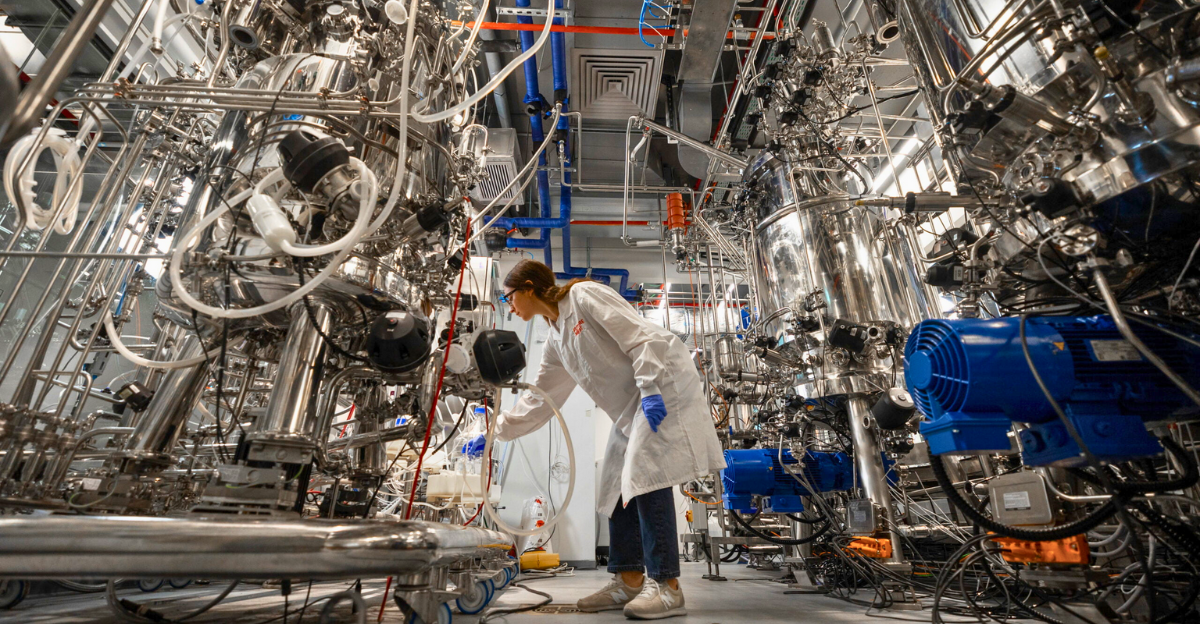
The closure of Cimpl’s Meats in Yankton, South Dakota, cut 277 jobs on March 15, 2025. American Foods Group cited industry changes and an “unprecedented cattle cycle” for the decision.
Yankton has a population of about 14,000. Losing a major employer impacts local suppliers, shops, and service providers. Small towns across the U.S. face similar challenges when manufacturing jobs disappear, leaving communities economically vulnerable.
Big Layoffs in 2025
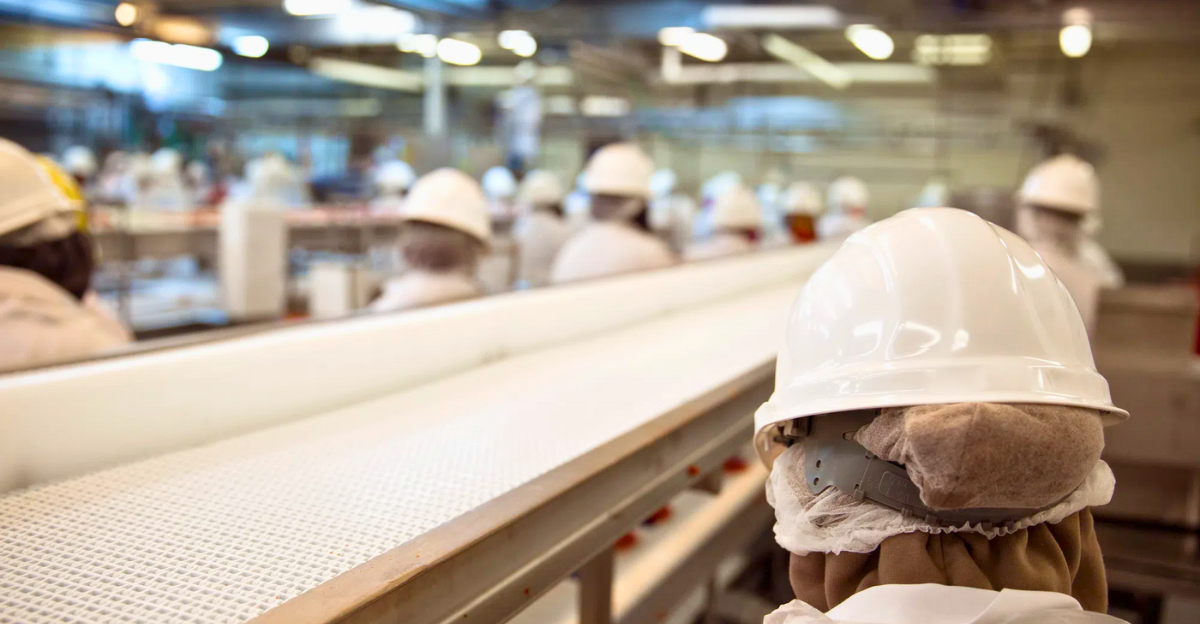
Several large employers reduced staff in 2025. Intel plans to cut about 24,000–25,000 jobs. Cleveland-Cliffs eliminated 600 jobs at its Dearborn, Michigan plant due to weak automotive demand.
While companies hope production rebounds, these temporary cuts reflect broader trends. Manufacturing is shrinking, and job losses are part of a structural shift.
Now, here are the seven major factory closures that define today’s “Made in America” decline.
# 1. PepsiCo Shuts Down Detroit Plant
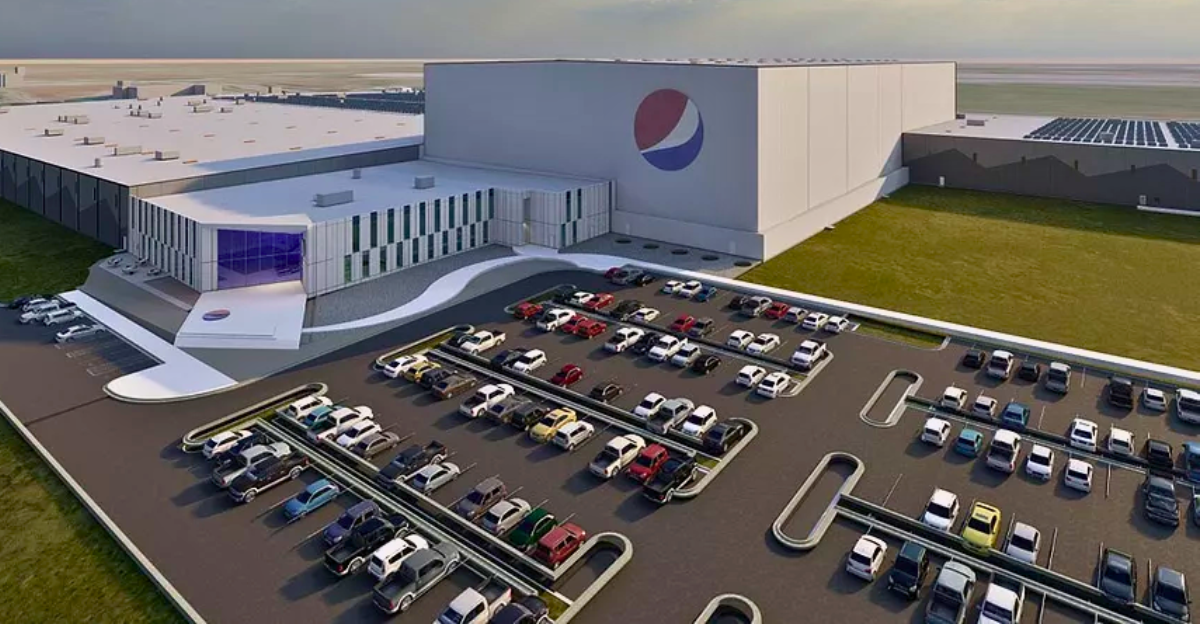
PepsiCo will close manufacturing, maintenance, and transport operations in Detroit by September 27, 2025. About 84 employees will be affected. The plant operated for over 80 years and represents a local industry landmark.
Warehouse, fleet, delivery, and sales operations will continue. This closure is part of a larger trend as older U.S. facilities struggle to compete. PepsiCo’s action foreshadows further shutdowns across America’s industrial sector, leading directly to the next factory stories.
# 2. Perdue Farms Closes Tennessee Plant
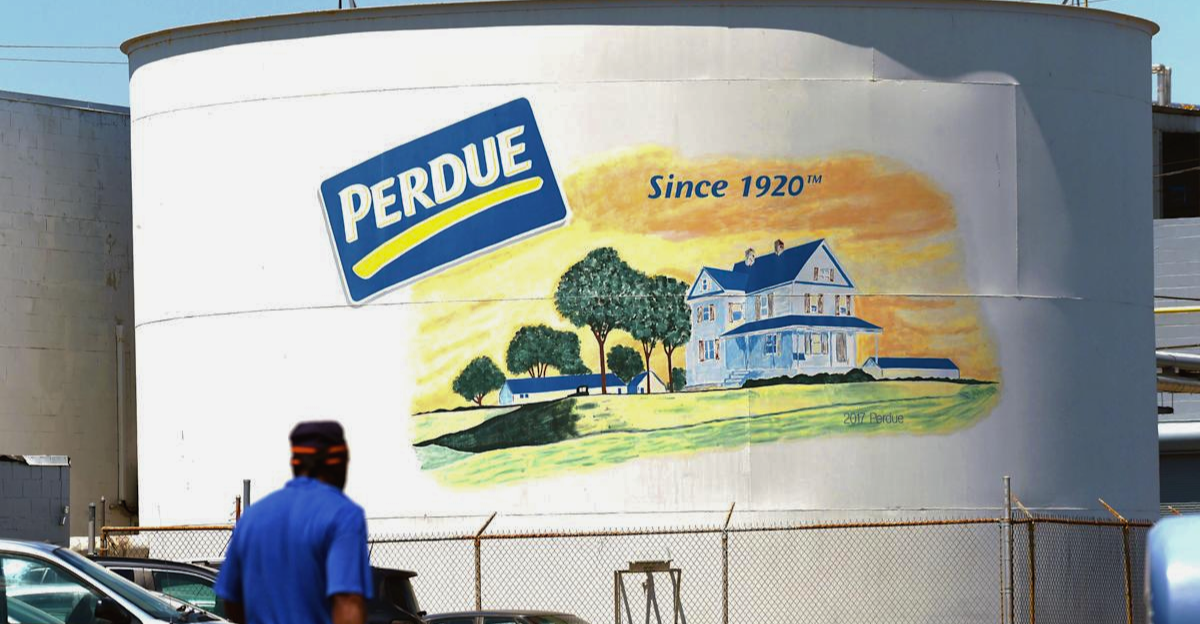
Perdue Farms shuttered its Monterey, Tennessee poultry plant on March 28, 2025, eliminating 433 jobs. The company cited changes in market demand and production methods requiring major new investment.
Severance and job placement support were provided, but the loss is significant for the region. Communities dependent on large plants feel the economic strain immediately.
# 3. Del Monte Foods Ends California Operations
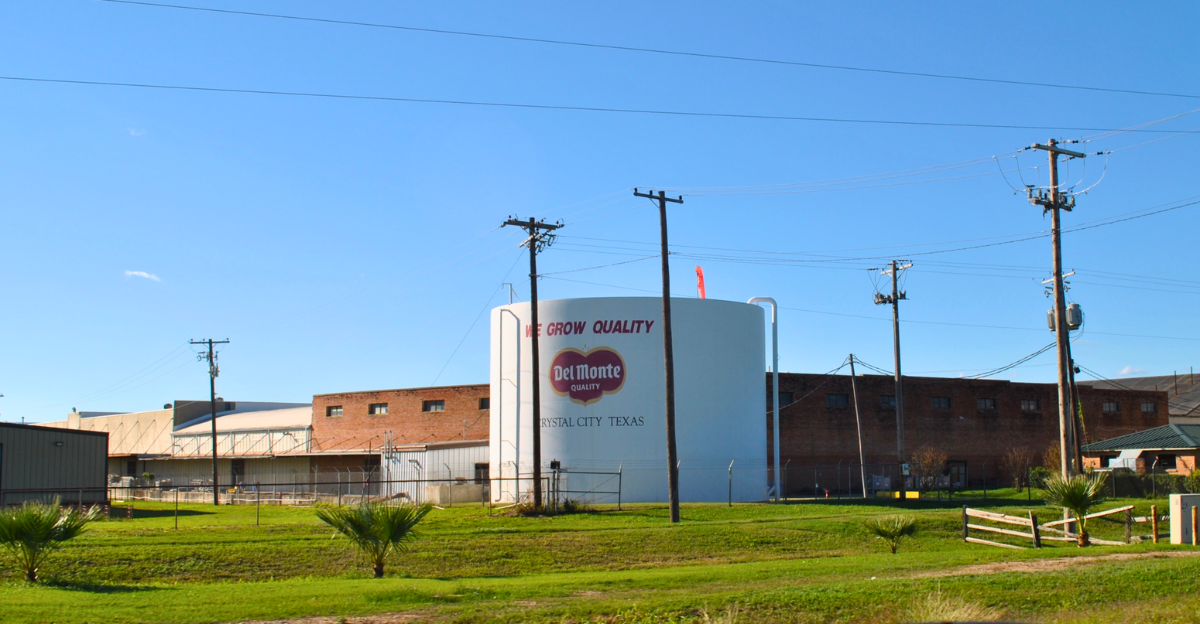
Del Monte Foods closed its tomato processing plant in Hanford, California, on March 28, 2025. About 378 employees lost jobs, and the company cited debt and financial challenges.
The facility had been a mainstay employer in Central Valley agriculture. The closure illustrates how even long-established companies face economic pressure in today’s manufacturing environment, linking directly to national trends.
# 4. Cargill Halts Arkansas Turkey Plant
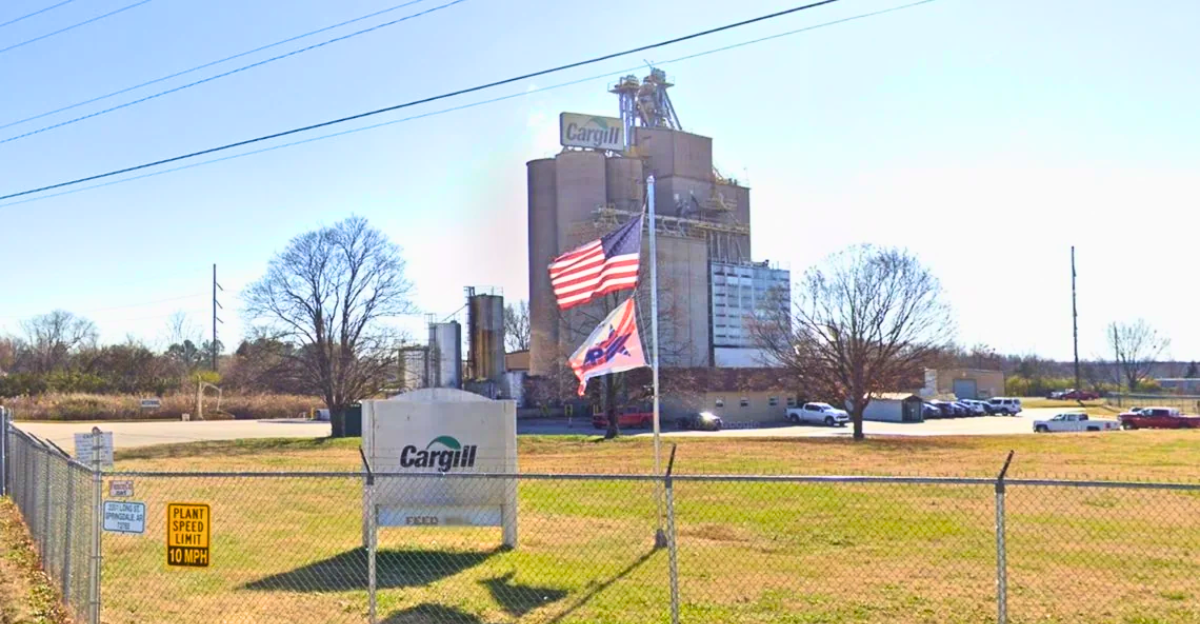
Cargill closed its Springdale, Arkansas turkey plant on August 1, 2025, affecting 1,100 workers. Turkey consumption declined from 5.26 billion pounds in 2019 to 4.69 billion in 2024.
Production shifted to Missouri and Virginia facilities. This closure represents one of the largest single-site layoffs of the year and underscores the continuing reshaping of the U.S. food manufacturing sector.
# 5. Cimpl’s LLC Leaves South Dakota
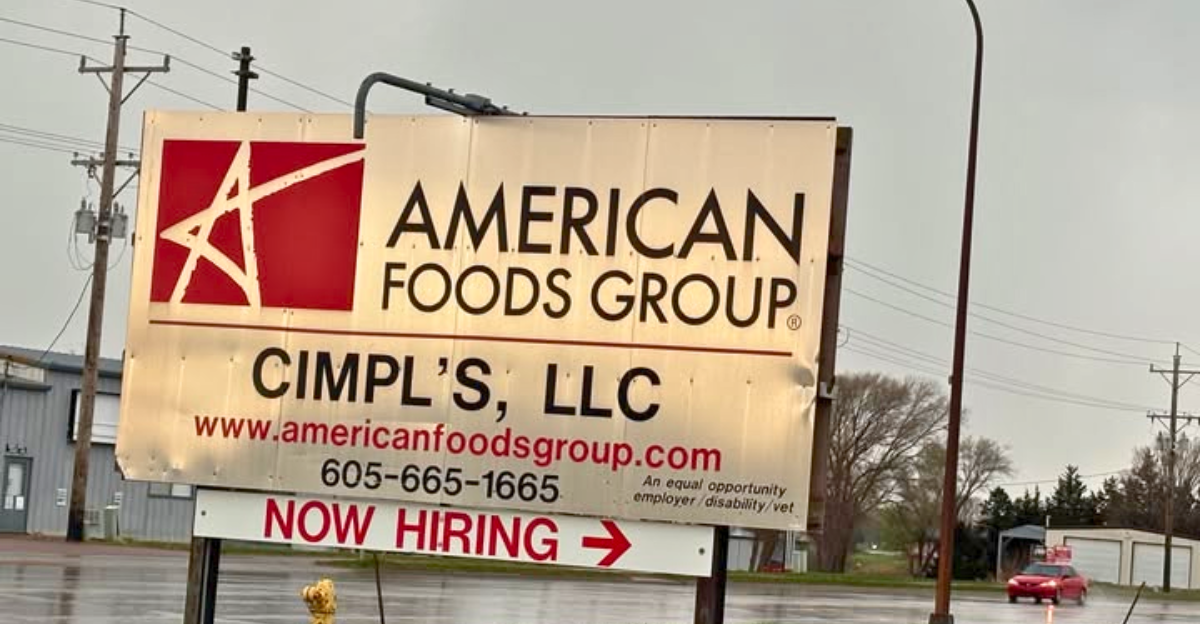
American Foods Group permanently shut the Cimpl’s meat processing plant in Yankton, South Dakota, on March 15, 2025. The closure affected 277 workers and was linked to long-term industry changes.
For a town of about 14,000 residents, this represents a severe economic hit. Small-town America is seeing similar closures, where one plant can define the local economy.
# 6. Tupperware Ends U.S. Manufacturing

Tupperware closed its final U.S. factory in Hemingway, South Carolina, laying off 148 workers between September 2024 and January 2025. Production moved to Mexico.
The closure ends decades of domestic manufacturing for the brand. Tupperware’s exit highlights a broader trend of shifting production abroad and the challenges U.S. factories face to remain competitive.
# 7. Cargill Reduces Global Workforce
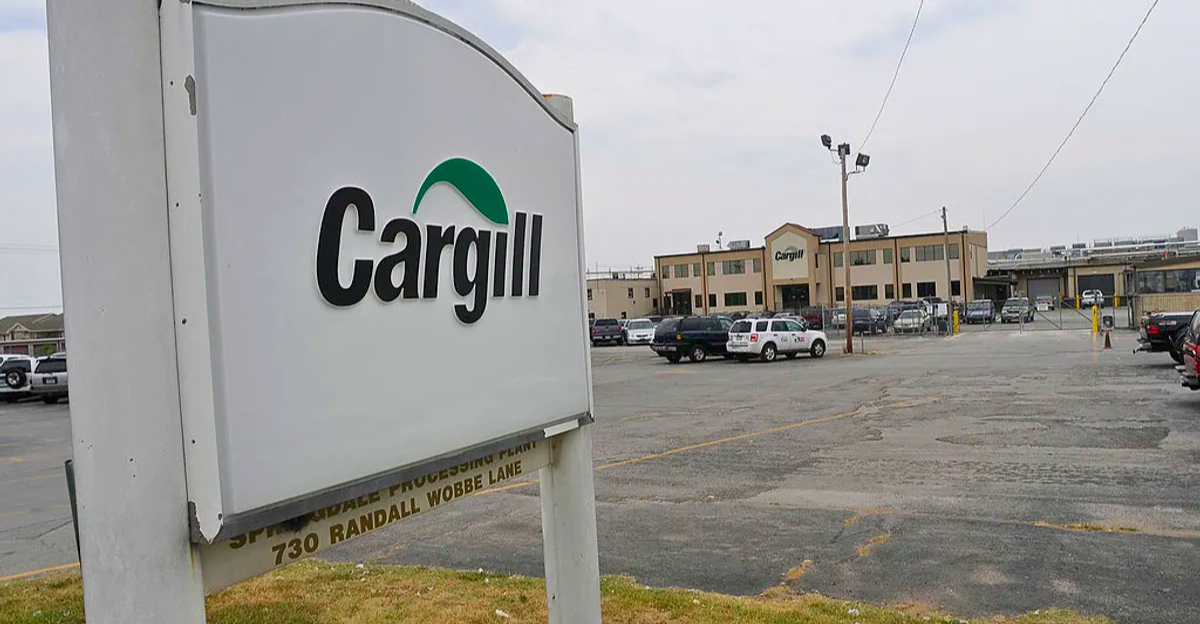
Cargill cut 5% of its global workforce in late 2024, eliminating roughly 8,000 jobs as profits fell from $177 billion to $160 billion. Declines came from beef, grain, and oilseed operations.
This shows that even global giants face pressures from market shifts and efficiency demands. The U.S. closures are part of a wider pattern affecting manufacturing worldwide.
Clean Energy Projects Cancelled
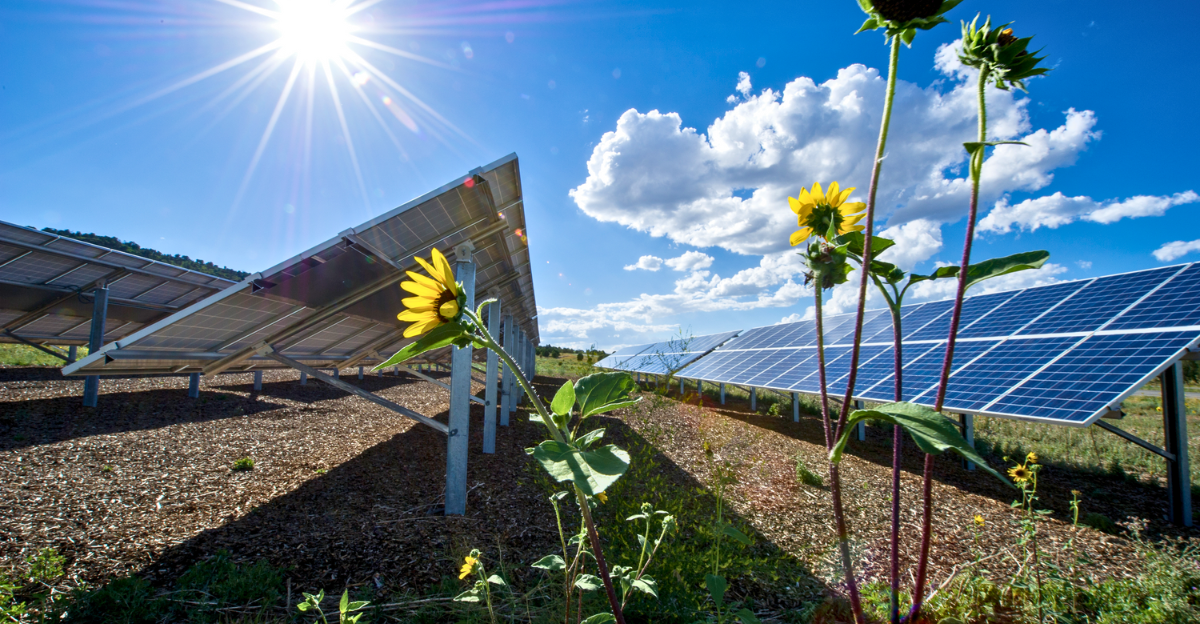
$22 billion in clean energy manufacturing projects were canceled in the first half of 2025, impacting 16,500 jobs. Battery manufacturing accounted for $6.7 billion of canceled projects in June alone, according to E2.
Goldman Sachs estimates that tariffs could lead to 500,000 job losses, partially offset by 100,000 potential gains. These cancellations demonstrate that manufacturing challenges extend beyond traditional industries into new, green sectors.
Manufacturing Still Struggling
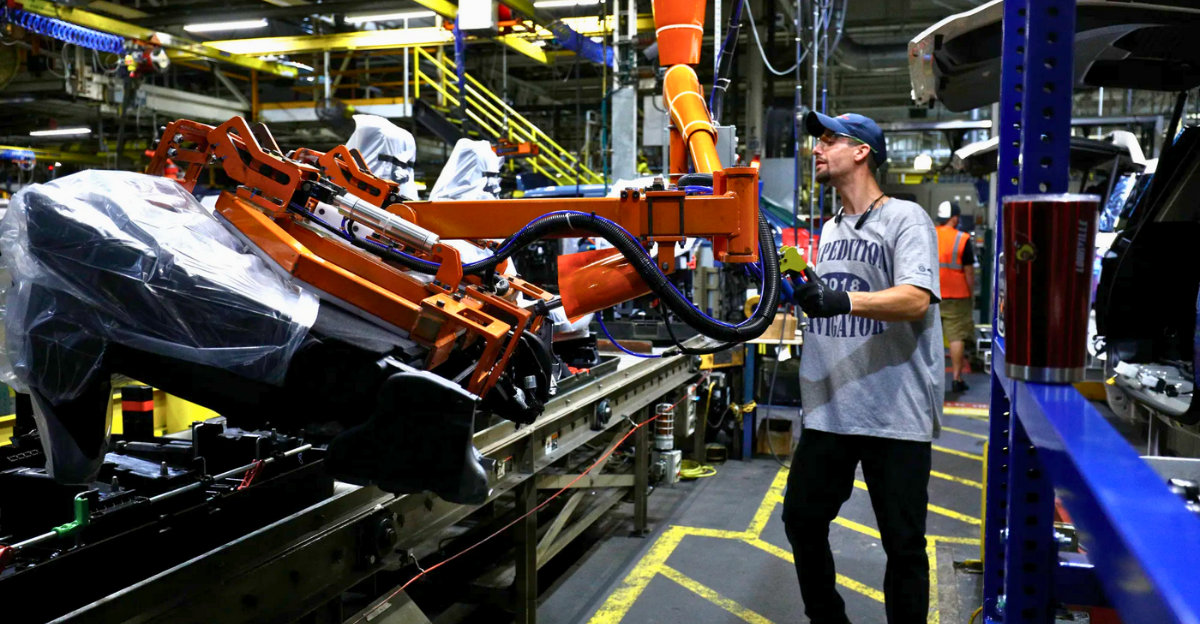
ISM’s Manufacturing PMI of 48.0 in July 2025 marked the fifth month of contraction. Values below 50 show declining production, orders, and employment.
This sustained shrinkage reflects ongoing structural problems in U.S. manufacturing. Companies face cost pressures, global competition, and changing consumer habits that make recovery uncertain.
Long-Term Employment Trends
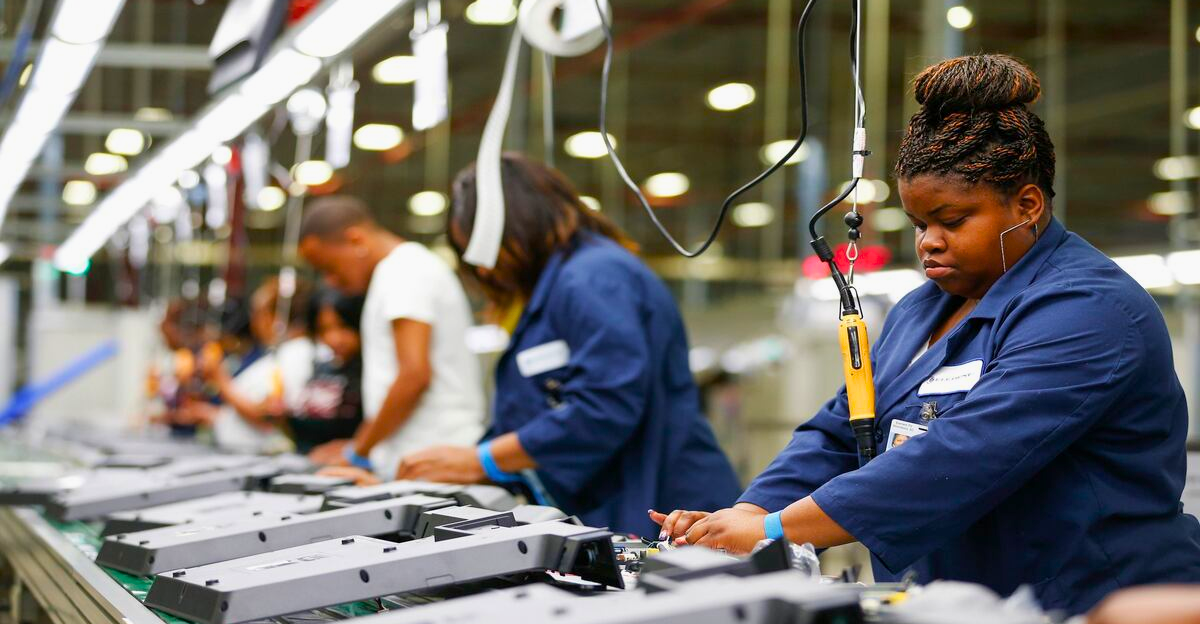
Factory employment hit a five-year low in July 2025. Census Bureau data shows roughly 70,500 manufacturing establishments were lost from 1997–2022.
Automation, globalization, and shifting consumer preferences continue to reshape the industry. Job declines reflect broader structural changes that have been occurring over decades, not just short-term trends.
Communities Pay the Price

Small towns relying on manufacturing feel the strongest impact. Specialized workers struggle to transition to service-sector jobs, often at lower wages.
Closures highlight regional disparities, with traditional manufacturing areas suffering more. The human and economic cost underscores that manufacturing decline affects more than GDP, it affects real people’s lives, savings, and futures.
Looking Ahead for U.S. Manufacturing
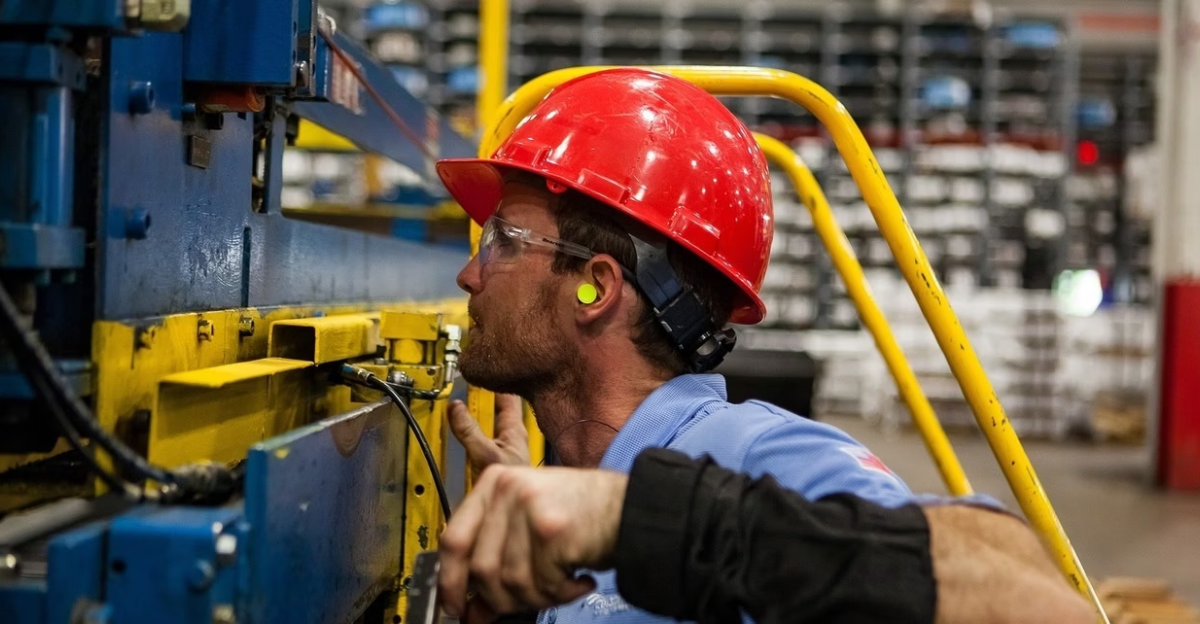
Facility closures in 2025 show broader challenges, including global competition, shifting consumer patterns, and operational costs. Traditional manufacturing faces ongoing pressure to stay competitive.
While some sectors show growth potential, the U.S. must adapt to technological and global market shifts. The “Made in America” era faces structural change, and these seven closures are a clear signal of the industrial retreat underway.