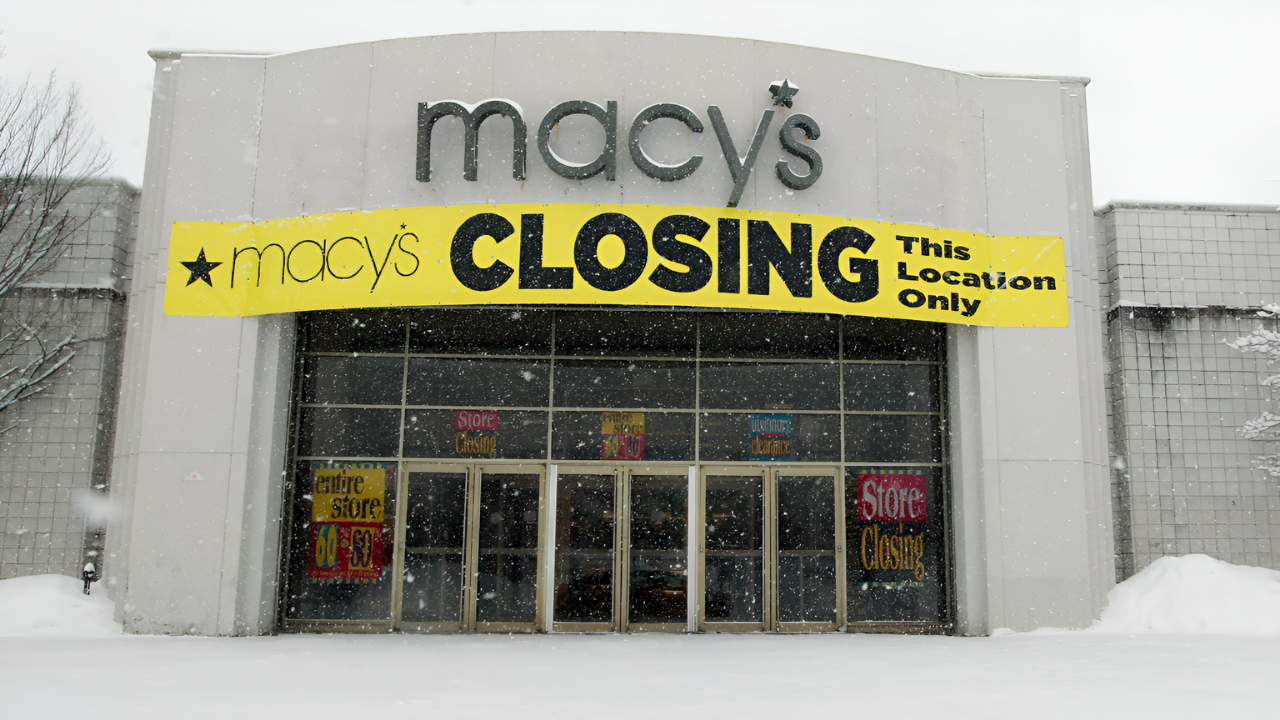
The machinery hums as 106 workers pack up their belongings, their futures uncertain. Macy’s is closing its South Windsor, Connecticut distribution center, the lifeblood of many local families, between December 28, 2025 and January 10, 2026. The decision comes as part of the company’s bold restructuring plan, which promises to reshape its entire supply chain.
The once-bustling warehouse, where employees worked tirelessly to fulfill off-price orders, now stands empty, its future uncertain. Macy’s is betting big on automation, shifting operations to larger, more efficient centers in Columbus, Ohio, and North Carolina. But with each machine that clicks into place, jobs vanish. The shift to automation is set to replace these human workers with robots—quietly leaving behind a deep economic impact.
Why Macy’s Is Leaving Connecticut Behind
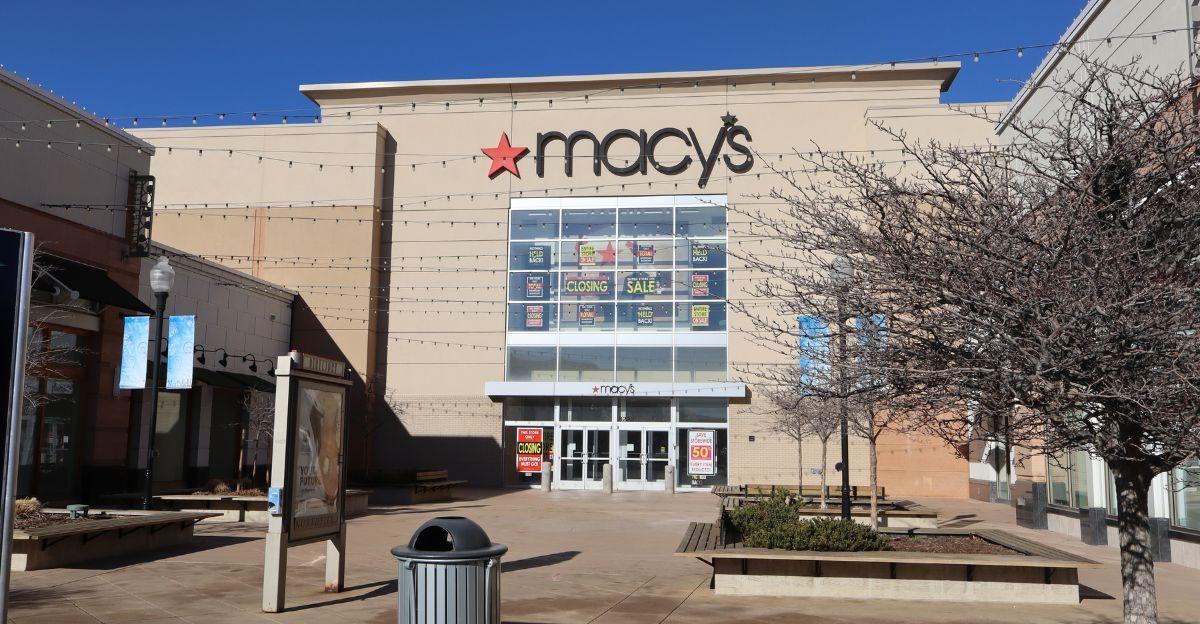
The decision is tied directly to supply-chain consolidation. Macy’s is streamlining off-price fulfillment into a smaller number of high-volume hubs, prioritizing automation over regional centers. Executives argue this will deliver faster shipping and lower operating costs.
This shift reflects a broader strategic pivot: Macy’s believes its real estate and distribution model must evolve quickly to stay competitive. The Connecticut closure is part of an efficiency push meant to modernize operations as customers expect faster, more reliable delivery.
Immediate Impact: 106 Workers Lose Jobs Permanently

The shutdown eliminates 106 positions—warehouse associates, warehouse leads, operations managers, and ARO coordinators—ending roles that have anchored middle-class employment in the region for years. The timing is especially devastating, arriving just three weeks after Christmas.
For many families, the closure represents sudden uncertainty as they navigate a tight labor market. With Macy’s planning 150 store closures nationwide by the end of 2026, opportunities for internal transfers will be extremely limited.
Automation Takes Priority as Macy’s Reshapes Its Network

Macy’s modernization strategy centers on robotics and automated warehouse systems. Its new 2.5-million-square-foot distribution center in North Carolina—billed as the company’s most advanced ever—was built to handle a significant portion of the company’s digital supply chain volume through advanced automation and robotics.
Automation promises faster order processing and greater accuracy, but it accelerates the decline of traditional warehouse jobs. The Connecticut closure shows which facilities will survive this transition—and which won’t.
What This Means for Competitors

Macy’s consolidation pressures other retailers to reassess their own logistics models. Amazon, Walmart, and Target have already invested heavily in robotics, and Macy’s abrupt pivot signals that legacy department stores must modernize quickly or risk falling behind.
A wave of copycat strategies may follow as companies seek to match Macy’s speed and cost structure. This shift could reshape regional delivery times, holiday fulfillment patterns, and consumer expectations across the retail landscape.
Why the Ohio and North Carolina Facilities Matter
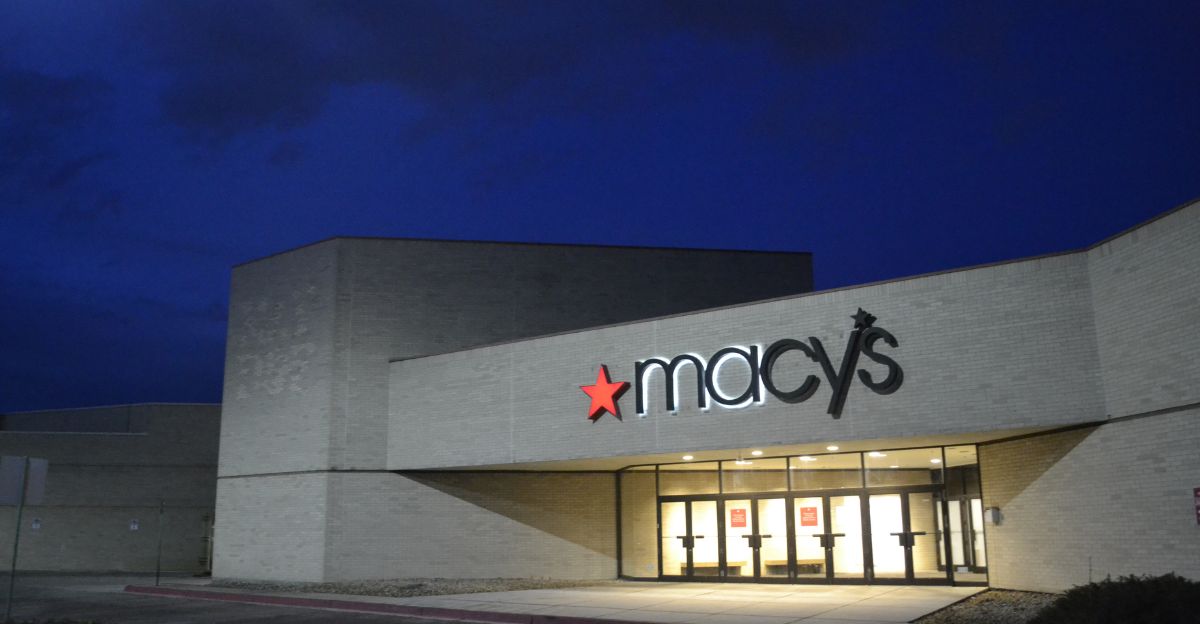
By relocating operations to Columbus, Ohio and expanding capabilities in North Carolina, Macy’s is anchoring its fulfillment network near major transportation corridors. These hubs provide better access to interstates, ports, and long-haul shipping routes.
Centralizing operations also boosts efficiency by reducing duplication across smaller facilities. The result: fewer distribution centers, but each far more capable—thanks to automation, robotics, and advanced warehouse management software.
Families and Communities Absorb the Fallout

Beyond the 106 layoffs, the closure ripples through the wider community—local businesses, childcare arrangements, and municipal budgets all feel the impact. Retail distribution jobs are difficult to replace, especially when automation is shrinking the sector nationwide.
While Macy’s promises transition assistance, severance information, and limited transfer opportunities, the practical reality for most workers is simple: their jobs are gone, and the company’s footprint is rapidly shrinking across the country.
Legal Framework and Worker Protections
The closure triggered a mandatory WARN notice, ensuring employees receive advance notification. However, the workers are not unionized and have no bumping rights, meaning no one can shift into another role to avoid termination.
Local officials may intervene to offer retraining support, but the lack of collective bargaining power underscores how vulnerable retail distribution employees have become in an era of consolidation and automation.
Part of a Much Larger Restructuring Wave

The Connecticut shutdown is one element of Macy’s aggressive transformation plan. The company is closing 150 stores by the end of 2026—nearly one-third of its remaining footprint, following closures in prior years.
Macy’s expects to generate roughly $600-750 million from its broader real-estate-driven closures program. These funds will support modernization, but the scale of contraction is unprecedented for a department store that once dominated American retail.
Faster Deliveries, But Fewer Jobs

Consumers may soon enjoy faster shipping, better inventory accuracy, and more seamless online-to-store fulfillment. These improvements stem from robotics that streamline picking, packing, and routing operations.
Yet each digital upgrade replaces human labor. Traditional warehouse roles—from forklift operators to shift leads—are disappearing as automation becomes Macy’s default strategy for its future supply chain.
The Debate: Efficiency vs. Community Stability

The Connecticut closure adds fuel to the growing debate over retail automation. Supporters argue modernization is essential for survival as online competition intensifies. Critics counter that corporations are offloading economic pain onto workers and communities.
This trade-off mirrors broader national tensions: Should retailers prioritize technological efficiency or protect the stable working-class jobs that once defined the American shopping economy?
New Consumer Expectations Are Reshaping Retail

Customers increasingly expect near-instant delivery, flexible returns, and real-time order tracking. Macy’s believes its new automated hub in North Carolina—capable of high-speed fulfillment at scale—will meet these demands.
As the company transitions away from aging facilities, its supply chain becomes leaner, faster, and more centralized. The Connecticut operation simply no longer fits that model.
Winners and Losers in the Modernization Push
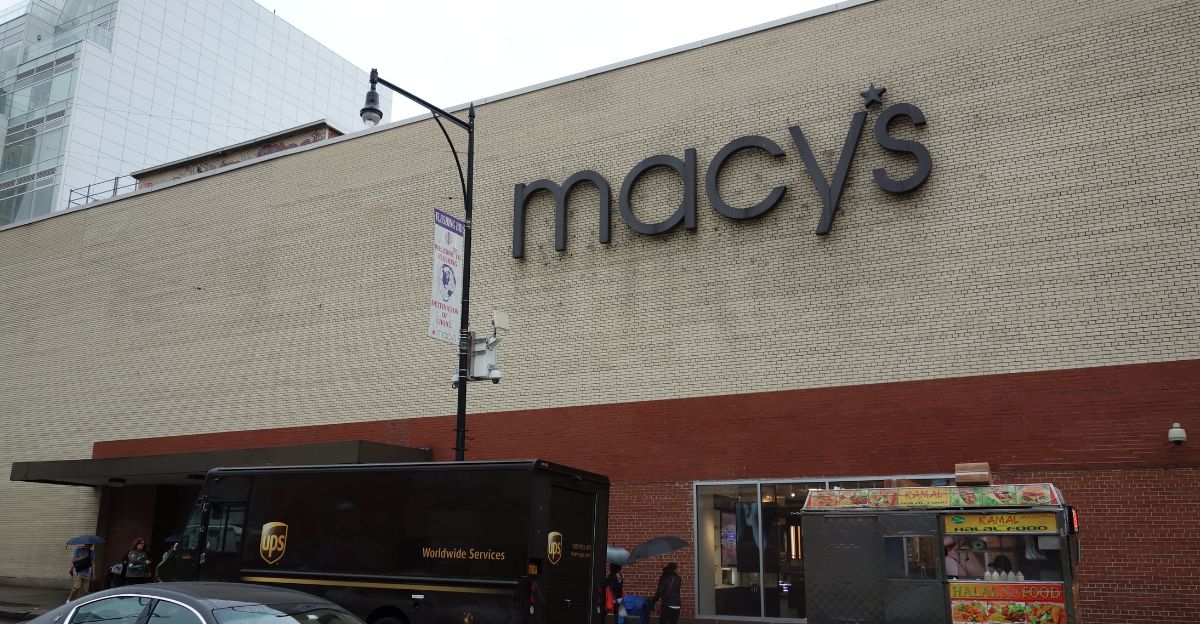
Automation vendors, robotics developers, and logistics consultants stand to gain as Macy’s pours investment into high-tech infrastructure. Their tools become essential to the retailer’s survival strategy.
Communities, however, become the losers when traditional distribution jobs evaporate. Smaller retailers may also struggle; they often lack the capital needed to compete with the automated ecosystems of national chains.
Investors and Consumers Brace for Big Changes
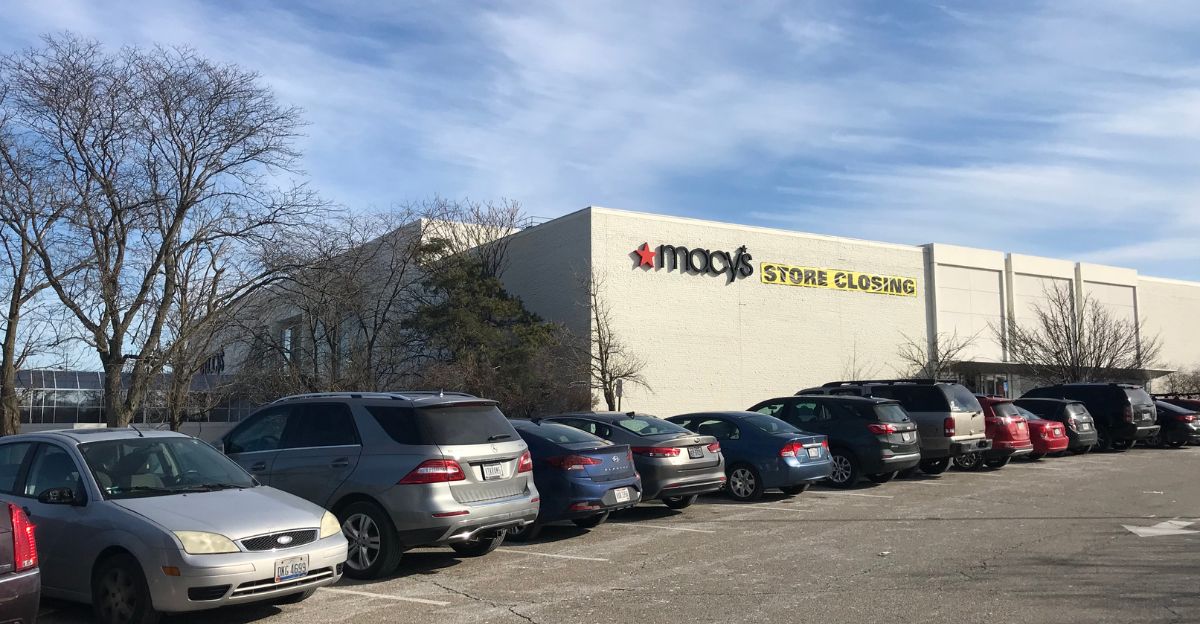
Financial analysts may view Macy’s consolidation as a necessary step toward profitability. Closing underperforming stores and replacing older facilities with automated hubs could stabilize margins after years of decline.
Consumers, meanwhile, will notice faster delivery and improved online service. But behind every efficiency upgrade sits a quieter story of disappearing jobs and shrinking physical retail presence.
What This Signals About the Future of Retail Work
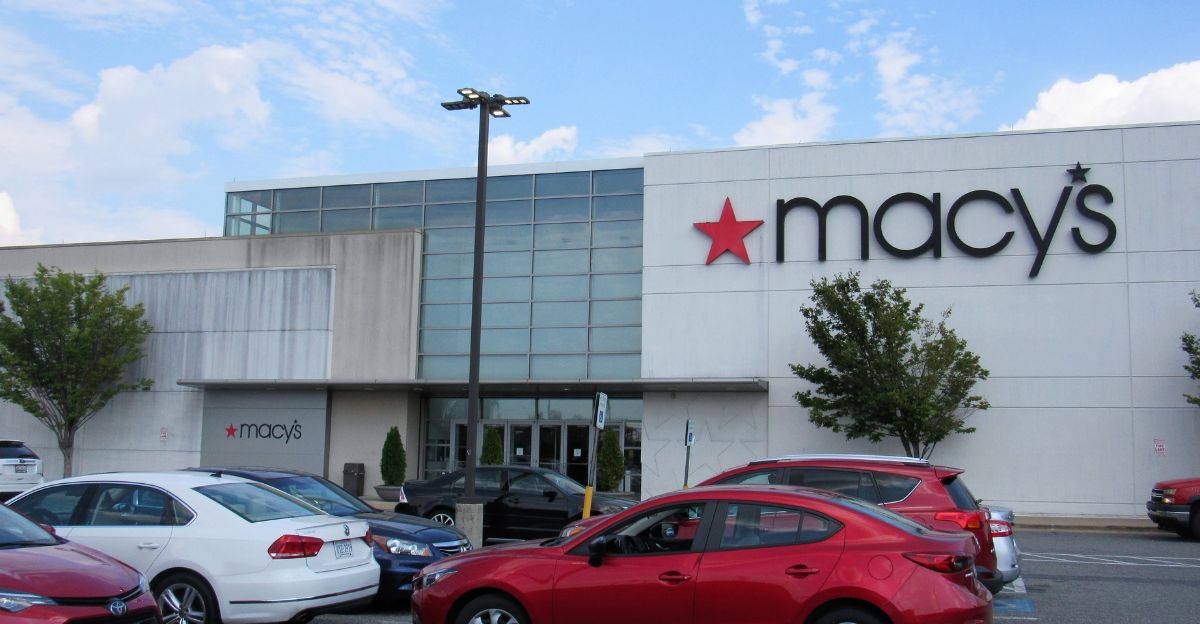
The Connecticut distribution center closure offers a preview of retail’s next decade: fewer buildings, fewer workers, and highly automated mega-facilities directing nationwide flow. Macy’s new warehouse technologies will set the standard for future centers.
The challenge ahead is balancing efficiency with humanity. As automation accelerates, the question becomes whether retailers can support displaced workers—or whether modernization simply means more communities losing the economic pillars they once relied on.