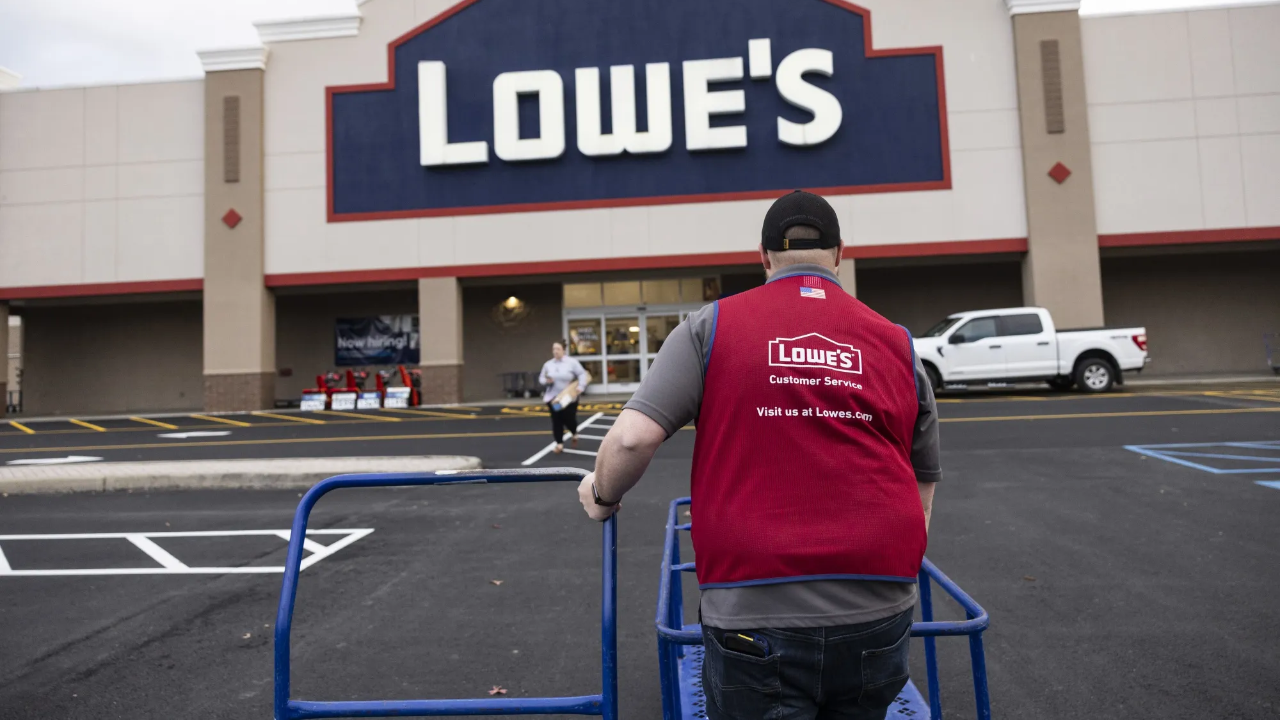
On January 2, 2026, South Carolina’s Upstate region absorbed a jolt: 130 warehouse workers at a Duncan distribution center faced layoffs effective March 5. The announcement from Saddle Creek Logistics revealed Lowe’s decision to take direct control of the facility, part of a broader corporate pivot reshaping retail supply chains and leaving families in uncertainty.
The Insourcing Surge
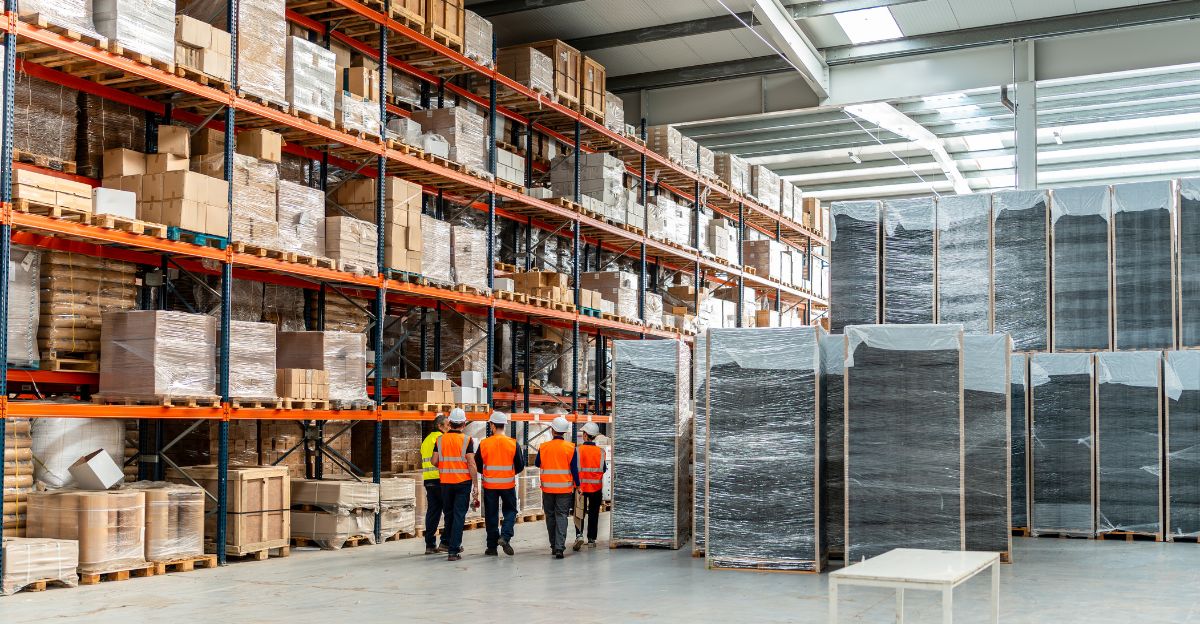
Major retailers nationwide are reclaiming logistics operations from third-party providers. Amazon, Target, and Walmart have led this charge, driven by cost savings amid rising expenses. Lowe’s is investing $1.7 billion in supply chain upgrades, including automated centers and robotics, started in 2018 and 2019. The Duncan site, a 1.4 million-square-foot climate-controlled warehouse opened in early 2020, serves appliances to over 100 stores in South Carolina, North Carolina, Virginia, and Tennessee. For six years, it ran efficiently under Saddle Creek with more than 150 employees earning $16 to $22 per hour. Now, it serves as the pilot for Lowe’s self-operation strategy.
Market Pressures Build

Escalating fuel, labor, and third-party fees pressured Lowe’s in 2024 and 2025, alongside advances in automation. The company concluded it could manage distribution internally more effectively. Saddle Creek’s WARN Act notice on January 2—62 days before the March 5 cutoff—complied with federal requirements for mass layoffs of 50 or more. The facility stays open, but under Lowe’s direct oversight. Displaced workers may apply for positions there, though no assurances exist on wages, benefits, or hiring numbers. Seniority and bargaining power vanish in the shift.
Ripple Effects in Upstate

Greenville County’s economy feels the strain. The jobs loss hits local businesses, from restaurants to suppliers, and reduces school tax revenue. South Carolina’s Workforce Development Board and Dislocated Worker Program offer limited retraining and placement aid, but 60 days proves insufficient for all. Some workers may secure quick employment; others face prolonged unemployment and financial hardship. This mirrors a pattern: In October 2025, Saddle Creek announced 128 layoffs at a Newnan, Georgia, site for the same reason, totaling 258 jobs across two facilities.
Automation and Uncertainty Loom
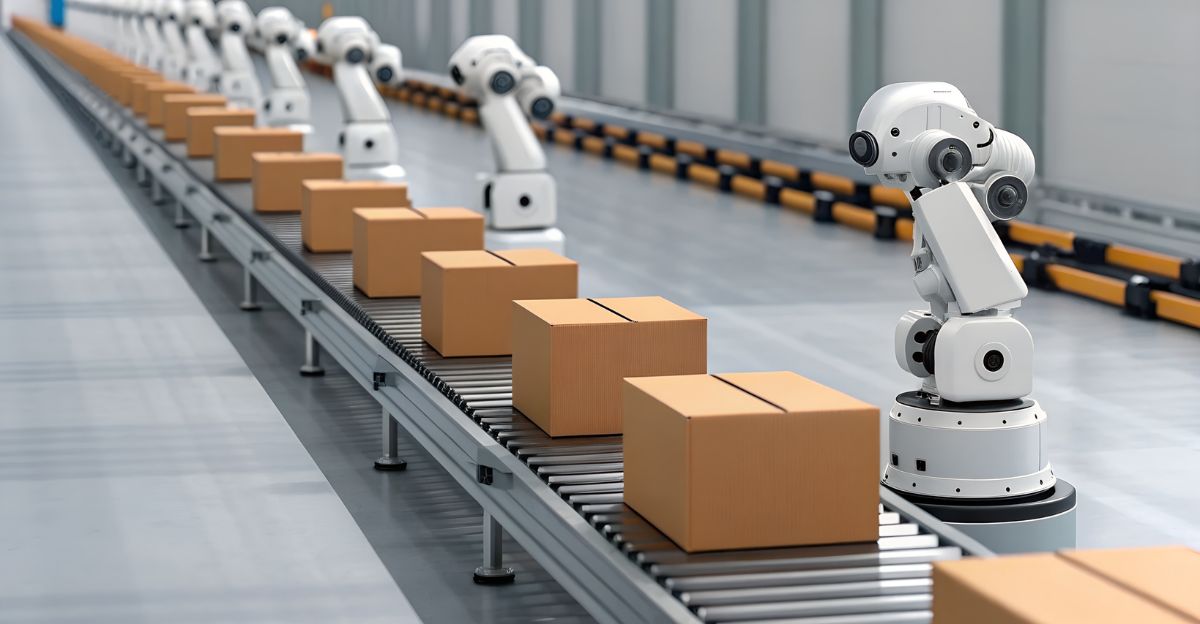
Lowe’s aims to deploy robots and AI for sorting and packing, areas where Saddle Creek lagged due to constraints. Experts forecast a 30 to 40 percent workforce reduction at Duncan within 18 months. Supply chain consultants question the move, noting retailers often overlook logistics complexities. Lowe’s retail expertise may falter without third-party know-how, risking inventory disruptions and customer dissatisfaction. CEO Marvin Ellison has framed supply chain efficiency as a key edge. Saddle Creek, meanwhile, grapples with revenue hits, prompting business model changes or acquisition risks across the third-party logistics sector.
Outlook Hinges on Results
As March 5 nears, outcomes at Duncan will gauge Lowe’s insourcing success: cost reductions or hidden expenses? For workers, it means livelihoods in balance. Shareholders watch for strategy validation. The third-party logistics industry braces for contraction, while outdated labor protections like the WARN Act draw scrutiny amid rapid restructuring. This single warehouse now tests forces reshaping retail, jobs, and operations far beyond South Carolina.
Sources:
Atlanta Business Journal, Saddle Creek Logistics Services Newnan Layoffs Coverage, October 27, 2025
South Carolina Department of Employment and Workforce, 2026 WARN Report, January 16, 2026
Supply Chain Dive, Lowe’s $1.7B Investment Announcement and Supply Chain Analysis, 2020-2025
Logistics Management, Warehouse Automation Forecast and Industry Analysis, 2020-2026
Upstate Business Journal, Lowe’s Distribution Center Duncan Facility Coverage, October 14, 2025
Saddle Creek Logistics Services, WARN Statement and Company Announcements, 2020-2026