
Michael Jordan’s ownership group at 23XI Racing is making waves in NASCAR, challenging a business model that they argue leaves race teams severely underpaid.
Despite the inherent risks that drivers face over the course of a 38-race season, Jordan contends that NASCAR’s system prioritizes the leadership over the competitors who make the sport possible.
Now, this high-stakes battle has reached a federal jury in Charlotte, North Carolina, where the future of NASCAR’s financial structure is on the line. The question: Will this case change the very foundation of NASCAR?
High Stakes
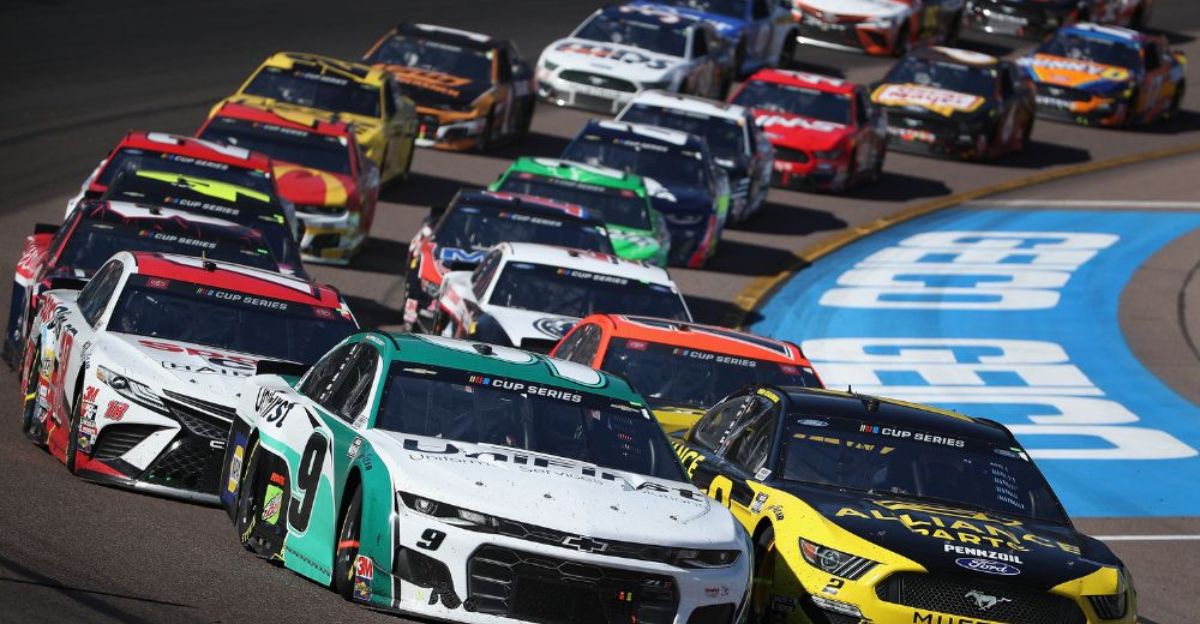
At issue is NASCAR’s franchise-style “charter” system, which since 2016 has granted 36 teams guaranteed starting spots and revenue in the Cup Series.
Jordan’s 23XI Racing and Bob Jenkins’ Front Row Motorsports contend that under the proposed 2025–31 charter deal, teams cannot build an economically viable business.
Their challenge lands in court as media rights, team values, and hundreds of jobs hang in the balance.
Charter Origins

NASCAR first introduced charters in 2016 after years of pressure from team owners seeking more predictable revenue and equity value.
The arrangement, similar to other U.S. leagues, allocated 36 charters among approximately 15 organizations, ensuring entry to every Cup points race.
NASCAR argues that this stability has increased franchise values, citing charter prices that rose from about $6 million in 2018 to around $40 million by 2023.
Mounting Friction
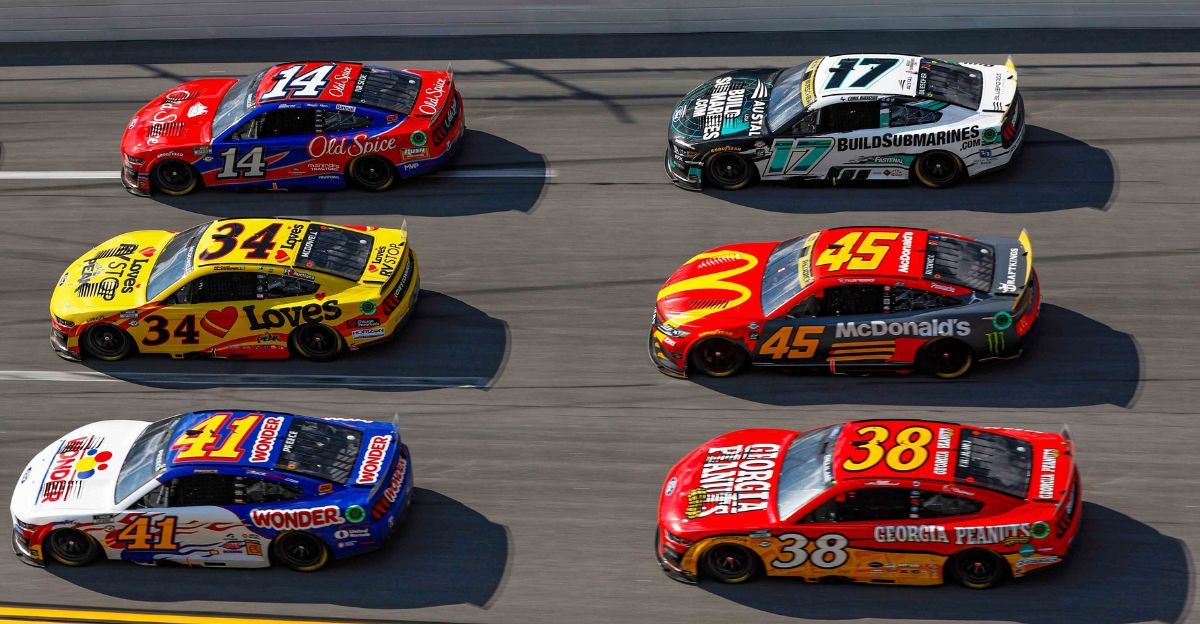
By 2023, talks on a new 2025–2031 charter agreement between NASCAR and team owners had dragged on for over two years.
Teams, led at the table by Jordan adviser Curtis Polk, demanded permanent “evergreen” charters, a larger revenue share, and a say in major governance decisions.
NASCAR President Steve Phelps and Chairman Jim France resisted those pillars, warning of uncertain future media revenues and rapid industry changes.
Ultimatum Exposed
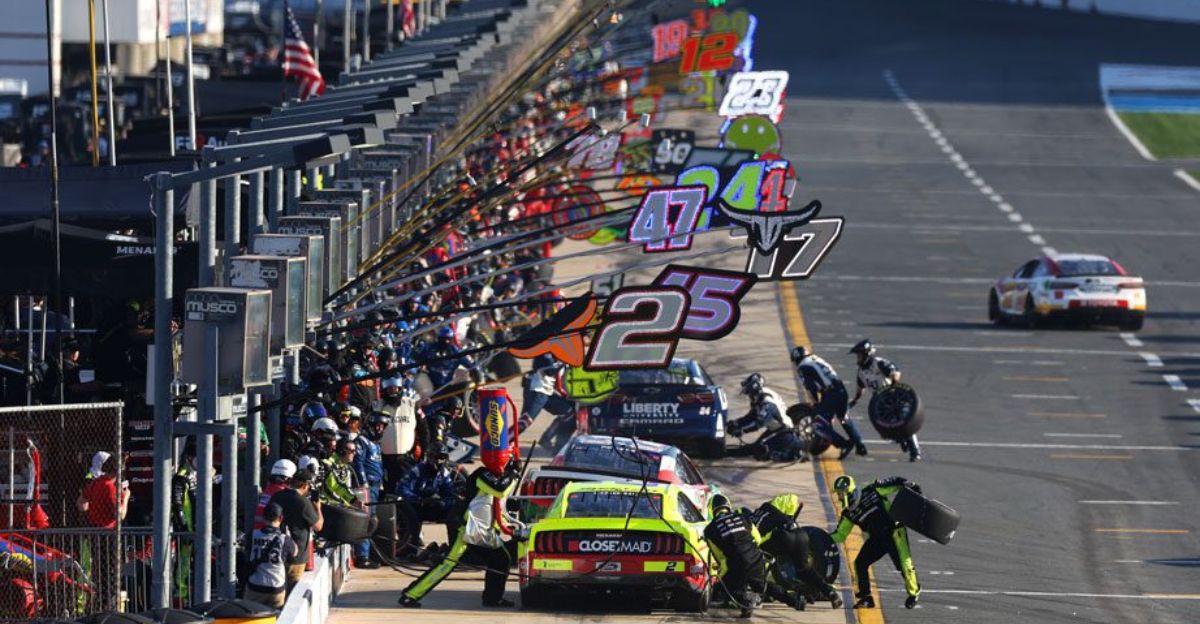
The flashpoint occurred in early September 2024 in Charlotte, when NASCAR presented its final 112-page charter proposal and gave teams only six hours—until 6 p.m. to midnight—to sign or risk losing their charters.
Heather Gibbs of Joe Gibbs Racing later described the six-hour window as “like a gun to your head: if you don’t sign, you have nothing.”
Jordan testified that he saw the deadline as an unfair ultimatum, leaving him “no choice but to sue.”
Business On The Brink

Jordan told jurors in Charlotte he owns about 60% of 23XI Racing and has invested between $35 million and $40 million since the team’s 2021 debut.
Front Row owner Bob Jenkins testified that, despite operating in NASCAR since the early 2000s, he has “never turned a profit” and estimates cumulative losses of roughly $100 million.
Both teams say their operations and hundreds of jobs could vanish without sustainable terms.
Emotional Chaos

For families inside the garage, the legal clash is not abstract. Heather Gibbs testified about the emotional chaos at Joe Gibbs Racing as executives scrambled before NASCAR’s deadline, invoking the legacies of late family members, Coy and J.D. Gibbs.
Jenkins has warned that as many as 450 workers employed by Joe Gibbs Racing could lose their jobs if top NASCAR teams cannot secure charters on viable terms. The trial’s outcome could decide their future.
Monopoly Claims

23XI and Front Row filed their federal antitrust lawsuit in October 2024 in the Western District of North Carolina, alleging NASCAR maintains a monopoly over “premier stock-car racing team services.”
Judge Kenneth Bell later granted a key motion defining the relevant market in the teams’ favor and ruled that NASCAR possesses market power in that market.
The jury must now decide whether NASCAR employed anti-competitive tactics to maintain its dominance.
Control Of The Track
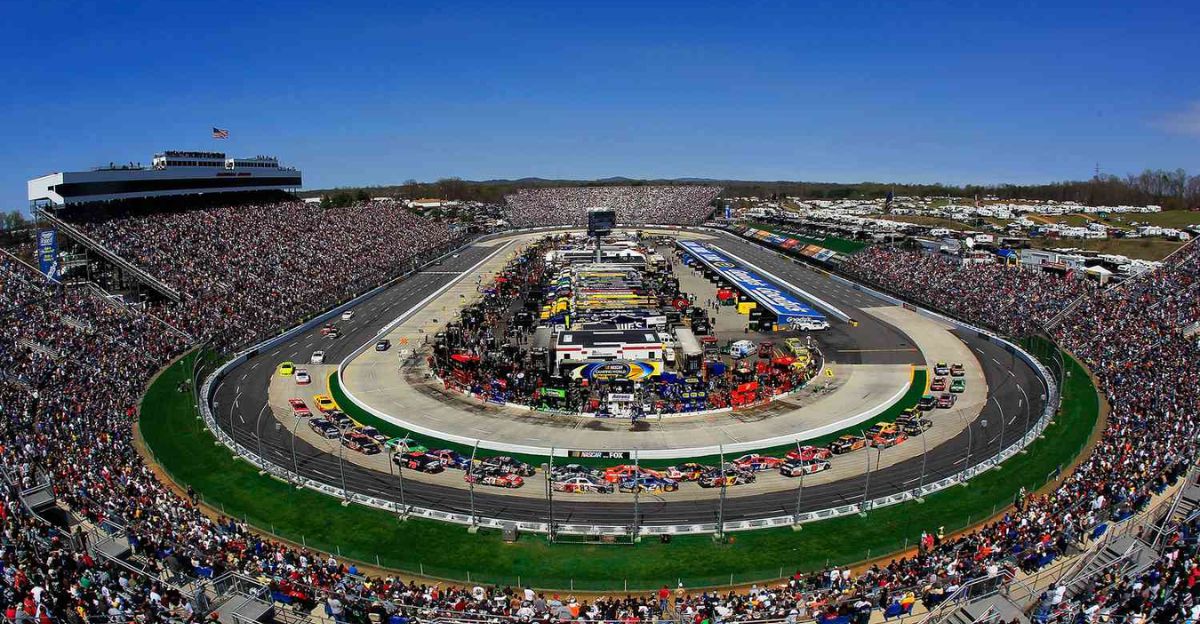
The teams argue NASCAR’s power flows not only from charters but also from its track strategy. The sanctioning body owns most Cup Series venues outright and uses sanction agreements with independent tracks, which they say limit those tracks’ ability to host rival series without NASCAR approval.
An economist for the plaintiffs testified that these arrangements, combined with control over the “Next Gen” car design, create formidable barriers to entry.
Already A Monopoly
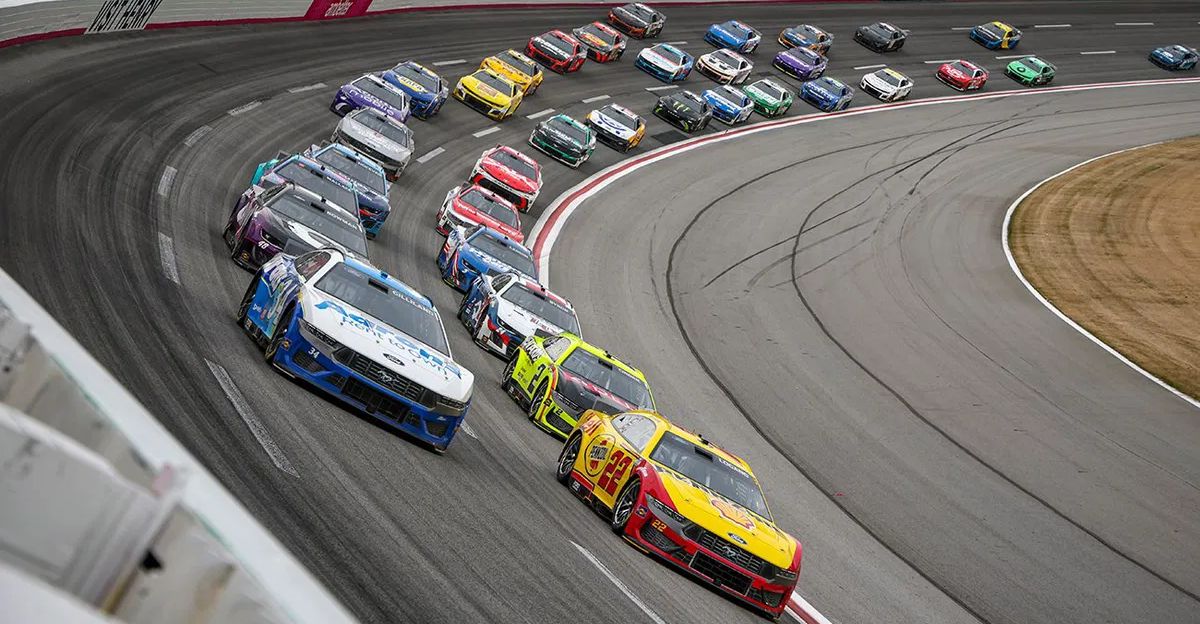
In a significant pretrial ruling, Judge Bell concluded that NASCAR is, as a matter of law, a monopoly in the market for premier stock-car racing.
That means the central question for jurors in Charlotte is no longer if NASCAR dominates, but whether it illegally used that dominance to suppress competition and underpay teams.
The plaintiffs’ economist estimated underpayments totaling more than $1 billion across chartered teams from 2021 to 2024.
Inside The Negotiations

NASCAR executives have portrayed talks with Jordan’s camp as exhausting. Phelps testified that Polk held firm on four pillars: permanent charters, increased revenue, one-third of new income streams, and a stronger governance voice.
NASCAR insists it improved terms in the 2025–2031 deal, raising annual charter payments to approximately $12–13 million per car, but says teams still sought more.
Thirteen organizations eventually signed individually, over Jordan’s objections—making 23XI and Front Row the only two of 15 team organizations to refuse and file suit.
France’s Line In Sand

NASCAR chairman and CEO Jim France, who took the stand as a key defense witness, reiterated he opposes permanent charters in the 2025 agreement.
France testified that he does not want to bind future leadership to structures that may not fit a changing sport or media landscape.
Teams argue permanent charters are “absolutely vital” to secure long-term investment and ensure the value they build in the series cannot be unilaterally erased.
Racing Without A Net

After refusing to sign NASCAR’s September 2024 proposal, 23XI and Front Row began the 2025 season competing in the Cup Series without charters.
That means no guaranteed starting spots and no fixed charter revenue stream, even as they continue to spend on cars, crews, and travel.
Both teams warn they may go out of business if the court does not intervene and provide charter protections on viable terms.
Experts On The Stand

Plaintiffs’ economist Edward Snyder, a former U.S. Department of Justice antitrust staff economist, testified that NASCAR’s practices leave teams paid below competitive market rates.
He calculated that 23XI is owed approximately $215.8 million in damages and Front Row $148.9 million, while all chartered teams collectively were underpaid $1.06 billion from 2021 to 2024.
NASCAR’s own experts are expected to dispute his methodology, calling the figures exaggerated and speculative.
Future Of The Model

If jurors find NASCAR maintained its monopoly through anti-competitive conduct, Judge Bell would then fashion remedies, potentially reshaping the sport’s structure.
Options could include altering or even eliminating charters, changing track-ownership patterns, revising exclusivity clauses, or revisiting Next Gen car rules.
NASCAR warns that remedies could destabilize a system that teams themselves once requested, while 23XI and Front Row say reform is needed for survival.
Policy Reverberations

Antitrust specialists are watching closely because the case tests how U.S. courts police dominant sports bodies that both sanction competitions and buy team services.
Judge Bell has already issued detailed trial-management orders, reflecting the complexity of assessing decades of contracts, media deals, and technical rules.
A ruling against NASCAR could embolden other participants in closed sports leagues to challenge revenue splits and control provisions in federal courts.
All Eyes On Charlotte

Stock-car racing remains most concentrated in the United States, but international motorsport stakeholders are monitoring the Charlotte proceedings.
Series in Europe and elsewhere have long wrestled with questions about promoter power, team independence, and standardized car designs.
A decision that curbs NASCAR’s use of exclusive track and parts arrangements could influence how future global touring or stock-car series structure their governance and commercial terms.
Legal Crosscurrents

NASCAR has argued that many alleged violations fall outside the four-year statute of limitations for antitrust violations, citing older conduct related to charter creation and media talks.
The teams counter that more recent charter sales and sanction agreements since 2020 extend the relevant window.
NASCAR also filed, but later lost, a counterclaim accusing 23XI, Front Row, and Polk of illegal collusion during negotiations; the Judge dismissed it on summary judgment in October 2025.
Cultural Fault Line
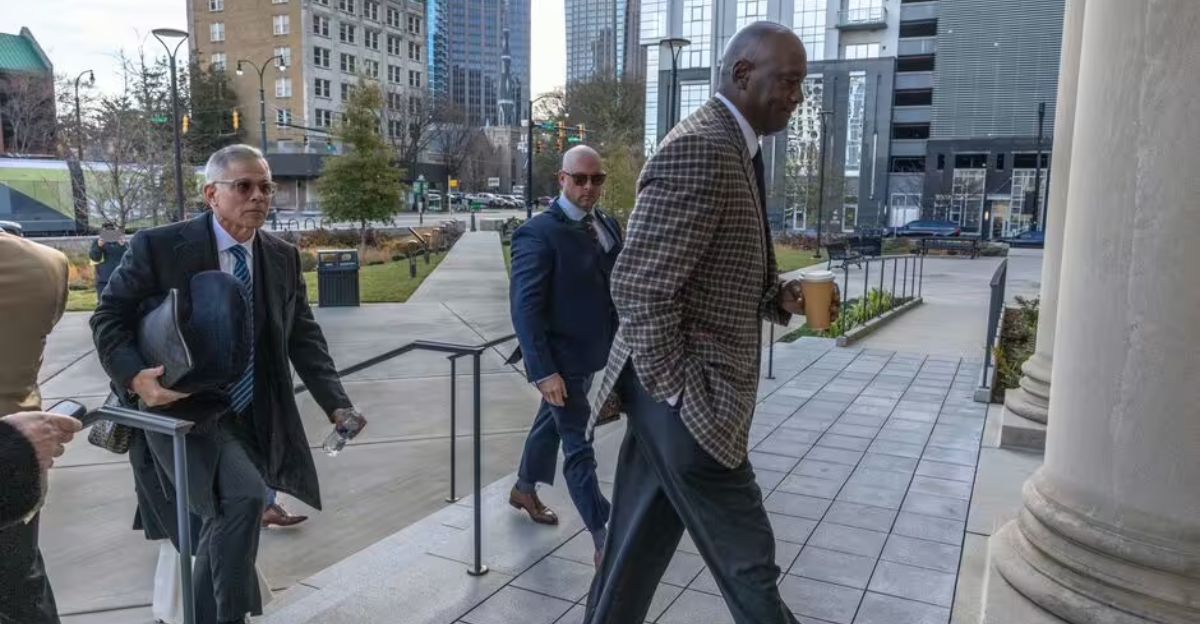
Jordan’s testimony underscored a cultural divide between NASCAR’s family-led leadership and a new wave of investor-owners. The six-time NBA champion told jurors that drivers “risk their lives” while executives control the money and rules from afar.
He contrasted his NBA experience, where teams receive roughly 50% revenue share, with NASCAR’s far smaller team slice.
He also testified: “I never saw Jim France drive a car. I never saw Jim France risk his life. Jurors must decide whether that disparity reflects illegality or just tricky business.”
What It Signals

Beyond the courtroom in Charlotte, the fight between 23XI, Front Row, and NASCAR highlights growing pressure on legacy sports leagues to justify their economic models.
Whether Jordan’s side wins or loses, the public airing of charter prices, revenue splits, and internal emails has already changed how fans and potential investors see stock-car racing.
The verdict will help define who truly holds power in one of America’s most lucrative motorsports.
Sources:
ESPN Dec. 6, 2025 trial testimony coverage
ESPN Nov. 2025 NASCAR charter analysis
Fox Sports Nov. 2025 NASCAR antitrust explainer
Fox Sports Oct. 28 & Nov. 4 2025 lawsuit updates
Fox Sports Dec. 2025 trial analysis