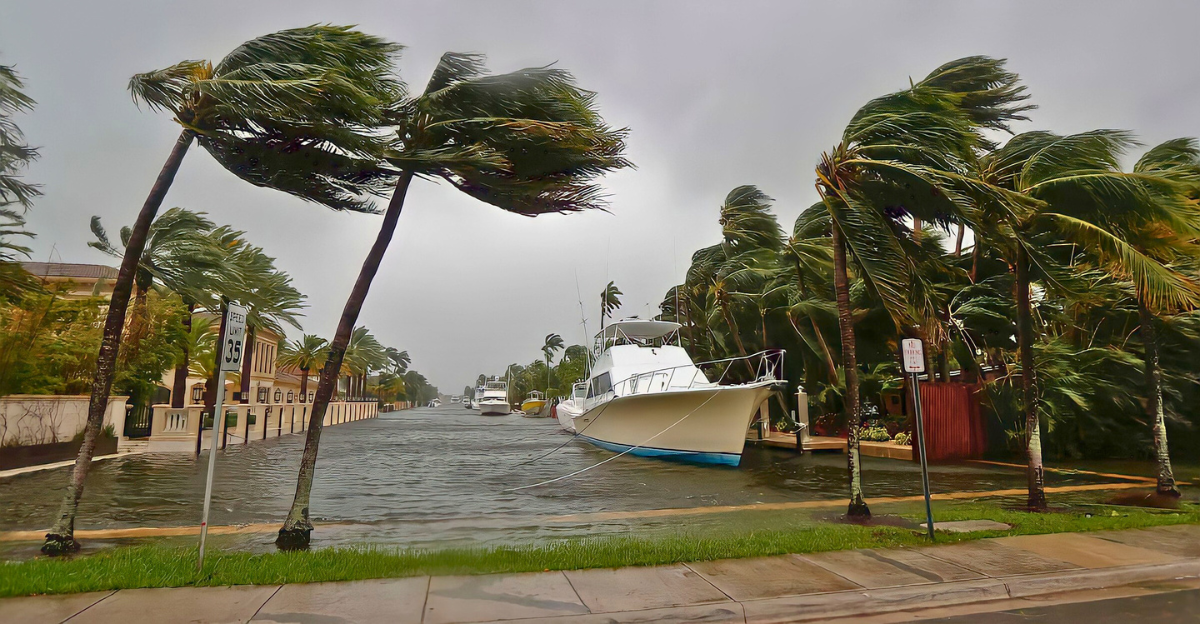
Hurricane Gabrielle has drawn massive attention because it is kicking up big, dangerous waves and strong rip currents along the East Coast of the U.S. Even though the main part of the storm is far out at sea, experts say the biggest risk is from these rough waters, not the hurricane hitting the land. Beaches from North Carolina up to New England are especially at risk this week, and local officials warn people to stay out of the ocean.
The National Hurricane Center (NHC) has raised alerts in at least six states, reminding everyone that the ocean can become deadly very quickly when a storm is near, even if skies are clear.
Power That Is Hard to Predict
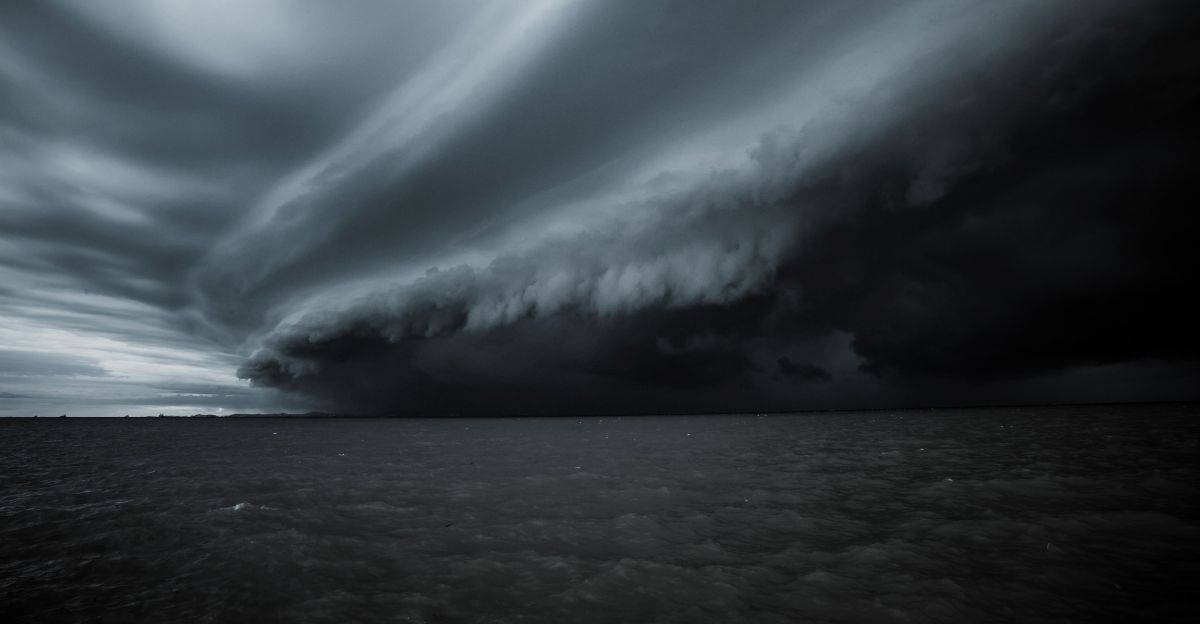
This year’s hurricane season has already been full of surprises. Gabrielle quickly grew from a small storm into a monster, soaring from a Category 1 to a Category 4 hurricane in just over a day. Meteorologists say it doubled its wind speed in less than 30 hours because of warm ocean waters and changing air patterns.
A weather expert, Melissa Griffin, explains, “Rapid intensification is happening more often, and it can catch everyone off guard, from emergency responders to families on vacation.”
A Busy Atlantic
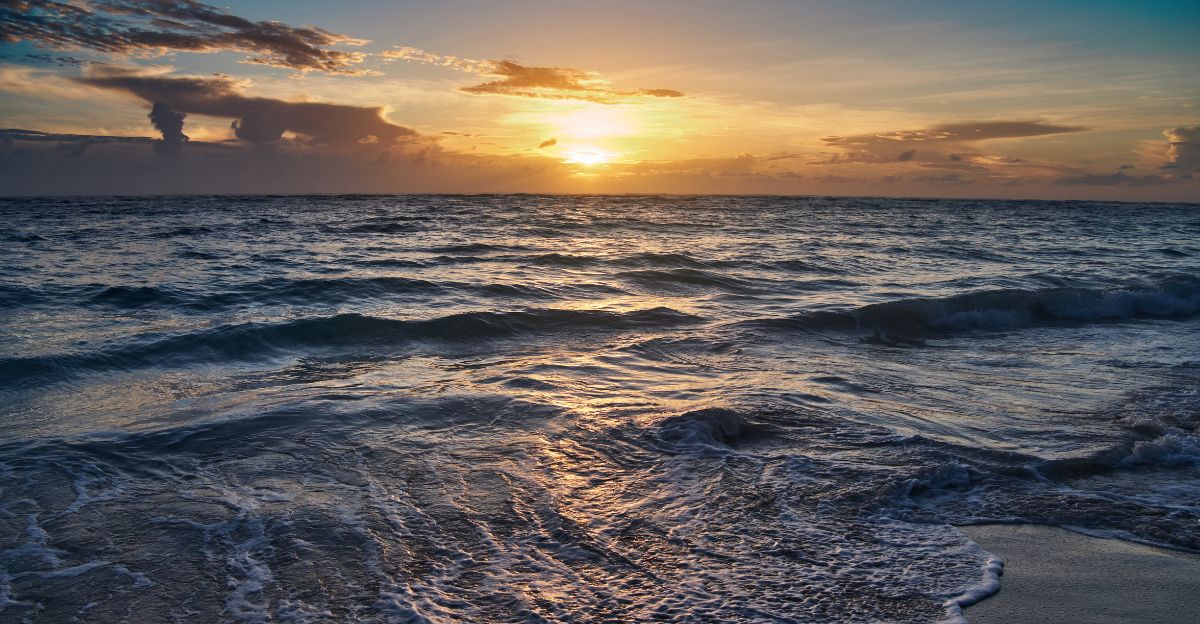
Gabrielle isn’t the only storm making news. Two other tropical systems are gaining strength in the Atlantic, making forecasters nervous about more trouble ahead. When several storms form at once, it becomes confusing and difficult for weather teams and emergency planners to track them all.
The National Hurricane Center warns that this busy pattern might last for weeks, so towns along the coast remain on edge, watching for sudden changes in the direction of the storm.
Coastal Communities Get Ready
From North Carolina to New Jersey, beach towns are putting up warning signs and relying on lifeguards to keep people safe. Lifeguards work overtime, and some beaches have already seen rescues from strong currents.
Officials stress that nobody should risk going into the ocean right now. Emergency teams activated special plans to keep everyone informed and to react quickly if rescues or evacuations are needed. “Conditions can change in seconds,” said one fire chief after a recent series of rescues.
Six States at Risk
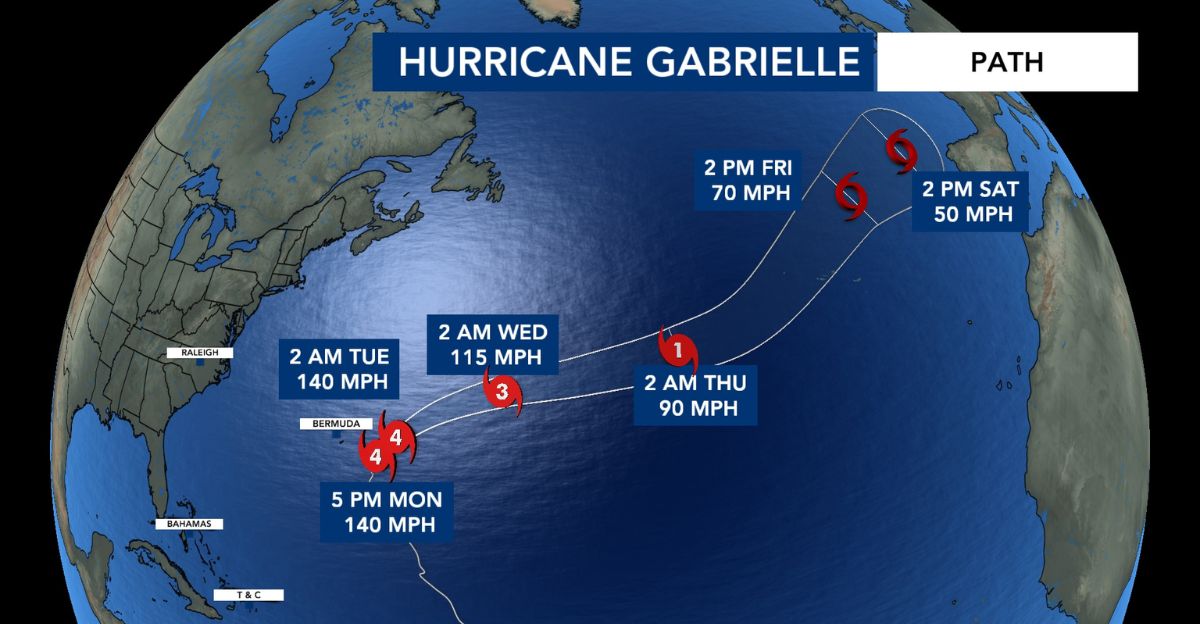
Gabrielle’s waves and currents are hitting at least six states along the U.S. coast this week. The National Hurricane Center calls these effects “life-threatening” even if the center of the storm is far away. Millions of people in different states are affected by these strong waves and currents, not just those in the direct path of the hurricane.
Meteorologist Nikki Nolan reminds beachgoers, “It’s not just rain and wind that can hurt you—a storm’s reach is much wider than you think.”
North Carolina Feels the Heat
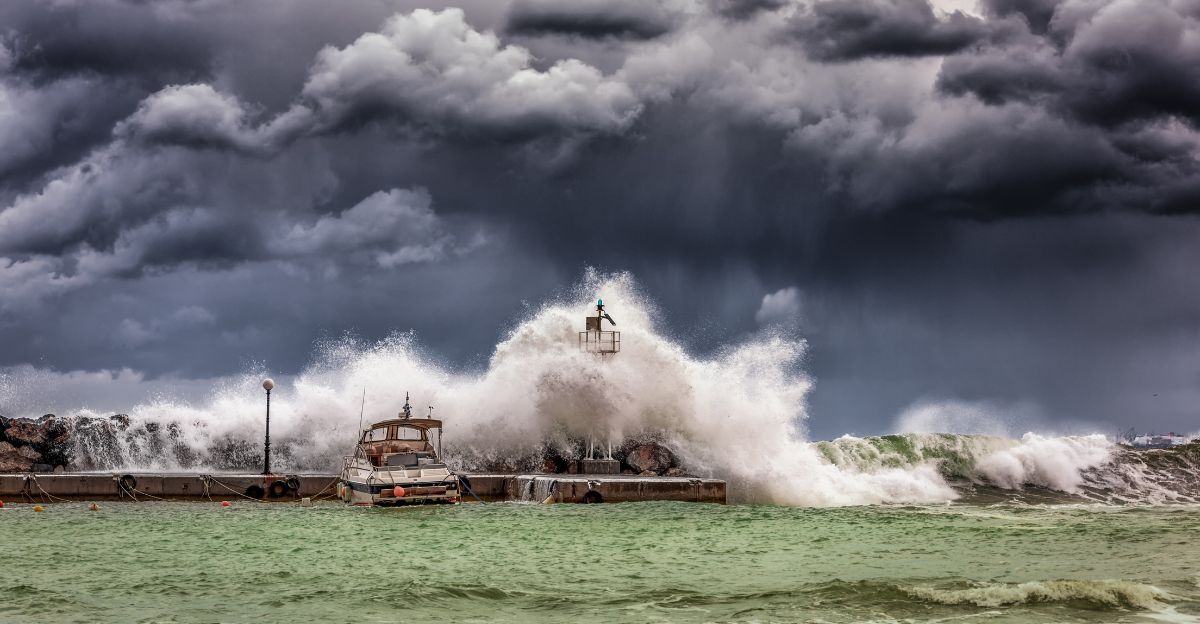
North Carolina is no stranger to hurricanes, and it’s already seeing rough surf as Gabrielle churns nearby. Hospitals and rescue teams in the area have learned from past storms and are warning people even earlier this year.
Many local families are preparing for the worst, remembering the deadly surprises that past hurricanes delivered, sometimes even when the storm itself never touched land. “We have to stay alert for what we can’t see, not just what’s on radar,” advises a local official.
New Jersey’s Beaches Stay Alert
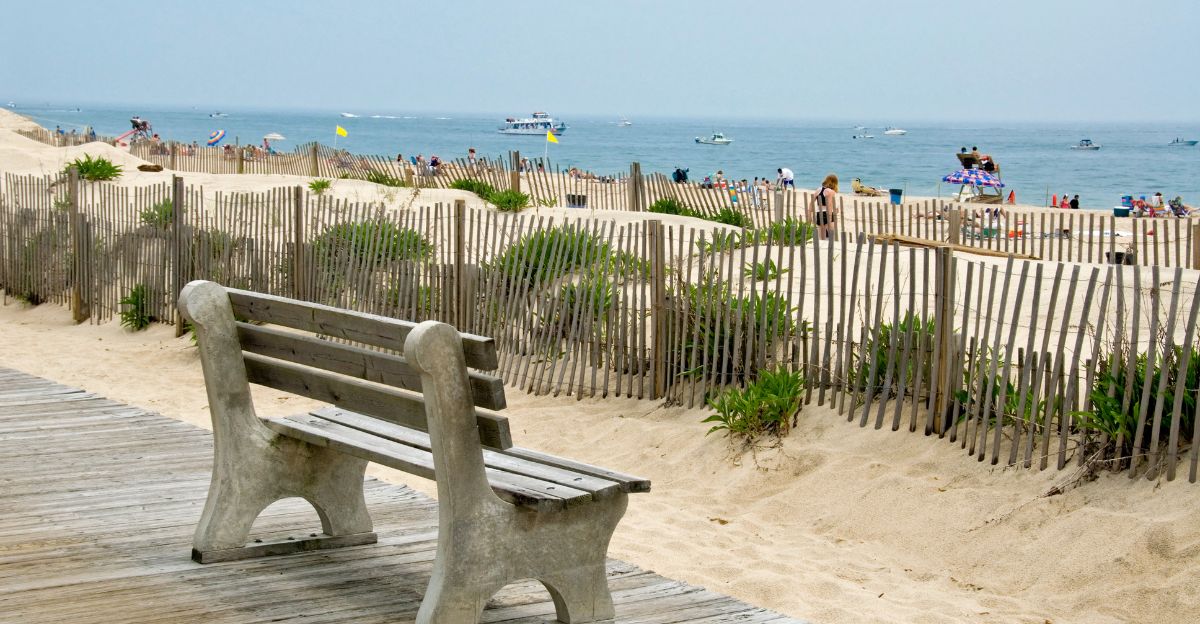
New Jersey’s popular beaches have gone into high alert mode. City officials are spreading NHC warnings online and through beachside signs. Lifeguards are actively turning people away from the water, and some beaches have completely shut down.
Local businesses hope these strict measures will keep everyone safe during this busy season, even if it means fewer tourists for a few days. “It’s very important to follow posted warnings right now, even if the weather looks calm,” says an Atlantic City manager.
Risk Moves to New England
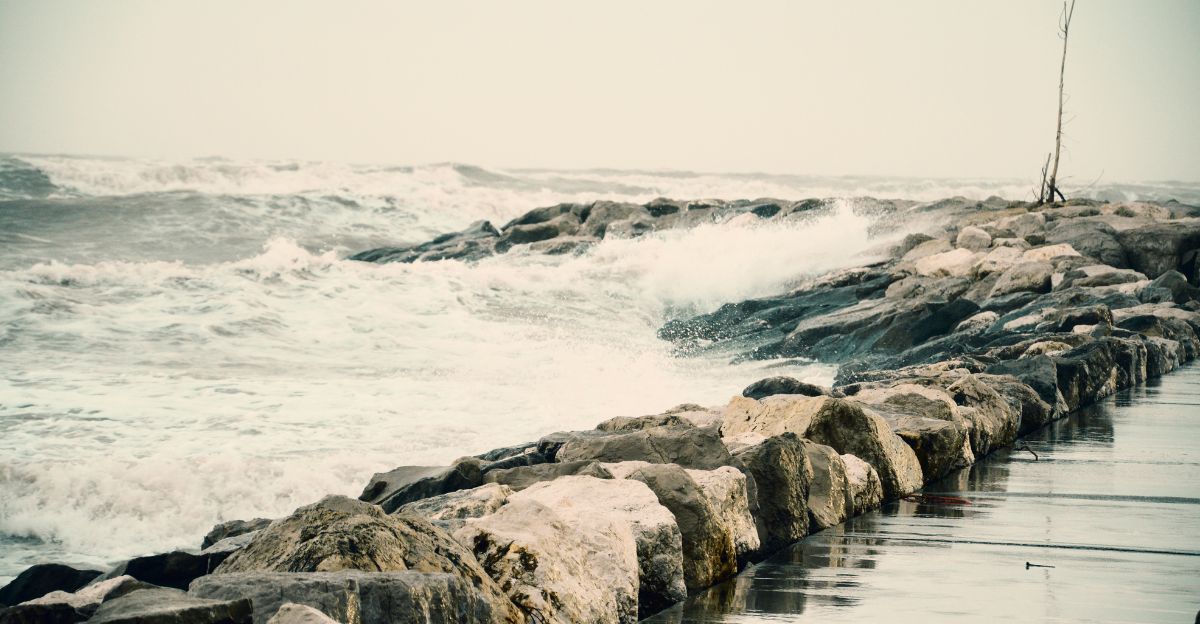
It’s not just the southern states that are affected by Gabrielle’s waves. Dangerous surf and rip currents are hitting beach towns as far north as Long Island and even parts of Maine. The National Weather Service has expanded its warnings, making it clear that Gabrielle’s impact is spreading further than most hurricanes do.
This also means that emergency crews from several states must work together more than ever to keep people safe.
What Experts Say
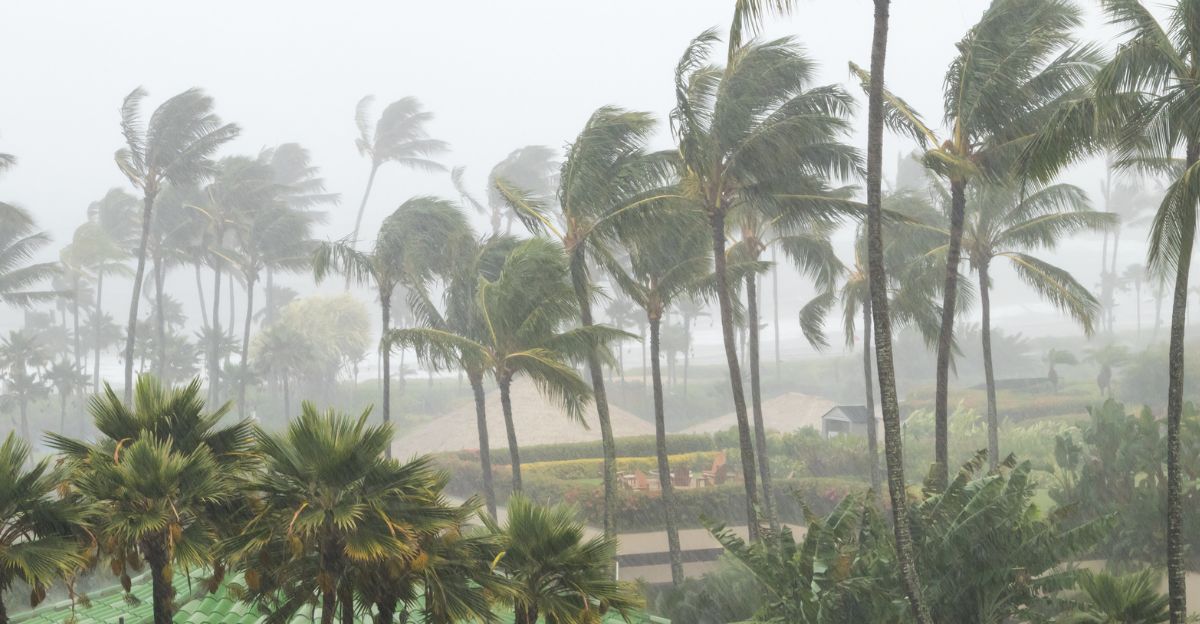
Hurricane specialists insist that just because the center of a hurricane is far from land, the danger is not over. “It only takes minutes for a strong rip current to sweep someone out,” says Mike Brennan, a hurricane expert at the NHC.
Experts agree that the warnings about “life-threatening” surf are very real. They caution that people shouldn’t be fooled by sunny skies or empty beaches—there’s no sign the ocean is safe.
Hidden Dangers in the Water
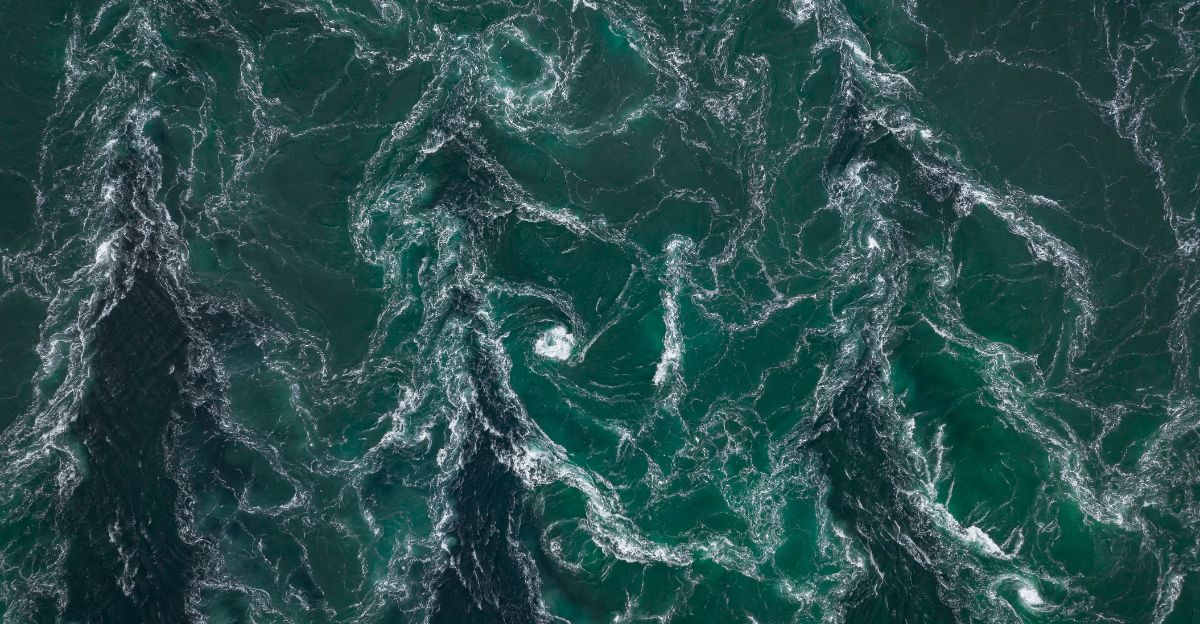
There have already been several dramatic rescues from rip currents in states from North Carolina up to Massachusetts. Reports say at least eight people have been pulled from dangerous water since the weekend, and even more have had close calls.
Emergency teams say many people ignored posted warnings or went swimming as a dare. This proves that even when a storm is far away, its effects can be sudden and severe. “The ocean doesn’t care if you see blue skies. Stay alert,” says a Delaware responder.
Emergency Crews Step Up
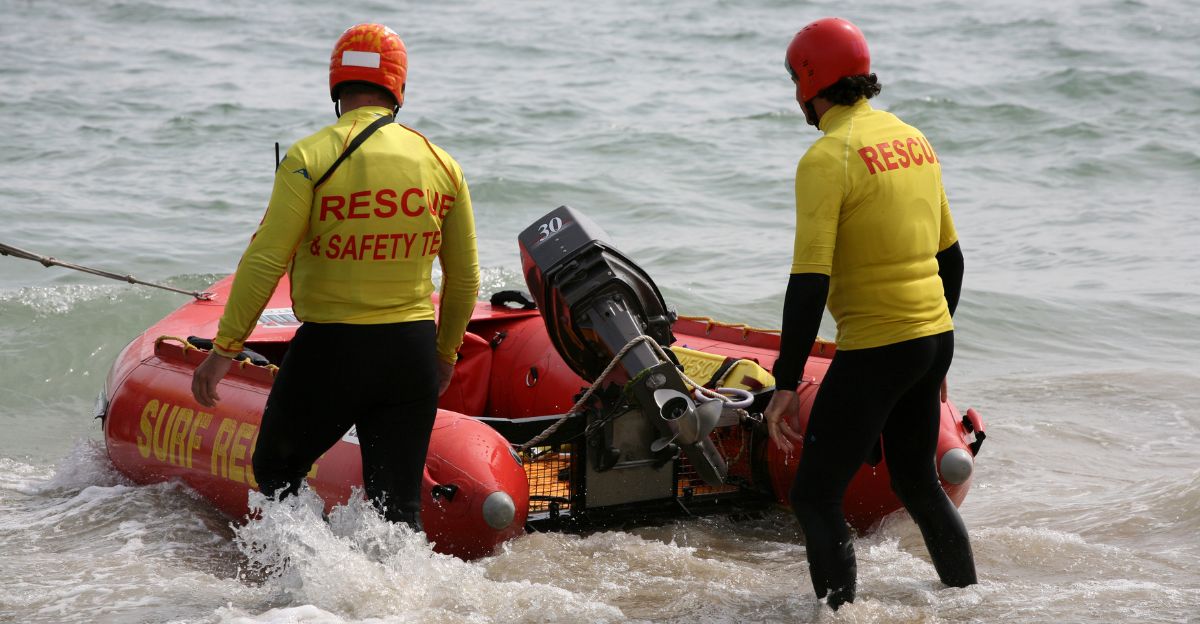
As the threat from Gabrielle became clear, emergency crews from the Carolinas to New England added staff and set up special operations hubs. The Coast Guard and NOAA began flying patrols, and many counties got ready for possible evacuations or hospital emergencies.
Local authorities opened communication lines with state and federal teams, proving that disaster response takes a lot of coordination before a disaster even strikes.
Voluntary Beach Closures
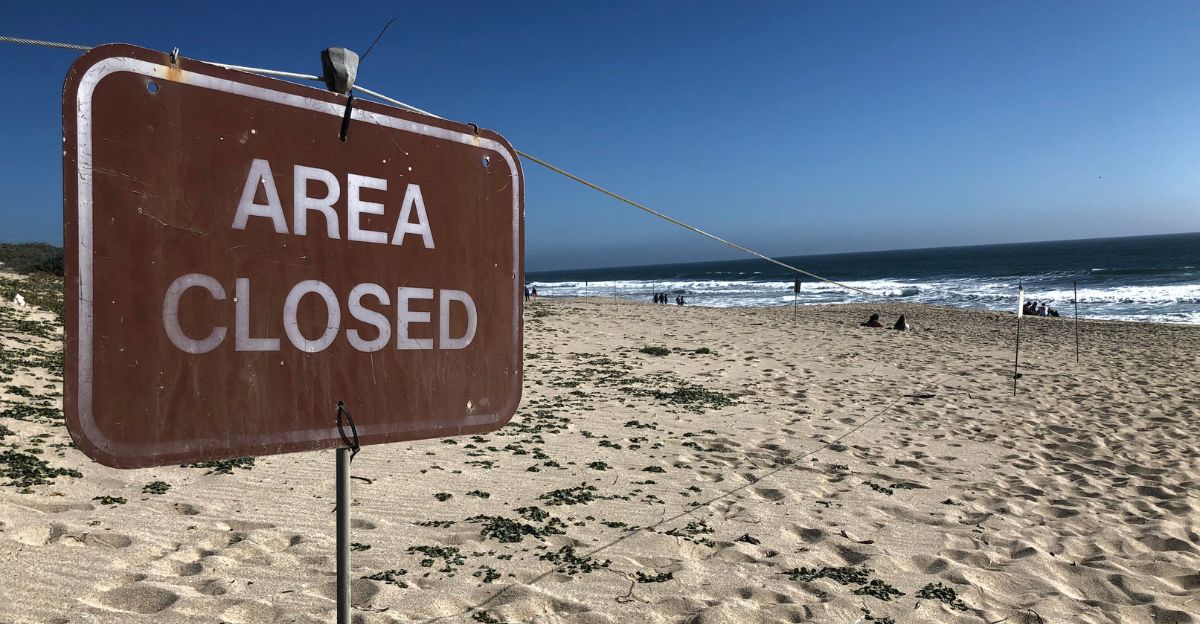
Some East Coast towns, including popular destinations like Ocean City, Maryland, and Virginia Beach, have closed public access to their main beaches or encouraged people to stay away. While tough on tourism, these measures have been shown to keep people safe.
Police and emergency staff also monitor nearby parties or large beach gatherings to ensure nobody tries to sneak a risky swim.
Tracking Technology in Action
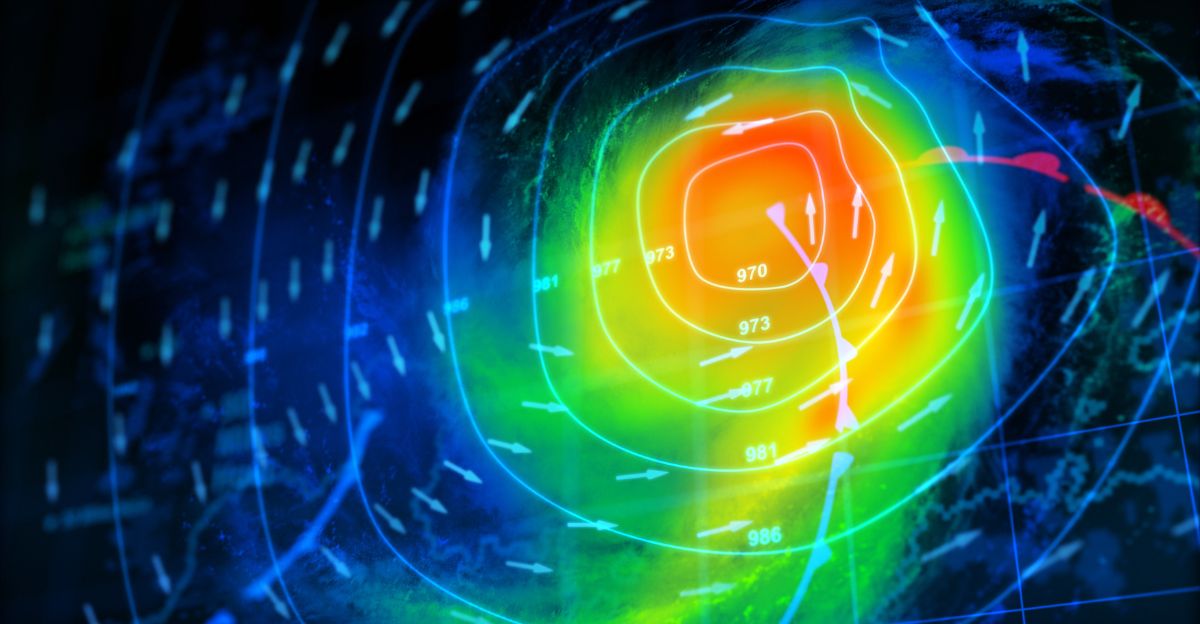
Thanks to improved storm tracking tech, officials can now warn communities almost immediately when dangerous surf is on the way. Satellites and ocean buoys feed data to the NHC, letting forecasters predict where and when the worst rip currents will hit.
Local officials use this info to update warnings by the hour, but scientists warn that this technology only works if everyone pays attention and acts safely. “Our models tell us when it’s risky, but people need to listen,” said a Weather Service spokesperson.
Community Outreach Saves Lives
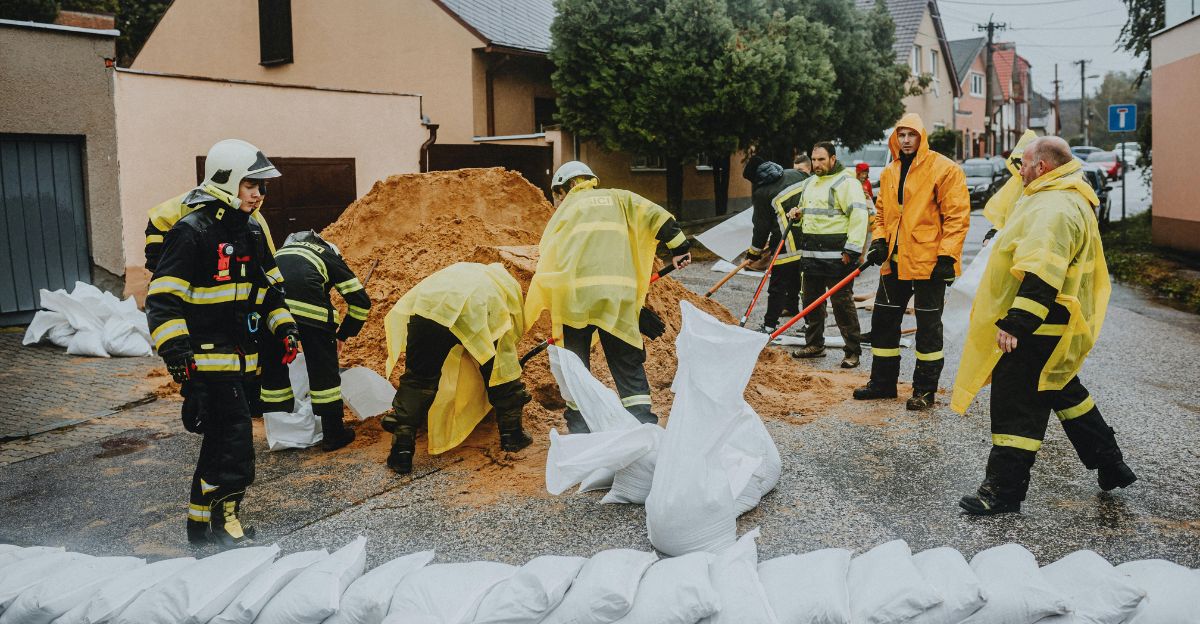
Getting the word out about risks has never been more important. Community education, such as text alerts, door-to-door visits, school programs, and apps, has helped cut down on drownings. Nonprofit groups work with city officials to explain dangers, especially to new residents or tourists who may not know about Atlantic rip currents.
Outreach efforts are saving lives and ensuring everyone hears the warnings, no matter where they’re from.
What’s Next After Gabrielle?
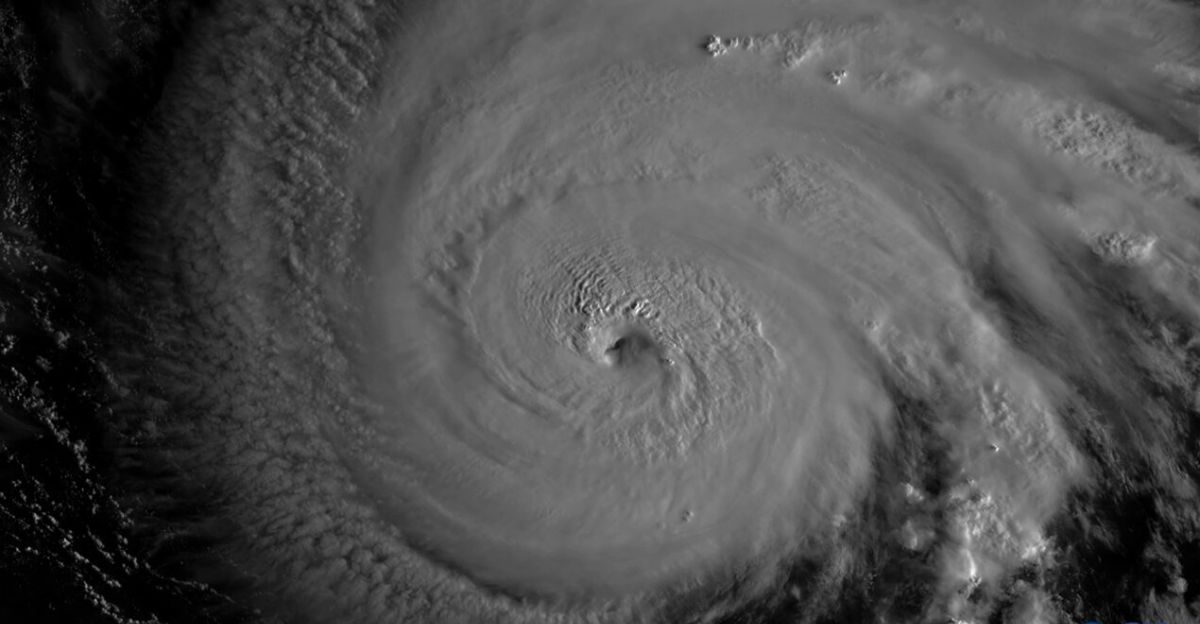
Meteorologists warn that Gabrielle might not be the last storm to send dangerous waves to the U.S. this year. The NHC is already tracking several new weather patterns that could bring more risky surf even without directly hitting the coast.
Experts believe these kinds of indirect threats are happening more because of climate change, and they argue for more preparedness and quicker public communication. “We have to expect the unexpected with today’s storms,” says weather analyst Nikki Nolan.
New Rules on the Horizon
Gabrielle’s impact has gotten the attention of lawmakers. Federal and state leaders are talking about updating emergency rules and beach safety laws, with some states in the process of passing new regulations. The National Weather Service is reviewing how warnings are shared, hoping to make messages even clearer about surf dangers and the need for quick action.
Rethinking Insurance

Insurance companies are now re-examining risks, not just for homes right on the shore, but also for those nearby that could be hit by waves and erosion. Some real estate contracts in East Coast towns are being updated to cover more storm-related “remote impacts.”
This year’s wild hurricane season has changed how property owners and insurers look at storm dangers.
Battling False Info Online
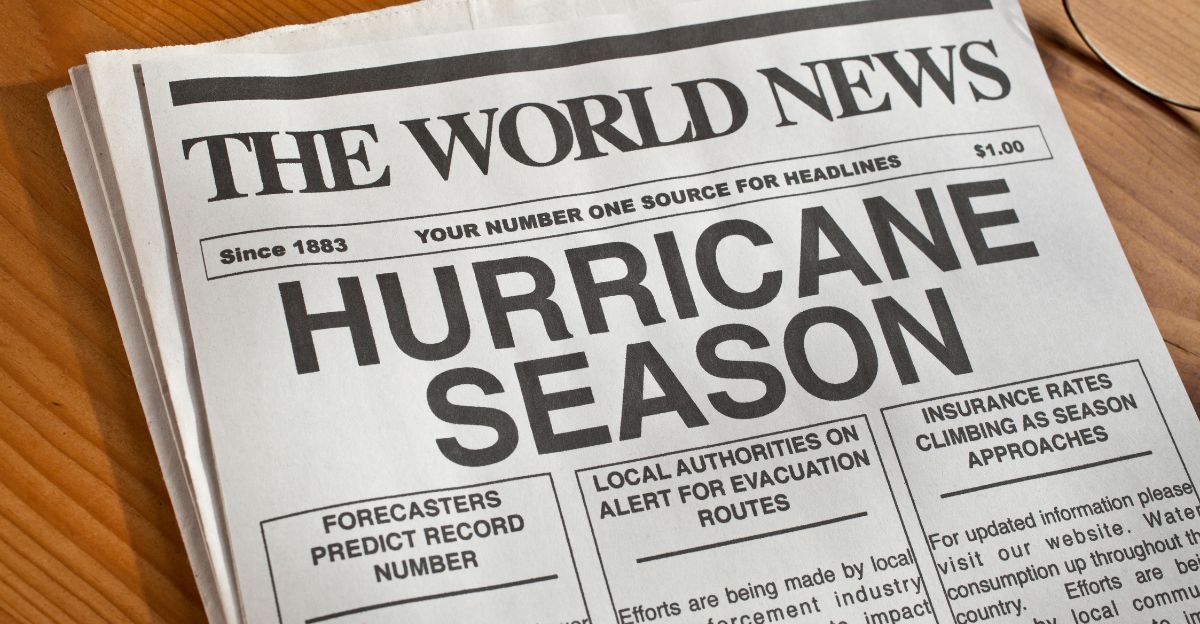
Social media has spread a lot of confusion, some posts exaggerate hurricane risks, while others wrongly downplay them. Emergency managers are now working with online platforms to boost trustworthy, expert advice and fight false claims.
The NHC also answers myths in real time, offering public Q&As so everyone can get clear, accurate information.
Nothing New
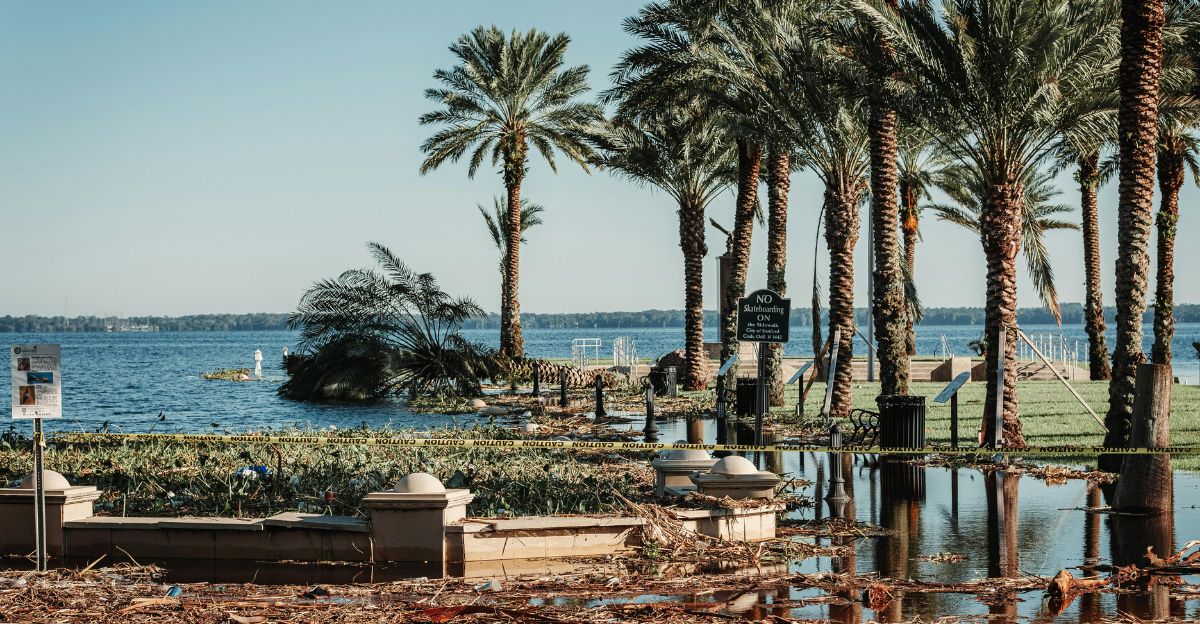
Weather experts say storms like Gabrielle are nothing new. Famous hurricanes in the past have caused big problems even when they never hit land. The “Perfect Storm” in 1991, for example, sent deadly waves over 1,000 miles away.
Staying Informed Saves Lives
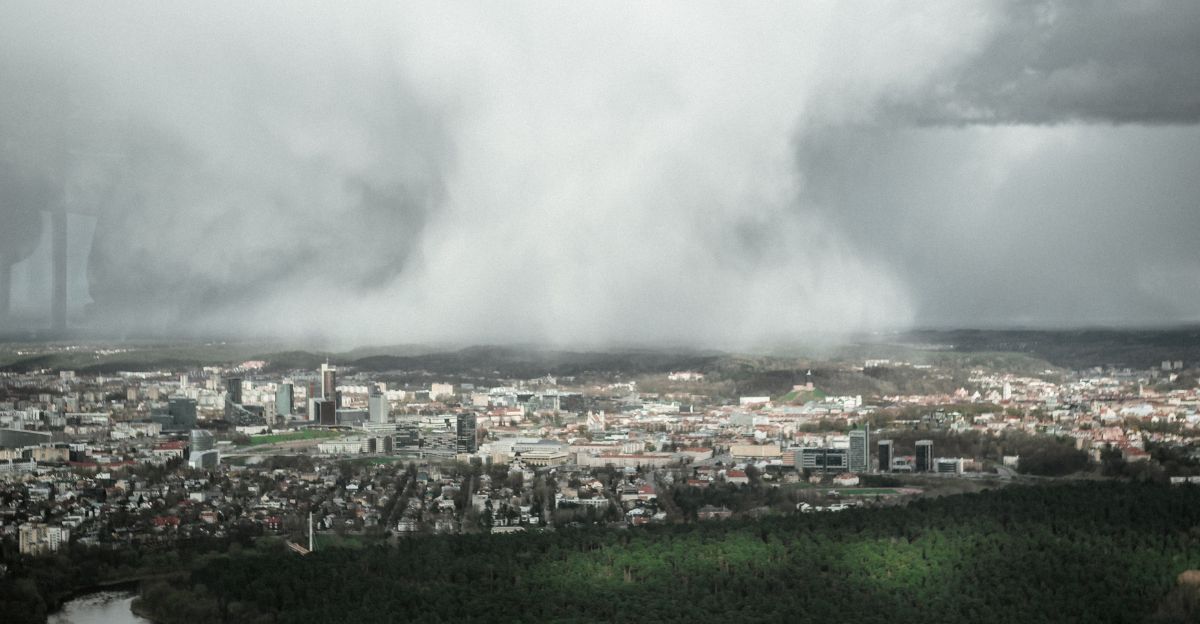
Hurricane Gabrielle proves that a hurricane does not need to make landfall to be deadly. The risks from surf and rip currents are real and affect millions along the East Coast, even when skies are sunny. The best protection is to stay informed, follow public alerts, and respect nature’s power.
“The ocean doesn’t care how far the hurricane is—it can still be dangerous,” says NHC specialist Mike Brennan. With better tech, better communication, and strong community action, people can stay safer even during stormy times.