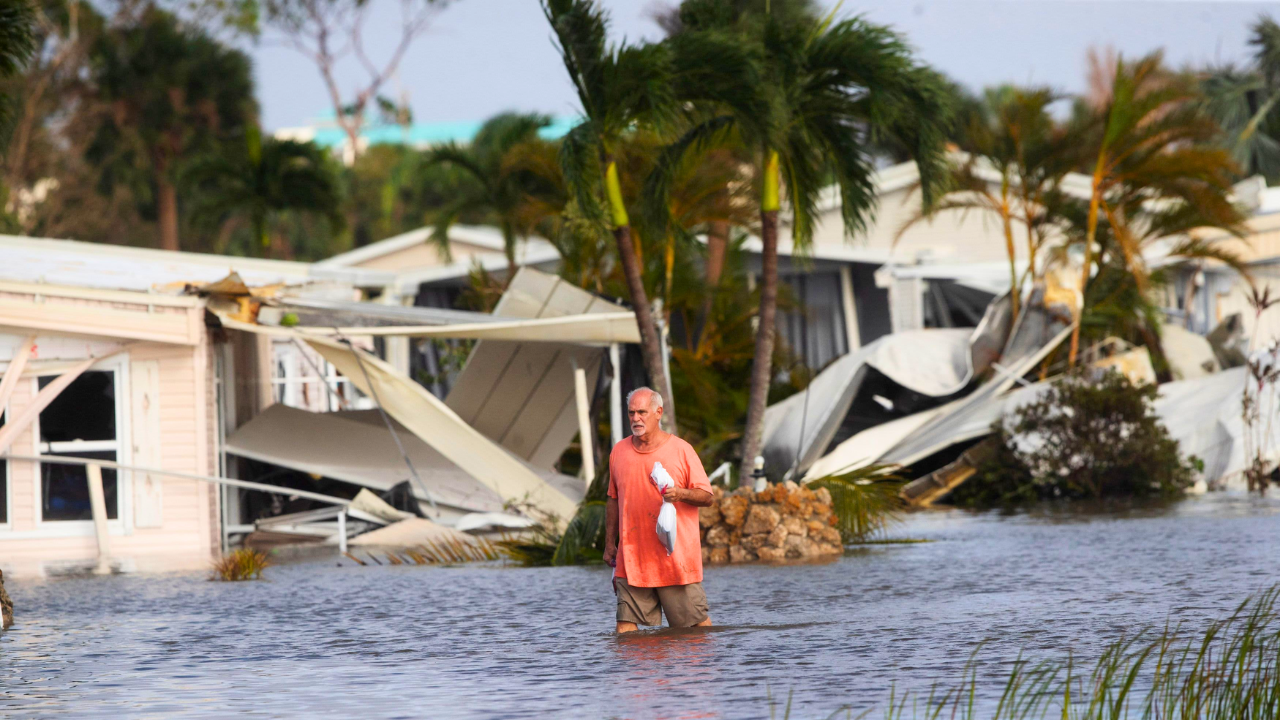
Central and East Florida have just lived through one of their worst floods in history. Almost two feet of rain came pouring down in less than 24 hours, flooding neighborhoods, trapping people, and sparking urgent warnings in several counties.
The danger isn’t over yet, a new round of heavy rain is coming in the next two days, making it even riskier for families and rescue workers. Whether you’re in a quiet suburb or a busy city, everyone is feeling the impact.
Record Rainfall in 24 Hours
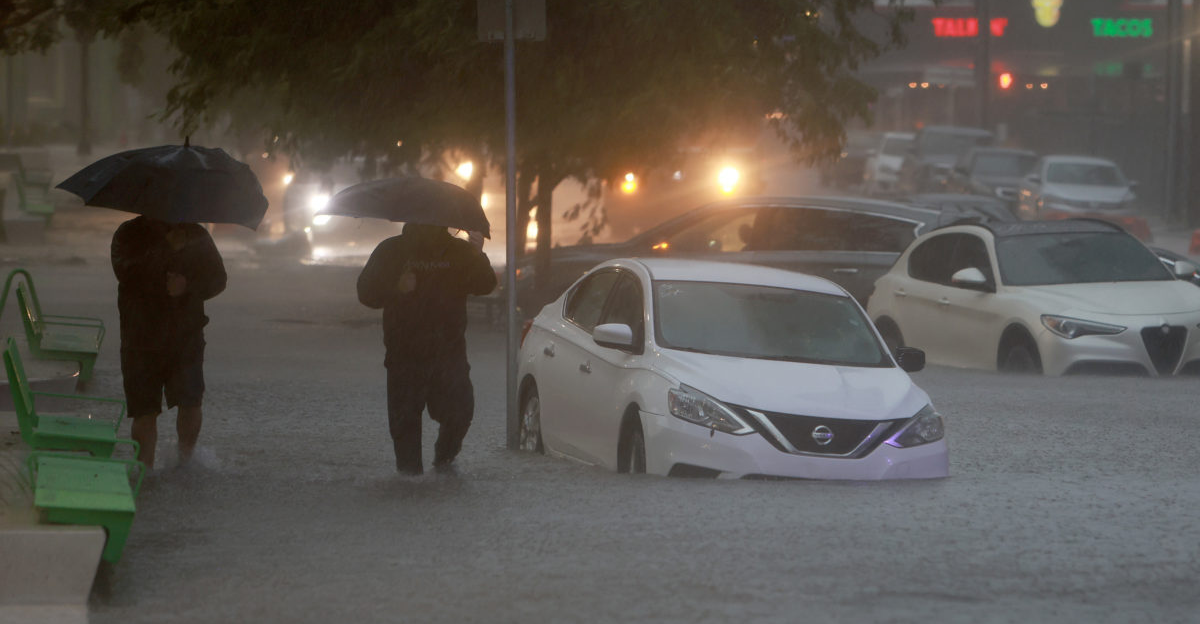
The rain that hit Central Florida over the weekend was truly historic. Some places in Lake County saw nearly 20 inches in just a single day. That amount of rain is more than some towns would expect to get in several months. Mount Dora and Eustis were among the hardest-hit communities, taking a beating that meteorologists say only happens once every 200 years.
In some neighborhoods, water-filled streets crept into homes, stranding entire families and making travel impossible. People watched water levels rise faster than they could react.
Dangerous Flash Flood Warnings
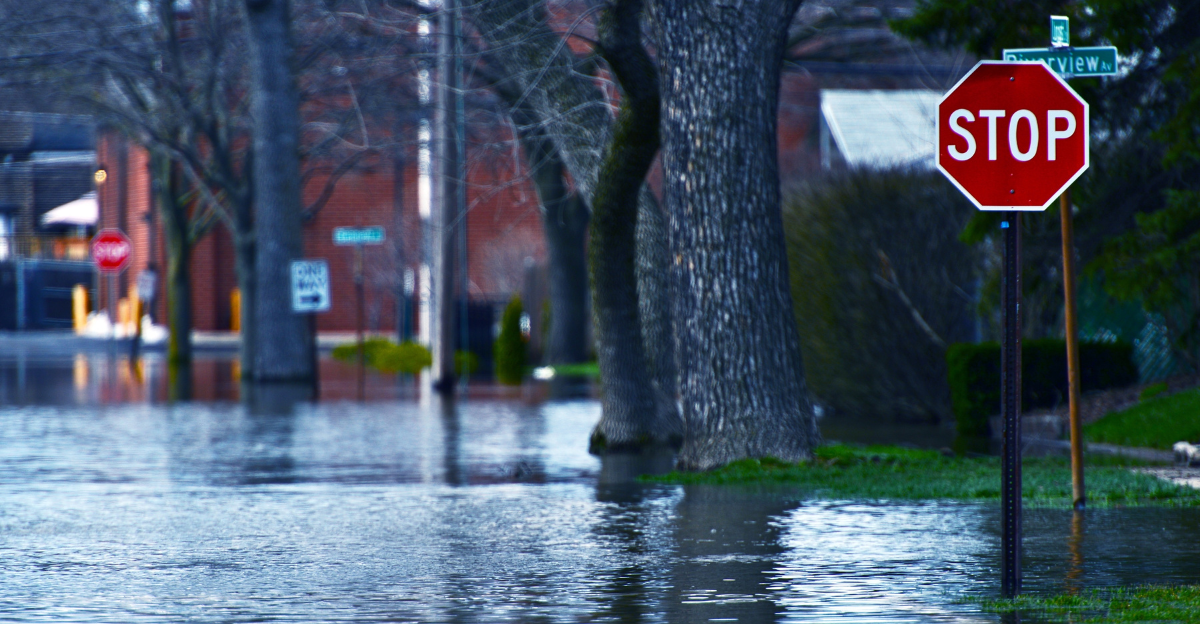
Warnings from the National Weather Service came fast and strong during these storms. For towns like Eustis, Mount Dora, and Titusville, officials issued rare, particularly dangerous situation flash flood warnings, one of the highest alerts there is.
These warnings mean it isn’t just inconvenient to drive, it could be deadly. Emergency services pushed alerts to people’s phones, telling residents to get to higher ground, avoid traveling, and check in on neighbors who might need help.
Roads Underwater and Closed
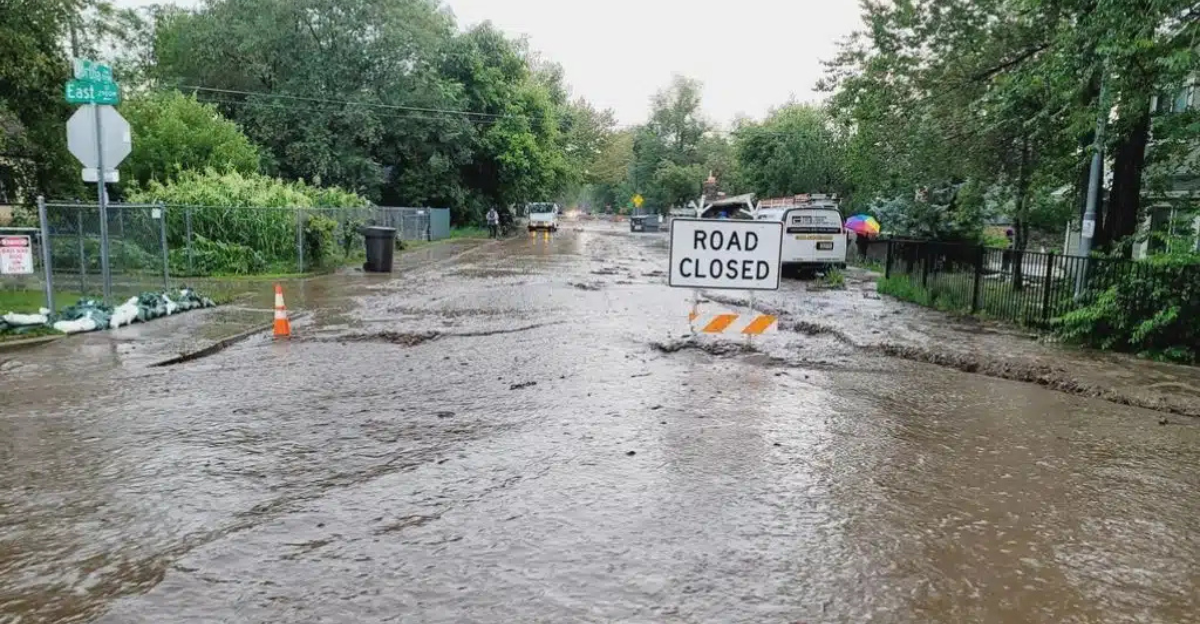
Floodwaters moved fast, filling up roads, highways, and intersections. Suddenly, everyday routes like State Route 46 near Sanford were impossible to use. Police and road crews rushed to put up barricades, but in many spots, it was already too late, the water was too high.
In Lake County and Brevard County, roads simply disappeared under the flood. Anyone venturing out risked getting stuck, so the most important rule was to stay put wherever you were until rescue teams could reach you.
Thousands Trapped by Floods
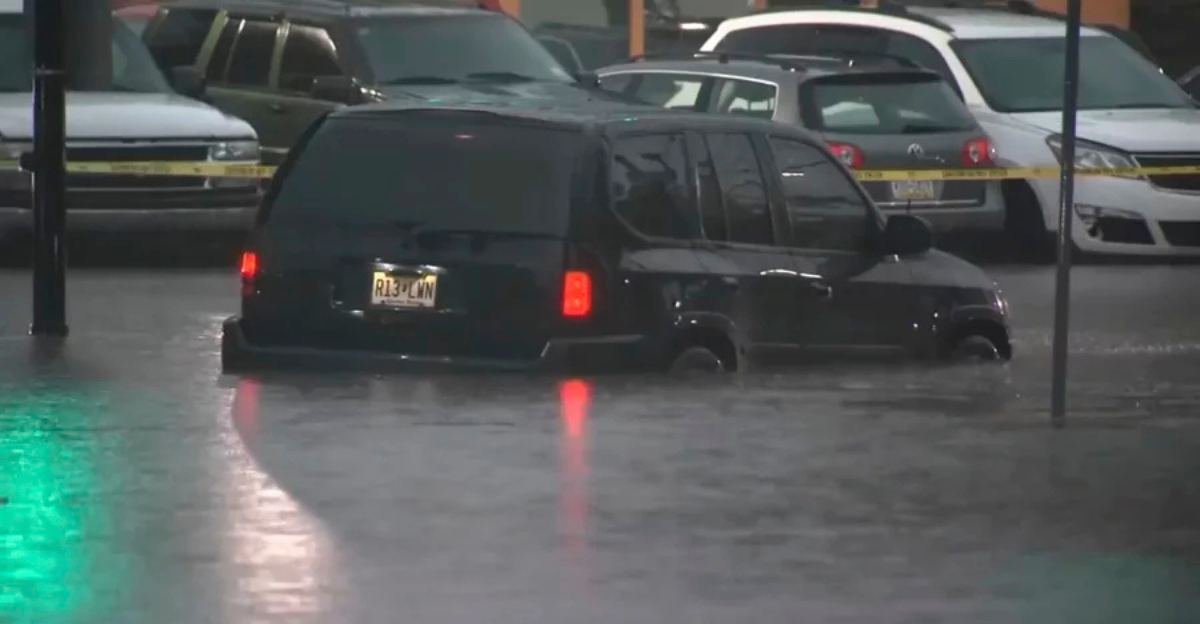
For thousands of people, the worst-case scenario became real as they became stranded, either in their cars, at work, or inside their own homes. Emergency services responded to hundreds of rescue calls, sometimes wading through water themselves, to help get families to safety.
In Titusville alone, the fire department said it had received numerous reports of flooding in residences and advised residents to remain indoors until the waters subsided. Even emergency crews had trouble reaching everyone at once.
Titusville Declares State of Emergency
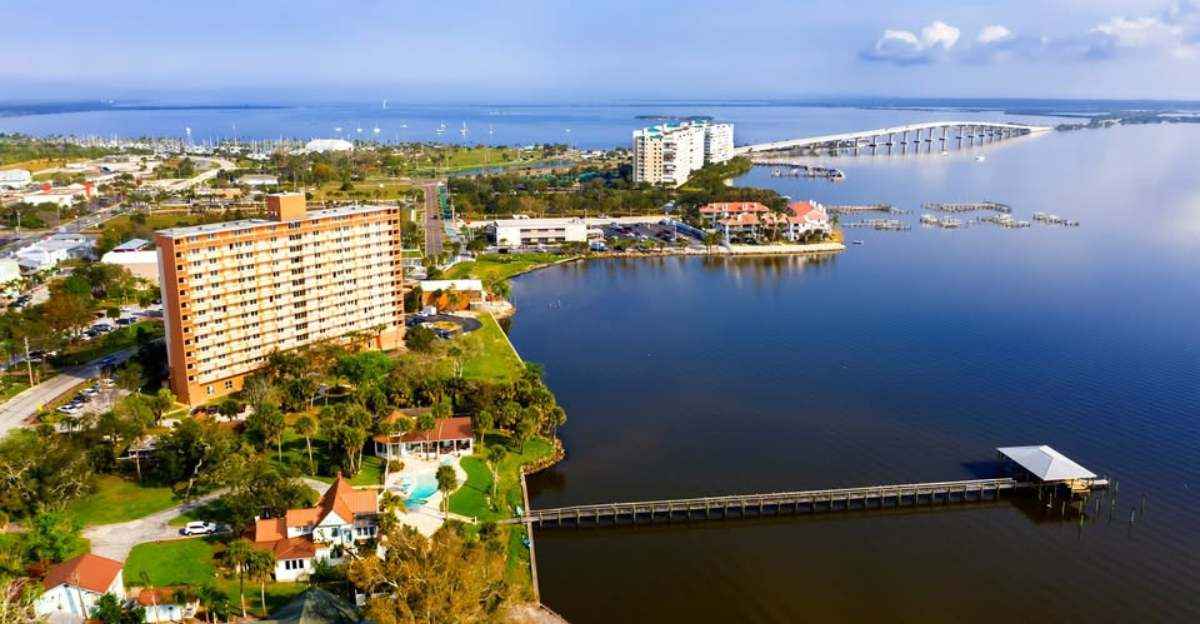
Titusville, a city along the Indian River with nearly 50,000 residents, acted quickly in the face of disaster. Mayor Andrew Connors declared a local state of emergency to free up resources and bring help to those who needed it most.
The city government and fire department mobilized everything they had, like rescue boats, public workers, and volunteers. They focused on the hardest-hit neighborhoods where water was still rising fast. The emergency declaration allowed them to cut through red tape and bring in extra support from surrounding areas to speed up the recovery process.
Boil Water Before You Drink

Flooding didn’t just stop at rooftops and roads, it broke water pipes and made drinking water risky in some towns. In Mount Dora, city officials told everyone to boil their water, especially for drinking, brushing teeth, or cooking, until experts could test and fix the system.
When floodwater mixes with city drinking water, it brings bacteria and germs. These boil water advisories are vital health measures because contaminated water can make people sick quickly.
Shelters Offer a Safe Haven
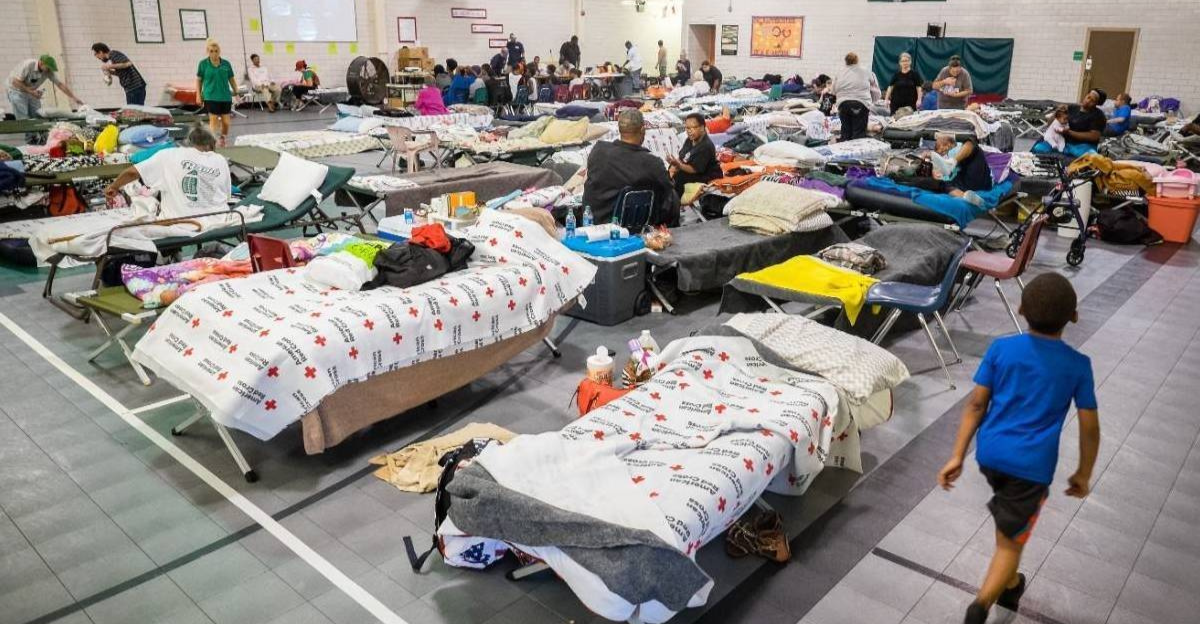
As families fled their flooded homes or were rescued by boat, emergency shelters opened up all over the affected counties. Churches, schools, and town buildings, such as the First United Methodist Church in Titusville, became safe spaces for those with nowhere else to go.
The American Red Cross and city officials supplied cots, meals, and medical care for displaced residents and their pets. Volunteers showed up to help comfort people who’d just lost everything or were worried about loved ones.
A Tough Road to Cleanup
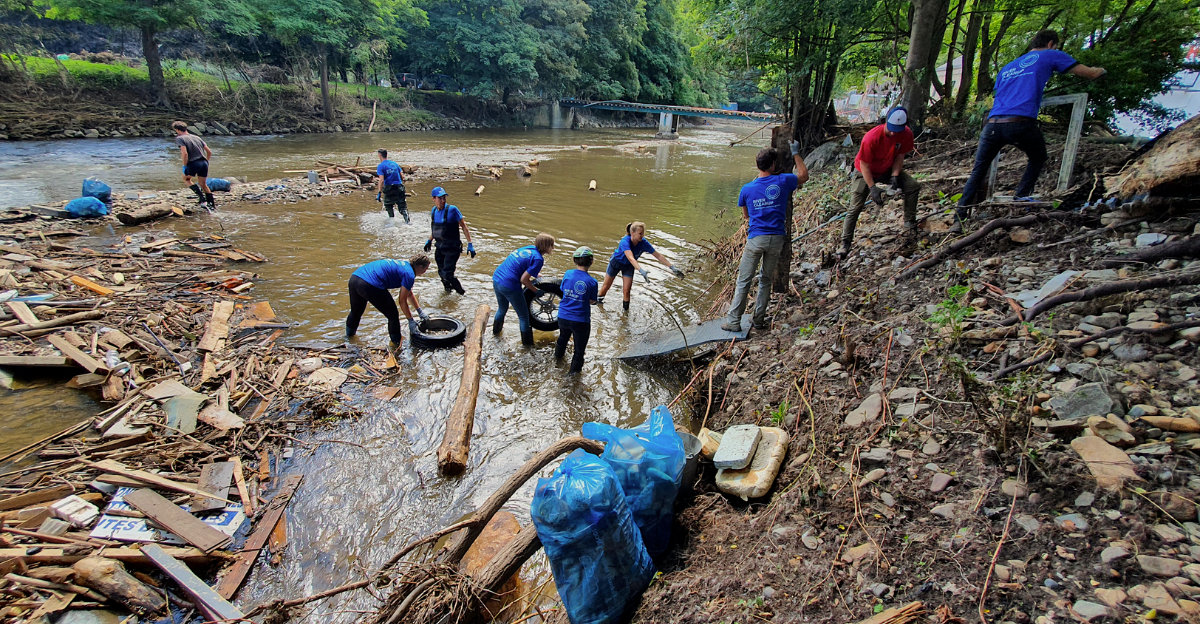
Once the rain slowed down, the real work started. Utility crews and public works teams faced a mountain of challenges. People need to start clearing debris, fixing flooded power stations, and reopening blocked streets. In some places, sewage overflows and damaged infrastructure made the job even harder.
Crews had to work fast, battling not just the remaining water but also mud, broken pipelines, and the threat of new storms on the horizon. It’s a massive effort that will take days, or even weeks, to return life to normal.
Florida’s Ongoing Flood Risk
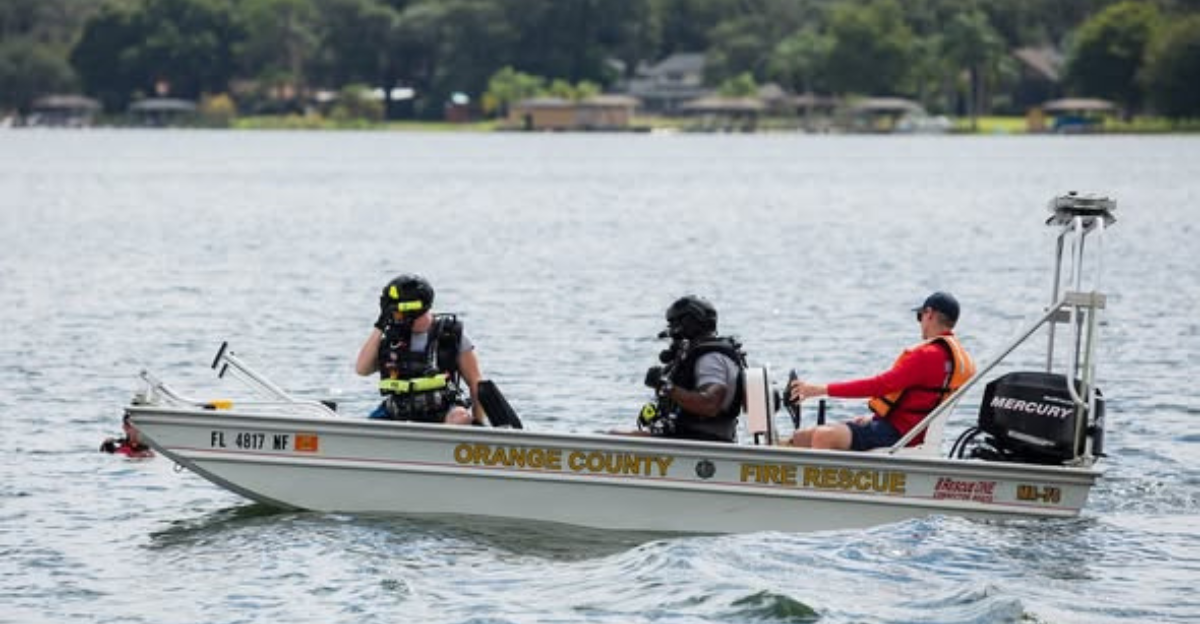
The state’s flat ground and many lakes and rivers mean that any big rainstorm can bring dangerous flooding, even without tropical storms. Meteorologists emphasize that once-in-a-lifetime storms can happen at any time, and being prepared is vital.
Waterways Suffer, Too
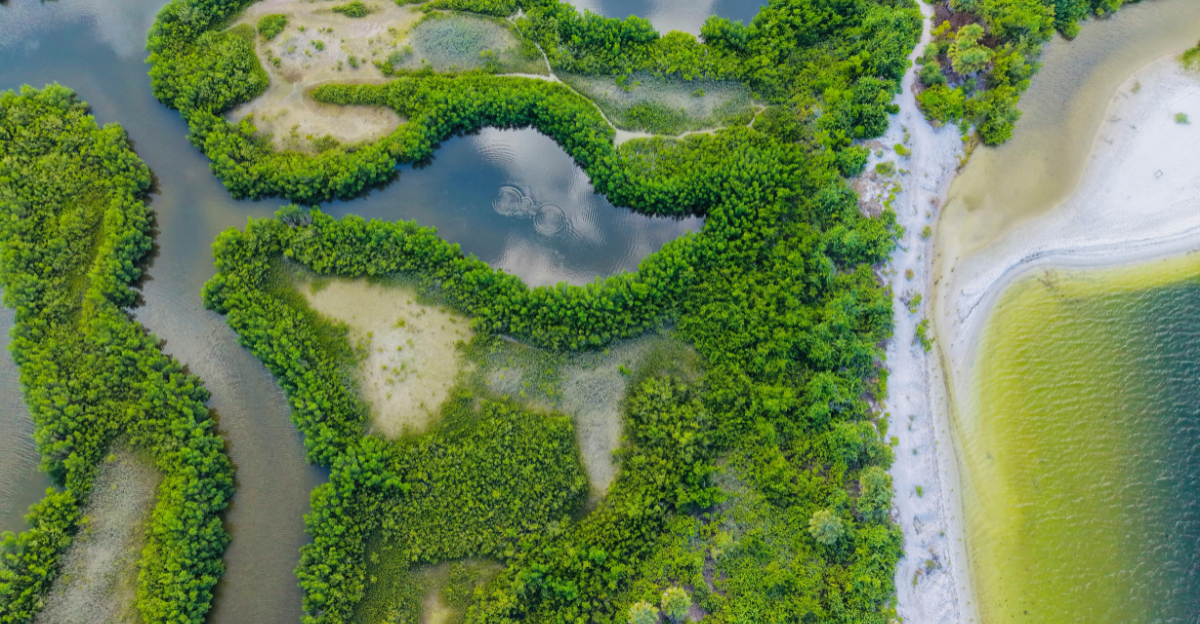
Floods didn’t just affect people, they hurt local rivers, lakes, and wildlife. Overflowing sewage systems and storm drains sent dirty water into places like the Indian River Lagoon, harming fish and plants.
Scientists are tracking the environmental impacts, and they worry about lasting damage to water quality and sensitive ecosystems. The immediate focus is on human rescue, but cleanup teams will also have to fight pollution and protect nature as the waters finally recede.
Lights Out for Many
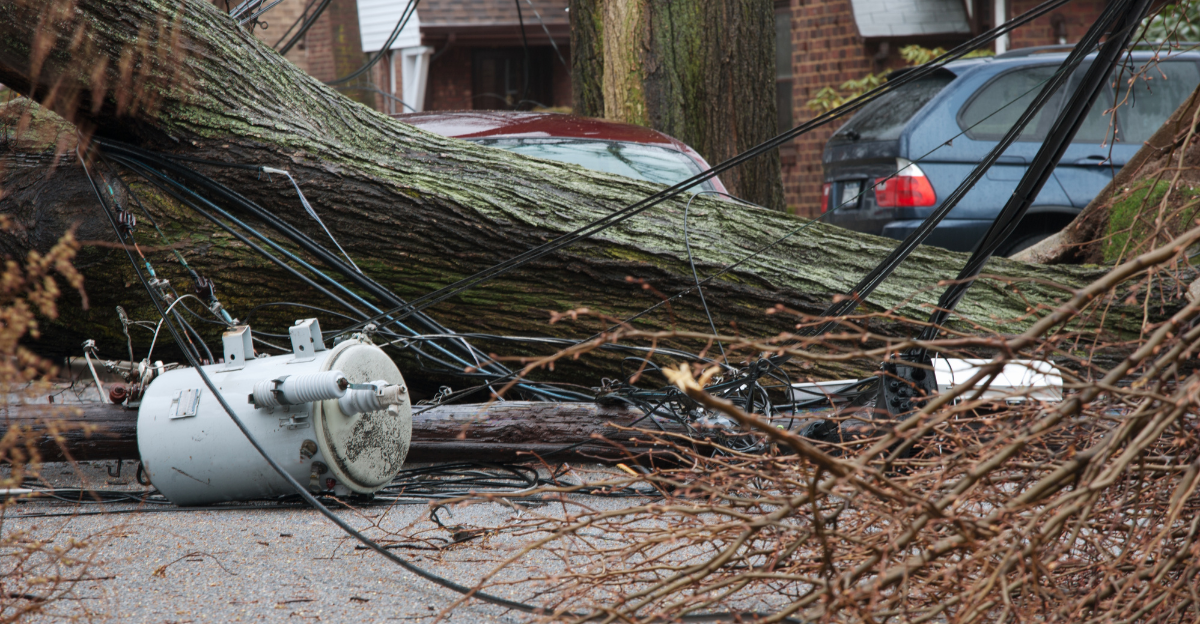
When flood waters rose, so did the number of power outages. Downed power lines and underwater substations are making repairs tough for utility crews, and thousands of homes were left in the dark for hours or longer.
Without electricity, life gets even harder, with no air conditioning, working appliances, or safe food storage. Power will come back, but for now, many families are relying on flashlights and neighbors for help.
Neighbors Step Up
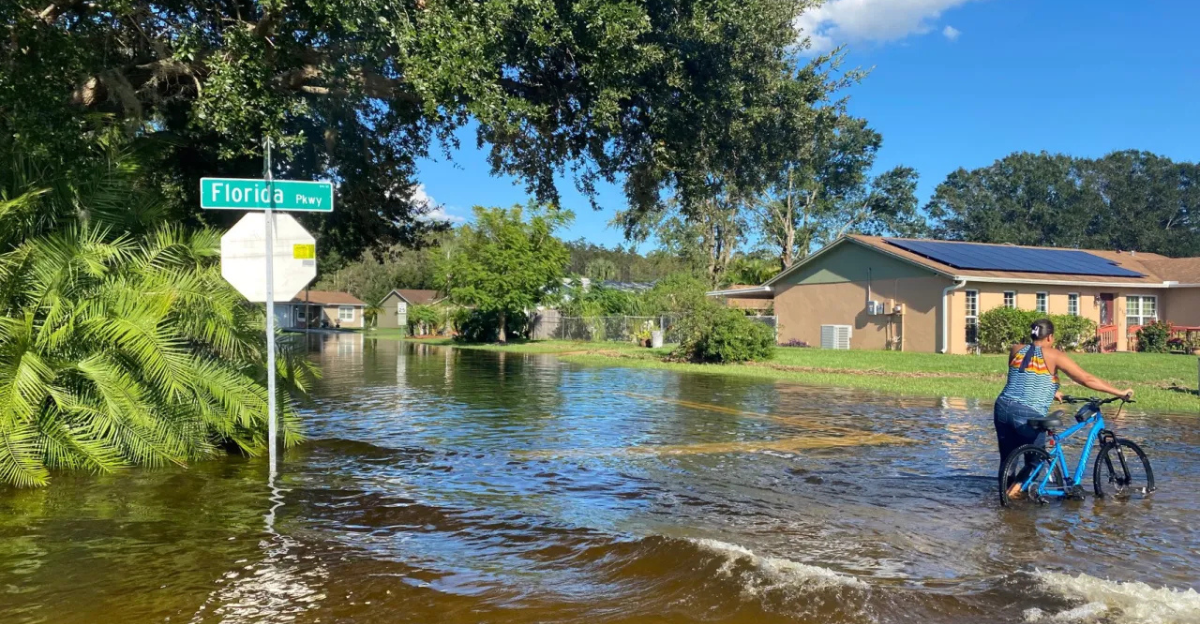
In a crisis, community spirit shines bright. Residents formed small rescue teams, checked on seniors, and handed out sandbags to keep water out of homes. Volunteers cooked hot meals at the shelters, shared supplies, and made sure pets weren’t left behind.
Stories of kindness and resilience are everywhere, showing that even in disaster, hope is never far away.
Stay Out of Floodwaters
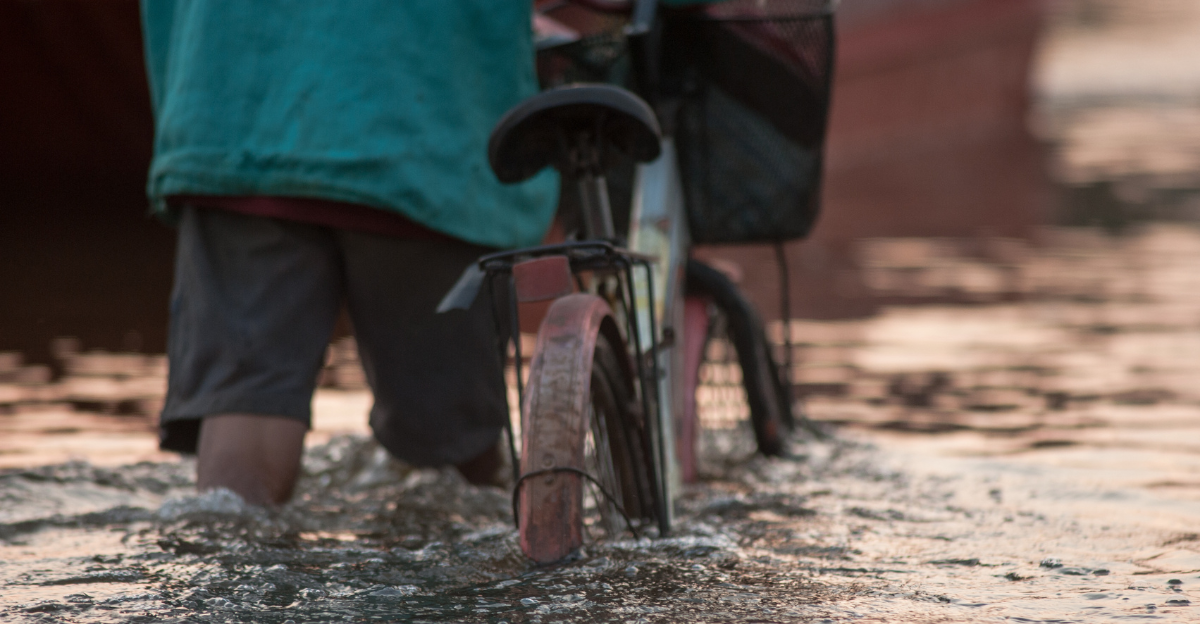
Officials urge everyone in Central and East Florida not to walk or drive through floodwater, no matter how urgent it feels. Floodwaters might look shallow, but they can hide sinkholes, strong currents, or dangerous chemicals from sewage and spilled fuel.
They also say that more rain is coming, so everyone should stay alert for new warnings and spend time preparing instead of taking risks.
The Next 48 Hours: Stay Ready
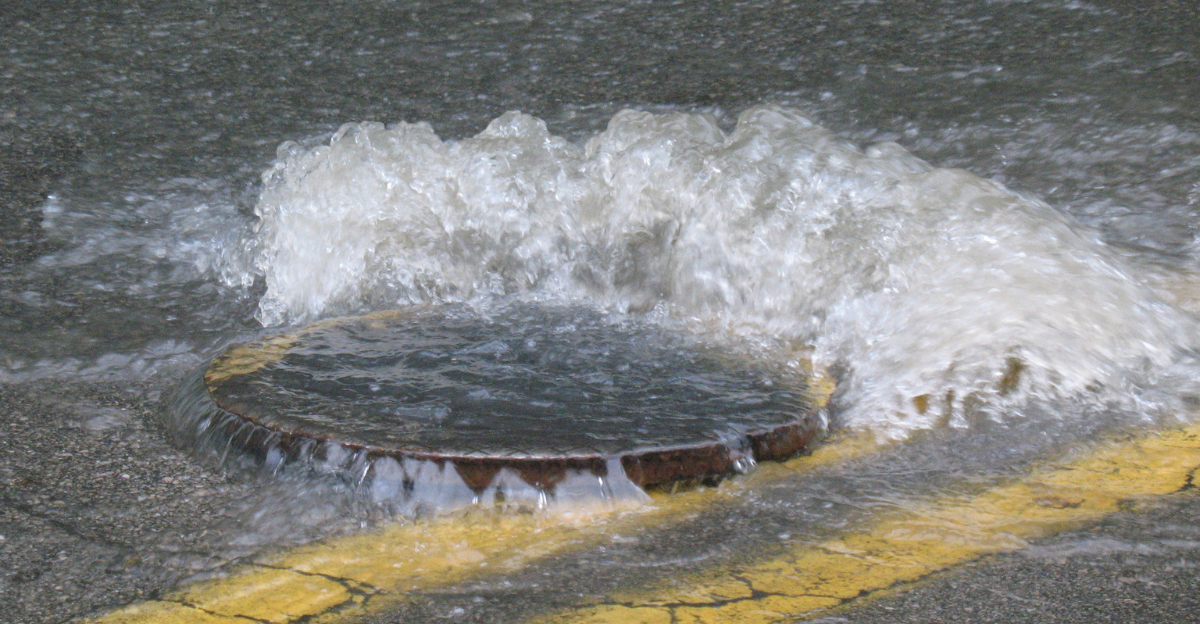
The emergency isn’t over. Meteorologists expect another round of heavy rain within 48 hours, and Central and East Florida remain under flood watches. Emergency services are preparing for more rescues, more evacuations, and more trouble.
Everyone is advised to stay tuned to news and weather warnings, keep emergency supplies close, and check on neighbors who might be at risk. With families, rescue workers, and cities working together, the region is doing everything it can to stay safe through the next wave of storms.