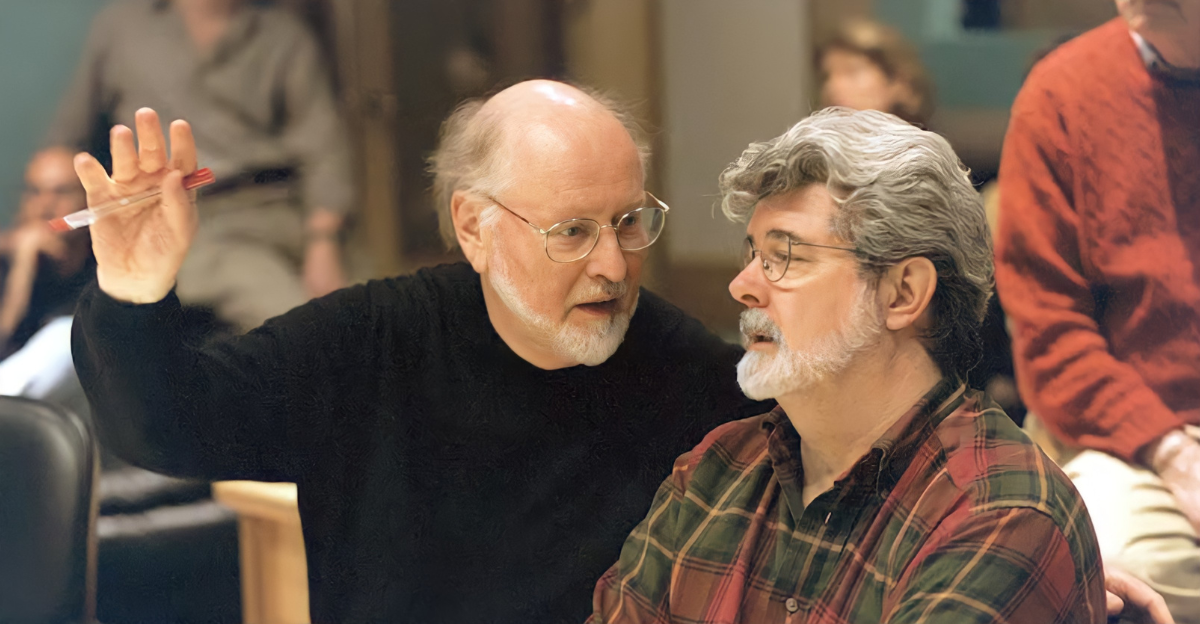
Despite his legendary status in Hollywood, composer John Williams has surprised fans with revelations that challenge assumptions about his views on film music. Renowned as the creative force behind iconic film scores, Williams’s candid remarks have ignited lively discussions in music and film circles.
“It’s fascinating to see a maestro of his caliber reflect on something we thought was sacred,” noted music critic Lisa Romano. As conversations unfold, Williams’s insights offer a provocative lens through which to examine the complex relationship between film composers and the genre they helped define, prompting many to reconsider the artistic merit behind film music.
Industry Shock
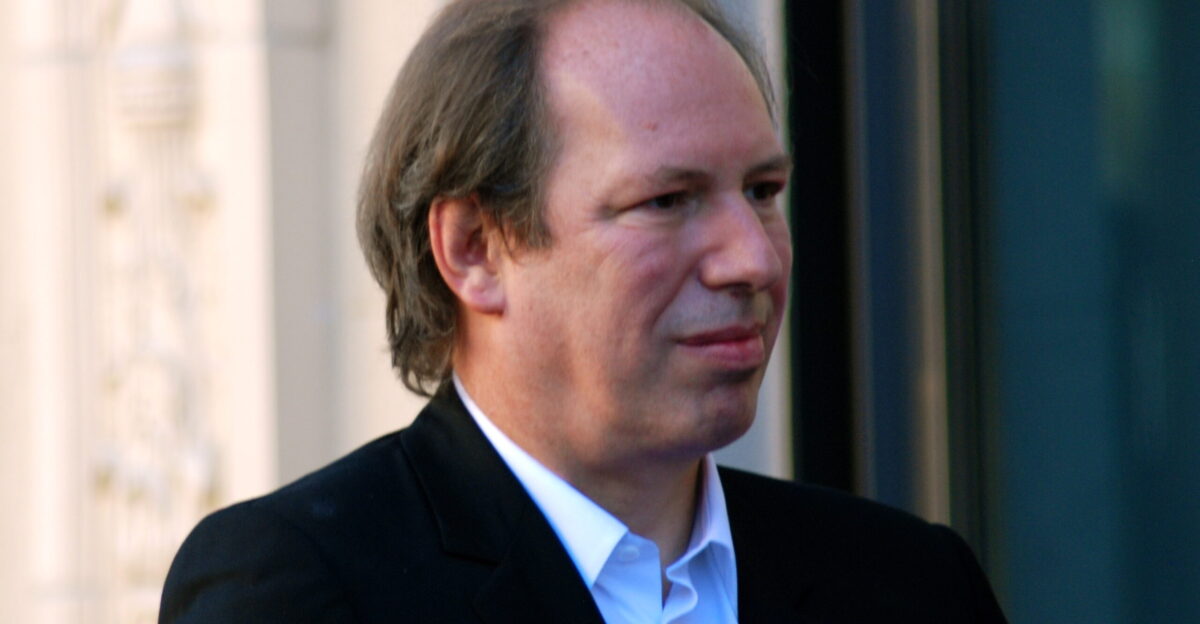
Williams, celebrated for his masterful work across blockbuster franchises, casually revealed his true feelings about film music in a recent interview, much to the surprise of industry insiders. “His honesty is something we rarely hear from someone in his position,” remarked composer Hans Zimmer.
Williams’s candid comments set the stage for a broader reckoning regarding how film scores are valued and the individuals who shape their legacy. This revelation encourages a vital conversation within the industry about creativity and artistic integrity, encouraging industry professionals to reflect on the evolving role of film scores in the cinematic landscape.
Defining Legendary

The title “legendary” isn’t handed out lightly in Hollywood. With five Academy Awards and over 50 Oscar nominations, John Williams stands as one of the most decorated composers in cinematic history. “His music defines generations,” shared film scholar Dr. Emily Smith. His influence extends across decades, inspiring countless musicians and moviegoers with his unforgettable compositions.
Williams’s reputation is built on a foundation of sustained excellence, seamlessly bridging the worlds of film and concert music. His work has become synonymous with Hollywood itself, emphasizing the profound impact one composer can have on an entire industry, creating emotional connections with audiences worldwide.
The Evolution of Blockbusters

Williams’s journey began with the groundbreaking Star Wars score in 1977, which set a high bar for film compositions. Subsequent major films like Jurassic Park, Superman, and E.T. solidified his status as a titan in the industry. “His scores have a way of staying with you long after the credits roll,” film historian Greg Lewis observed.
These compositions defined cinematic eras and established benchmarks for audience expectations of film music. Williams remains synonymous with Hollywood’s most recognizable soundtracks, and his work inspires evolving trends in film composition, pushing the boundaries of what’s possible in the genre.
Williams Isn’t a Fan

In a frank interview in 2025, John Williams shocked audiences by admitting, “I never liked film music very much.” This candid statement questioned long-held industry assumptions, provoking thoughtful responses from fans and professionals alike. “I think it’s a bold thing for someone of his stature to say,” commented composer Rachel Barton.
Williams further elaborated that much of the film music, even his own, often fails to reach the level of serious concert music. He described it as “ephemeral” and “not really there,” inviting a profound debate about the artistic merit of film scores and their place in the broader musical canon.
Ripple Effects

Williams’s admission has triggered a global conversation, prompting analysts, composers, and fans to reconsider how film music’s artistic worth is judged. “It feels like a seismic shift in how we approach the topic,” said music analyst Marcus Lee. Scholars highlight how Williams’s work created standards he now regards with critical distance.
This debate reverberates across the Atlantic, impacting discussions from Los Angeles studios to London’s concert halls. As industry professionals grapple with these revelations, they seek a deeper understanding of film scores’ artistic complexities, challenging established norms and reshaping the narrative around this vital aspect of filmmaking.
Musicians Respond

In the wake of Williams’s comments, musicians have engaged in vibrant discussions about the future of film scoring. Composer Hans Zimmer found Williams’s self-critique “thought-provoking,” while Alan Silvestri noted that “his honesty is refreshing.” Many younger composers have taken to social media, sharing their thoughts on balancing respect for tradition with contemporary innovation.
“We need to evolve while acknowledging the giants who paved the way,” shared up-and-coming composer Tara Chen. This discourse indicates a shifting mindset in the composition community, where both admiration for the past and the desire for progress coexist, echoing Williams’s complex relationship with the medium.
Competing Visions

While Williams questions the permanence of film music, other prominent composers like Zimmer and Alexandre Desplat argue that the medium has evolved to reflect a unique creative potential. “Film music is more than a backdrop; it’s a narrative force,” stated Desplat. They cite recent Oscar wins and a surge in global streaming trends as evidence of the genre’s vitality and innovation.
Studios are reassessing their approaches to composer contracts and creative input, acknowledging a broader shift in how music intersects with cinematic storytelling. This evolution highlights the ongoing dialogue about the future of film scoring amidst a changing cultural landscape.
Broader Trends

The discourse surrounding Williams’s remarks aligns with a larger shift in audience and critic perceptions of soundtracks. Increasingly recognized for their storytelling capabilities, some scores have achieved cult-like status. “A great score can elevate a film; it’s part of the experience,” noted film critic Sarah Adams.
Williams’s reflections illuminate the tension between public acclaim and the quest for classical legitimacy in film music. With streaming services now promoting soundtracks independently, this expansion of reach further emphasizes a cultural shift, inviting more people to explore the artistic layers of film scores while challenging traditional notions of musical merit.
Nostalgia’s Role

In discussing the value of film music, Williams emphasized that nostalgia often plays a significant role in how audiences perceive their favorite scores. “Many beloved scores have cultural weight tied to memories, not just musical merit,” he noted. This nuanced perspective complicates fan discourse around film music, challenging the belief that emotional resonance equates to artistic quality.
“It’s a fascinating point,” said historian Greg Lewis. By reframing the conversation, Williams encourages listeners to critically assess their connections to film scores, prompting a deeper exploration of how cultural experiences shape perceptions of music’s artistic value.
Internal Tension

Williams’s revealing comments have initiated soul-searching within the Academy and among music critics. Several awards judges acknowledge a complex relationship between commercial success and artistic intent. “We often grapple with balancing popular and serious compositions,” remarked jury member Angela West.
Operating under mounting pressure to recognize creative integrity and commercial viability poses challenges for these institutions. Williams admits to personal pride in his illustrious career. Yet, his doubts about film music’s lasting value reflect broader anxieties within the industry about the narrative surrounding creative work and recognition.
Leadership Shifts
In response to Williams’s comments, studios reevaluate how they recognize and promote composers in the ever-evolving film landscape. Experts point to a shift from the cult of personality towards a focus on collaborative and diverse contributions. “We’re seeing a refreshing change in how composers are valued,” industry veteran Mark Thompson said.
This pivot inspires a generation of younger composers to examine their creative aspirations. Williams’s remarks encourage them to strive for innovation while honoring established traditions, fostering an environment of collaboration that could redefine the future of film music and the relationships between artists.
Comeback Strategies

Some industry insiders argue that the recent discussions around Williams’s comments present opportunities for a renaissance in film scoring. “It’s a pivotal moment for composers,” noted strategist and music consultant Lisa Hargrove. With a renewed focus on artistic intent, many filmmakers reevaluate their collaborations with composers, emphasizing original scores that complement storytelling.
Meanwhile, younger musicians are inspired to pioneer innovative techniques, blending traditional orchestration with modern genres to enhance cinematic storytelling. As these discussions unfold, they set the stage for a possible resurgence of creativity and ambition in film scoring, aligning with evolving audience expectations.
Evolving Audiences

As audiences become more discerning listeners, their expectations for soundtracks have evolved dramatically. “Audiences are now more aware of how music shapes their experience,” said cultural critic Karen Johnson. This shift highlights a growing appreciation for the intricate craftsmanship behind film scores, encouraging viewers to explore the artistic depths of their favorite movies.
As film music navigates the waters of critical acclaim and popular success, composers are challenged to craft scores that resonate with fans and critics alike, forging deeper emotional connections that transcend the screen, pushing their work into the realm of artistic expression.
Expanding Horizons
With the advent of streaming services, the reach of film scores has expanded beyond traditional moviegoers. “We’re seeing more emphasis on soundtracks independently finding their audience,” observed music industry analyst Kevin Hart. This newfound accessibility allows diverse genres and styles to reach listeners who may not engage with films in traditional ways.
As composers harness this opportunity to connect with broader audiences, they integrate various cultural influences into their work, enriching the soundscape of film music. As a result, these evolving horizons create space for innovative collaborations and a renewed sense of artistic exploration within the genre.
Cultural Impact

The broader cultural impact of film music cannot be overstated; its presence often shapes social, emotional, and political narratives. “Scores can evoke powerful memories and provoke feelings,” film studies professor Laura Voss explained. As audiences continue to engage with soundtracks, exploring political and social themes becomes increasingly pronounced, with composers channeling storytelling through their music.
This emphasis on cultural resonance allows audiences to connect with the cinematic experience on a deeper level, elevating the role of film music from mere accompaniment to an essential component of storytelling that contributes significantly to the overall narrative arc.
Readdressing Legacy

As the industry moves forward, there’s a renewed focus on how composers’ legacies are constructed. “It’s crucial to evaluate the lasting impact of music on its audience,” said historian Tom Kennedy. Many are beginning to question how society perceives and honors contributors to film scores. Women and minorities feel challenged to carve out space within a predominantly male-dominated field.
By adjusting the narrative around compositional contributions, the industry can cultivate a more inclusive environment, ensuring diverse voices are recognized and valued in shaping the future landscape of soundscapes created for film.
Looking Ahead

Shifting conversations elevate the creative dialogue between composers and filmmakers, highlighting collaborative approaches to scoring that emphasize artistic integrity. “The future is about collaboration and innovation,” expressed emerging composer Mina Zhao.
As filmmakers recognize the potential of dynamic partnerships with musicians, a new horizon of film music is emerging: one that champions experimentation while remaining grounded in emotional storytelling. These connections hold promise for thrilling collaborations, infusing projects with fresh perspectives, while fostering an environment that encourages ongoing exploration and artistic development.
A New Era

As discussions around Williams’s candid admissions unfold, they signal a new era in film history, where composers feel emboldened to voice their thoughts and influences more openly. The evolving landscape encourages emerging artists to navigate their paths without being confined to traditional standards.
“It’s freeing to consider the other ways we can approach film music,” shared indie composer Jordan Lee. Positioned at the intersection of cultural impact and artistic intent, this paradigm shift could lead to revolutionary advancements in soundtracks, exploring bold new territories and deepening emotional narratives in film for audiences.
The Future of Film Music

As John Williams’s revelations continue to resonate, they challenge us to rethink our perceptions of film music and its artistic value in a modern context. “This conversation is vital for the future of our craft,” noted veteran composer David Newman. The blend of nostalgia and emerging innovations makes us appreciate film scores as integral art forms rather than mere background elements.
With an eye toward inclusivity and collaboration, the industry can redefine its approach to film music, affirming its relevance and crucial role in storytelling. Ultimately, this transformation sets the stage for new possibilities in how we experience and understand film music in the years to come.