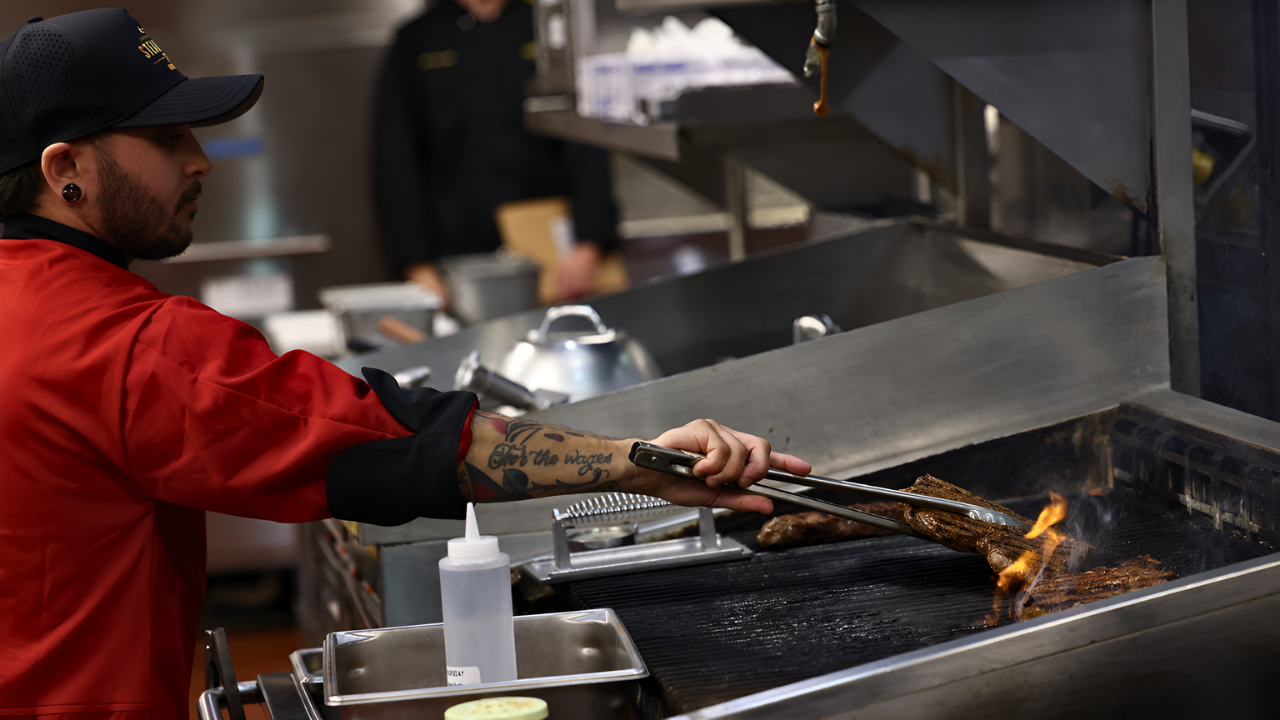
It sounds like an urban legend: a massive restaurant empire that defined the American suburban landscape for decades, only to disappear completely. At its peak in the 1970s and 80s, this brand operated 280 bustling locations, serving as the go-to spot for graduations, first dates, and Friday night dinners. Then, the lights went out.
Unlike other chains that fade slowly, leaving a few scattered “zombie” locations, this giant flatlined. From 2008 until 2024, not a single restaurant remained open. The brand became a ghost, surviving only in the memories of families who once filled its dimly lit booths.
The Day The Locks Changed Forever
To understand the magnitude of the comeback, you have to revisit the collapse. On July 29, 2008, the parent company, Metromedia Restaurant Group, filed for Chapter 7 bankruptcy—liquidation, not restructuring. In a single day, the final 58 corporate-owned locations were shuttered.
Employees arrived at locked doors, and a 42-year legacy evaporated. The closure was swift and absolute, leaving patrons confused and the industry stunned by the sudden vacuum.
Thousands Of Livelihoods Erased In An Instant
The human cost of that collapse is often lost in financial reporting. Analysts estimate that as the chain contracted from its peak to zero, thousands of livelihoods vanished. On the final day alone, entire staffs across 58 units were left jobless as the lights went dark.
This wasn’t a corporate tightening—it was a mass displacement that left a scar on the hospitality workforce.
A 16-Year Void In The Market
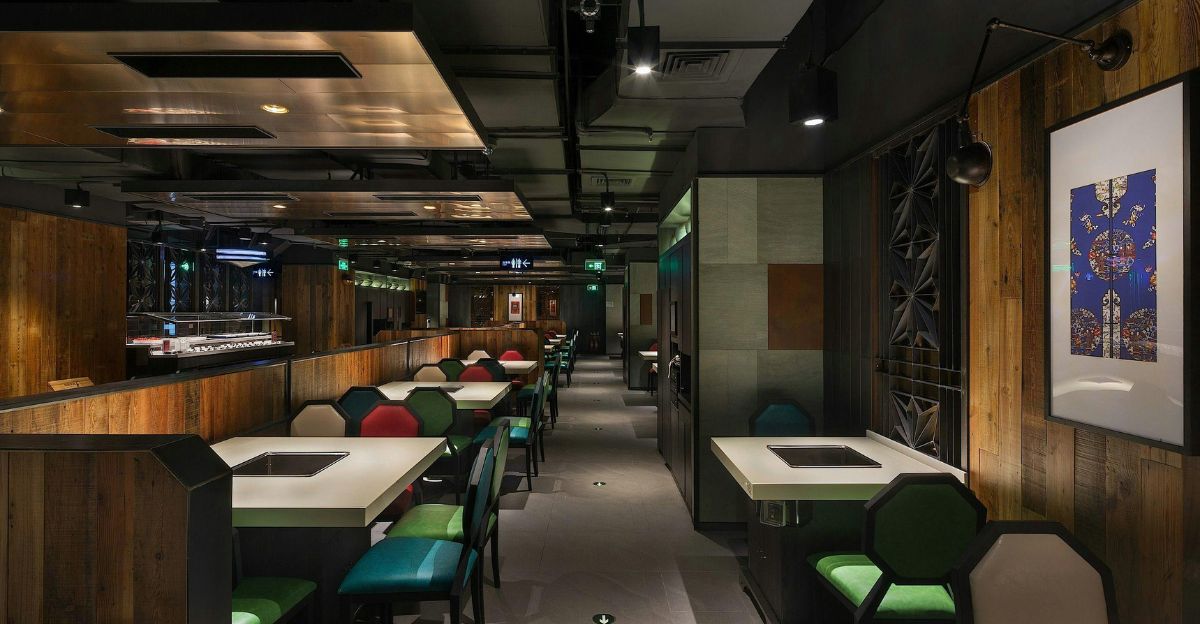
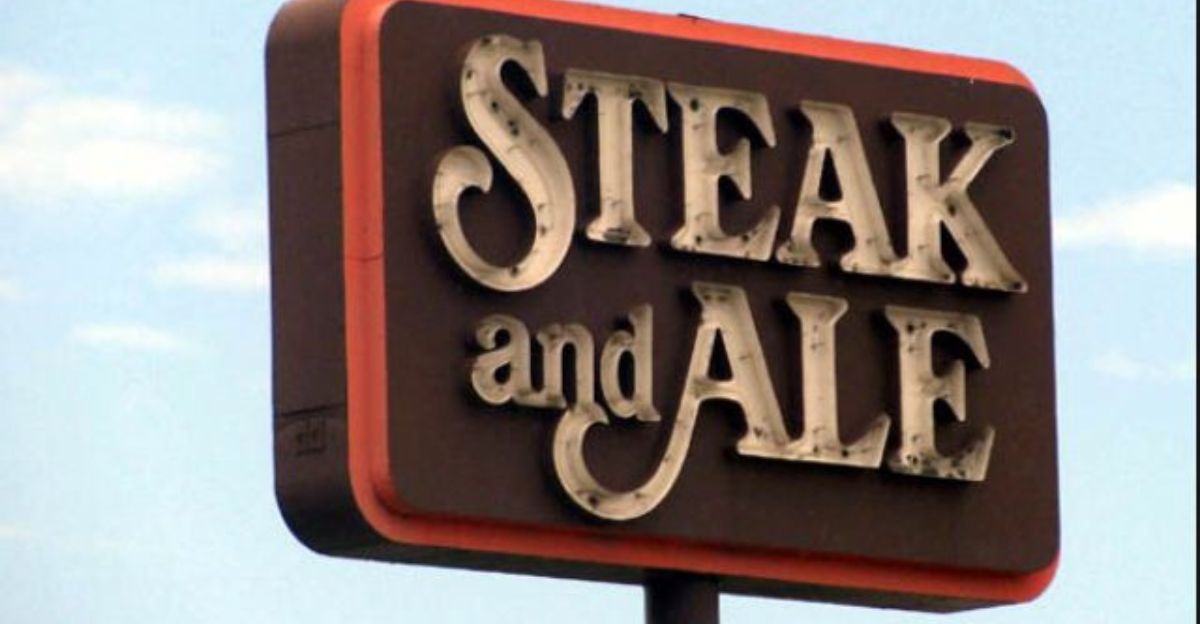
For nearly two decades, the industry moved on, but something was missing. This brand had occupied a specific “middle ground”: not fast food, not fine dining, but accessible luxury, complete with its Tudor-style aesthetic. When it vanished, competitors tried to fill the gap, but the service culture and menu were unique.
The intellectual property gathered dust, and most assumed the story was finished. In this business, 16 years of dormancy is usually a death sentence.
Steak And Ale Returns

The silence finally broke on July 8, 2024. After 16 years, Steak and Ale officially reopened its doors. The legendary chain, founded in 1966, returned with a fully operational restaurant in Burnsville, Minnesota—one of the most ambitious comebacks in the history of hospitality.
By reclaiming its name, logo, and original recipes, Steak and Ale is betting that a brand dormant for nearly a generation can still command loyalty. The resurrection is real, and the steaks are back on the grill.
The Couple Who Guarded The Ghost

The revival wasn’t corporate; it was personal. Paul and Gwen Mangiamele, through their company Legendary Restaurant Brands, purchased the rights in 2015. Then they waited. For nine years, they protected the brand, refusing to launch until conditions were right.
Paul describes it as a “labor of love,” rooted in nostalgia from his own childhood. Their patience ensured the return would be faithful, not a modern imitation.
A Hotel Host For A Historic Revival
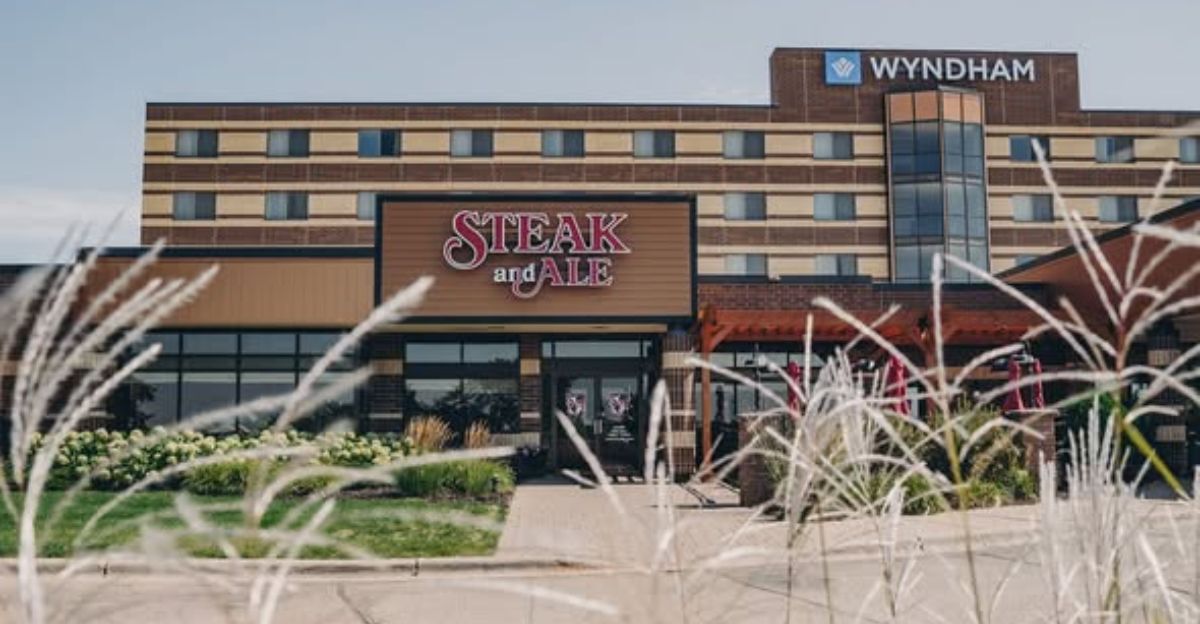
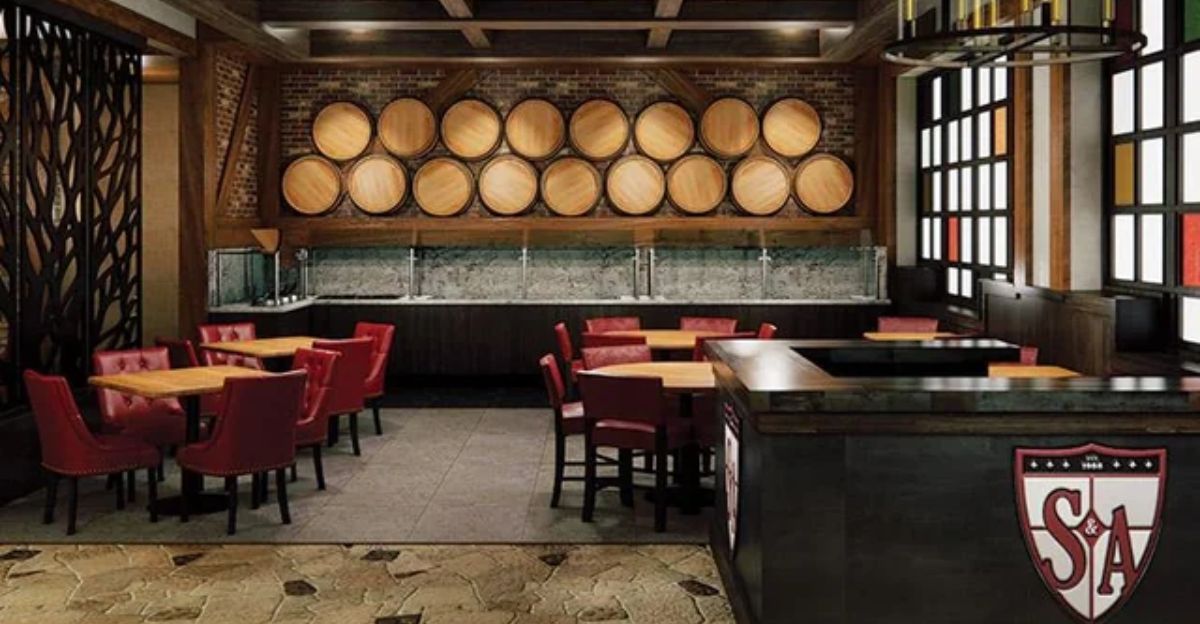
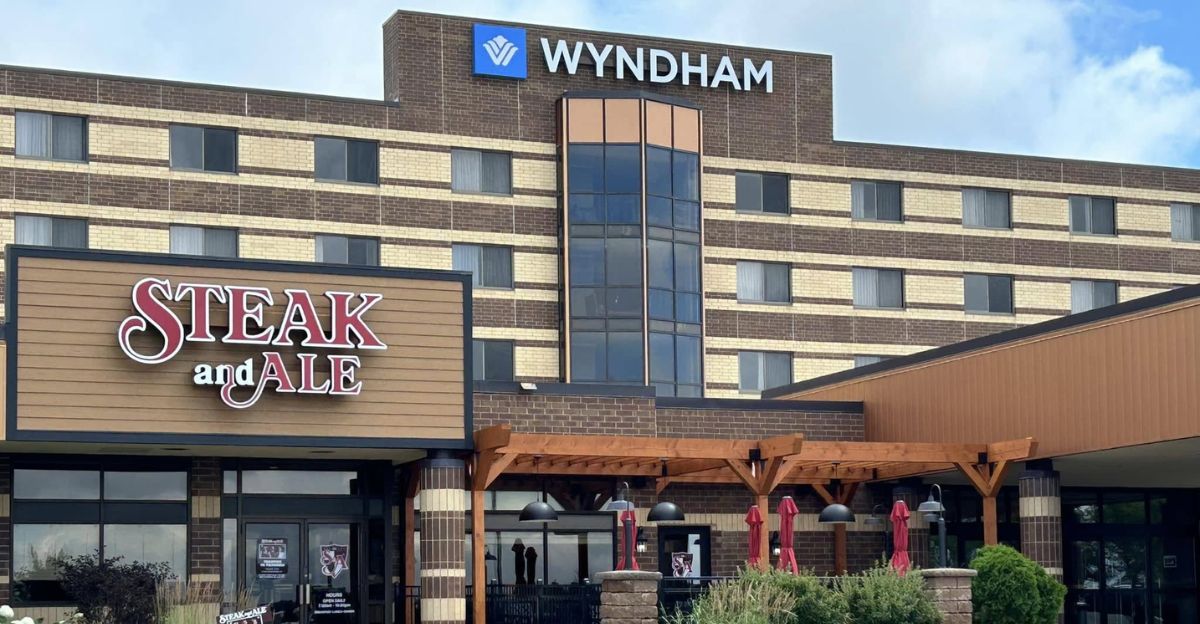
The comeback is anchored at the Wyndham Nicollet Inn, located at 14201 Nicollet Avenue South. The 5,000-square-foot space features a separate entrance and patio, creating the ambiance of a standalone destination.
With seating for 225 guests, the Burnsville location serves as the prototype for future units. The hotel setting provides a steady flow of travelers while welcoming locals eager to relive memories.
Banking On Emotional Equity
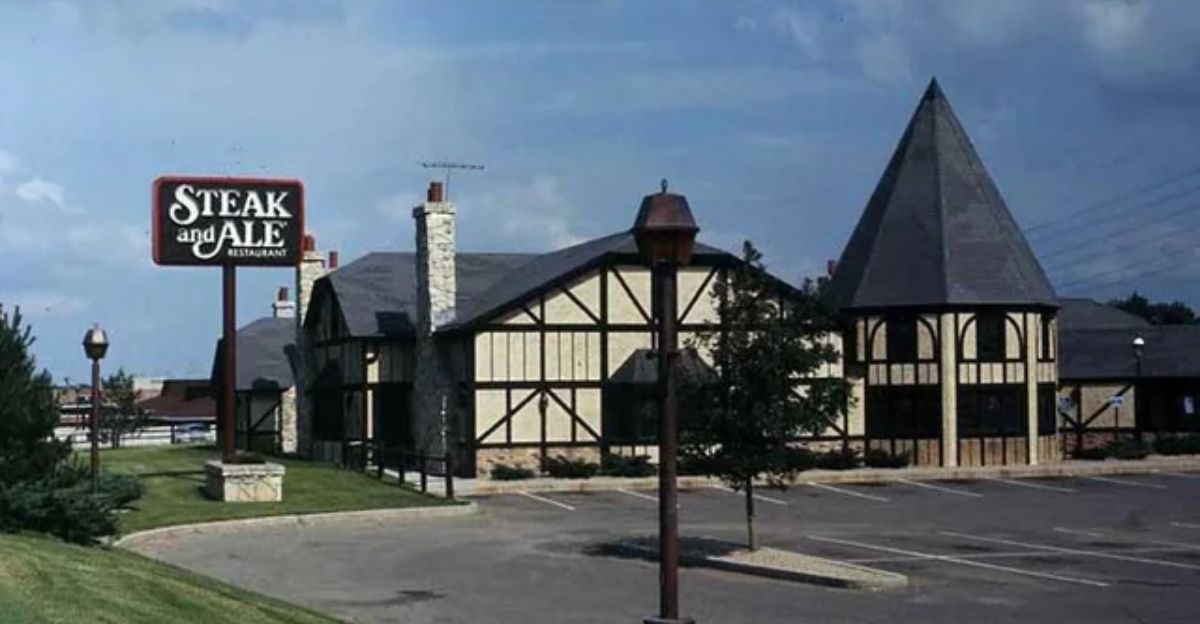
Why revive a brand that failed in 2008? Mangiamele has a simple answer: feelings drive finance. He believes emotional connection equals revenue, and that Baby Boomers and Gen Xers who grew up with Steak and Ale will return not just for food, but for how the place made them feel.
The strategy is based on the idea that nostalgia remains a powerful market force in 2025.
The DNA Of A Dining Revolutionary
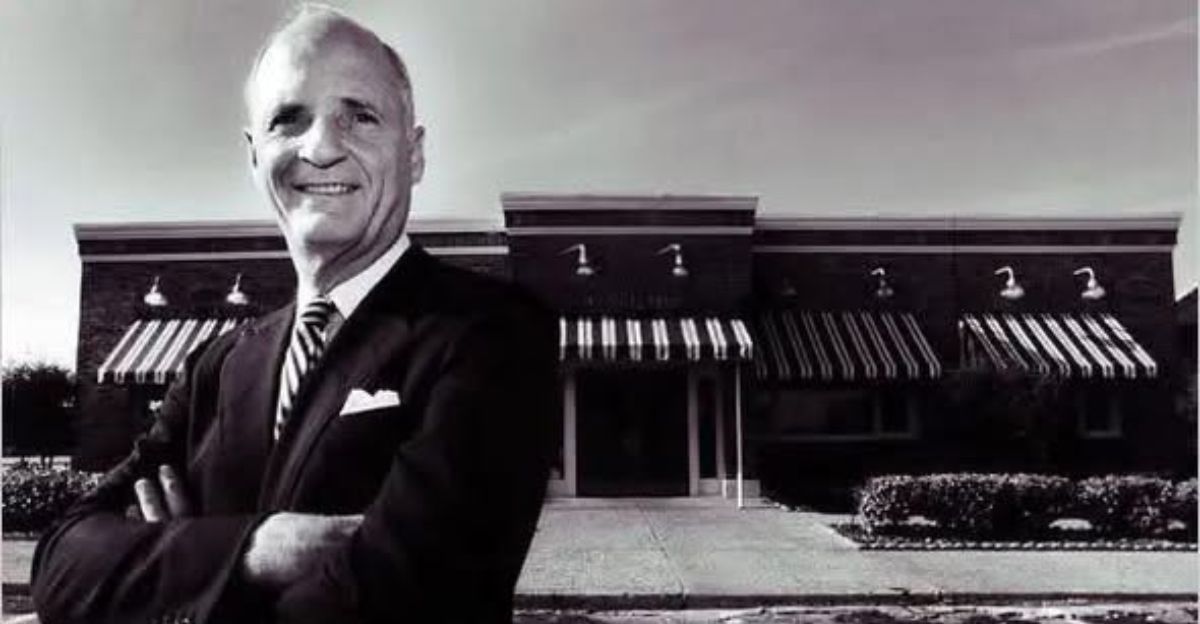
To understand the stakes, look at the pedigree. Steak and Ale was founded by Norman E. Brinker, credited with inventing the modern casual dining concept. When he opened the first location in Dallas on February 26, 1966, he revolutionized the industry by offering an upscale experience at affordable prices.
Today, Steak and Ale and Bennigan’s—also owned by the Mangiameles—are the only surviving Brinker-founded brands. The revival carries a sense of historical responsibility.
The Return Of The Original Salad Bar
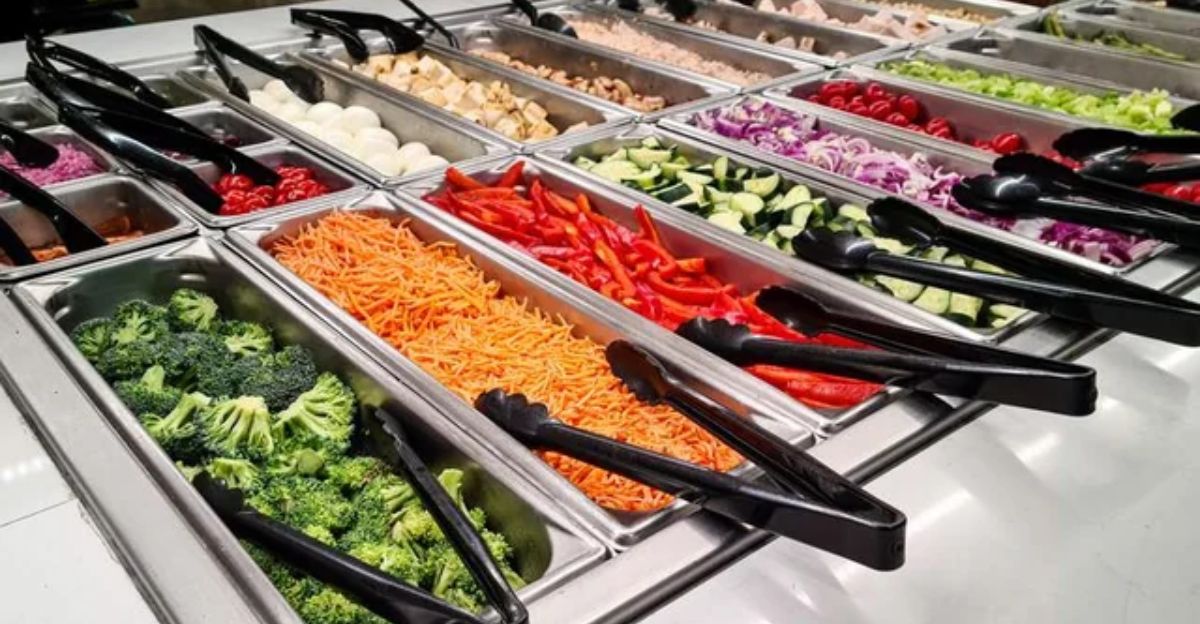
In a world dominated by delivery apps, Steak and Ale is proudly bringing back a low-tech icon: the self-service salad bar. Credited with pioneering the concept in 1966, the chain insisted it return for the reboot.
While many restaurants have abandoned salad bars due to cost and health concerns, Steak and Ale believes the “Unlimited Salad Bar” is a nostalgic anchor that diners still crave.
A 15-Unit Blueprint For Growth
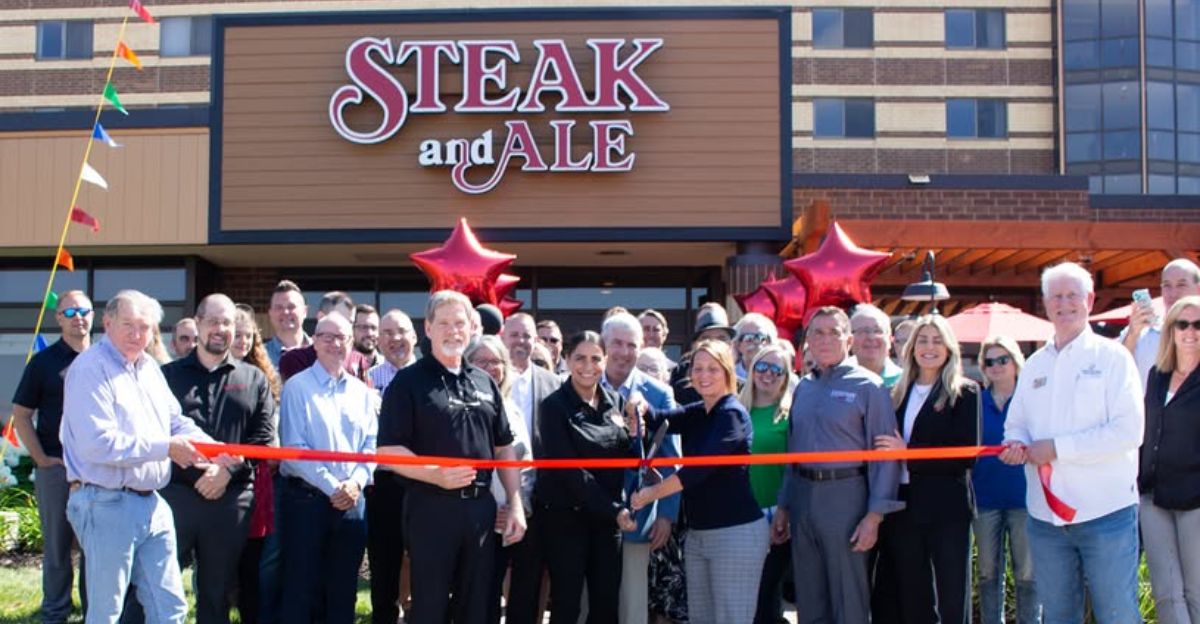
The Burnsville opening is the first step in a larger plan. In 2023, Legendary Restaurant Brands signed a 15-unit area development agreement with a Midwest franchise partner. This signals that the comeback is designed for scale, not novelty.
If realized, the expansion would demonstrate investor confidence beyond a nostalgia-driven pop-up.
Clawing Back Jobs One Kitchen At A Time
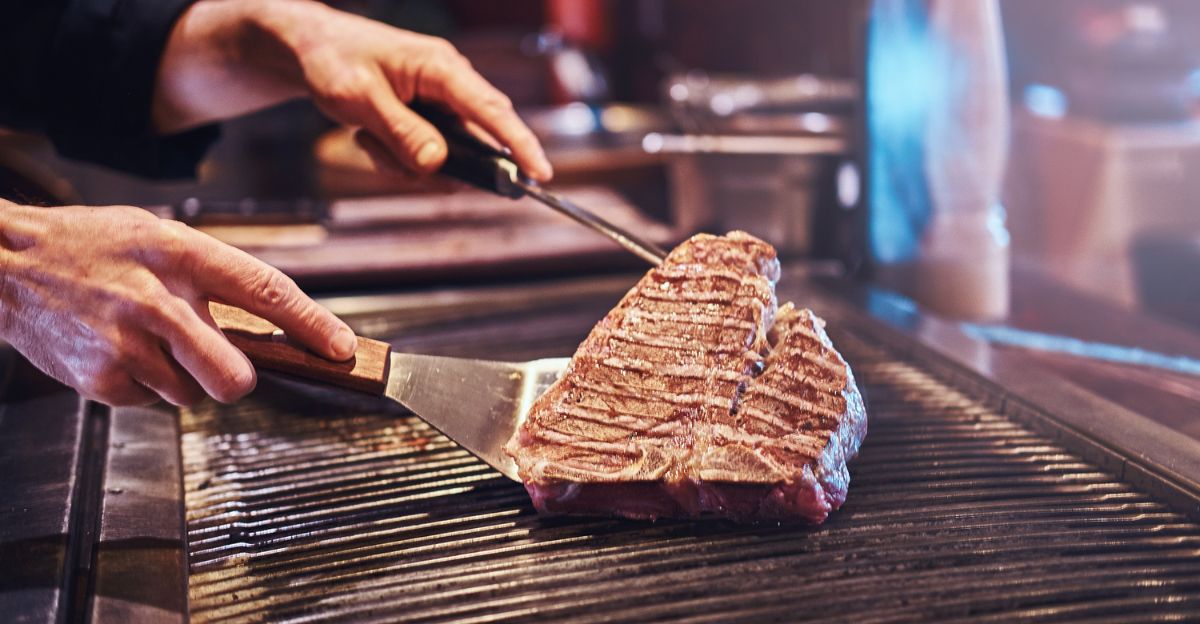
While the thousands of jobs lost in 2008 can’t be replaced, the revival is beginning to rebuild. The 225-seat Burnsville location requires a sizable staff, and a fully executed 15-unit plan could create hundreds of new positions.
It’s a small reversal compared to the former 280-location empire, but it marks a shift from loss to creation.
Swimming Upstream In A Trillion-Dollar Ocean
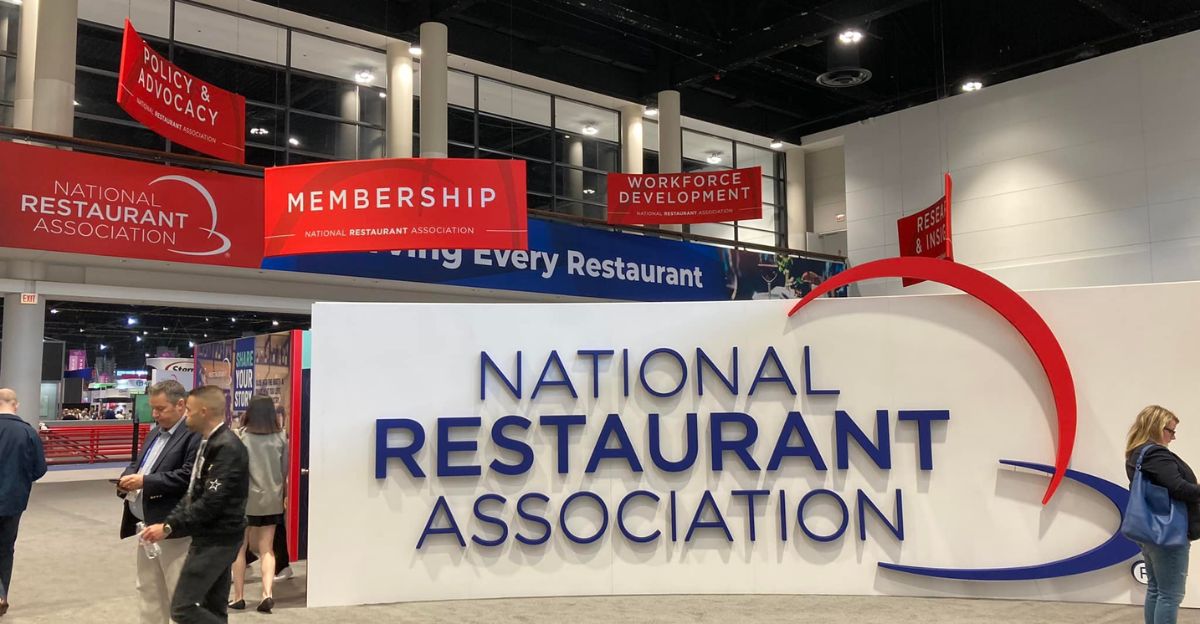
Steak and Ale returns to a landscape far more competitive than the one it left. The National Restaurant Association projects the food service industry will reach $1.5 trillion in sales in 2025, but it’s crowded with thousands of new concepts.
With 200,000 jobs expected to be added this year, competition for both customers and talent is intense. Steak and Ale must now compete for attention in a market shaped by the expansion of fast-casual dining and the rise of technology-driven dining.
Fighting The Invisible Enemy Of Inflation
The romanticism of the comeback clashes with the harsh reality of inflation. A Toast survey shows 20% of operators cite inflation as their top challenge. Beef, labor, and energy costs have soared since 2008.
Recreating a vintage experience at modern price points is difficult even for established giants. Thin margins could threaten the nationwide rollout before it fully begins.
Will Sticker Shock Kill The Good Memories?
There’s a risk that the prices needed to stay profitable will alienate longtime fans. Nearly half of operators plan to raise menu prices this year. For a brand remembered for affordable steak dinners, this creates tension.
Diners expecting 1990 prices may balk at 2025 realities. The challenge is convincing customers that the emotional value is worth today’s premium.
The Thin Line Between Success And Bankruptcy

The pressure behind the scenes is immense. Forty percent of operators say improving profitability is their primary goal, and for a resurrected brand, there’s no existing network to cushion losses.
Burnsville must succeed immediately. Operational missteps in the supply chain or labor efficiency could jeopardize the entire 15-unit plan. Passion may fuel the revival, but only profit will sustain it.
The Hunt For Staff In A Labor Shortage

Even with strong branding, the restaurant can’t operate without a skilled team. Nearly half of operators are focused on improving staff efficiency due to hiring challenges.
Steak and Ale must recruit workers who can deliver its signature hospitality in a tight labor market. If the service stumbles, nostalgia alone won’t save the experience.
Why Diners Might Pay The Premium

Despite the challenges, one encouraging statistic stands out: 64% of full-service customers prioritize experience over price. This is Steak and Ale’s sweet spot. If they can deliver warmth, atmosphere, and genuine hospitality—qualities that feel rare in modern dining—customers may gladly pay more.
The bet is that diners are hungry for connection, not just convenience.
Dodging The Industry’s Race To The Bottom
As many restaurants turn to discounts to attract customers, Steak and Ale faces pressure to join the race. With 47% of operators planning more deals, customers are being conditioned to expect coupons.
But deep discounting could undermine the brand’s identity. Maintaining premium positioning will require discipline and confidence.
A Final Roll Of The Dice For A Legend
As steaks hit the grill in Burnsville, Steak and Ale enters its most critical chapter. The gap between the former 280-unit empire and today’s single location is vast, but a new bridge is being built.
If the emotional equity strategy works, the brand may be on the verge of a remarkable second act. If not, it risks disappearing again. For now, though, the salad bar is open, and the legend lives.