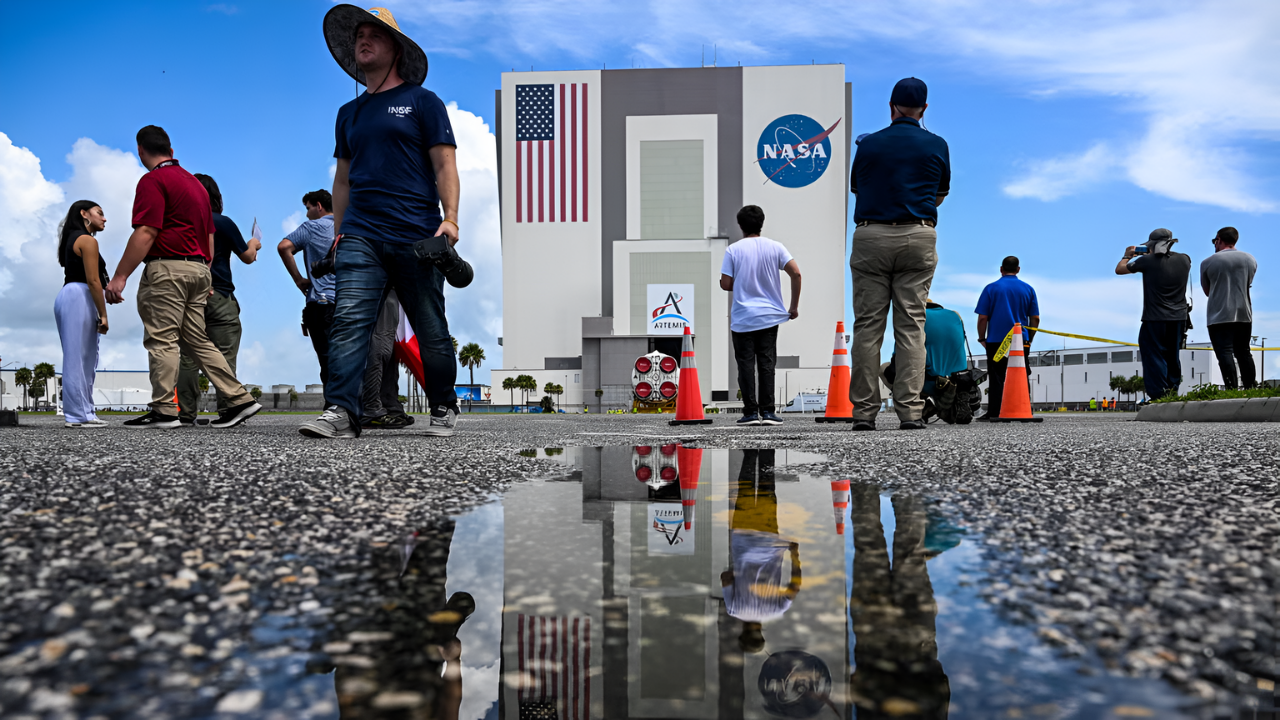
A 62-page leaked document reveals billionaire Jared Isaacman’s ambitious restructuring plan for NASA, titled “Project Athena.” The May 2025 plan proposes a focus on nuclear electric propulsion, a new Mars program, and sweeping reforms.
Nearly 4,000 employees accepted buyouts through the Trump administration’s deferred resignation offers, resulting in a workforce reduction of over 20%. Isaacman faces Senate confirmation despite controversy surrounding the leaked document.
The Nominee’s Journey

Jared Isaacman, billionaire entrepreneur and private astronaut, was nominated as NASA administrator on December 4, 2024. Trump withdrew his nomination on May 31, 2025, following a “thorough review of prior associations,” citing concerns over Isaacman’s past donations to Democratic causes.
Renominated November 4, 2025. The 41-year-old Shift4 Payments founder represents an unconventional choice, breaking the tradition of scientist-engineer-academic administrators. Senate confirmation vote pending.
Project Athena Revealed

A document dated May 2025 was leaked to media outlets and authenticated by CNN. Isaacman acknowledges the leak but claims some details are now dated.
Originally exceeded 100 pages; condensed to 62. Only three copies were distributed to Transportation Secretary Sean Duffy and staff. CNN reports the leak was politically motivated. Project Athena serves as a framework for NASA to restructure its priorities.
Mass Exodus Underway

Approximately 3,870 NASA employees accepted the Trump administration’s deferred resignation offers in July and September 2025, resulting in a workforce reduction from roughly 18,000 to approximately 14,000 by January 2026.
Additional losses through normal attrition. Represents a 21% total workforce reduction. Departing staff includes experienced personnel from mission-critical roles. Remaining employees face uncertainty over program cancellations and restructuring.
Budget Cuts Bite Deep
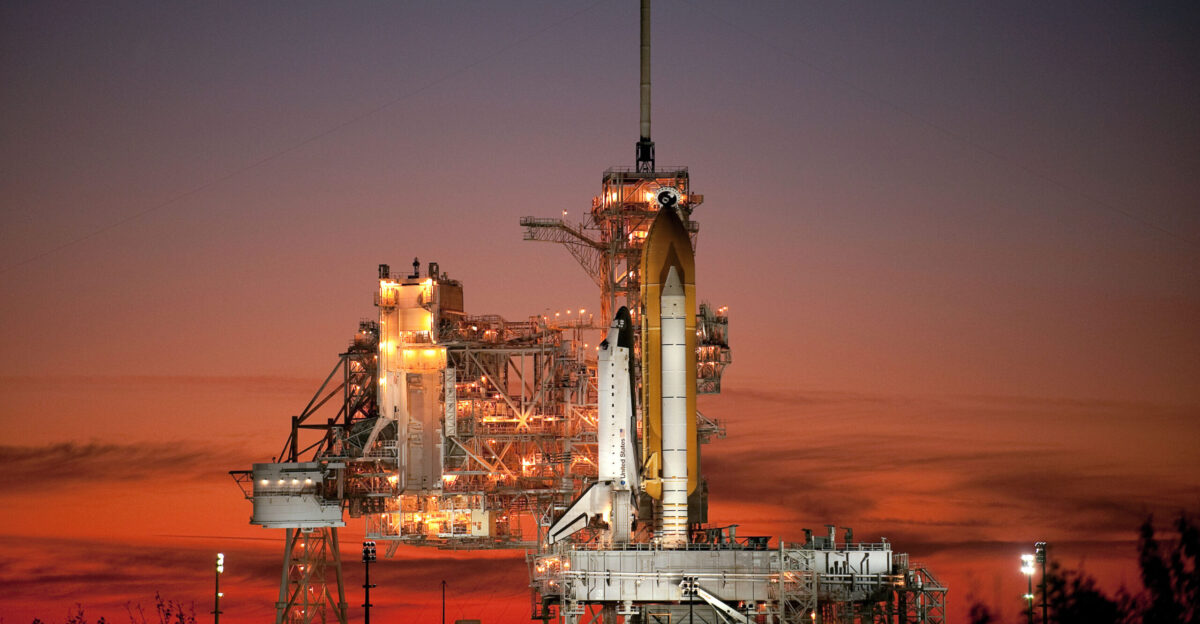
Trump’s 2026 budget proposal seeks a 24.3% cut in NASA funding, reducing the budget from approximately $24.8 billion to $18.8 billion. The Science Mission Directorate faces a reduction of approximately 47%.
Congressional appropriations committees from both parties have questioned the severity. House-Senate negotiations are ongoing regarding final fiscal 2026 appropriations. Multiple scientific organizations warn that cuts threaten American space leadership.
Nuclear Propulsion Vision
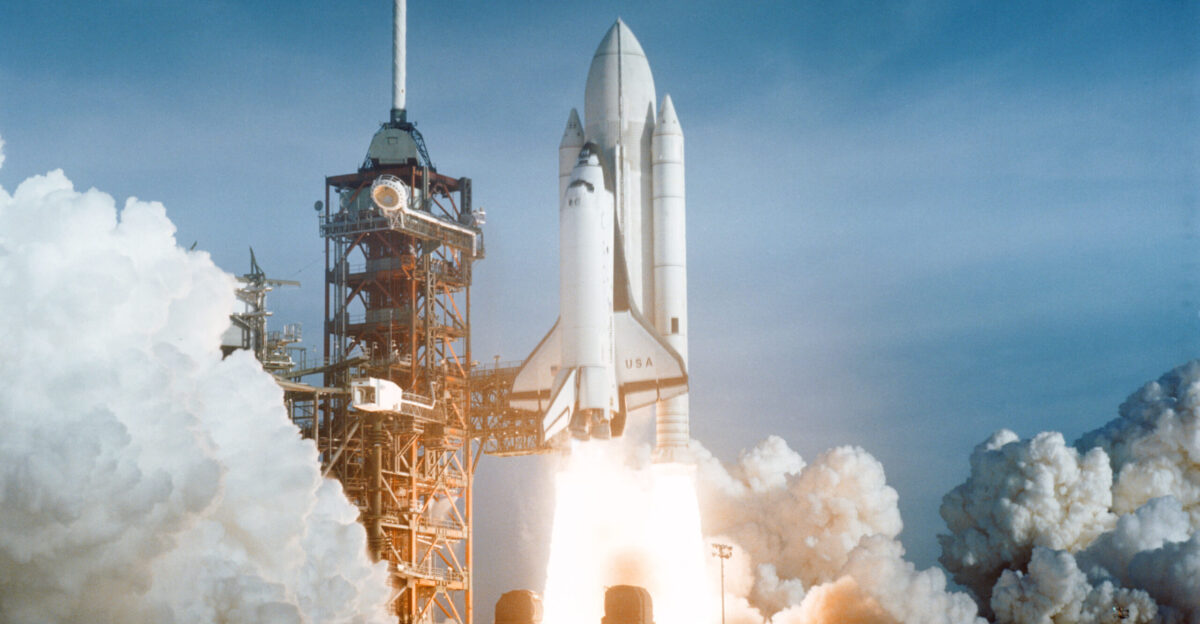
Project Athena proposes a comprehensive nuclear electric propulsion program. Technology utilizes small nuclear reactors to generate electricity for spacecraft engines, enabling sustained power for deep-space missions to Mars and beyond.
China and Russia are investing heavily in nuclear space technologies. Isaacman argues that advanced propulsion represents a critical American competitive advantage in space exploration.
Repurposing NASA Centers

The plan suggests shifting the Marshall Space Flight Center and Stennis Space Center in Alabama and Mississippi toward nuclear electric propulsion development as the Space Launch System rocket program potentially comes to a close.
Congressional representatives from center states seek clarity on facility futures. There is a risk that some centers may lose their primary mission assignments pending restructuring decisions.
The Mars Olympus Program
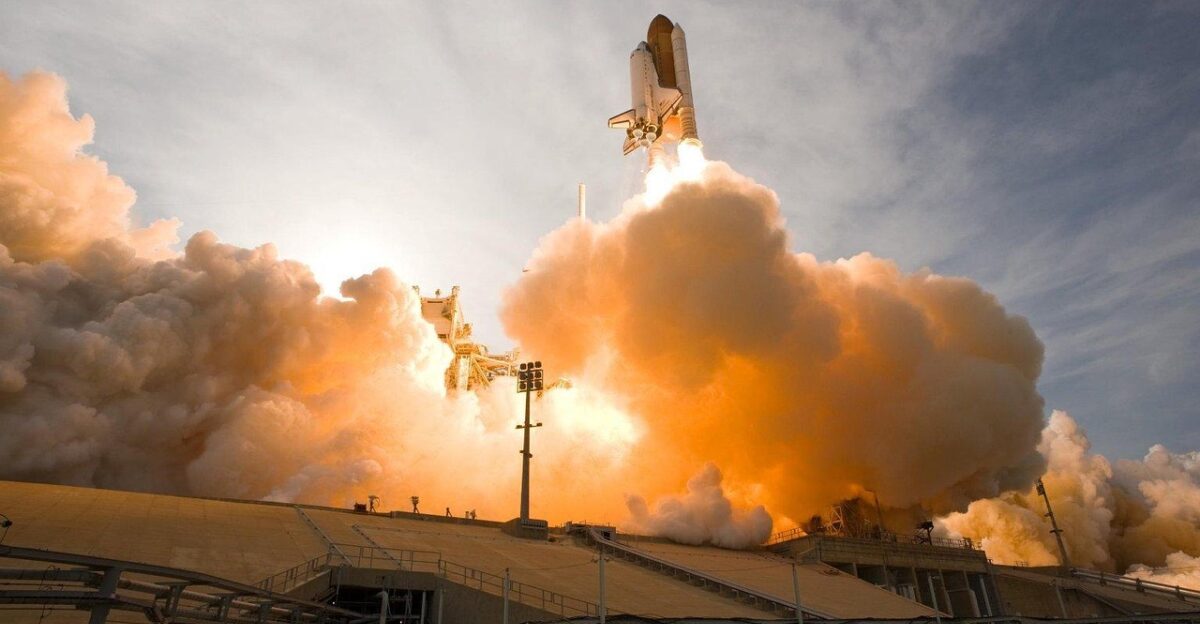
Document proposes new Mars exploration initiative called “Olympus,” potentially aligning with SpaceX’s Starship-based crewed mission objectives.
SpaceX plans to send a Starship spacecraft to Mars in the 2030s. The program emphasized cost-effectiveness and minimized taxpayer expense. Would represent a significant shift from current moon-focused priorities toward interplanetary exploration.
Moon Race Takes Priority

Despite Mars ambitions outlined in Project Athena, lunar missions dominate current NASA priorities amid intensifying space competition with China. Beijing aims to land Chinese astronauts on the moon before 2030.
Congress provided a substantial funding boost for human spaceflight through July 2025 omnibus legislation. Artemis III crewed moon landing targeted for late 2020s. Establishing a robust lunar presence precedes Mars exploration.
SpaceX Lunar Lander Challenges

Artemis III currently relies on SpaceX’s Starship for lunar lander services. SpaceX internal documents indicate crewed lunar landing timeline extends to September 2028 at earliest, significantly missing NASA’s original 2027 target.
Acting Administrator Sean Duffy previously suggested evaluating alternative contractors including Blue Origin. Elon Musk responded sharply to Duffy’s suggestions in October 2025, creating organizational tension.
Science-as-Service Controversy

Project Athena document proposes shifting NASA from direct taxpayer-funded science missions toward “science-as-service” model purchasing data from the commercial sector. Critics warn the approach could compromise Earth observation capabilities and climate science programs.
Proposal suggests reducing bespoke satellite development in favor of commercial data purchases. Controversy reflects fundamental debates about NASA’s core mission scope.
Accelerate/Fix/Delete Management Philosophy
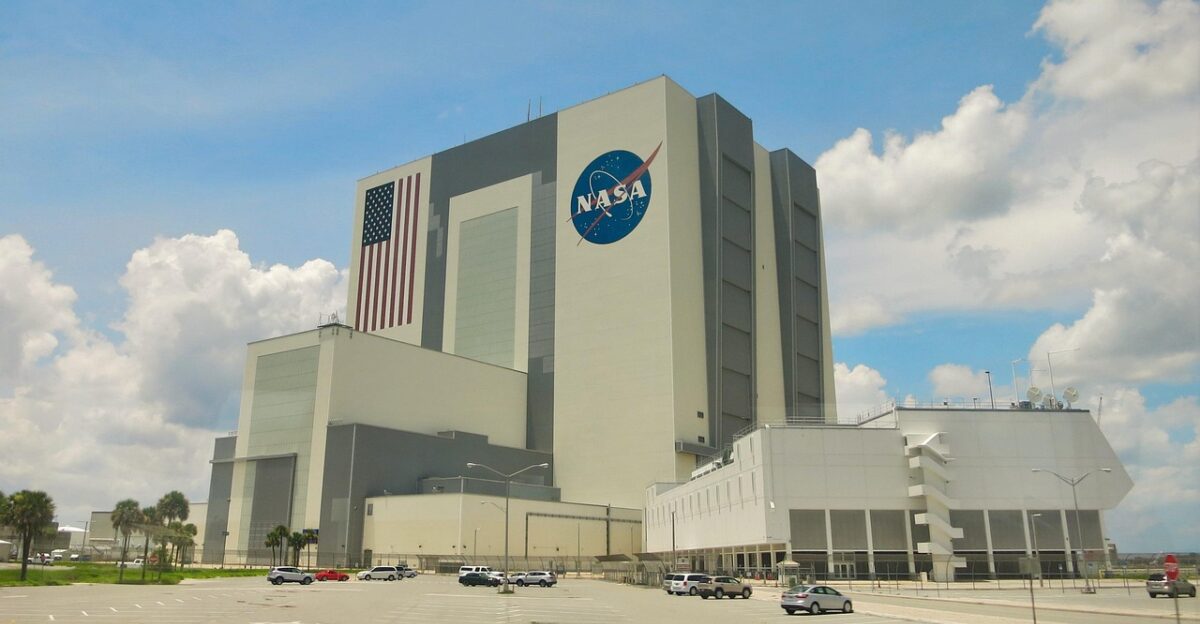
Project Athena embraces an aggressive management approach: accelerate promising programs, fix struggling initiatives, delete underperforming projects. Aims reducing bureaucratic layers between leadership and engineers.
Comprehensive review of NASA advisory boards and committees is proposed. The workforce already facing demoralization confronts additional uncertainty over program cancellations and organizational restructuring.
Risk Tolerance Reassessment
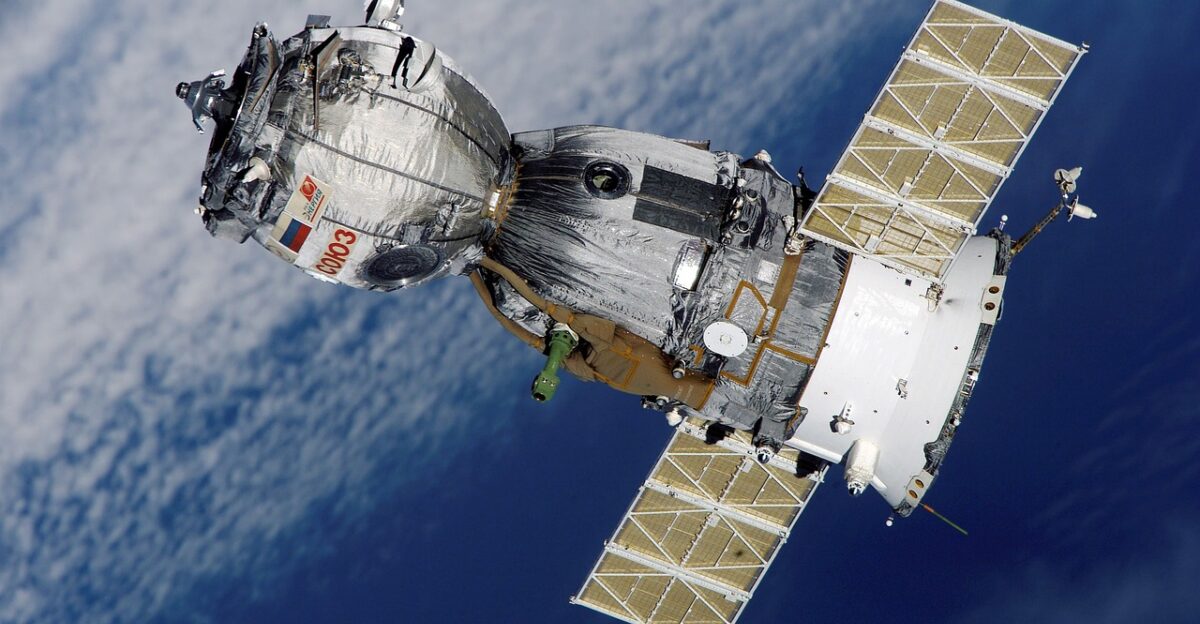
The Project Athena document proposes rethinking NASA’s risk assessment protocols. Former astronaut Garrett Reisman cautiously supports reevaluating the risk approach but publicly warns against eliminating safety oversight functions.
Reisman advocates balancing innovation with astronaut safety protection, noting SpaceX effectively combines both approaches. NASA’s safety culture faces a potential significant transformation amid restructuring.
Demonstration Mission Proposed
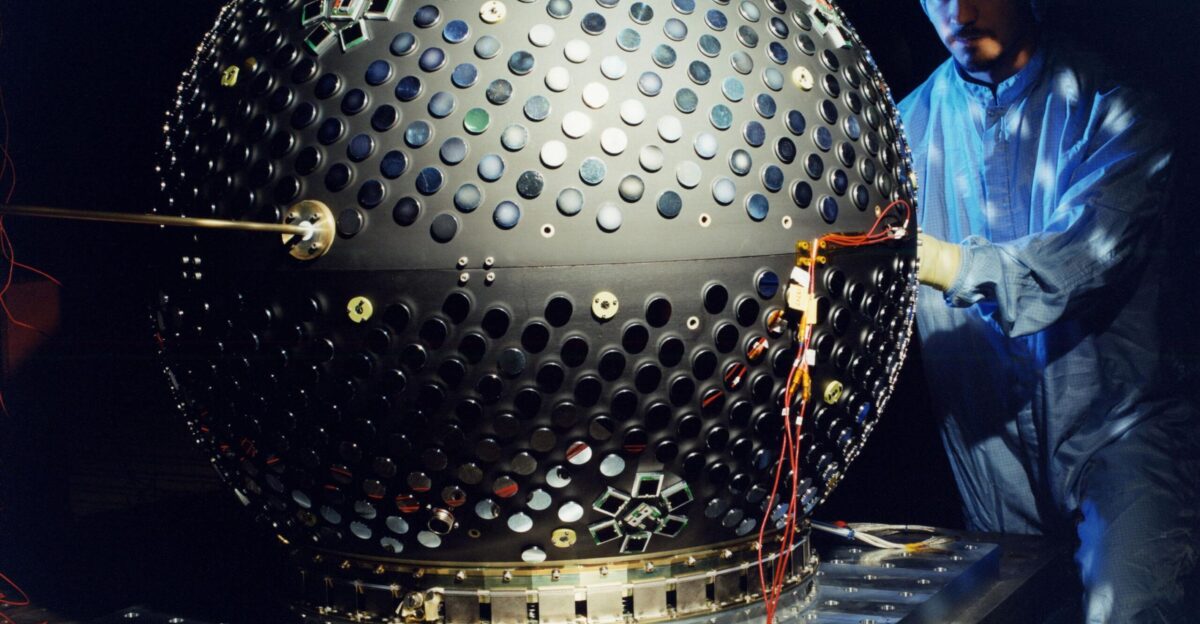
The plan includes demonstration mission testing of nuclear electric propulsion spacecraft in orbit, potentially docking with a crewed vehicle. Would validate revolutionary propulsion technology before deploying it in deep space.
Isaacman co-authored an op-ed with former Speaker Newt Gingrich advocating that NASA focus on capabilities only the government can develop. Nuclear propulsion was identified as a critical American technological advantage.
Space Launch System’s Uncertain Future

July 2025 omnibus appropriations legislation, nicknamed “Big Beautiful Bill,” extends the Space Launch System rocket through additional missions, temporarily preserving the program. However, Project Athena suggests potential role reduction or phase-out after establishing the lunar foundation.
SLS was previously targeted for budget reduction in various presidential requests. The program’s ultimate fate remains contingent on NASA’s long-term restructuring.
Congressional Pushback

Senators from NASA center states express concerns about proposed facility changes. Virginia Senator Mark Warner warns against closing Langley Research Center missions. Maryland Senator Chris Van Hollen urges preservation of space science funding.
Bipartisan support exists for maintaining NASA centers’ operations despite general acknowledgment of budget constraints. Congressional delegations are demanding engagement with Isaacman on restructuring.
Scientific Programs Under Threat
Trump administration budget proposals included funding reductions for the Chandra X-ray Observatory and other astronomical missions. The Mars Sample Return program was paused in 2023 and remains indefinitely suspended due to cost overruns and budget constraints. Planetary exploration missions are facing delays or cancellations.
International collaborative projects frozen pending budget clarity. NASA faces difficult choices between flagship missions and a broader scientific portfolio.
Workforce Demoralization
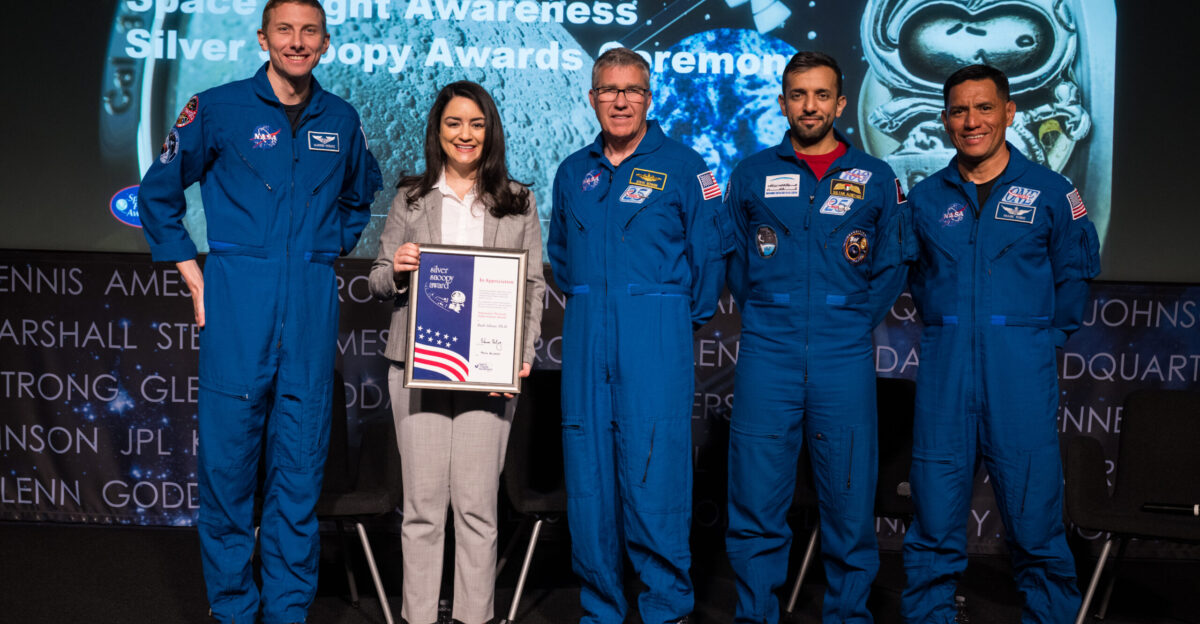
NASA employees described the challenges of 2025 during July’s “Moon Day” protests, opposing mass departures and budget cuts. The formal “Voyager Declaration” signed by 287 current and former NASA employees, including astronauts and scientists, warned of devastating effects on American science and potential astronaut safety risks.
Political uncertainty and inconsistent administrative guidance contributed to morale challenges. A hiring freeze creates personnel shortages that affect critical program execution.
Industry Support vs. Caution

The commercial space sector largely supports Isaacman as an outsider bringing a fresh perspective. Planetary Society officials note the plan presents “significant changes” with implementation details unclear.
Questions remain whether commercial marketplace can reliably assume responsibilities historically managed by the government. The historical “faster, better, cheaper” initiative from the 1990s failed, creating cautionary precedent regarding privatization approaches.
Path Forward Remains Unclear

Isaacman awaits Senate confirmation vote before the 2025 session concludes. Commits to data-driven restructuring and feedback-responsive governance. Project Athena is described as a “living document” subject to refinement based on congressional input and stakeholder engagement.
NASA’s future trajectory hangs between innovation ambitions, budget constraints, and workforce stability concerns. Confirmation timeline and congressional negotiations will shape the final NASA restructuring approach.