
A wave of layoffs has inundated the tech industry, leaving over 88,000 workers jobless in 2025. Companies are referring to this shift as an “efficiency era,” as major players such as Intel, Microsoft, and Meta announce significant cuts. This unprecedented upheaval is reshaping workforce dynamics in the tech industry, igniting widespread uncertainty about the future of employment.
“It feels like companies are prioritizing efficiency over human capital,” stated a recently laid-off engineer. As tech giants reassess their business models, the human cost of these shifts raises pressing questions about the sustainability of labor practices in a sector once characterized by rapid growth and innovation.
A Grim Reality

The layoffs reached staggering heights, with over 112,000 tech employees losing their positions across 218 companies by October. Amazon confirmed 14,000 job cuts, citing a necessity to “reduce bureaucracy” while reallocating resources. The trend of job cuts shows no signs of abating, driven by rapid automation and the increased adoption of AI.
“It’s disheartening to see so many talented people lose their jobs,” reflected a former Amazon employee. As companies embark on this path of workforce reduction, the impacts ripple through communities and families, indicating a shift toward restructured labor landscapes.
The Rise and Fall

The tech sector has witnessed a significant hiring boom since late 2020, fueled by the pandemic and favorable interest rates. However, this prosperous trajectory was reversed by early 2022 as companies, first startups, began to trim their workforces. Soon after, even established giants like Meta and Twitter followed suit, marking a dramatic pivot in industry dynamics.
“No one saw it coming,” lamented a startup founder who faced layoffs. As these layoffs emphasized the fragility of the tech market, employees grapple with an evolving landscape that prioritizes efficiency over growth.
Forces at Play

Multiple forces are colluding to drive these layoffs, including advancements in automation, increasing regulatory scrutiny, and economic uncertainty. The pressing need to cut costs and appease investors compels companies to streamline operations.
A recent analysis suggested that firms are restructuring at an alarming pace to adapt to rapidly changing market conditions. “We’re seeing a revolution, but at a significant human cost,” observed an industry analyst. Particularly vulnerable are workers in roles susceptible to automation, exacerbating fears surrounding job security in an unpredictable economic climate.
Efficiency Era Unveiled

In April 2025, Intel announced a staggering 21,000 layoffs, the most significant single cut of that year, marking a commitment to a broader “efficiency era.” Following suit, Microsoft eliminated 9,000 jobs in July, and Meta cut over 700 roles across its AI and Reality Labs divisions. These industry-wide reductions reflect a push towards more automated and lean operations.
“We need to adapt to stay competitive,” stated a spokesperson from Intel, embodying the sentiment echoed across the sector. The overarching theme is clear: companies are prioritizing automation and creating learner frameworks amidst an evolving technological landscape.
Regional Ramifications

Tech hubs such as Silicon Valley, Seattle, and Austin have borne the brunt of these layoffs. Companies like Intel impacted thousands across Oregon, California, and Arizona, while Oracle and Microsoft also made substantial cuts in their respective locales.
This concentration of layoffs signals a significant shift in regional economies, raising concerns about the long-term impacts on local job markets. A Silicon Valley real estate agent noted, “We’re seeing the effects in our community homes are being put up for sale as families relocate.” As unemployment rises, local economies feel the strain of the tech upheaval.
The Human Toll

The human impact of these mass layoffs is staggering, with tens of thousands of people facing unexpected unemployment. Jack Dorsey, CEO of Block, insisted, “We’re making these changes not for financial reasons or to replace workers with AI.” Yet employees remain skeptical, as the abrupt job losses disrupt lives and livelihoods.
“It feels like a kick in the gut,” shared a recently laid-off software developer. Families are now navigating uncertain futures amidst the emotional and financial stress of job loss, highlighting the real cost of corporate efficiency initiatives.
Competitors Follow Suit

As the layoff trend continues, competitors such as Oracle, Salesforce, and Block have also announced substantial workforce reductions, commonly citing automation as a pivotal reason. Regulatory pressures, particularly in Europe and the U.S., are prompting these companies to reassess their labor strategies, thereby complicating their operational landscapes.
A spokesperson for Oracle remarked, “We are adapting to the new reality of market demands.” With a significant shift in how companies approach labor, the competitive landscape appears more desperate as firms adjust to maintain relevance while managing internal pressures.
Global Context

The tech sector’s struggles mirror broader global trends. A World Economic Forum survey revealed that 41% of companies worldwide anticipate reducing their workforces over the next five years due to the impact of AI.
Meanwhile, India’s IT sector is thriving, attracting significant investment, which highlights the evolving global labor dynamics. “We’re seeing a shift in where the talent is moving,” observed an economic analyst. As tech companies in the U.S. face a myriad of challenges, international competitors are poised to fill the void left behind.
Outsourcing Rises

Outsourcing is on the rise, as evidenced by notable layoffs, such as Starbucks’ decision to cut 1,100 tech jobs in February by shifting operations overseas. Just Eat, too, cited automation and AI as reasons for reducing its workforce by 450 positions.
These strategic moves indicate that companies are not merely reducing headcount; they are fundamentally altering how and where tech work is conducted. “It’s a strategic pivot that many are making to remain viable,” noted a business strategist. The implications for local job markets signify a daunting new landscape for tech employment.
Internal Struggles

Amid this upheaval, internal morale has plummeted within affected companies. Employees voice frustration over unclear communications and shifting priorities. At Meta, staff expressed concerns about the uncertain future of AI roles, while entire teams at Microsoft were dissolved, heightening anxiety over job security.
A former employee remarked, “We were constantly in the dark, and it created a toxic atmosphere.” This lack of clarity threatens not only productivity but also long-term employee loyalty, as fear and uncertainty become prevalent within organizations.
Leadership Challenges

Leadership within these companies faces intense scrutiny for justifying their decisions regarding layoffs. Jack Dorsey at Block and Andy Jassy at Amazon have addressed their employees directly, emphasizing the need for efficiency and adaptation to modern challenges.
These public statements aim to reassure both investors and staff during times of turbulence. However, skepticism remains about the latent motivations behind these mass layoffs. “It’s hard to trust leadership when they’re cutting jobs left and right,” shared a laid-off employee disillusioned by the rhetoric.
Strategies for Recovery

In response to widespread layoffs, some companies are investing in retraining and upskilling programs for displaced workers. Microsoft and Google have initiated efforts aimed at helping employees acquire skills in AI and cloud technologies, to retain talent and mitigate the reputational fallout from mass layoffs.
“We want to ensure our workforce is prepared for the future,” stated a Microsoft representative. These initiatives signal a commitment to fostering resilience and adapting to a rapidly changing labor market, although their long-term efficacy remains uncertain.
Expert Insights

Experts strongly caution that the tech labor market is poised for ongoing instability. Despite a 13% drop in layoffs compared to 2024, structural changes and economic pressures suggest a continued tumultuous environment.
“We are witnessing fundamental shifts that will leave many workers in precarious positions,” commented a labor economist. The transition towards increased automation and AI integration is reshaping job roles, raising concerns about the future of work and the viability of traditional employment structures within the tech sector.
Employee Perspectives

For many employees, the abrupt layoffs have triggered a wave of emotional and financial distress. A former Meta employee expressed, “Losing my job without warning has completely changed my life.
I went from feeling secure to uncertain.” Such sentiments underscore the psychological toll of these corporate decisions, revealing the human cost behind cold calculations. As more workers join the ranks of the unemployed, the need for support networks and community resilience becomes increasingly vital in navigating this challenging terrain.
The Role of Automation

Automation stands out as a key player in driving workforce changes. Its promise of increased efficiency and cost savings drives companies to replace human labor with technology. As automation technologies advance, traditional roles are diminishing, creating a critical reassessment of workforce needs.
An industry analyst noted, “We are witnessing a paradigm shift where technology is moving faster than workforce adaptation.” This trend underscores the necessity for both workers and companies to adapt and align their skills with the evolving direction of the technological landscape.
Looking Ahead

The future of the tech labor market hinges on adaptability in the face of ongoing changes. Companies must not only embrace technology but also invest in their workforce by providing training and pathways for transition.
Looking ahead, experts predict that organizations will need to strike a balance between efficiency and human resilience to foster a sustainable employment landscape. “The companies that navigate this intelligently stand to gain,” warned a business consultant, highlighting that innovation in workforce strategies will be crucial in navigating the evolving job market.
Broadening Perspectives

As we observe these layoffs unfold, it becomes clear that the implications extend beyond immediate job losses. Communities and economies are affected, as families endure the strains of unemployment. Social safety nets and community support systems are vital in helping those impacted.
A social worker emphasized, “We need to mobilize resources to support those who are left behind during these transitions.” Highlighting the human aspect of corporate decisions is crucial for fostering empathy and understanding during this challenging period.
Navigating Change
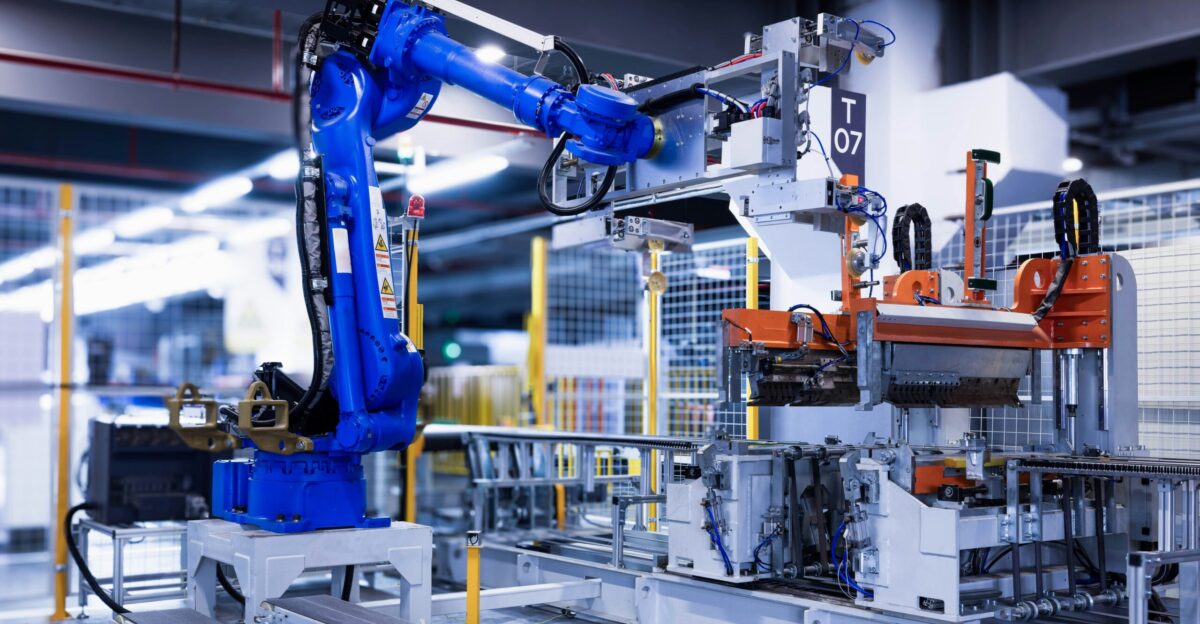
In this evolving landscape, both employees and employers must recognize that change is the new norm. Adaptability will be key for workers seeking new opportunities while companies reassess their workforce strategies.
Continuous learning and flexibility will empower individuals to navigate the uncertainties that lie ahead. “The reality is that we must all change how we think about work,” remarked a leadership expert. Emphasizing personal growth and resilience is crucial for thriving in the face of disruptions and shaping the future of work in this new era.
The Path Forward

The current wave of layoffs serves as a powerful reminder of the fragility of job security in the tech landscape. As the “efficiency era” reshapes the industry, the call for strategic adaptation has never been greater. Companies must prioritize meaningful engagement with their workforce while investing in training to navigate this new reality.
“The only way forward is to learn from past mistakes,” concluded an industry veteran. Together, through innovation and collaboration, businesses and employees can pave the way toward a sustainable and equitable future in the tech sector.