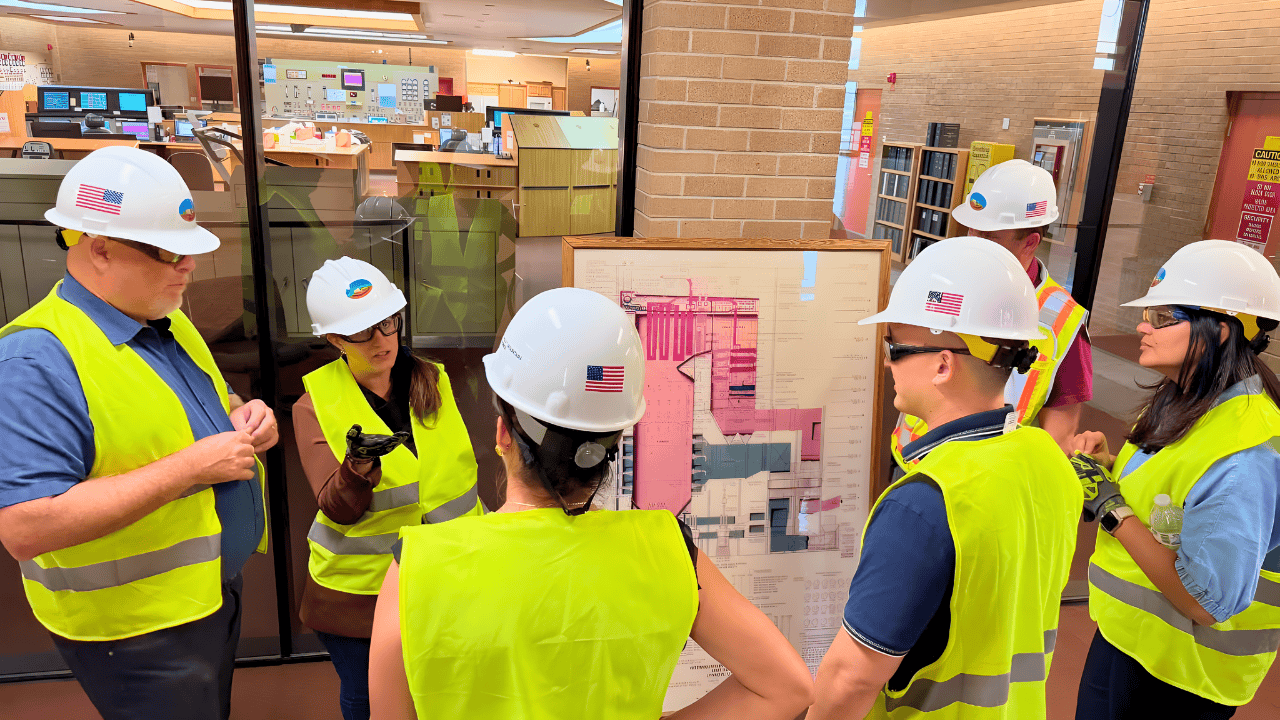
On the day before Thanksgiving 2024, Utah’s largest coal-fired power plant—the Intermountain Power Project, capable of generating 1,900 megawatts—went completely offline. The Los Angeles Department of Water and Power had simply stopped buying from it. That’s 11 percent of a major metropolitan area’s electricity supply, gone instantly. Grid operators held their breath.
Blackout alerts went silent. Hospitals kept running. Air conditioning cycled normally. For the first time in American energy history, a city of nearly four million people had completely eliminated coal from its power portfolio without a single flicker.
A Plant Built in the 1980s Meets Its Quiet End
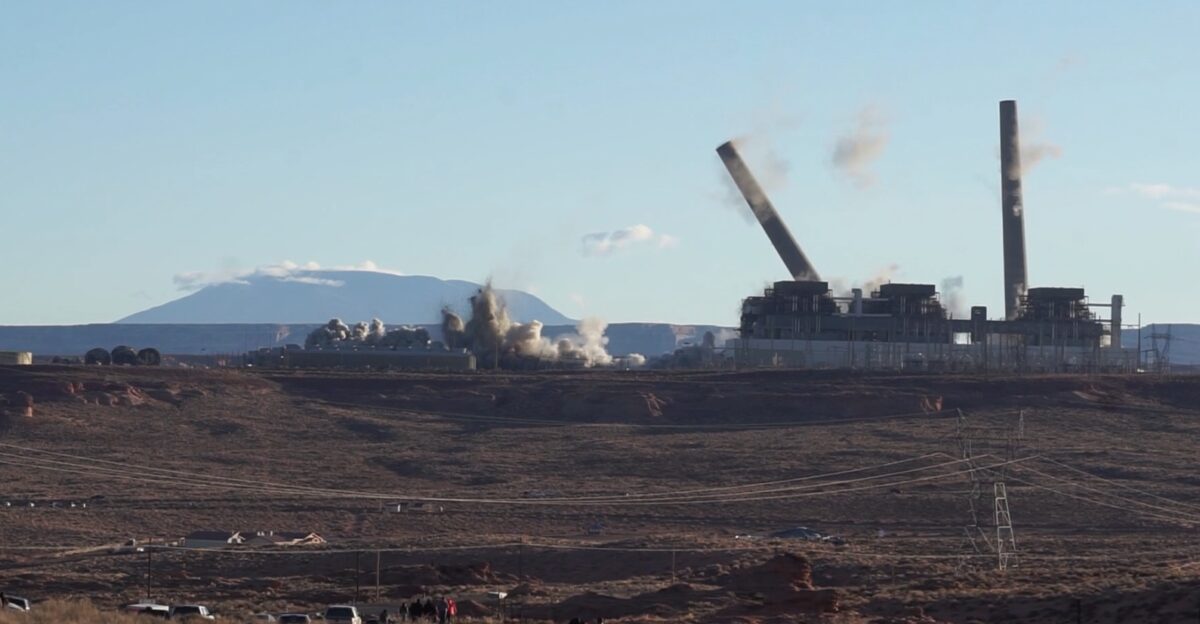
The Intermountain Power Project, nestled in Delta, Utah, in the remote Great Basin region, had been supplying Southern California since 1986. It was once considered a marvel of modern power generation, a coal facility so large it seemed permanent, indispensable even.
The plant had two coal-fired units, each generating roughly 900 megawatts. For nearly four decades, it anchored the region’s economy and California’s power supply. But as renewable energy costs plummeted and battery storage became feasible, the plant’s days grew numbered.
Utah Lawmakers Fight Back—and Lose
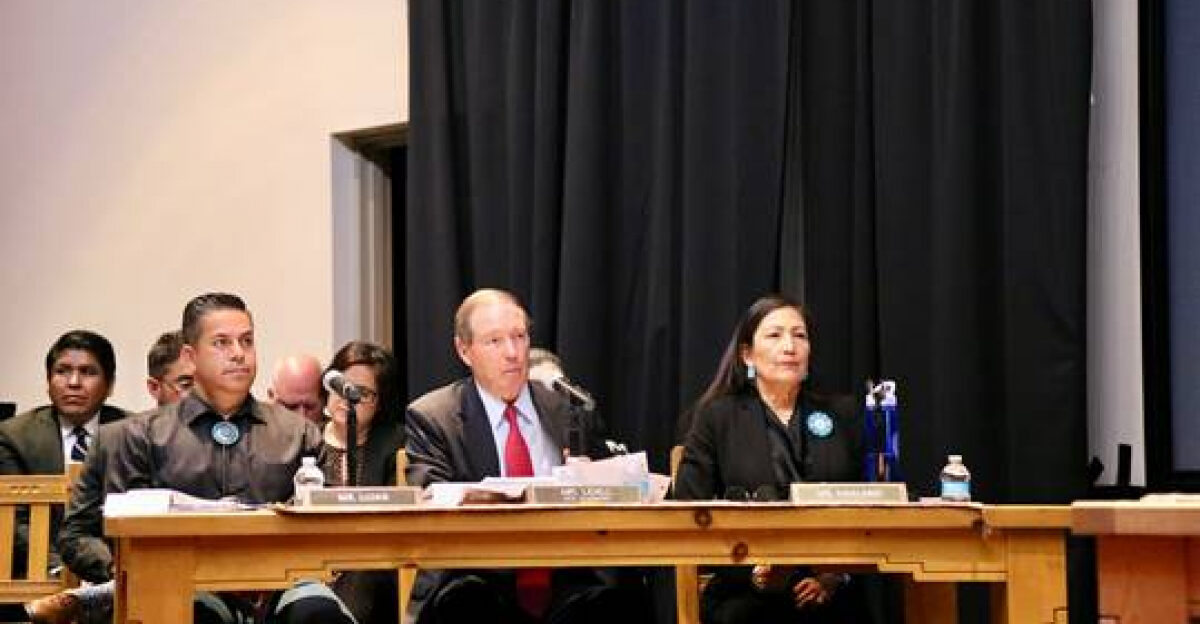
Here’s where politics collided with physics. In early 2025, the Utah Legislature, alarmed by the economic implications for coal workers and rural communities, passed bills aimed at forcing the coal units to remain operational. House Bill 70 created the Utah Energy Council, tasked with finding new buyers, and prohibited the disconnecting of switchyard equipment.
The Intermountain Power Agency technically complied, keeping switchgear connected so the plant could theoretically restart. However, compliance with equipment rules was irrelevant when nobody wanted to buy the power.
Los Angeles Goes Coal-Free: A 12-Year Goal Achieved
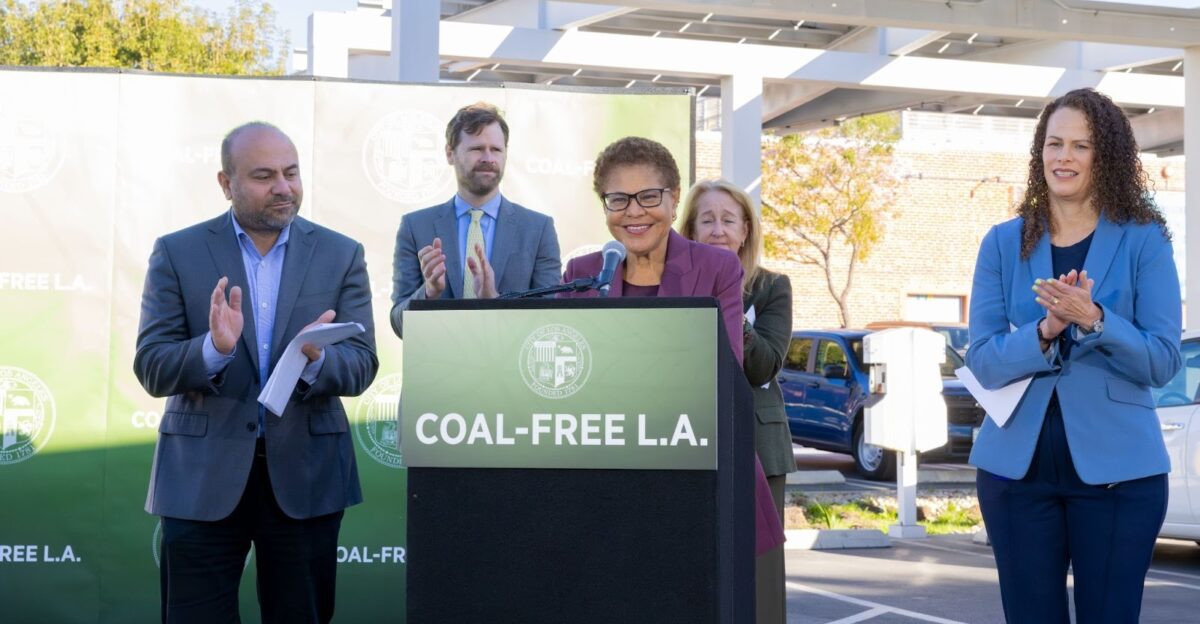
Mayor Karen Bass announced the milestone on December 4, 2024: Los Angeles was officially coal-free. This wasn’t a sudden shift—it was the culmination of a 12-year commitment. In 2013, then-Mayor Antonio Villaraigosa pledged to divest the city from coal entirely.
LADWP had already shut down the Navajo Generating Station in Arizona back in 2016. But the Intermountain Power Project was the final piece, the last coal-fired megawatt serving the city. Now, every kilowatt flowing into Los Angeles homes came from renewables, natural gas, nuclear, or batteries—just not coal.
The Replacement Strategy: Natural Gas Turbines and Green Hydrogen
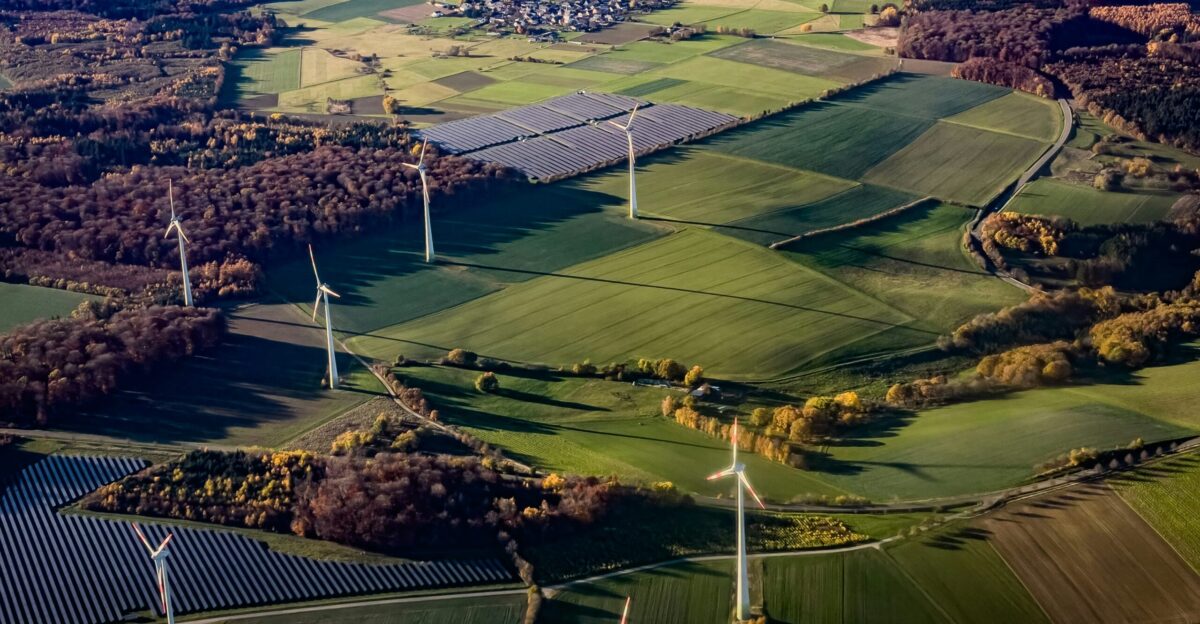
The answer came from the same location. Mitsubishi Power constructed two new combined-cycle natural gas turbine units at the IPP site, branded “IPP Renewed,” with a combined capacity of 840 megawatts. Unit 1 came online in October 2024; Unit 2 in December 2024. These aren’t coal burners—they’re flexible natural gas plants designed to run on a 30 percent hydrogen blend from day one, with a pathway to 100 percent hydrogen by 2045.
The $1.7 billion investment upgraded the facility from a coal-dependent dinosaur to a modern, adaptable power source. Power purchase agreements were extended through 2077.
The Battery Storage Boom That Changed Everything
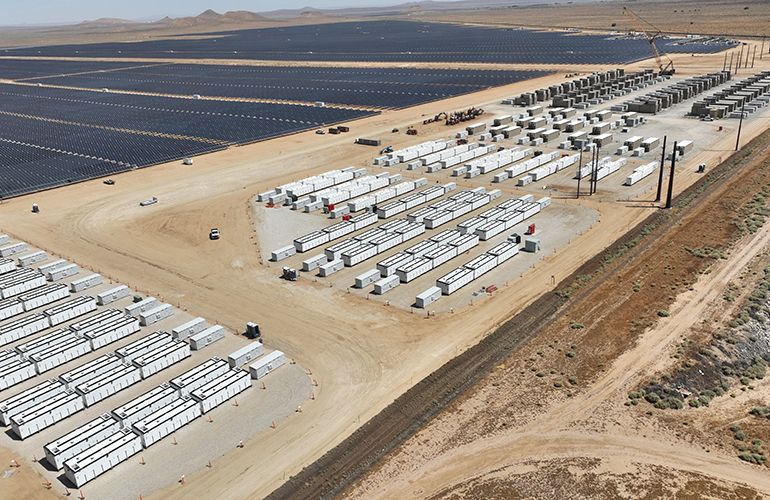
California deployed battery storage at a staggering scale. In 2019, the state had 803 megawatts of battery capacity on the grid. By November 2024, that number hit 16,942 megawatts—a 2,100 percent increase. These aren’t expensive experimental systems; they’re commercially deployed, interconnected, revenue-generating assets.
Battery storage now holds enough power to supply one-quarter of California’s peak electricity demand continuously. When the Intermountain coal units shut down, this battery network absorbed the load instantly.
The Eland Solar Center: 758 MW That Changed LA’s Energy Math
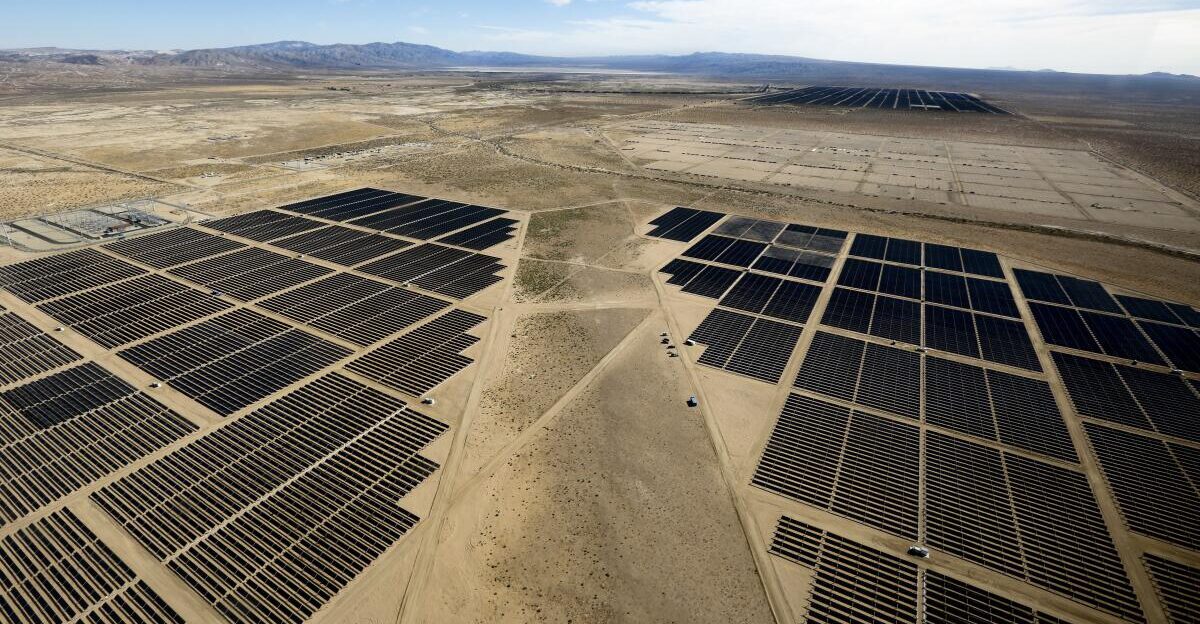
In August 2025, construction crews finished the Eland Solar-plus-Storage Center, a sprawling facility south of Los Angeles that represents the new energy paradigm. 758 megawatts of solar panels, paired with 300 megawatts of battery storage holding 1,200 megawatt-hours of energy. On a clear day, this single facility generates enough electricity to power approximately 260,000 homes in Los Angeles.
During peak discharge—when the sun sets but demand is at its highest—those batteries keep 400,000 homes lit. Eland alone supplies 7 percent of Los Angeles’ total power demand.
California Shattered Records in 2024 Clean Energy Deployment
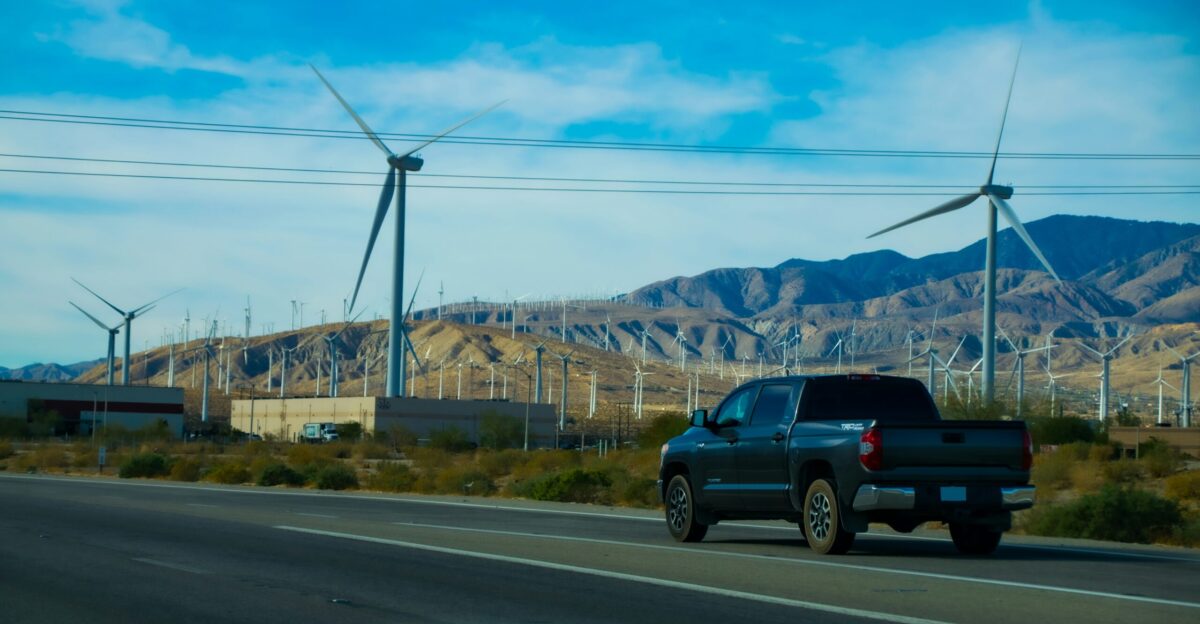
The state added 7,000 megawatts of clean capacity in 2024 alone—the largest single-year buildout in California history. Since 2019, California has added a total of 25,000 megawatts, predominantly from solar and battery sources. Solar now represents 21,000 megawatts of installed capacity, with an additional 19,000 megawatts hidden on rooftops and parking structures as behind-the-meter systems.
In 2024, renewable sources generated 67 percent of California’s electricity, up from 61 percent the year before.
How Green Hydrogen Becomes the Missing Piece
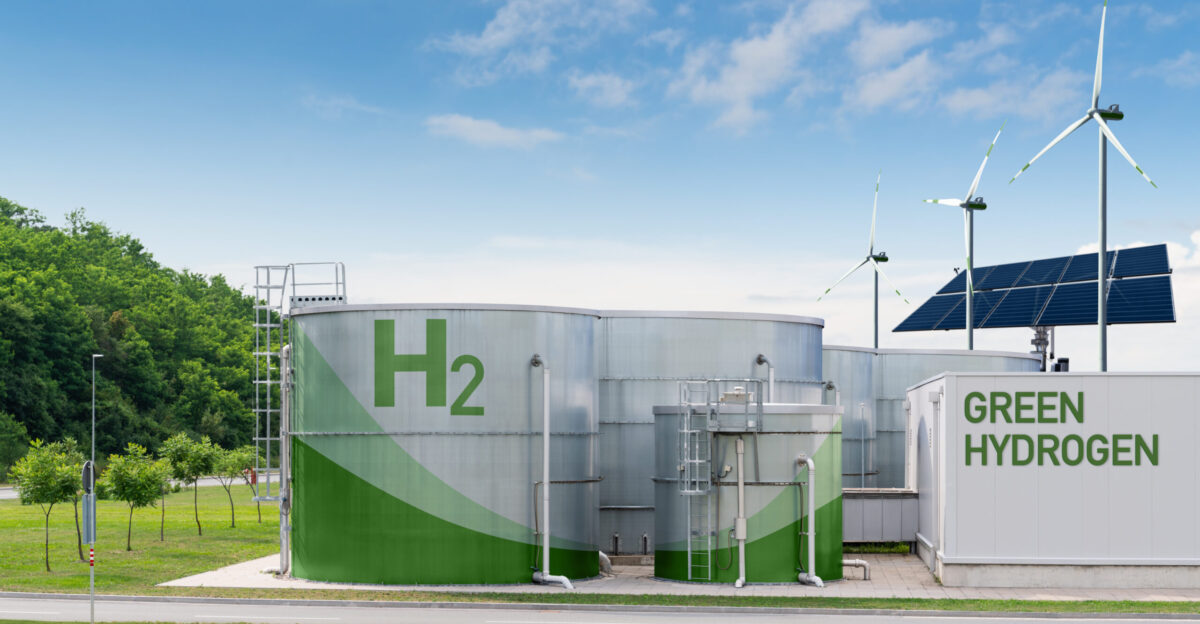
Adjacent to IPP Renewed sits the Advanced Clean Energy Storage (ACES) Delta facility, a 220-megawatt electrolyzer farm that will produce 100 metric tonnes of green hydrogen daily. The hydrogen gets compressed and stored in two colossal underground salt caverns, each holding 150 gigawatt-hours of energy. This is the game changer: batteries excel for a 4-hour duration.
Hydrogen storage can last for months or years. When winter clouds block solar for weeks and wind patterns shift, that stored hydrogen becomes dispatchable energy. The Department of Energy backed the project with a $504.4 million loan guarantee in June 2022.
The Economic Shift: 300 Coal Jobs Lost, But Where’s the Replacement?
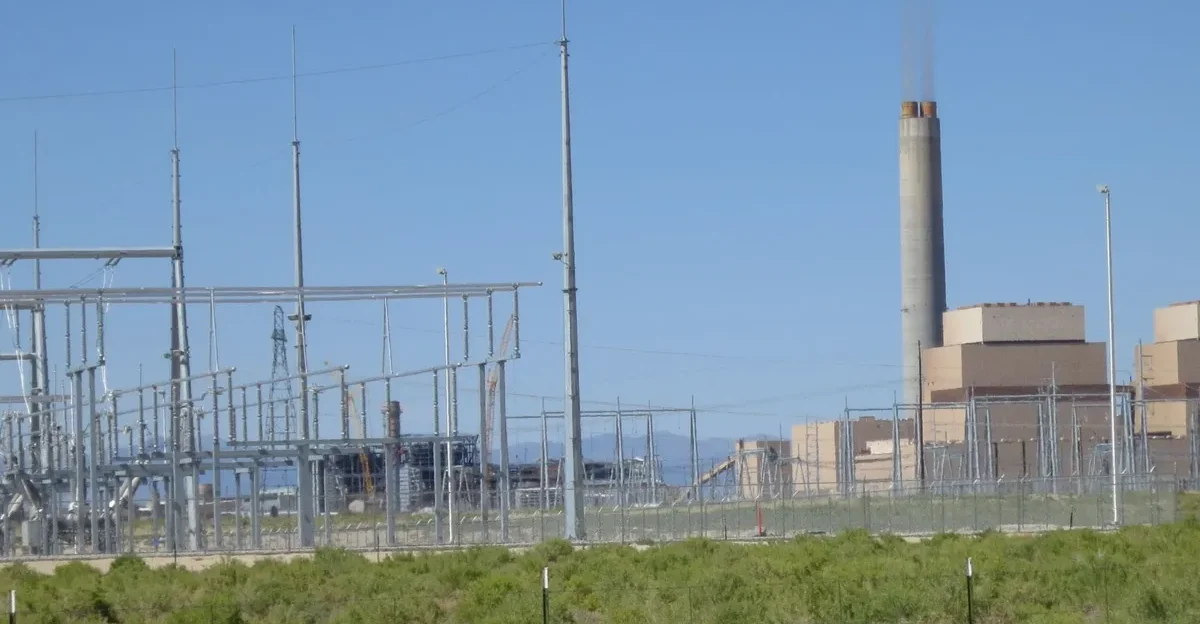
The original IPP coal operations employed roughly 300 workers. The new IPP Renewed facility requires only 180 workers—a net loss of 120 jobs in a region where coal has been the economic anchor. Construction employment peaked at 2,000 workers during the 2022–2026 buildout phase, providing temporary stimulus to Delta, Utah. For tiny Millard County, those 450 average annual construction jobs represented 10 percent of the county’s total employment.
But once construction finished? The permanent job count shrank. The ACES Delta hydrogen facility will create 25 permanent positions, offsetting some losses but not replacing them entirely.
Expert Voices: Why Nobody’s Worried About Reliability
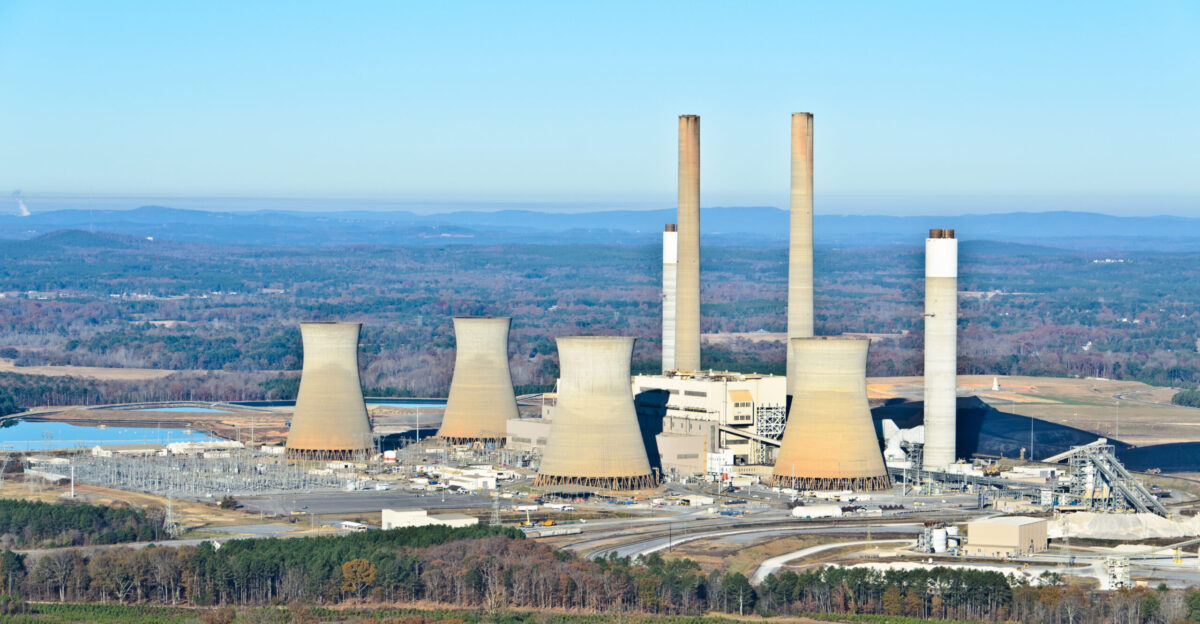
Zack Waterman, Western Manager for the Sierra Club’s Beyond Coal Campaign, captured the significance bluntly: “On one of the biggest holidays of the year, people’s lights stayed on and no one noticed that these coal units went offline. That silence speaks volumes”. California avoided issuing a single Flex Alert for voluntary conservation throughout 2024—the third consecutive year without emergency conservation measures.
This matters because Flex Alerts were once routine during summers, signaling grid strain. Their absence indicates structural grid stability.
The National Picture: Coal Retirements Accelerating Despite Political Resistance
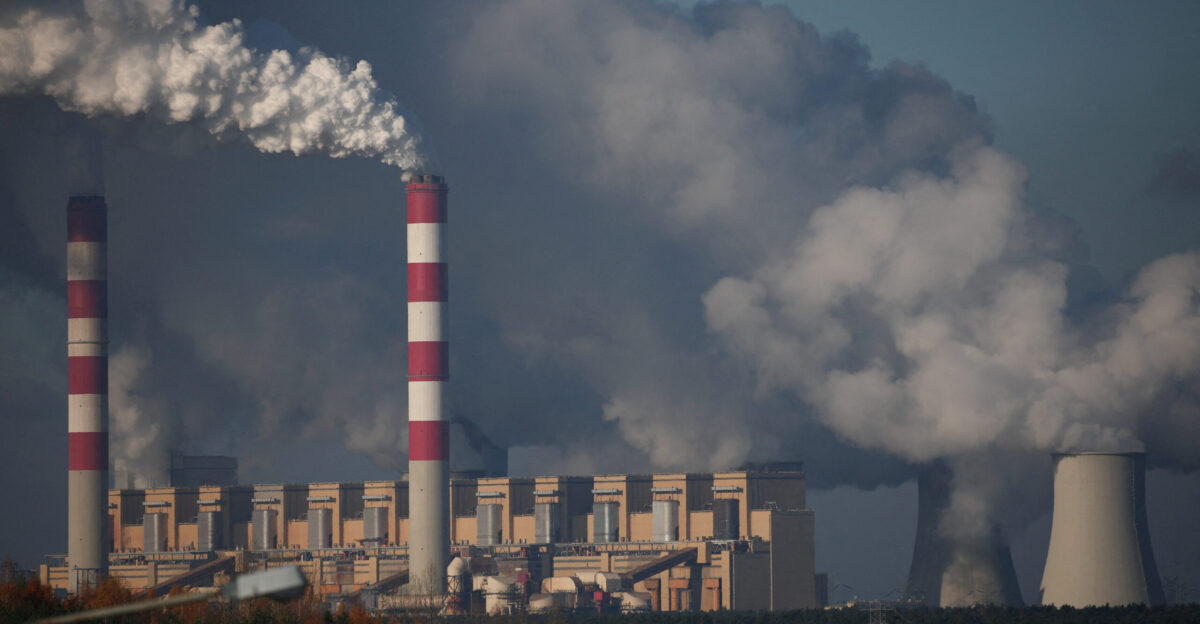
Across the United States, 34 coal-fired units are scheduled for retirement in 2025, eliminating 14,532 megawatts of summer generating capacity. That’s four times the capacity retired in 2024. The retiring units consumed 39.6 million short tons of coal in 2023 alone. The U.S. Energy Information Administration projects total U.S. coal capacity will plummet from 172 gigawatts in May 2025 to 145 gigawatts by the end of 2028.
Fifty-eight percent of these retirements cluster in Midwest and Mid-Atlantic regions.
The Trump Administration’s Coal Lifeline Faces Market Reality
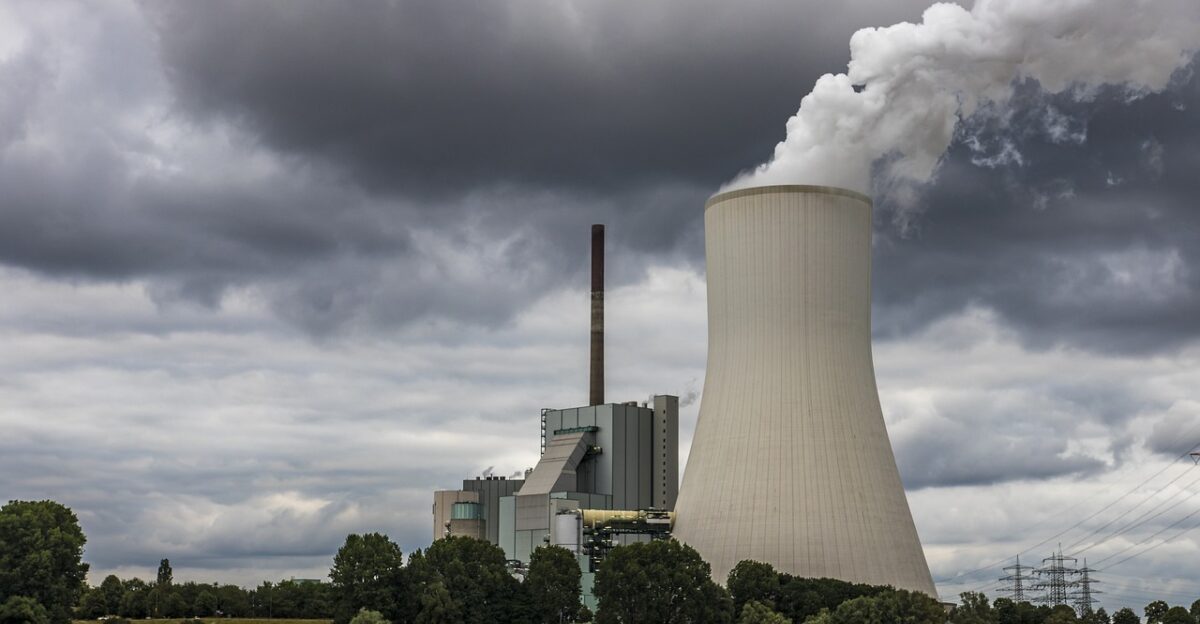
Federal intervention can delay individual coal plant retirements through emergency orders, but it cannot reverse the fundamental economics driving the shift away from coal. Clean energy is now the cheapest electricity source globally—cheaper than coal, cheaper than natural gas in most U.S. markets.
Battery storage costs have plummeted 93 percent since 2010, making long-duration storage economically competitive with fossil fuel peaker plants. State-level policies mandating clean energy penetration targets—particularly California’s binding goal of achieving 100 percent carbon-free electricity by 2045—create investment certainty that private companies rely on for multibillion-dollar projects.
What Happens to the Idle Coal Units Now?
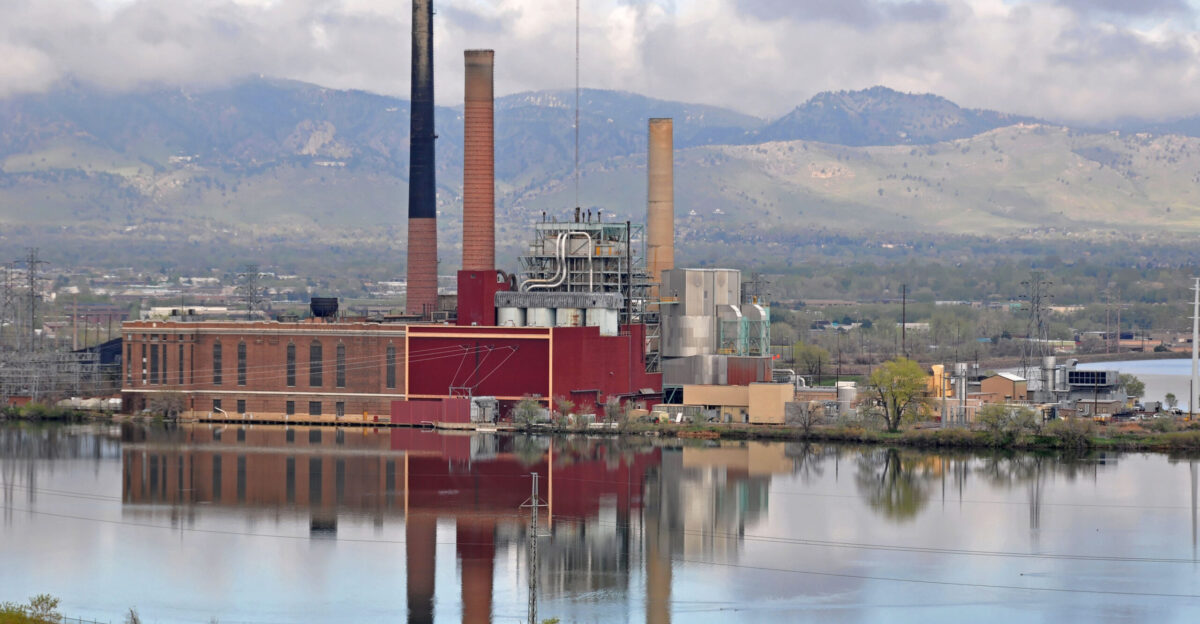
The two coal units sit connected but dormant at the IPP site, legally required to remain “functional and usable” under Utah law. This creates a unique problem: who pays for maintaining equipment that nobody operates? The costs are substantial—security, environmental monitoring, equipment preservation—with zero revenue. The Intermountain Power Agency must cover these expenses while searching for buyers.
No company has stepped forward. The structure of electricity markets makes coal uneconomical: natural gas plants are more flexible, renewables are cheaper, and batteries respond faster.
California’s Path to 100 Percent Clean Electricity Becomes More Tangible
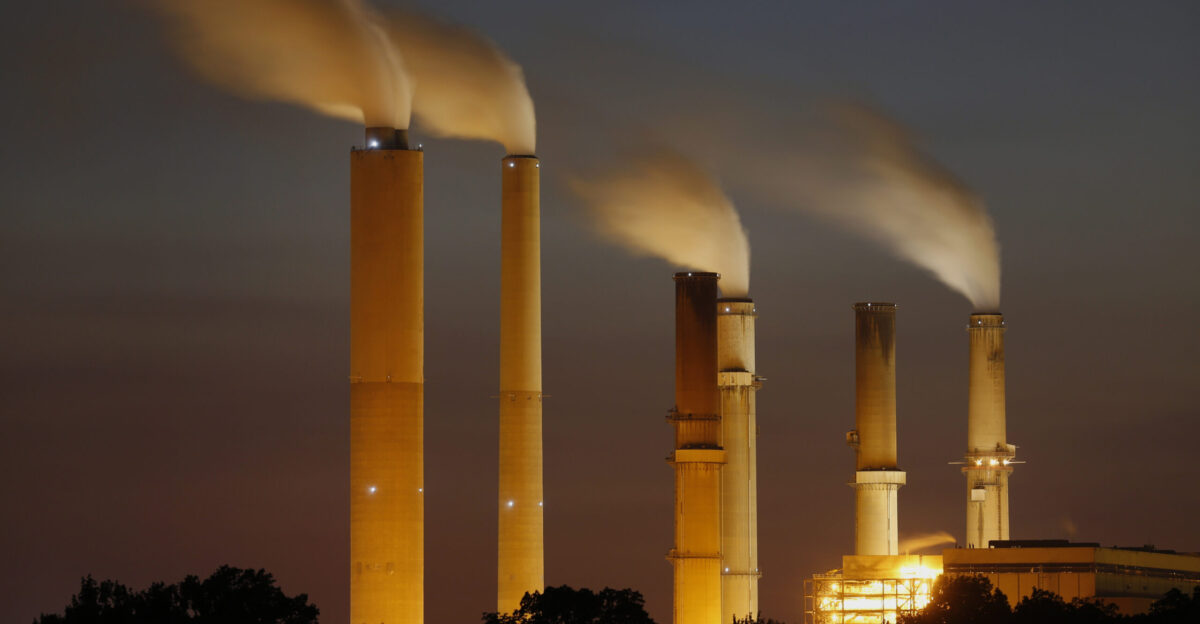
With coal gone and renewable deployment accelerating, California’s 2045 goal of 100 percent carbon-free electricity shifted from ambitious to achievable. Los Angeles specifically targets 100 percent clean energy by 2035, ten years ahead of schedule. The Intermountain coal retirement removed a major source of emissions; replacing it with renewables and storage reduces greenhouse gas output while maintaining reliability.
California’s experience provides a replicable model for other major metropolitan areas considering aggressive decarbonization. The IPP transition—from coal to gas-hydrogen hybrids to storage to green hydrogen—demonstrates that large-scale facilities can evolve rather than be abandoned.
Sources:
CleanTechnica, “Largest Utah Coal Plant Goes Quiet as Los Angeles Goes Coal-Free” (December 6, 2025)
Los Angeles Times, “Los Angeles says so long to coal” (December 4, 2025)
Utah Foundation, “The Economic Impacts of the IPP Renewed Project” (October 3, 2021)
U.S. Department of Energy, “Advanced Clean Energy Storage” Loan Guarantee Program (June 2022)
California Energy Commission, “California’s Battery Storage Fleet Continues Record Growth, Strengthening Grid” (November 12, 2025)