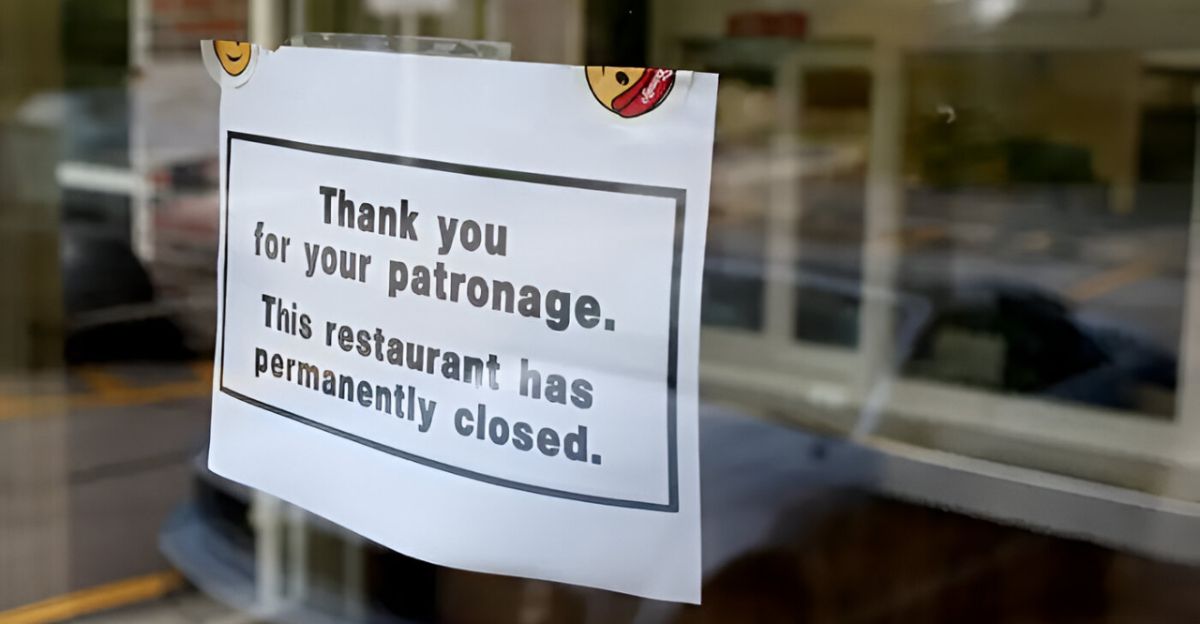
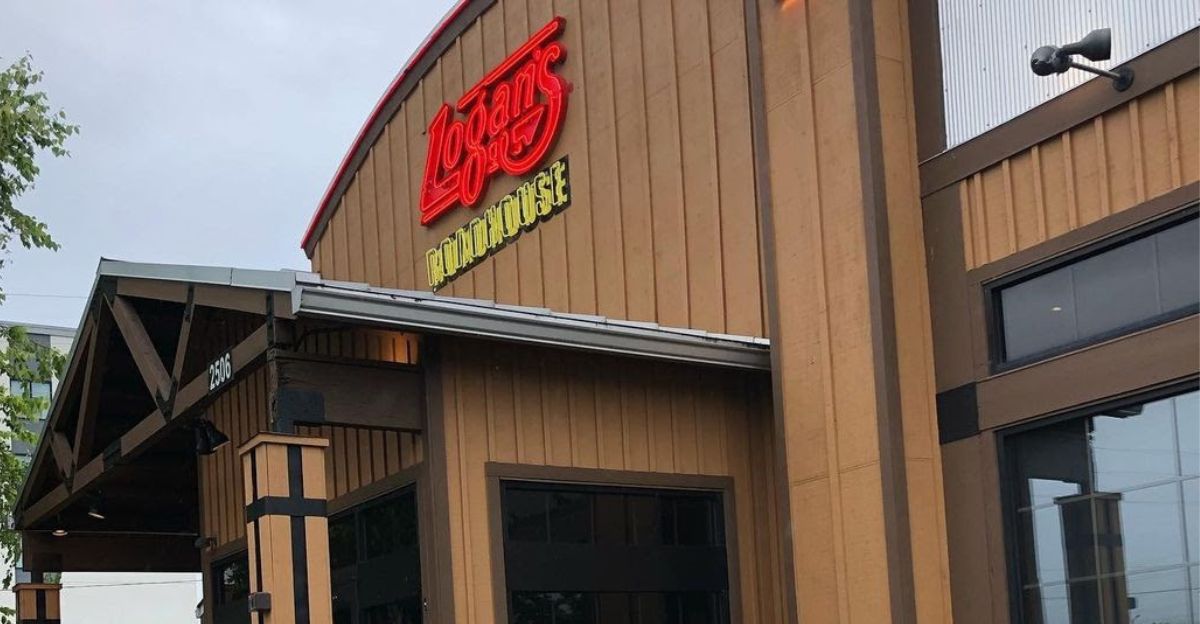
Logan’s Roadhouse once held the title of America’s largest steakhouse chain, with more than 600 buzzing locations across the country. Then, almost overnight, the empire crumbled. The closure of Logan’s Roadhouse happened with breathtaking speed. Within just a few days, workers showed up to find locked doors, dark kitchens, and corporate silence.
By early 2020, the company that once dominated casual dining had vanished from the map, leaving millions of guests wondering how something so big could go so wrong so fast.
Shutdowns That Happened Overnight
The phrase overnight shutdown wasn’t an exaggeration, it was reality. According to Restaurant Business Online, the company announced it would temporarily suspend operations due to bankruptcy, but the shutdown soon became permanent.
For employees, it wasn’t just a lost paycheck, it was the end of a chapter they didn’t know was closing. That disorienting speed remains one of the most shocking elements of the collapse.
20,000 Jobs Gone in a Week
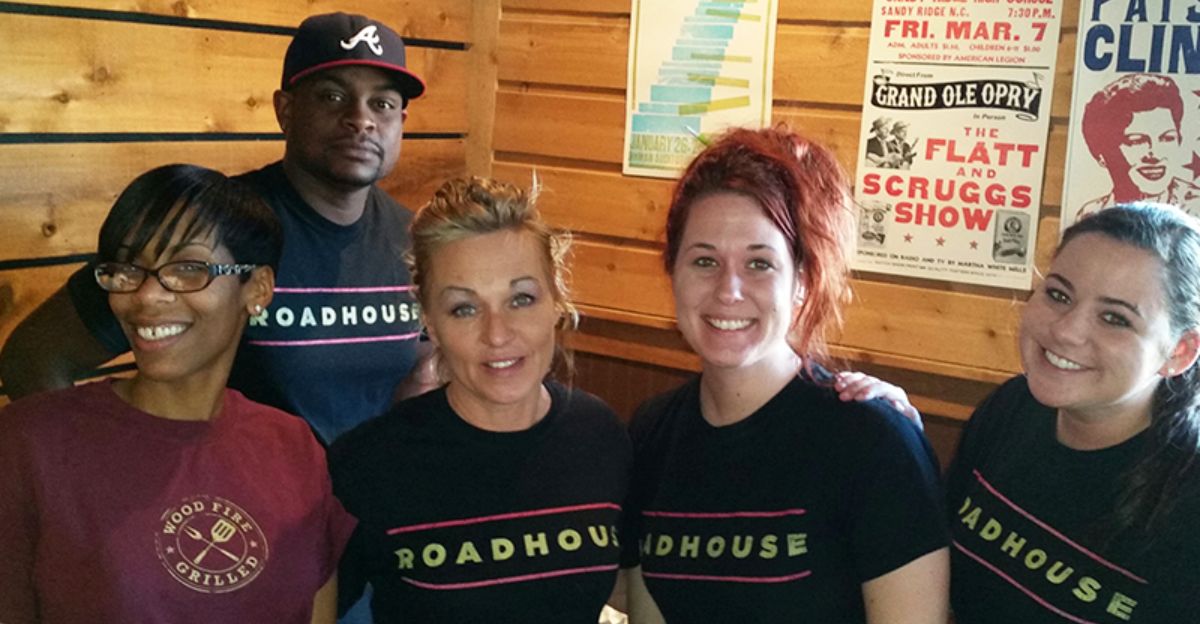
Nearly 20,000 people suddenly found themselves jobless when Logan’s Roadhouse shut down. The speed and scale of the layoffs left workers stunned. Cooks, servers, managers, and bartenders lost not only their income but also their health insurance, benefits, and sense of community. Mass layoffs of this size are virtually unheard of in the restaurant industry outside of major corporate takeovers.
For an industry already marked by instability, losing 20,000 jobs in under a week exposed just how vulnerable food service workers are to sudden financial crises and corporate decisions beyond their control.
600 Restaurants Erased
In just a blink, over 600 Logan’s Roadhouse locations disappeared from the American landscape. Families celebrated birthdays there, sports teams ate there after games, and local economies benefited from hundreds of jobs in each community.
Once those locations shut, entire shopping centers took a hit. The ripple effect went beyond employees as landlords, vendors, and neighboring businesses lost vital revenue streams.
Bankruptcy Sparks the Shutdown
When CraftWorks Holdings, the parent company of Logan’s Roadhouse, filed for Chapter 11 bankruptcy in March 2020, the move sealed the chain’s fate. Chapter 11 is meant to help companies reorganize debt, but in Logan’s case, it triggered mass closures.
Executives cited immediate financial strain and operational impracticality in court filings. Investors pulled out, credit lines froze, and corporate leadership saw no way to keep doors open.
COVID-19 Strikes the Final Blow

Though Logan’s Roadhouse had been struggling before 2020, the pandemic was the knockout punch. Nationwide lockdowns and dine-in restrictions sent sales plummeting. Like many full-service restaurants, Logan’s relied heavily on in-person dining and bar traffic, two areas devastated by social distancing.
While curbside pickup and delivery worked for some chains, Logan’s lacked the digital infrastructure to pivot quickly.
Workers Left Without Warning
When Logan’s shut down, many employees said they had no idea it was coming. One day they were flipping steaks and serving tables, the next, their workplace was gone. Some arrived for their shifts to find locked doors and dark kitchens.
The closure announcements came through mass texts, emails, or not at all. Workers described a mix of anger, fear, and disbelief. For thousands of people, Logan’s wasn’t just a job, it was a second home. Losing it with no warning left lasting emotional scars and dashed the trust many had in corporate employers.
Communities Across the Nation Impacted
Many towns, especially smaller ones, had few big restaurants, and Logan’s often served as the main gathering place. When the chain vanished, those towns felt the loss deeply. Economic research from The National Bureau of Economic Research found that restaurant closures like Logan’s can cut local employment by up to 3 percent in the near term.
The WARN Act and Worker Rights
Under U.S. law, the WARN Act (Worker Adjustment and Retraining Notification) requires large employers to give at least 60 days’ notice before major layoffs. In Logan’s case, the pandemic and bankruptcy complicated compliance.
CraftWorks Holdings said it followed legal procedures where applicable, but confusion reigned. Many employees said they were unaware of the WARN Act or whether their location qualified.
Why Big Chains Are Still Vulnerable
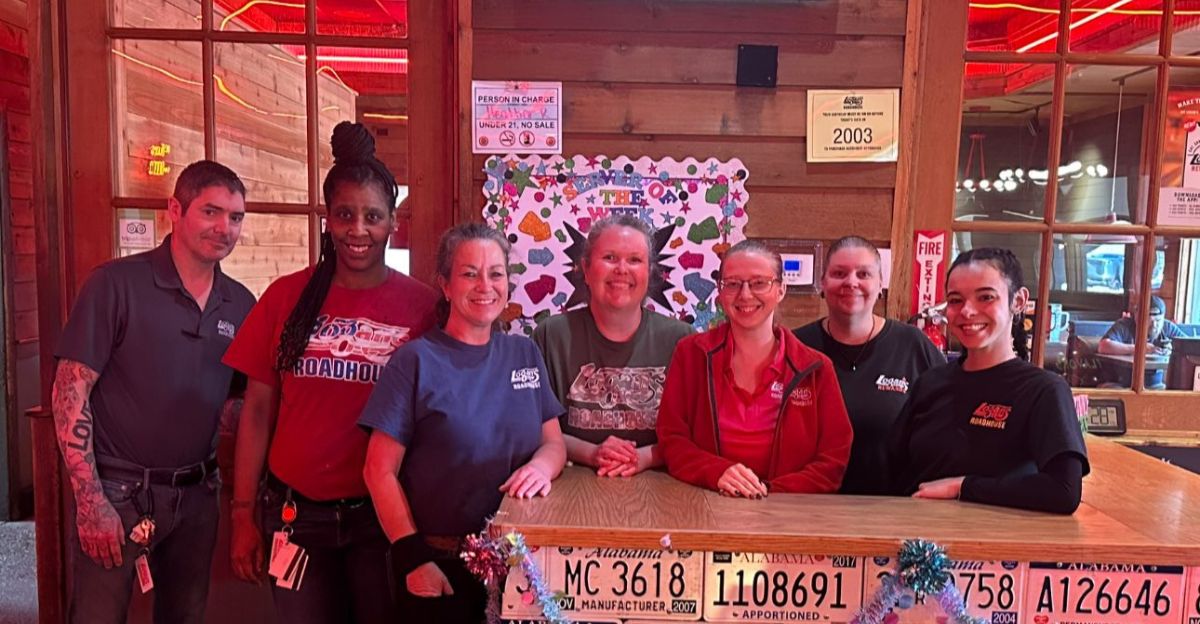
Logan’s collapse showed that even large, well-known restaurant brands can crumble under sudden stress. Being big doesn’t mean being safe. The restaurant industry’s high overhead, razor-thin margins, and debt-heavy models make even strong chains fragile during crises.
Logan’s was highly leveraged, meaning it owed more money than it could manage when COVID-19 halted sales. Its fall became a warning to other national brands about relying too much on expansion without stability.
Inside the Meltdown
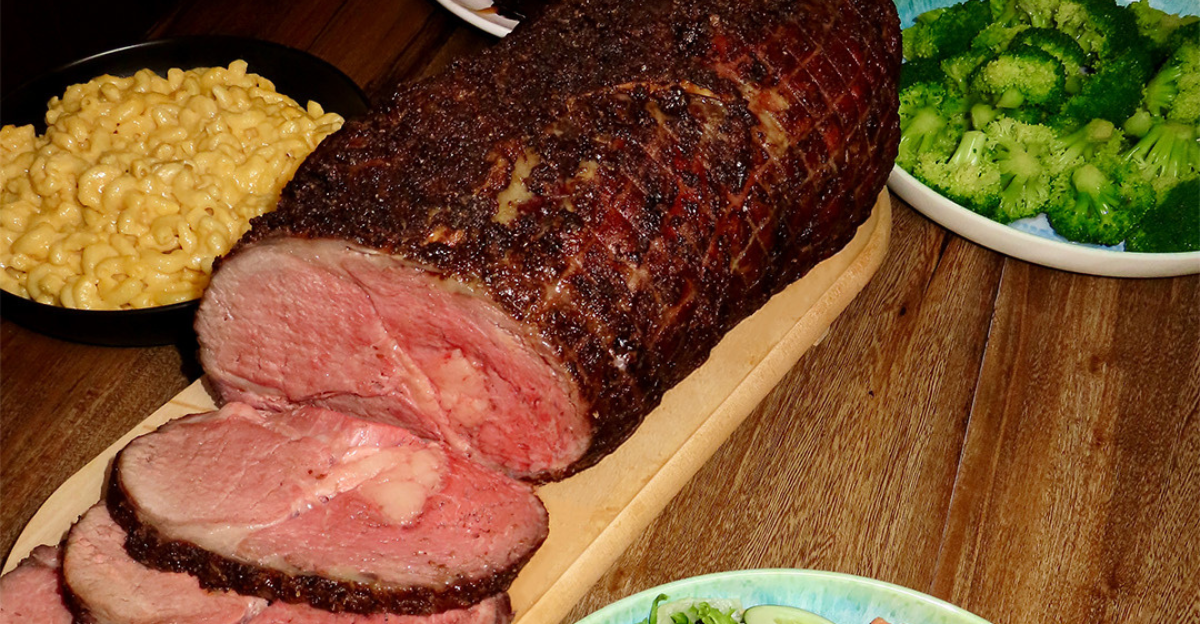
Behind the closed doors, Logan’s had been struggling for years. Before the pandemic, the company had major debt, competition from fast casual dining spots, and inconsistent management. Operational issues, menu fatigue, and falling profits made the chain vulnerable.
Then, when the pandemic hit, everything came crashing down. Financial filings revealed that sales had already fallen nearly 11 percent in 2019. The virus wasn’t the sole killer, it was the last straw that revealed how much weight Logan’s had been carrying.
Analysts Fear a Domino Effect
When Logan’s fell, many experts warned it might not be the last. The early months of the pandemic were already tough on restaurants, and Logan’s bankruptcy signaled how deeply the entire sector was hurting.
Analysts predicted more big chains could follow if lockdowns and economic pressures continued. Indeed, several others, with Ruby Tuesday and Sizzler among them, later faced restructuring or closures.
Franchise Complications
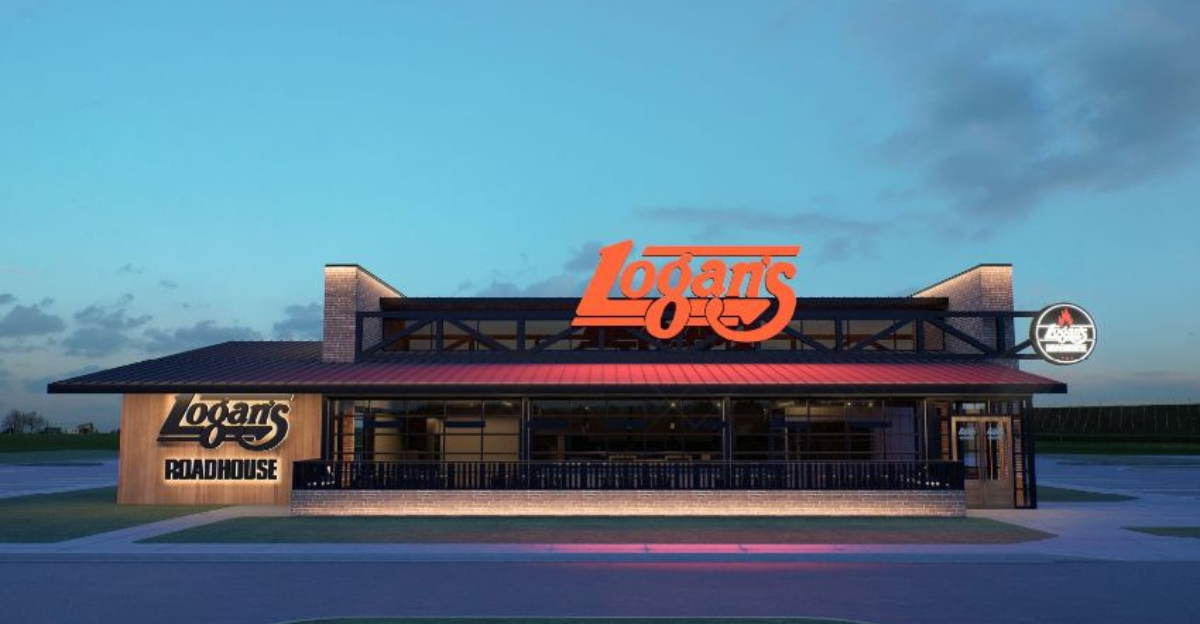
Not every Logan’s location was corporate-owned, some were franchised, meaning local business owners paid to operate under the Logan’s name. When the doors shut, the differences between corporate and franchise stores created confusion. Franchise owners faced legal uncertainty about whether they could reopen, rebrand, or continue operations independently.
Without corporate support, many couldn’t access supply chains or use the company logo. It exposed just how tangled franchise relationships can become when a parent company collapses.
Gift Cards Turned to Dust

Thousands of customers were left holding unused Logan’s Roadhouse gift cards after the closure. In most cases, those cards became worthless. Without active operations or bankruptcy court approval, refunds were not guaranteed.
Gift card owners had few legal rights since the brand had no functioning entity to honor them. Consumer protection agencies reminded buyers that gift cards are unsecured, meaning they carry no federal insurance or guarantee.
From Growth Story to Business Case
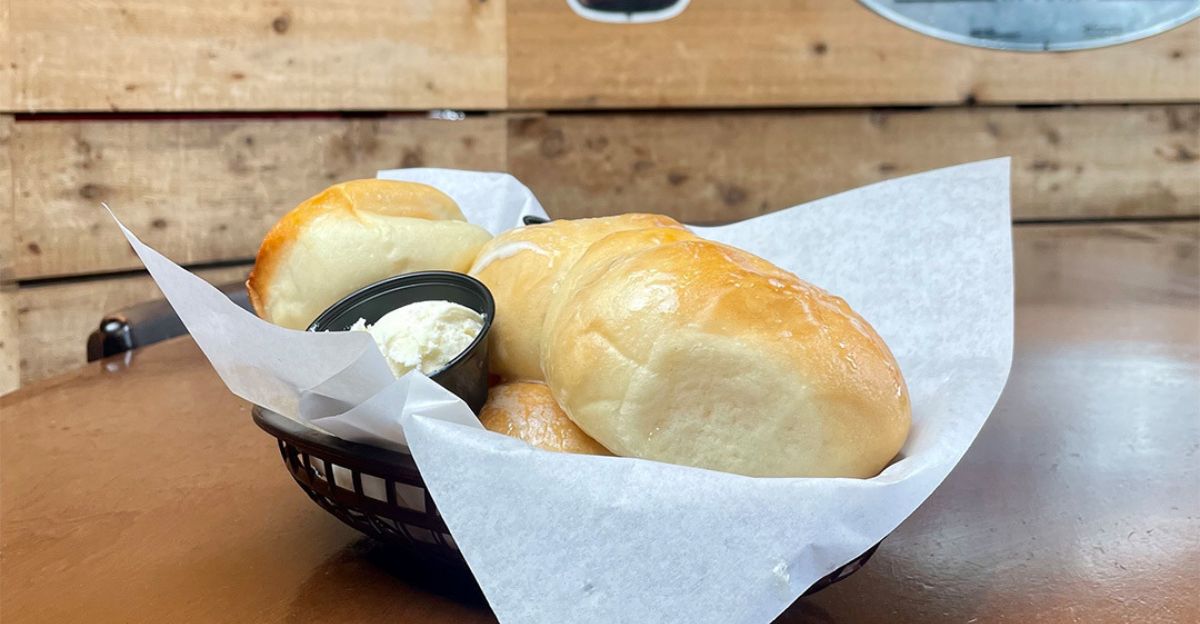
Logan’s Roadhouse began in 1991 with a simple idea, a laid-back, affordable steakhouse where anyone could feel at home. It grew rapidly through the 1990s and early 2000s, backed by major private equity investments and an expansion-first mindset.
At its peak, Logan’s was a staple of American roadside dining. But that same speed of growth became its weakness. Operational costs rose faster than profits, and new competitors like Texas Roadhouse chipped away at its market share.
Emotional Toll on Workers
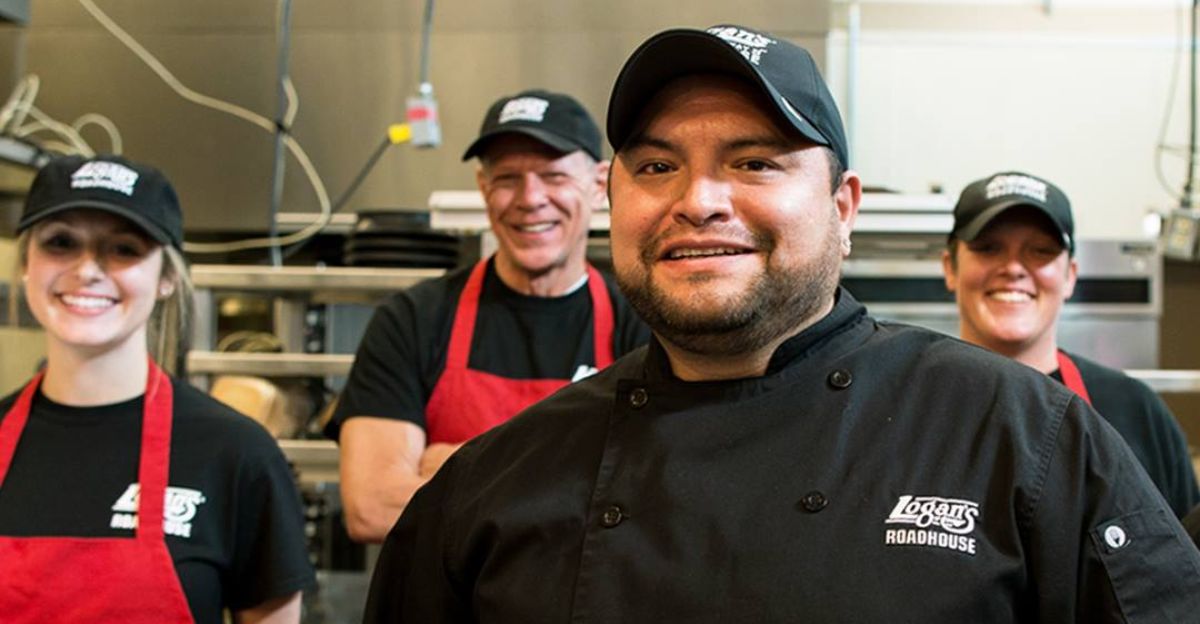
For the people behind the aprons, the collapse of Logan’s was more than financial, it was personal. Many employees lost health insurance and retirement benefits overnight. Others described years of loyalty being repaid with silence. Mental health advocates pointed out that sudden layoffs often lead to depression, anxiety, and household instability.
Restaurant work often creates family-like bonds, and losing that community so abruptly hurt deeply. The loss became both professional and emotional for thousands who once called Logan’s home.
The Ripple Effect on Suppliers

The sudden collapse of Logan’s Roadhouse didn’t just affect staff. Farmers, food distributors, cleaning services, and trucking companies all took major hits. Many of these small suppliers depended heavily on Logan’s weekly orders for their survival. When the chain shut down, unpaid invoices piled up, and contracts were abruptly frozen.
Many suppliers had little recourse, as restaurant bankruptcies typically prioritize corporate creditors. The collapse exposed how interconnected the restaurant ecosystem really is.
Government Help and Its Limits
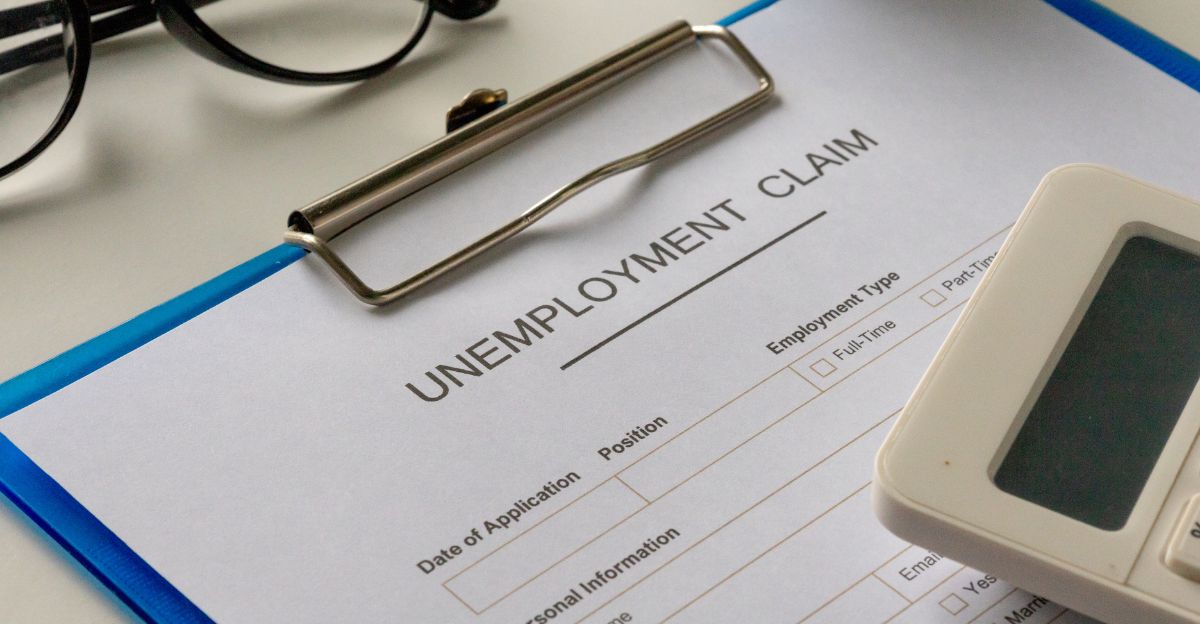
As Logan’s closed down, thousands of former employees and vendors scrambled for aid. State unemployment offices saw a surge in claims, while federal agencies tried to interpret how the chain’s bankruptcy overlapped with COVID-19 regulations. The U.S. Department of Labor confirmed that affected workers could apply for extended unemployment benefits under pandemic relief programs, yet many reported long delays and confusion.
Relief efforts were stretched across multiple states, and communication gaps worsened the chaos. The Logan’s case became an example of how unprepared employment networks were for mass business failures at that scale.
Competitors Rush to Fill the Gap
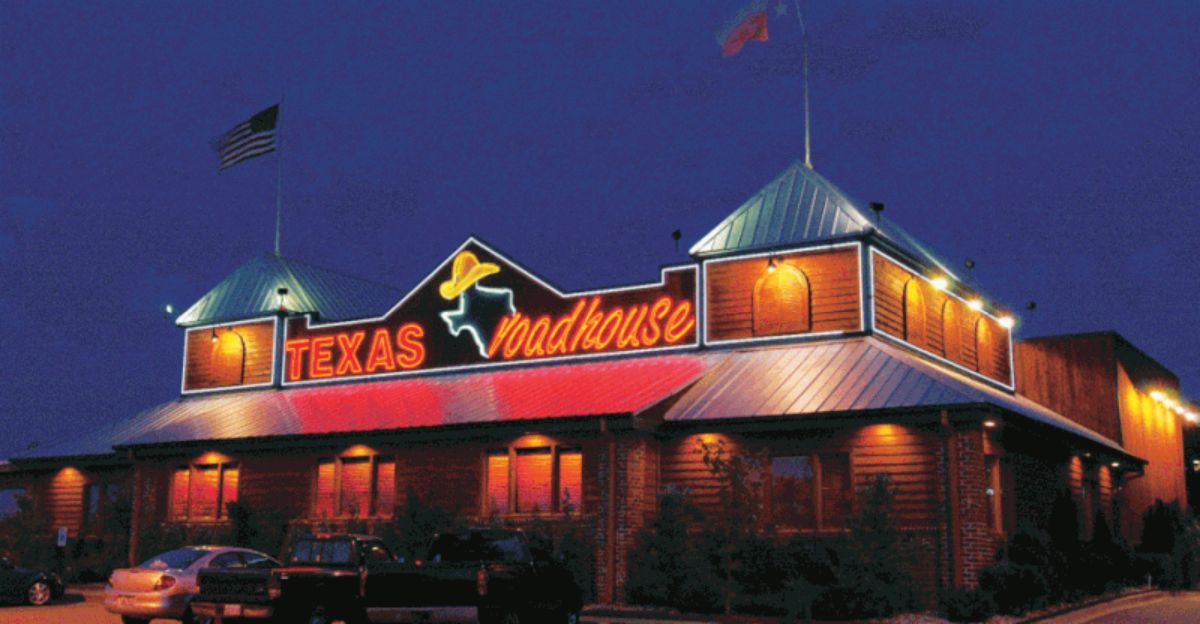
With Logan’s gone, other chains and local restaurants quickly stepped in. Competitors like Texas Roadhouse and LongHorn Steakhouse began hiring displaced Logan’s employees, while independent restaurateurs tried to purchase or lease former locations.
Some companies used the opportunity to expand their footprint cheaply, while others drew in loyal Logan’s fans with similar menus. The market shifted almost overnight, proving how flexible and fast-moving the food industry can be.
Lessons for the Future

Experts say the fall of Logan’s Roadhouse provides a lasting lesson in corporate survival. Rapid expansion, heavy debt, and weak crisis planning can destroy even the strongest brands.
Today, the industry is shifting toward leaner operations, digital ordering, and adaptable models that can survive sudden market changes. Logan’s story remains a cautionary tale about what happens when growth outruns strategy.