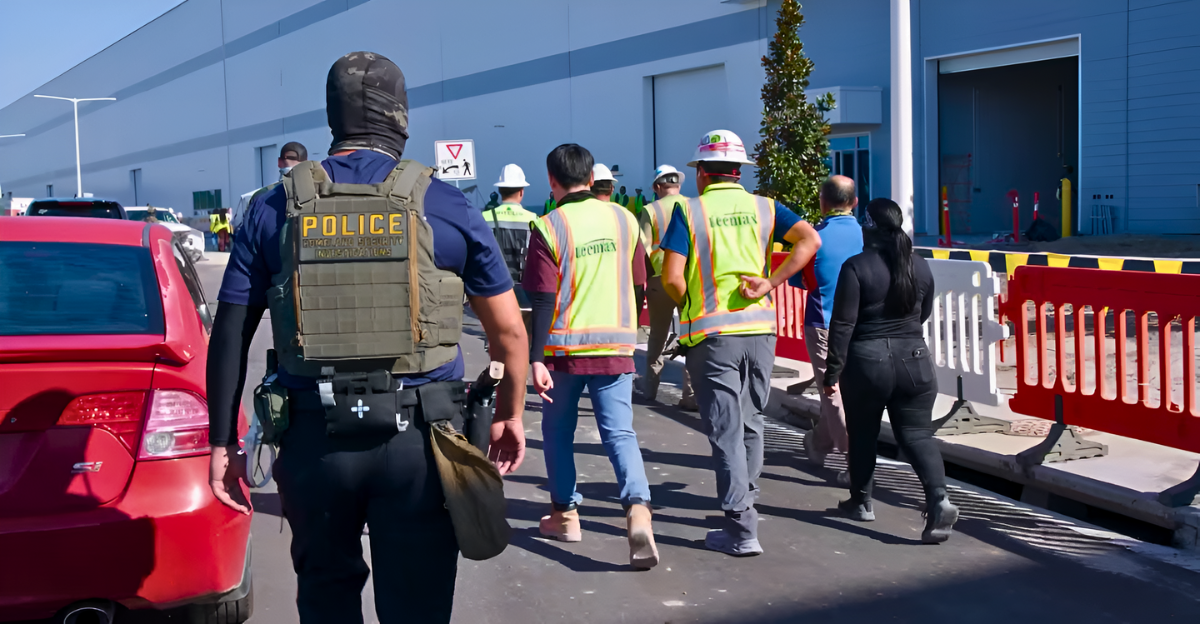
A record-breaking immigration enforcement operation rattled the electric-vehicle industry in early September. Federal agents swarmed a sprawling Hyundai–LG battery plant under construction in rural Georgia.
Officials later confirmed it was the largest single-site workplace sweep in U.S. history.
At dawn on Sept. 4, armored vehicles and tactical teams descended on the plant, detaining 475 workers suspected of visa violations. The unprecedented scale of the arrests sent shock waves through business and political circles, prompting urgent diplomatic calls between Washington and Seoul.
Unprecedented Scale
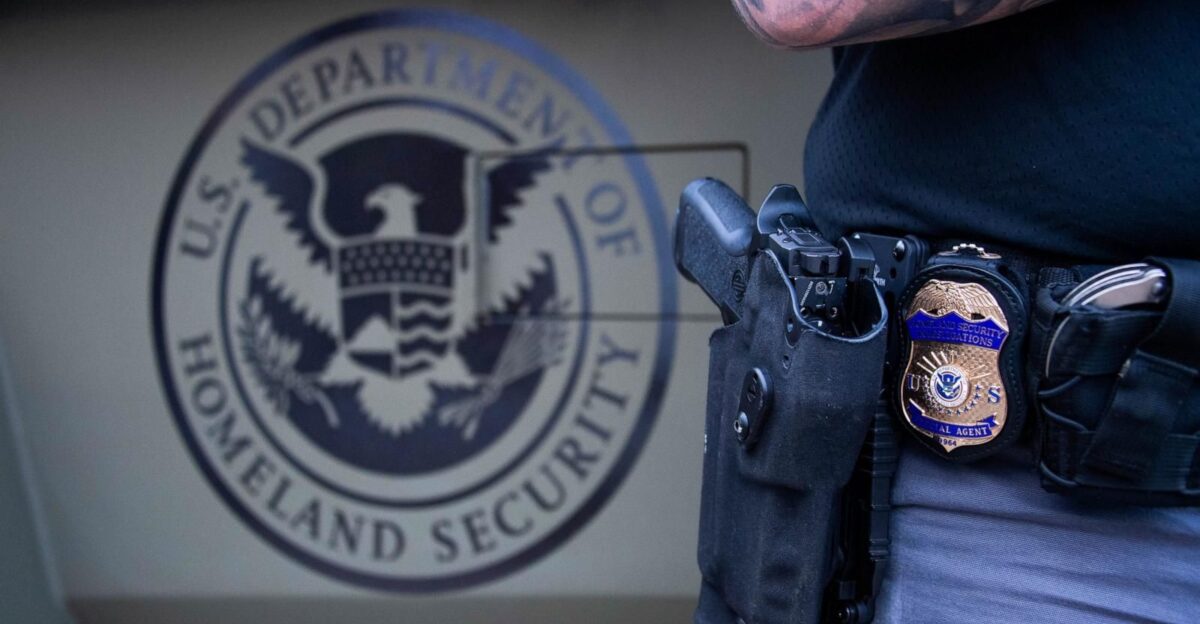
Homeland Security investigators said this was the largest-ever ICE enforcement action at a single location.
Over 400 agents from ICE, FBI, DEA, ATF, and other agencies carried out a coordinated raid at the Georgia construction site. In total, 475 people were detained – roughly four times a typical day’s ICE arrests – including over 300 South Korean nationals.
The sheer numbers underscored a dramatic escalation in workplace enforcement targeting foreign technical workers.
Industrial Context
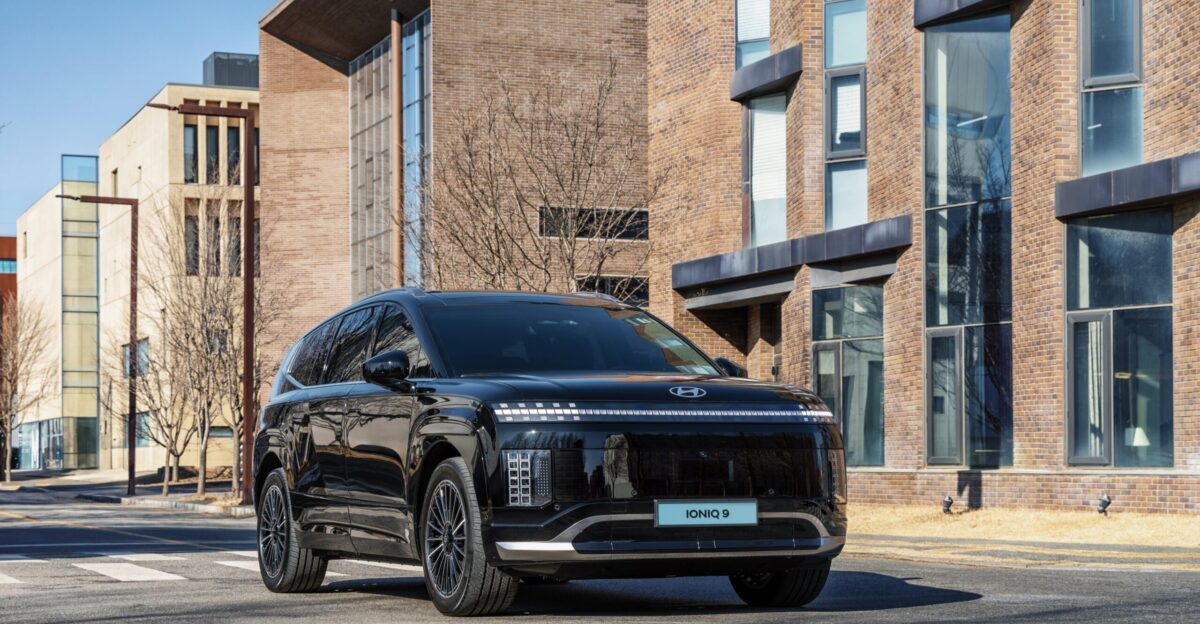
The site is part of Georgia’s biggest-ever economic development project: Hyundai’s $7.6 billion EV assembly factory paired with a new $4.3 billion battery plant built with LG.
Construction began in 2022 under a federal initiative to onshore critical auto supply chains, promising around 300,000 battery packs per year and thousands of American jobs.
The Ellabell complex was designed to support Hyundai’s growing U.S. EV lineup, making it a showcase of U.S.–Korea industrial cooperation. Its strategic importance heightened the fallout when enforcement swept in.
Rising Pressure
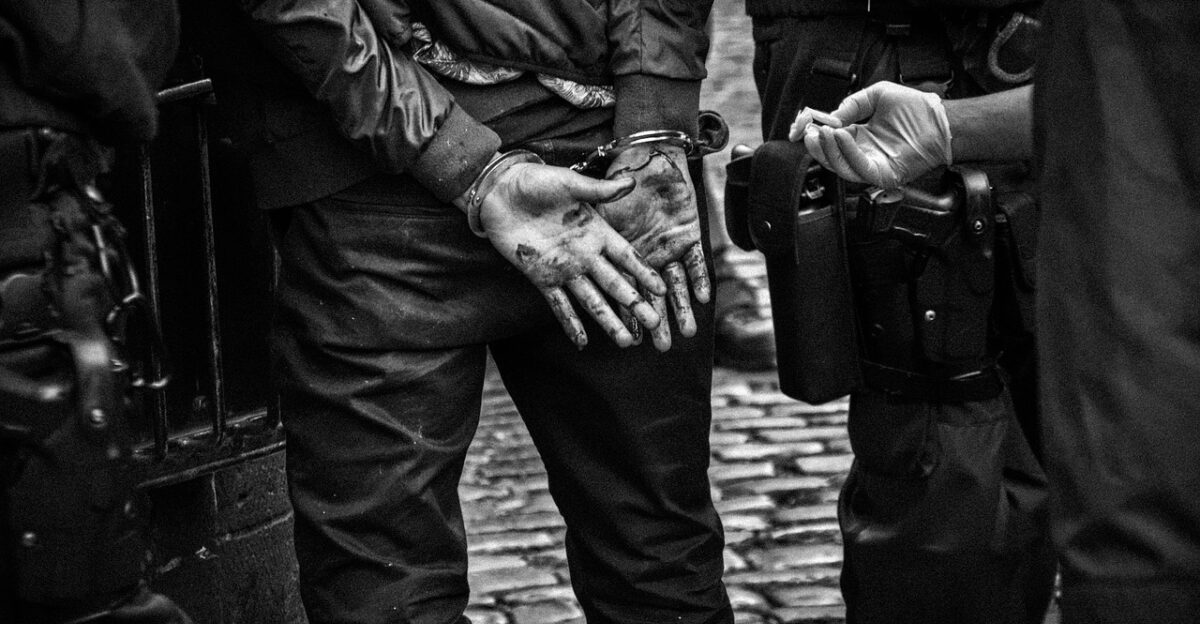
The raid occurred amid a nationwide spike in workplace enforcement. Under the Trump administration, ICE arrests reached over 1,100 per day by mid-2025 – roughly four times the rate under the previous administration.
Border-security hard-liners even set quotas as high as 3,000 arrests per day. Critics noted that routine technical transfers were suddenly in the crosshairs.
One senior official defended the crackdown on television, bluntly saying companies “hire [undocumented workers] because they can work them harder, pay them less” – undercutting U.S. wages. This hardline stance had already made foreign firms, especially Korean manufacturers, nervous about sending specialists to U.S. projects.
The Raid Unfolds
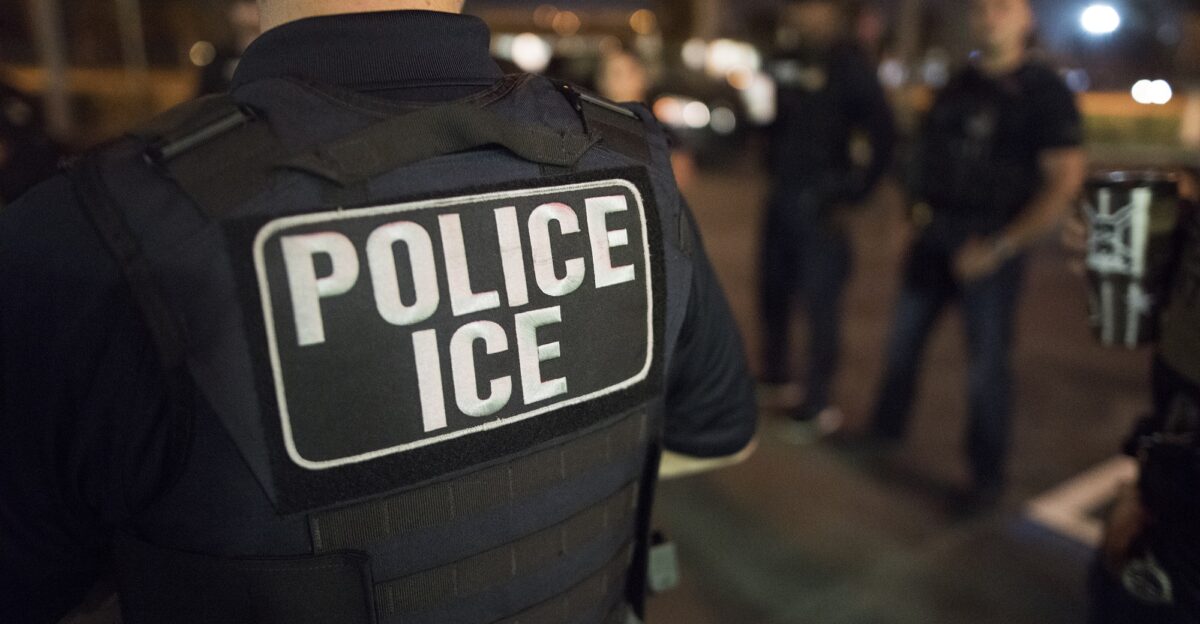
Just before dawn, hundreds of ICE and federal agents in tactical gear encircled the Hyundai–LG construction site. Within minutes, they swept through the camp. By midday, 475 workers had been arrested on charges of visa and labor-law violations.
Most of those detained were foreign technicians – roughly 320 from South Korea and others from India, Mexico, and elsewhere – many of whom were engineers installing specialized equipment.
ICE officials later described the operation as “the largest enforcement operation at a single site in DHS history”.
Regional Impact
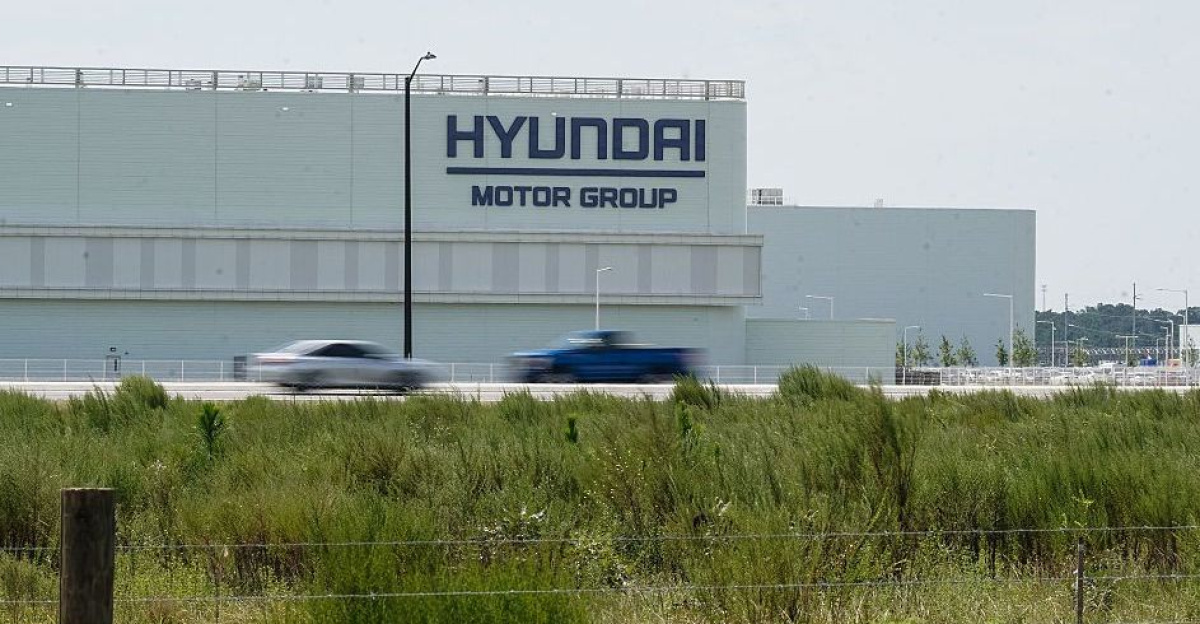
Construction at the Ellabell plant immediately ground to a halt. Hyundai and LG ordered workers off-site and suspended related activities nationwide; workers were abruptly flown home from sister battery projects in Michigan, Ohio, and Arizona.
Contractors at other big sites cleared out quickly, fearing similar raids. Even local officials in rural Bryan County were stunned: state troopers had blocked highways to the plant as the armored convoy rolled in.
The $4.3 billion battery project was effectively frozen, forcing authorities and contractors to scramble over the fallout in a quiet farming community.
Human Drama
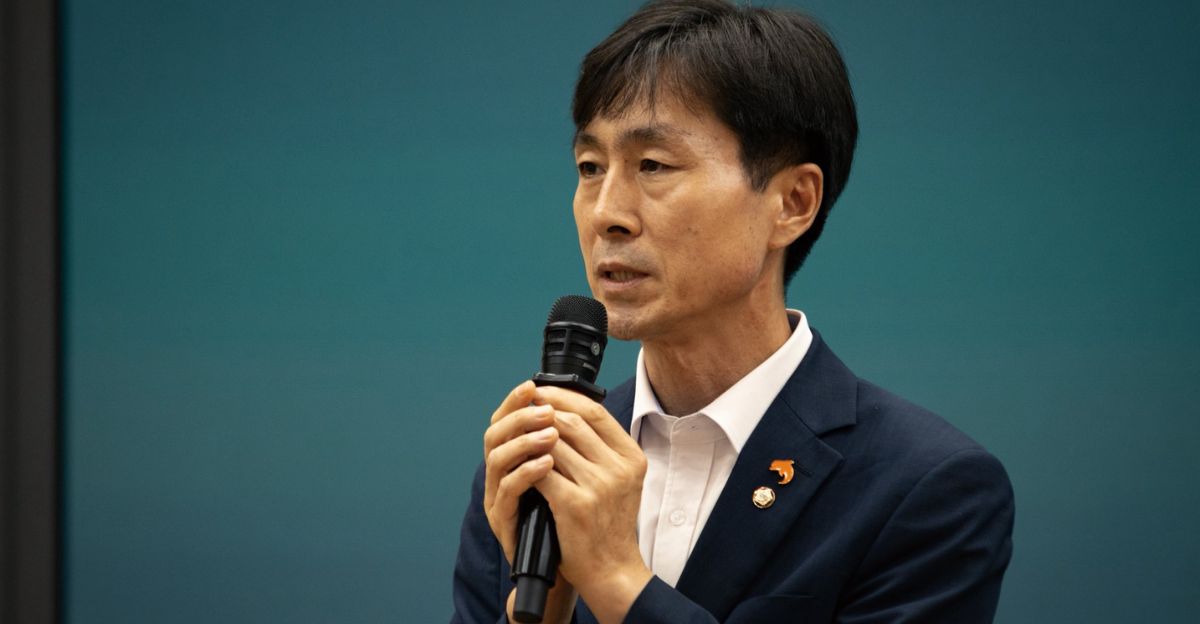
The human cost was immediate. South Korean families watched in horror as relatives were shown in handcuffs on live video. Labor leaders in the U.S. condemned the tactics: Georgia AFL-CIO president Yvonne Brooks said the raid felt like “an ongoing campaign of harassment” that terrifies immigrant workers and their families.
In Seoul, Labor Minister Kim Young-hoon – himself a former union leader – said he was “shocked” by the images, noting “not even prisoners of war would be treated like that”.
Those words echoed through Korean media, which framed the incident as a matter of national dignity. Many of the workers later described lingering fear and anger from their ordeal.
Corporate Fallout
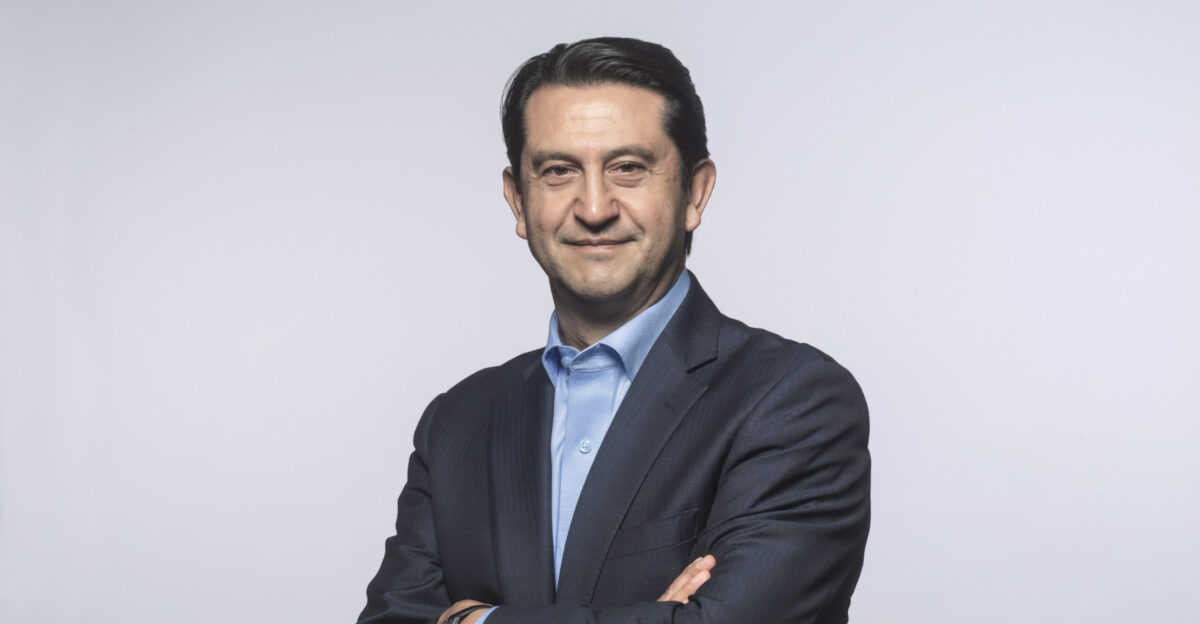
Hyundai Motor Group immediately paused construction. CEO José Muñoz warned the raid would delay the plant’s startup by at least “two to three months”. LG Energy Solution also halted its operations, sending senior managers to coordinate with Seoul.
Both companies stressed that none of their own direct employees had been detained, and vowed to vet all subcontractors more strictly.
Still, the disruption rattled the industry; even rival automakers and Korean conglomerates quietly began re-examining U.S. plans, wary that any high-profile project could be similarly affected.
Macro Implications
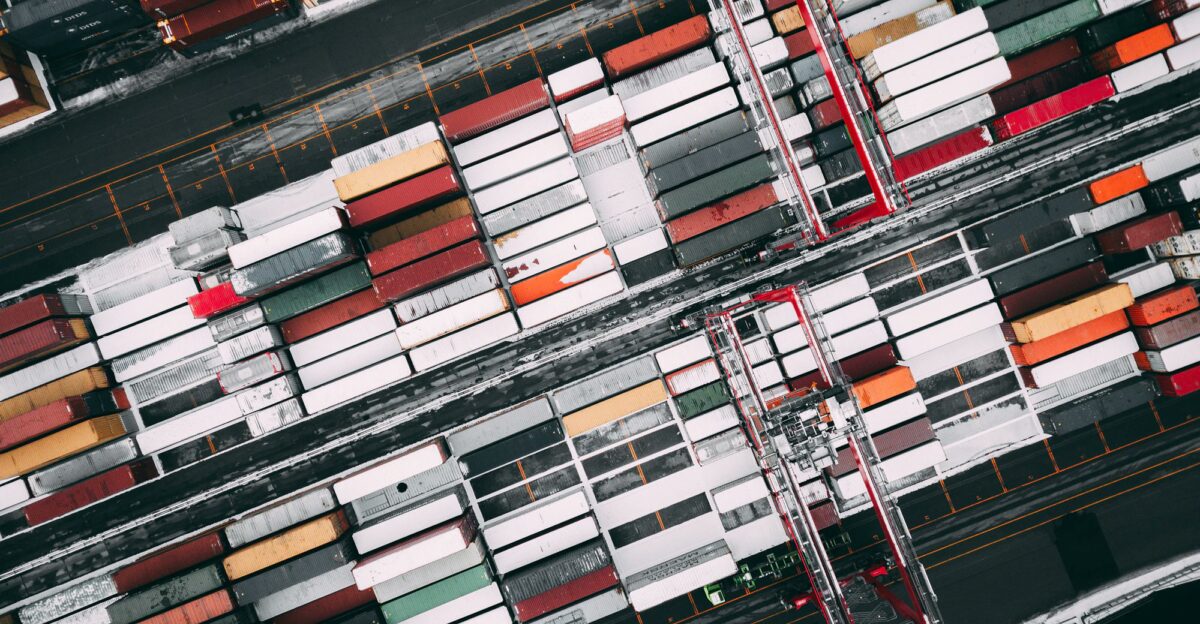
Analysts warn the raid could chill U.S.–Korea economic ties. The two countries conduct roughly $180 billion in trade annually, with Korea among America’s top investors.
Many Korean firms had announced major U.S. projects in batteries, semiconductors and other critical sectors – commitments now at risk.
The timing was especially awkward: just weeks earlier, Presidents Trump and Lee Jae Myung had touted roughly $150 billion in new Korean commitments to U.S. industries. President Lee warned that the incident had left businesses “hesitant” about future investments.
Visa Confusion
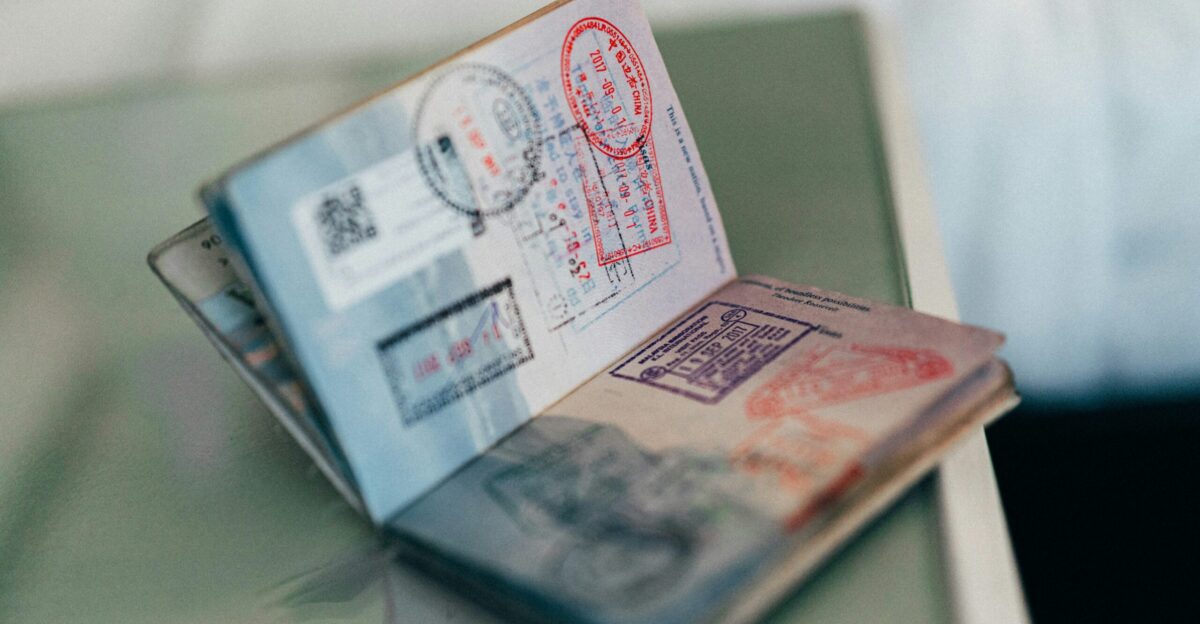
At the heart of the uproar was a visa mix-up. Many of the detained technicians held short-term B-1 business visas, believing they were authorized to supervise equipment installation. In fact, State Department guidance does allow B-1 holders to install foreign-purchased machinery, provided the work is arranged and paid from abroad.
Immigration lawyer Angelo Paparelli noted that under the normal rules, “a B-1 visitor for business… can install equipment” at a U.S. plant if those conditions are met.
ICE agents, however, took a hard line that any hands-on work required an H-1B. This gray area – a long-used “loophole” by multinational companies – became the flashpoint, prompting calls for clearer visa rules for technical workers.
Diplomatic Crisis
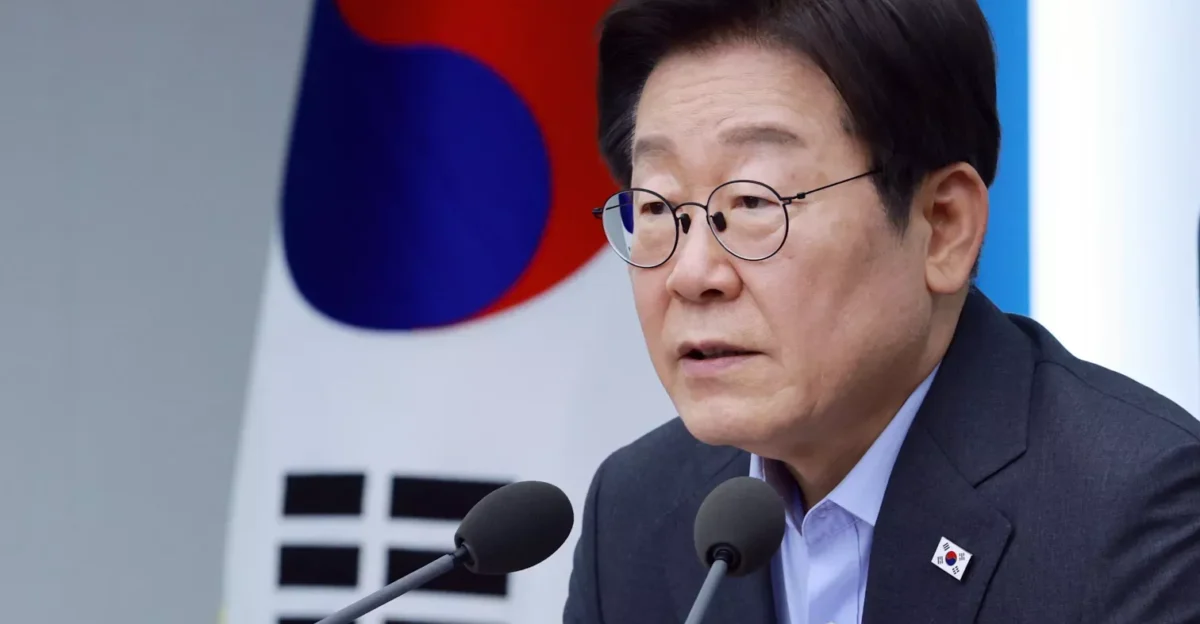
Seoul responded immediately. Foreign Minister Cho Hyun-dong flew to Washington to demand explanations, and President Lee held emergency meetings with government and business leaders. Cho warned that detaining hundreds of technology-transfer workers would severely strain the U.S.–Korea alliance.
Korean legislators labeled the raid “disproportionate,” demanding humane treatment of the detainees.
Within days, intense talks yielded a compromise: the detained Koreans would be released on voluntary departure orders (avoiding formal deportation records), and both governments agreed to improve joint visa procedures. The incident became a top diplomatic flashpoint.
Executive Response
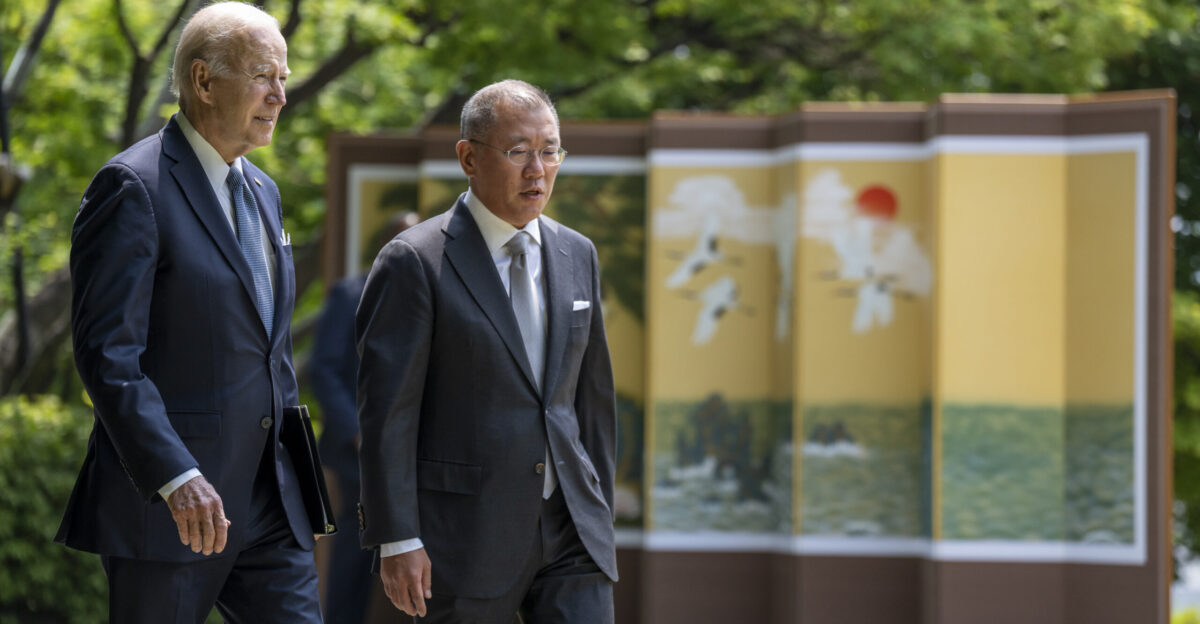
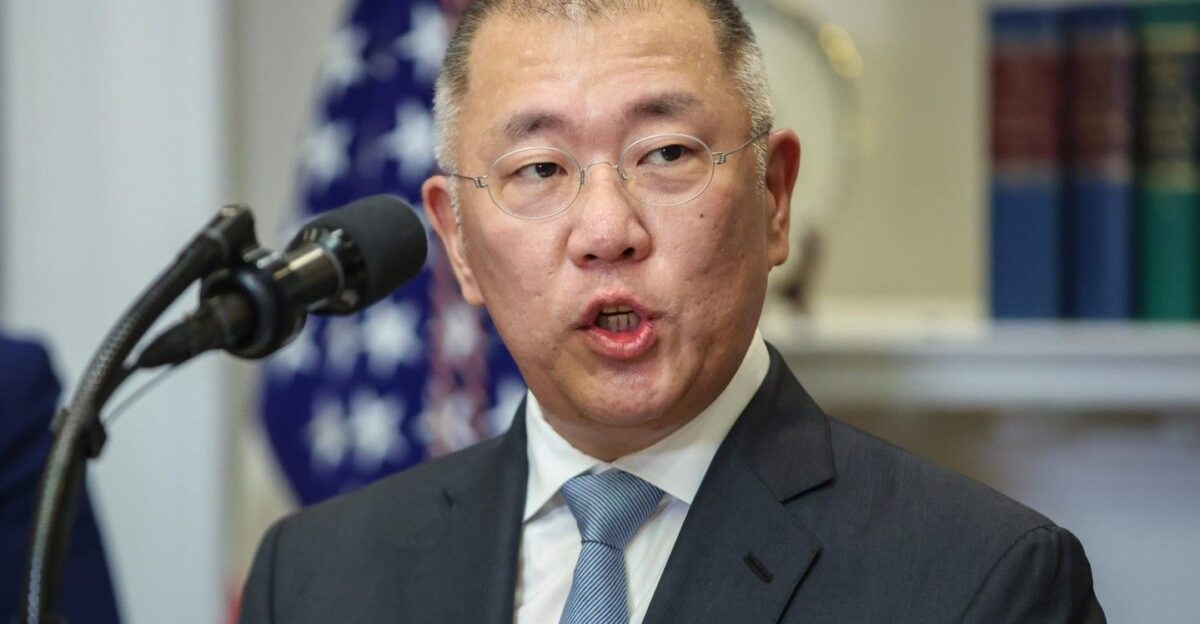
Top executives scrambled into crisis mode. Hyundai’s Chairman Euisun Chung consulted with Korean government officials, while LG’s CEO Kim Dong-myung personally flew to Atlanta to oversee their staff. In Seoul, business associations privately lambasted both companies for insufficient visa compliance.
In Detroit, Hyundai CEO José Muñoz said he had been relieved to learn none of Hyundai’s direct employees were caught in the raid.
He added a warning: “For the construction phase…you need specialized people. There are a lot of skills and equipment you cannot find in the United States”. Both Hyundai and LG pledged to strengthen immigration training and contractor vetting going forward.
Recovery Efforts

Seoul launched its largest repatriation since the Wuhan evacuation. Korean Air dispatched a wide-body jet to Atlanta, flying about 330 detained workers back to Incheon.
Their arrival was met with cheering families and officials. One freed engineer even pumped his fist and shouted, “I am back. I am free,” as he disembarked.
All returned under voluntary leave orders, preserving their ability to re-enter the U.S. later. The Korean government and companies pledged millions to cover legal costs and family aid. Seoul and Washington also agreed to set up a joint working group to clarify visa policies and prevent any repeat of the confusion.
Expert Analysis
Immigration lawyers warned the raid could backfire on U.S. goals. Many of the detained engineers possessed highly specialized skills critical to building the plant – skills few American workers or firms could match.
As one attorney observed, no U.S. company even makes the battery equipment the Koreans were installing. By removing these experts, critics argued, the U.S. risked delaying exactly the industrial projects it hoped to shore up.
Industry analysts estimate the ensuing construction delays and legal battles could cost billions. Even some former officials quietly questioned whether the enforcement gain was worth the economic and diplomatic cost.
Looking Forward
The Hyundai raid crystallized a fundamental dilemma in U.S. policy. On one hand, it showed the administration’s tough stance on illegal immigration. On the other, it raised doubts about how the U.S. retains the trust of global investors.
South Korean officials warned bluntly that, without clear fixes, companies would “hesitate to make direct investments” in the U.S. (Shortly after, President Trump posted on social media that foreign technical experts are “welcome” – provided they enter and work legally.)
The incident underscores the tension between nationalist immigration rhetoric and the international cooperation needed for modern manufacturing. Policymakers must now decide how to balance enforcement with maintaining America’s competitive edge.