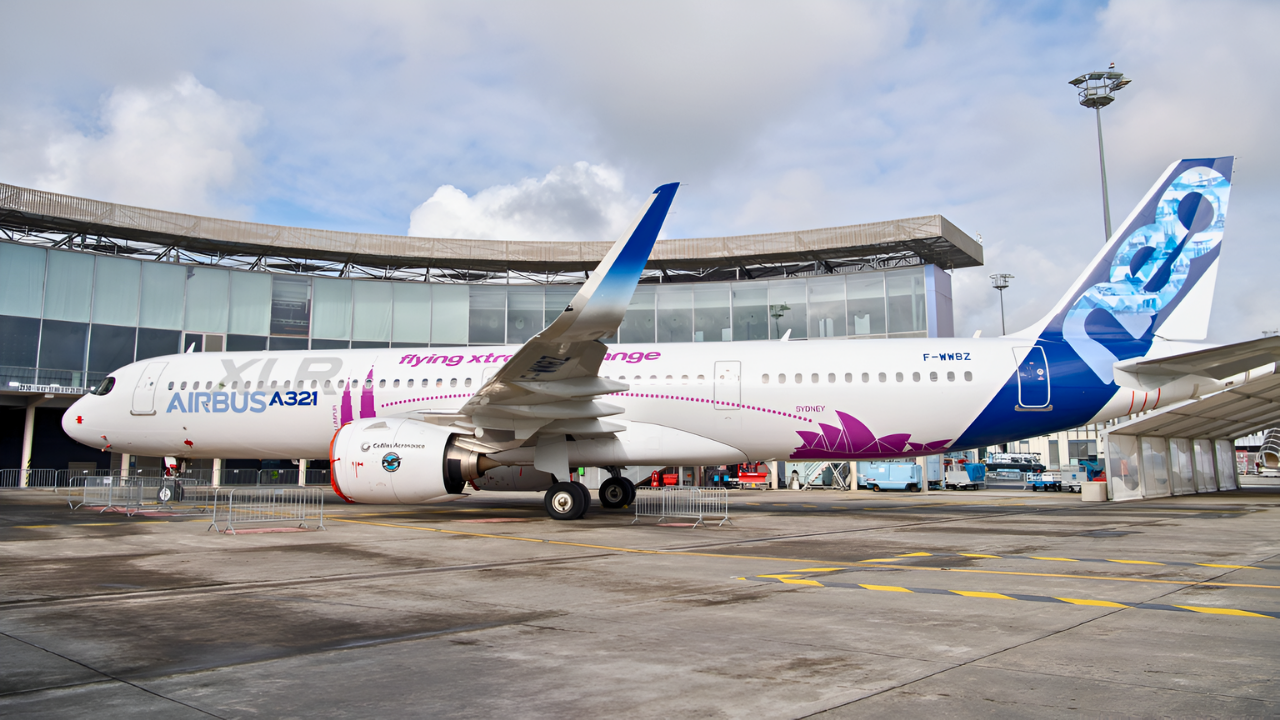
A rare software vulnerability triggered by intense solar radiation has forced Airbus to ground approximately 6,000 A320 aircraft worldwide. This represents more than half of all narrow-body jets in service and marks one of the largest emergency recalls in the company’s 55-year history. The action followed a midair incident in October that revealed how solar activity could corrupt flight control data in critical systems.
The recall quickly disrupted travel across more than 130 airlines and exposed how modern aviation manages emerging technological risks. Here is what led to the unprecedented decision and how the industry is responding.
A Midair Emergency Reveals the Threat
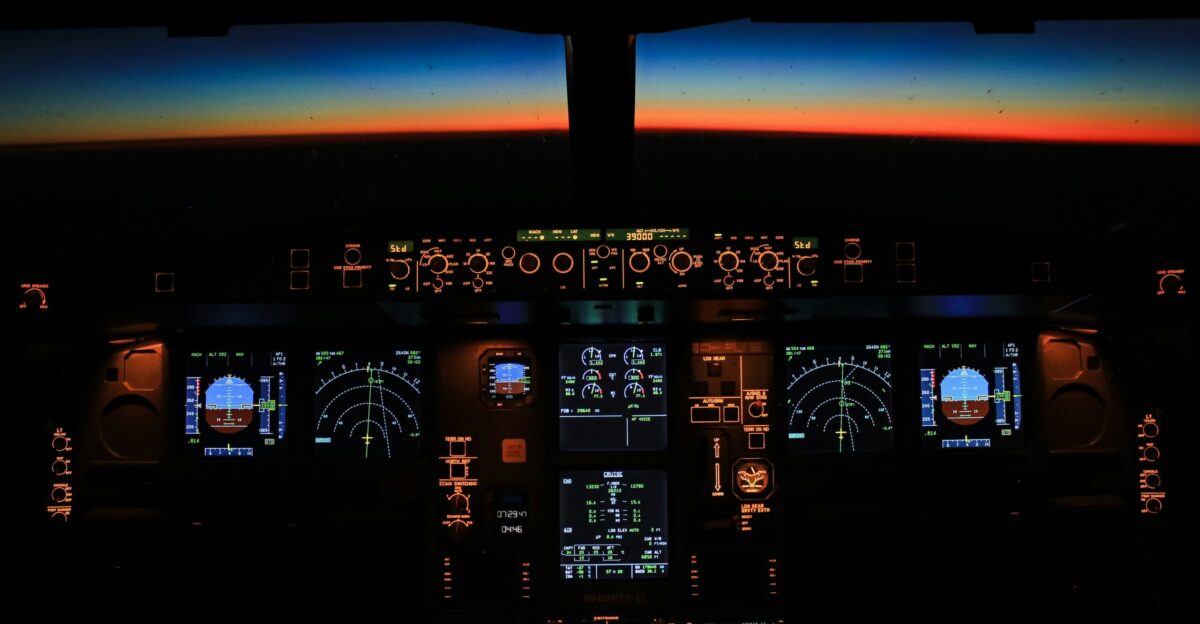
On October 30, 2025, JetBlue Flight 1230 from Cancún to Newark experienced an uncommanded pitch change at cruise altitude over Florida. The flight diverted to Tampa International Airport, and the incident injured 15 to 20 passengers who required hospitalization. Investigators from the National Transportation Safety Board, working with Airbus engineers and the FAA, found corrupted data in the aircraft’s Elevator Aileron Computer, which manages essential flight surfaces.
Engineers later confirmed that energetic particles from solar radiation could flip digital bits within the system under specific atmospheric conditions. This meant that the vulnerability was not limited to one jet. It affected the entire global A320 fleet. Regulators at EASA and the FAA then ordered every A320 to receive an immediate software update before returning to service, triggering an overnight grounding on a scale the industry had never seen.
Airlines Prepare a Rapid Response
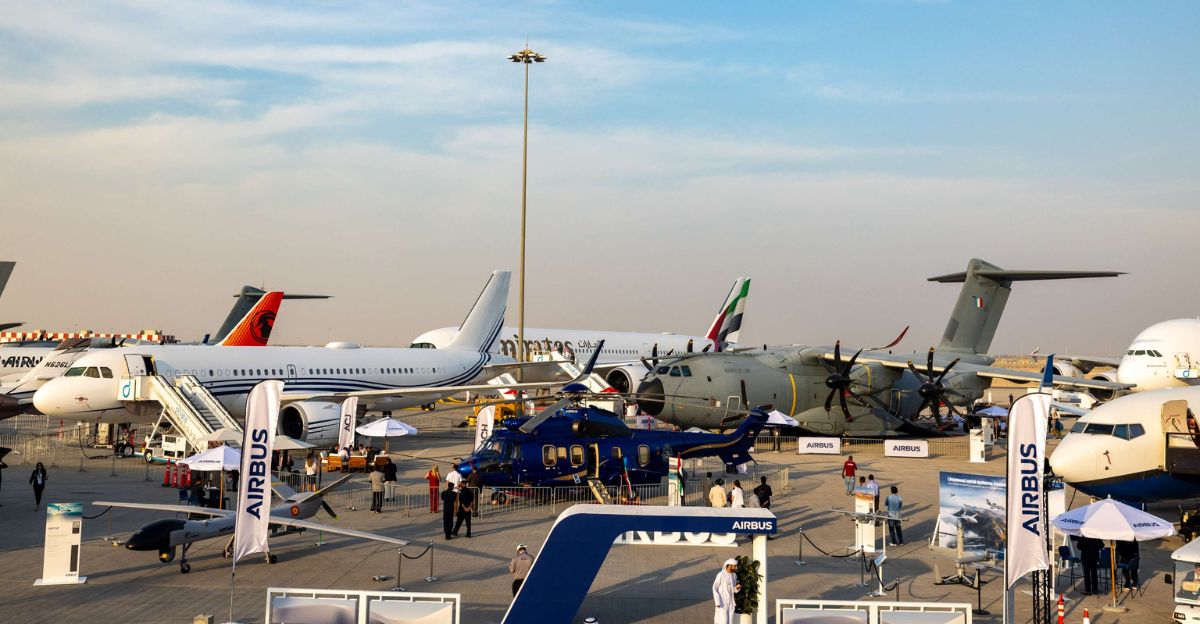
The grounding occurred during Thanksgiving weekend, one of the busiest travel periods in the United States. Carriers moved quickly to minimize disruption. American Airlines, which operates approximately 480 A320 aircraft, reported that 340 required updates. By early November 29, only four of 209 scheduled overnight aircraft still awaited the fix. Delta Air Lines, which had fewer than 50 affected A320s, completed its updates with no schedule impact.
Regional challenges varied widely. Japan’s regulators required individual verification, leading to 95 cancellations at ANA Holdings and affecting about 13,200 passengers. Asia-Pacific carriers saw the heaviest disruptions due to holiday travel peaks. In contrast, Europe experienced fewer cancellations, and airlines in the Middle East restored operations the fastest. Most United States flights resumed within 24 to 48 hours, restoring critical capacity across major travel corridors.
Maintenance Teams Face Extreme Pressure
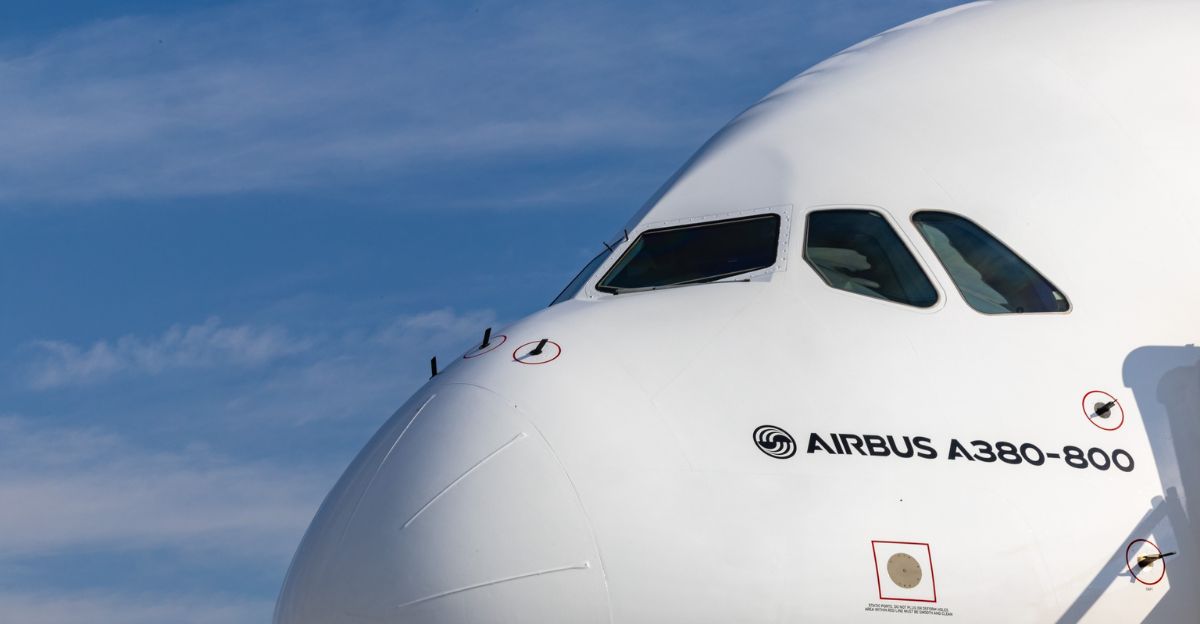
The required software patch took two to three hours per aircraft. Completing this across a global fleet of thousands strained maintenance capacity worldwide. Repair crews shifted to emergency rotations, with teams working through the night in airports across several continents. By November 30, Airbus reported that far fewer aircraft required additional hardware modifications than the early estimate of 1,000, allowing airlines to accelerate recovery.
The event also underscored a broader concern. Aviation maintenance already faces a significant labor shortage. Industry analysts project that the sector will need 600,000 to 635,000 additional technicians by 2037 as the current workforce ages. The recall highlighted how strained technical staffing has become, raising questions about the industry’s resilience during large-scale emergencies.
Travelers Confront Global Disruptions
With millions of passengers traveling daily on A320 aircraft, the grounding produced significant operational fallout. Analysts estimate that 40,000 to 55,000 travelers faced confirmed cancellations that required rebooking or overnight accommodations. Many others experienced multi-hour delays. Avianca alone reported that 35,708 passengers were affected when the airline temporarily suspended ticket sales until December 8.
The disruptions spread through the broader travel economy. Hotels and car rental agencies saw increased no-show rates as missed flights cascaded through itineraries. Business travelers faced meeting delays and unplanned costs, while tourism hubs confronted reduced visitor flow. Even when flights resumed, the ripple effects continued for days as airlines worked through backlog and repositioned aircraft.
A Second Manufacturing Problem Appears
Just as airlines were stabilizing operations, Airbus disclosed a separate manufacturing issue involving fuselage panels built at incorrect thickness. While not considered an immediate safety concern, the defect still required inspection or corrective work across 628 aircraft in production. Facilities in Germany, France, and the United States adjusted workflows to address the problem.
Investigators traced the issue to Sofitec Aero in Spain. A flaw in metal stretching and milling processes produced panels that failed to meet required tolerances. Airbus detected the inconsistency during routine quality checks. The incident exposed weaknesses within the company’s expansive global supply chain and illustrated how a single lapse can ripple through multiple assembly lines.
Reduced Production Forecast and Industry Lessons
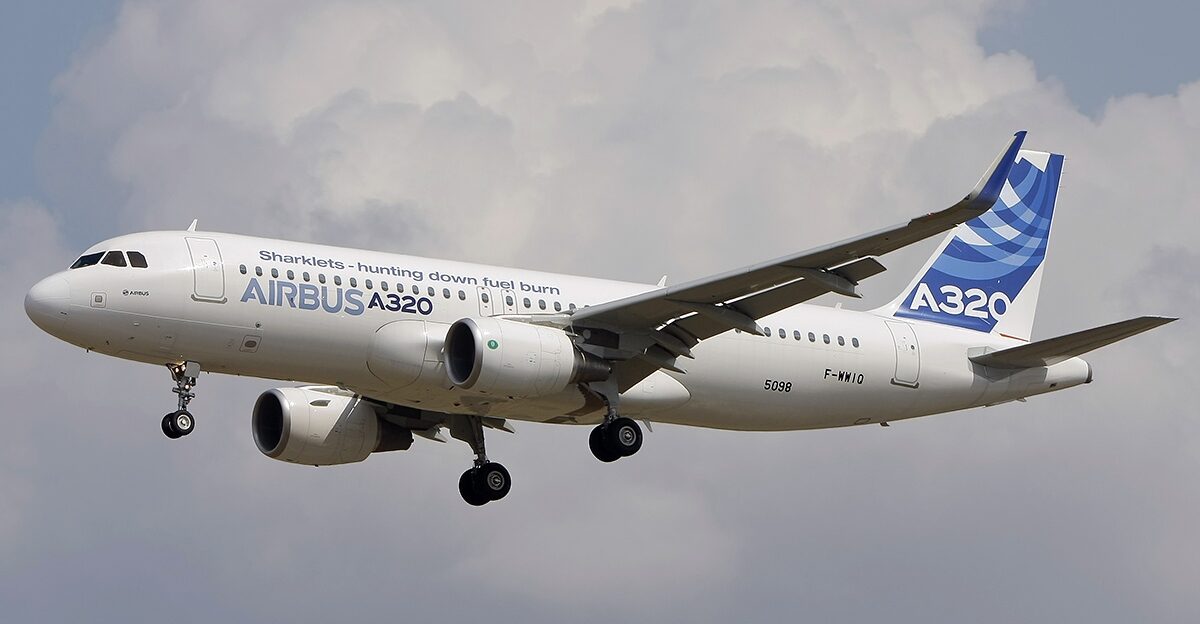
Facing simultaneous repair demands and manufacturing disruptions, Airbus lowered its 2025 delivery forecast from 820 aircraft to 790. The reduction hit year-end targets that determine revenue recognition. Investors reacted quickly, and Airbus shares dropped about 10 percent between December 2 and 3 before stabilizing. With factories already strained, meeting even the revised goal required intense effort during the final stretch of the year.
The broader implications reach beyond Airbus. The recall revealed gaps in fleet oversight, including limited real-time visibility into software versions across thousands of aircraft. Supply chain vulnerabilities surfaced again, showing the risks of highly specialized global manufacturing networks.
Most A320 aircraft returned to service early this week, but hundreds in production now require additional inspection. This event highlights the need for more resilient systems as aviation confronts software complexity, environmental influences, and globalized production challenges.
Sources
European Union Aviation Safety Agency emergency directive
Airbus production guidance 2025
Airbus supplier quality audit reports
AP reporting on global flight disruptions
Reuters aviation manufacturing coverage
International Air Transport Association passenger data