La Niña’s phenomenon is back, bringing significant economic disruptions across the southern United States for the winter of 2025–2026. The National Oceanic and Atmospheric Administration (NOAA) has officially declared this event. This declaration suggests that up to 150 million Americans may be impacted by droughts, storms, and heightened wildfire risk.
The potential dangers are profound, with key employment sectors such as agriculture, energy, and transport bracing for the anticipated challenges. As forecasters warn of more frequent and severe impacts, understanding the effects of La Niña becomes crucial for the economic landscape in the southern states.
Financial Fallout

The financial stakes are escalating rapidly. Experts project that La Niña could result in up to $5 billion in direct and indirect losses across various sectors. As southern states grapple with the increasing probability of late-season storms and supply chain disruptions, vulnerabilities are starkly highlighted.
The agriculture sector, in particular, is feeling the pressure, with predictions of significant crop losses. It’s a time of heightened awareness and urgent action as organizations like NOAA and the Climate Prediction Center are calling for readiness amid an unfolding crisis that may test the limits of local resources.
The Basics of La Niña
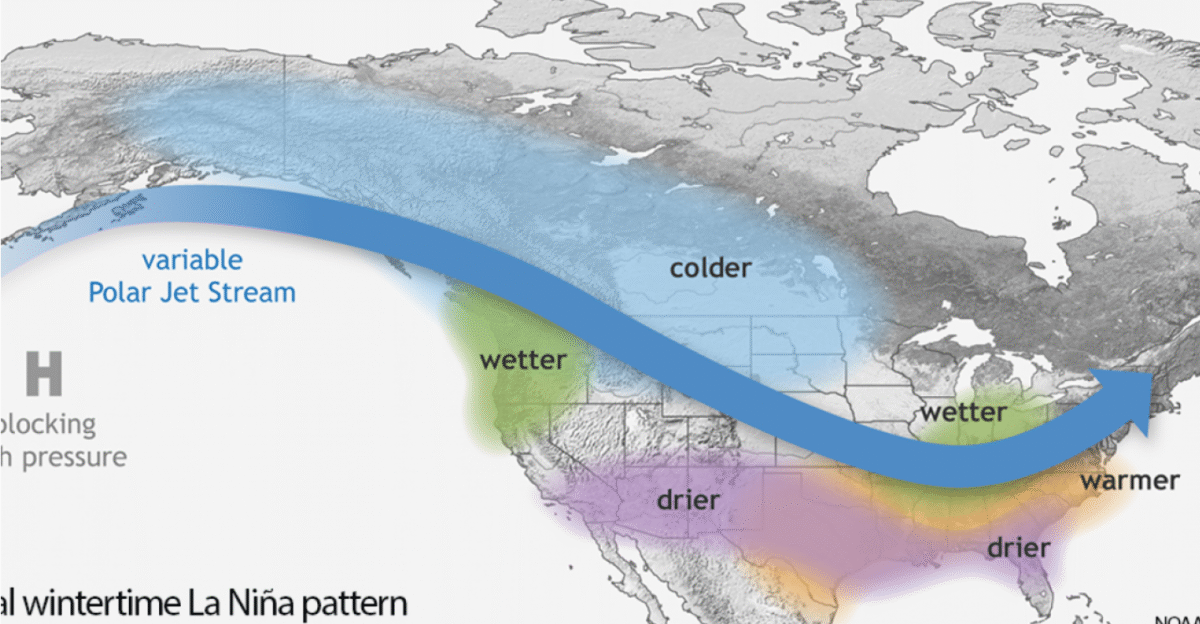
La Niña is characterized by cooler temperatures in the Pacific Ocean, which lead to changes in atmospheric circulation. This climate pattern disrupts normal weather conditions and is notorious for its widespread effects. Historically, La Niña has had varying impacts.
Still, recent years have marked an alarming trend toward more frequent and severe occurrences, particularly in the southern and coastal regions of the United States. Understanding this climate phenomenon is crucial for predicting and responding to its implications, particularly when considered in the broader context of climate change.
Pressure on Key Sectors
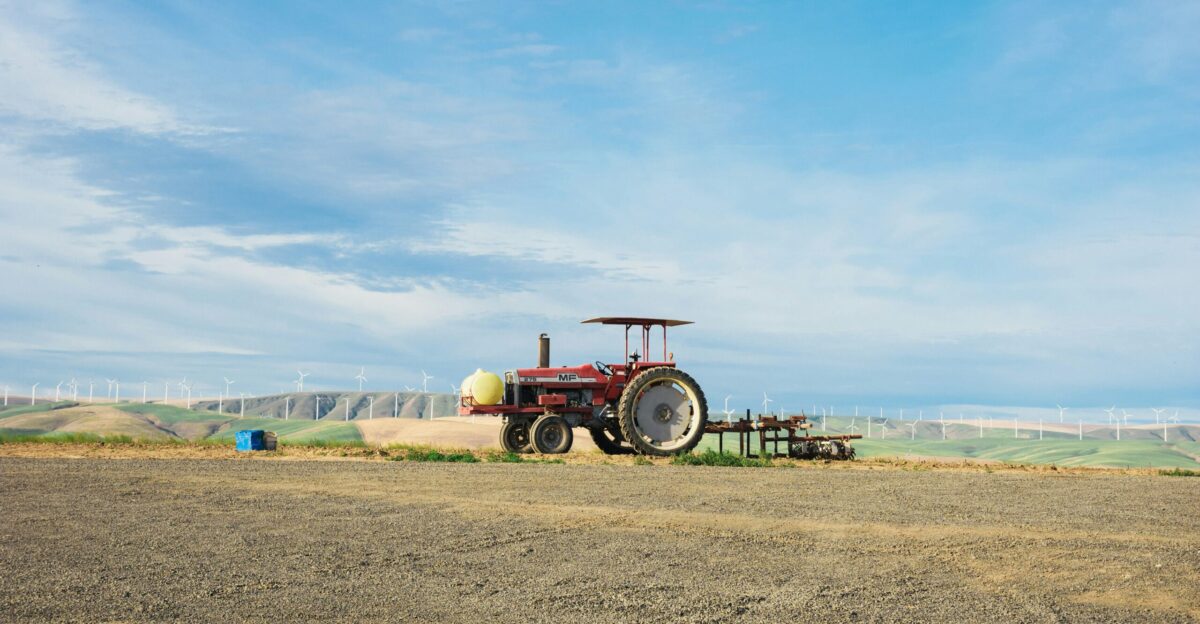
The mounting pressure on farmers, energy providers, and local governments is palpable. Conditions of drought are impacting anticipated crop yields, while wildfires and unpredictable storm patterns strain emergency response systems nationwide. “Our ability to manage these risks hinges on accurate forecasting,” asserts agricultural analyst Sarah Johnson.
Recent studies confirm that the government acknowledges a strong correlation between precise La Niña predictions and the mitigation of economic damages. Stakeholders must adopt adaptive practices to weather this coming storm effectively.
NOAA’s Official Declaration
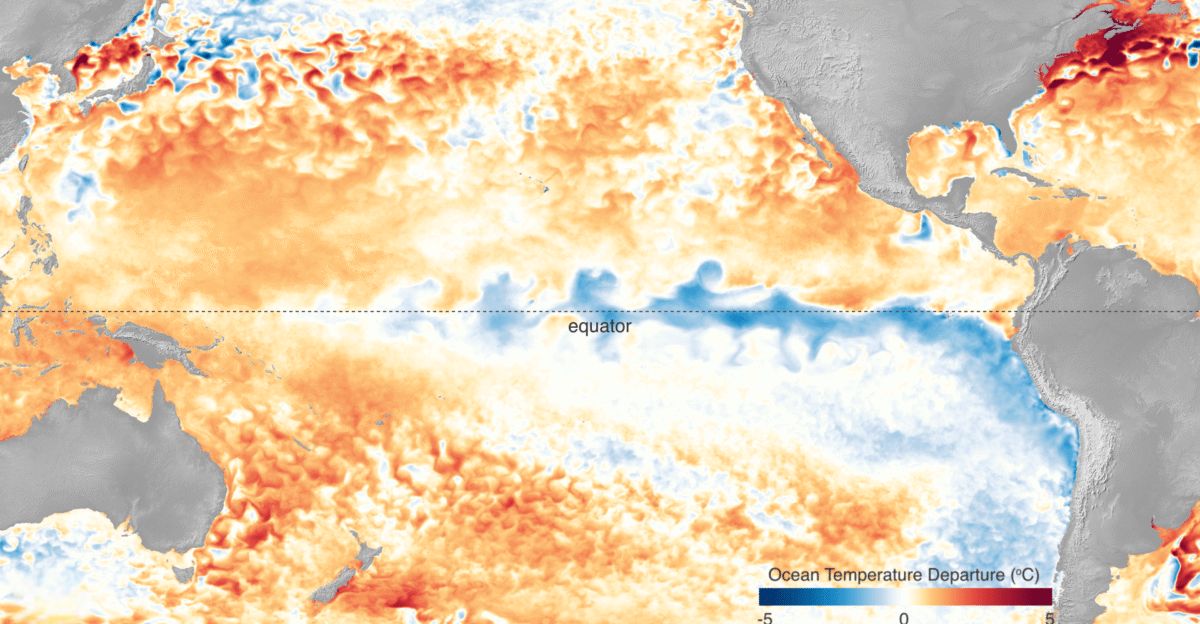
On October 10, 2025, NOAA officially declared La Niña’s return for the winter season, underscoring the potential breadth of its impact. Jon Gottschalck from the Climate Prediction Center noted, “Even though it is considered a weak event, its impact is likely to be strongest during the winter season.”
This declaration triggered a flurry of response actions across affected states, emphasizing the collaborative efforts needed to prepare for the challenges ahead. Stakeholders are now positioned to respond more effectively as this pivotal season unfolds.
Dry Conditions in Key States
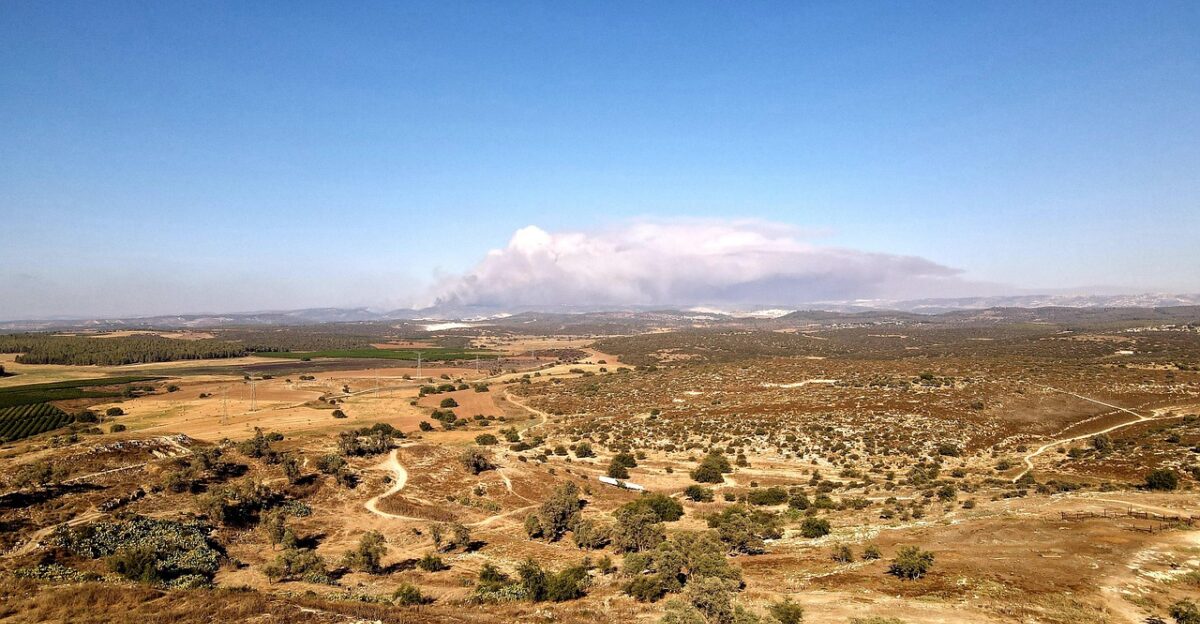
Multiple southern states, including Texas, Louisiana, and Georgia, are grappling with increasingly dry conditions, which are raising alarm bells within the agriculture and energy sectors. Damages could reach billions; however, proactive strategies may help mitigate some effects.
Local farmers, like Tom Harris from Louisiana, voiced concern: “We’ve prepared, but prolonged drought will hit us hard. Every drop counts.” These sentiments reflect the urgency felt by local communities as they brace for potential disasters arising from the combination of drought and La Niña’s unpredictable weather patterns.
Human Impact
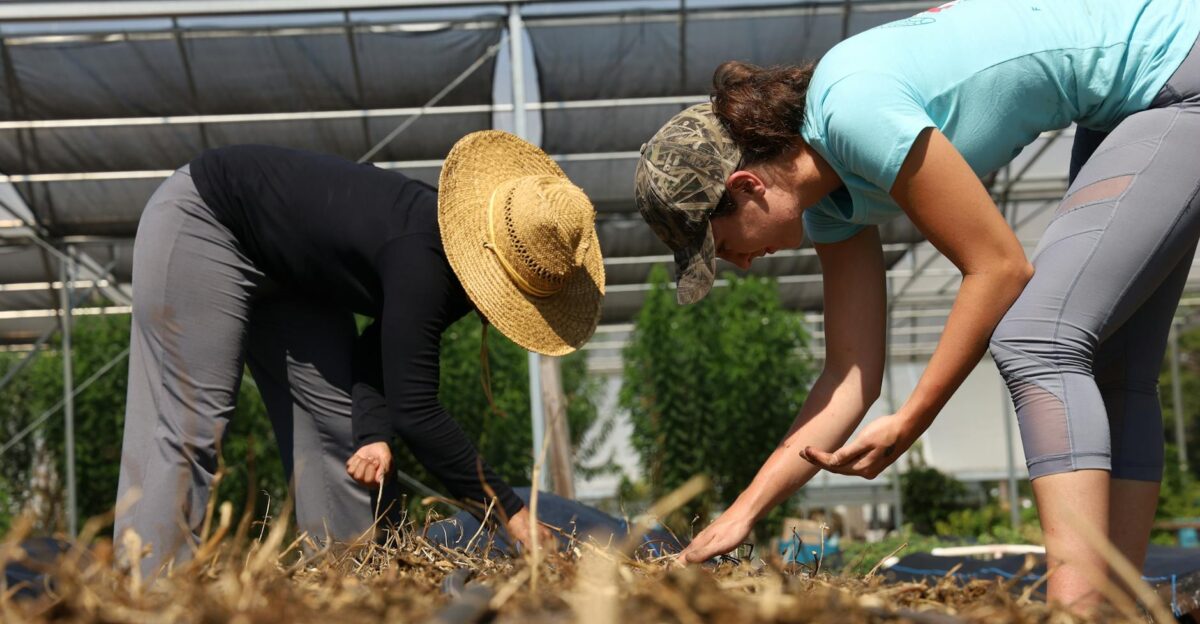
The human toll of La Niña’s return is profound, with up to 150 million People potentially impacted in the United States. Farmers stand at the brink of losing significant portions of their harvests, while coastal communities brace for extended periods of hurricane threats.
“Farmers must act NOW,” emphasizes the MSN report, stressing the urgency of making forecast-driven decisions to navigate this challenging landscape. Resilience will be tested as communities strive to adapt to the unfolding realities of these climate challenges amid heightened risks.
Supply Chain Stress
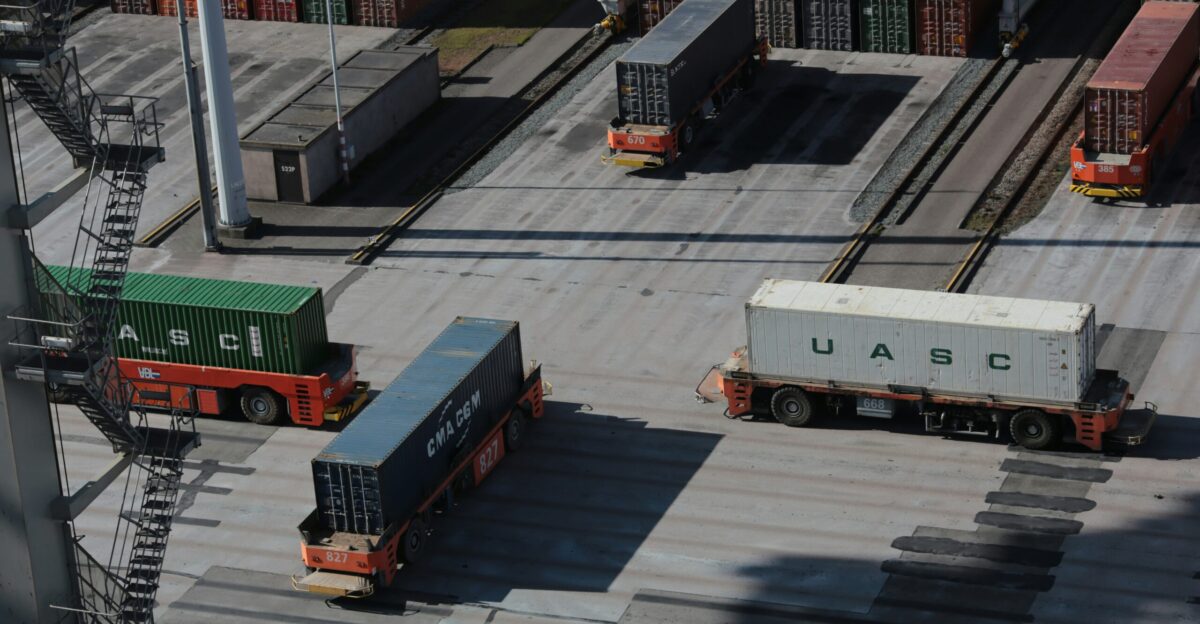
Transport and logistics sectors are now on high alert as the effects of La Niña ripple through the economy. Disruptions in shipping and increased demand for essential resources, such as road salt, are anticipated. The navigation season on the Great Lakes faces delays compounded by weather unpredictability, creating a worrying potential for broader economic instability.
As transport manager Richard Lee states, “Our operations are only as strong as the links between them; any disruption impacts everyone.” The interconnectedness of these sectors highlights the significance of timely response strategies.
Global Climate Trends
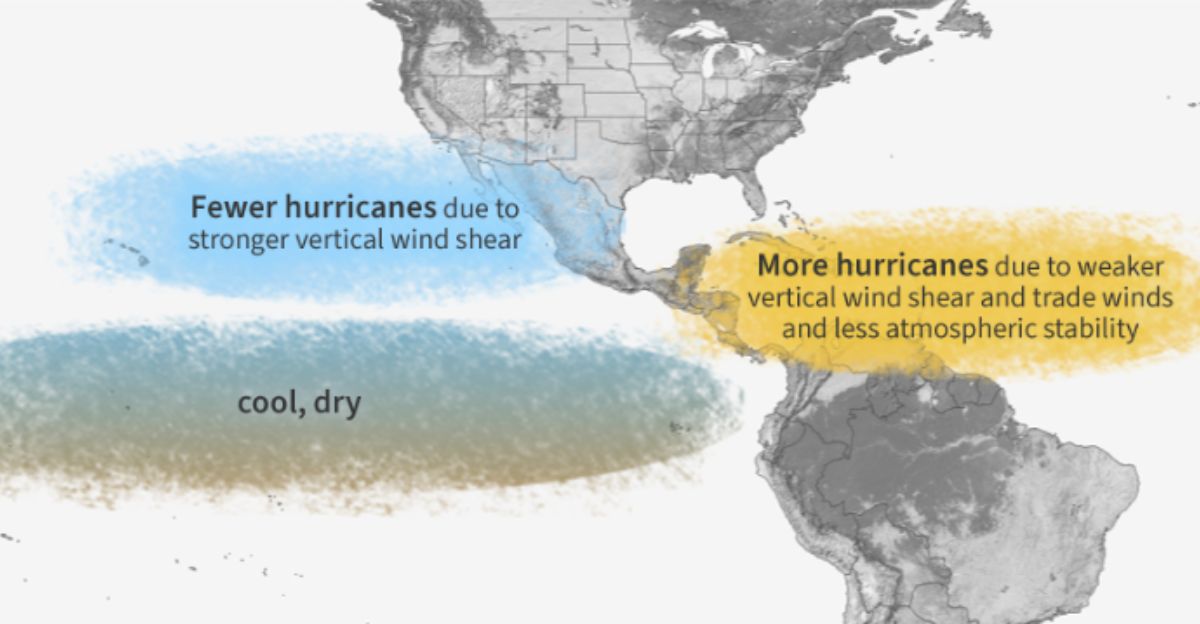
La Niña’s effects are magnified by ongoing global climate change, which is driving an increase in the number and intensity of extreme weather events. The World Meteorological Organization (WMO) reported that even moderate La Niña conditions could lead to higher-than-average temperatures and erratic rainfall patterns worldwide, signaling a need for proactive measures.
This presents a pressing challenge, reinforcing the need for rigorous scientific research and community action plans. As climate trends evolve, they will shape the realities communities face, demanding immediate responses.
Rising Wildfire Risk
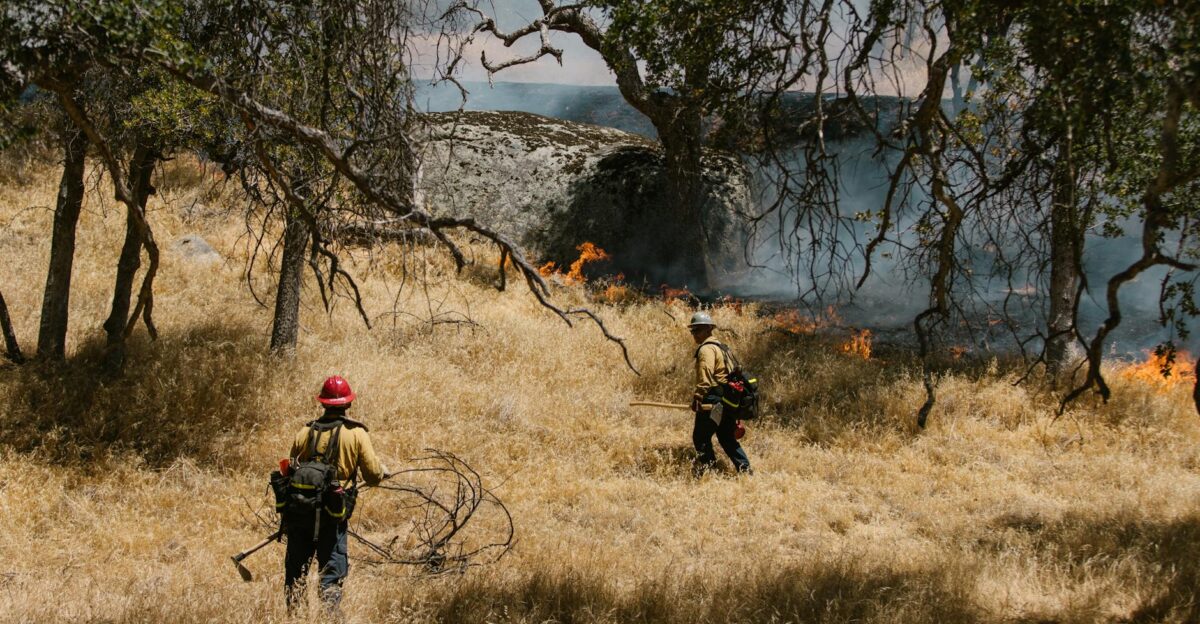
As dry conditions persist, wildfire-prone regions are facing a staggering 30–40% increase in risk this winter. The combination of drought and erratic weather patterns heightens the threat, pushing local emergency services and governments to reassess resource allocation and disaster preparedness.
“We’re in uncharted territory,” remarks fire chief David Martinez, highlighting the urgency for robust intervention strategies. The ongoing dialogue about risk assessment and resource management is crucial for building resilient communities that can effectively combat these emerging dangers.
Frustration Among Stakeholders
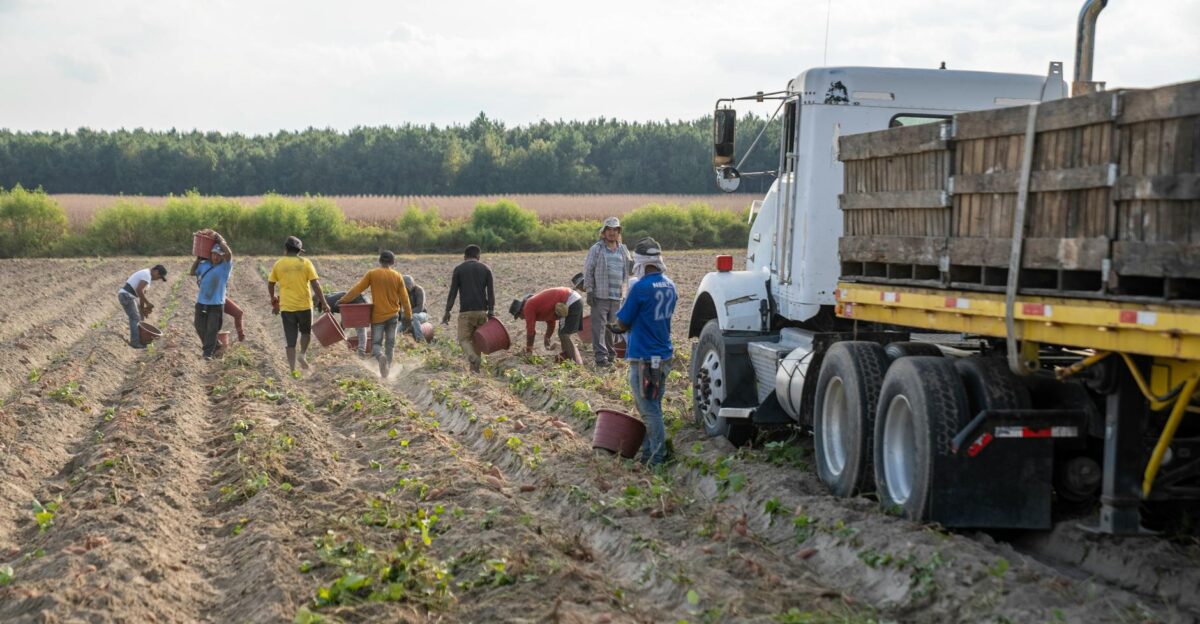
With the unpredictability of La Niña’s impacts, stakeholders, including farmers, transport operators, and energy suppliers, express considerable frustration. The Northeast corridor, in particular, faces significant weather volatility, which complicates strategic planning and response efforts.
“Each forecast feels like a guessing game,” laments transport operator Laura Collins. As weather patterns become increasingly erratic, maintaining operational efficiency while preparing for potential disruptions presents a complex challenge for all parties involved. The stakes are high, and clarity is desperately needed.
Coordinated Leadership Efforts
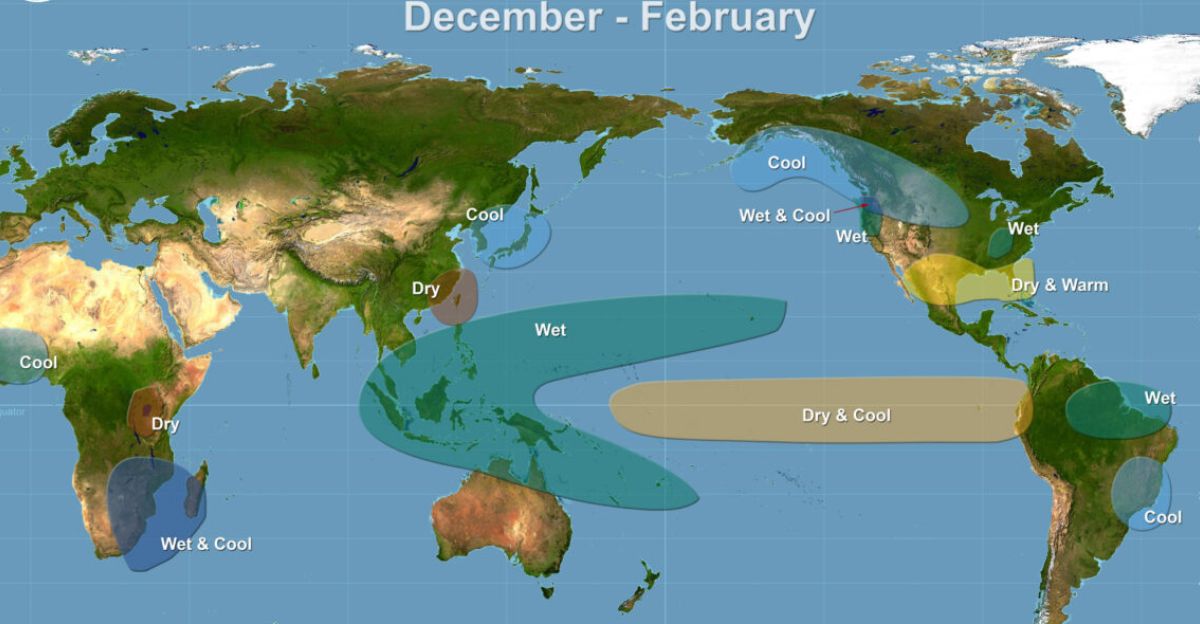
In response to the threat posed by La Niña, federal and state agencies are intensifying their coordinated efforts to enhance forecasting and resource allocation. NOAA and the Climate Prediction Center are focusing on improving prediction models, with government representatives emphasizing that more accurate forecasts could save “billions” and prevent severe future losses.
As these agencies work together, the spotlight is on promoting clarity and collaboration to support better southern states facing mounting challenges.
Adaptive Recovery Strategies
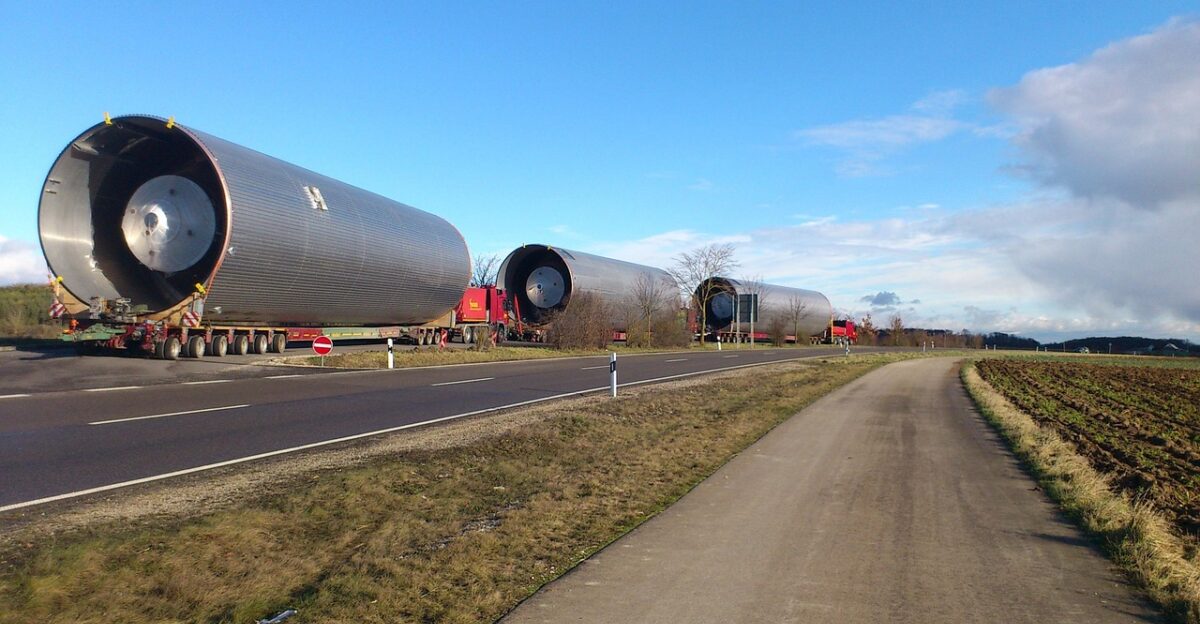
Recovery efforts are shifting towards adaptive strategies designed to mitigate losses. Farmers are being advised to adjust planting schedules and consider crop varieties that thrive in drought conditions. Energy providers are bracing for increased demand, while the transportation sector is developing contingency plans to mitigate supply chain disruptions.
These proactive measures aim to minimize both the economic and human costs associated with La Niña’s impacts, highlighting the importance of adaptability and foresight in shaping responses to climate variability.
Expert Caution
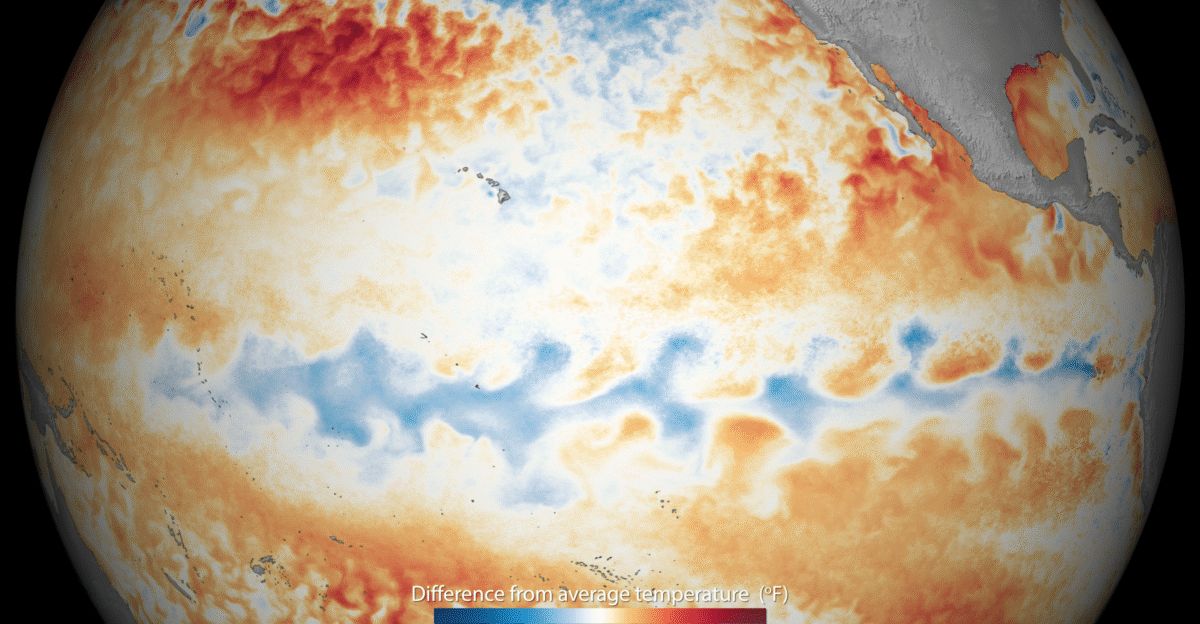
Experts maintain a cautious outlook. While this season’s La Niña is characterized as weaker and potentially shorter, its concentrated winter effects have the potential to be severe. The Climate Prediction Center cautions that even minor La Niña events can double late-season storm activity, posing an ongoing risk to vulnerable regions.
The reality remains clear: as communities prepare for the challenges ahead, measured approaches backed by scientific data will be essential to navigating this uncertain landscape.
The Challenge of Preparedness
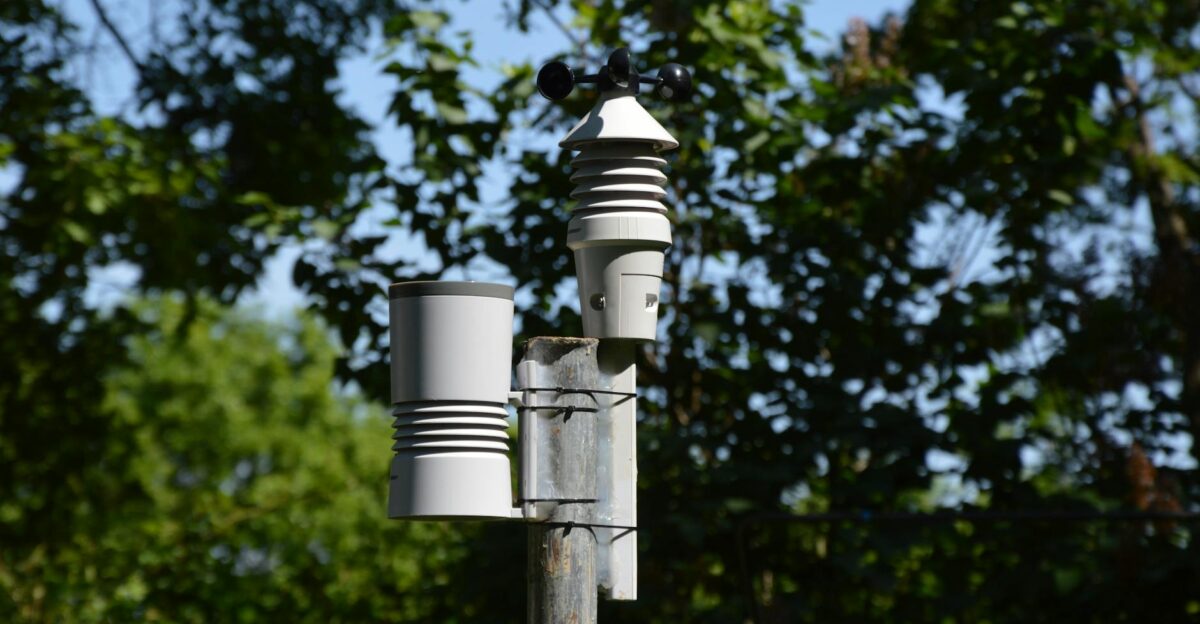
As southern states brace for the impending effects of La Niña, the question remains: Will preparedness efforts be sufficient? Stakeholders must adapt rapidly to ensure resilience in the face of worsening conditions. The coming months pose critical tests for both the effectiveness of new forecasting technologies and the readiness of communities to act upon them.
With lives and livelihoods at stake, the success of these initiatives will carry significant implications for the region’s economic and social fabric.
Political Pressures

Political leaders are under increasing pressure to allocate resources effectively and update emergency preparedness protocols. Collaborative efforts across federal, state, and local levels are crucial in effectively addressing the challenges posed by La Niña.
Balancing immediate needs with long-term strategies is imperative. As leaders contemplate next steps, the involvement of communities and stakeholders will play a vital role in shaping policies that support resilience and the sustainability of southern states facing mounting climate threats.
Importance of Forecasting
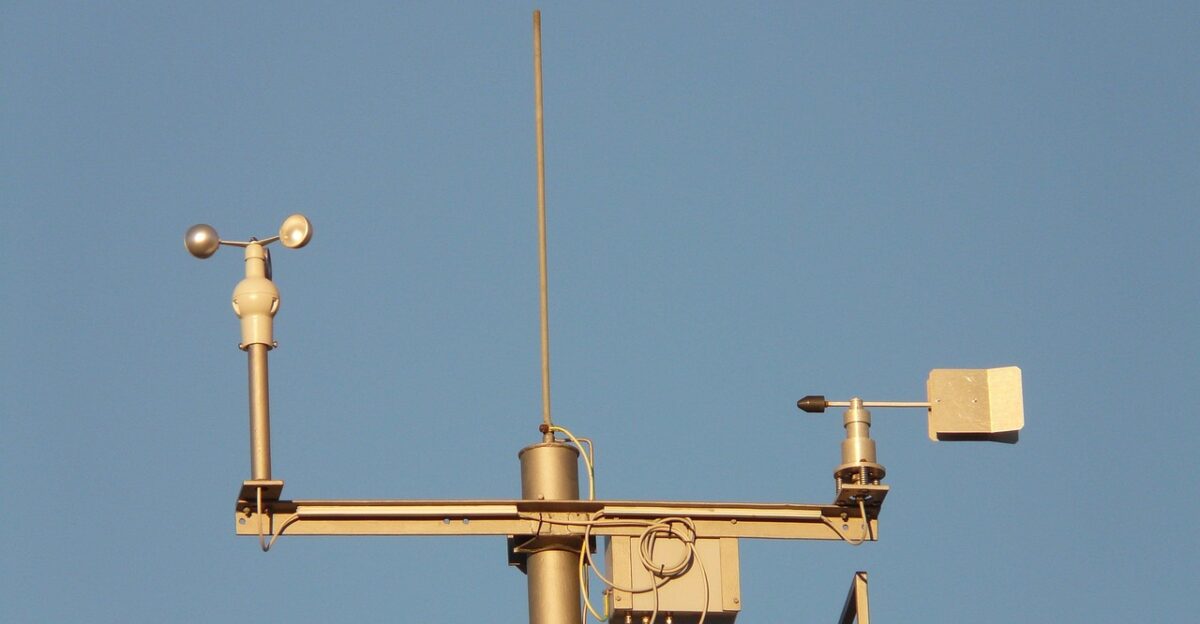
Accurate forecasting cannot be overstated in mitigating the impact of La Niña. Timely access to data enables farmers to make informed decisions about planting, allows energy providers to prepare for demand fluctuations, and helps transport operators anticipate potential disruptions.
As scholar Emily Johnson remarks, “In today’s economy, foresight is our greatest asset.” Emphasizing data-driven strategies will enhance preparedness efforts and enable stakeholders to respond more effectively to climate-induced challenges in real-time.
Community Resilience

Communities across the southern United States are redefining resilience in the face of increasing environmental challenges. Local engagement in resource management, education, and planning plays a pivotal role in shaping adaptive measures. Grassroots initiatives are increasingly recognized as essential components of effective response strategies.
As community leader Greg Thompson says, “When we stand together, we’re much stronger in facing whatever comes our way.” Investing in community resilience can foster collaborative approaches that are vital for navigating an uncertain future.
Future Projections
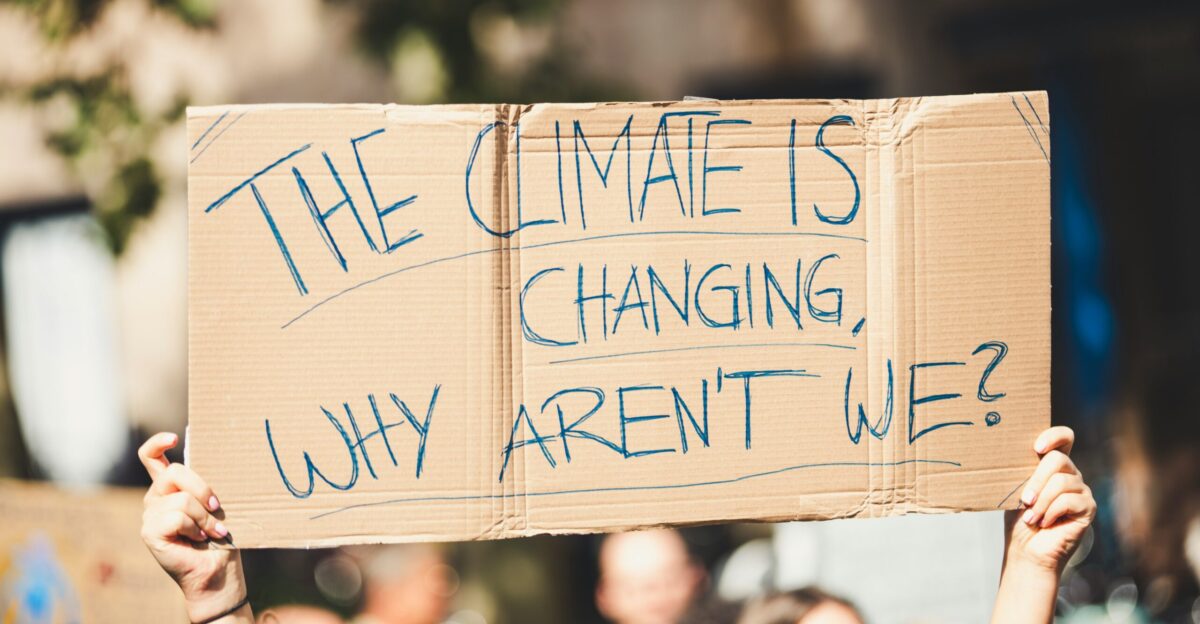
Looking ahead, the impacts of climate phenomena like La Niña will demand persistent attention and innovation. As global climate patterns evolve, understanding the interconnected nature of local weather, agriculture, and economies will remain critical.
Collaborative frameworks that involve governments, scientists, and communities will be key in constructing effective responses. Preparing for tomorrow begins today by investing in knowledge sharing and strategic planning; regions can better brace for the complex realities of climate change.
A Call to Action
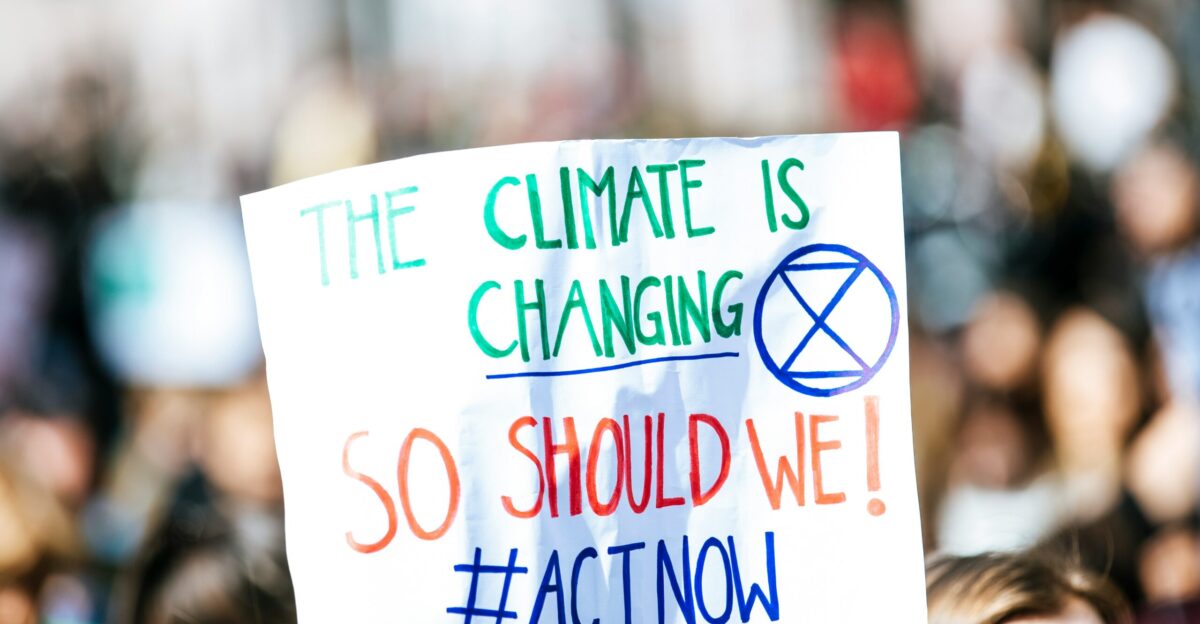
The challenges posed by La Niña are a stark reminder of the urgent need for collaborative efforts among stakeholders. Adapting to climatic changes requires concerted action, investment in research, and the effective deployment of resources to create resilient communities.
The time to take action is now, as the Southern United States navigates through an unprecedented economic landscape shaped by climate variability. Together, through informed decisions and a shared commitment to resilience, we can face the storm ahead and safeguard our futures.