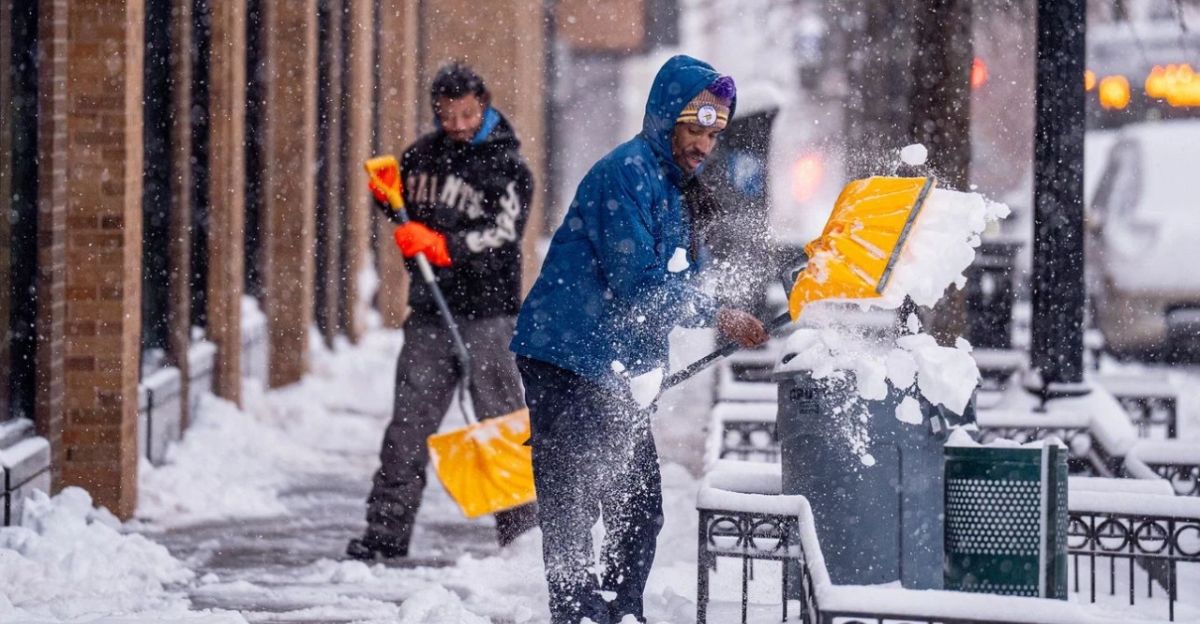
A rare set of climate events means the U.S. could have one of the coldest winters seen in years. Federal experts announced on November 13, 2025, that a weak La Niña is now active, according to NOAA. With at least 20 states expecting colder-than-average weather, millions of people need to get ready for severe conditions. These warnings remind everyone to take winter seriously because the risks are real.
For families, farmers, and workers, these changes mean a need to plan ahead, especially in states most affected by freezing temperatures. This winter’s conditions could impact travel, daily routines, and even the way communities respond in case of an emergency.
How Cold Weather Hits Your Wallet

This winter is more than just chilly, it could hit Americans in the pocketbook. Experts warn that up to 130 million people might feel the impact through higher prices, lost crops, and home heating bills. Reports suggest farmers could lose billions of dollars as cold damages crops, causing food prices to spike.
Families might need to spend 20–30% more to heat their homes, making budgets even tighter. When heating costs go up and food gets scarce, everyone feels the pressure. Businesses may need to pass on higher costs to consumers, while homeowners scramble to afford heating.
What La Niña Means for Winter
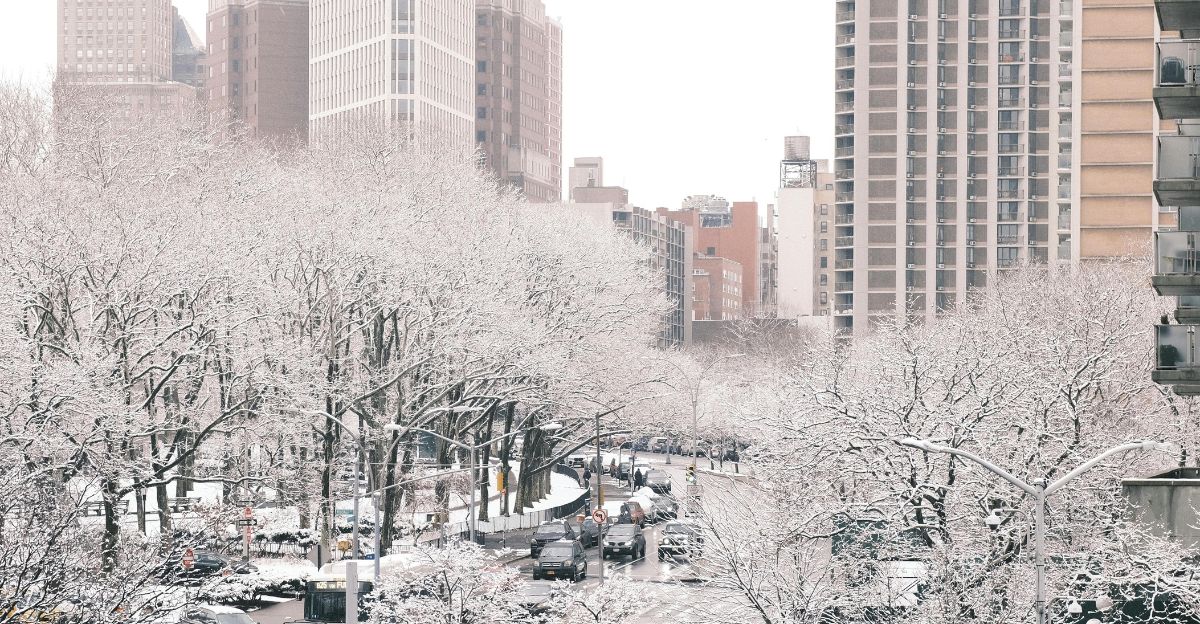
La Niña is part of a larger pattern called the ENSO cycle, and it’s known for making northern U.S. winters colder and wetter. In the south, however, La Niña often brings dry spells and less rain. This winter, La Niña’s effects will be even stronger thanks to other ocean changes happening at the same time.
For people living in northern states, this means bundling up and preparing for more snow and ice. Down south, farmers and city planners are bracing for drier conditions that could harm crops and water supplies.
Ocean Changes and Winter Worries

Strange things are happening in the world’s oceans, and this is making winter weather much harder to predict. Since July, scientists have tracked cold spots in the Pacific Ocean that show La Niña is getting stronger. But at the same time, there are record-breaking marine heat waves making things even more complicated.
The Pacific’s cold anomalies add to the confusion, making it harder for forecasters to say what’s coming next. This unusual mix of climate changes raises the stakes for families and businesses. Winter might arrive sooner or hit with more intensity than before, so it’s important to remember that predictions aren’t perfect.
La Niña Is Official, Says NOAA
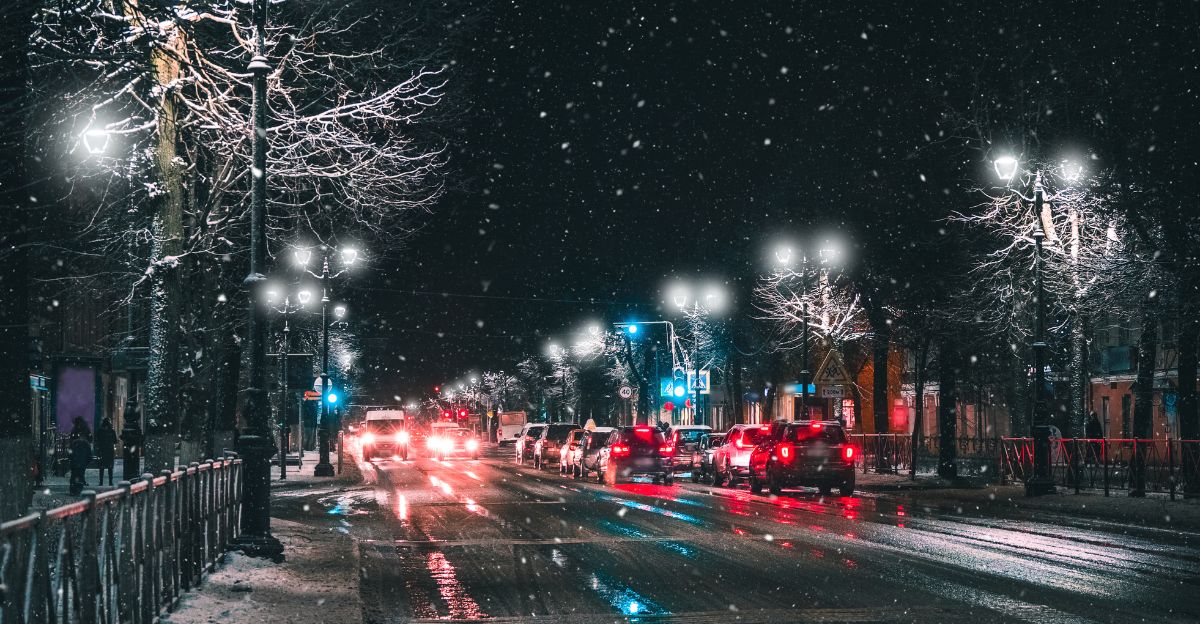
On November 13, 2025, NOAA announced that La Niña is officially here, and it’s not going away soon. Experts say this system will last at least through February 2026, bringing extra cold to places like the Pacific Northwest and the upper Midwest.
NOAA’s Climate Prediction Center confirms, “La Niña conditions present… forecast to persist through February 2026, shaping the U.S. winter with colder-than-average temperatures.” This means more people up north will be dealing with snow, ice, and freezing temperatures for months.
Northwest and Midwest Face Deep Freeze
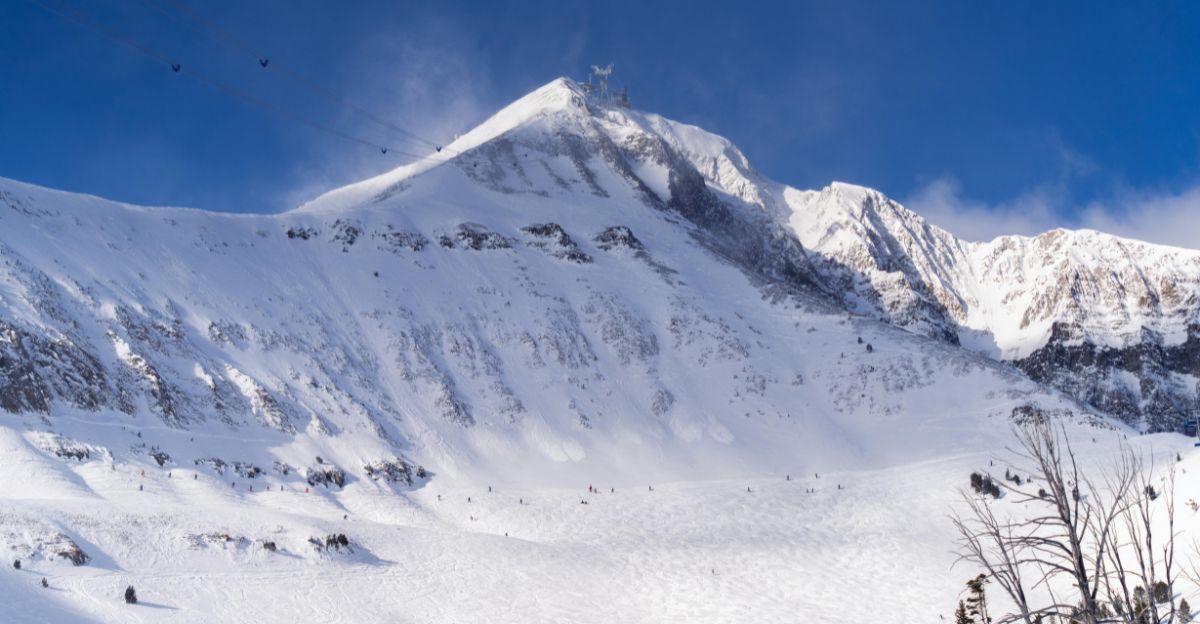
If you live in the Pacific Northwest or the upper Midwest, get ready for a long, cold stretch. NOAA’s forecast highlights Montana, North Dakota, and northern Minnesota as the coldest spots this winter. These regions should also expect more rain and snow than usual, especially around the Great Lakes and Northern Rockies.
For local residents, this means planning for icy roads, keeping extra layers handy, and staying alert for sudden weather changes. Winter storms may come more often and last longer, making life tough for those without proper shelter or heating.
Real People, Real Challenges
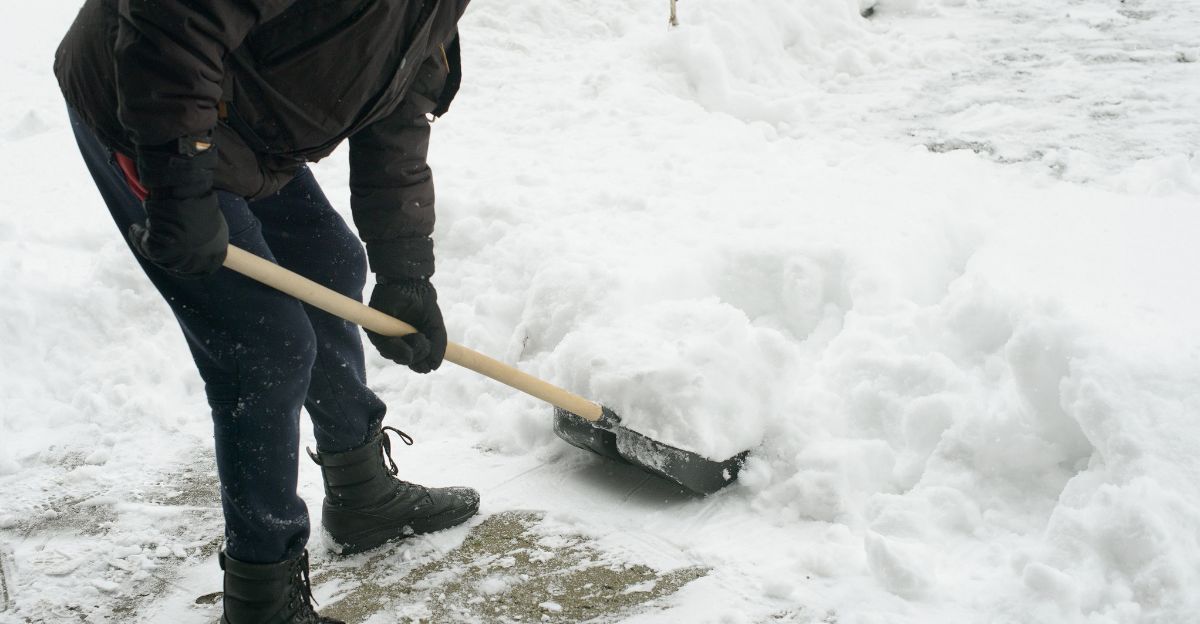
For everyone living between Seattle and Minneapolis, heating homes will get more expensive and daily routines more difficult. Lower temperatures can lead to dangerous conditions, especially for the elderly and those in need.
Some families may find themselves unable to pay high heating bills or deal with icy sidewalks. Local charities and city offices are stepping up to help, but everyone should know the risks. Vulnerable communities are advised to prepare now, making sure they have enough supplies and reliable heating.
Southern States Face Dry Spell
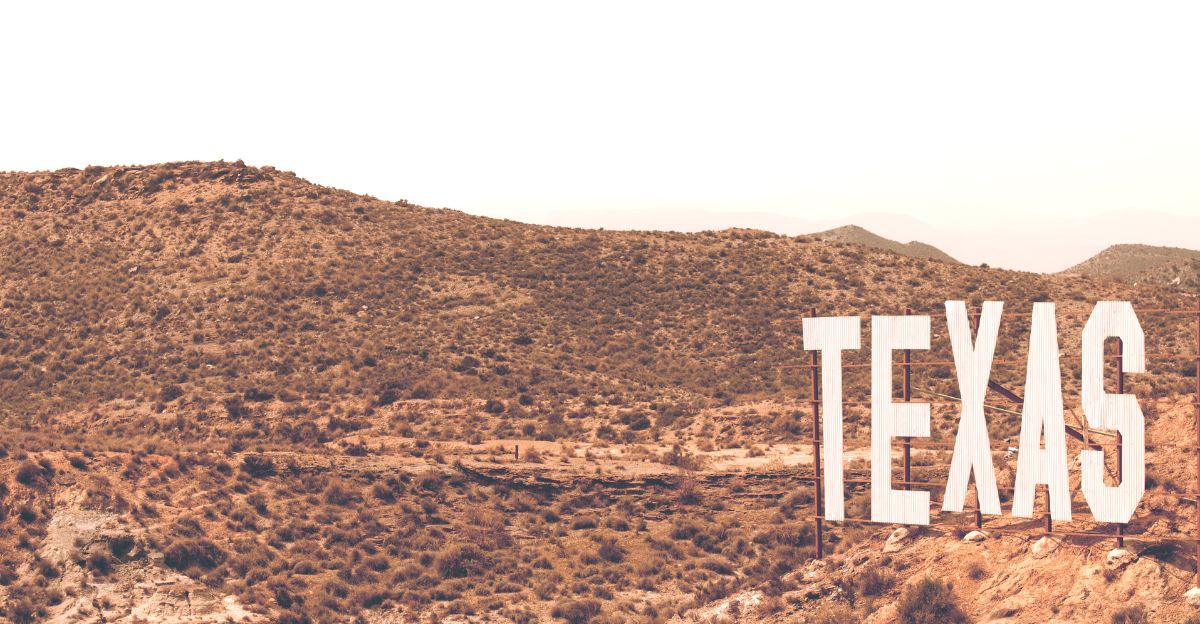
While parts of the U.S. freeze, southern states like Texas, Georgia, and Florida are more likely to deal with drought. Forecasters say these areas will get less rain, making it tough for farmers and putting extra pressure on water supplies.
Some experts estimate the agriculture sector could lose between $2 and $5 billion due to losses. For rural communities, this means checking on wells and getting advice from local officials. City planners might start restricting water use or helping farmers switch crops. If the dry weather continues for months, prices for fresh fruits and vegetables could rise, hitting families’ budgets.
High Energy Demand Expected
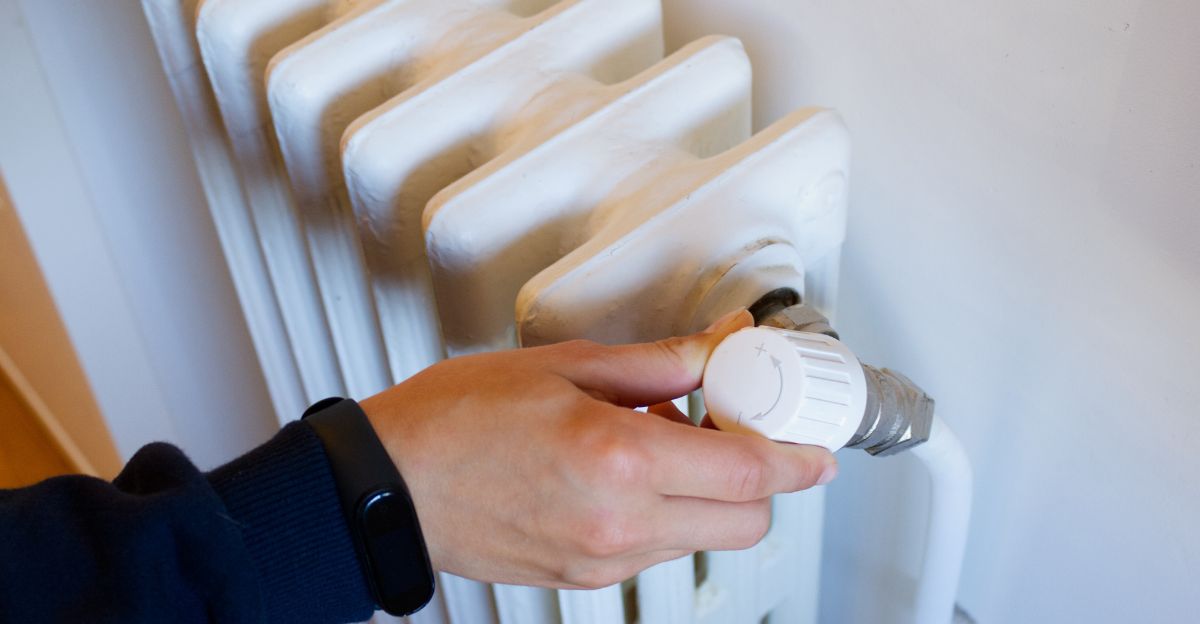
With cold sweeping the northern states and drought gripping the south, power companies are bracing for higher energy use. Experts predict heating demand may rise by 20–30% as more families turn up their heat to stay warm. City utilities and rural electricity providers are stocking up on fuel and supplies to avoid blackouts.
If the weather gets even more extreme, some areas may see higher natural gas prices or overloaded electric grids. Power outages may be more likely, especially during ice storms or blizzards. Officials are asking people to conserve energy where possible and check for low-income heating programs if needed.
Huge Marine Heat Wave Adds Uncertainty
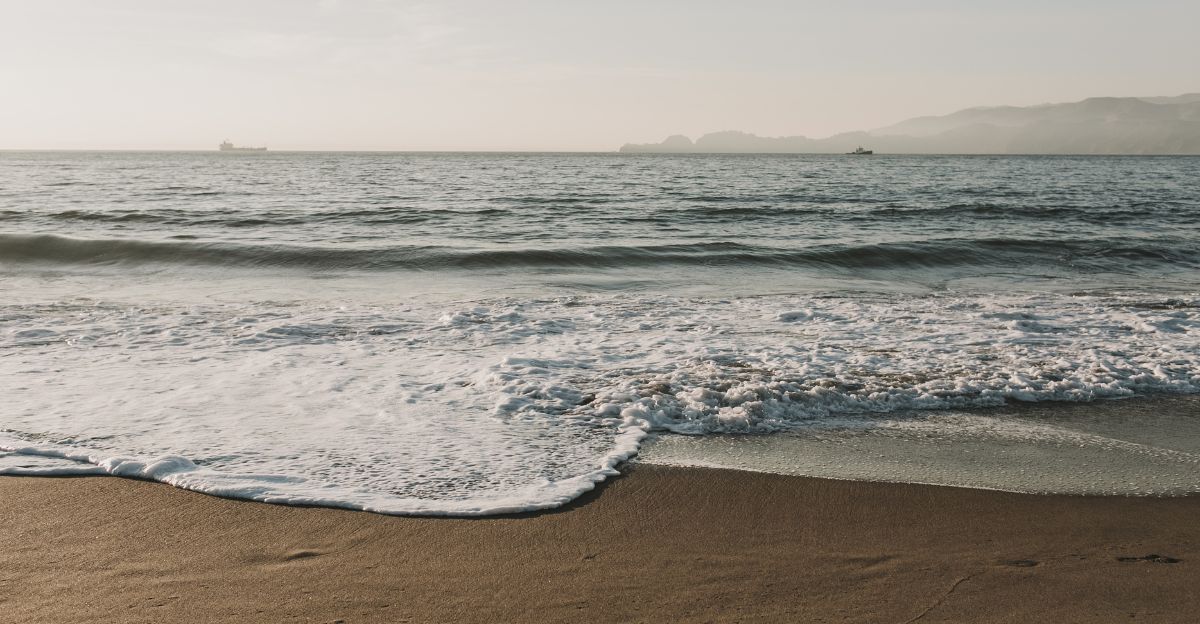
Besides La Niña, a massive marine heat wave is changing winter’s forecast. Covering 4 million square miles, this warm ocean patch can disrupt normal weather patterns, making regional predictions less reliable. The combination of cold La Niña waters and unexpected ocean heat is described by Severe Weather Europe as unprecedented, meaning forecasters have less data to work with.
This new twist means cities and farmers need to watch updates closely and expect the unexpected. Marine biologists are also worried because sudden changes in ocean temperature can drive fish away from their traditional habitats.
Farmers Speak Up
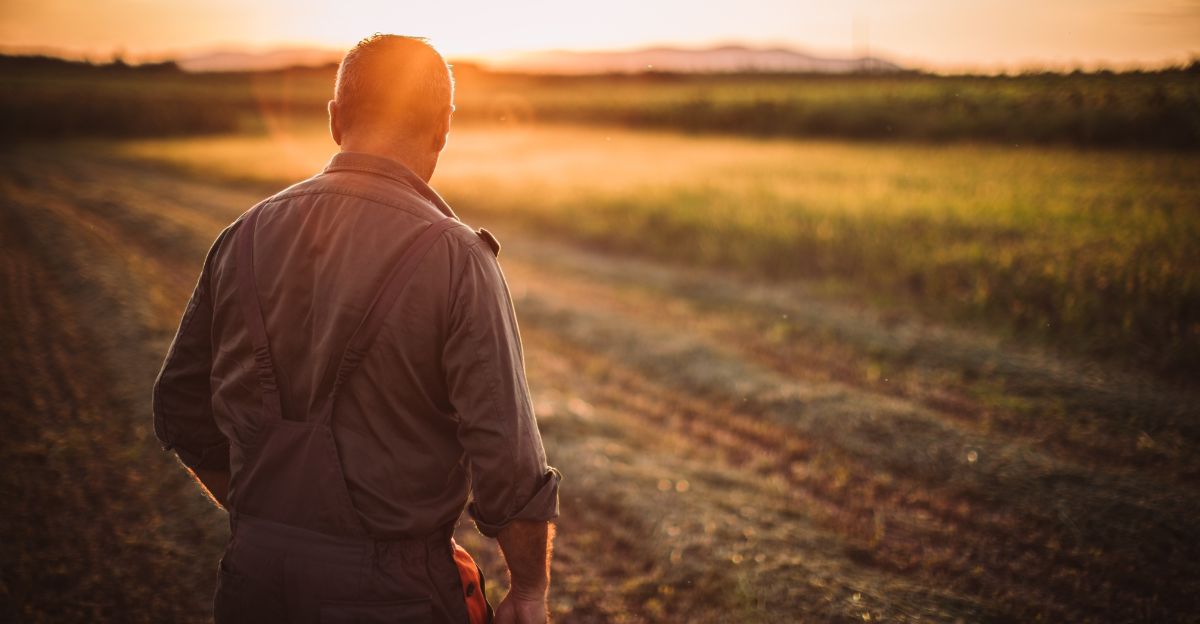
Farmers from the Midwest to the Southeast are increasingly concerned as winter approaches. Many remember big crop losses from previous years when weather patterns turned unpredictable. Now, with both frost and drought threatening fields, farm groups are asking Washington for early relief.
In rural areas, communities lean on each other, sharing equipment and resources when conditions get tough. But not every farm has the money or backup needed to bounce back quickly, so emergency support is critical.
Leaders Urge Preparation
Officials from NOAA and local emergency management teams are stepping up public outreach. In places like Minnesota, North Dakota, and Oregon, state leaders are urging residents to winterize homes and make cars ready for ice and snow.
City and state websites are posting tips on avoiding frozen pipes, handling power outages, and keeping safe if roads close down. Community meetings are being held to help people understand the forecast and share advice.
Cities Build Up Defenses
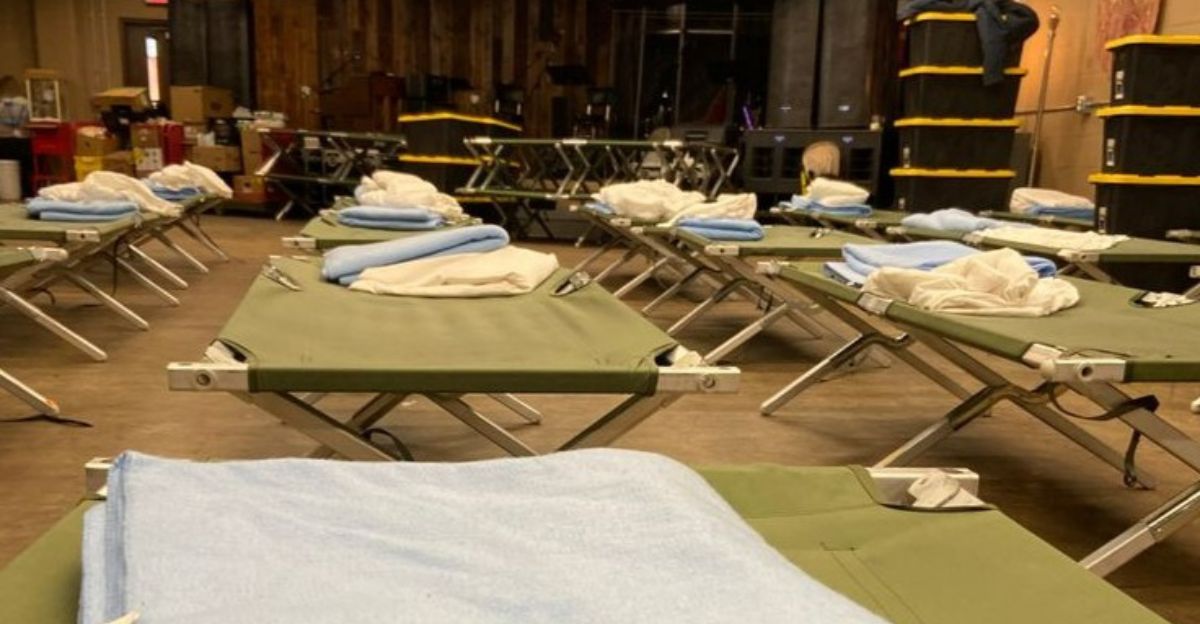
Major cities like Chicago and Seattle aren’t waiting for disaster to arrive. They’re adding more warming shelters, readying emergency crews, and making sure enough supplies are on hand. Warming shelters give people a safe place when temperatures drop too low, while utility companies are stockpiling the parts they need for fast repairs.
These investments matter because the cold can cause unexpected power outages, burst pipes, and transportation problems. With more staff on call and community plans in place, cities hope to bounce back quicker from cold snaps.
Experts Stress Uncertainty
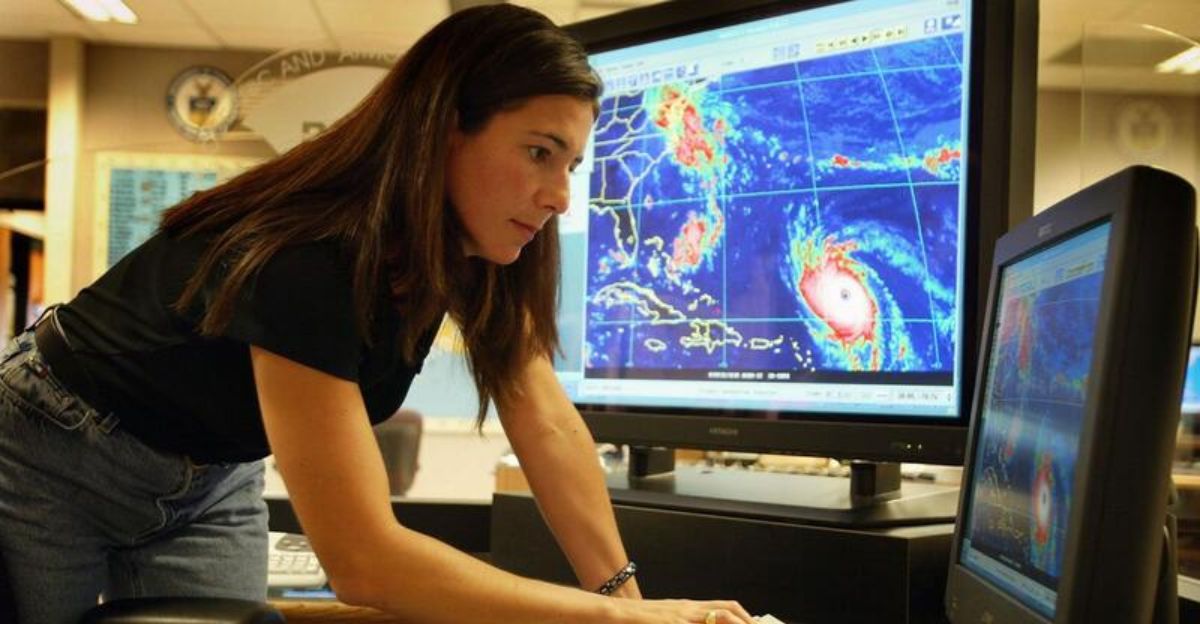
Even as scientists track La Niña and other trends, they urge everyone to remember that forecasting isn’t perfect. That means snowstorms could appear where they’re least expected or warm spells could pop up in supposedly cold regions.
Forecasters rely on the latest data, but Mother Nature sometimes has surprises in store. This winter, it’s a good idea to keep checking updates and follow guidance from local officials.
Will Winter Patterns Stay?
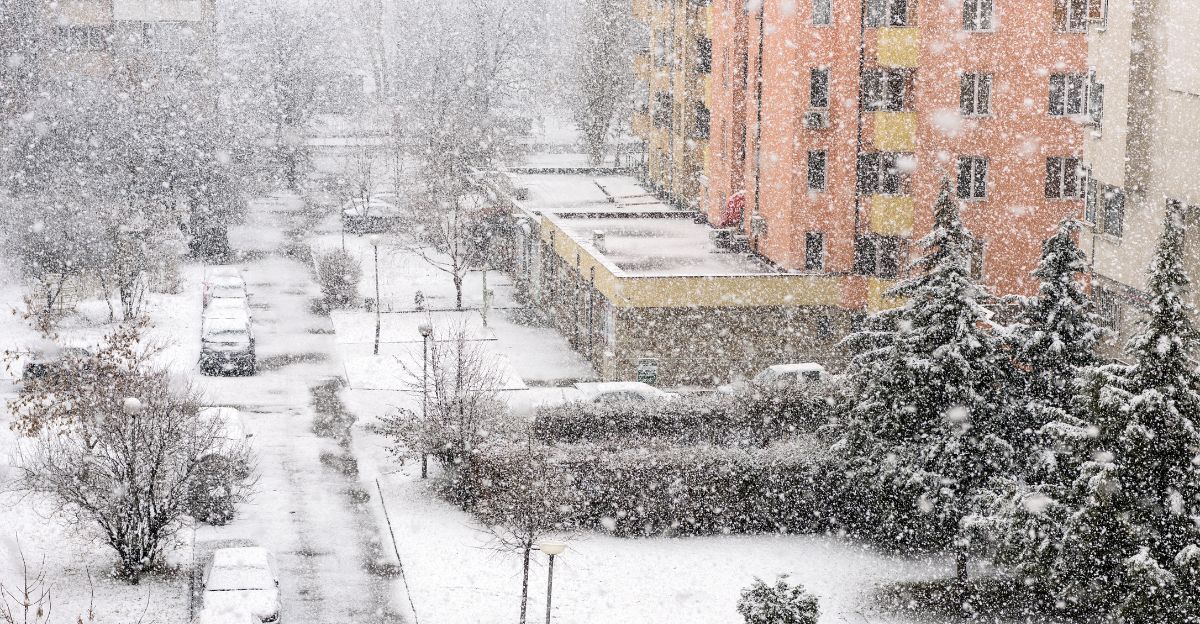
As the weeks roll by, weather experts look for signs that things are changing. NOAA predicts that by March 2026, La Niña will fade and conditions will return to ENSO-neutral. Still, the effects might stick around longer, making spring colder or drier than usual.
Seasonal changes used to follow clear paths, but now, we may see weather events linger past their usual time. Paying attention to the latest research and adapting policies will help communities stay ahead of the curve.
Agencies Get Ready for Emergencies
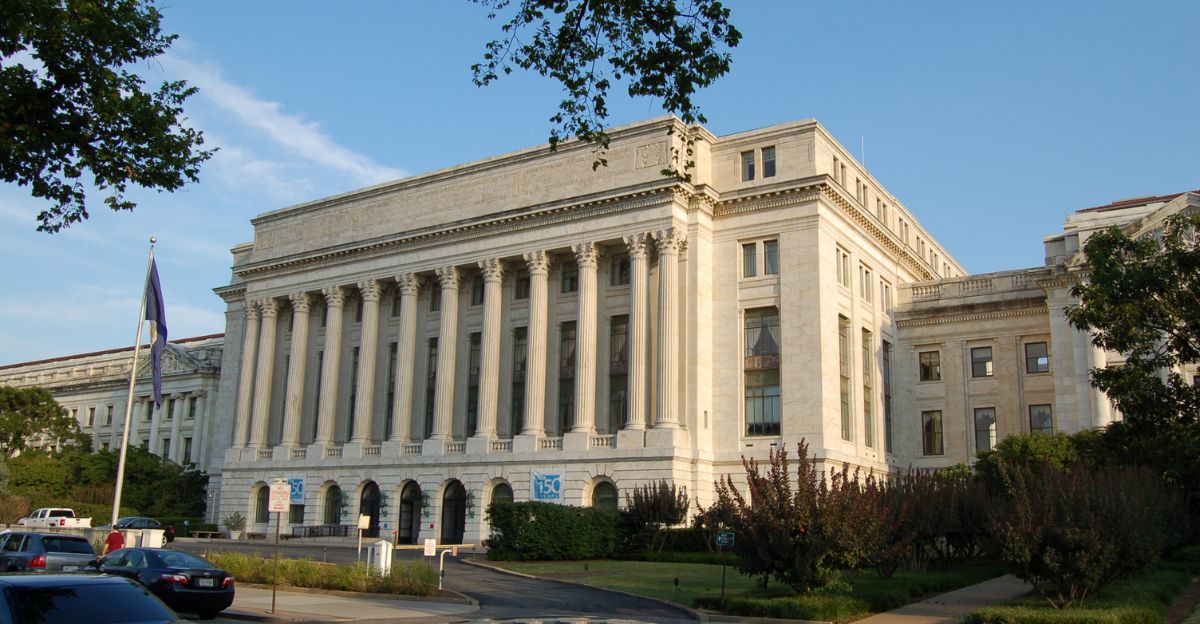
Government leaders aren’t waiting for winter’s worst, they’re rewriting disaster plans now. The Department of Agriculture is drawing up strategies to help farmers hit by drought, and energy regulators are looking at ways to keep heating costs manageable for families in need.
These steps include making sure shelters are ready, opening more food distribution centers, and setting up hotlines for emergency help. Local governments are focusing on the most at-risk populations, including seniors and those living in rural areas.
The Whole Continent Braces
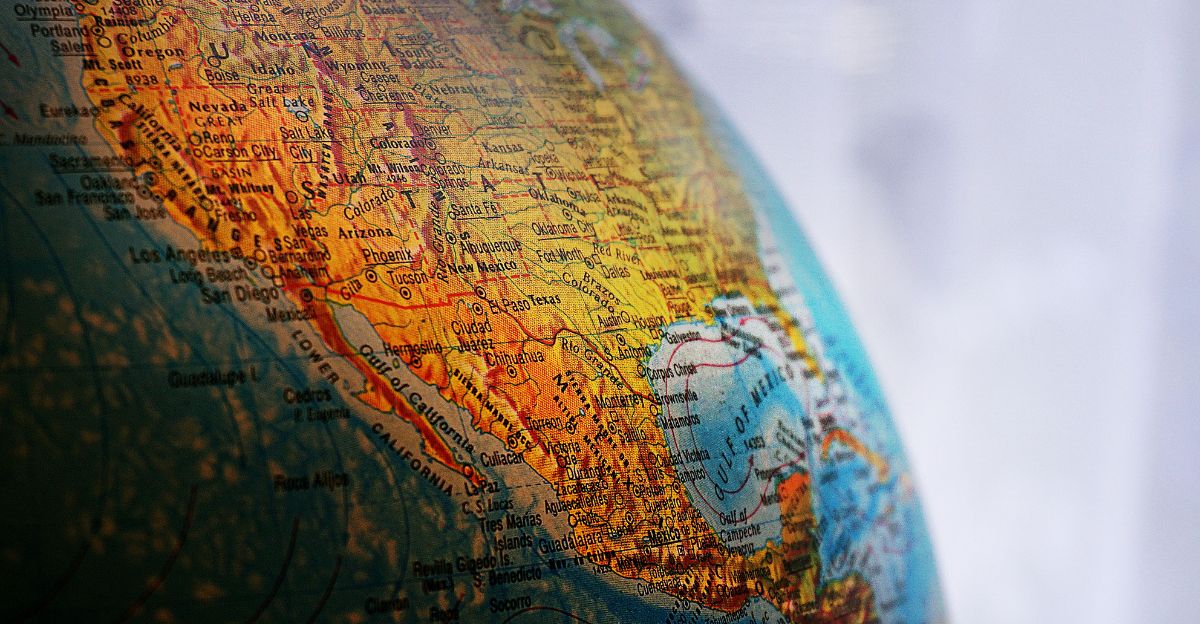
It’s not just the U.S. keeping an eye on the weather. Canada and Mexico are also preparing for extreme conditions that could spill across the border. Canadian provinces may see more cold and snow, while northern parts of Mexico are preparing for tougher droughts.
With more farms and cities sharing resources, there’s a push for quicker alerts and joint solutions. From shared weather data to emergency energy supplies, these efforts show that climate doesn’t recognize borders.
Oceans Under Pressure

This winter’s giant marine heat wave isn’t just a weather worry, it’s changing how ocean life behaves. Scientists say warmer waters hurt fish habits, shrinking catches and hurting local economies.
Fishing towns along the coast are watching closely as warming seas change which species are easy to catch. Recreational fishers, too, face fewer opportunities as fish populations shift. Conservation groups are calling for better protections as sudden changes can strain fragile ecosystems.
Americans Prepare Like Never Before
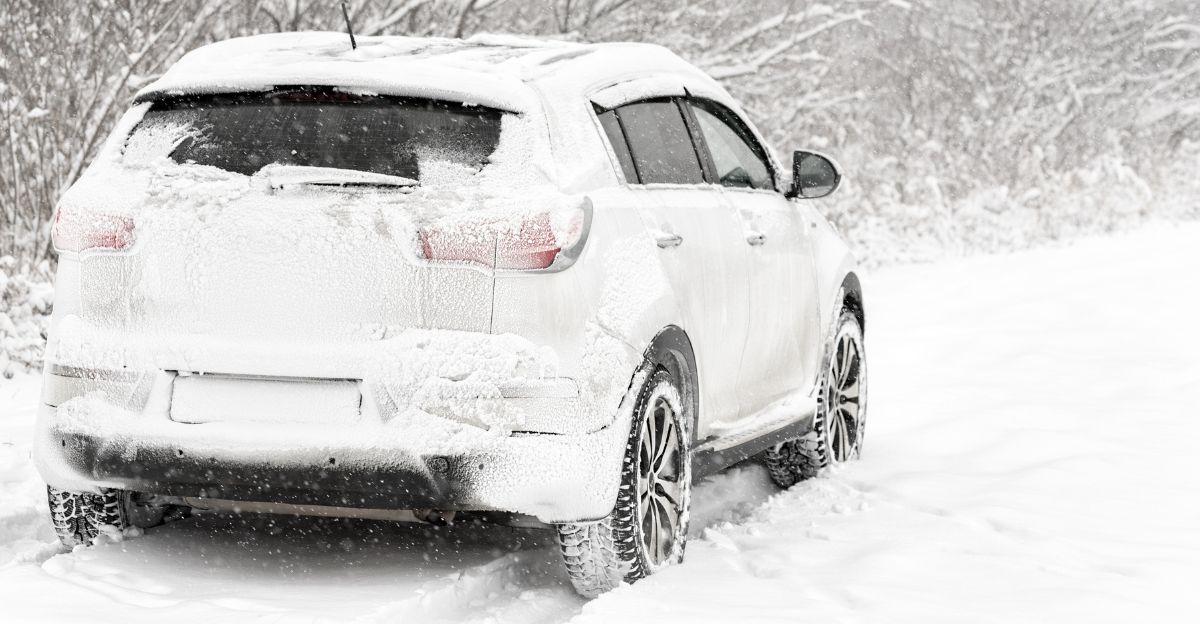
As winters become more dramatic, people across the U.S. are changing habits. More families are improving home insulation, buying emergency kits, and installing backup power generators. Businesses and schools are adjusting closure plans, making it easier to respond quickly to weather emergencies.
Local hardware stores are stocking up on snow shovels and de-icers, while social media is full of tips for staying safe during storms. Kids and teachers learn new safety drills, and neighborhoods check in on vulnerable residents.
Why This Winter Matters
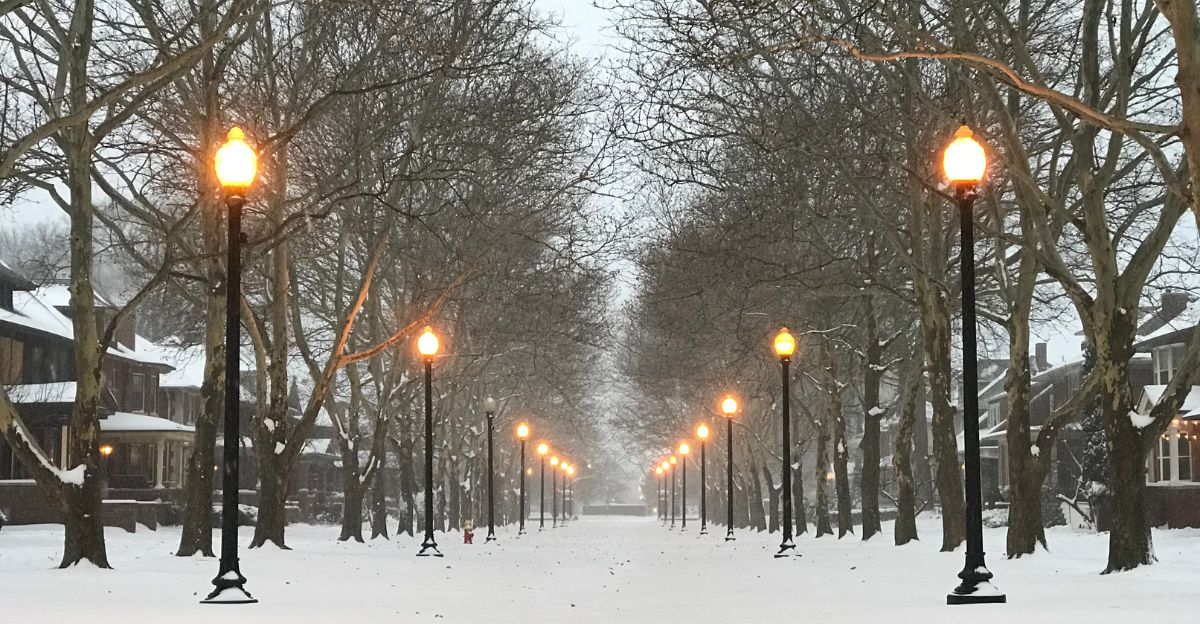
As 130 million Americans face higher risks, communities realize how important good forecasts and strong preparation are. With old climate cycles mixing with new extremes, everyone from scientists to everyday families must team up to respond. Learning, adapting, and staying connected will help cities and towns get through tough conditions.
As weather grows more complex, clear communication and quick responses can make a difference, and keep more people safe and comfortable when the next big freeze arrives.