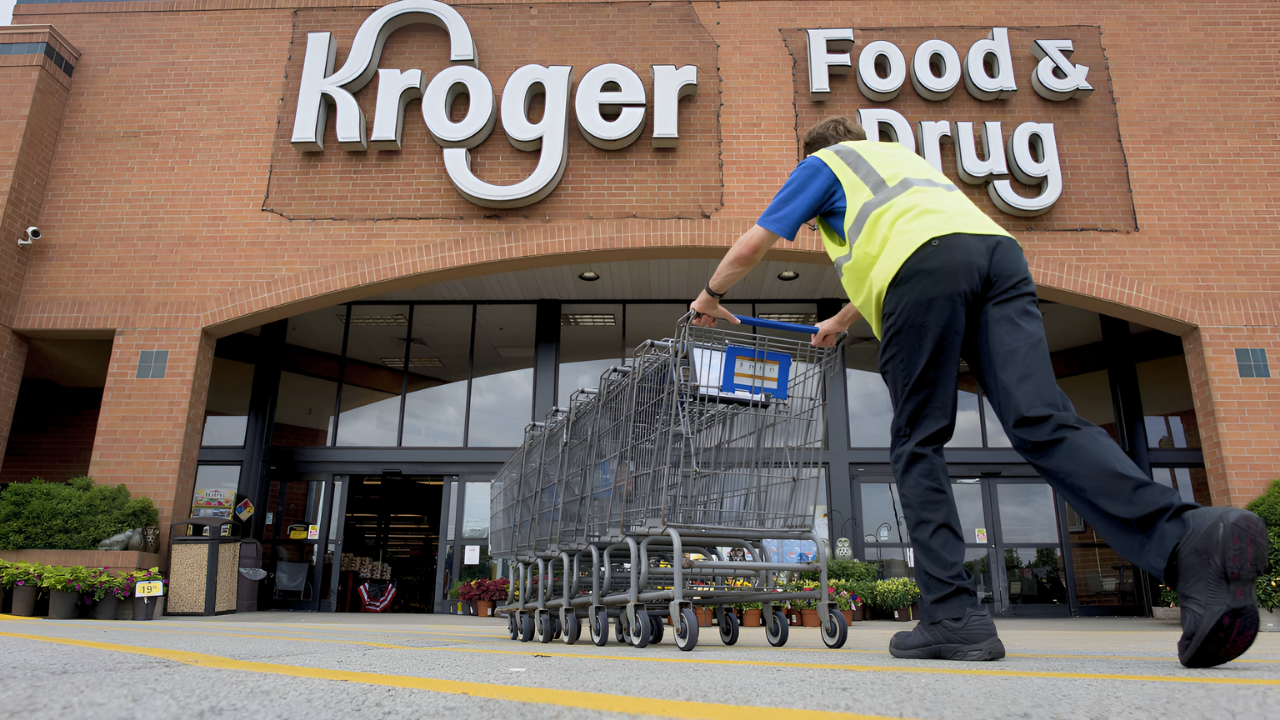
A forklift rolled across the Groveland warehouse floor as rows of tall metal racks stood motionless beneath the fluorescent lights—an automated facility built for constant motion suddenly brought to a halt.
Workers in blue safety vests gathered near the loading bay, some holding final order slips while a towering grid of robots sat idle above them. The quiet inside Florida’s largest grocery fulfillment hub signaled something far bigger than a routine shutdown. What happened moments earlier would reshape the future of Kroger’s entire Florida operation.
Why Kroger’s Multi-Million Dollar Bet Collapsed
Kroger built the Groveland facility in 2021, investing substantially with Ocado to create a robotics-driven eCommerce engine. Four years later, the pandemic online-shopping boom evaporated, delivery demand normalized, and the economics no longer worked.
Kroger now projects $2.6 billion in Q3 2025 impairment charges tied to these closures—while expecting $400 million in eCommerce operating profit in 2026 after pivoting away from its automated model.
Florida Consumers Lose a Key Delivery Option
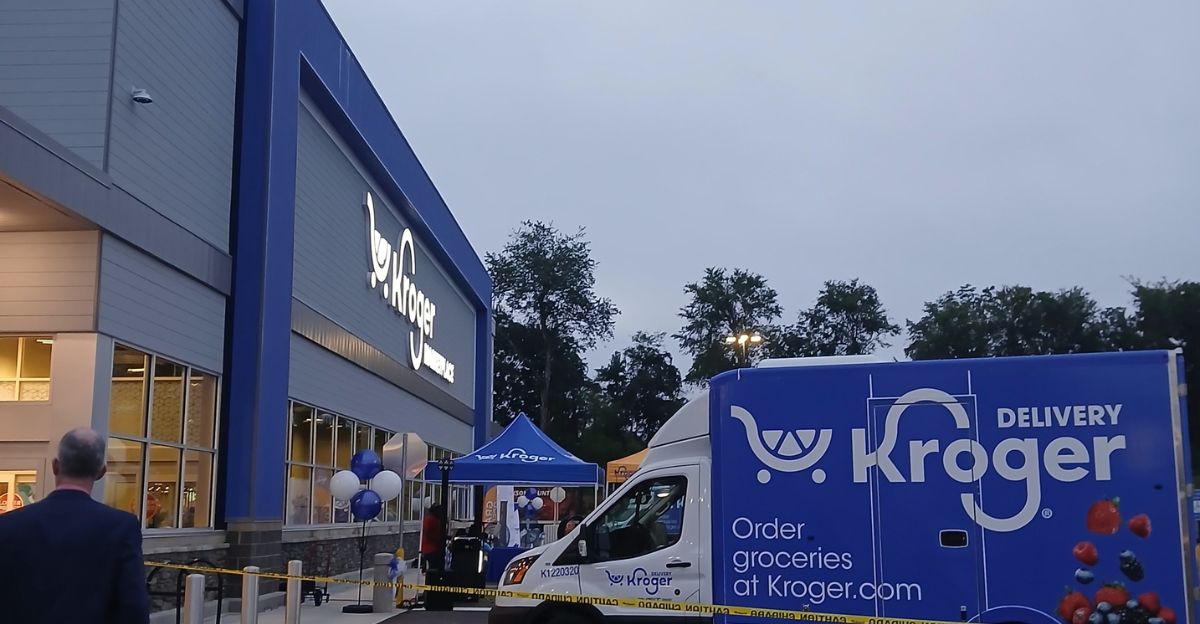
With the Groveland hub and spokes in Jacksonville, Tampa, and Rockledge shutting down, customers were informed that final orders must be placed by January 31, with all deliveries ending February 1.
Kroger never operated physical grocery stores in Florida, so the exit leaves no fallback option. For thousands of households who relied on the service, this shift arrives suddenly and without a clear replacement.
Kroger’s New Strategy: Abandon Robotics, Lean Into Partners
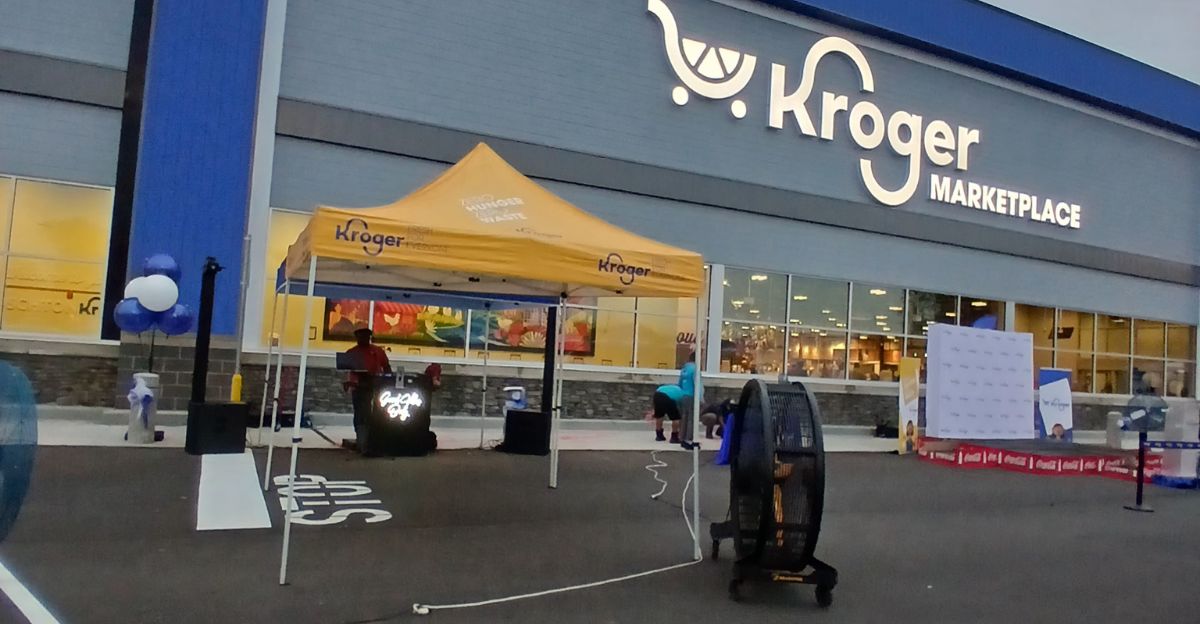
Kroger is pulling back from expensive, automated fulfillment centers and shifting toward in-store fulfillment, backed by expanded partnerships with Instacart, DoorDash, and early-2026 Uber Eats Marketplace integration.
This approach reduces operating costs, speeds up delivery, and avoids the overhead of running robotics complexes. Kroger will still use Ocado technology in select markets, but the Florida closures signal a decisive move toward flexible, store-based eCommerce.
Competitors Move Quickly Into the Empty Space
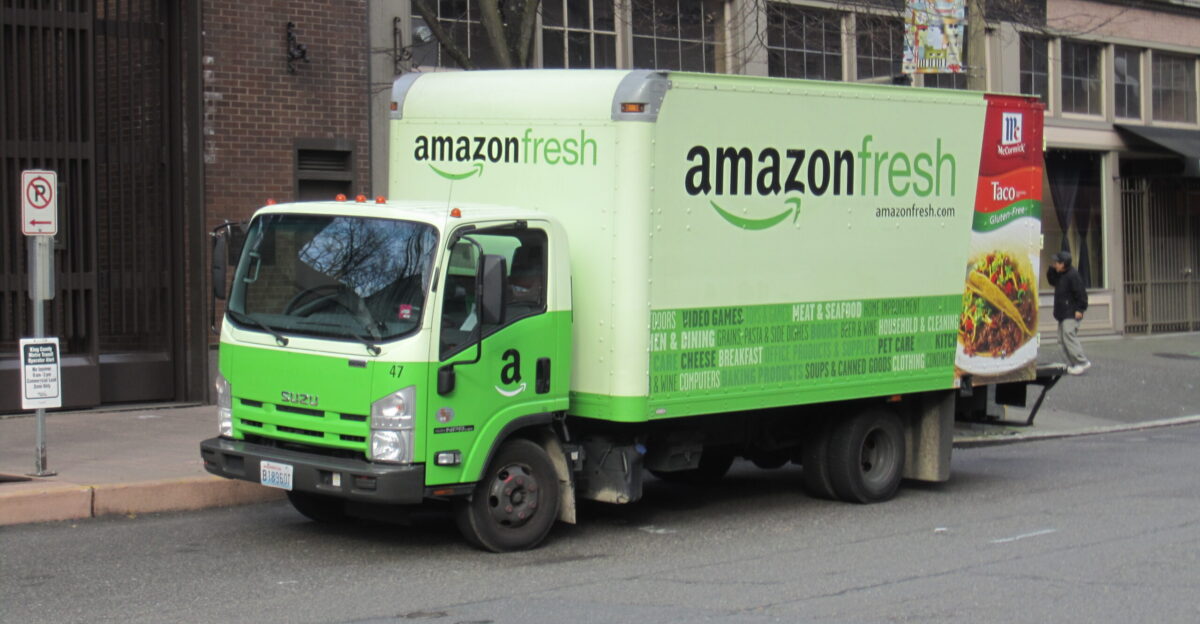
Publix, Walmart, Amazon Fresh, and even Target are already positioned to absorb displaced Kroger customers. Publix dominates Florida’s grocery sector with unmatched store density, while Walmart’s hybrid pickup-and-delivery model continues expanding.
With Kroger leaving entirely, these retailers gain a rare opportunity to convert tens of thousands of former customers—and strengthen their control over Florida’s rapidly shifting online grocery market.
Ocado’s U.S. Automation Plans Hit a Wall
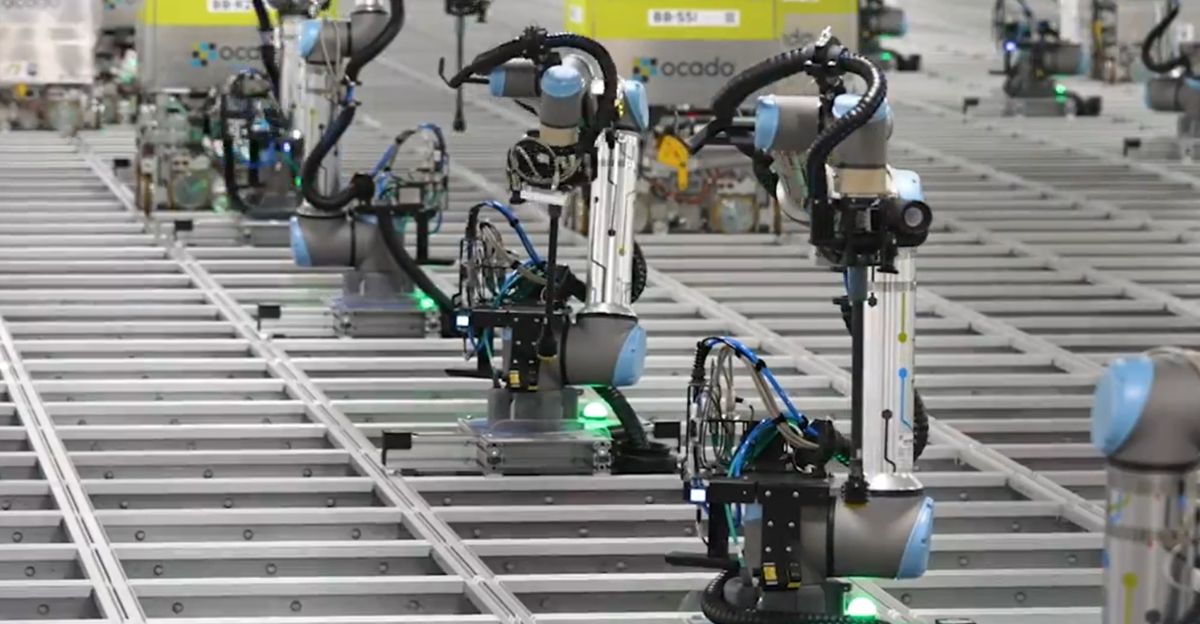
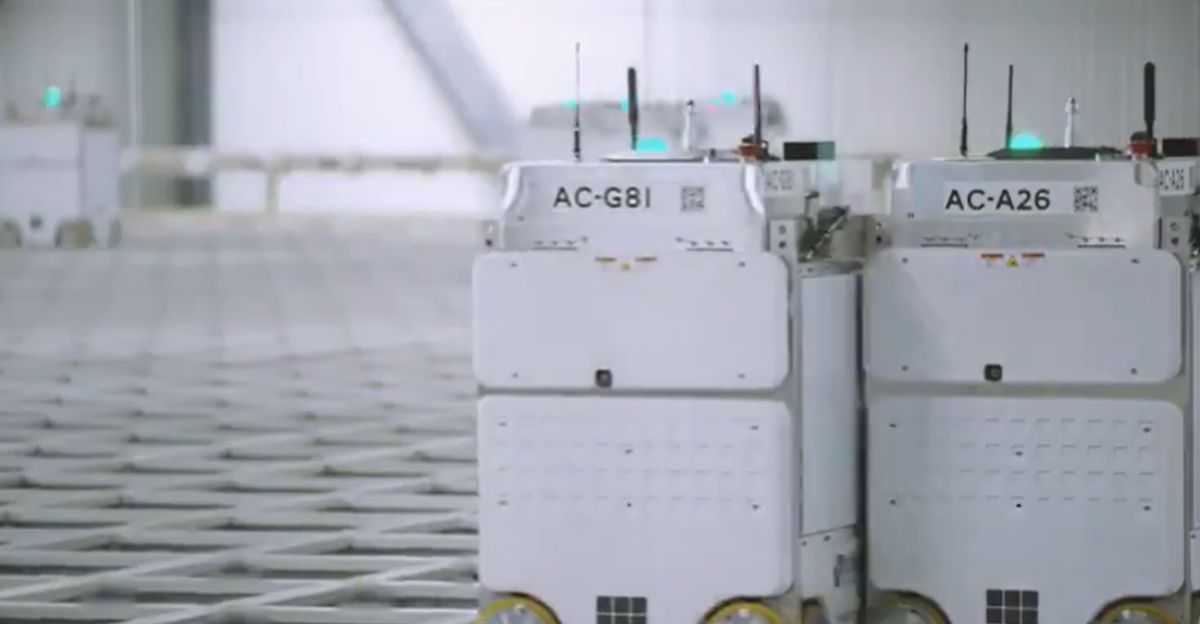
The Groveland closure complicates Ocado’s U.S. strategy. Its partnership with Kroger was supposed to scale to 20 American sites, yet Florida’s shutdown—along with closures in Pleasant Prairie, Wisconsin, and Frederick, Maryland—introduces uncertainty.
As U.S. retailers shift away from centralized robotics, Ocado must recalibrate its expansion model or risk slowing momentum in its largest global growth market.
The Human Cost: 1,400 Workers, 1,400 Stories
In Groveland alone, 935 employees will lose their jobs. Roughly 500 more delivery drivers and staff in Jacksonville, Tampa, and Rockledge face the same fate.
Many are long-time Groveland residents who built their careers at the center, only to see it close four years after opening. Local officials say the timing—right before the holidays—makes the blow especially painful for families suddenly forced to seek new income.
Local Leaders Respond: Incentives Gone, Promises Broken
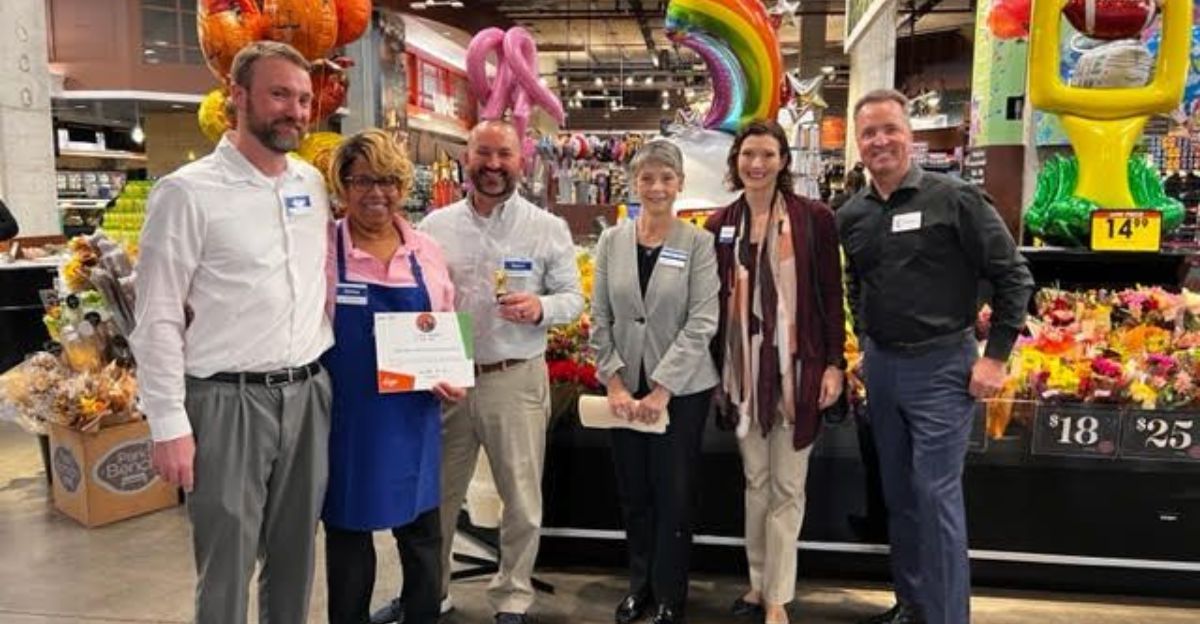
Groveland and Lake County offered incentives to secure the facility, including reduced impact fees, permit discounts, and job-growth incentives.
With the early shutdown, many of those economic benefits evaporate. Officials expressed disappointment, noting that the incentives were intended to support a long-term employer—not a four-year experiment.
Economic Shockwaves Across Lake County

The sudden loss of 1,400 paychecks eliminates a significant annual payroll. That means less spending at local restaurants, shops, and service businesses. Local residents may feel indirect effects—spouses, children, landlords, small businesses, and community services reliant on the facility’s workforce.
Lake County must now confront reduced economic activity and the collapse of a major employer.
The Real Story Behind the Profit Pivot
Kroger’s decision wasn’t just about Florida—it’s part of a nationwide rethink. Centralized CFCs proved costly, slow to scale, and vulnerable when online demand cooled.
By returning to store-based fulfillment and reducing capital-intensive infrastructure, Kroger positions itself for leaner, faster growth. The company insists the closures will unlock operating efficiency and support its goal of $400 million in eCommerce profit next year.
Local Restaurants and Hospitality Feel the Shift
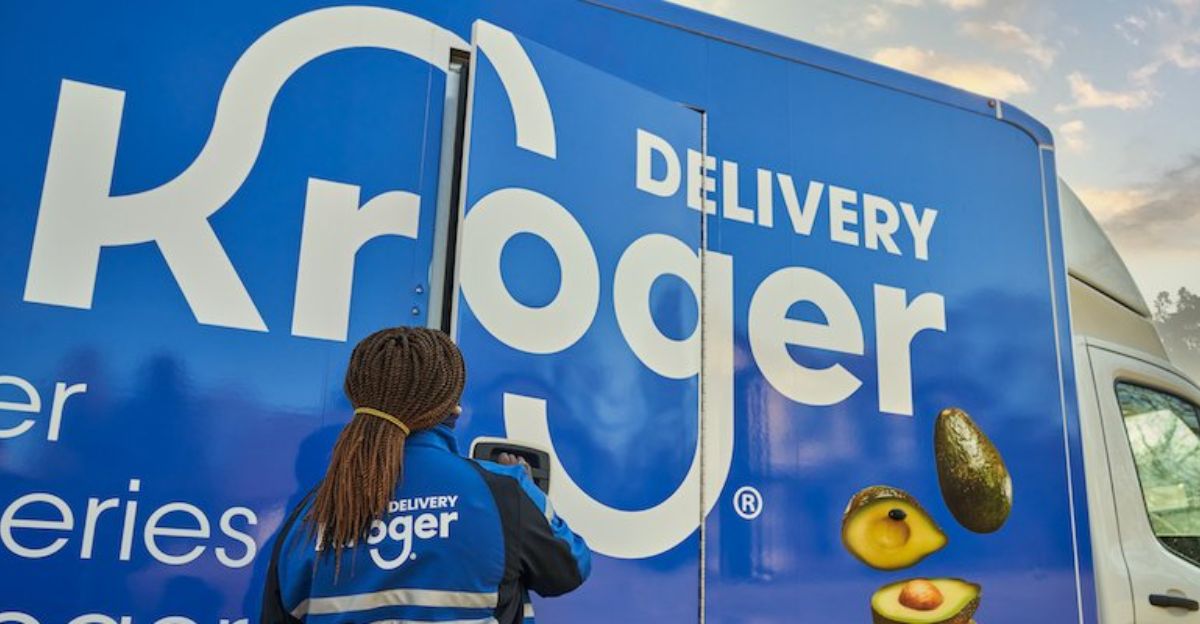
With fewer delivery drivers and warehouse employees spending locally, Groveland’s restaurants, cafés, and small retailers will likely see softer weekend traffic and slower weekday business.
Some families may adjust habits entirely—relying more on dining out, switching to meal-kit services, or seeking cheaper alternatives as household budgets tighten. These small shifts ripple across hospitality sectors already navigating rising costs.
Vendors and Service Providers Lose a Major Client
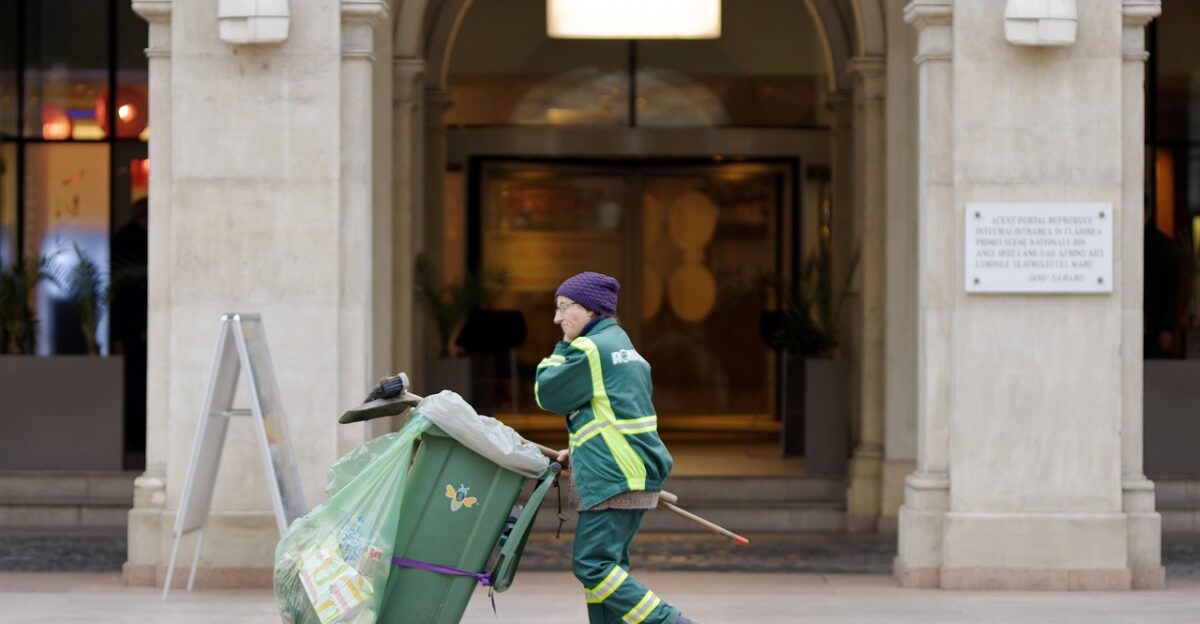
Beyond direct employees, dozens of service providers—maintenance contractors, sanitation companies, packaging suppliers, logistics partners, tech support teams, and fleet service operators—will lose business tied to the massive robotics facility.
Local economic activity may be significantly impacted, raising concerns about how long recovery may take.
A Global Signal: Automation Alone Isn’t Enough
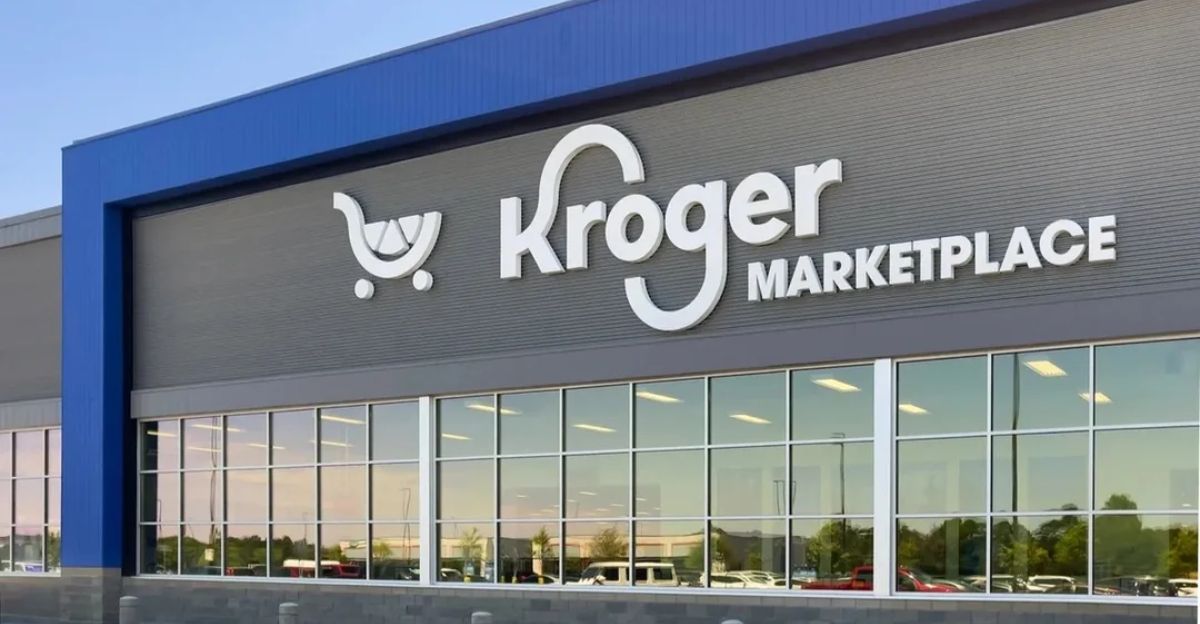
Kroger’s retreat reinforces a trend seen internationally: highly automated fulfillment centers can struggle when consumer patterns shift. The pandemic-era surge encouraged aggressive investment, but the demand curve flattened quickly.
Global retailers may rethink whether hyperspecialized robotics hubs can compete with flexible, store-centered systems—especially in markets dominated by entrenched competitors like Florida’s Publix.
How the Closure Will Shape Consumer Habits
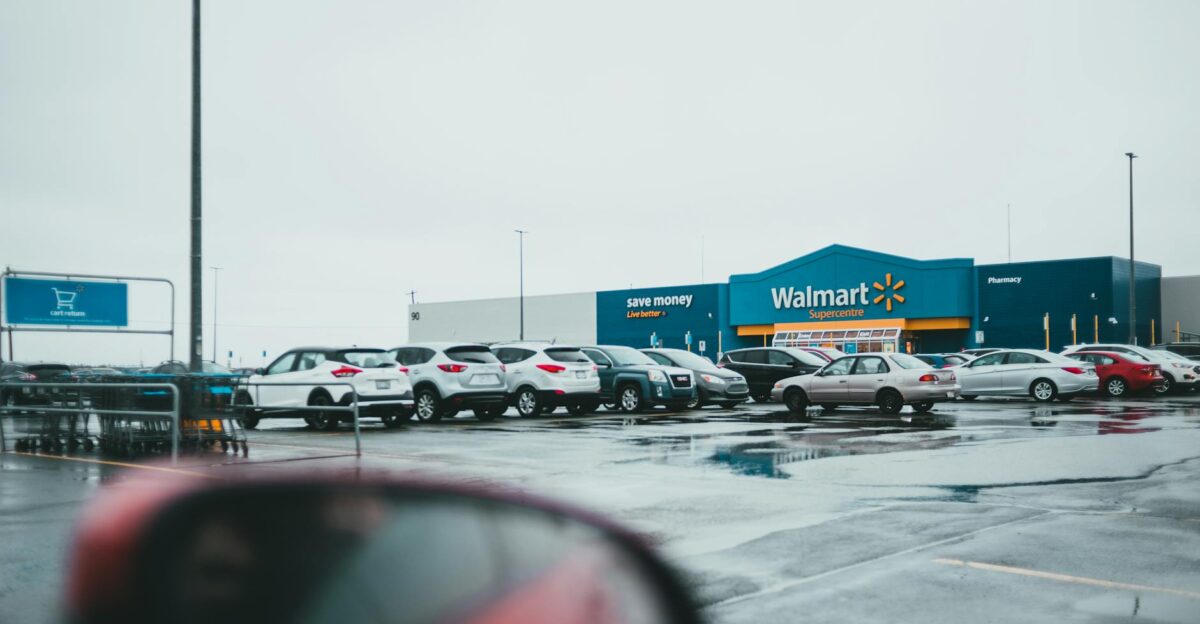
With one major online option gone, some Floridians may return to in-person shopping—especially those already splitting time between stores and delivery.
Others will migrate to Instacart or Walmart+, reshaping the competitive balance. As consumers adjust routines, retailers must decide whether to double down on convenience, speed, or price—each of which influences lasting behavioral shifts.
The Sustainability Question: Was the Model Ever Viable?
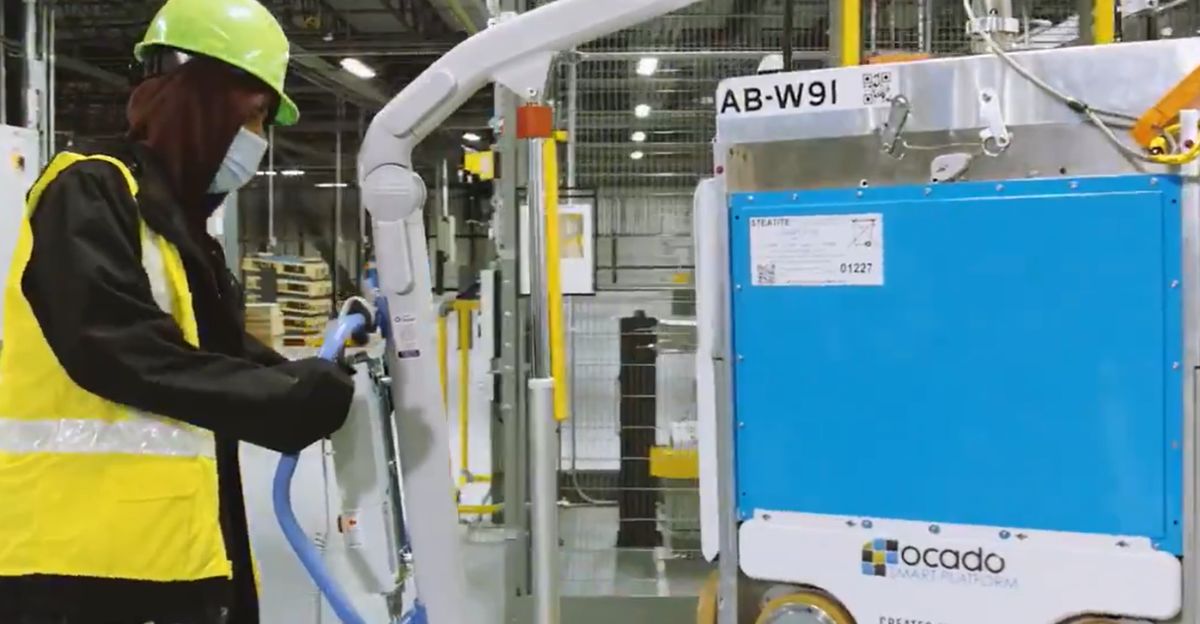
Automated CFCs promised reduced labor, higher accuracy, and lower carbon footprints. But in Florida, the model collided with reality: long distances, decentralized suburban sprawl, and an intensely loyal Publix customer base.
Kroger’s exit sparks renewed debate about whether eco-efficient delivery can survive in regions without a strong brick-and-mortar footprint—or whether automation is best used as a supplement, not a foundation.
Winners, Losers, and Unexpected Twists
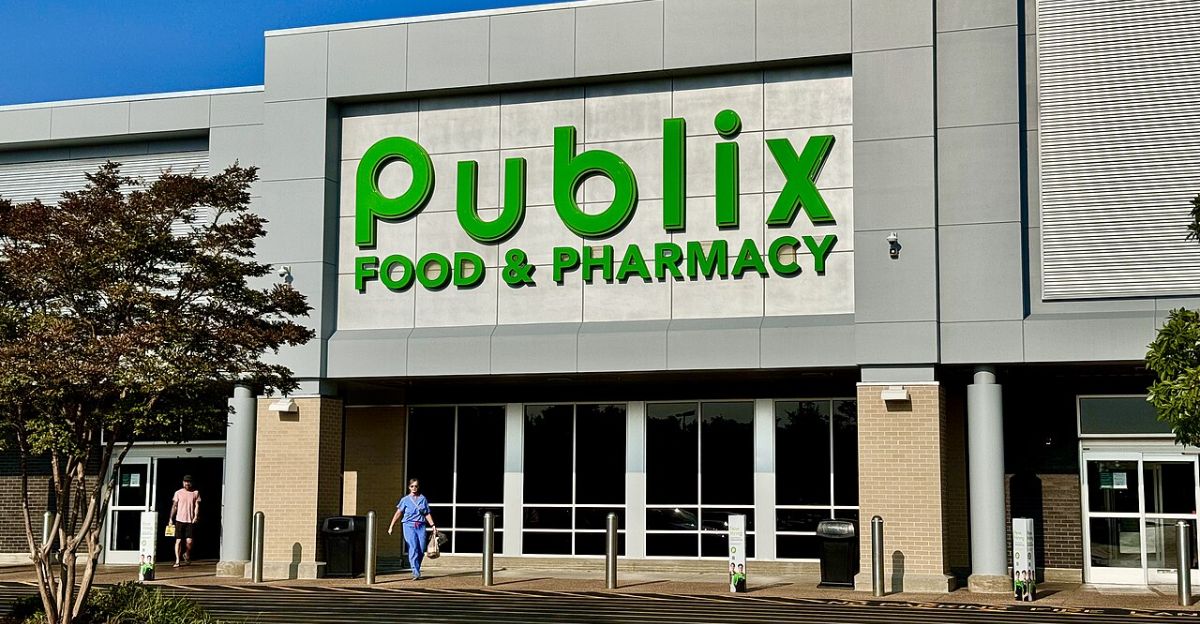
Publix stands out as the biggest winner, gaining more leverage in a state it already dominates. Walmart and Amazon Fresh also benefit from a sudden influx of potential customers.
Meanwhile, gig-economy platforms like Instacart and DoorDash will see increased activity. The biggest loser besides workers? Ocado’s U.S. expansion roadmap, which now faces strategic uncertainty.
Financial Markets Watch Closely
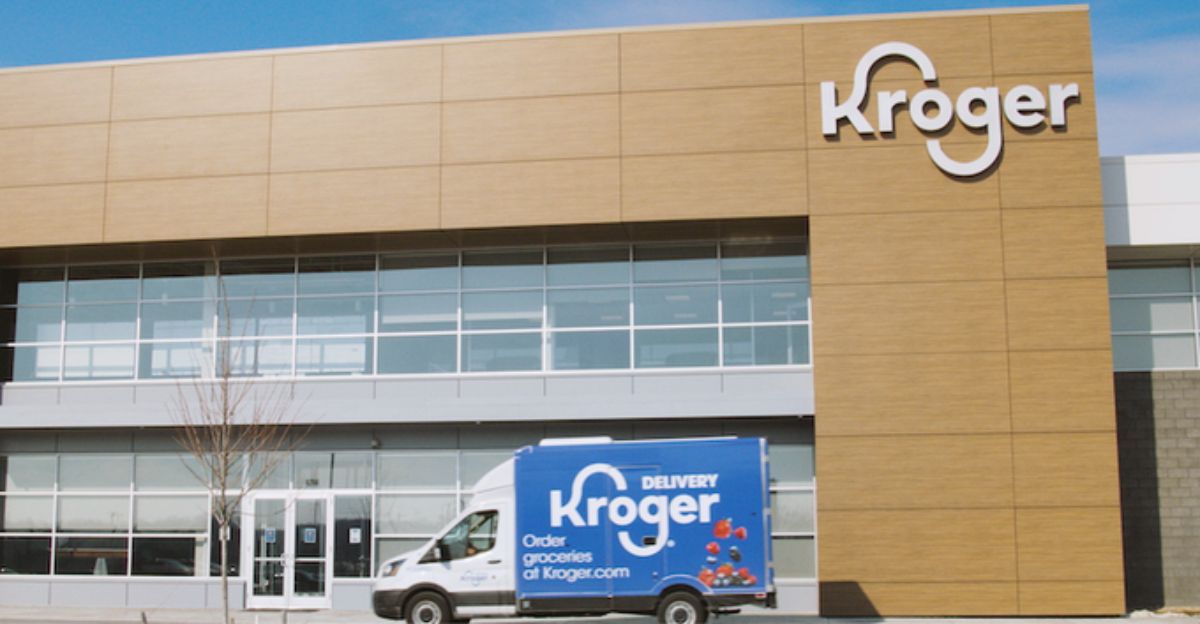
Investors are evaluating Kroger’s shift with caution. The company must absorb $2.6 billion in impairment charges but claims the closures will dramatically improve long-term profitability.
Analysts will scrutinize Kroger’s performance through early 2026 to see whether its leaner, partner-focused model delivers the promised financial rebound—and whether similar retailers follow suit.
What Florida Shoppers Should Do Next
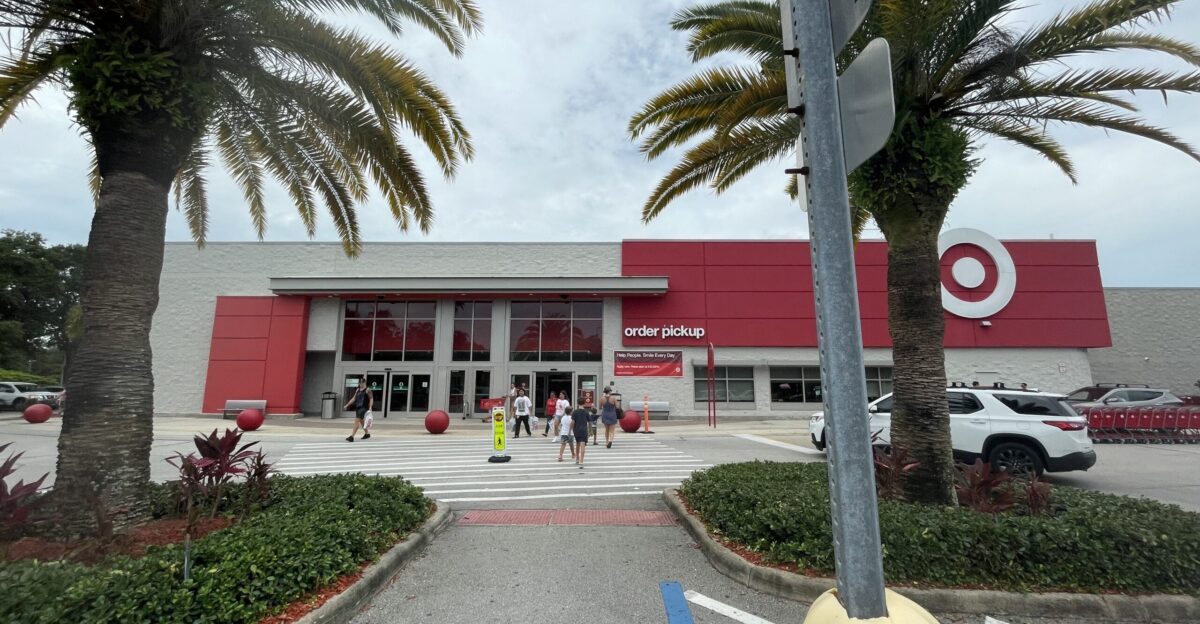
Consumers can transition smoothly by comparing alternatives like Publix Delivery, Walmart+, Target, Amazon Fresh, and Instacart-based options. In-store pickup—often cheaper—remains widely available.
Shoppers should stay aware of changing service fees, delivery times, and product availability as Florida’s grocery landscape continues to shift rapidly in early 2026.
The Future of Florida’s Grocery Market
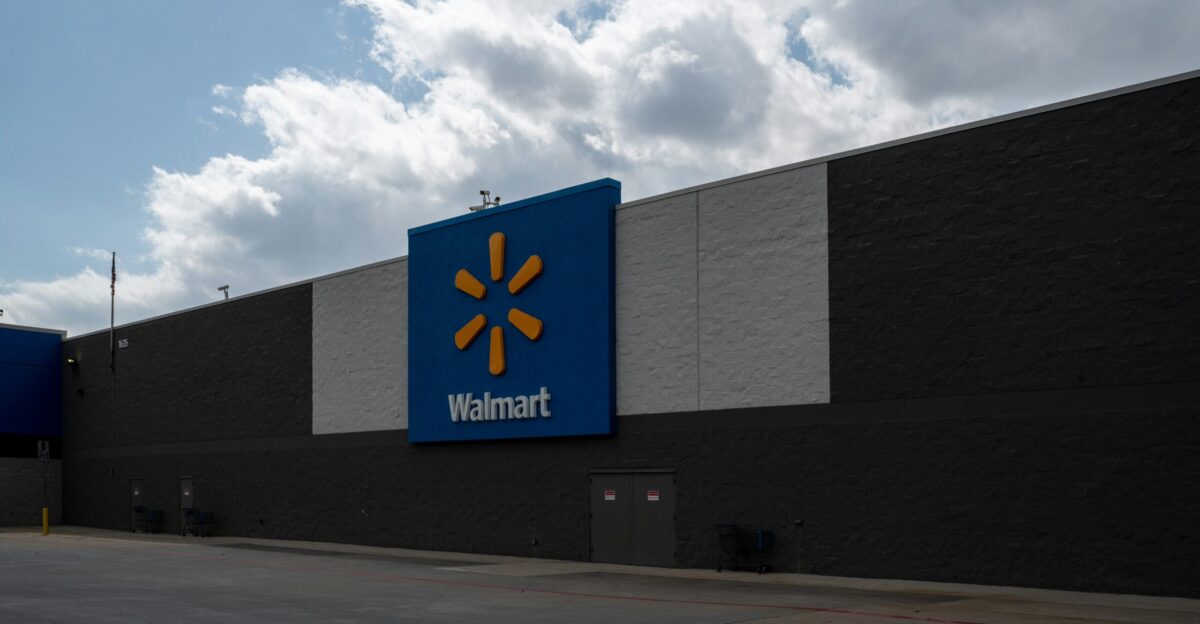
Kroger’s exit comes as Florida undergoes rapid transformation—from shifting consumer expectations to fierce competition between giants like Publix and Walmart. Expect retailers to experiment with new fulfillment hybrids, tech partnerships, and loyalty incentives.
Florida’s grocery sector will likely see the emergence of faster, more flexible delivery models adapted to the state’s unique geography and consumer habits.
Final Reflection: Four Years, Major Investment, and a Hard Lesson
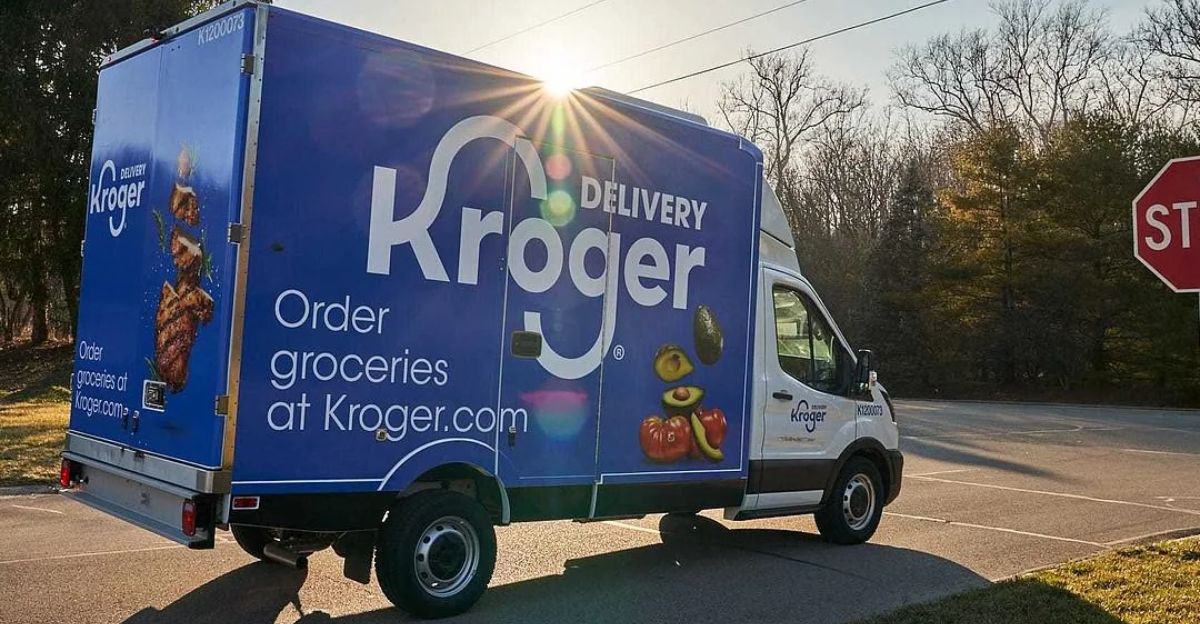
Kroger’s Florida story began with optimism: high-tech automation, job creation, and promises of a digital retail future. It ends just four years later—1,400 jobs lost, communities disappointed, and a retailer learning a harsh truth.
The closure underscores a reality of post-pandemic retail: technology alone can’t guarantee success. Consumer behavior, competition, and local economic realities ultimately write the final chapter.