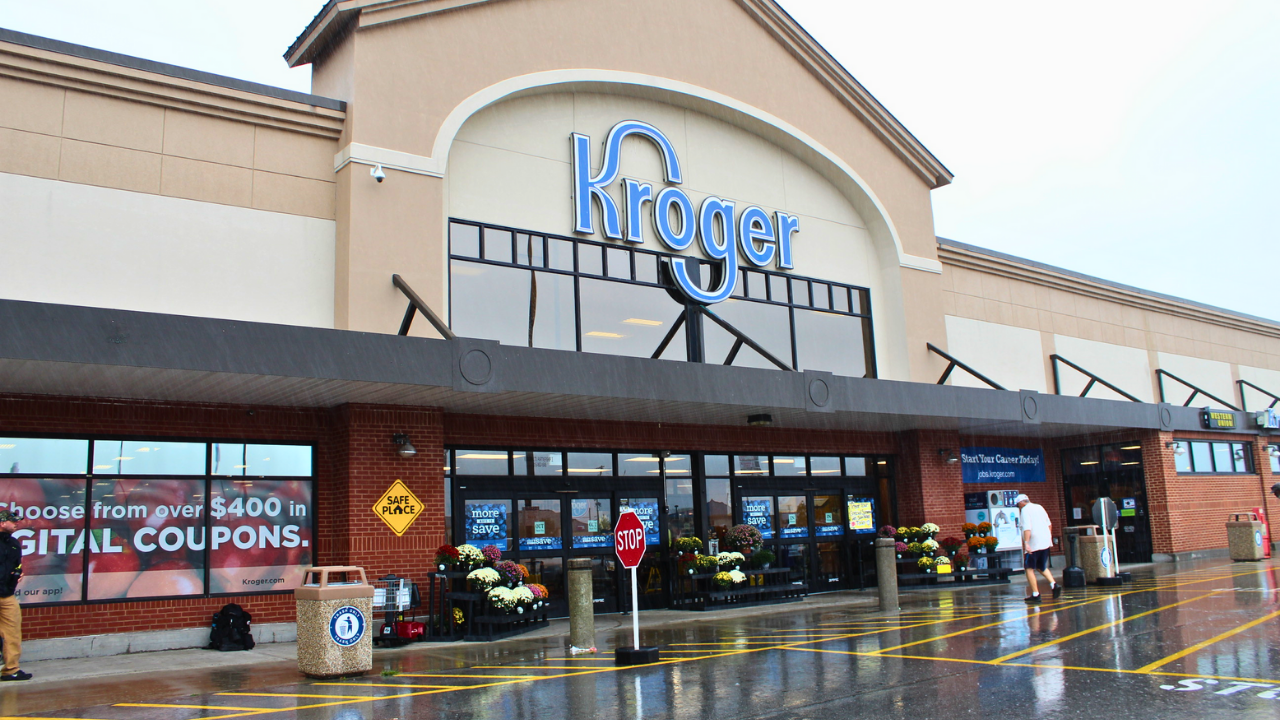
Kroger’s $2.6 billion automation strategy crumbled in spectacular fashion. By January 2026, three highly anticipated automated fulfillment centers, the centerpiece of its high-tech vision, will shut down, throwing hundreds of workers into uncertainty.
Once hailed as a game-changer in grocery delivery, the company’s partnership with Ocado is now unraveling. What went wrong with this once-promising venture? Was it the system itself, or was the market just not ready for such high-tech solutions?
The Economics Never Added Up
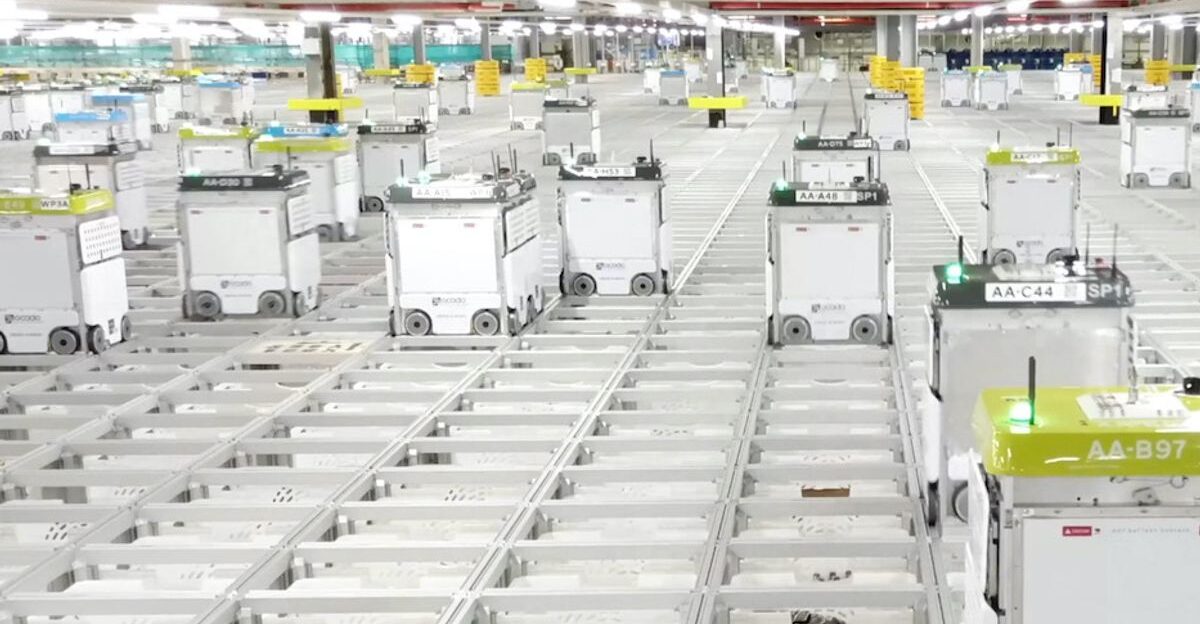
Despite the massive investment, Kroger’s automated centers never reached the demand density necessary to cover their high operational costs.
The system was designed for predictable, scheduled delivery, but consumers in the U.S. want same-day service, not scheduled drops. The mismatch between the technology and the market’s needs caused these high-tech hubs to fail within just a few years of operation.
Hundreds of Jobs at Risk
The closures of these centers affect hundreds of workers, including specialized technicians, robotic operators, and support staff. While Kroger has promised severance and redeployment options, many workers trained on Ocado’s proprietary systems face an uncertain future.
This decision highlights the hidden human cost of technology missteps, as skilled workers are displaced by an evolving market.
Shifting to Third-Party Delivery
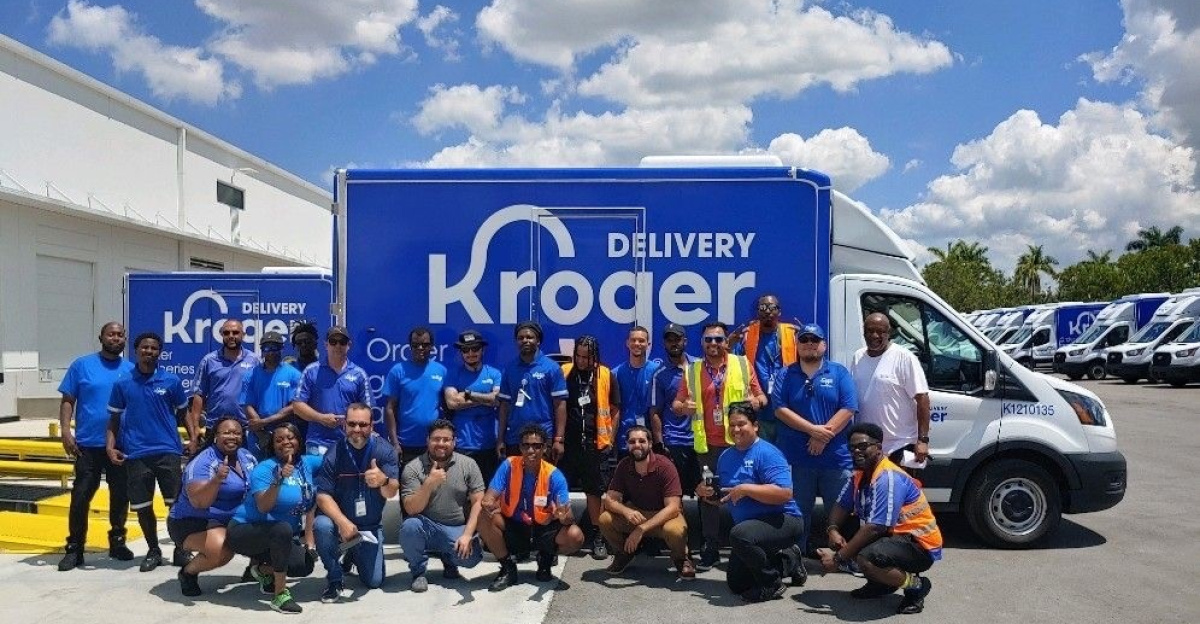
In response to its automation strategy adjustments, Kroger is focusing on partnerships with third-party delivery platforms like Instacart, DoorDash, and Uber Eats. These collaborations allow Kroger to shift from high fixed costs to more flexible, variable-cost solutions.
By leveraging these platforms, Kroger hopes to streamline its last-mile delivery and adapt to the demands of today’s consumers.
The Rise of Store-Based Picking
Instead of investing in large automated centers, Kroger is experimenting with smaller-scale, store-based picking systems.
These micro-fulfillment robots will pick orders from existing store inventories, reducing the capital needed for new fulfillment centers. This move aligns with industry-wide trends, as Amazon and others explore similar strategies for more agile, local fulfillment solutions.
Ocado’s Major Setback
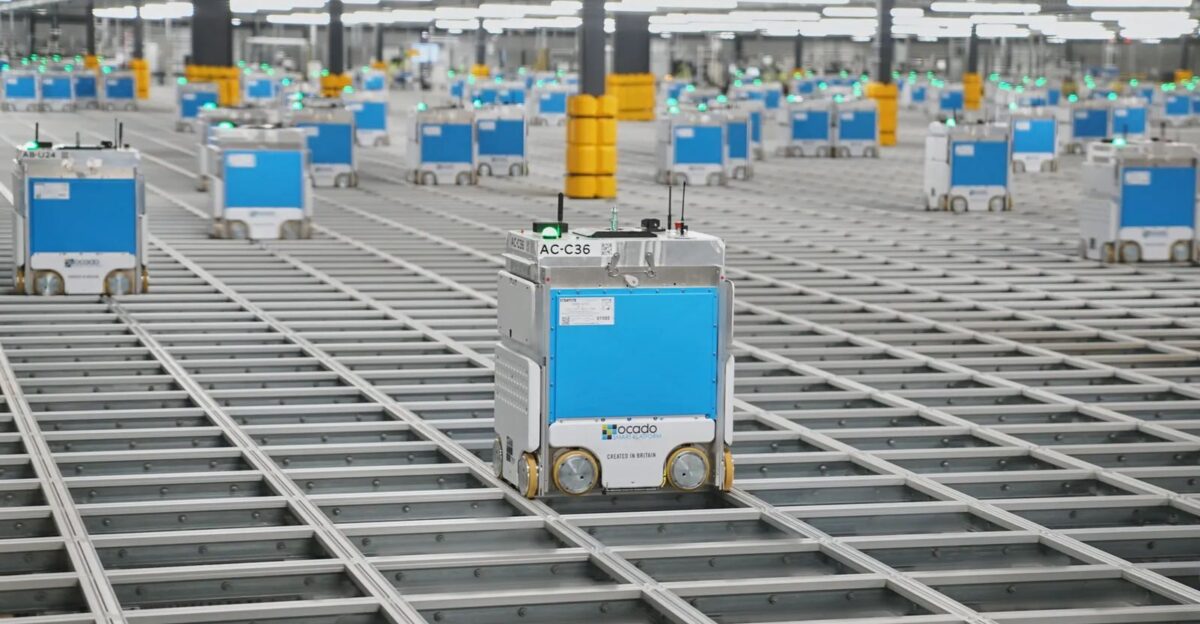
Ocado, the U.K.-based partner that helped Kroger build its robotics network, is facing a major setback. With Kroger’s withdrawal, Ocado received a $250 million termination payment but faces significant lost future revenue, while its stock price plummeted, erasing nearly a decade of gains since 2018 peaks.
This is a significant blow for Ocado’s ambitions in the U.S. market, as their system, which was designed for a different kind of demand, failed to scale in the unpredictable American grocery landscape.
The Workers Behind the Robots
Automation engineers and robotics specialists who were trained to manage these complex systems are now facing an uncertain future.
As Kroger shifts to store-based systems, many will need retraining or relocation. This abrupt shift underscores the risks associated with large-scale automation investments—when the technology fails, those who built it pay the price.
The Broader Impact of Automation
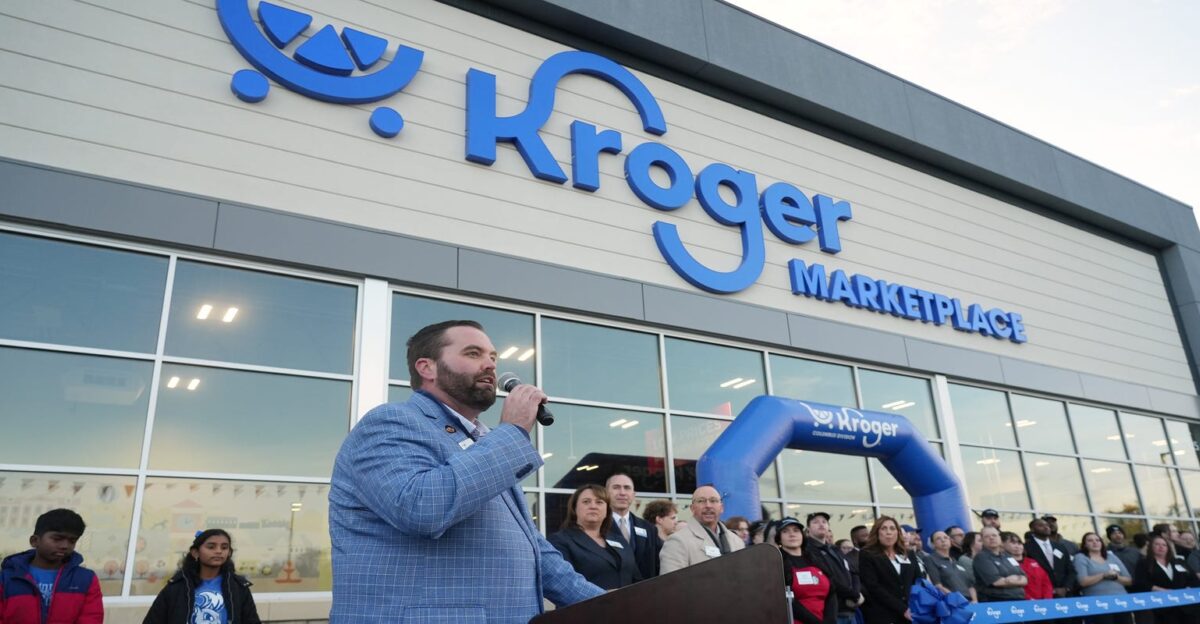
Kroger’s write-off of $2.6 billion calls into question the sustainability of automation investments in the grocery sector. General tax policy that encourages capital investment over labor has historically incentivized automation, though current efficacy remains debated.
The failure of these systems could lead to a shift in policy toward more flexible, less capital-intensive solutions for the industry.
The E-Commerce Profitability Challenge
Despite years of online sales growth averaging 16% annually, Kroger’s digital business faces profitability challenges, with the company targeting $400 million in ecommerce profitability improvement for 2026.
This closure highlights a broader crisis in the grocery industry, where high labor costs, complex logistics, and low margins make online grocery fulfillment a costly venture. Kroger’s struggle is emblematic of challenges faced by other major retailers in the digital age.
Rethinking Retail Strategy
Kroger’s pivot from automated fulfillment centers to store-based picking is part of a larger trend. With the rise of micro-fulfillment, retailers are now focusing on leveraging existing stores as fulfillment hubs.
This shift not only reduces capital costs but also improves delivery speed, allowing customers to receive fresher products from local stores rather than distant warehouses.
Third-Party Platforms Dominate Last-Mile Delivery
As Kroger moves away from its own automated solutions, third-party platforms like Instacart, DoorDash, and Uber Eats are taking center stage.
These services consolidate the delivery process, enabling retailers to offer groceries alongside meals and convenience items through a single app. However, this shift also means retailers lose direct control over customer relationships and data.
Ripple Effects Across Industries
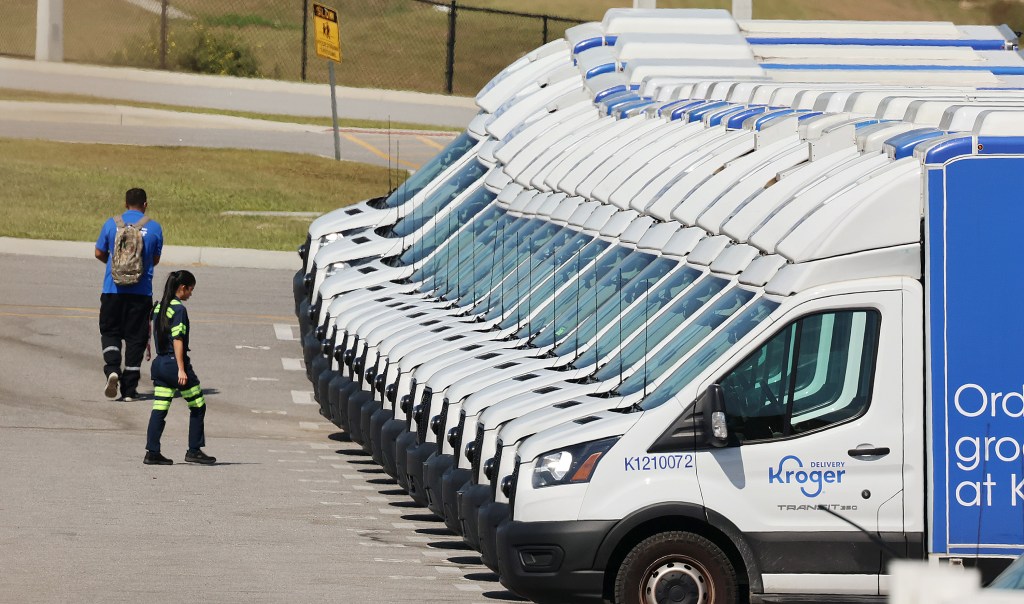
The closure of these fulfillment centers has far-reaching consequences. Logistics providers lose contracts, real estate developers face underutilized properties, and suppliers of robotic systems and automated equipment see reduced demand.
Meanwhile, micro-fulfillment vendors may stand to gain as more retailers look to localize their fulfillment strategies.
Changing Consumer Expectations
Consumers are prioritizing faster delivery times alongside other factors. The shift away from centralized fulfillment centers reflects evolving consumer priorities, with delivery cost (61.8% priority), order accuracy (57.3%), and fast delivery (43.3%) among the key factors.
U.S. shoppers increasingly expect same-day or even 2-hour delivery, something traditional centralized automation models like Ocado’s were not designed to handle.
Freshness and Healthier Options
Kroger’s shift to store-based picking could improve food quality and freshness. With products picked from local store inventories, consumers may benefit from faster, fresher deliveries.
This could attract health-conscious shoppers who previously avoided grocery delivery due to concerns over product quality, potentially driving greater adoption of online grocery shopping.
Environmental Impact Reconsidered
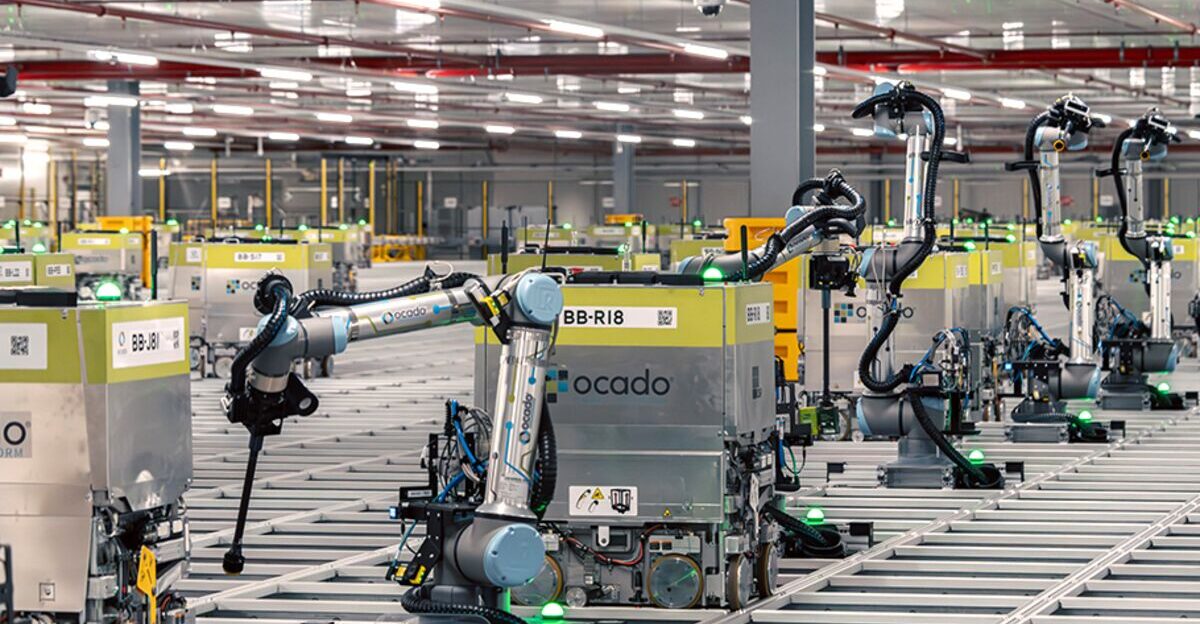
While Ocado’s centralized model promised efficiency and reduced carbon emissions, the failure of this system raises important questions about the environmental cost of fulfillment strategies.
Store-based picking may reduce the carbon footprint of large, climate-controlled warehouses but could increase vehicle miles as orders are picked from multiple locations. The debate on sustainability in grocery fulfillment is far from settled.
Winners and Losers in the Shift

As Kroger retreats from its automation strategy, third-party platforms like Instacart and micro-fulfillment vendors emerge as clear winners.
Ocado, however, faces a contracting market, while companies like Amazon, which are already testing micro-fulfillment at Whole Foods, position themselves as potential leaders in the evolving landscape of store-based automation.
What Investors Need to Watch
For investors, the future of grocery automation now hinges on three key areas: Ocado’s ability to pivot to smaller, store-based systems, the profitability of third-party delivery platforms, and the growth of micro-fulfillment vendors.
Kroger’s $400 million profitability target for 2026 will be a critical indicator of whether this new strategy can succeed.
Consumer Takeaways
For consumers, Kroger’s new strategy could mean faster, fresher deliveries, but with varying service availability based on location.
Rural areas may see fewer options as retailers concentrate on high-volume markets. Loyalty to third-party platforms will become increasingly important as these platforms consolidate power over last-mile delivery, shifting the landscape of grocery shopping.
The Future of Grocery Automation
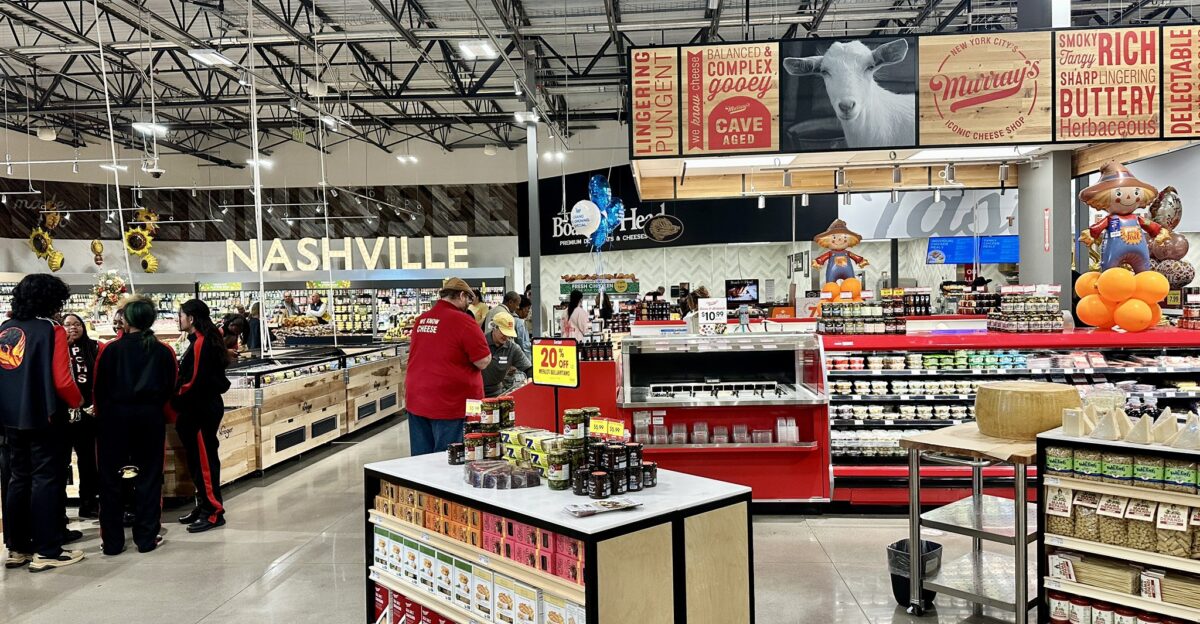
The failure of centralized, capital-intensive models doesn’t signal the end of grocery automation—it’s simply the end of one approach. In the future, the industry will focus on smaller, more flexible systems like micro-fulfillment and store-based automation.
Retailers who align automation with consumer demand for speed and flexibility will thrive, while those who impose technology-first strategies risk failure.
A Failure that Shifts the Industry
Kroger’s $2.6 billion write-off is a wake-up call for the entire retail automation industry. It exposes the dangers of large-scale technology bets in an unpredictable market.
Workers, investors, and technology providers all feel the consequences. The entire grocery sector is recalibrating its approach to automation, with a new emphasis on flexibility, speed, and local fulfillment.
Sources:
Kroger Co. Investor Relations Q3 2025 Earnings Announcement; SEC Filings (Form 8-K)
Supply Chain Dive; Grocery Dive Industry Analysis (November 2025)
Ocado Group plc Financial Results & Regulatory Announcements (November 2025)