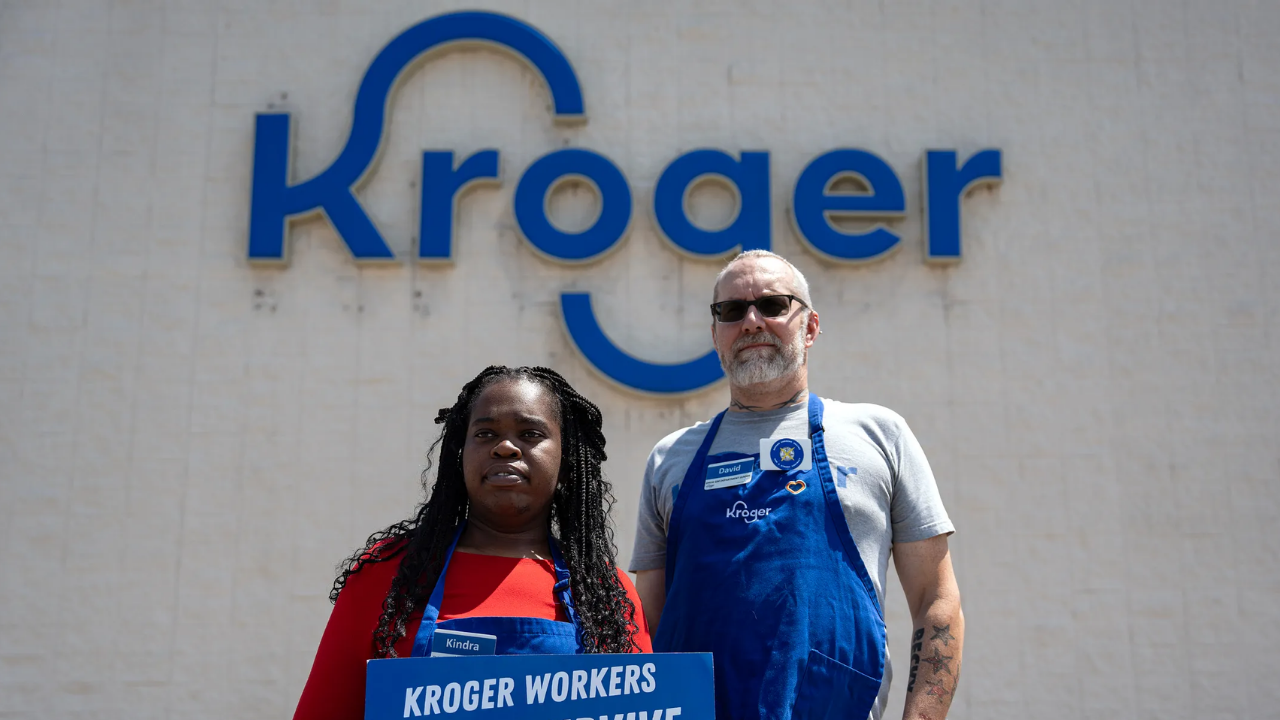
Kroger is racing to overhaul its business after reporting a quarterly loss of about $1.3 billion, a sharp reversal that has shaken investors, employees, and shoppers. The setback has triggered plans to cut nearly 1,000 corporate jobs, close about 60 underperforming stores, and shut several automated e-commerce facilities, even as the company lowers prices on thousands of everyday items in a bid to keep cost-conscious customers coming through the doors. Interim leaders say the goal is to pull back from unprofitable bets and channel more money into store operations, sharper pricing, and a more sustainable online business.
Leadership shake-up and cost-cutting drive
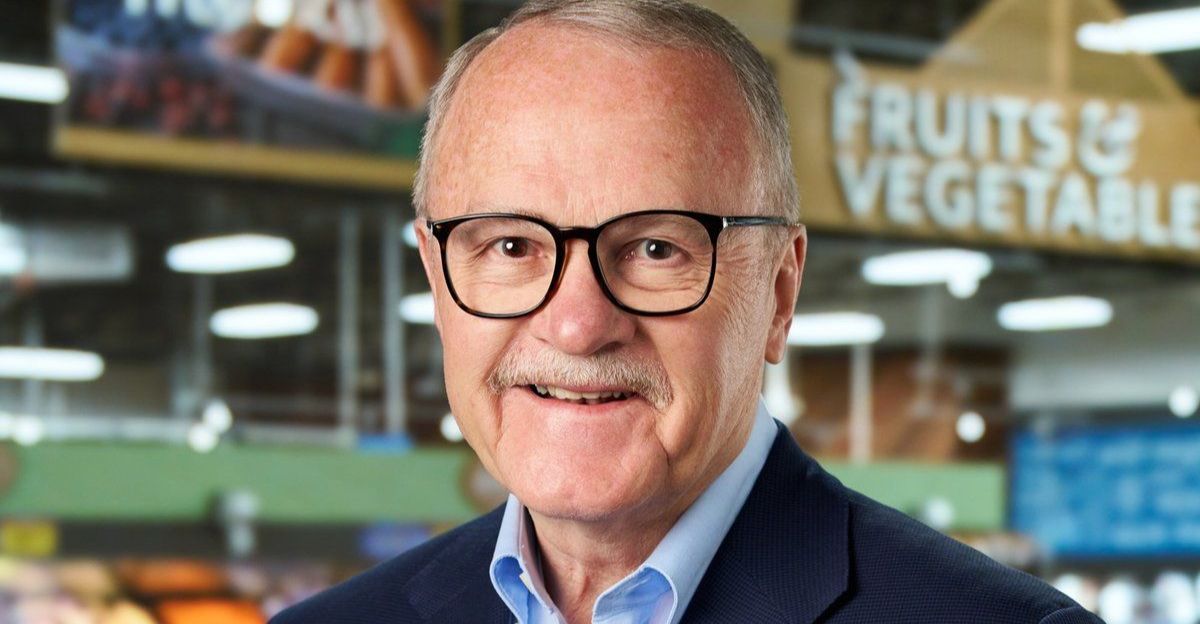
The reset is being led by interim chief executive Ron Sargent, who stepped in after the abrupt resignation of long-time CEO Rodney McMullen. Sargent, previously head of Staples, has been tasked with stabilizing the business while the board searches for a permanent successor.
Under his direction, Kroger is tightening expenses after operating costs jumped roughly 44%. The company is consolidating divisions, trimming corporate overhead, and dismantling e-commerce projects that have failed to deliver expected returns. Management says the savings will be redirected into front-line operations, better pricing, and service improvements in stores.
The departure of McMullen and the interim nature of Sargent’s appointment add an element of uncertainty at a time when the company is already under pressure from powerful rivals and shifting shopper habits. How quickly the board moves to install a permanent CEO, and what strategy that leader pursues, will be closely watched by investors and industry analysts.
Lower prices, fewer jobs
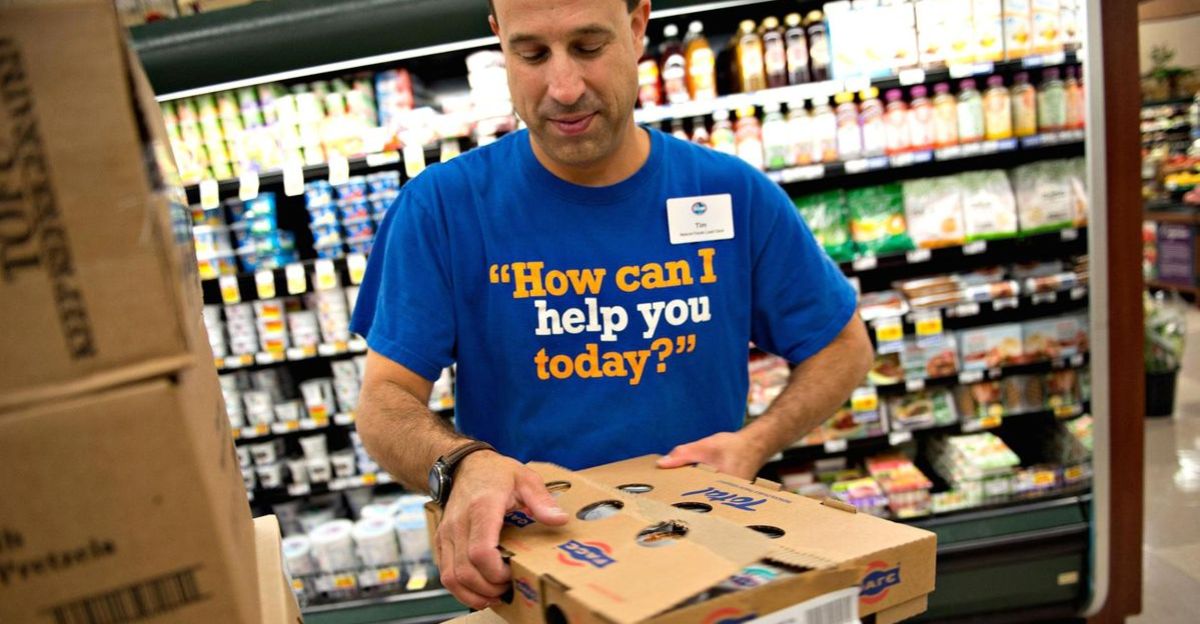
One of the most visible changes for shoppers will be lower prices. Kroger is cutting prices on about 3,500 frequently purchased items, including staples such as meat and eggs, to appeal to households that are buying fewer items per trip and are more likely to seek out discounts and store brands.
But those reductions are being funded in part by deep cost cuts. Kroger plans to eliminate nearly 1,000 corporate positions, on top of hundreds of roles already removed earlier in the year. The company says the restructuring is designed to free up capital to reinvest in stores, technology that directly supports customers, and continued price adjustments.
Frontline workers are also affected indirectly. Dozens of store closures scheduled over the next 18 months will put thousands of jobs at risk. Kroger has said it intends to offer hours at other locations where possible and provide support for staff seeking roles in remaining stores, but some employees will likely face relocation or the need to find work elsewhere.
Store closures, shifting footprint
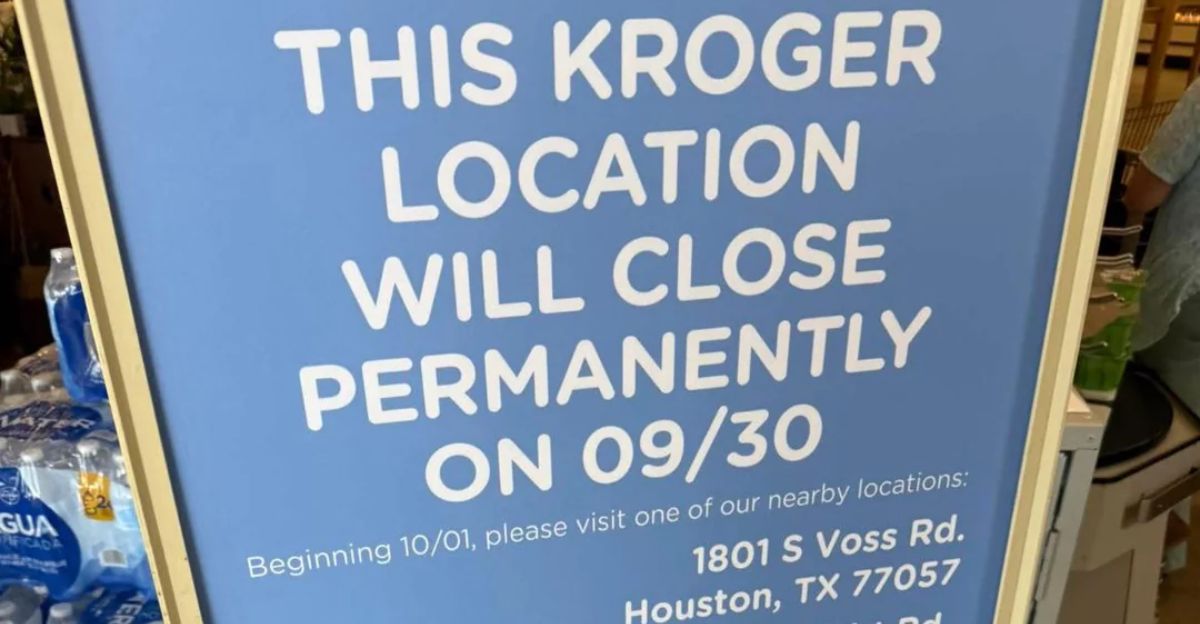
Kroger plans to close roughly 60 underperforming stores across the country, a move that will reshape its presence in several local markets. The company frames the closures as part of a broader effort to prioritize profitability and operational efficiency over simple store count and geographic expansion.
The chain still expects to open new locations in select areas, effectively trading weaker outlets for stronger ones. For communities losing a store, the closures may reduce local grocery options and push shoppers to regional competitors, discount grocers, or big-box chains. In markets where Kroger is pulling back, rivals could gain both foot traffic and long-term market share.
At the same time, Kroger is expanding its private-label offerings, an area where it sees growing demand as shoppers look for ways to stretch their budgets. That shift may benefit manufacturers of store-brand products while reinforcing Kroger’s value positioning.
E-commerce retrenchment and automation rethink
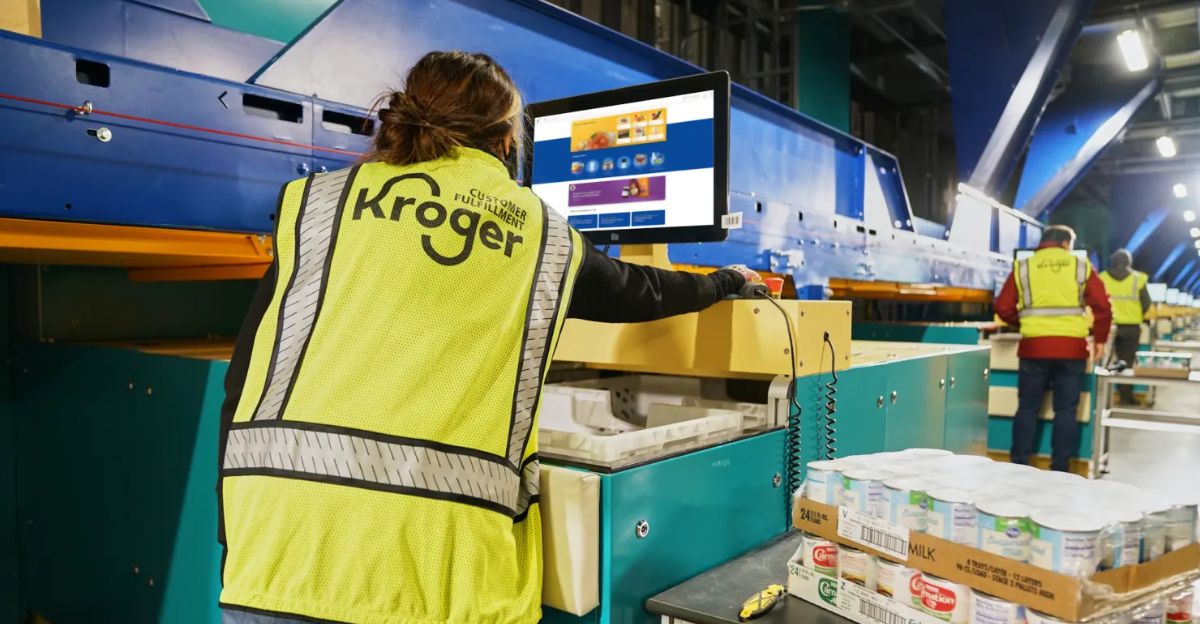
A key element of the restructuring is a sharp reversal in Kroger’s automation strategy. The company is closing three large automated fulfillment centers built with technology partner Ocado, facilities that once symbolized an aggressive push into high-tech, centralized e-commerce logistics.
The closures come with a substantial financial hit, including a charge of about $2.6 billion tied to these facilities. Despite that near-term cost, Kroger expects the move to improve e-commerce profitability by about $400 million by 2026, as it moves toward a model that relies more on regional warehouses and store-based fulfillment.
Online orders now account for roughly 11% of Kroger’s sales, and the company is working to align its digital operations with how customers actually shop: mixing online orders with in-store visits, choosing more private-label goods, and hunting for promotions across both channels. The retrenchment from large automated hubs suggests the company sees more promise in flexible, lower-cost fulfillment methods than in heavy, centralized automation.
Competitive pressures and uncertain outlook
Kroger’s sweeping changes come after regulators blocked its proposed $24.6 billion merger with Albertsons, an ambitious deal that would have reshaped the U.S. supermarket landscape. Without that combination, Kroger remains locked in intense competition with Walmart, Amazon, and hard-discount chains that have been drawing away price-sensitive shoppers.
At the same time, broader economic pressures weigh on the business. Higher inflation and new tariffs on products such as bananas and flowers are pushing up costs, even as many customers have less money to spend amid a softer economy and reduced government support. Lower-income households, in particular, are trading down, buying fewer items, and favoring discounts and promotions, trends that squeeze margins across the grocery sector.
Financial markets have taken note. Kroger’s shares fell about 4.6% after it reported the $1.3 billion loss and trimmed its sales outlook, signaling investor concern about both current performance and the risks of an aggressive restructuring. For shoppers, the immediate effect is lower prices on thousands of items, though it is unclear how long those reductions can be sustained if operating pressures persist.
Looking ahead, Kroger’s leadership is betting that leaner corporate operations, a recalibrated e-commerce strategy, and a more focused store network can restore profitability and support durable price relief for customers. With a permanent CEO yet to be named and rivals continuing to press on price and convenience, the company’s next steps will help determine not only its own trajectory but also the pace and direction of change across the broader grocery sector.
Sources
Kroger Reports Third Quarter 2025 Results and Updates Guidance
Kroger Announces Resignation of CEO Rodney McMullen
Kroger to Close Around 60 Stores Nationwide Over Next 18 Months
Kroger Makes Massive Coupon Change & Lowers Prices on 3,500+ Items