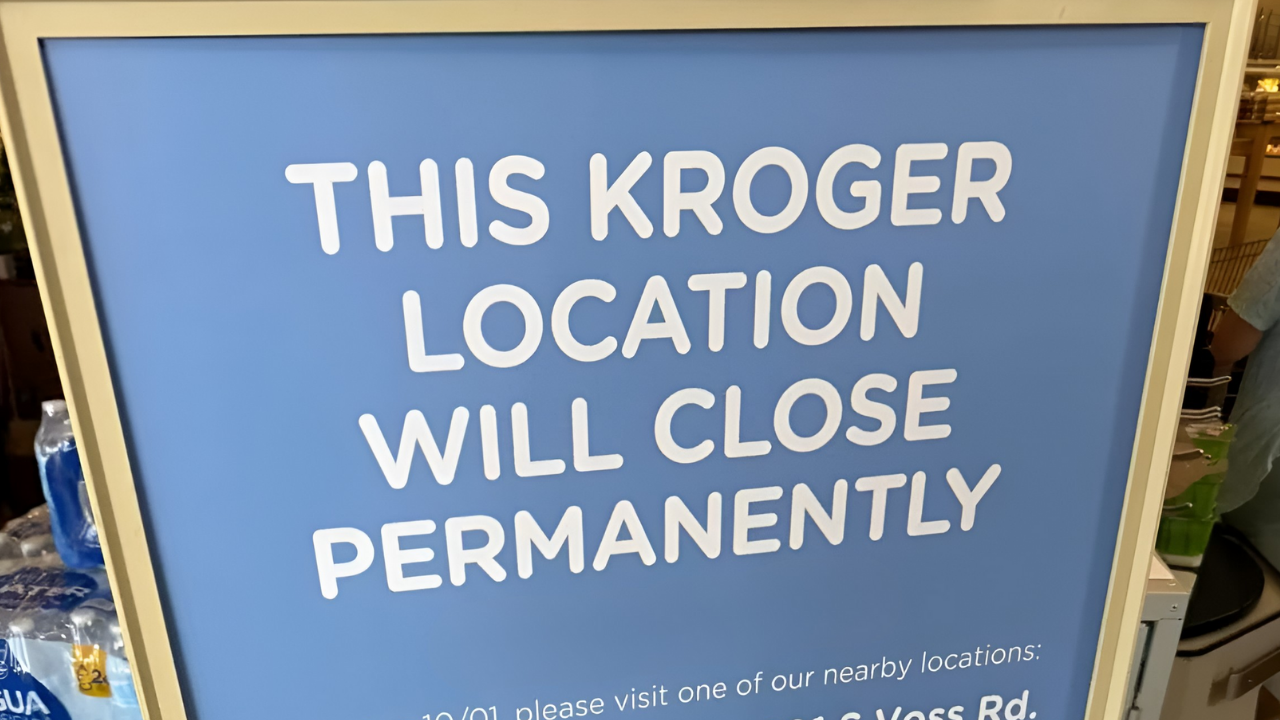
Kroger, one of America’s largest grocery chains, has announced plans to close about 60 underperforming stores over the next year and a half, roughly 2% of its total stores nationwide. The company says these closures will help redirect resources toward areas where business is stronger and customers are more loyal.
For shoppers, this means some communities will lose their neighborhood stores, while others may see reinvestment in newer, better-stocked locations. Analysts say the decision reflects the reality that consumer preferences and shopping habits have changed dramatically since the pandemic, with more people buying groceries online or shopping at discount chains.
How Many Jobs Are at Stake?
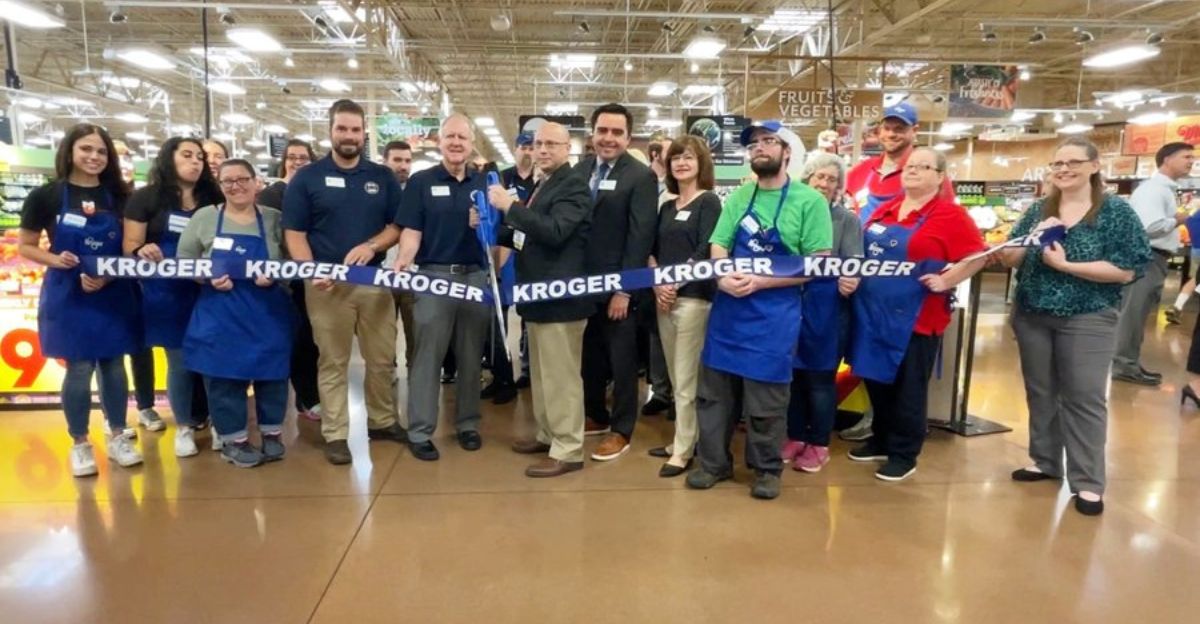
The decision to close 60 stores means thousands of jobs are now on the line. Each Kroger location typically employs between 100 and 150 people from cashiers, shelf stockers, butchers, and store managers. That translates to an estimated 6,000 to 9,000 employees who may lose their positions over the next 18 months.
While corporate leaders call the closures strategic, unions and advocacy groups warn that the impact on workers and their families could be devastating.
Layoffs Hit Corporate Offices Too

Beyond the store-level losses, corporate staff are also being hit. Approximately 1,000 employees at Kroger’s headquarters and regional offices will lose their jobs as the company streamlines administrative functions.
These positions range from mid-level managers to executives and administrative assistants. Kroger says restructuring at the corporate level is meant to remove duplication and make decision-making faster and more efficient.
The Growing Retail Theft Problem
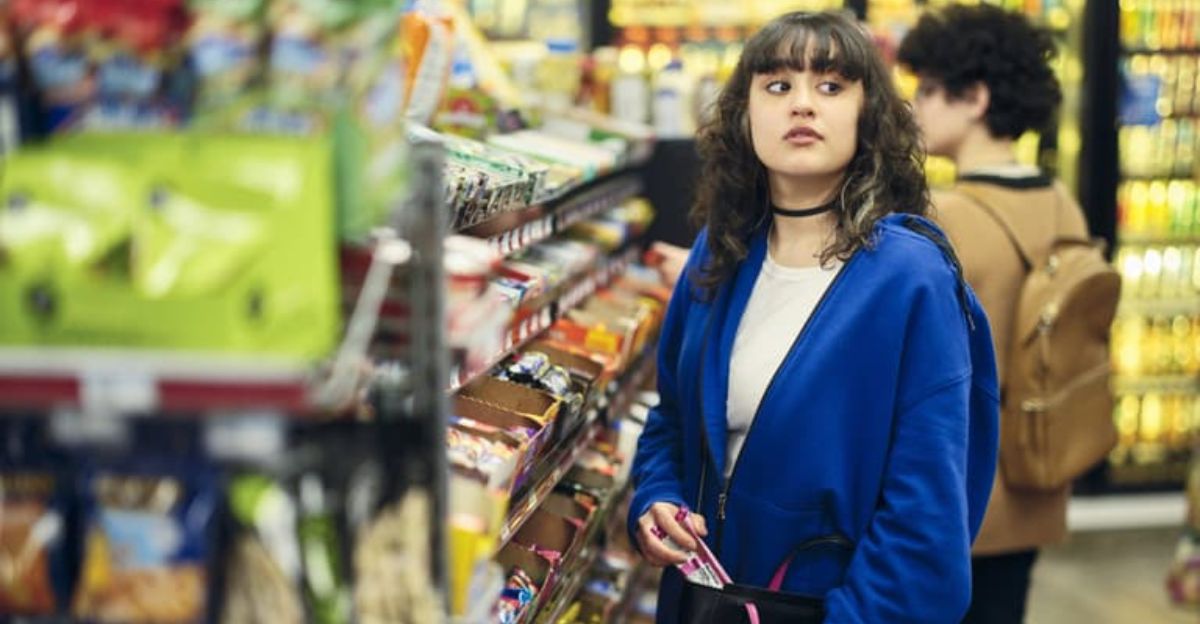
Retail theft has become a crisis that’s hitting grocery stores hard, and Kroger is among the companies feeling the pain. Organized theft rings and rising shoplifting incidents have led to millions of dollars in losses annually.
Many stores in high-theft areas struggle to stay profitable, leading executives to identify them as prime candidates for closure. Nationwide, the National Retail Federation reports that organized retail crime cost U.S. retailers over $112 billion in losses in 2022.
Rising Costs Everywhere

Kroger’s profit margins have been squeezed from every direction. Rising fuel prices increase shipping costs, suppliers are charging more for goods, and nationwide wage adjustments have raised labor expenses.
Inflation is also changing customer habits as many shoppers are choosing cheaper store brands or shopping less frequently. According to the Bureau of Labor Statistics, grocery prices have risen nearly 25% since 2020, leaving customers more budget-conscious than ever.
Which Stores Are Closing?
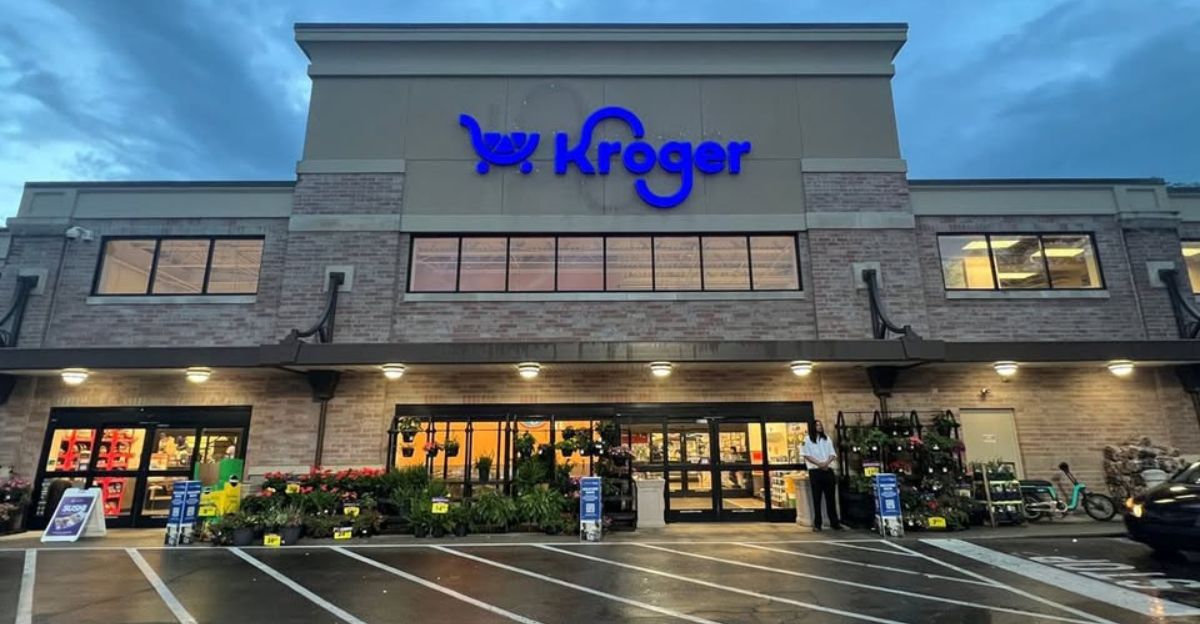
Kroger says the closures specifically target stores that have struggled to stay profitable despite cost-control measures. These include locations with declining sales, aging infrastructure, or nearby competition from discount retailers like Aldi or Walmart.
While the list of locations hasn’t been fully released, employees in several southern and midwestern states have been notified.
The Failed Albertsons Merger Fallout
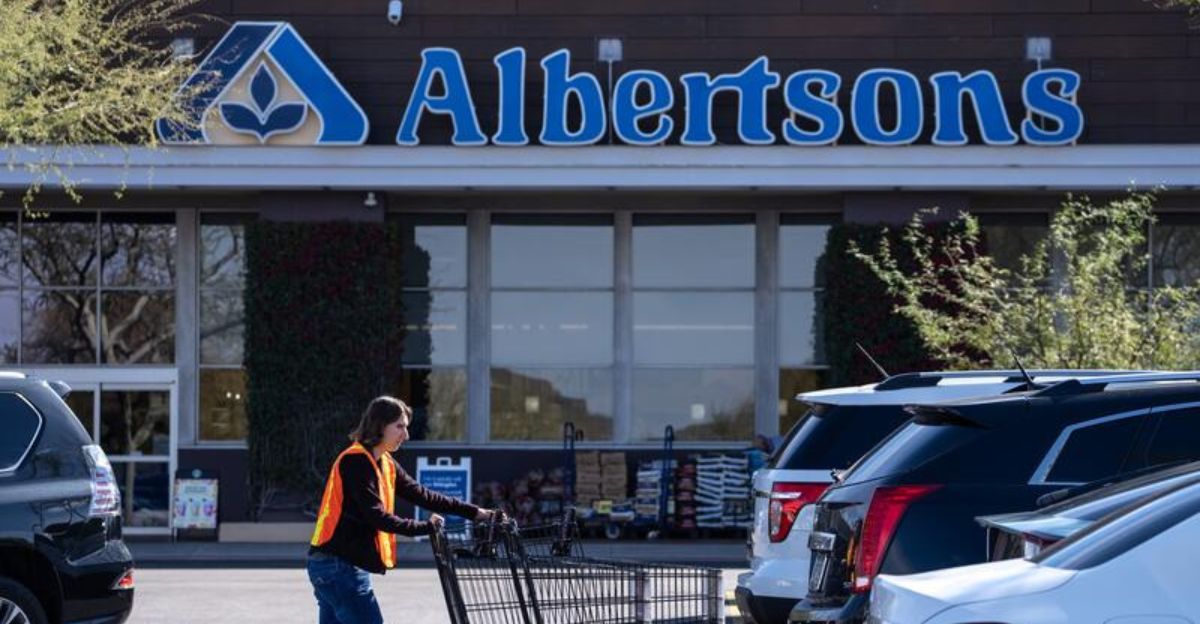
Earlier this year, a federal judge blocked Kroger’s much-anticipated $25 billion merger with Albertsons, a deal that executives hoped would give the company scale advantages and massive cost savings. The decision was a major setback for Kroger.
The merger would have combined two of the largest grocery chains in the country, helping them compete against giants like Walmart and Amazon. The court, however, ruled that the deal would reduce competition and harm consumers. Without the merger, Kroger lost a strategic opportunity to expand its national footprint and share resources with Albertsons.
Legal Battles After the Merger Block

Since the failed merger with Albertsons, legal tensions have escalated between the two grocery giants. Kroger and Albertsons now face ongoing lawsuits and regulatory challenges following the judge’s antitrust ruling.
Both companies accuse each other of breaching preliminary agreements and are seeking financial restitution. The Federal Trade Commission (FTC) has maintained that the merger would have unfairly reduced market competition, leading to higher prices for consumers.
Shareholders are anxiously watching how the disputes unfold, as prolonged court battles can hinder corporate focus and investor confidence.
A Leadership Change at a Critical Time
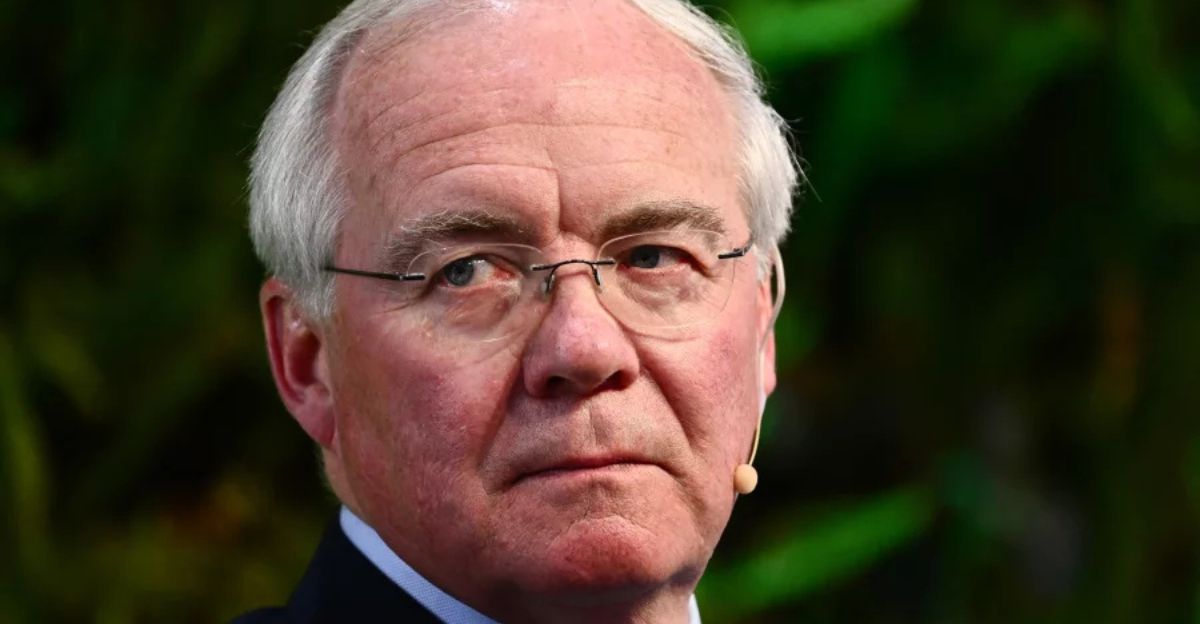
At the center of this upheaval is new interim CEO Ron Sargent, who took over after longtime chief executive Rodney McMullen stepped down earlier this year. McMullen’s departure followed an internal investigation into personal conduct, though Kroger has not disclosed specific details.
Sargent, formerly the CEO of Staples, brings decades of retail experience but faces enormous pressure to stabilize the brand. He has inherited one of Kroger’s most turbulent chapters, where employee morale, profits, and public trust are all on the line.
Where the Savings Will Go
Kroger leaders insist the cost-cutting moves aren’t just about improving corporate profits. The company says money saved from layoffs and store closures will be directed toward lowering food prices, expanding pickup and delivery services, and revitalizing popular store locations.
Kroger also plans to reinvest in employee training programs to enhance service quality and store efficiency. However, critics argue that corporate reinvestment often falls short of promises when profit goals dominate boardroom discussions.
Which States Will Feel It Most?
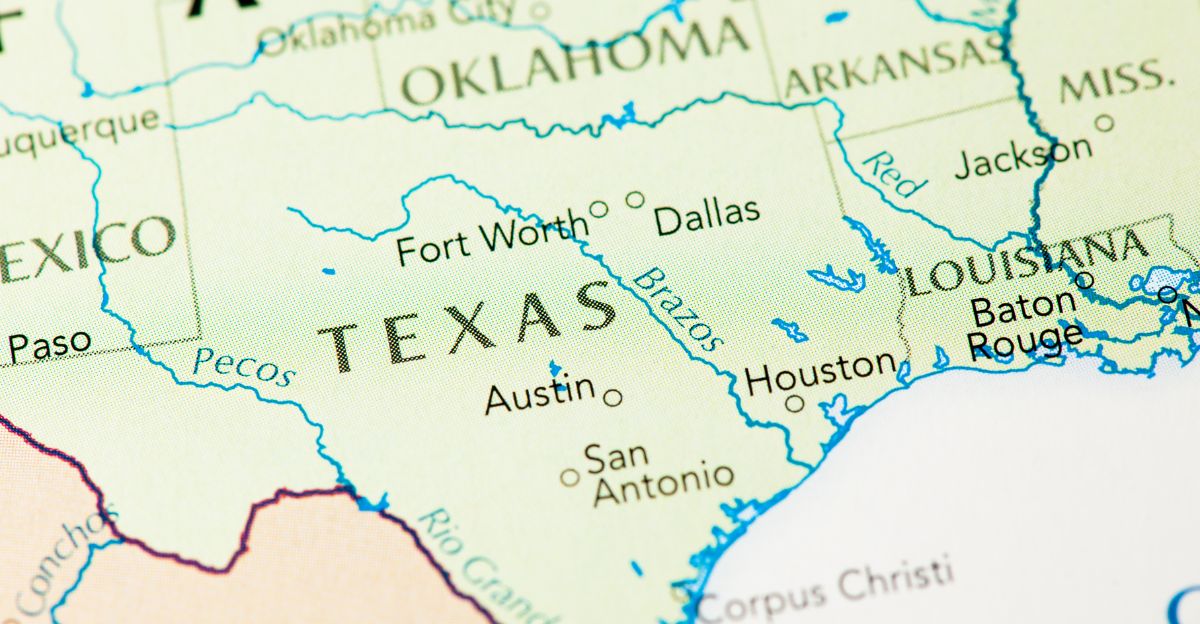
The announced closures will hit communities across several states, including Texas, Illinois, Georgia, Virginia, and Washington. These states host some of Kroger’s oldest locations, where competition from retailers like Walmart, Publix, and H-E-B has escalated in recent years.
In major cities, real estate analysts predict new grocery chains may quickly move into the vacated spaces. Smaller regional chains, discount markets, and even international retailers like Lidl may see an opportunity to expand.
The Community Impact
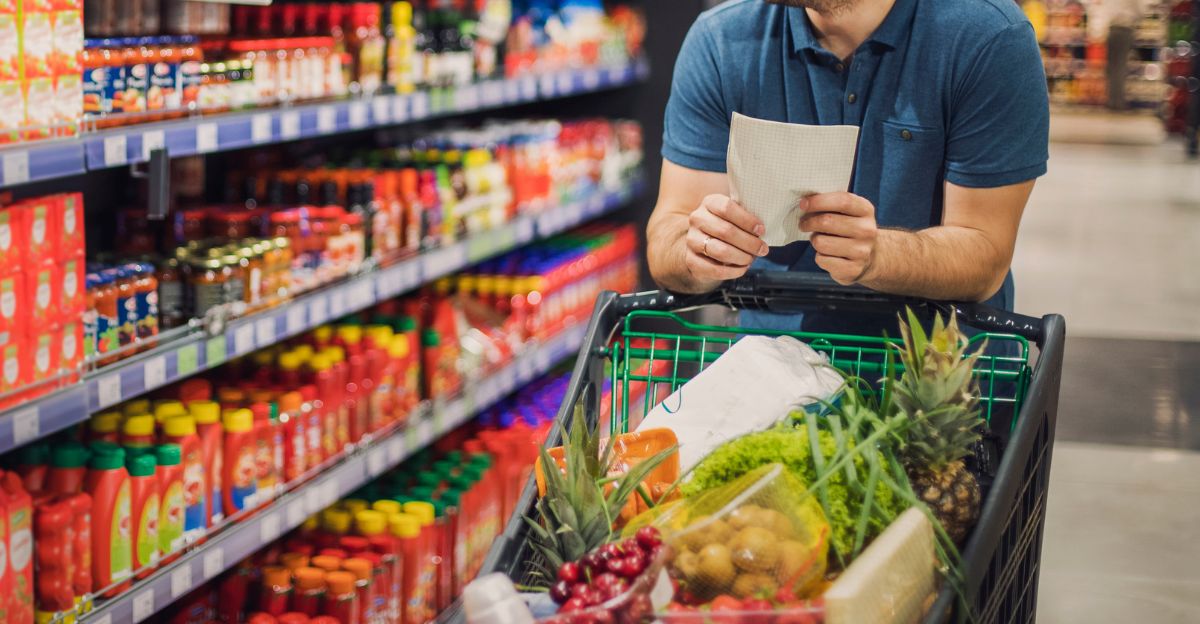
Communities that rely heavily on Kroger as a neighborhood hub will feel immediate economic fallout. Beyond job losses, the closures could affect small nearby businesses that depend on store traffic.
Local governments fear decreases in sales and property tax revenue, which often fund schools and municipal programs. Residents worry about the added strain on families who depend on nearby, affordable grocery access.
The Risk of Food Deserts
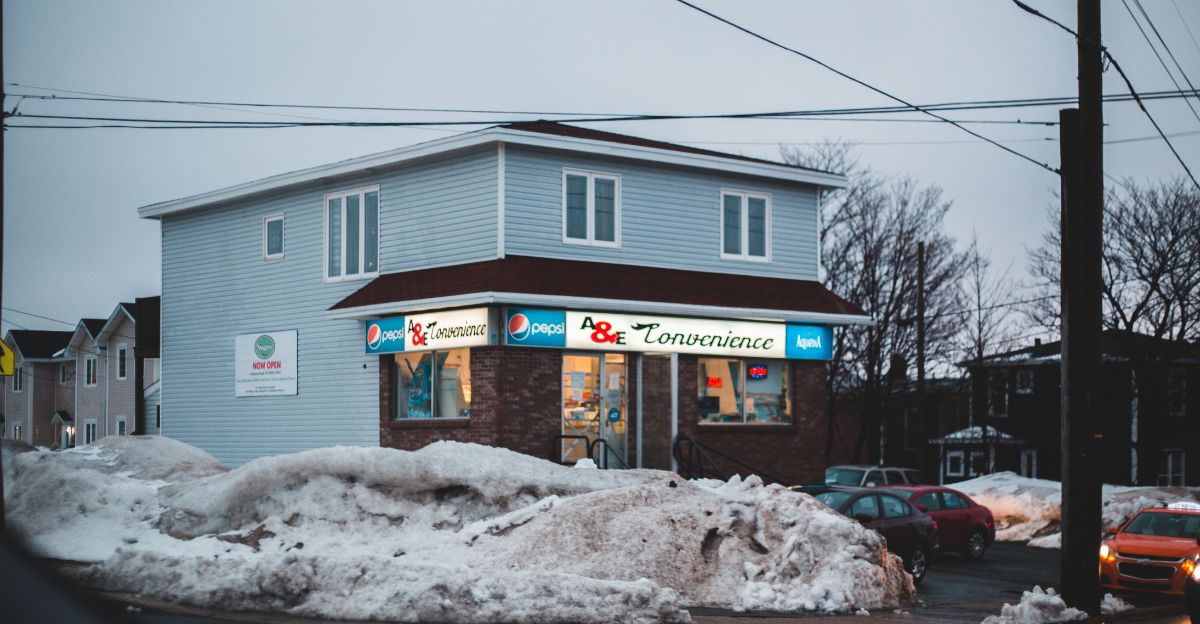
In specific low-income areas, Kroger’s exit could deepen the national issue of food deserts, areas where affordable, nutritious food is hard to find. When major stores close, supermarkets are often replaced by smaller convenience stores that have higher prices and fewer healthy options.
Several nonprofits have called on Kroger to partner with community initiatives or food delivery programs to ensure vulnerable populations aren’t cut off from essential groceries.
The Challenge of Worker Reassignments

Kroger has promised to offer transfers to employees affected by store closures, but many workers are finding it difficult to take those opportunities. Relocating often means longer commutes, losing seniority benefits, or having incompatible work shifts.
For hourly workers juggling family responsibilities, these sacrifices can outweigh the benefits of staying employed. Some employees are choosing to take severance pay instead. With inflation driving up housing and transportation costs, even reassignments feel like a heavy financial burden.
How Investors Are Responding

Despite the turbulence, Kroger’s stock price has remained surprisingly stable. Many investors view the closures and layoffs as a necessary restructuring that could position Kroger for long-term health.
While investors may reward cost efficiency, public backlash could dampen growth over time. For now, most shareholders seem confident that Kroger’s financial fundamentals remain sound, and steady quarterly earnings have reinforced that optimism.
Pressure from the Competition
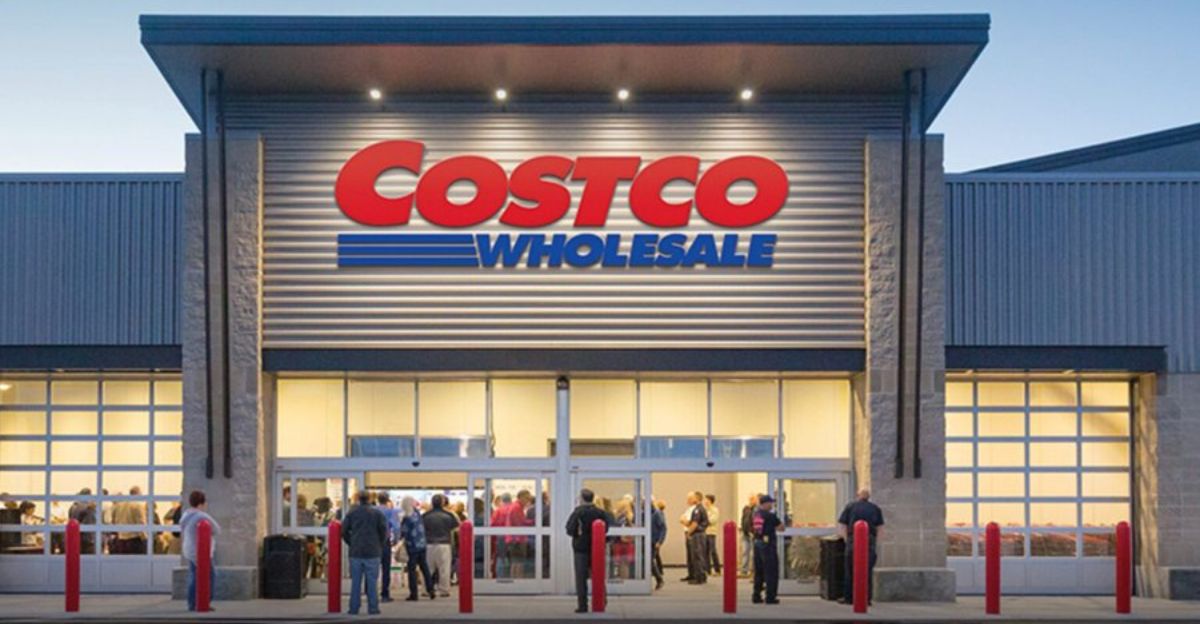
Kroger faces fierce competition from multiple directions with discount chains like Aldi and Dollar General, wholesale clubs like Costco, and the ever-expanding grocery arms of Walmart and Amazon. These rivals have capitalized on budget-conscious shoppers with competitive pricing, wider delivery options, and better online experiences.
Aldi alone plans to open 800 new U.S. stores by 2028, many in former Kroger markets. Consumers now favor convenience, speed, and affordability, leaving traditional grocery chains scrambling to adapt.
Worker Advocacy and Unions Push Back

Labor unions and worker advocates have condemned Kroger’s move, calling it another example of corporations prioritizing shareholders over employees. The United Food and Commercial Workers (UFCW) union, which represents many Kroger staff, is demanding better severance pay, longer notice periods, and more transparent communication about reassignments.
Some labor experts warn that this backlash could affect Kroger’s brand loyalty and recruitment efforts. Meanwhile, management has said it values its workforce and is exploring additional support measures.
The Bigger Retail Picture
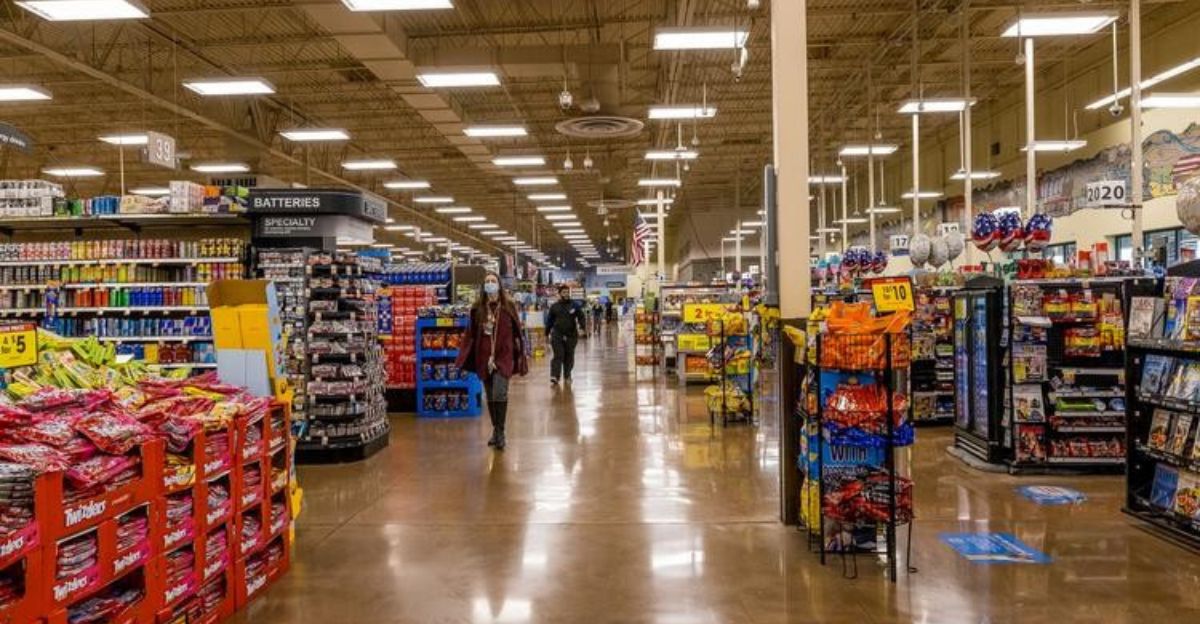
Kroger’s closures fit a growing trend in the retail and grocery industries. Many chains are cutting stores or restructuring to survive in an inflation-driven market.
Shrinking profit margins, theft, rising labor costs, and online competition are pressuring even well-established names to scale back. The challenge, however, is preserving community trust while pursuing cost efficiency.
Public Perception and Kroger’s Image
Many customers and employees feel betrayed, especially as the company continues to post strong annual revenues. Critics argue that while Kroger promotes community-focused values, its actions send a different message.
Experts note that corporate reputation often takes years to rebuild after such public controversy, and transparency will be key to regaining credibility among workers and shoppers alike.
What’s Next for Kroger?
Even with all these challenges, Kroger isn’t fading away. The company still employs more than 400,000 people and continues to open new, upgraded stores in growth markets. Future plans include expanding e-commerce services, investing in logistics technology, and developing partnerships with local farmers to improve product sourcing.
For thousands of displaced workers and their families, that evolution will feel bittersweet. The company’s next steps will decide whether this moment is a turning point or a cautionary tale for the retail industry.