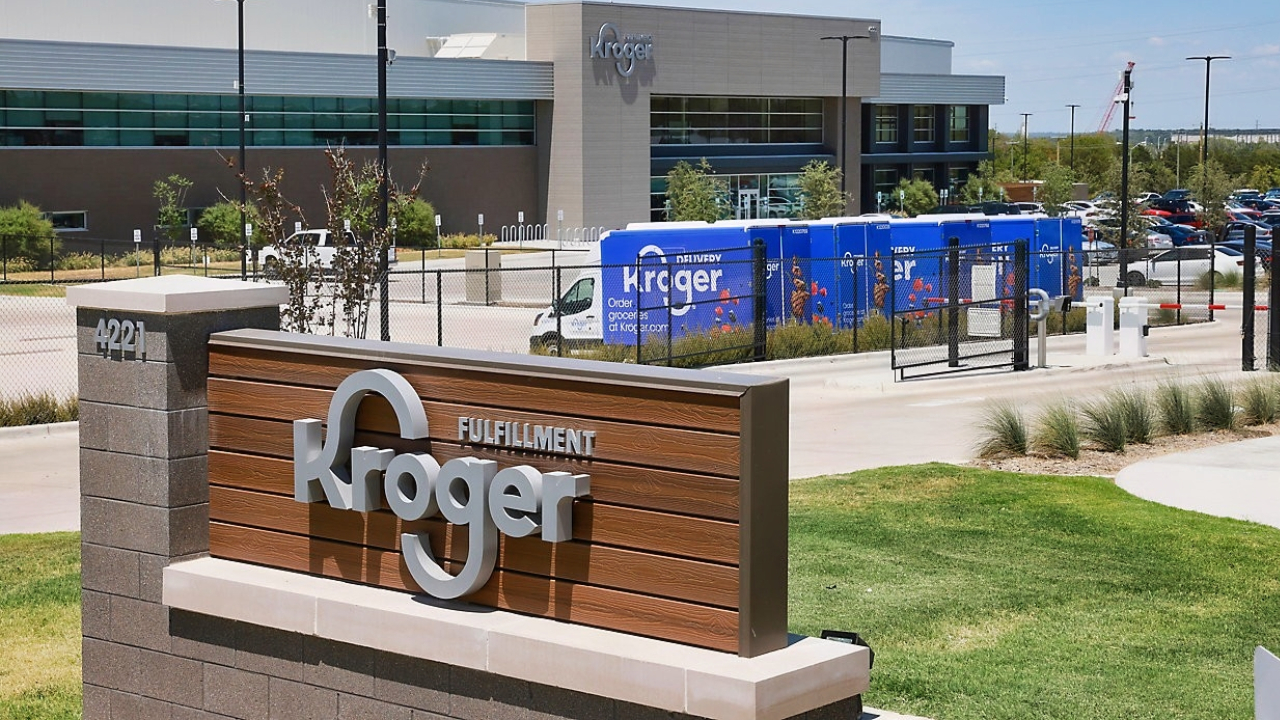
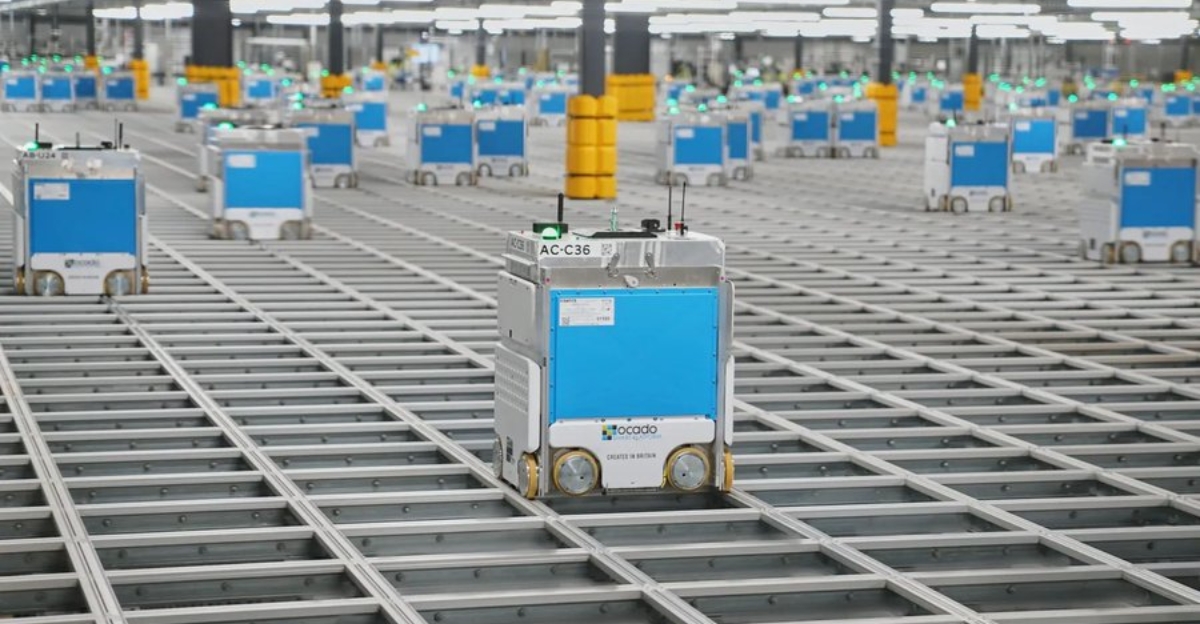
Kroger, the nation’s largest traditional supermarket chain, is closing three of its largest automated fulfillment centers, marking a sharp reversal in strategy since partnering with British robotics firm Ocado in 2018. The closures, which will cost the company $2.6 billion, affect facilities in Wisconsin, Maryland, and Florida and highlight the challenges of large-scale grocery automation in the United States. Interim CEO Ron Sargent framed the decision as necessary for long-term growth, calling it “decisive action” to improve e-commerce profitability.
Despite digital sales growth, the robot warehouses failed to meet profitability targets, revealing limits in centralized automation. Let’s look into this deeper.
Why the Warehouses Closed
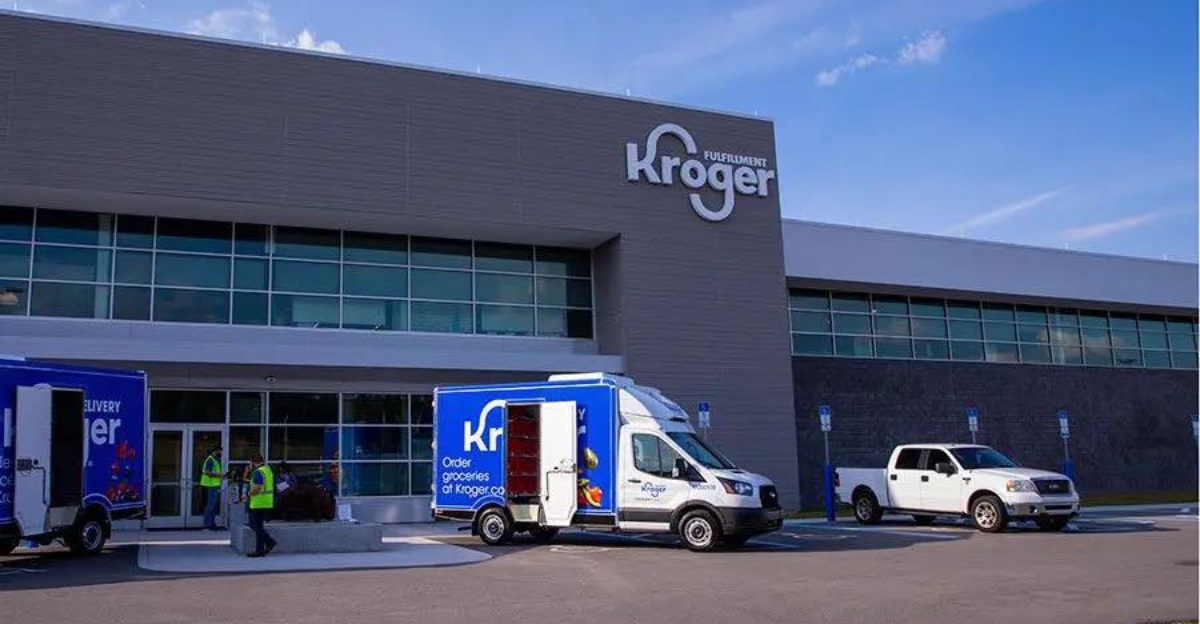
Kroger’s review found that its Ocado-powered fulfillment centers could not achieve the density or efficiency needed for sustained profitability. The closures triggered a $2.6 billion impairment charge in fiscal Q3 2025, one of the largest write-downs in grocery automation history. Interestingly, the company still reported a 16% e-commerce growth in the same quarter, highlighting a disconnect between sales growth and operational viability.
The closures demonstrate a critical paradox: shoppers increasingly prefer online grocery orders, but massive centralized robotic warehouses proved economically unsustainable. Kroger’s experience underscores the challenge of balancing innovation with practical costs in a competitive retail landscape.
How Customers Will Be Affected
Shoppers in Wisconsin, Maryland, and Florida will notice changes in online order fulfillment as Kroger shifts from large robotic warehouses to store-based picking and third-party delivery. The Groveland, Pleasant Prairie, and Frederick centers operated for just 4.5, 3.5, and 2.5 years before closure, a remarkably short lifespan for such significant infrastructure.
Store-based fulfillment promises potentially faster service but may also introduce variability in delivery times, product availability, and fees. Kroger aims to make shopping easier and provide more options while adjusting operations to meet regional demand.
Pivoting to Flexibility
Kroger’s strategic shift favors partnerships and lighter automation over centralized robotics. The company is now relying on third-party platforms like Instacart, DoorDash, and Uber while piloting “capital-light, store-based automation” in high-volume markets. This approach prioritizes flexibility, allowing Kroger to respond more efficiently to shifting consumer demand and reduce costly overhead.
Ron Sargent emphasized that these changes aim to boost e-commerce profitability by $400 million in 2026. The strategy illustrates a broader trend: retailers are learning to balance human labor, automation, and third-party solutions for sustainable growth.
Third-Party Delivery Fills the Gap
With Ocado-powered centers closing, third-party services are stepping in to maintain delivery capacity. Instacart became Kroger’s primary delivery partner following an expanded November 2025 agreement, while DoorDash now serves nearly 2,700 stores nationwide. AI ordering tools in the Kroger app are also being piloted to streamline the customer experience.
These partnerships offer operational flexibility and efficiency but raise questions about consistency compared with centralized robotic warehouses. Kroger’s experiment provides insight into how distributed fulfillment can coexist with traditional retail operations.
Worker Impact and Uncertainty
The closures put more than 1,600 jobs at risk across all three facilities. Groveland alone affects 935 employees, while Florida locations impact 468 workers across Jacksonville, Tampa, and Rockledge. Wisconsin’s Pleasant Prairie facility affects 211 employees. Workers face only weeks’ notice before the January 2026 closures, intensifying economic disruption.
These rapid closures highlight the volatility of automation-driven employment and raise broader questions about job security in high-tech retail. Communities must contend with sudden unemployment, while competitors reevaluate their own automation investments in light of Kroger’s experience.
The Future of Grocery Fulfillment
Kroger’s pivot signals the end of standalone robotic warehouses in the U.S., with the company now favoring store-based automation and third-party delivery. Selective automation in high-volume stores is the new approach, blending human labor with robotics to meet evolving consumer needs.
The industry is at a crossroads. Kroger’s experience offers lessons about the risks and rewards of massive automation investments, illustrating how flexibility, partnerships, and selective technology integration may define the future of grocery retail for years to come.