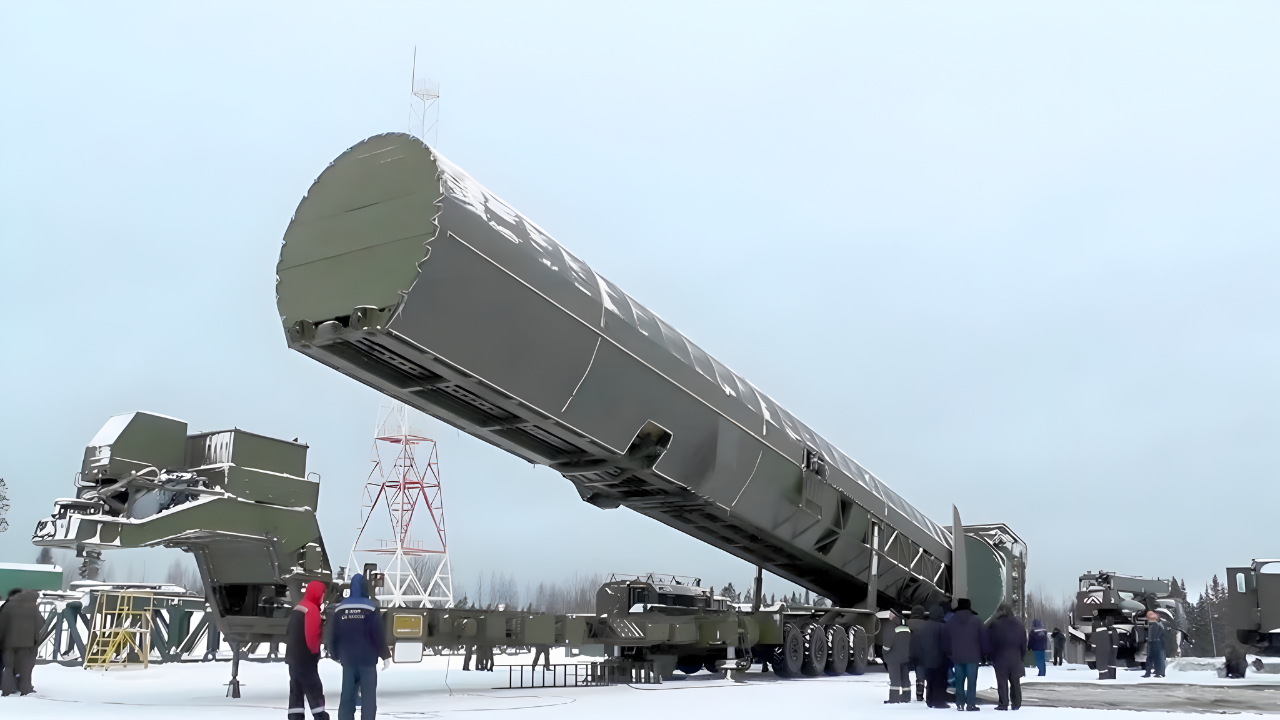
Vladimir Putin promised the world an “unstoppable” superweapon, but Russia’s RS-28 Sarmat missile has repeatedly exploded on its own launch pads. Last month’s catastrophic failure exposed a program in freefall, hemorrhaging billions while engineers scramble to salvage credibility.
From scorched test sites to a workforce under extreme pressure, the fallout stretches far beyond Moscow. This story unpacks how Russia’s most prestigious missile became a symbol of strategic collapse—and why the consequences could ripple worldwide. Here’s what’s happening.
What Was Supposed To Change Everything
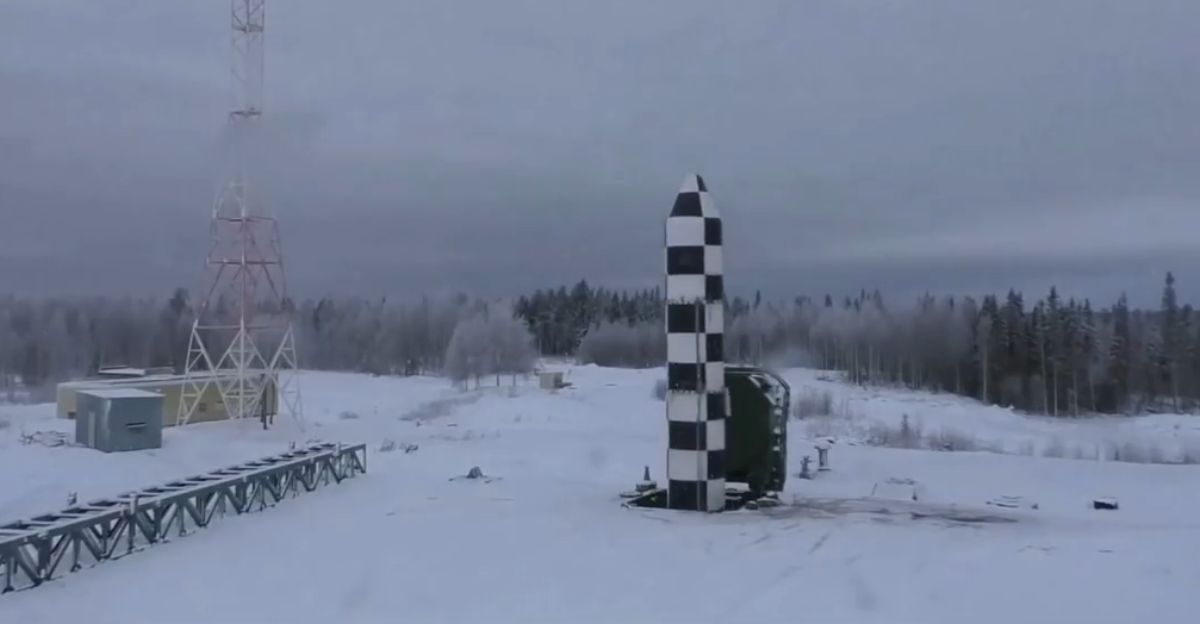
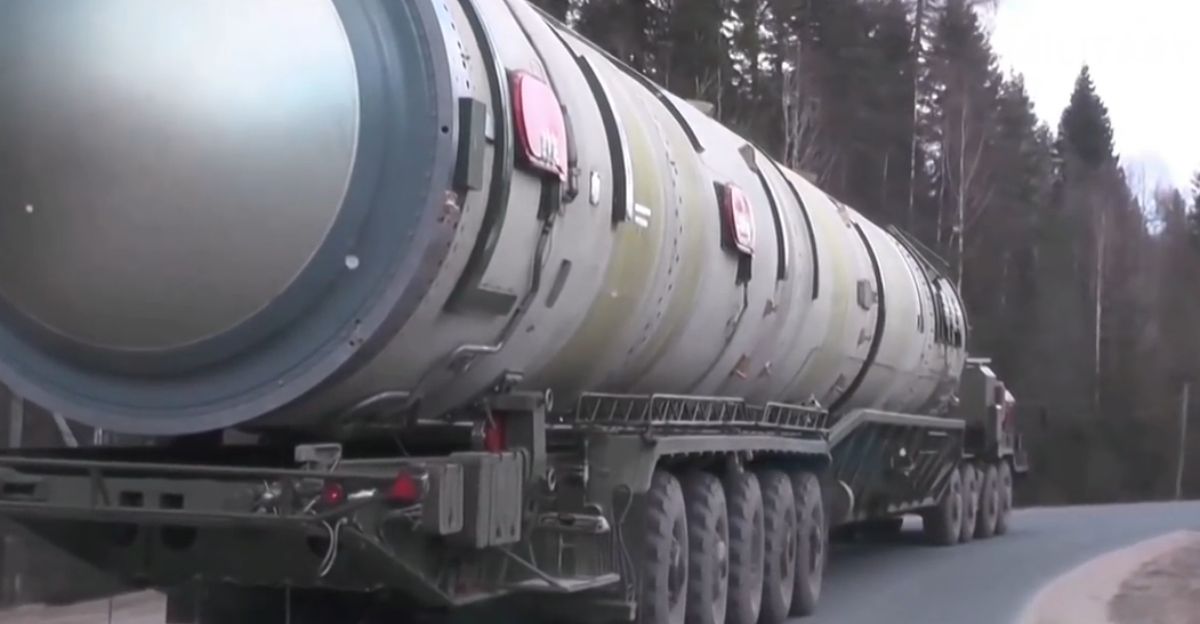
Russia unveiled the RS-28 Sarmat as a generational leap in nuclear weapons. Designed to replace aging Soviet missiles, it promised longer range, heavier payloads, and advanced penetration systems. Kremlin messaging framed it as unbeatable. Yet development delays and test failures quickly eroded that promise, revealing deeper problems beneath the hype.
Grand Promises Meet Hard Reality
Development of Sarmat began in 2014 with a multi-billion dollar commitment. Officials touted it as “invincible” and capable of bypassing missile defenses worldwide. More than a decade later, the missile has delivered embarrassment instead of dominance. The widening gap between political rhetoric and engineering results is impossible to ignore.
The November Launch That Went Wrong
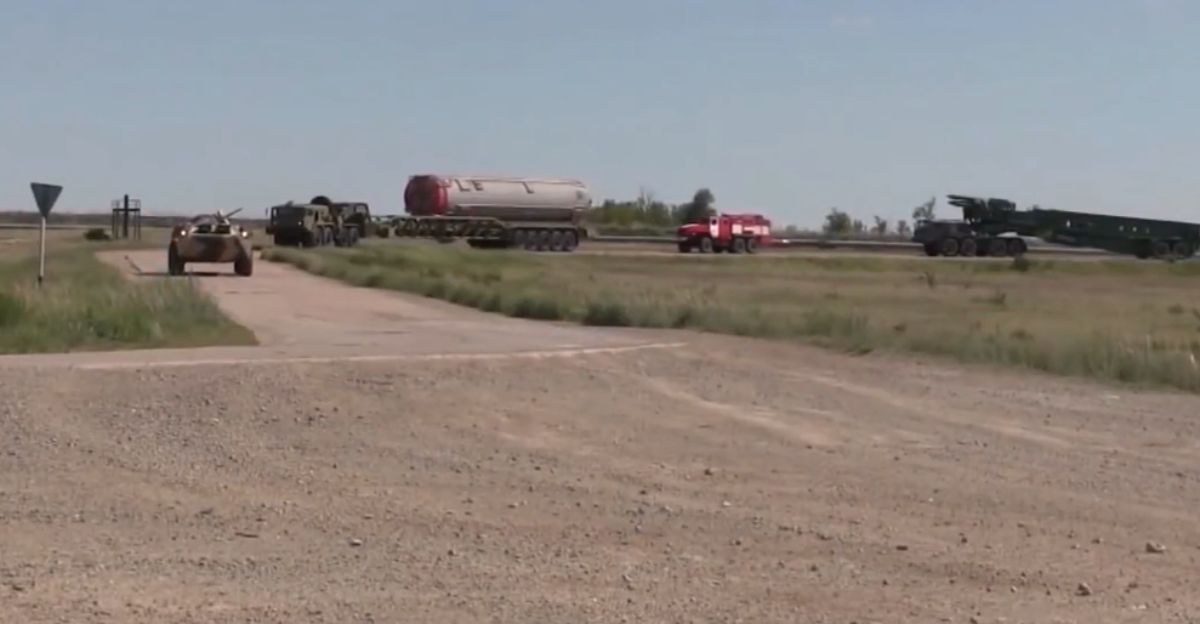
On November 28, 2025, engineers at the Yasny missile division watched another test collapse. The missile ignited, rose briefly, then lost propulsion within seconds. Debris scattered across the launch site near Kazakhstan. Satellite imagery later confirmed severe damage, marking yet another public failure with global visibility.
A Failure Rate That Alarms Experts
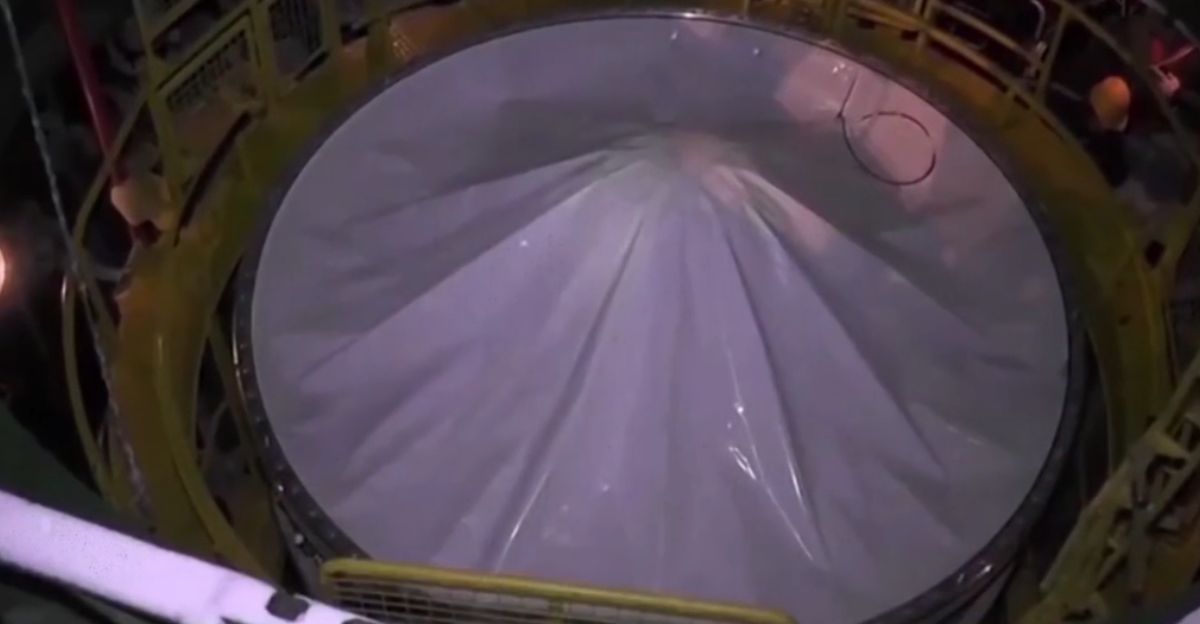
Since April 2022, Russia has conducted 4 full-flight Sarmat tests. Only 1 succeeded. The remaining launches in February 2023, September 2024, and November 2025 all failed. A 75% failure rate places Sarmat among the worst-performing modern ICBM programs, raising serious doubts about its design.
Putin’s Rare Public Admission
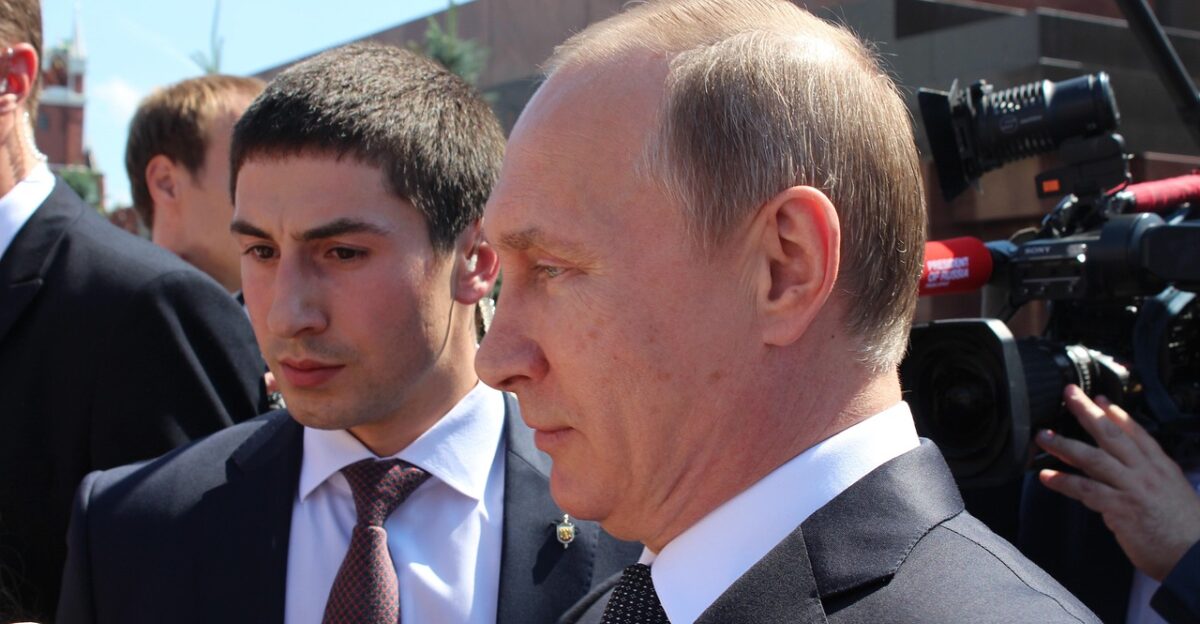
In October 2025, Putin quietly conceded the missile was “not yet deployed.” The statement contradicted earlier claims that Sarmat was already operational. Coming from a leader reliant on nuclear intimidation, the admission signaled visible strain.
Inside A Crumbling Industrial Base
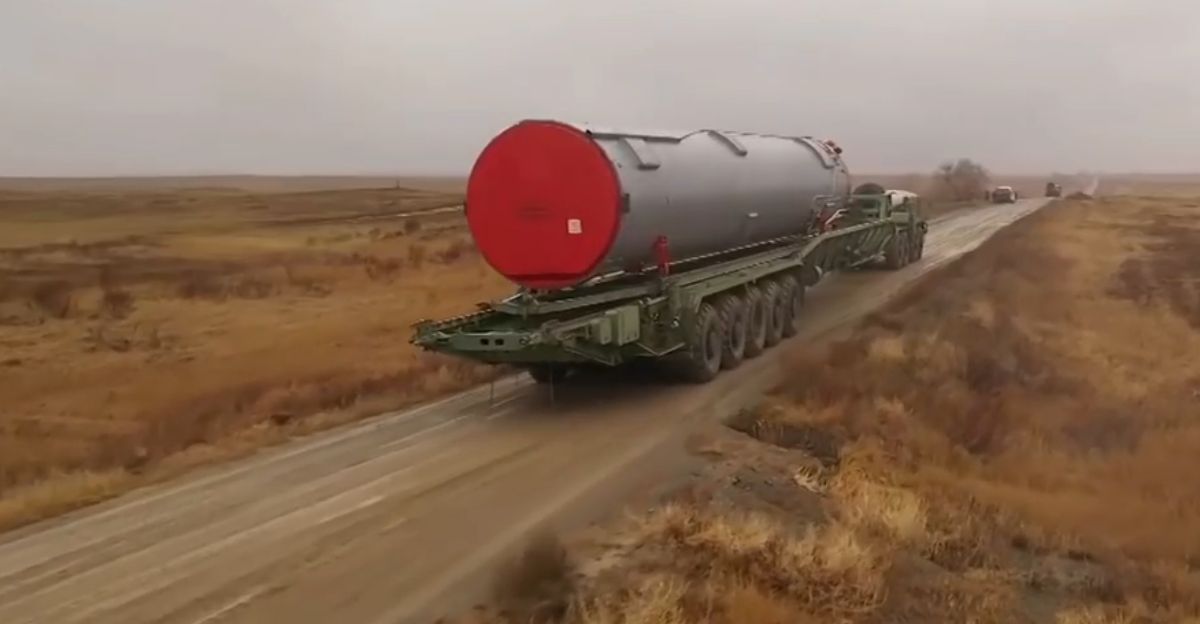
The failures trace back to Russia’s defense factories. Krasmash and the Makeyev Design Bureau struggle with outdated machinery and workforce shortages. Modernization alone required 16 billion rubles, about $274 million. Even then, only 20% of equipment was under 20 years old, slowing precision manufacturing severely.
Talent Drain Hits Critical Mass
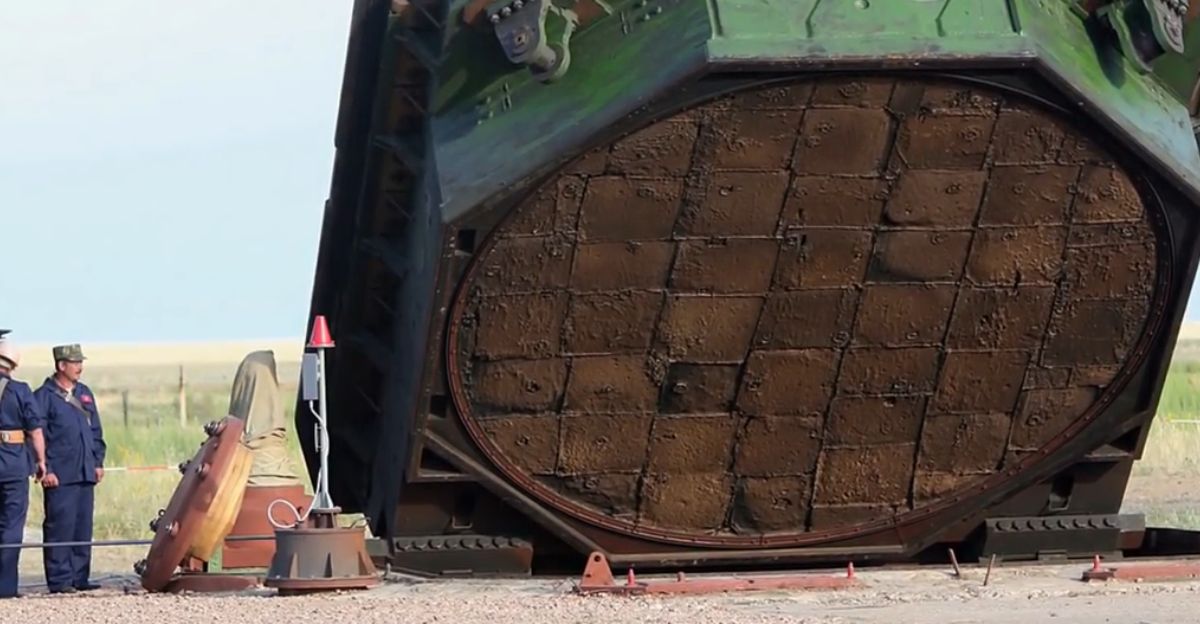
Russia’s aerospace sector is losing experienced engineers. Many fled abroad, while others face military conscription tied to the Ukraine war. Junior staff now fill critical roles without sufficient mentorship. When expertise disappears faster than it can be replaced, complex missile programs become nearly impossible to stabilize.
Sanctions Break The Supply Chain
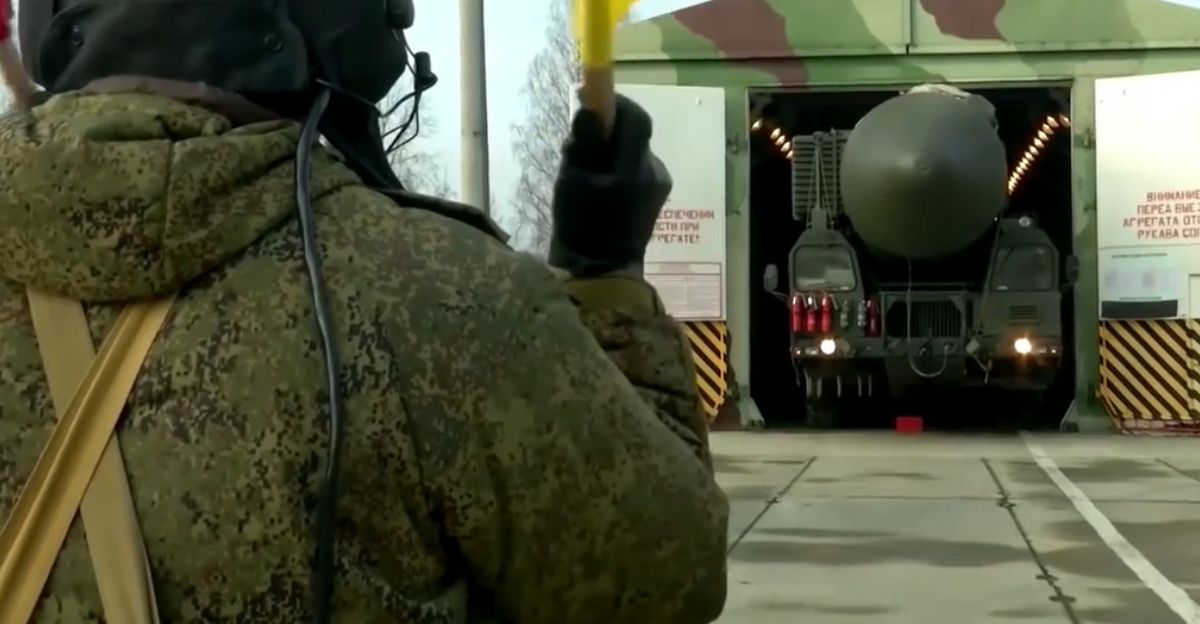
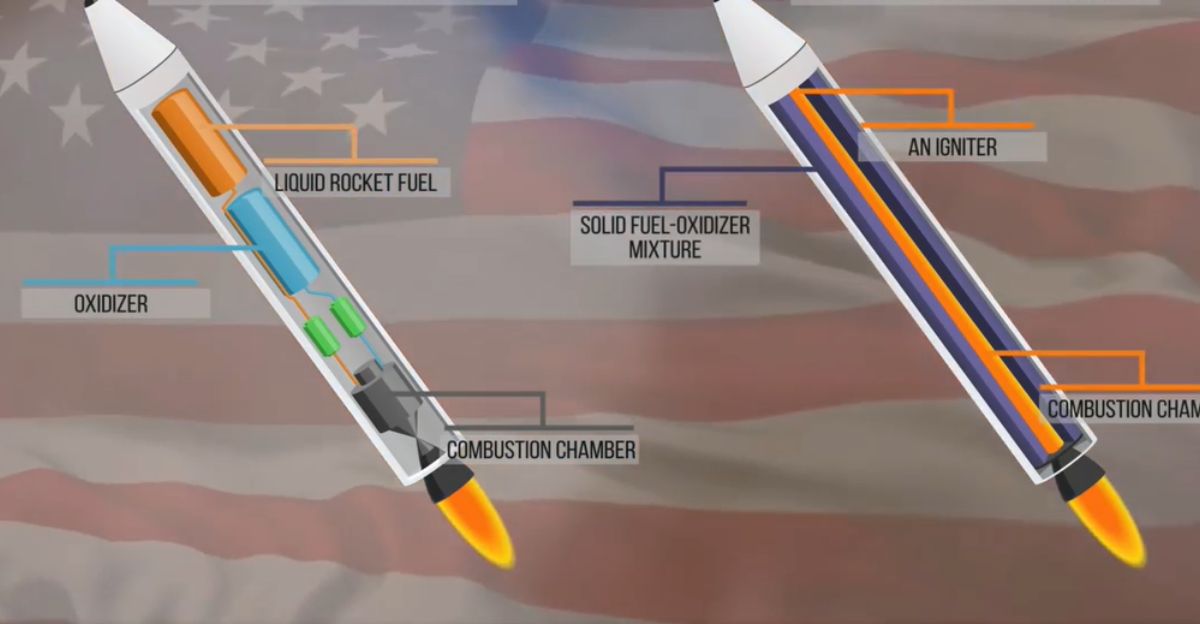
International sanctions forced Russia into improvised sourcing. CNC machines now arrive from Chinese suppliers, while fuel chemicals pass through Central Asia. This patchwork supply chain creates inconsistent quality, deadly for liquid-fueled rockets. Manufacturing flaws do not hide long in missile testing environments, as repeated explosions confirm.
Leadership Shakeups Signal Panic
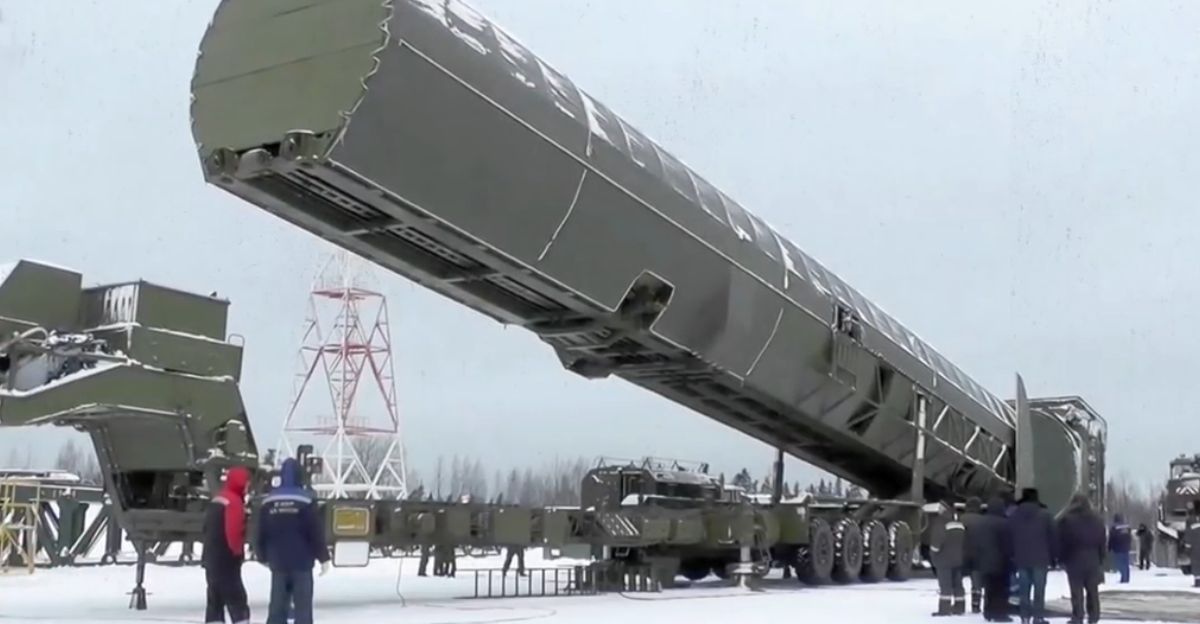
Repeated failures triggered high-level consequences. Yury Borisov was dismissed as Roscosmos chief in February 2025. He was replaced by Dmitry Bakanov, tasked with salvaging Sarmat. Leadership changes often suggest urgency, not solutions. Bakanov inherited an 11-year-old program with one successful test to show.
Toxic Clouds Over The Test Site
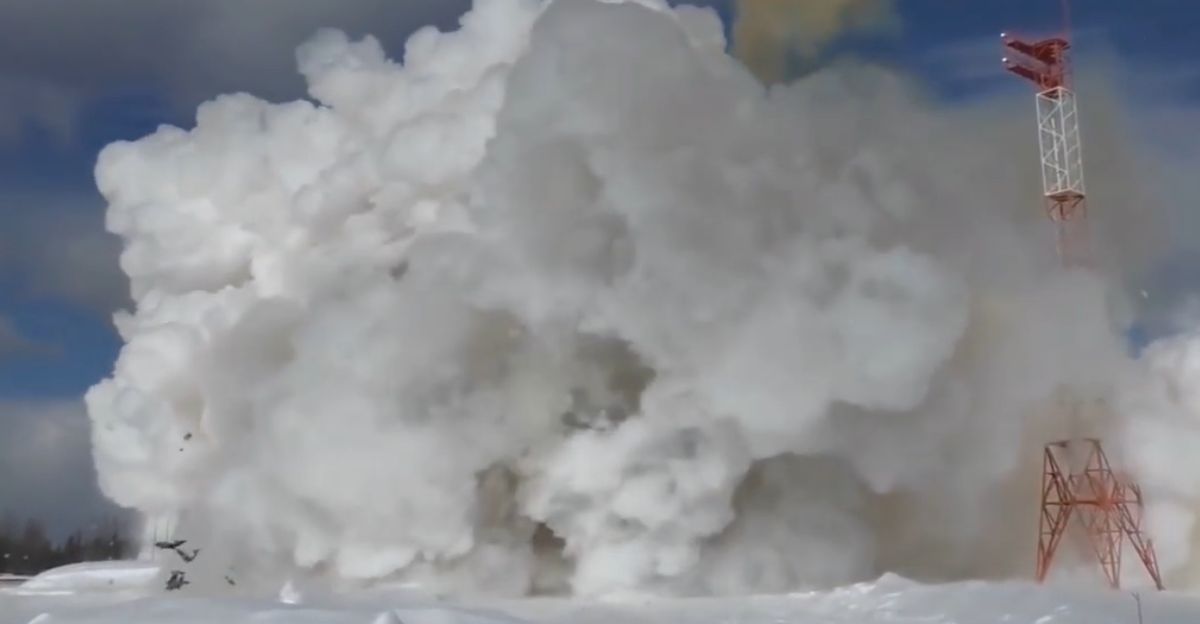
The November failure released a distinctive purple plume. It came from UDMH and nitrogen tetroxide fuel combustion. These chemicals are highly toxic and carcinogenic. What began as a weapons test quickly became an environmental and health hazard for nearby personnel.
Forced Reliance On Aging Missiles
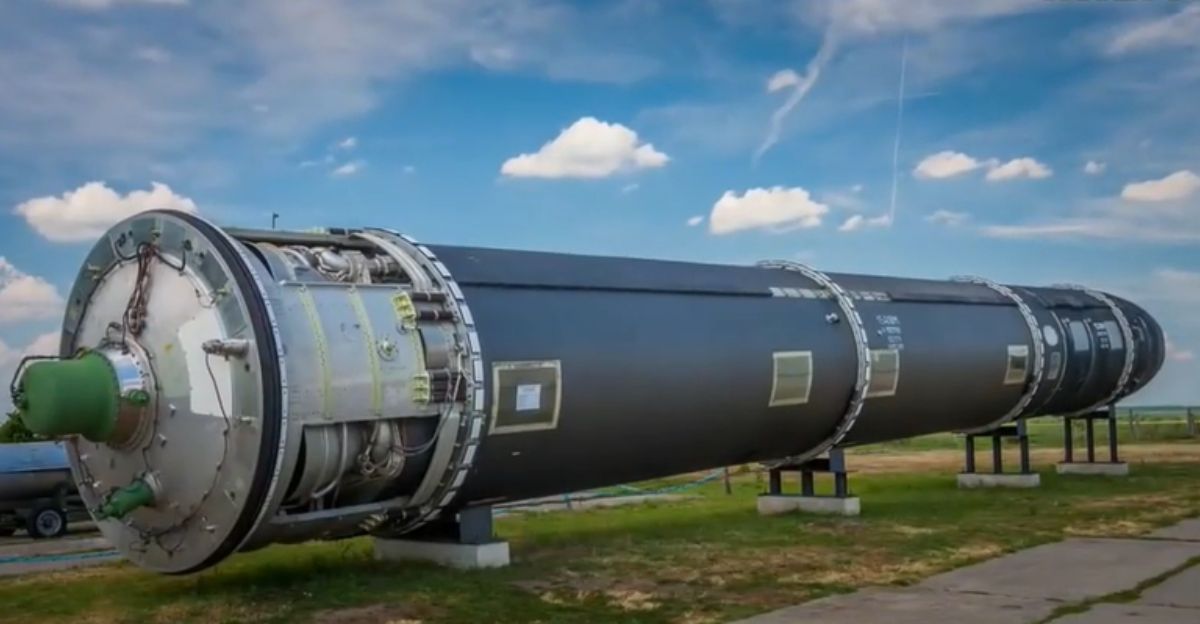
Because Sarmat cannot deploy, Russia extends the life of the R-36M2 Voevoda missile. Designed in 1988, it remains operational today. These missiles were built in Ukraine, which stopped servicing them in 2014. Russia now maintains its deterrent without original manufacturer support.
When The Past Outperforms The Present
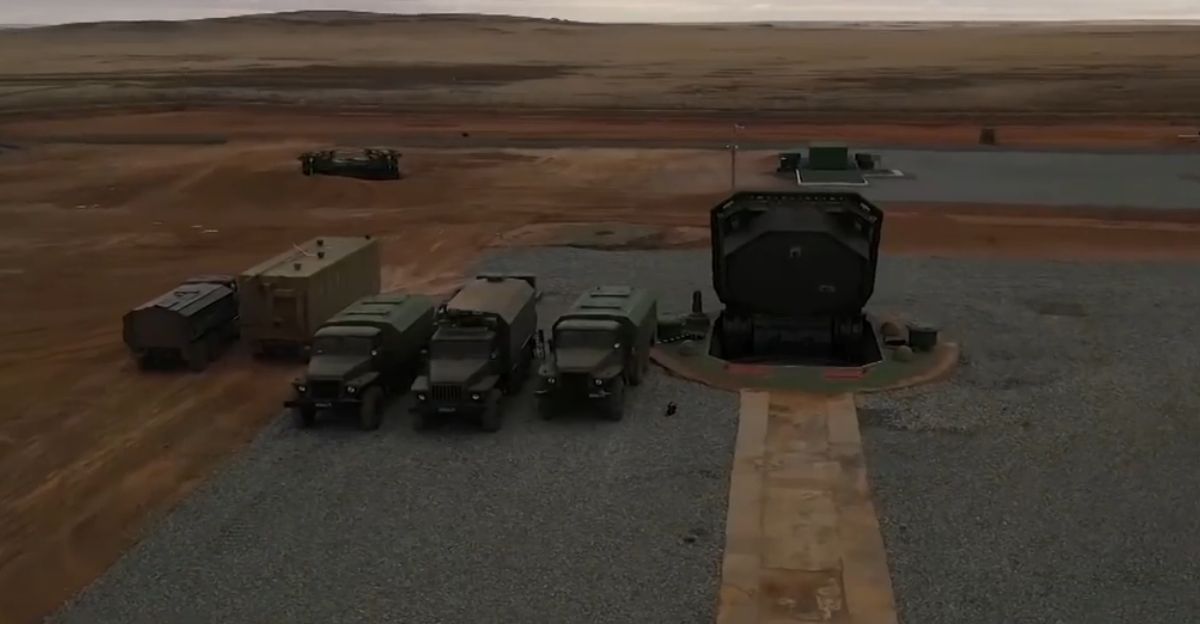
The Soviet-era Voevoda underwent 20 successful tests before deployment. Sarmat achieved 1 success in 4 attempts. This reversal exposes systemic decay. Advanced technology requires stable supply chains, skilled labor, and time. Modern Russia lacks all three under sanctions, war pressure, and political urgency.
Ukraine’s Quiet Strategic Leverage
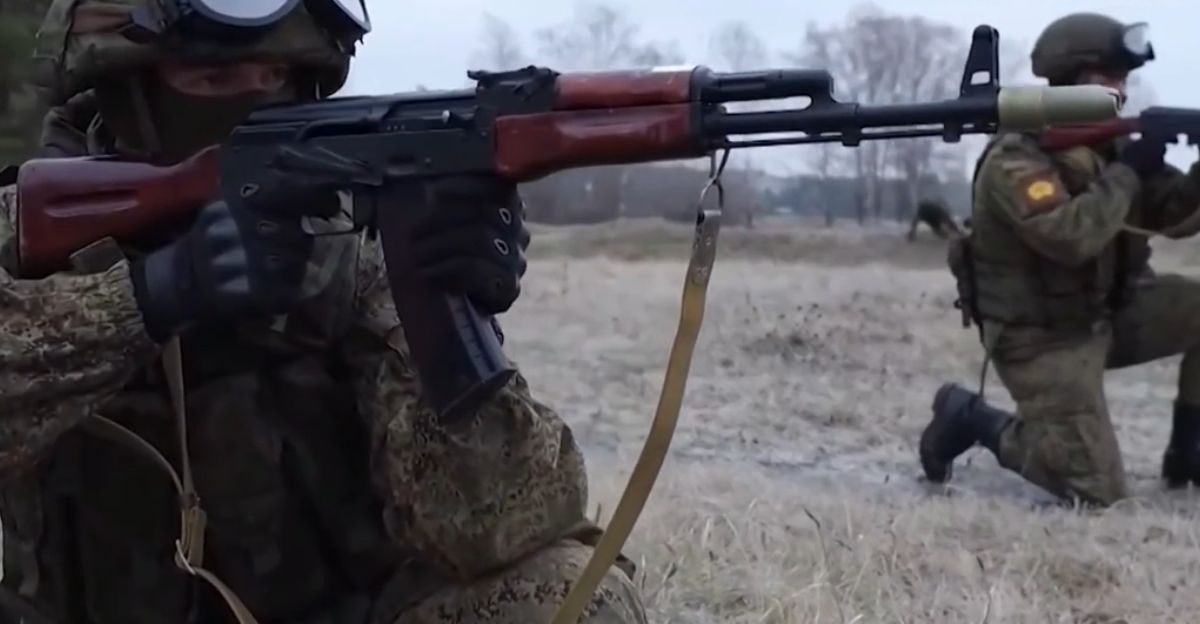
Until 2014, Ukraine’s Yuzhmash plant supported Russia’s heavy ICBMs. That cooperation ended after Crimea’s annexation. Russia now operates missiles without access to original technical expertise or spare parts. Each year increases degradation risk, turning maintenance into educated guesswork rather than controlled engineering.
“What’s Unique Is Its Failure”
Étienne Marcuz, Research Fellow at Foundation for Strategic Research, stated: “So far, what’s unique about Sarmat is not its range or payload but its repeated inability to complete tests successfully.” The quote encapsulates how failure defines the missile’s reputation.
Racing Seasons Instead Of Physics
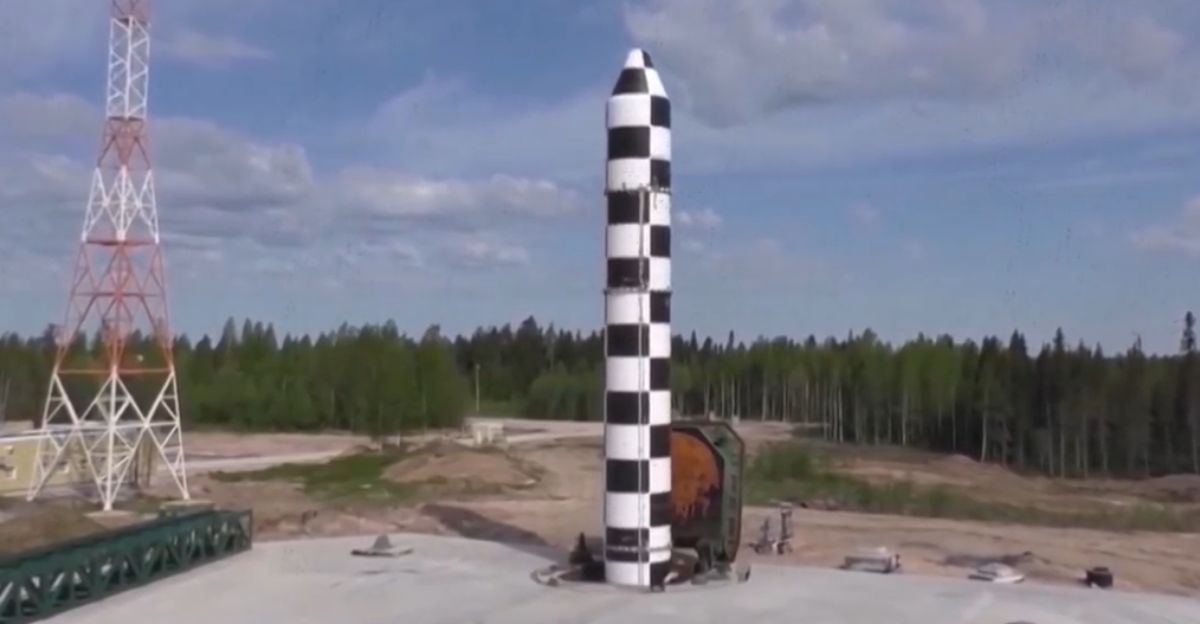
Satellite imagery showed rapid construction at Yasny in spring 2025 after ice thawed. The rush suggested political deadlines overriding engineering discipline. When schedules dictate testing instead of readiness, tolerances slip. Physics rarely forgives shortcuts, and November’s explosion may have been the predictable result.
Counting The Financial Damage
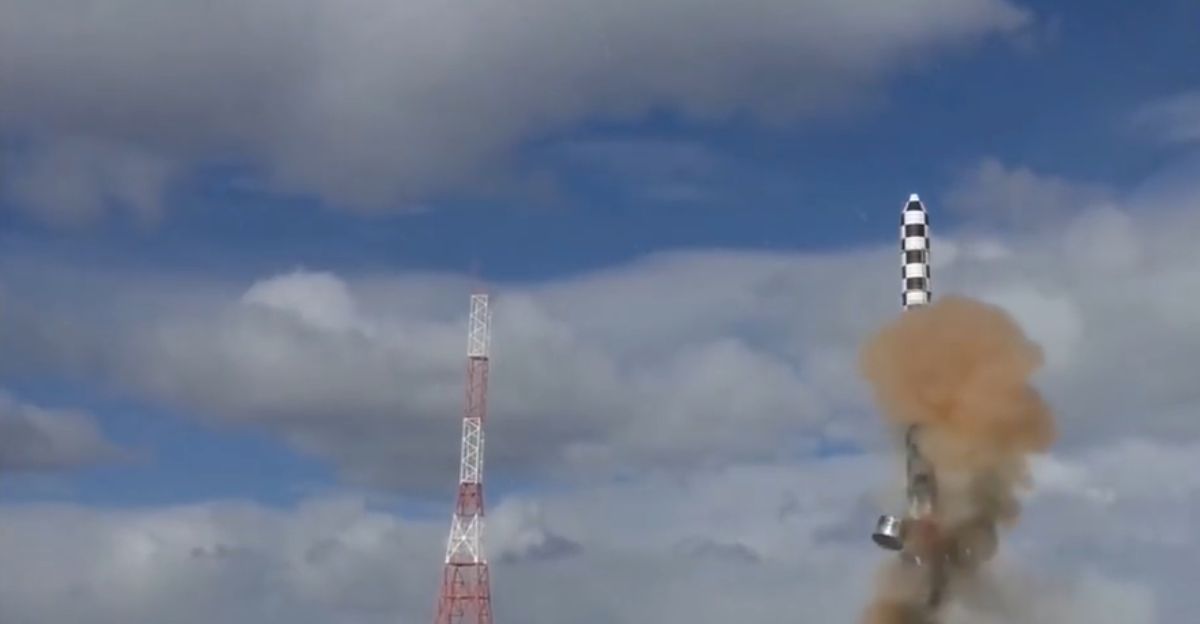
Sarmat’s cost spans 11 years from 2014 to 2025. Direct missile losses run $35–$50 million each. Three failed full-flight tests likely destroyed over $100 million in hardware alone. Including R&D and facilities, total program costs likely exceed $5 billion.
Satellites Strip Away Secrecy
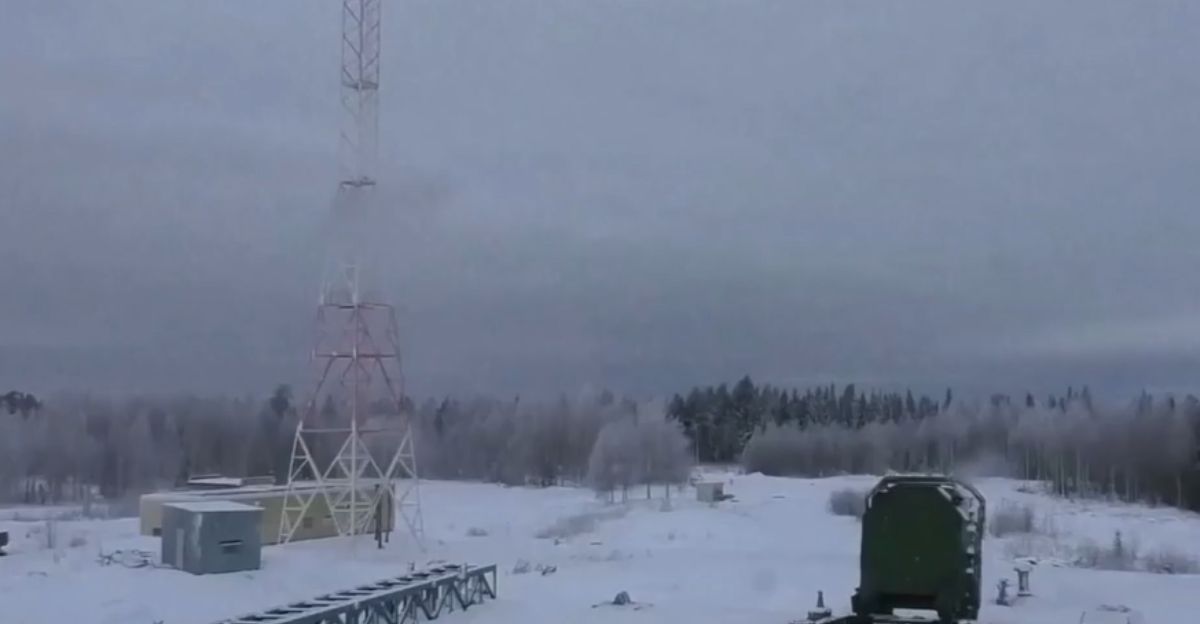
Commercial imagery from Planet Labs and Maxar now exposes test failures within days. Reuters analysis, September 23, 2024. Russia can no longer control the narrative. When explosions appear from orbit, official denials collapse instantly, eroding credibility with adversaries and allies alike.
How Long Can This Continue?
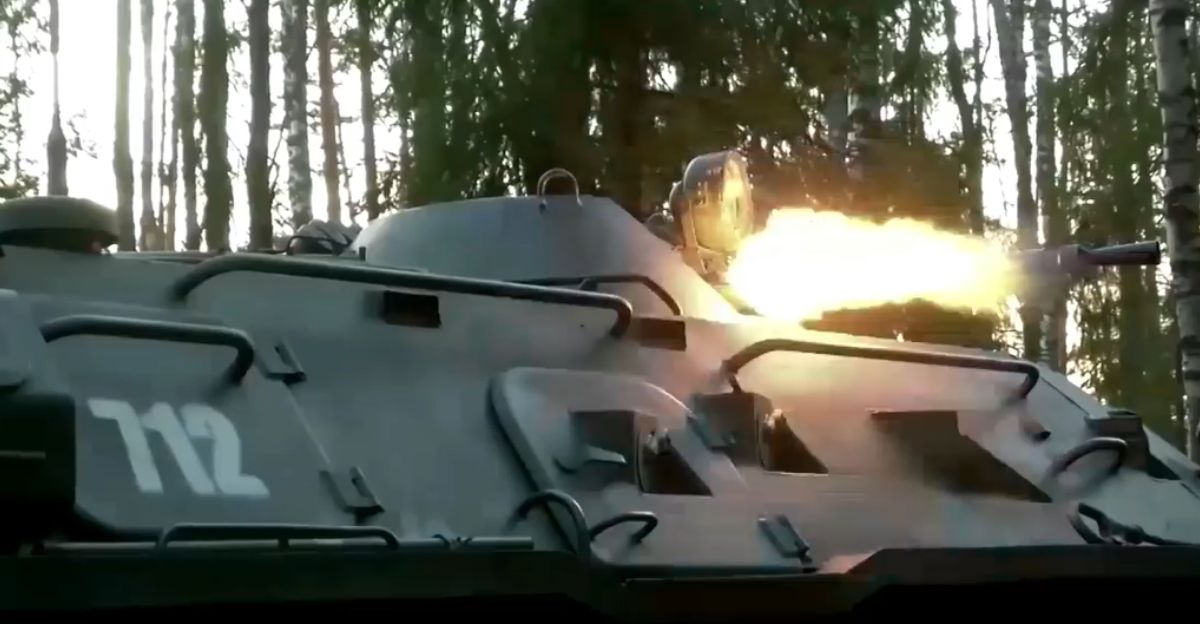
Russian leaders face an impossible choice. Canceling Sarmat admits defeat after 11 years. Continuing means more failures and humiliation. Historically, Moscow persists despite dysfunction. Expect further tests driven by politics, not readiness, even as each failure deepens technical and financial damage.
A Deterrent Under Question
Nuclear deterrence depends on belief. Sarmat was meant to reassure and intimidate. Instead, repeated failures invite doubt about Russia’s arsenal reliability. Aging missiles, no replacements, and visible setbacks create strategic uncertainty. When credibility fades, deterrence weakens in ways no rhetoric can fix.
From Superweapon To Symbol
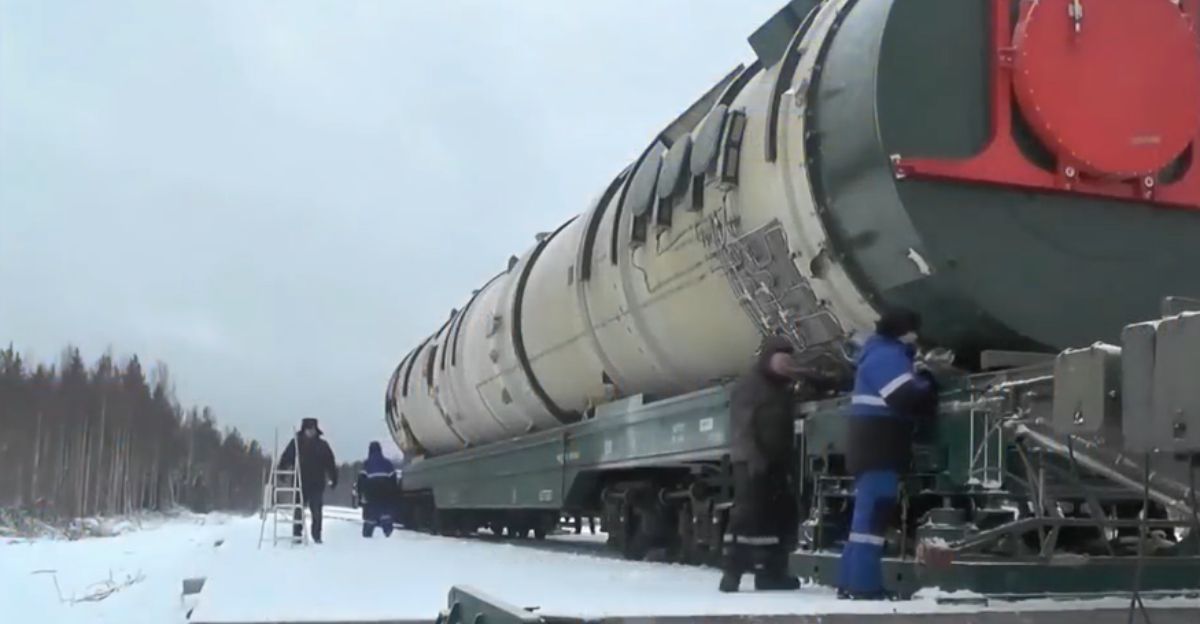
Sarmat’s story reflects broader systemic decline. Eleven years, billions spent, and immense political pressure produced a missile that struggles to leave the ground. Supply chains fray, talent drains away, and leadership scrambles. Putin’s “unstoppable” weapon now symbolizes how ambition collapses when reality intervenes.
Sources:
“The missile meant to strike fear in Russia’s enemies fails once again,” Ars Technica, December 01 2025
“Putin Says Sarmat Nuclear Missile ‘Not Yet Deployed,’ Walking Back Past Claims,” The Moscow Times, October 29 2025
“Putin Dismisses Roscosmos Chief Amid Sarmat Missile Issues,” The Munich Eye, February 09 2025
“Russia’s Sarmat ICBM Faces Development Problems,” Jamestown Foundation, July 21 2025
“Investigation: How Russia prepares its strategic missile production with China’s help,” Kyiv Independent, June 30 2025
“Purple Plume Over Russian Test Site After Suspected RS-28 Launch Failure,” United24 Media, November 27 2025