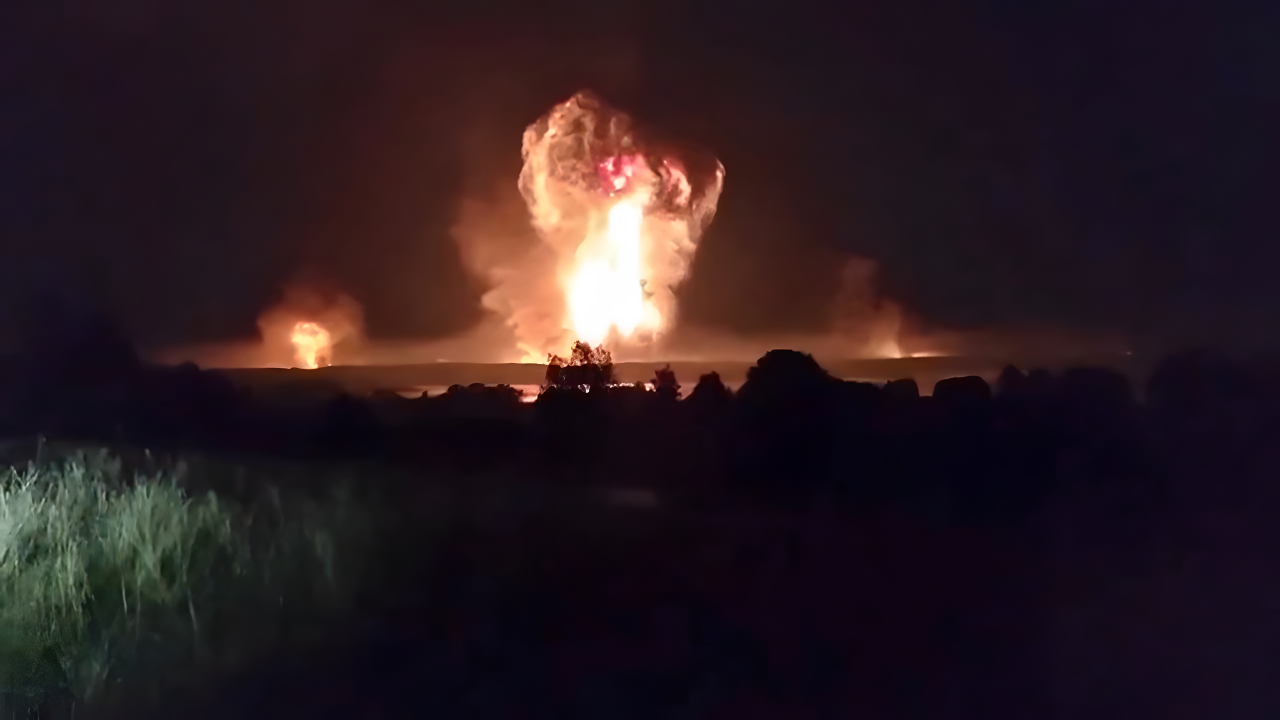
Once hailed by Vladimir Putin as an unstoppable superweapon, Russia’s RS-28 Sarmat missile has become a symbol of technical and strategic struggles. Since April 2022, five failed tests have punctuated a program plagued by repeated explosions, costs exceeding $5 billion, and a 75% failure rate—a record among modern intercontinental ballistic missile (ICBM) programs. These setbacks now cast serious doubt on Moscow’s nuclear modernization efforts.
The missile was meant to replace aging Soviet-era ICBMs and assert Russia’s military dominance. Kremlin officials touted it as invincible, yet repeated delays and failures highlight deep engineering and industrial gaps. As experts track each misstep, questions mount about the reliability of Russia’s nuclear deterrent.
What Was Supposed To Change Everything
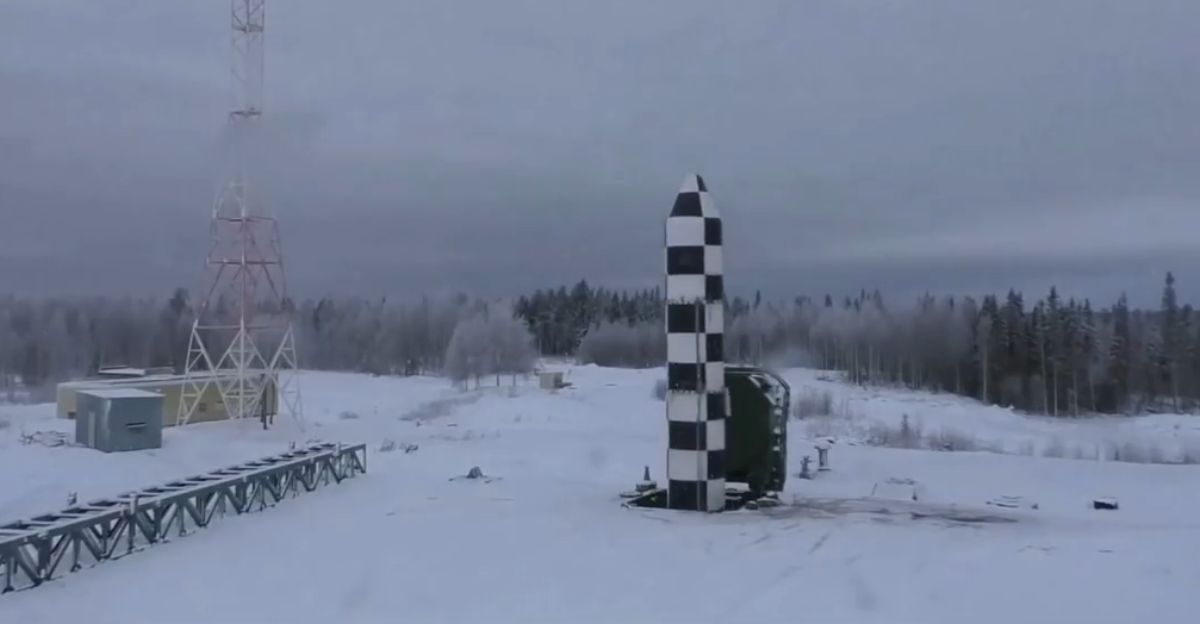
The RS-28 Sarmat was designed to replace outdated Soviet-era missiles and restore Russia’s strategic edge. Originally scheduled for service in 2018, development intensified in the early 2010s with multi-billion-dollar investments. Kremlin officials described it as invincible, positioning it as a cornerstone of national security.
Yet over a decade marked by repeated delays and technical hurdles, the hype has faded. Engineering failures, escalating costs, and a struggling industrial base have undermined expectations. Despite bold promises, the missile program now exemplifies the gap between political ambition and technological reality, raising doubts about whether Russia can field a reliable next-generation ICBM.
Grand Promises Meet Hard Reality
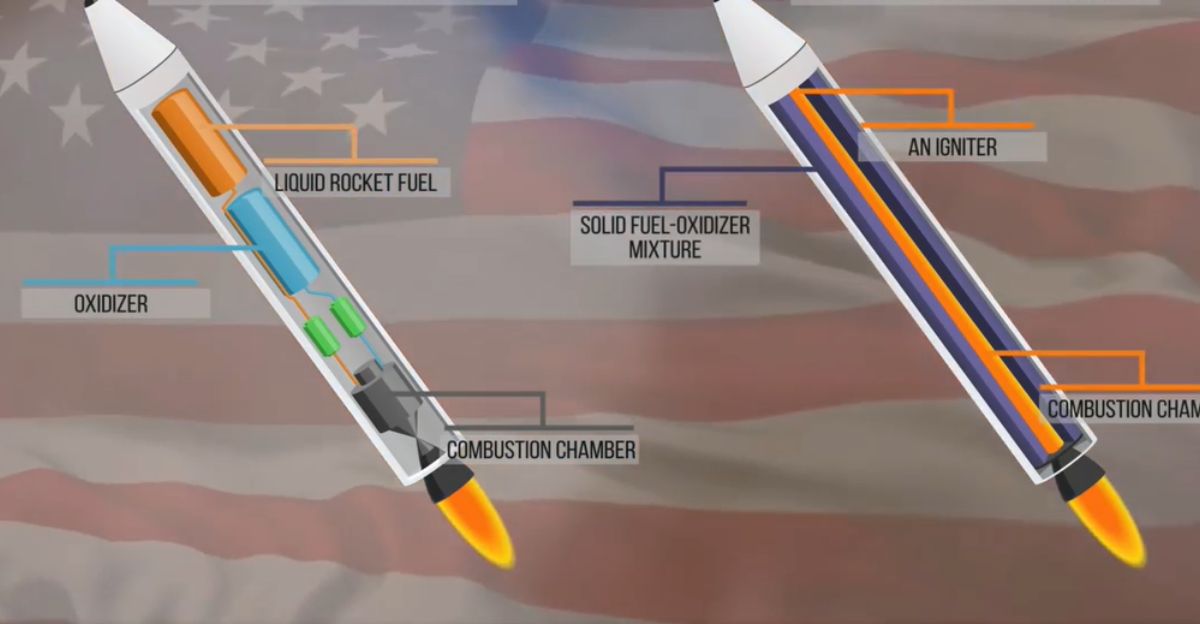
The November 28, test at the Plesetsk Cosmodrome near Arkhangelsk highlighted the program’s struggles. The liquid-fueled rocket ignited and lifted off briefly before losing thrust, scattering debris, and creating a 200-meter-wide crater. Satellite imagery captured a distinctive purple plume from combusting unsymmetrical dimethylhydrazine (UDMH) and nitrogen tetroxide—highly carcinogenic rocket propellants that pose serious health and environmental risks.
Commercial satellites from Planet Labs and Maxar Technologies documented the damage, amplifying the visibility of what had previously been hidden. This test underscores the scale of technical challenges facing Russia’s ICBM program and the consequences of repeated engineering failures.
A Failure Rate That Alarms Experts
Since April 20, 2022, the Sarmat program has recorded five documented failures: February 18, 2023, September 2024, November 2025, and two additional unconfirmed setbacks. Of four confirmed flight tests, only one succeeded, producing a 75% failure rate unmatched among contemporary ICBMs. Each lost prototype costs an estimated $35–50 million, with hardware losses surpassing $150 million before considering research and facility expenses.
In October, Putin admitted that the missile had not yet been deployed, contradicting earlier claims. Roscosmos Director General Yuri Borisov had stated in September 2023 that the system was on official combat duty—a declaration now exposed as premature. Such discrepancies erode confidence in both program management and Russia’s nuclear readiness.
Inside A Crumbling Industrial Base
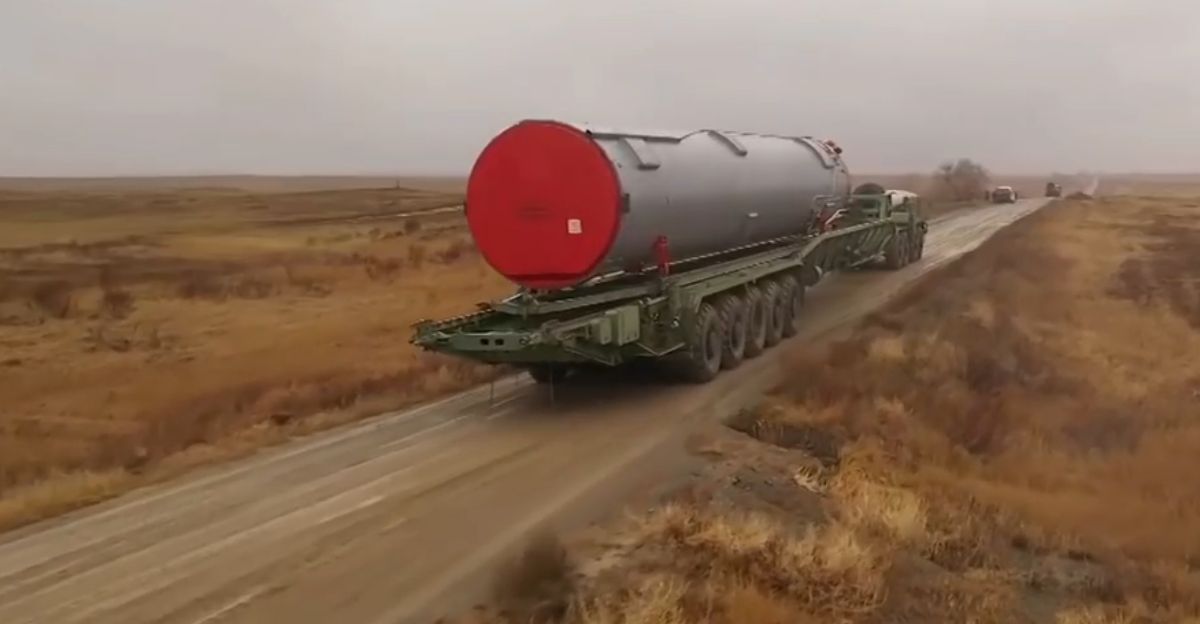
The program’s failures reflect a strained defense infrastructure. Krasmash and the Makeyev Design Bureau face aging equipment, labor shortages, and an exodus of experienced engineers due to migration or conscription into the conflict in Ukraine. Sanctions have disrupted supplies, forcing reliance on Chinese CNC machines and Central Asian chemical sources that often fail to meet precision standards.
These pressures led to leadership changes: Yury Borisov was replaced by Dmitry Bakanov on February 5, 2025, tasked with rescuing the 11-year program. Without operational Sarmat units, Russia depends on aging R-36M2 Voevoda missiles, highlighting how industrial decay undermines strategic capability.
Strategic Implications of Ongoing Failures
The industrial decay extends to lost collaborations, such as routine maintenance partnerships with Ukraine’s Yuzhmash, forcing Russia to rely on incomplete technical knowledge. Spring 2025 satellite imagery revealed reconstruction at the Yasny test site, reflecting political priorities over engineering fundamentals.
As failures accumulate, Moscow’s nuclear deterrence credibility suffers. Each test amplifies vulnerabilities in an already tense global strategic order, forcing Russia to weigh continued investment against mounting costs, lost expertise, and international scrutiny. Future tests seem inevitable, but each setback compounds strategic and reputational risks.
Lessons From Sarmat’s Struggles
Russia’s RS-28 Sarmat illustrates the high cost of ambition when technology, infrastructure, and expertise cannot keep pace. Repeated failures, billion-dollar losses, and industrial challenges highlight the fragility of a program once billed as invincible.
For Russia, the stakes are not merely financial. Reliability and credibility are central to nuclear deterrence, and each setback chips away at the image of an unshakable strategic arsenal. The Sarmat program underscores the importance of sustained engineering capacity, stable supply chains, and realistic planning in modern defense initiatives—lessons that resonate far beyond Moscow.
Sources:
“Russia tests nuclear-capable missile that Putin calls invincible,” Reuters, April 20, 2022
“US believes Russia had failed intercontinental ballistic missile test,” CNN, February 21, 2023
“Images show Russia’s new Sarmat missile suffered major test failure, researchers say,” Reuters, September 23, 2024
“Sarmat Failure Casts Doubt on Russian Heavy ICBM,” Arms Control Association, October 31, 2024
“RS-28 Sarmat,” Wikipedia (primary research compilation of Russian Ministry of Defense statements), accessed December 18, 2025
“Putin Says Sarmat Nuclear Missile ‘Not Yet Deployed,’ Walking Back Past Claims,” The Moscow Times, October 29, 2025