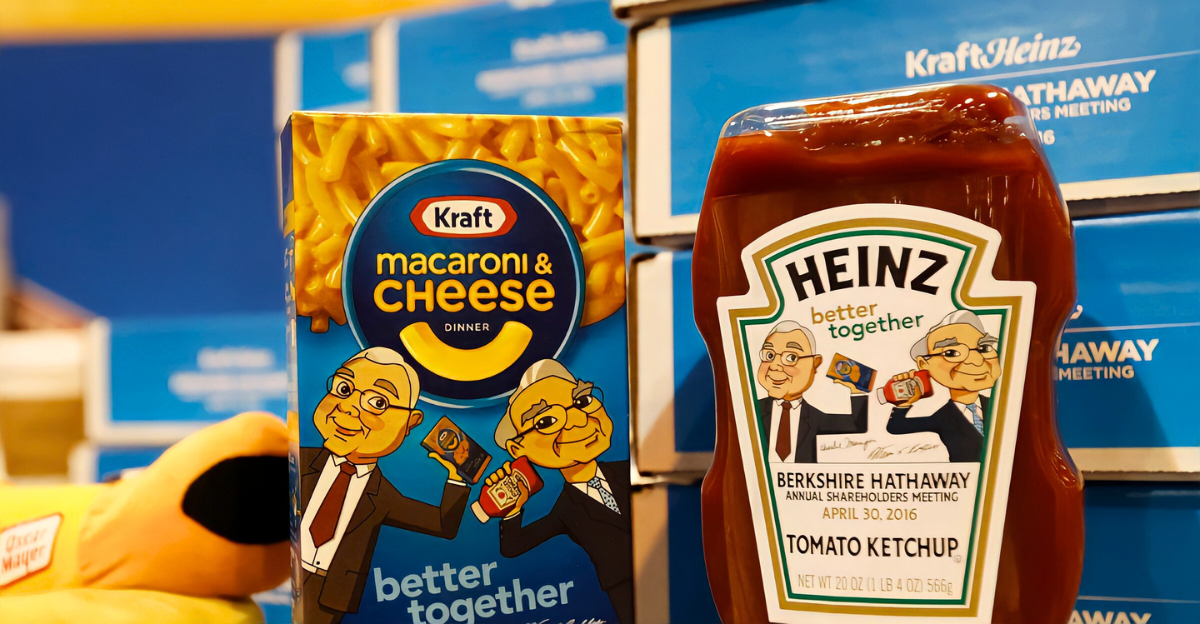
A $26 billion food giant built on everyday American favorites is going through its biggest shake-up yet.
Once worth $45 billion, the company has seen its value drop by 60%, and now it’s making bold moves that could completely change what we see on grocery store shelves across the country.
Buffett’s Dismay
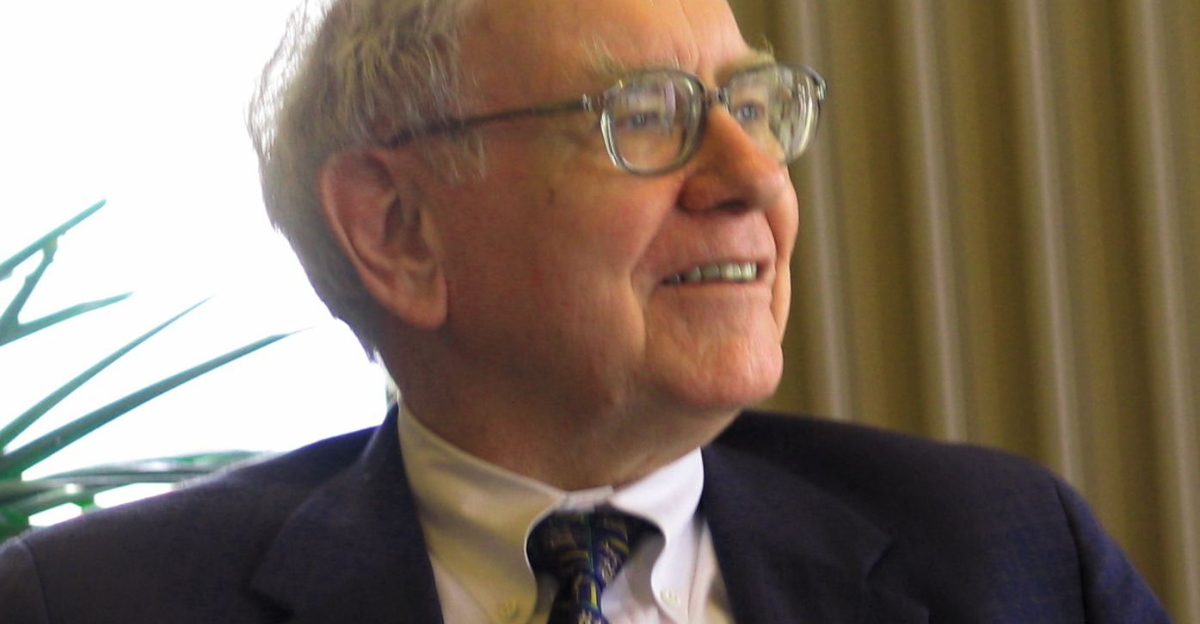
Warren Buffett’s Berkshire Hathaway watched its Kraft Heinz investment shrink dramatically, taking a $3.76 billion writedown in Q2 of 2025.
What was once Buffett’s biggest food has gone south, as shifting consumer tastes and some bad strategic moves have chipped away at brands that used to dominate American kitchens.
Merger Origins

The 2015 merger orchestrated by Buffett and Brazilian private equity firm 3G Capital seemed to ensure efficiency and growth.
The $46 billion deal united Kraft’s cheese empire with Heinz’s condiment kingdom, creating North America’s third-largest food company with dreams of global expansion and cost synergies.
Warning Signs
However, seven consecutive quarters of declining sales damaged the combined company.
Things like rising ingredient costs, private-label competition, and health-conscious consumers avoiding processed foods created mounting pressure. By 2019, a $15.4 billion writedown on Kraft and Oscar Mayer brands signaled deeper troubles ahead.
Split Confirmed
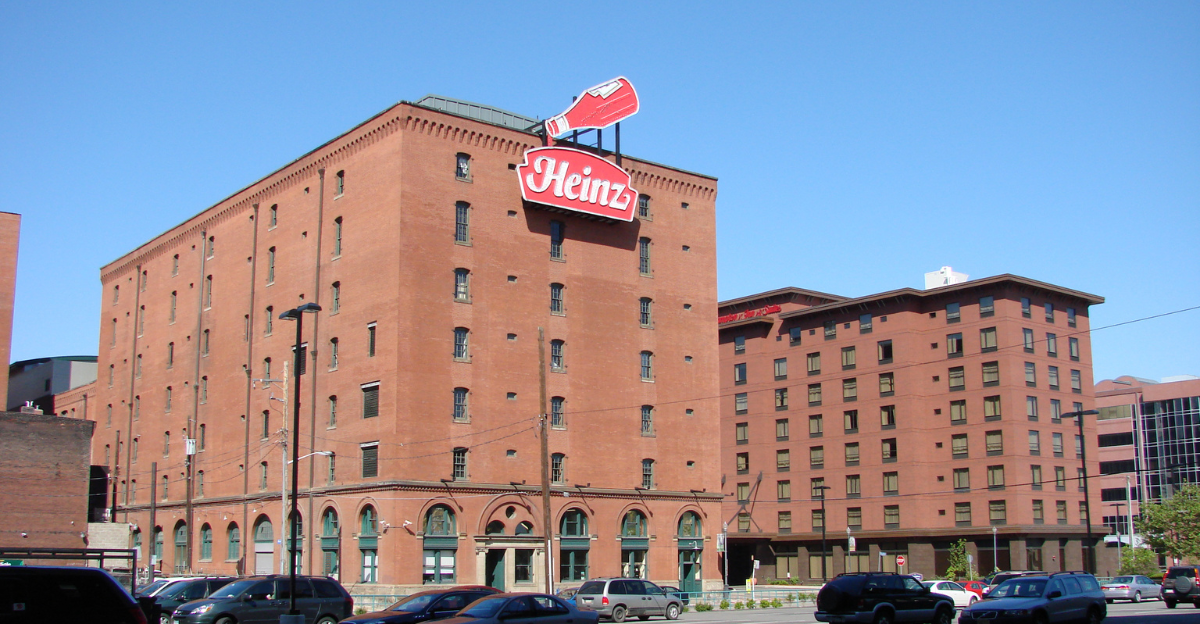
Meanwhile, Kraft Heinz’s board unanimously approved separating into two independent public companies by late 2026.
The split creates Global Taste Elevation Co. with $15.4 billion in sales (Heinz, Philadelphia) and North American Grocery Co. with $10.4 billion (Oscar Mayer, Lunchables), reversing the decade-old merger.
Regional Impact

Chicago and Pittsburgh offices are bracing for organizational upheaval as the split develops. The separation affects supply chains across 150 countries, with emerging markets representing 20% of the sauce company’s revenue.
Manufacturing facilities nationwide are awaiting clarity on their future alignment with either entity.
Employee Reassurance

CEO Carlos Abrams-Rivera emphasized the company’s 36,000 employees will “continue as one Kraft Heinz” during the transition.
Unlike the 2015 merger’s aggressive cost-cutting that eliminated 2,500 jobs, leadership promises no mass layoffs, focusing instead on “unleashing brand potential” through dedicated resources.
Competitor Response

Food giants like General Mills and Conagra are watching closely as Kraft Heinz’s breakup follows similar industry splits.
Kellogg’s 2023 separation into Kellanova sparked Mars’s $30 billion acquisition, while Keurig Dr Pepper announced its own split, signaling conglomerate models losing favor across packaged foods.
Market Reaction

What’s interesting is that shares tumbled 7.2% to $26.02 following the announcement, obliterating billions in market value. Analysts cite $300 million in expected dis-synergies and uncertainty about each company’s growth prospects.
Investment-grade credit ratings face potential downgrades, threatening the 5.5% dividend yield investors depend upon.
Silent Exit

3G Capital, Kraft Heinz’s Brazilian partner, quietly ditched its entire 16.1% stake back in 2023, well before the split was announced.
The private equity firm, which is famous for its aggressive cost-cutting, walked away after swallowing billions in losses, leaving Berkshire Hathaway as the last big institutional investor still stuck holding the bag.
Leadership Tensions

Despite Buffett’s public criticism, Miguel Patricio defended the split because of the challenges of managing 56 product categories. Internal sources have revealed that boardroom disagreements over strategic direction intensified after 3G’s partners resigned from their seats.
The search for Global Taste Elevation’s CEO exposes leadership uncertainty during the critical transition.
Ownership Shifts

Berkshire Hathaway’s 27.5% stake is making the split even more complicated, with Buffett himself pushing back against the move.
He’s admitted he “overpaid for Kraft,” but at this point, he’s stuck; selling would mean taking huge losses. When Buffett retires in December 2025, his successor, Greg Abel, will be left to deal with the fallout.
Recovery Strategy
Marketing is becoming the “number one priority,” and increased headcount is planned for brand development. The company is targeting operational efficiency in stable categories while pursuing growth in food service channels.
Management has promised dedicated resources for each portfolio, abandoning the one-size-fits-all approach that stifled innovation.
Expert Skepticism

Meanwhile, Morgan Stanley upgraded the stock, citing “reasonable valuation,” but warns of 2026 earnings pressure from rising costs.
Industry analyst Robert Moskow has questioned whether separation alone solves fundamental brand weakness. At the same time, Wall Street remains divided on whether focused entities can reverse market share losses to private labels.
Future Unknown

The big question now is: will specialized focus revive struggling brands or simply highlight their obsolescence? The 2026 separation timeline leaves critical questions unanswered about international operations, debt allocation, and dividend sustainability.
Investors wonder if breaking apart creates acquisition targets for global food giants seeking American market entry.
Political Pressure
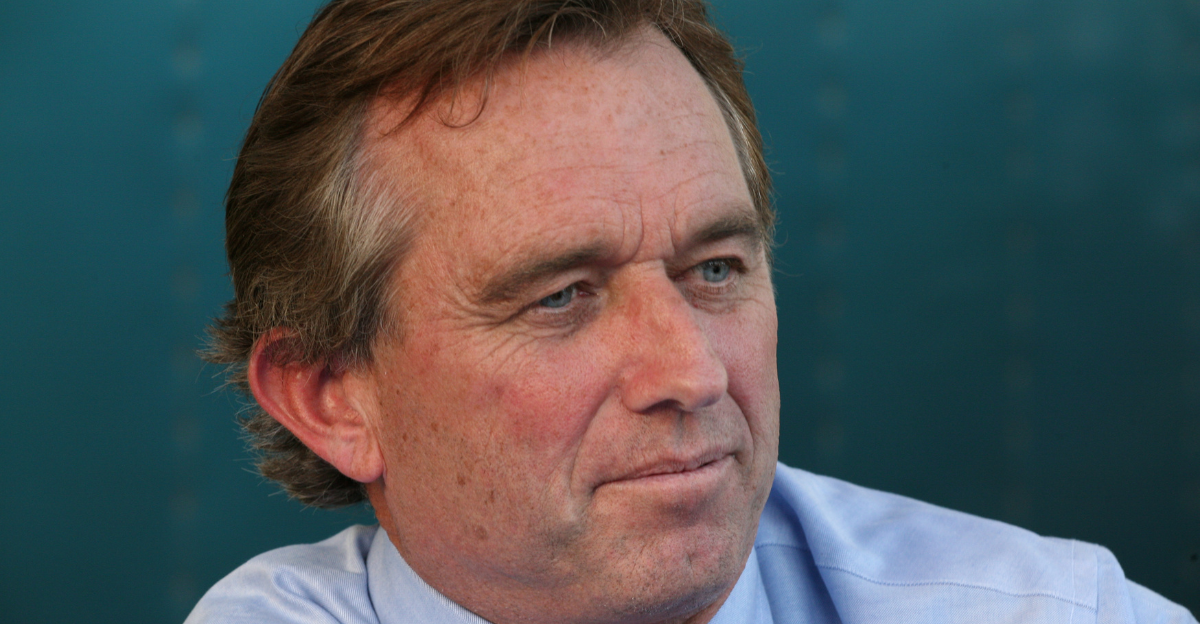
Health advocates including RFK Jr. are pressuring Kraft Heinz to eliminate artificial ingredients from their products. The split is happening amid intensifying scrutiny of ultra-processed foods and childhood nutrition.
At the moment, congressional hearings on food industry consolidation are adding regulatory uncertainty to an already complex separation process.
Global Ripple

International operations across 150 countries are facing restructuring as brands are divided between companies. European competitors like Nestlé and Unilever are also monitoring potential acquisition opportunities.
Supply chain disruptions seem to be on the horizon as the company untangles integrated manufacturing and distribution networks built over decades.
Legal Complexities

A tax-free spinoff structure requires careful navigation of IRS regulations and shareholder approvals. SEC oversight has intensified following the company’s 2019 accounting investigation.
On top of all of this, potential litigation from minority shareholders opposing the split are adding legal costs to the $300 million separation expense.
Cultural Shift
Millennials and Gen Z consumers’ rejection of processed foods is only accelerating the empire’s decline. The split represents admission that mega-mergers can’t overcome fundamental shifts in eating habits.
Former employees have described cultural clashes between Kraft’s Midwest sensibilities and 3G’s aggressive cost-cutting that never truly merged.
Legacy Questioned

The Kraft Heinz saga is a cautionary tale about financial engineering versus brand building. Buffett’s “biggest mistake” reshapes how investors view food industry consolidation.
As American kitchens evolve beyond processed staples, the split acknowledges that bigger isn’t always better in satisfying changing consumer appetites.