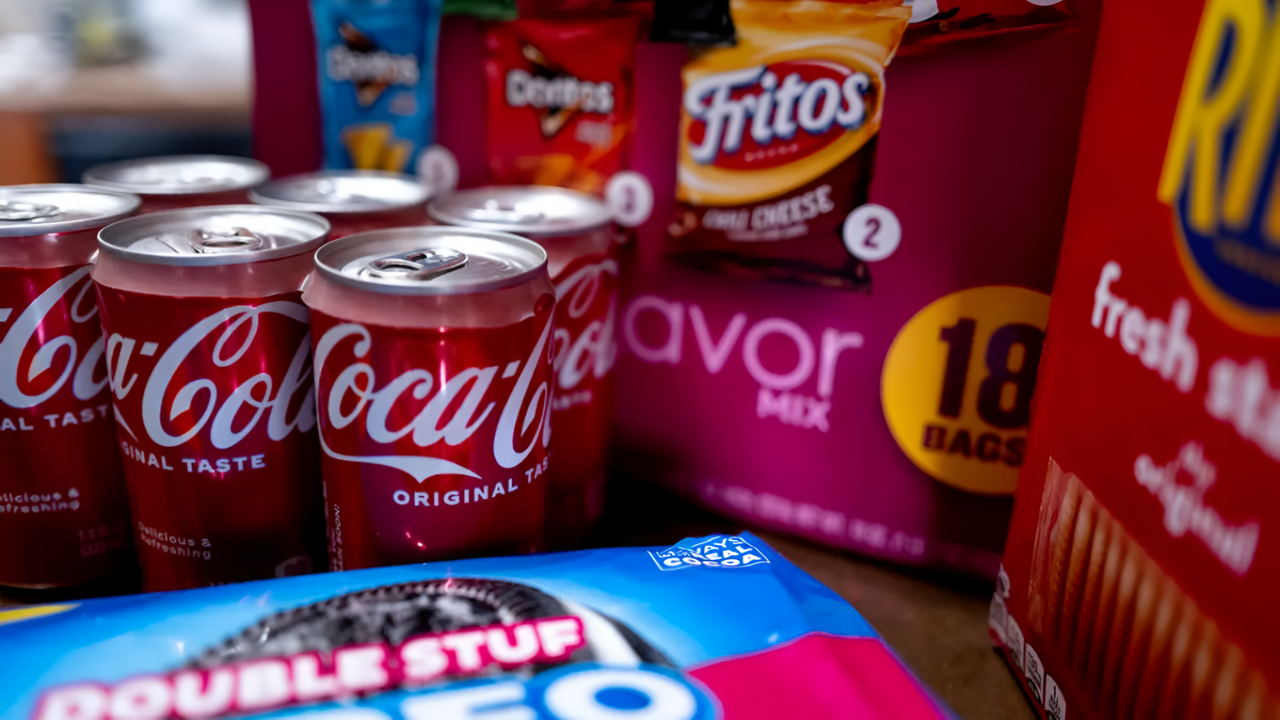
On December 2, 2025, San Francisco City Attorney David Chiu announced the first-ever lawsuit filed by a U.S. government entity against ten major food manufacturers for engineering addictive products. The lawsuit targets Kraft Heinz, Coca-Cola, PepsiCo, Mondelez, Post Holdings, General Mills, Nestle USA, Kellogg, Mars, and ConAgra Brands. Chiu stated, “They took food and made it unrecognizable and harmful to the human body.”
This watershed moment challenges the entire industry’s foundational practices, establishing whether corporations face accountability for intentionally creating product addiction.
When Big Food Met Big Tobacco: The Dangerous Knowledge Transfer
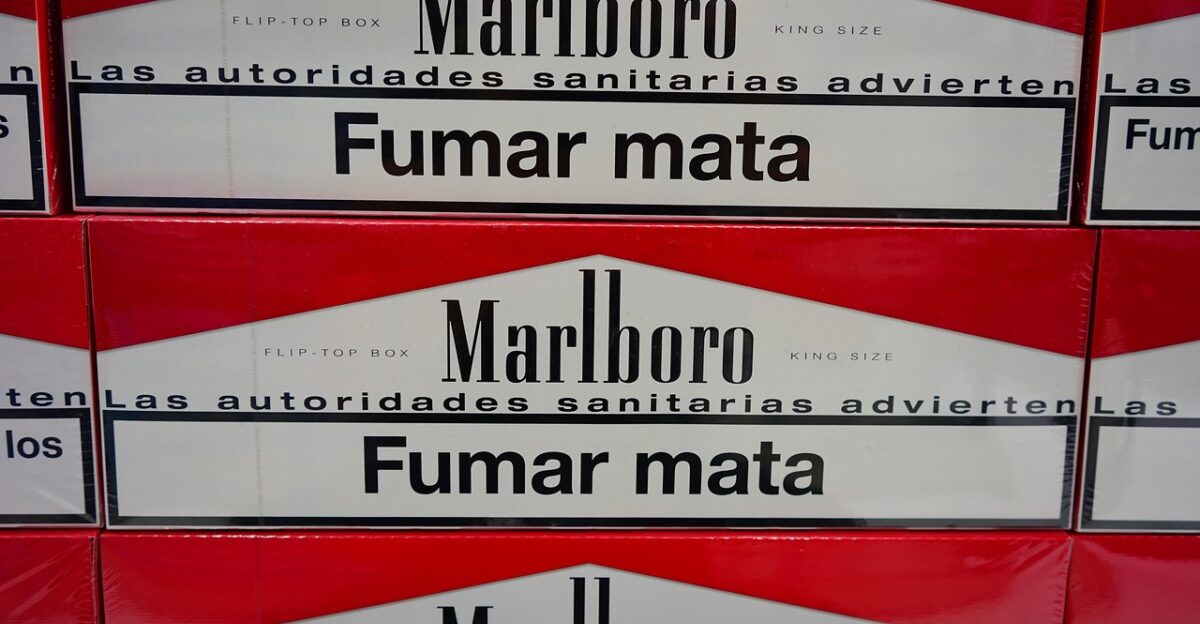
Beginning in the 1960s, tobacco giants Philip Morris and RJ Reynolds strategically acquired major food companies. Philip Morris purchased Kraft, General Foods, and Nabisco, while RJ Reynolds acquired Hawaiian Punch and Del Monte. Rather than operating independently, tobacco companies integrated these brands into existing corporate structures, deliberately transferring addiction expertise into food manufacturing.
A Philip Morris executive captured the strategy: “You can have a complete meal of Philip Morris foods, followed by one of our cigarettes.” This calculated consolidation maximized consumer dependency across multiple product categories.
The 1999 Minneapolis Meeting

On April 8, 1999, the CEOs of America’s largest food companies convened in Minneapolis for a watershed meeting. Pillsbury’s James Behnke and Kraft’s Michael Mudd presented research showing ultra-processed foods cost the U.S. economy over $100 billion annually in healthcare expenses. Mudd warned the industry’s conduct inflicted “a public health toll rivaling that of tobacco.” The presentation detailed how companies engineered products specifically for maximum overconsumption through addictive chemical combinations.
Rather than pause production, industry leaders rejected the concerns and accelerated marketing campaigns targeting children.
How Food Became 70 Percent of America’s Diet

Massive consolidation in the food industry during the 1970s and 1980s fundamentally transformed American eating habits. A handful of mega-corporations centralized the entire food supply, eliminating regional competitors and local producers. Ultra-processed foods have expanded from niche products to dominate approximately seventy percent of the American food supply.
While grocery stores appear to offer infinite variety, consumers actually choose between different chemical configurations engineered by the same few companies.
Children Targeted with 70 Percent More Advertising

The lawsuit documents systematic targeting of vulnerable populations using tactics copied from Big Tobacco playbooks. Philip Morris-owned Kraft operated a “Kids Task Force” designed to reach ninety-five percent of children aged six to twelve. Companies deployed cartoon mascots, including Tony the Tiger, and integrated marketing partnerships with Disney, Nickelodeon, and Marvel.
Most devastatingly, food conglomerates deliberately targeted Black and Latino children with seventy percent more advertising than their white counterparts.
The Addiction Science: What Makes Ultra-Processed Foods Addictive
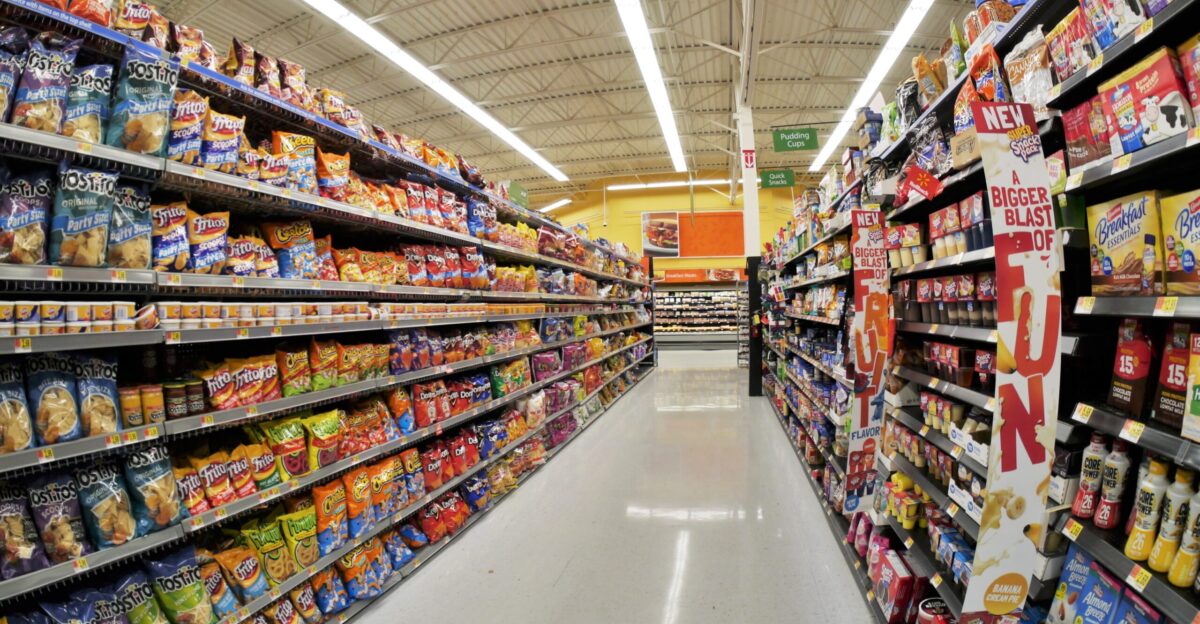
Ultra-processed foods are chemically engineered products where whole foods get broken down, modified, and reassembled using industrial techniques impossible to replicate at home. They contain colors, flavor enhancers, emulsifiers, artificial sweeteners, and gelling agents designed specifically to stimulate cravings and encourage overconsumption.
These products trigger addiction-like biological responses identical to tobacco and drugs, releasing dopamine in predictable patterns. Approximately fourteen percent of American adults and fifteen percent of youths meet clinical addiction criteria.
The Health Crisis Timeline: Disease Correlates with Product Proliferation

Precisely as ultra-processed foods flooded American markets, health crises exploded nationwide in predictable patterns. Obesity rates skyrocketed exponentially. Colorectal cancer doubled in young adults. Diabetes diagnoses quadrupled over three decades, and inflammatory bowel diseases surged dramatically. Depression and mental health crises correlate directly with ultra-processed food consumption.
In San Francisco, diabetes represents the eighth leading cause of death, contributing over $85 million in hospitalization charges in 2016 alone.
Healthcare Costs Spiraling to $7 Trillion: The Financial Reckoning

National health expenditures exploded from five percent of GDP in 1960 to nearly twenty percent today. Projections indicate that costs will reach seven trillion dollars by 2031, with an accelerating trajectory. California’s Medi-Cal spending exceeds $124 billion annually, while San Francisco’s portion reaches $3.95 billion yearly.
Diabetes alone generates astronomical costs through hospitalizations, emergency care, medications, and dialysis expenses nationwide. The lawsuit argues that ultra-processed food corporations bear direct responsibility through intentional product engineering designed for maximum consumption.
Legal Strategy: Following Tobacco’s Precedent-Setting Path

San Francisco’s legal team includes experienced public health litigators from Andrus Anderson, DiCello Levitt, and Morgan & Morgan. The city’s approach directly mirrors the successful 1998 tobacco settlement, generating $539 million from cigarette manufacturers. The lawsuit targets California’s Unfair Competition Law and public nuisance statute, seeking court orders that prevent deceptive marketing and require corrective education.
It demands restricting child-targeted advertising and awarding restitution and civil penalties to the victims.
Expert Testimony: Physicians Voice Strong Support

San Francisco Director of Health Daniel Tsai emphasized the lawsuit represents critical protection: “Ultra-processed foods are engineered to be addictive, disproportionately harm low-income communities and communities of color.” UCSF Associate Clinical Professor Dr. Kim Newell-Green stated: “Mounting research links these products to Type 2 diabetes, fatty liver disease, heart disease, colorectal cancer, and depression at younger ages.”
Mayor Daniel Lurie declared, “San Francisco families deserve to know what’s in their food. We’re not going to let residents be misled.”
Industry Defense and the Definition Debate: Corporate Pushback

The Consumer Brands Association argues that no universally accepted scientific definition of ultra-processed foods exists, thereby challenging the foundation of the lawsuit. Industry advocates argue that classifying foods as unhealthy solely based on processing methods overlooks nutritional complexity and consumer choice.
However, tobacco executives’ documented knowledge transferred to food manufacturing, combined with scientific evidence of addictive properties, severely undermines industry claims of innocence.
California’s Policy Leadership: Broader Reform Movement

San Francisco’s lawsuit operates within broader policy initiatives, creating comprehensive pressure on food manufacturers. Governor Gavin Newsom signed the nation’s first law phasing out certain ultra-processed foods from school meals over the next decade. San Francisco Supervisor Shamann Walton extended the Good Food Purchasing Standards Ordinance, which encourages the purchase of minimally processed food, and introduced a resolution requiring city departments to analyze the provision of ultra-processed food.
These complementary policy initiatives work synergistically with litigation, creating multi-front pressure that forces product reformulation and marketing changes.
What Victory Would Mean

The lawsuit seeks multiple remedies extending beyond financial penalties. San Francisco demands injunctions preventing deceptive marketing, court orders requiring corrective consumer education about health risks, and restrictions on advertising targeting children. The lawsuit requires modified marketing strategies, eliminating disproportionate targeting of minority and low-income communities.
Financial penalties could reach substantial levels, potentially matching historical tobacco settlements.
National Implications

San Francisco’s litigation provides a strategic roadmap for other cities and states contemplating similar accountability measures. Legal precedent established could empower municipalities nationwide to pursue population-based health justice litigation against manufacturers of harmful products. A successful outcome would demonstrate that corporations bear responsibility for intentional health harms caused by their engineered products and deceptive marketing practices.
This litigation model addresses limitations of individual plaintiffs struggling to prove product causation by focusing on aggregate population health data. Other jurisdictions experiencing similar health crises and financial burdens from ultra-processed food consumption are watching closely.
Tobacco vs. Food: Comparing Industry Accountability Models

The lawsuit explicitly compares food manufacturing practices to those of the tobacco industry, arguing that similar legal accountability mechanisms apply. Both industries engineered addictive products, knowing the health consequences. Both targeted children through integrated marketing campaigns, utilizing appealing imagery and entertainment partnerships.
Both are disproportionately marketed to low-income and minority communities. Both developed sophisticated scientific knowledge about addiction without pausing production.
Scientific Evidence

Comprehensive 2024 research examining forty-five meta-analyses involving nearly ten million participants established clear causation between ultra-processed foods and thirty-two adverse health outcomes. Recently published Lancet papers confirmed “very clear links” between ultra-processed foods and Type 2 diabetes, fatty liver disease, cardiovascular disease, kidney disease, colorectal cancer, Crohn’s disease, and depression.
A landmark study showed that consumers eating ultra-processed diets consumed approximately 500 additional calories daily compared to those consuming unprocessed foods, gained weight, and increased their body fat.
What’s Next

The lawsuit will progress through the San Francisco Superior Court, with discovery phases, motions, and potential settlement negotiations extending over several years. Food corporations are likely to mount vigorous defenses, challenging scientific findings and denying any intentional harm. The industry may seek dismissal, arguing a lack of legally viable claims or attempting to narrow the scope through jurisdictional challenges.
Settlement negotiations could yield substantial financial compensation, product reformulation requirements, and marketing restrictions without trial conclusions.
Corporate Giants Named
The lawsuit names ten major corporations controlling the vast majority of American food manufacturing. Kraft Heinz produces Oreo cookies, Philadelphia cream cheese, and hundreds of other processed products. Coca-Cola manufactures sodas and energy drinks. PepsiCo owns Pepsi, Gatorade, and Frito-Lay.
Mondelez produces Cadbury, Trident, and Toblerone. Post Holdings manufactures breakfast cereals and frozen foods. General Mills makes Cheerios and Lucky Charms. Nestle USA produces KitKat and Aero.
Why This Lawsuit Matters Now

This lawsuit represents a pivotal moment challenging the assumption that food manufacturers can engineer addictive products without legal consequences. Civil rights advocates view this litigation as a crucial step toward achieving justice for communities disproportionately affected by harmful products. Attorneys argue that accountability mechanisms must match the tobacco industry precedent, requiring reform of practices, educational initiatives, and financial compensation.
The litigation demonstrates growing recognition that engineered food addiction requires regulatory intervention identical to tobacco settlements.
Sources:
San Francisco City Attorney Official Press Release – December 2, 2025
Reuters Legal Reporting – “San Francisco sues Kraft, Mondelez over ultra-processed foods” (December 2, 2025)
The New York Times – “San Francisco Sues Ultraprocessed Food Companies” (December 2, 2025)
CDC – National Diabetes Statistics Report and Epidemiological Data
National Institutes of Health (NIH) – Ultra-Processed Food Addiction Research and Meta-Analysis Studies
Centers for Medicare & Medicaid Services (CMS) – National Health Expenditure Projections
California Department of Health Care Services – Medi-Cal Budget and Spending Reports