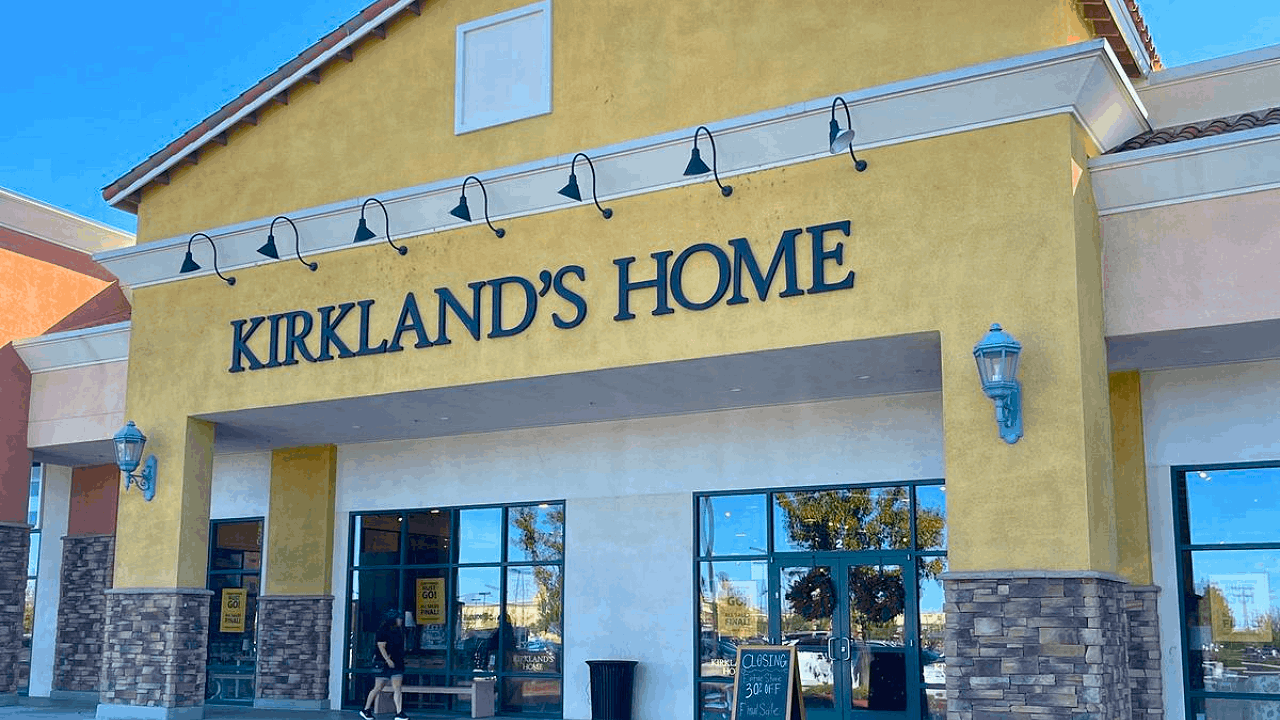
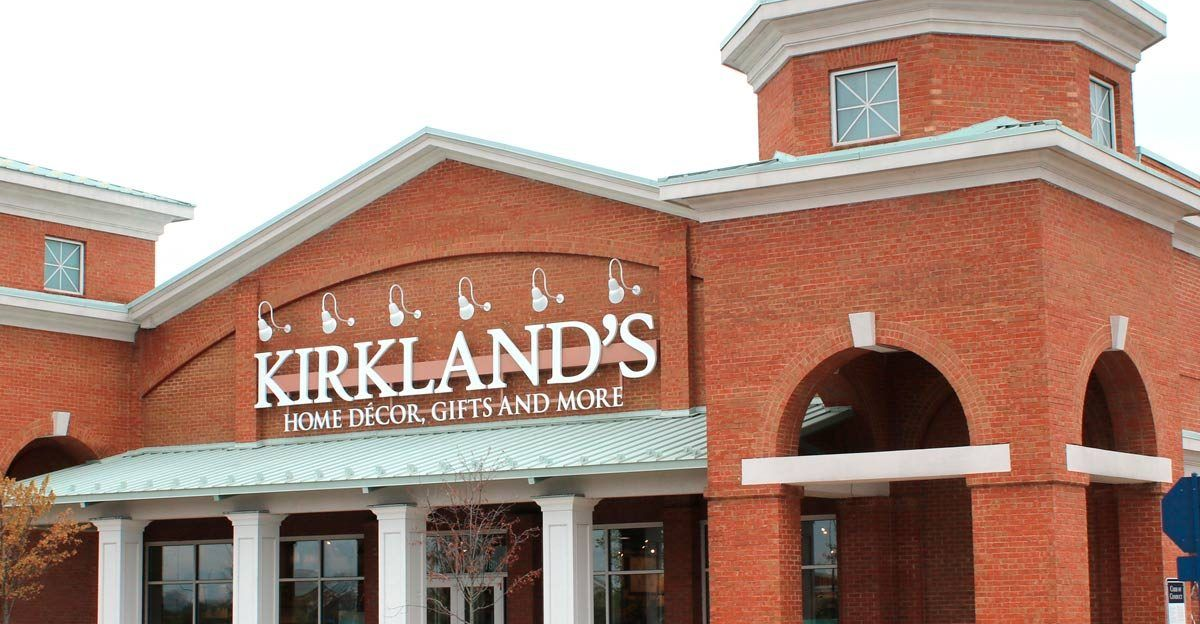
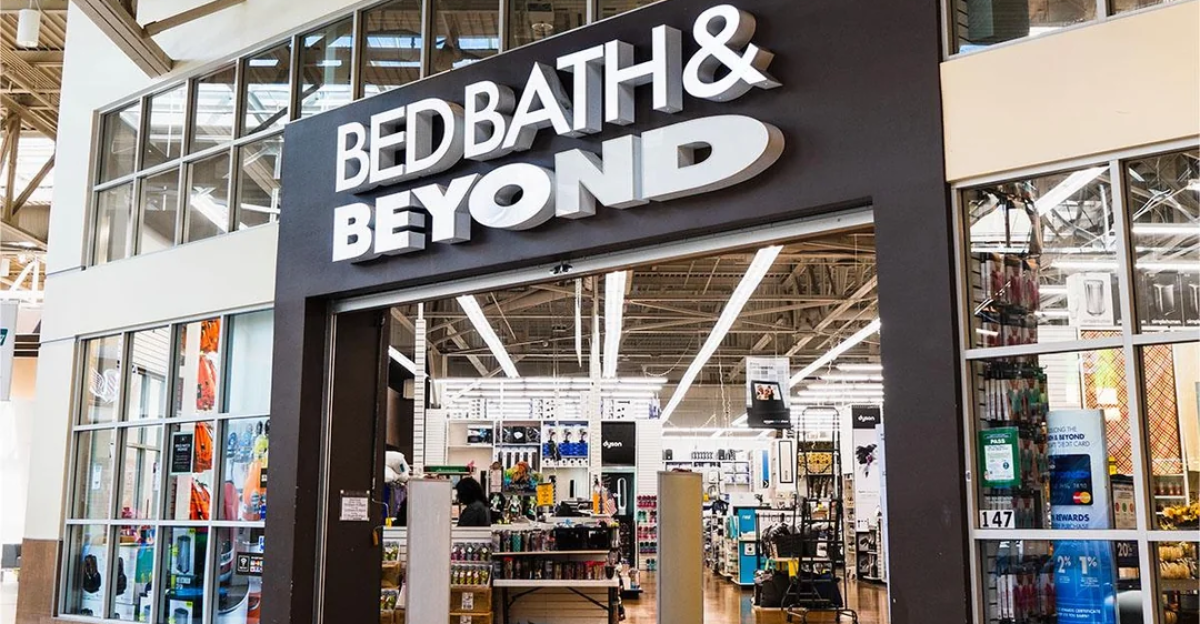
Kirkland’s Home, a well-known home goods chain, is making big changes. The company announced plans to close 25 stores by January 2025, soon after selling its brand for $10 million to Bed Bath & Beyond. The sale includes Kirkland’s name, logo, and other intellectual property.
According to both companies’ press releases, this move is part of a larger effort to reshape how home retail works in America. Experts say this moment signals a major shift in the industry.
A Wave of Store Closures

Kirkland’s decision to close 25 stores is part of a much larger trend sweeping through U.S. retail. Across the country, more home goods chains are downsizing or disappearing altogether. Rising rent prices, lower foot traffic, and the surge in online shopping are forcing difficult choices.
Retail tracking firm Coresight Research reported that over 7,100 stores across all retail categories closed in 2024, representing a 69% increase from the previous year. California is one of the states affected by retail shifts, with Bed Bath & Beyond announcing no plans to open physical stores there.
Kirkland’s Long Legacy
Kirkland’s began in 1966 in Jackson, Tennessee, as a small décor shop with big ambitions. By the early 2000s, it had grown into a national chain with more than 300 stores.
As of 2024, Newsweek named Kirkland’s one of America’s top home retailers, recognizing its appeal for affordable yet stylish décor. However, success in physical stores hasn’t kept up with digital competitors like Wayfair and Amazon.
Struggles Beneath the Surface

The company’s troubles didn’t appear overnight. Kirkland’s has faced falling in-store sales, high leasing costs, and stiff competition from online sellers.
That means shutting low-performing stores and investing more in online tools and exclusive home collections. These changes come as part of a broader survival strategy to stay relevant and profitable in a rapidly changing market.
The $10 Million Turning Point
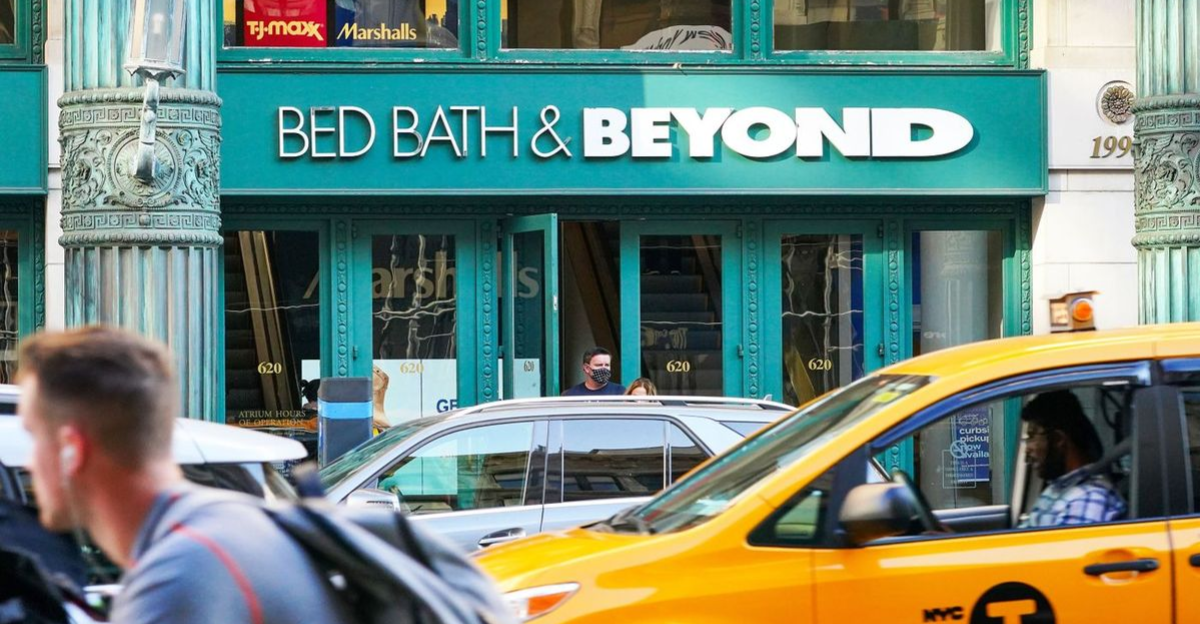
On September 15, 2025, Kirkland’s sold its brand rights to Bed Bath & Beyond for $10 million. This deal marks a crossroads for both companies. While Bed Bath & Beyond gains fresh brand material, Kirkland’s moves toward smaller operations and digital partnerships.
Company filings confirm that 25 store closures will follow by January 2025. CEO Amy Sullivan stated the company is pivoting to “partnerships and wholesale distribution” as part of its transformation into The Brand House Collective.
California Feels the Fallout
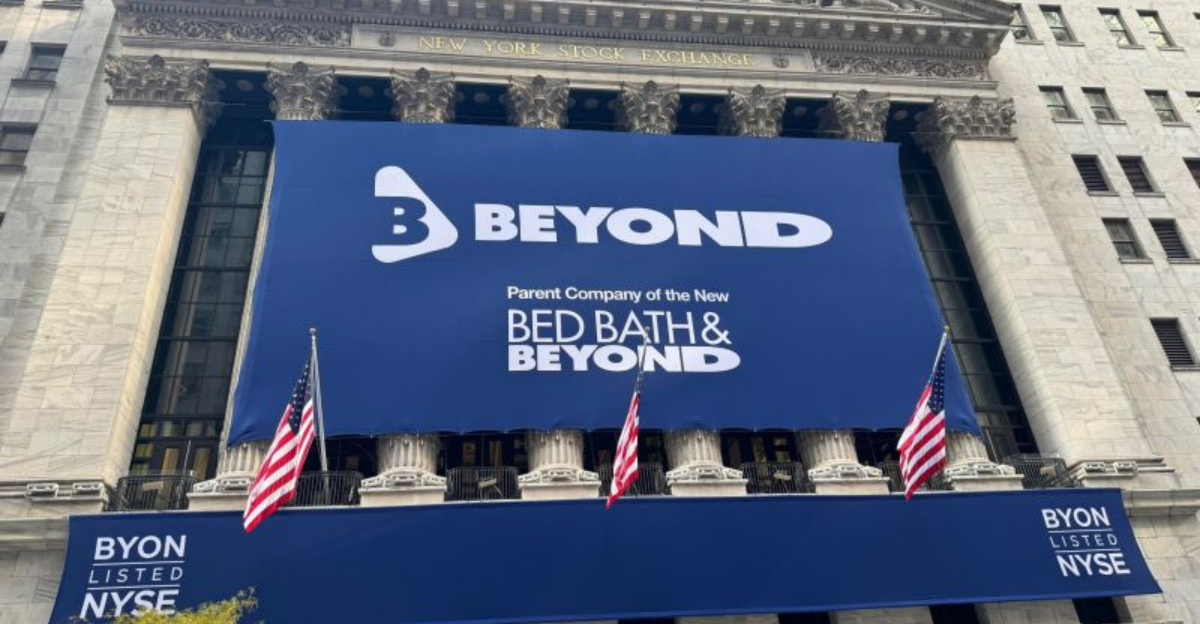
California, home to nearly 39 million residents, will soon have no physical Bed Bath & Beyond stores left. Leaders at Beyond Inc., the parent company, said rising costs and strict regulations make it impossible to keep traditional retail alive there.
Instead, the brand will move fully online in that state. Local business networks report that this shift could accelerate the way West Coast shoppers adopt e-commerce for home goods.
Real People, Real Impact
Closing 25 Kirkland’s stores will likely result in the loss of around 375 jobs, based on an average of 15 employees per store. While exact figures are unconfirmed, many affected workers have turned to social media to express concern.
Competitors on the Move
While some stores close, others are opening. Beyond Inc. is investing heavily in its other retail lines, including BuyBuy Baby and Overstock. The company launched a new Bed Bath & Beyond Home concept store in Brentwood, Tennessee on August 8, 2025, with plans for up to 300 stores nationwide through the conversion of existing Kirkland’s locations.
“We’re proud to reintroduce one of retail’s most iconic names with the launch of Bed Bath & Beyond Home, beautifully reimagined for how families gather at home today,” said Amy Sullivan, CEO of The Brand House Collective.
Retail Trends Reshaping the Industry
Since 2023, the U.S. home goods market has been shrinking and consolidating. Analysts link this to delayed digital adoption, unstable supply chains, and corporate debt burdens.
Many brands weren’t prepared for how drastically the pandemic changed buying behavior. While new openings promise renewal, experts caution that today’s shoppers demand hybrid experiences.
California’s Special Case
California remains an outlier. No new Bed Bath & Beyond stores are slated to open there anytime soon. Executives say the online-only model fits the state’s high costs and tech-savvy consumers better.
Customers and Employees React
Many customers say they’ve received little information about which stores will close. Some have taken to online forums asking whether gift cards, returns, or store credits will still work.
Employees have voiced frustration over vague corporate updates, noting that ongoing evaluation remains company speak for uncertainty. Transparency has become a major talking point among Kirkland’s shoppers and staff alike.
New Leadership Vision
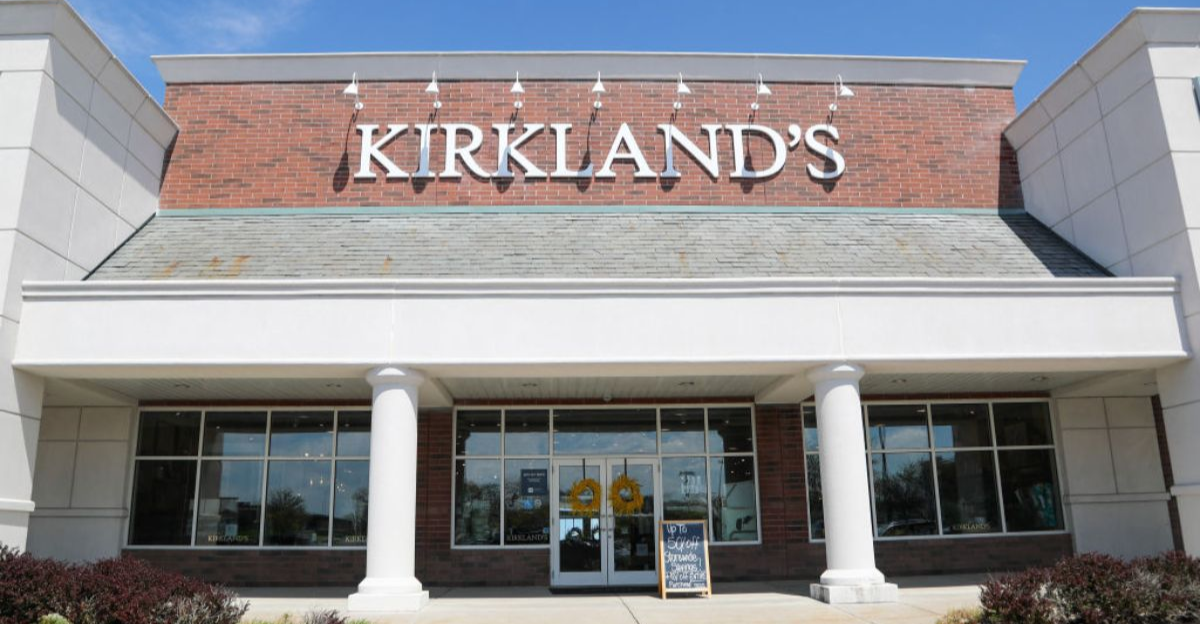
CEO Amy Sullivan is leading a strategic pivot from Kirkland’s Inc. to a new entity called The Brand House Collective. The rebrand aims to make partnerships and wholesale distribution central to the business model.
Sullivan emphasized that the transformation represents “a new era” with “sharper merchandising, faster innovation, and relentless execution” across multiple brands. Under her leadership, the focus shifts from growth in store count to value-driven collaboration and brand licensing.
The Comeback Attempt
Bed Bath & Beyond is taking another swing at physical retail with smaller, curated stores emphasizing everyday essentials.
The first new locations show promise in select markets, and early consumer feedback has been largely positive. Whether this model can hold up nationally is still a major question.
Expert Predictions
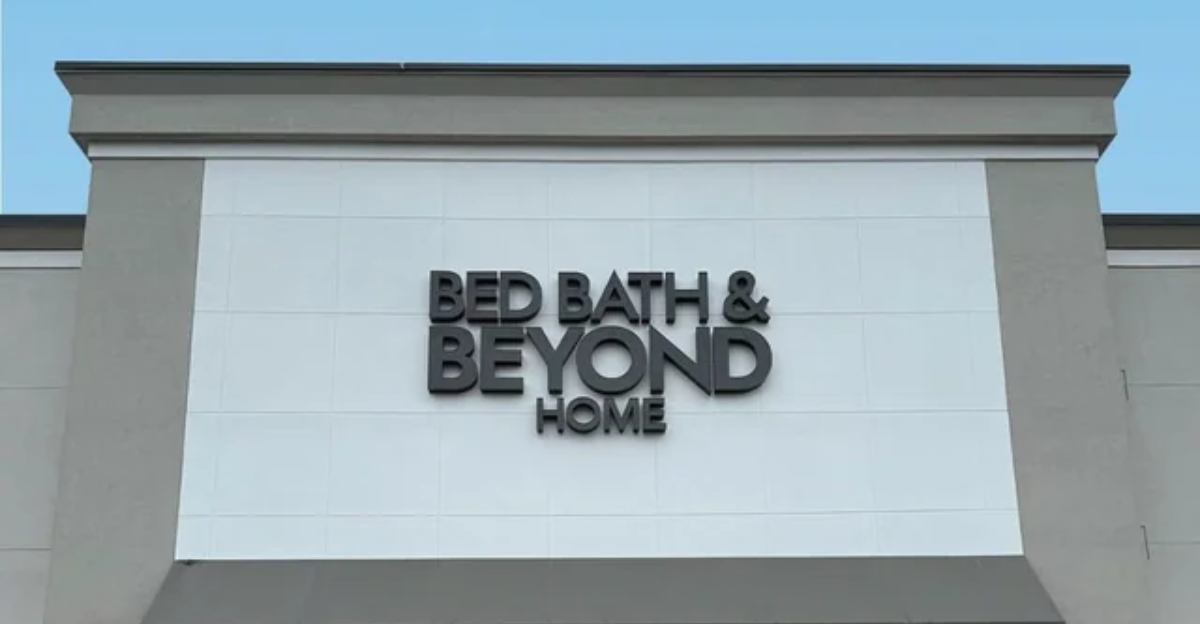
Retail experts remain cautiously optimistic. While Bed Bath & Beyond’s fresh branding and store designs are encouraging, uncertainty persists about profitability.
Many believe the future lies in blending digital insight with in-person experience.
Future of Home Goods Retail
The home retail landscape is being rewritten. With Kirkland’s closing two dozen stores and Bed Bath & Beyond planning hundreds of openings, the balance between contraction and expansion feels fragile.
Market observers continue to debate whether these moves will lead to sustainable success or merely delay further downsizing.
The Policy Puzzle
Bed Bath & Beyond’s retreat from California highlights how state regulations can influence national strategy. Retail business groups have called for reform, arguing that overly complex rules deter companies from maintaining local stores.
Watching from Abroad
While most changes remain U.S.-centered, international partners are paying close attention to developments. Bed Bath & Beyond once maintained stores in Canada and Mexico, and industry watchers say those markets will watch this reinvention carefully before resuming partnerships.
Legal and Environmental Effects
Closing dozens of stores brings more than financial pain. There are legal talks about lease breakage fees, employee severance, and what to do with empty real estate.
Environmental experts warn that vacant stores can lead to waste and urban blight. Solutions like building reuse or green redevelopment are increasingly part of retail exit planning.
Changing Consumer Habits

Millennial and Gen Z shoppers prefer fast, flexible, and sustainable buying experiences. Traditional chains like Kirkland’s once thrived on in-store browsing, but younger audiences now want free shipping and personalized deals.
Retail analysts note that consumer preferences have shifted dramatically toward online shopping and convenience-focused experiences, forcing traditional retailers to adapt or close.
A Retail Era Redefined
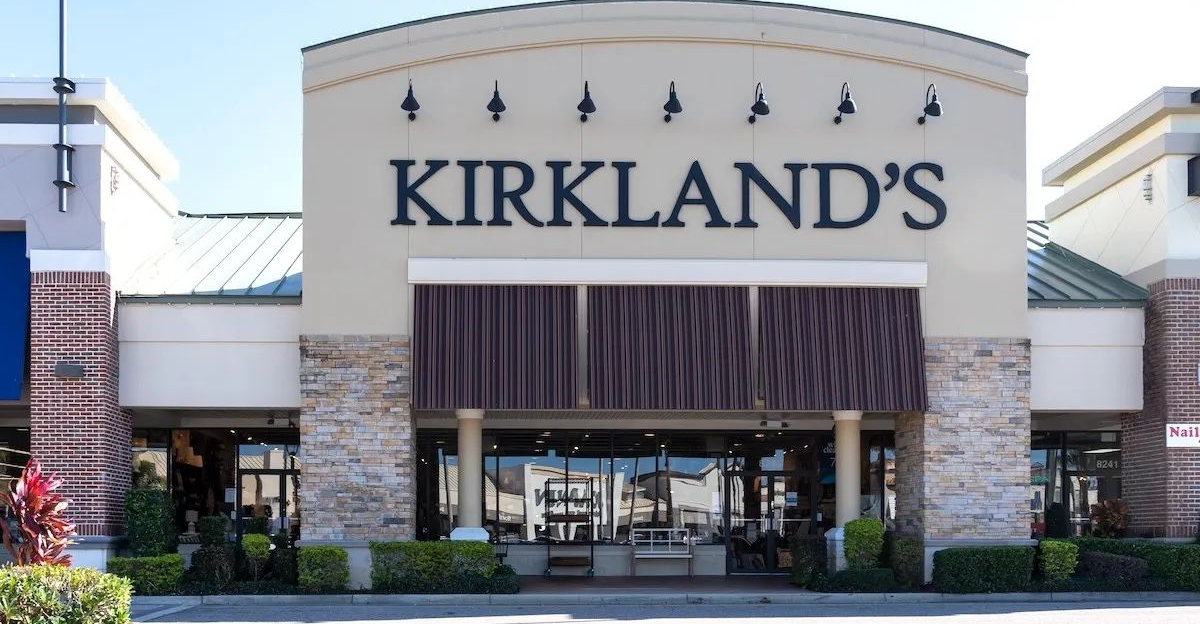
The changes at Kirkland’s and Bed Bath & Beyond symbolize more than a corporate restructuring, they mark a turning point for American retail. As companies merge, adapt, or vanish, new questions about brand trust and community value arise.
The story of these iconic chains isn’t just about closures, it’s about how Americans now define the meaning of home shopping.