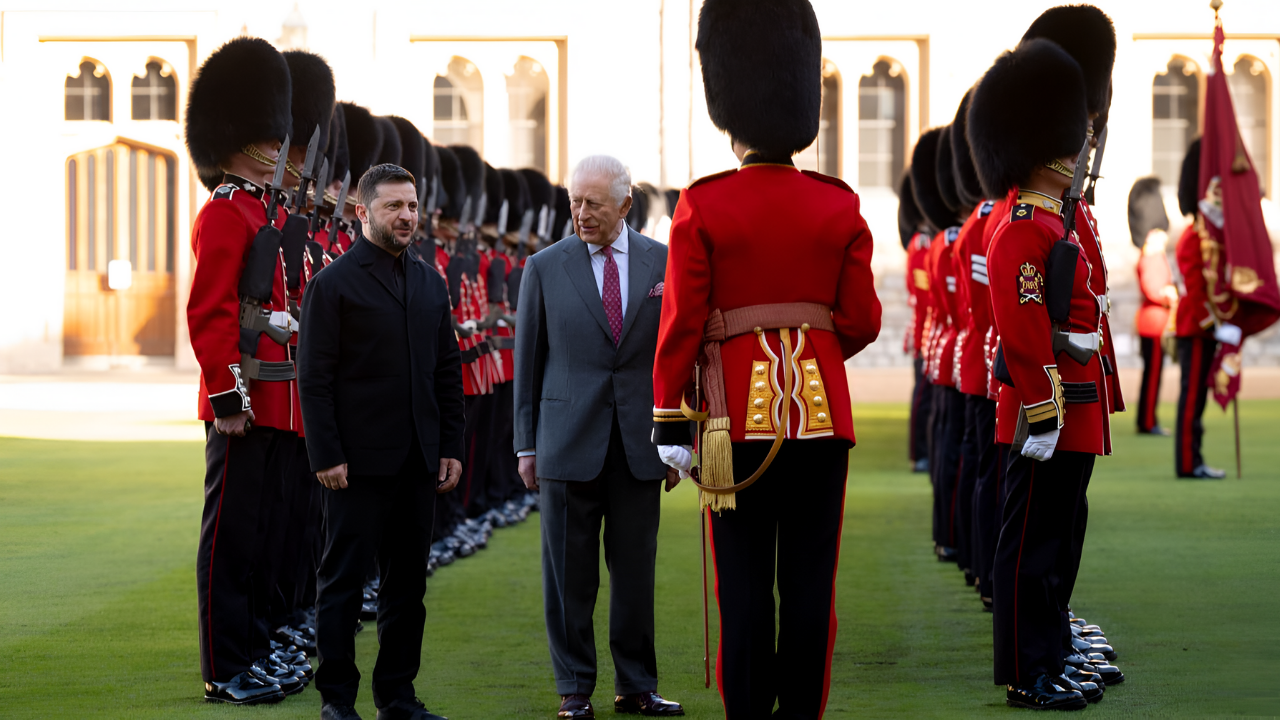
The King’s hand trembled slightly as he raised his glass, not from weakness—from resolve. King Charles III, 76 years old and still fighting cancer, stood before 152 guests at Windsor Castle on December 3, 2025, and did something no British monarch had done in living memory: he named Russia as Europe’s threat.
“Further Russian aggression,” he said, the words deliberate and cold. Palace insiders later confirmed the speech wasn’t spontaneous—it was meticulously drafted with government advisors. This wasn’t a ceremony. This was a declaration of war posture.
The Moment Royal Silence Shattered
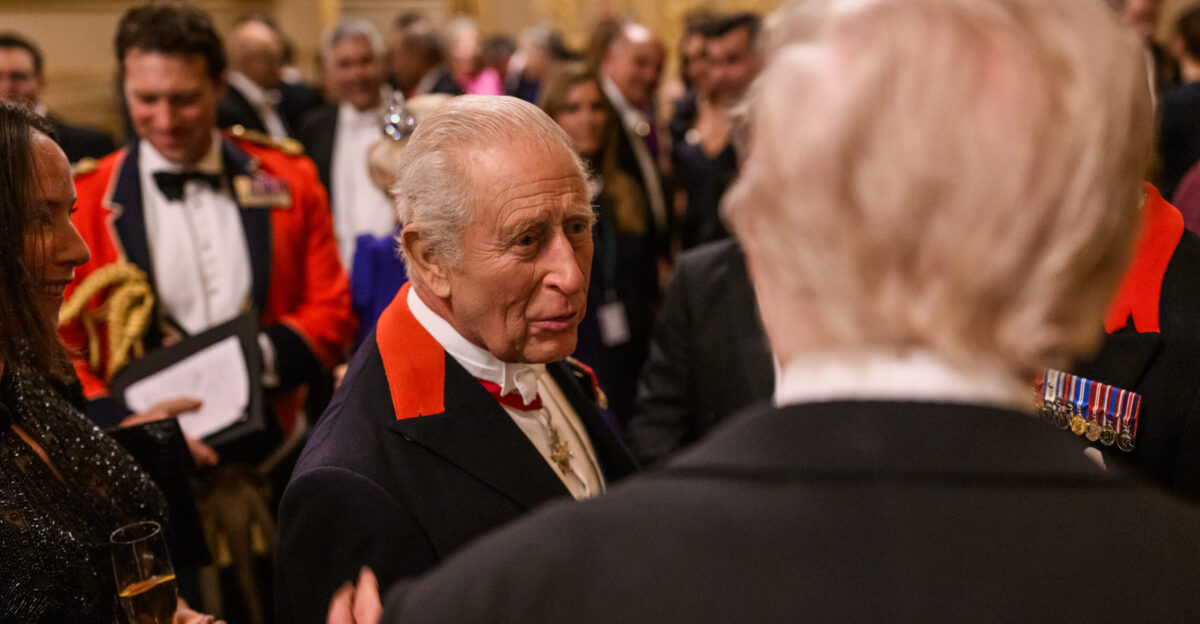
For 75 years, British monarchs stayed silent about enemies. They smiled, toasted, and avoided naming adversaries. King Charles torched that tradition. Mid-speech, he switched between English and German, locking eyes with German President Frank-Walter Steinmeier.
“Social and political upheavals could be unsettling and even frightening,” he warned, his voice steady. The subtext screamed louder: Europe, you’re alone now. American protection isn’t guaranteed. We must stand together or fall separately.
Germany’s President Turns Warning Into Prophecy
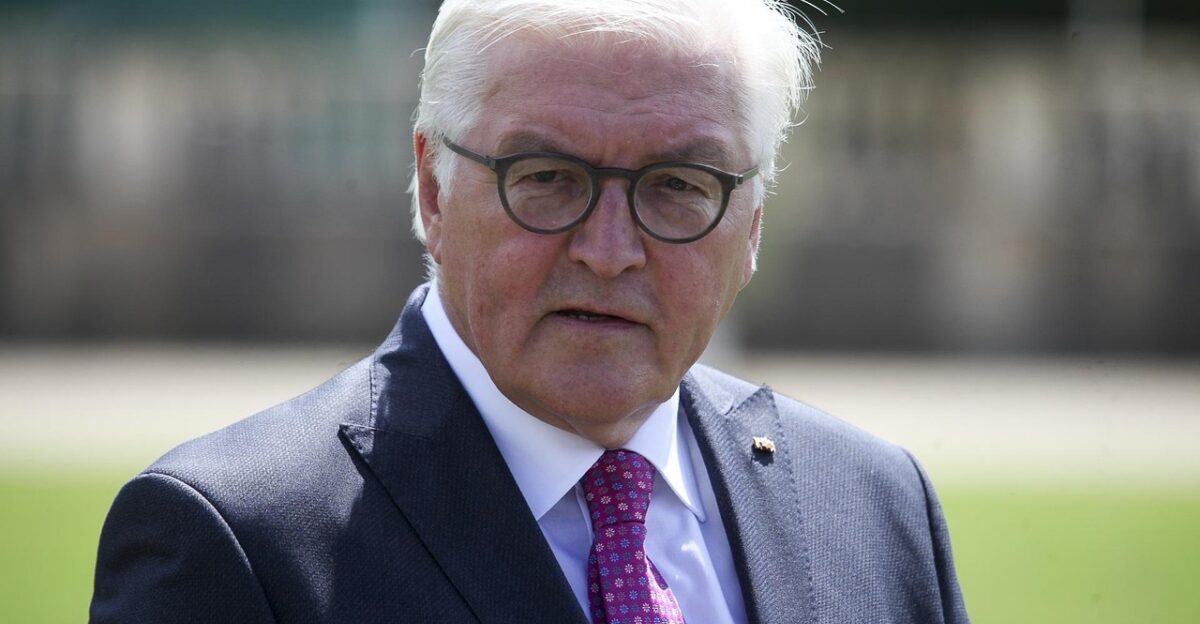
Steinmeier didn’t soften the blow the next day. Standing before British Parliament on December 4, he unleashed something darker: Russia’s “brutal attack” wasn’t just about Ukraine—it was about shattering the post-1945 order where borders don’t move by force.
Then came the phrase that silenced the chamber: “a new security situation in Europe, if not in the whole world.” Not “challenge.” Not “concern.” A new reality. The rules everyone lived by since World War II? Gone. Destroyed by Russian aggression.
The State Visit Nobody Expected
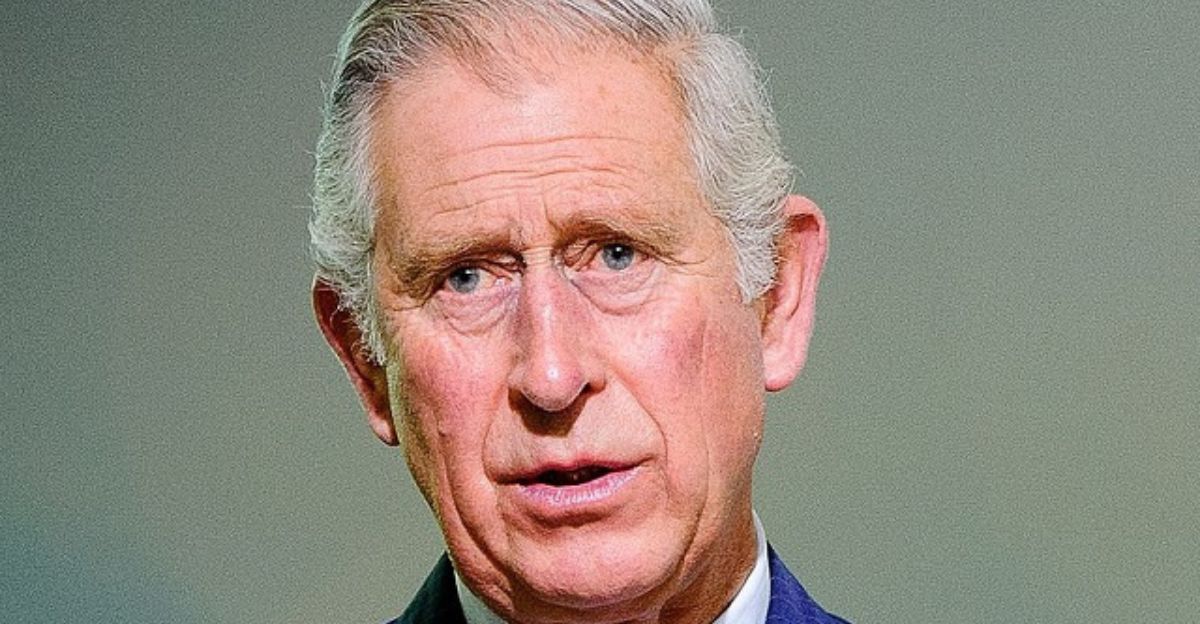
This was the first German state visit to Britain in 27 years. But the real shock? The host. Eight months earlier, in March 2025, King Charles had been hospitalized with brutal side effects from cancer treatment. Doctors worried. The palace went silent. Yet here he stood in December, hosting one of the most symbolically charged ceremonies in modern European history.
His presence wasn’t just symbolic—it was a defiant act. A cancer-fighting monarch telling Putin: Europe won’t collapse just because I’m sick. We’re stronger than you think.
Eighty Years of Separation Ends in One Treaty
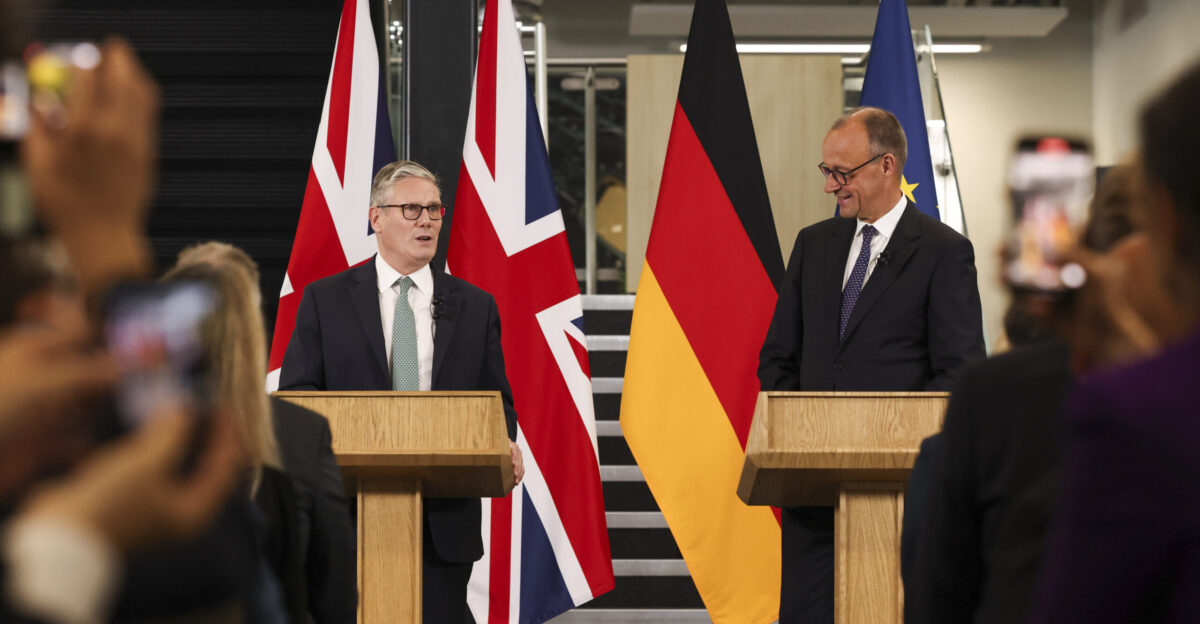
Britain and Germany signed the Kensington Treaty in July 2025—their first bilateral defense treaty since World War II ended. Eighty years. Two nations that bombed each other into rubble, now locked into mutual armed defense.
Prime Minister Keir Starmer and Chancellor Friedrich Merz signed it at the Victoria and Albert Museum, co-founded by Queen Victoria and her German husband, Prince Albert, 175 years ago. The symbolism was surgical: former enemies, now unified against a new one. Russia.
Weapons That Reach 2,000 Kilometers Into Russia
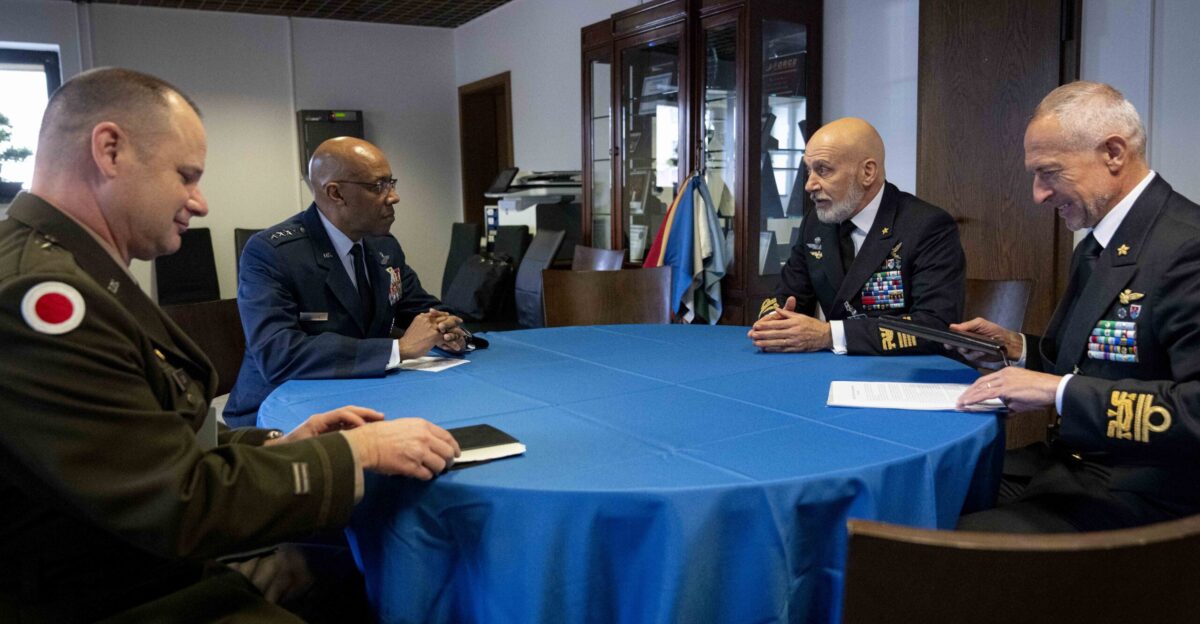
The Trinity House Agreement, signed October 2024, wasn’t just words. Britain and Germany committed to developing long-range precision strike weapons exceeding 2,000 kilometers. That’s not defensive—that’s reach-into-Moscow capability.
Both nations co-chair the Ukraine Defence Contact Group, which has mobilized $23.5 billion from international partners.
Europe Builds Its Own Defense Without America
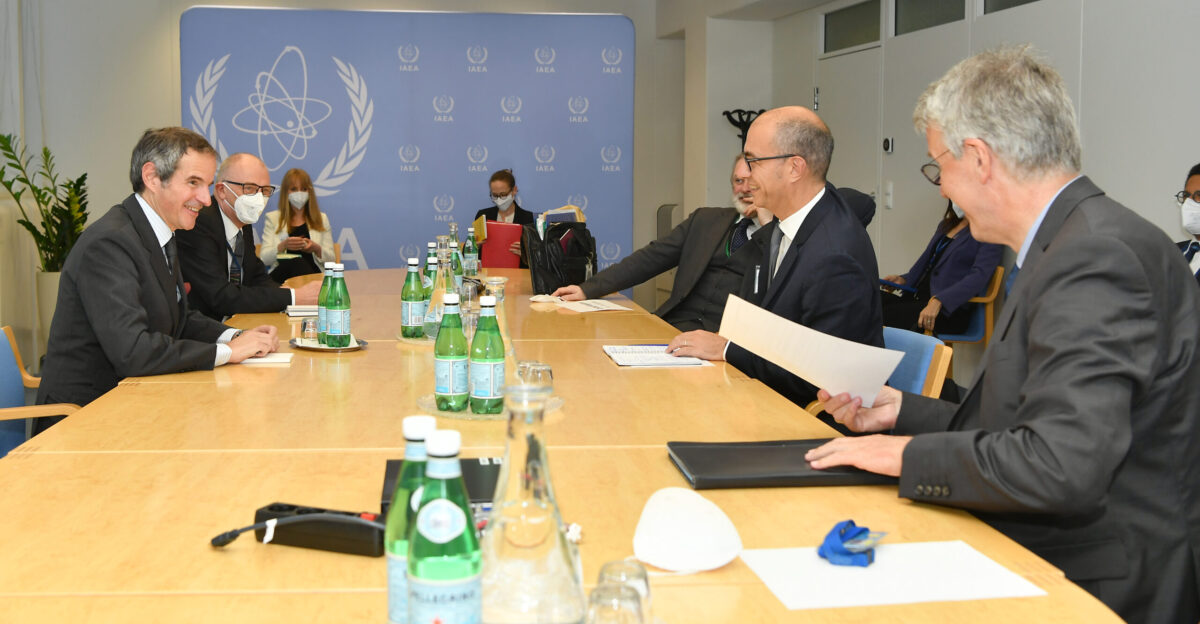
King Charles’s blunt warning revealed the unspoken fear: America might abandon NATO. The E3—UK, Germany, France—positioned themselves as Europe’s new defense anchor. A 76-year-old cancer survivor, still undergoing treatment, hosted a state visit that redefined European security architecture.
His message cut through diplomatic niceties: Western Europe must defend itself. We can’t wait for Washington to save us. Putin understands force, not hope.
Coventry Cathedral: Where Enemies Became Allies
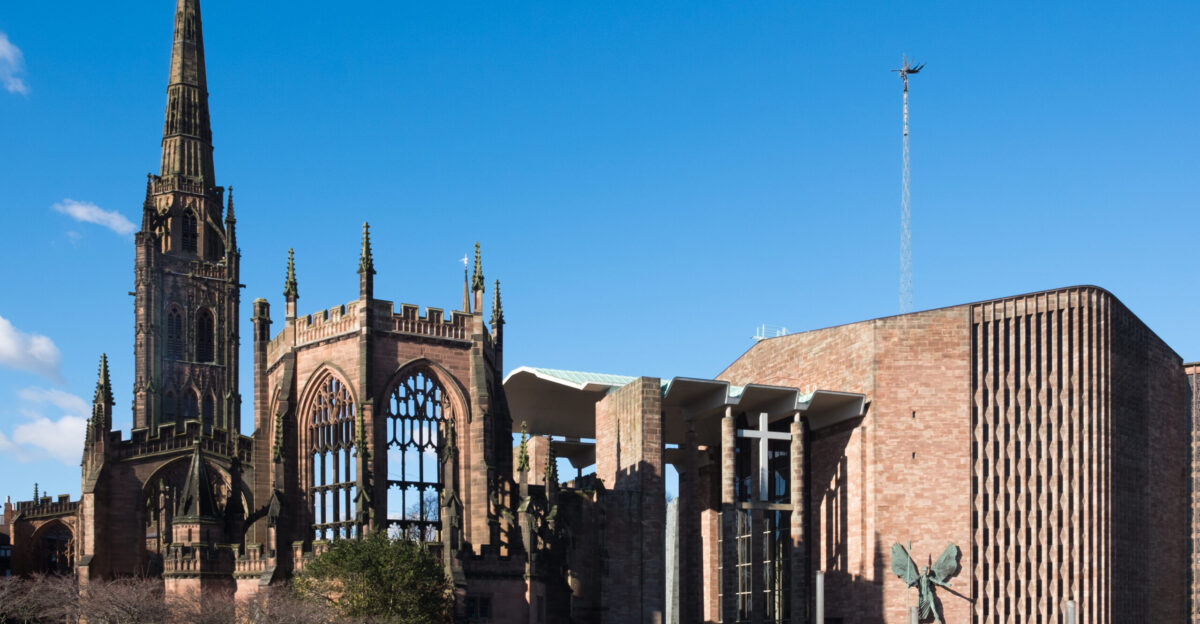
November 14, 1940: German Luftwaffe planes destroyed this medieval cathedral, killing 568 people, obliterating 4,300 homes. Eighty-five years later, Germany’s president laid a wreath where his nation once dropped bombs.
Cathedral Dean John Witcombe noted Coventry’s sister relationships with German cities Kiel and Dresden—themselves RAF-bombed during WWII. Steinmeier called it proof of “what can be achieved when people have the courage to seek reconciliation.”
The 90-Year-Old Duke Who Built This Peace
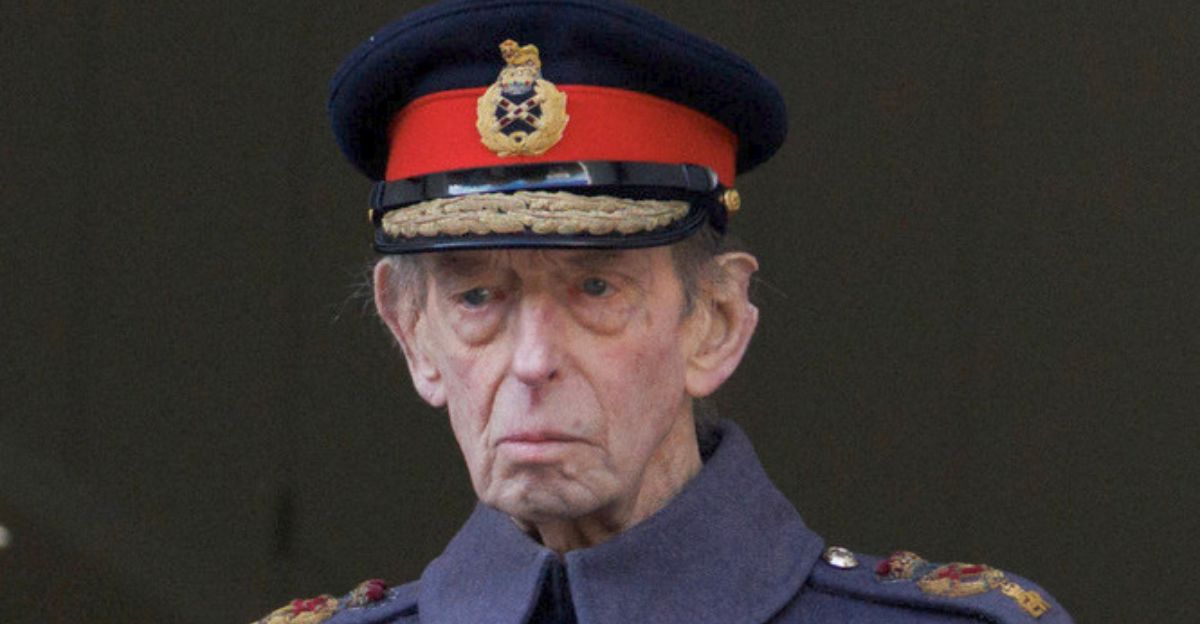
Prince Edward, Duke of Kent, stood beside Steinmeier at Coventry’s ruins. Ninety years old. Grieving his wife’s death just months earlier in September 2025. Few understood his significance: Royal Patron of the Dresden Trust since 1993 and Patron of the British German Association since 1994.
Thirty years quietly building friendship between nations that once tried to exterminate each other. His uncle, King George VI, visited Coventry two days after the 1940 bombing. Now Edward showed Britain stands with Germany against a new enemy.
Why Former Enemies Unite Against Russia
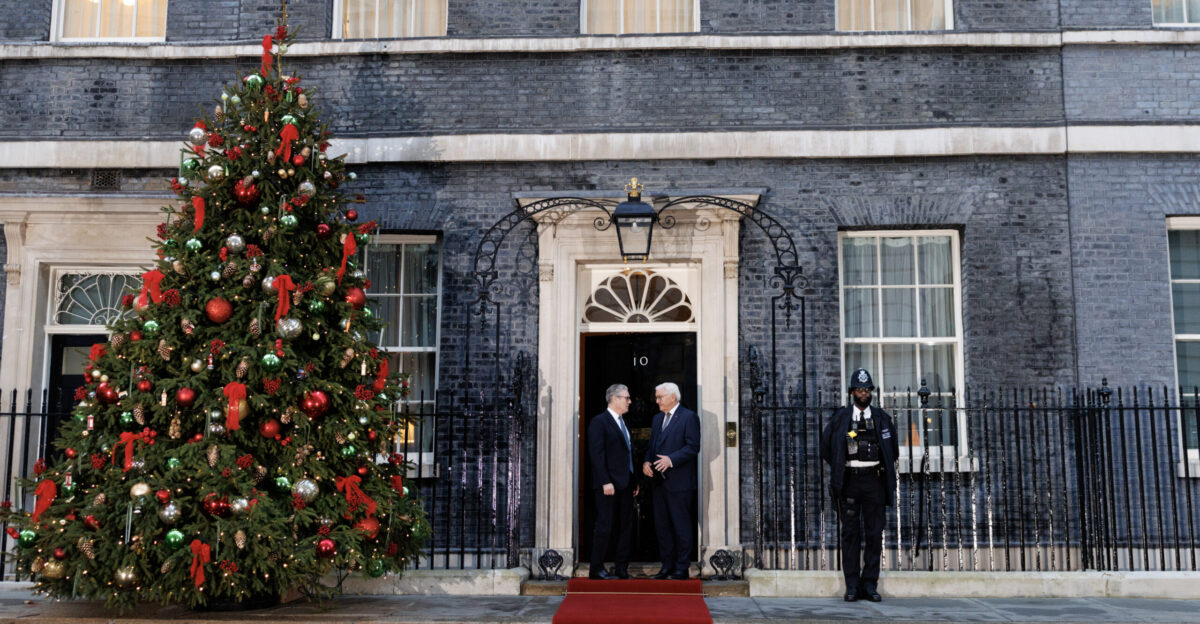
Coventry wasn’t sentimentality. It was geopolitical messaging. By acknowledging past destruction and choosing reconciliation, Steinmeier signaled that Britain and Germany had transformed from wartime enemies into democratic allies capable of confronting shared threats.
The willingness to face Russia together rested on having conquered their own mutual hatred. This was the unspoken calculus: reconciliation enables collective security. Forgiveness builds alliances.
Brexit’s Wound Becomes Germany’s Bridge
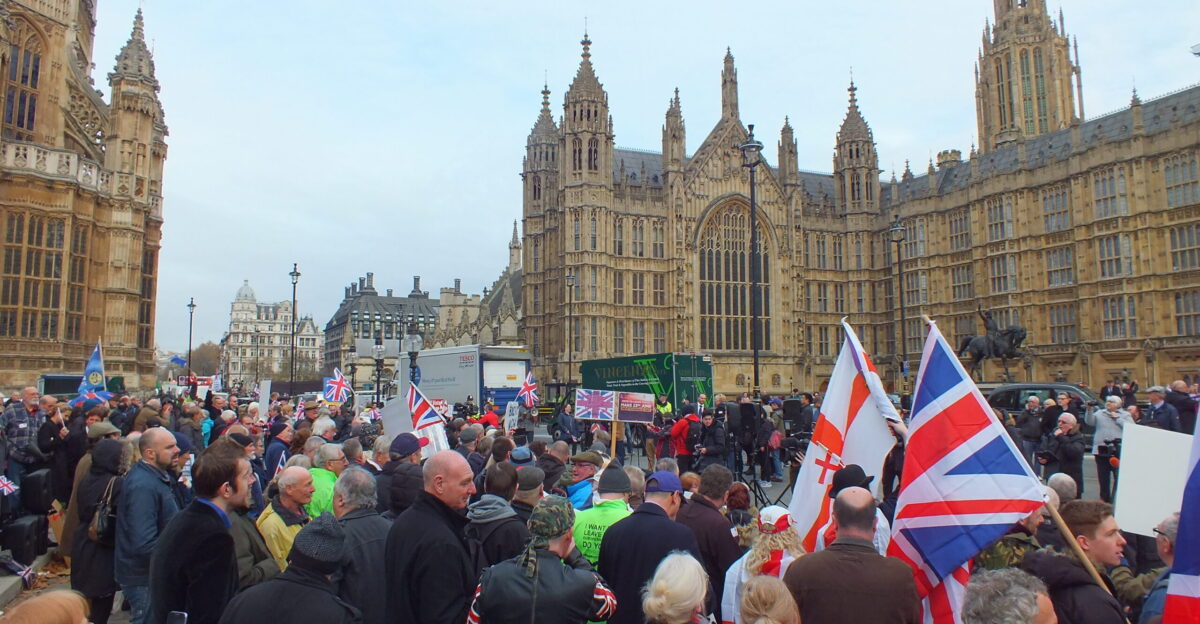
Steinmeier stood before Parliament and acknowledged the “difficult years” that followed Brexit in 2016. He quoted British rock band Oasis: “Don’t Look Back in Anger.” He was reframing British pain as an opportunity. Prime Minister Starmer called the partnership “growing from strength to strength,” but everyone understood the subtext: post-Brexit Britain, isolated and searching for relevance, found it through Germany.
Not through nostalgia for the EU, but through a hard military alliance against Russian aggression. Brexit’s failure became Europe’s defense pivot.
The Migration Deal Nobody’s Talking About

Buried beneath the geopolitical drama was something transformative: Germany committed to criminalizing the facilitation of illegal migration to the UK, requiring a new German law by the end of the year. Germany’s existing law only criminalized smuggling within the EU, leaving post-Brexit Britain as a blind spot.
The Joint Action Plan aligned law enforcement, prosecutorial coordination, and joint strikes against smuggling networks.
Democracy’s Uncomfortable Contradiction

As King Charles positioned Britain as democracy’s defender against Russian authoritarianism, Thames Valley Police threatened to arrest British citizens for peaceful protest. Republic, an anti-monarchy group, planned to display banners asking “Charles, what are you hiding?”—pressuring the King about his brother Andrew’s ties to convicted sex offender Jeffrey Epstein.
Police said protesters would be arrested for displaying banners or heckling. Republic’s Graham Smith called it “essentially banning protests.” The irony cut deep: Britain championed democracy abroad while crushing dissent at home.
A Sick King Rebuilds Europe’s Defense
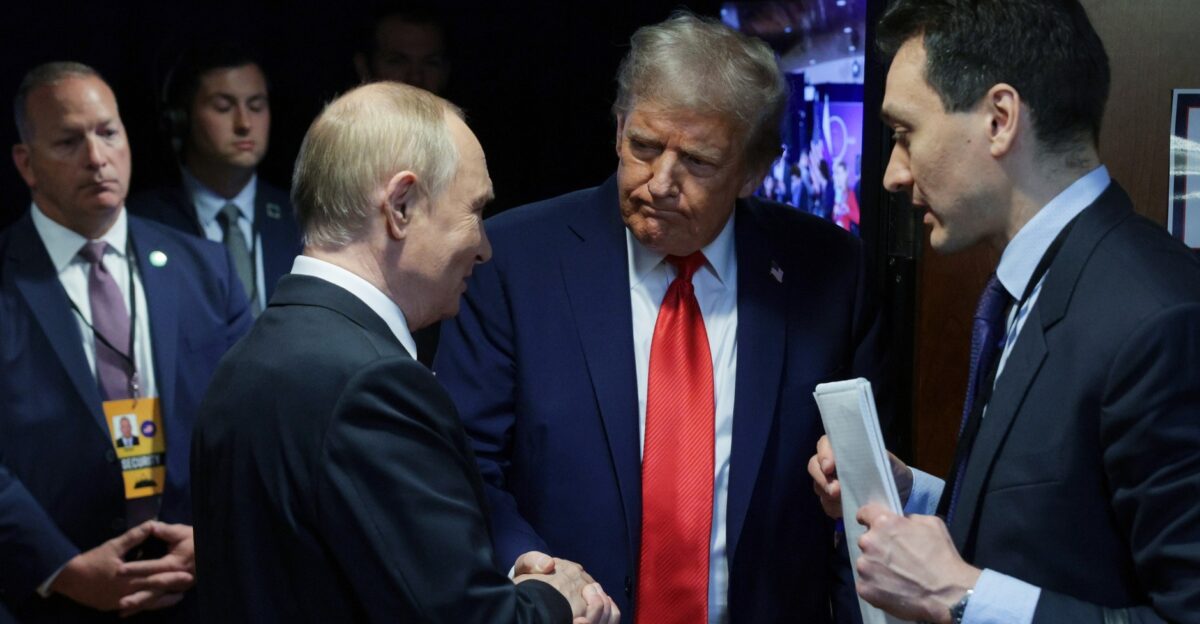
King Charles, undergoing cancer treatment, hosted a state visit that reorganized European power. The E3—UK, Germany, France—positioned themselves as Europe’s defense anchor without guaranteed American support. His warning about Russian aggression wasn’t abstract diplomatic language. It was an acknowledgment that Europe stands alone.
Weakness became strength. Illness became resolve. And Putin learned that European unity doesn’t require American permission.
Europe Answers to Nobody
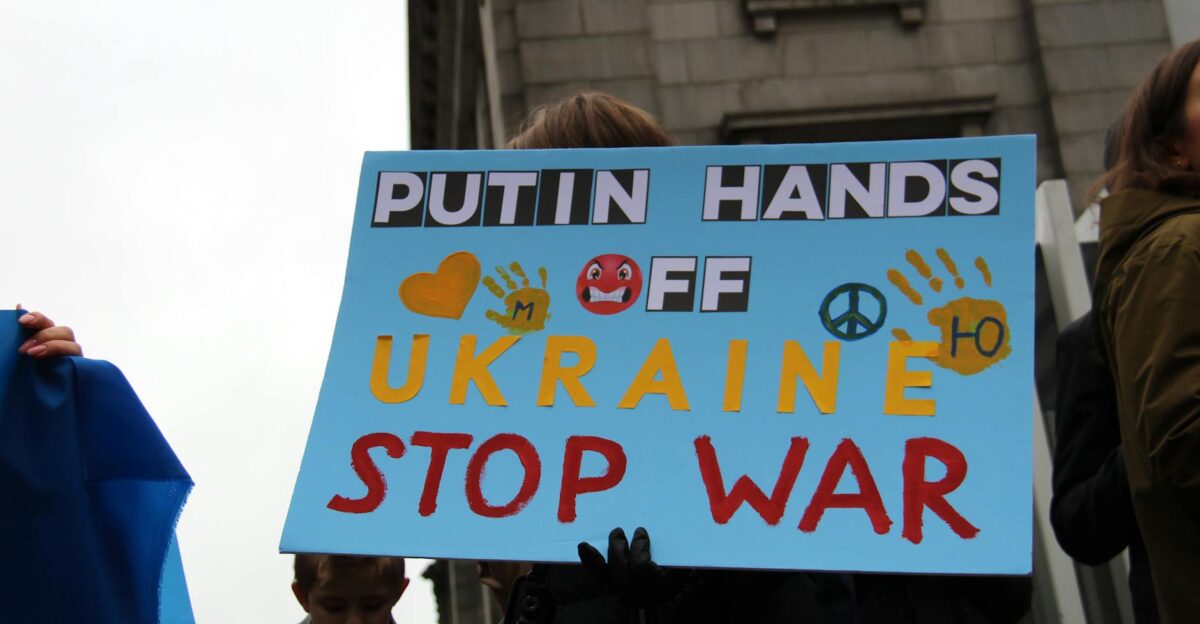
King Charles’s warning marked the turning point. No more royal silence about threats. No more separate British-German defense postures. No more dependence on American security guarantees. Instead: unified defense architecture, mutual treaty obligations, shared weapons development, coordinated military aid to Ukraine totaling $23.5 billion.
A cancer-fighting monarch, standing beside Germany’s president at Coventry Cathedral’s ruins, articulated Europe’s new reality. Russia broke the old rules. So Europe wrote new ones. And this time, they’re armed.
Sources:
Sky News–German President State Visit Coverage,December 3–5,2025
BBC News–King Charles State Banquet Speech & German President Parliamentary Address,December 3–4,2025
Reuters–UK-Germany Kensington Treaty & Defence Cooperation,July–December 2025
AP News–German President Coventry Cathedral Visit & WWII Reconciliation,December 5,2025
UK Government Official Press–Treaty between the United Kingdom and Federal Republic of Germany,July 2025
Bundespraesident.de–German President Steinmeier Speeches & State Visit Remarks,December 2025