In 2020, Meghan Markle took a dramatic step back from royal duties, setting the stage for a new chapter as a lifestyle entrepreneur. Since then, she has successfully launched Netflix series, podcasts, and her rebranded As Ever lifestyle brand, featuring products such as $28 honey and artisanal preserves.
But despite the sold-out headlines and celebrity partnerships, there’s a critical limitation: the palace rules that prevent her from using her royal title for commercial ventures.
This conflict between her ambitions and the restrictions she faces may ultimately shape the future of her business empire. What could Meghan accomplish if she weren’t bound by these limitations?
The $300M Question
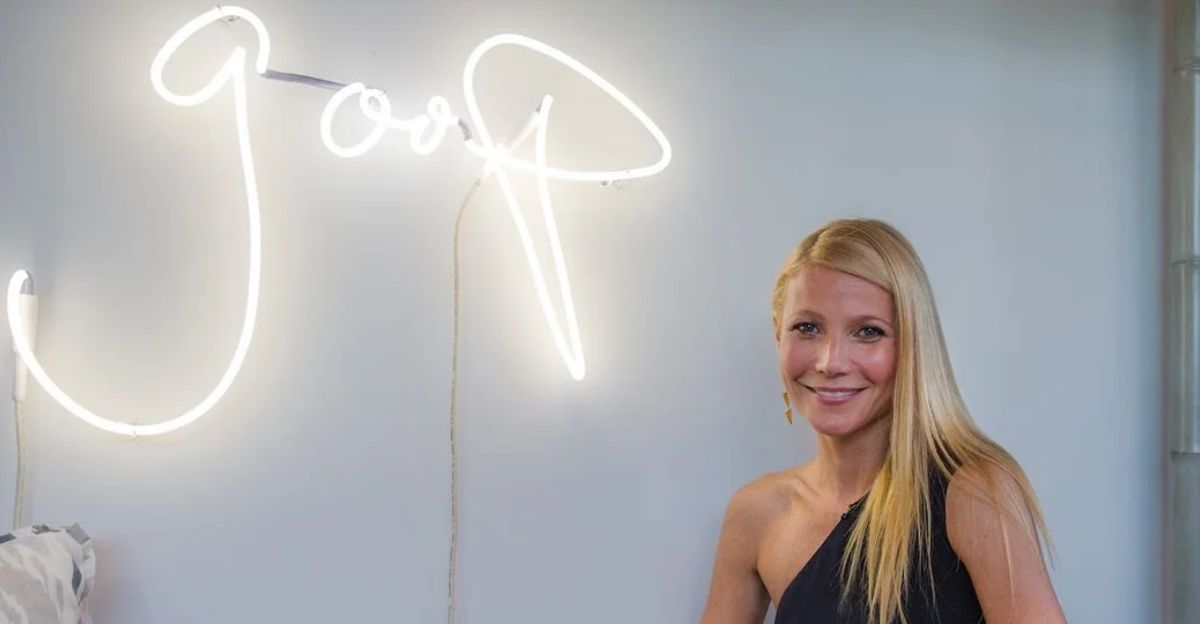
Industry analysts compare Meghan’s lifestyle ambitions to those of Gwyneth Paltrow’s Goop, which is valued at approximately $250 million.
If Meghan could freely brand her ventures under “Duchess of Sussex” or “Sussex Royal,” experts suggest her potential market reach could exceed $300 million over time.
That figure represents not current revenue, but the theoretical upside of a fully royal-branded consumer empire spanning tableware, cookbooks, hospitality, and global product lines. The gap between that dream and her current reality hinges on one critical restriction.
The 2020 Megxit Framework
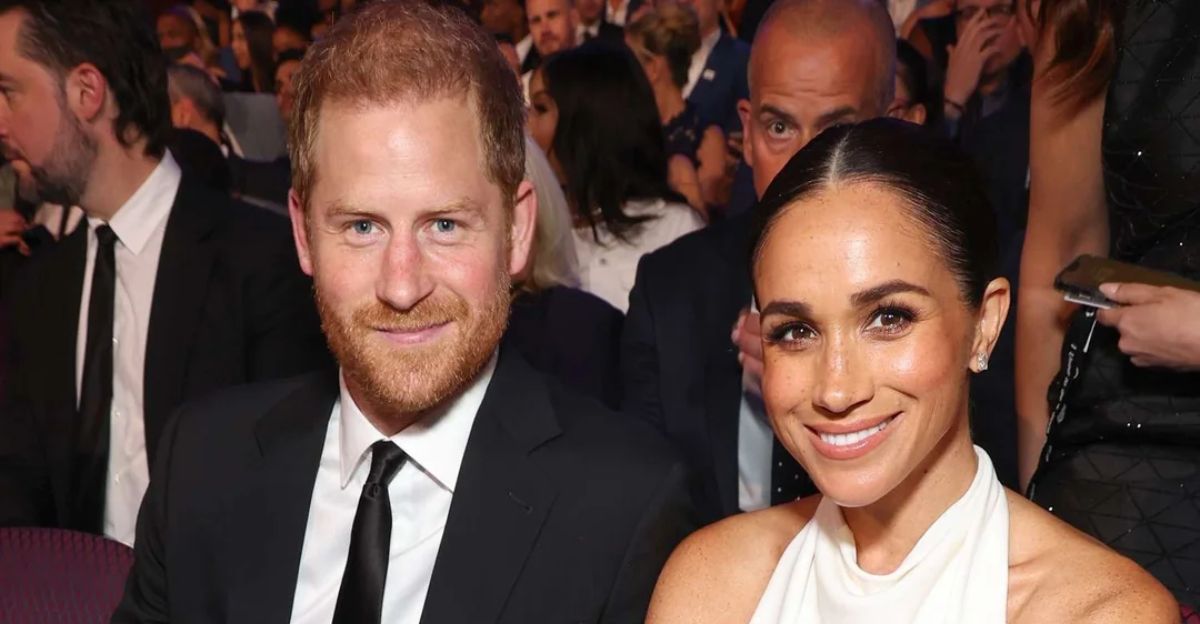
In January 2020, Harry and Meghan stepped back as working royals, relinquishing their “Royal Highness” titles but retaining their “Duke and Duchess of Sussex” designations. In February 2020, Buckingham Palace issued formal guidance: the couple could not use their titles for commercial purposes.
The agreement emerged from their decision to pursue financial independence while maintaining a limited royal connection.
This framework was not a temporary measure but a foundational rule governing their use of royal styles. It remains the legal and diplomatic bedrock constraining how Meghan can market herself and her ventures today.
Mounting Pressure and Trademark Troubles
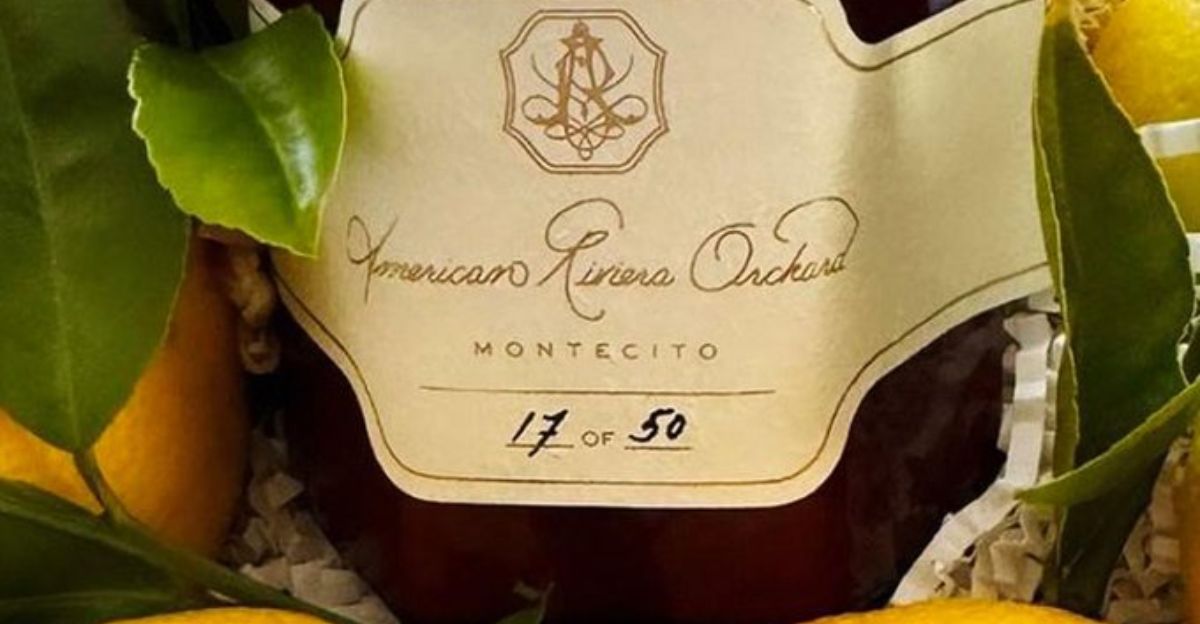
Meghan’s first lifestyle brand, American Riviera Orchard, launched in March 2024 but faced immediate trademark obstacles. The U.S. Patent and Trademark Office rejected her application, citing geographic naming restrictions.
Food company Harry & David filed a protest, claiming confusion with their “Royal Riviera” trademark.
By February 2025, Meghan rebranded to “As Ever”—only to face new complications when the Spanish village of Porreres claimed her logo resembled their coat of arms. Each setback underscored the legal and reputational minefield surrounding her brand identity.
The Quiet Veto: King Charles Holds the Line
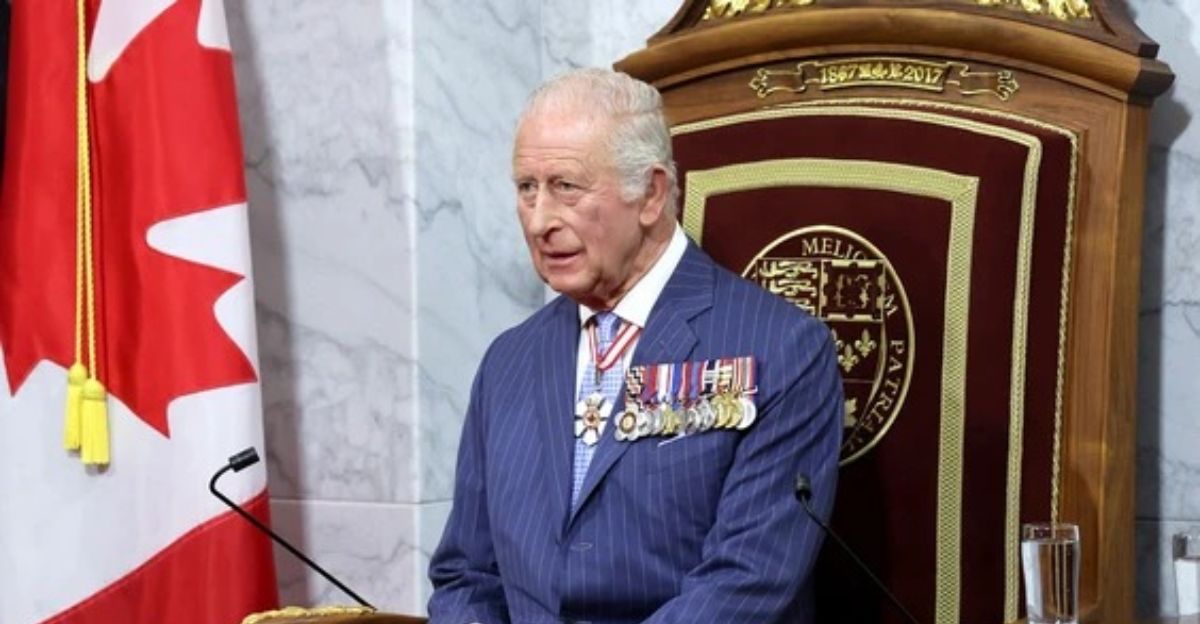
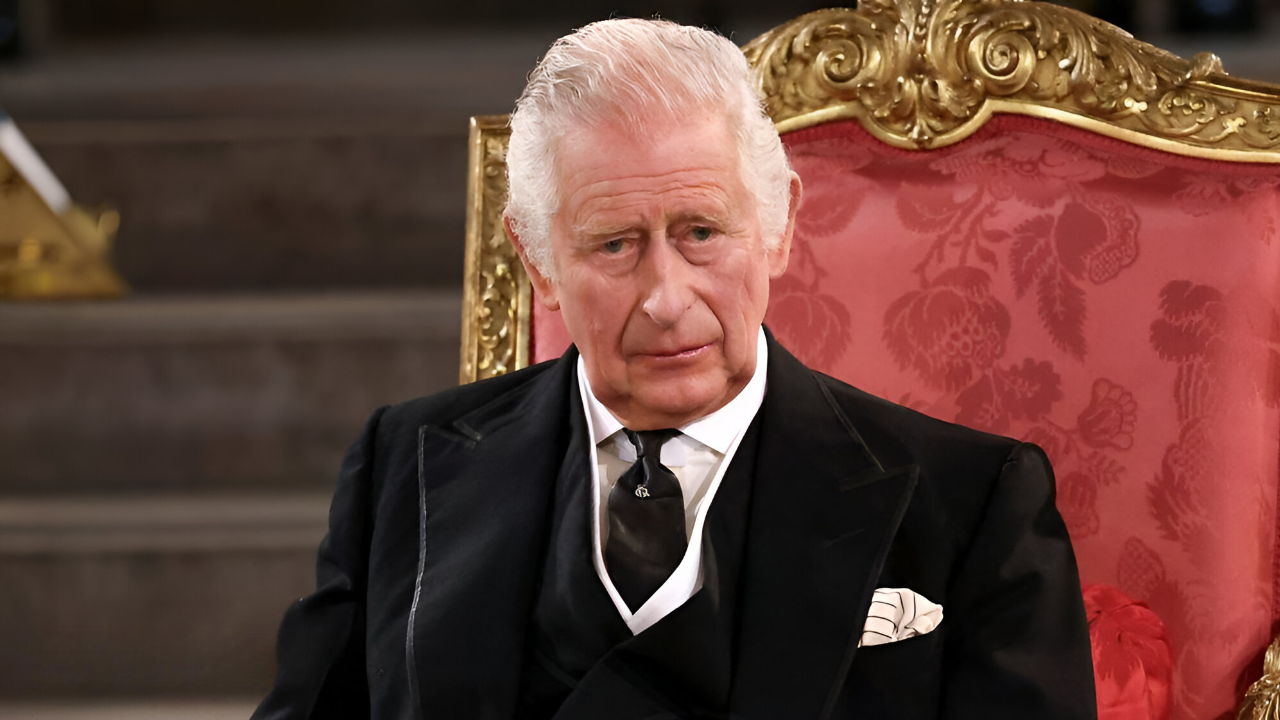
Here is the central constraint: King Charles III, as current monarch, controls decisions on royal titles and their commercial use. Despite no formal new decree, palace policy under his reign maintains the 2020 restrictions without relaxation.
Royal correspondents describe this as a “quiet veto”—not a dramatic proclamation, but a steady enforcement of existing rules that prevents Meghan from pivoting to a fully royal-branded business model.
This stance effectively freezes the most lucrative version of her lifestyle empire: one explicitly marketed as “Duchess of Sussex” or “Sussex Royal.”
The U.S. Market Advantage She Cannot Fully Claim
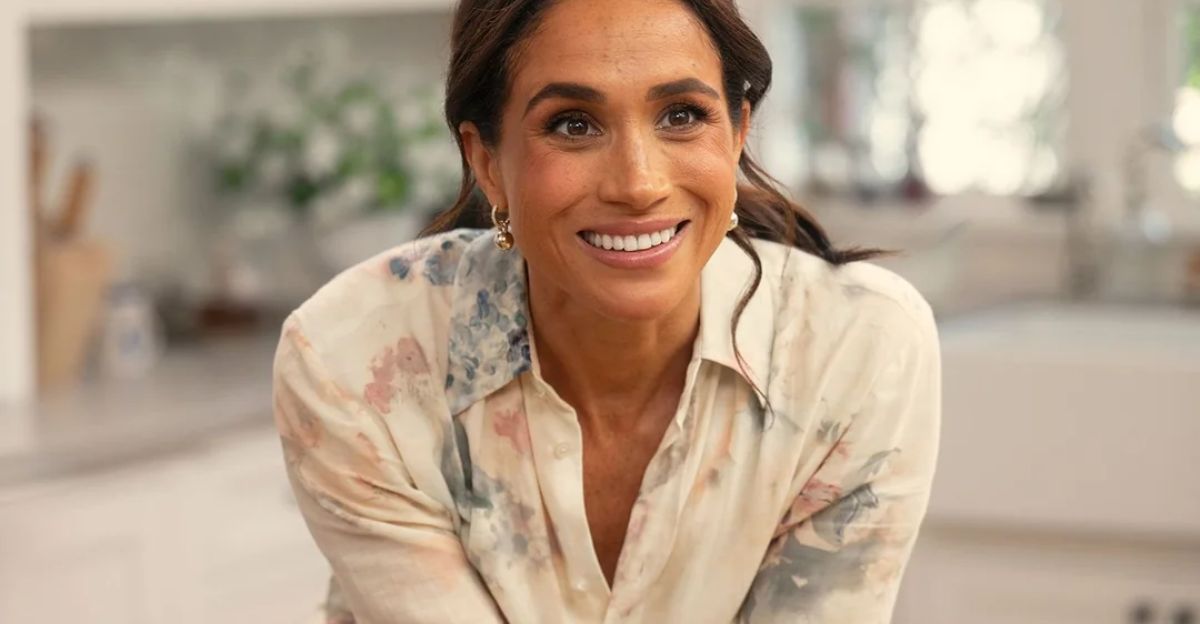
In the United States, Meghan’s royal status is a significant commercial asset. American consumers associate her with British royalty, lending prestige and exclusivity to her products.
Her Netflix deal, valued at $100 million over five years, was partly justified by her unique position as a royal-turned-celebrity.
Yet she cannot capitalize on this advantage by explicitly branding products as “Royal” or using her HRH styling in marketing. This geographic irony—where her royal cachet is most valuable but least usable—constrains her growth in her most significant market.
The Gift Basket Incident: A Warning Shot
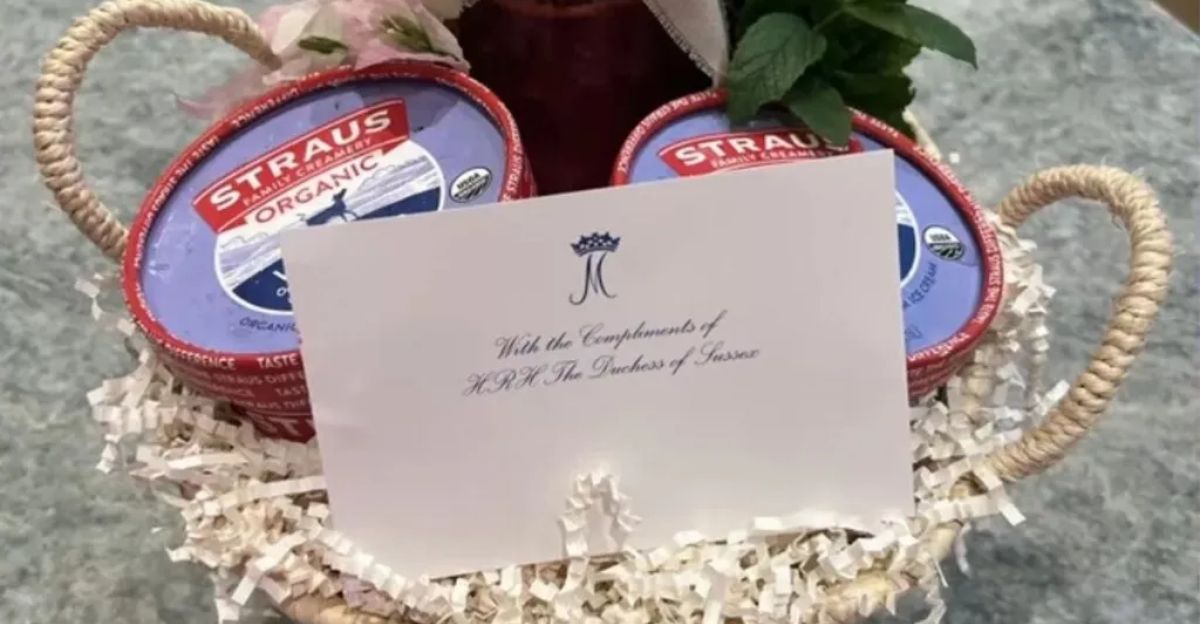
In early 2025, Meghan sent a gift basket to entrepreneur Jamie Kern Lima, signing it “HRH Meghan, Duchess of Sussex.” The basket included Meghan’s own products.
Her team argued it was a private gift exempt from commercial rules, but critics noted the social media promotion and title display suggested otherwise.
Royal etiquette experts warned that Meghan was “walking a fine line by flaunting her title commercially.” The incident illustrated how closely palace officials and media scrutinize any hint of title-based commercial leverage.
Competitor Moves and the Goop Playbook
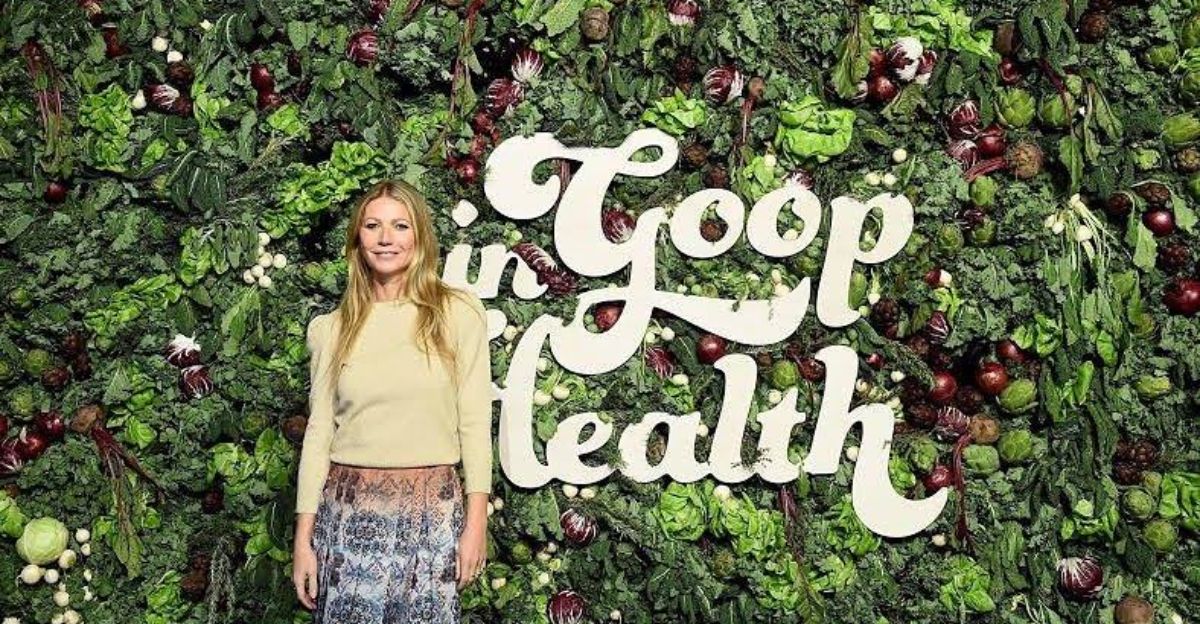
Gwyneth Paltrow built Goop by explicitly leveraging her celebrity status and lifestyle brand across multiple categories—beauty, wellness, fashion, and hospitality. She faced regulatory scrutiny but never faced a formal palace-level restriction on using her name or titles.
Meghan, by contrast, must operate within a narrower lane. She cannot replicate Goop’s strategy of making the founder’s personal brand synonymous with the company.
This structural disadvantage means her As Ever venture must succeed solely on product quality and marketing, without the royal-branded amplification her competitors enjoy.
Celebrity Brands Under Scrutiny
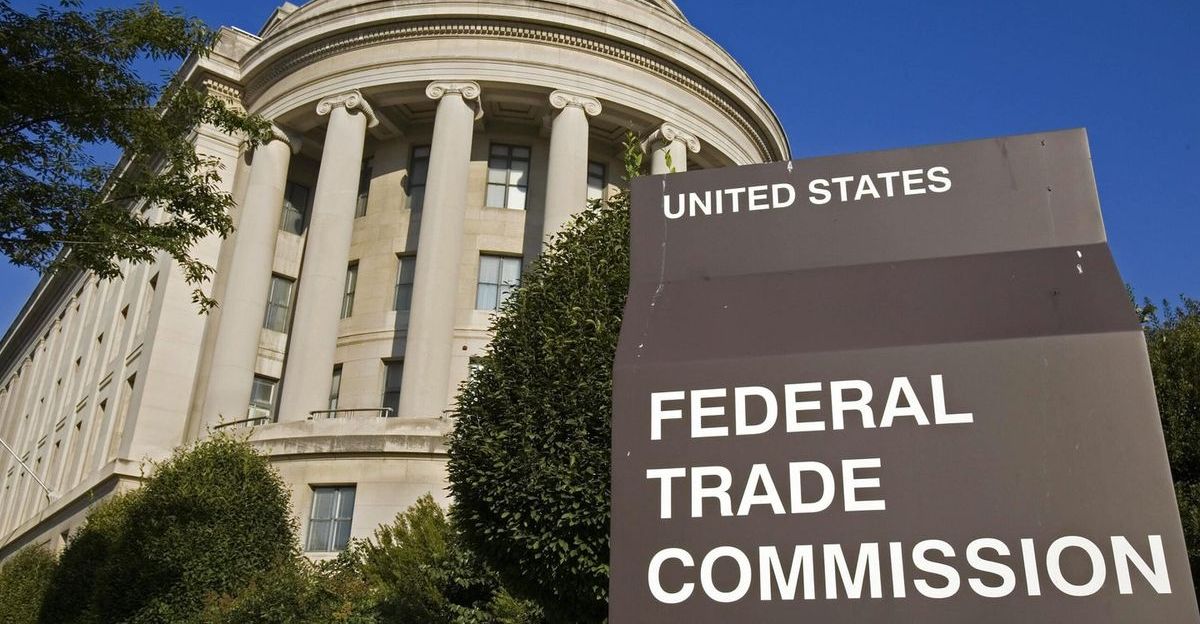
Meghan’s constraints reflect a broader shift in how celebrity ventures are regulated and perceived. The FTC has increased scrutiny of influencer endorsements and undisclosed commercial ties. Royal institutions, meanwhile, have become more protective of title usage in commercial contexts.
Meghan’s situation sits at the intersection: she is both a celebrity entrepreneur and a former royal, subject to both market pressures and palace protocol. This dual accountability makes her brand-building more complex than typical celebrity ventures.
As Ever’s Actual Performance Gap
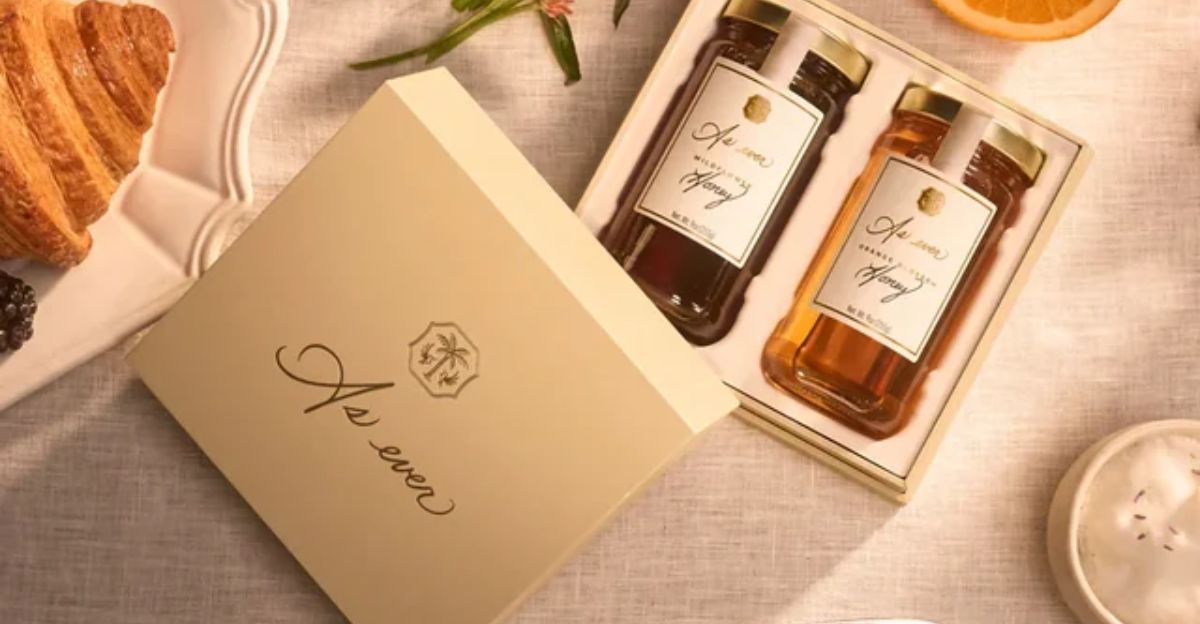
While As Ever products sell out quickly online, critics argue the “sold out” narrative masks limited inventory and modest profit margins. Industry insiders claim Meghan produces only small quantities, guaranteeing rapid sellouts but limiting revenue scale.
A brand analyst quoted in industry coverage stated, “You can’t run a business on buzz alone. Eventually, the numbers have to work.”
This suggests that even without palace restrictions, Meghan’s current business model may struggle to reach the $300 million valuation analysts theorize—a problem compounded, not caused, by title-use rules.
Internal Tension: The Royal Dependency Dilemma
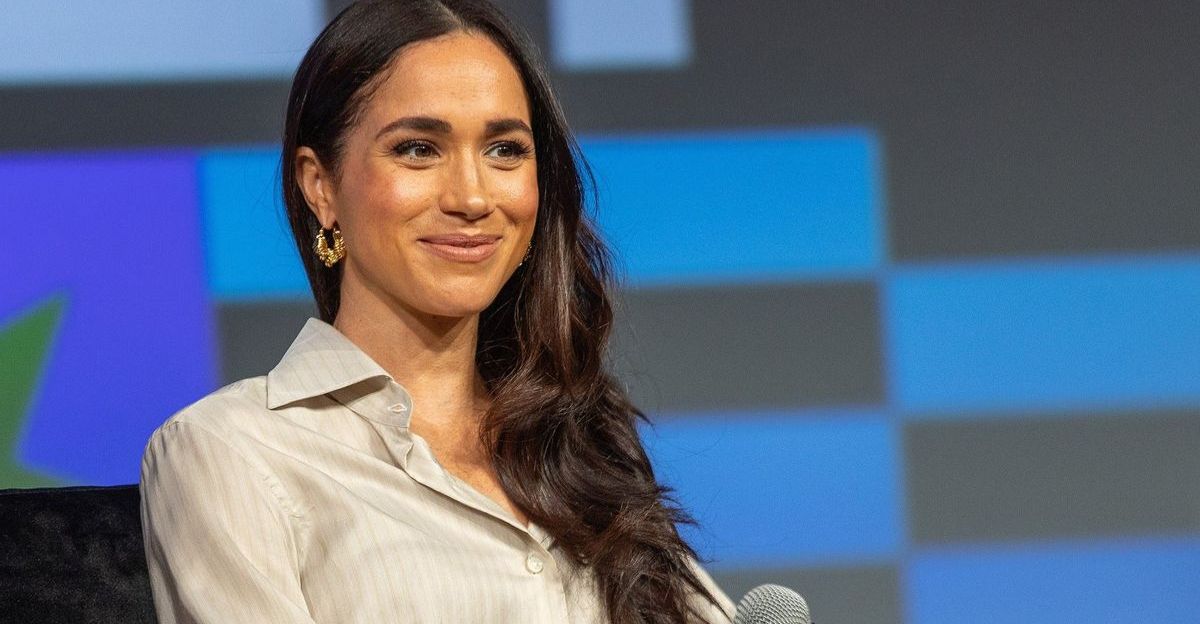
Meghan’s marketing strategy reveals an internal contradiction. She launched a Soho House pop-up shop in West Hollywood, emphasizing that the venue is where she and Prince Harry first met in July 2016.
She continues to invoke her royal connection and marriage to Harry in brand messaging, even as palace rules prevent her from formally commercializing her title.
Critics argue this creates a paradox: she relies on royal cachet for appeal but cannot legally weaponize it for branding. The tension between what she can say and what she can sell grows more acute.
Harry’s Absence from the Brand Narrative
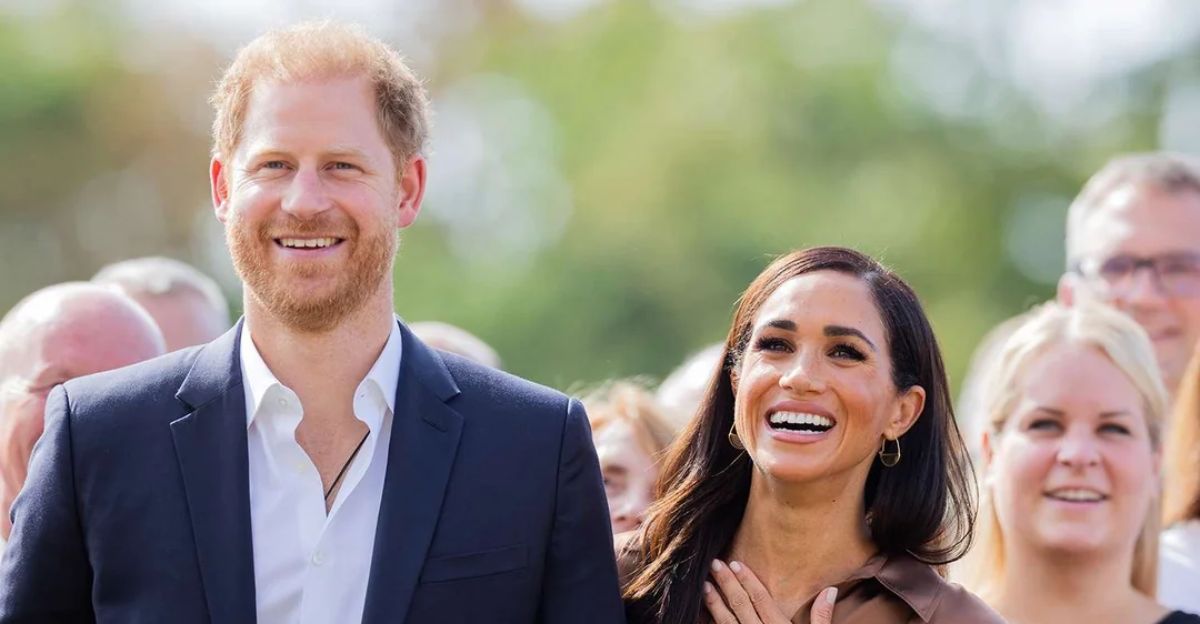
Prince Harry has largely stepped back from Meghan’s lifestyle ventures, focusing instead on his own media projects and advocacy work. Yet Meghan’s marketing still leans on their relationship and shared royal history.
This asymmetry—where Meghan invokes Harry and their royal connection while he maintains distance—suggests internal friction over brand strategy.
Some observers note that Harry’s reduced involvement may reflect his own concerns about the commercial use of royal status, or simply a divergence in business priorities between the couple.
The Rebranding Gambit: From American Riviera Orchard to As Ever
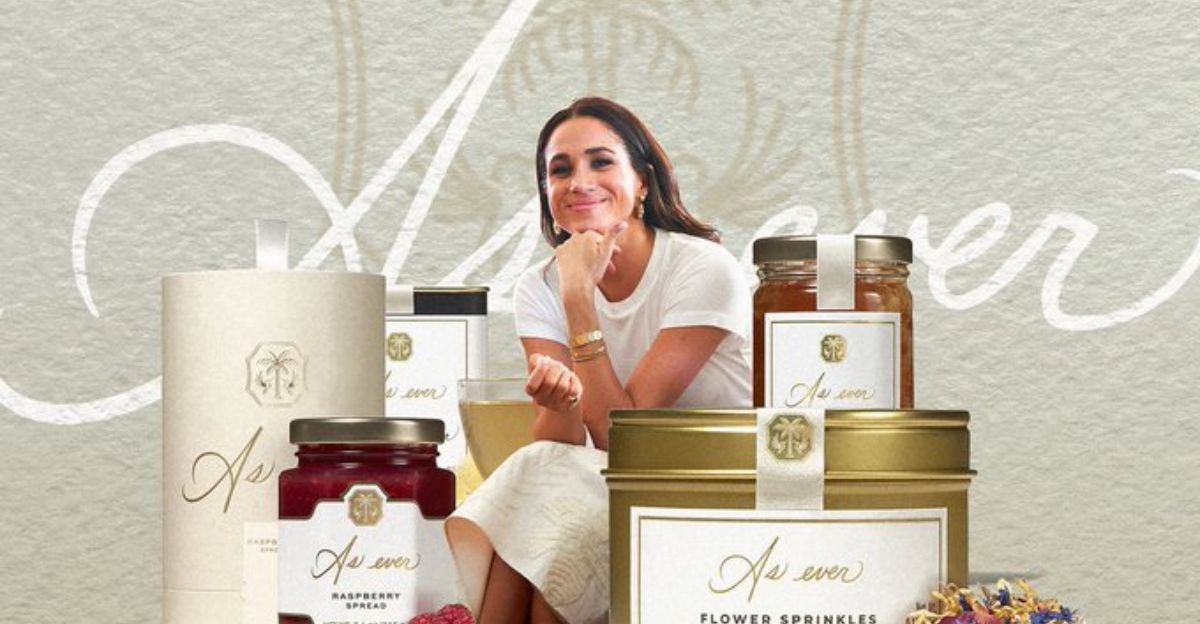
When American Riviera Orchard faced trademark rejection and competitor protests, Meghan pivoted to “As Ever” in February 2025. The new name was intended to be more universal and less geographically limiting.
Yet the rebrand also signaled a strategic retreat: she abandoned a name that explicitly tied her brand to her California lifestyle and royal residence.
The move suggests Meghan is adapting her business model to work within constraints rather than challenging them—a pragmatic but limiting choice that underscores how palace rules shape her options.
Expert Skepticism on Long-Term Viability

Royal commentators and brand analysts express doubt about whether As Ever can sustain growth without a clearer royal brand anchor. Another analyst noted that limited inventory and high production costs mean profit margins remain thin.
Without the ability to scale via a recognizable royal brand identity, Meghan must compete on product merit alone—a more challenging path than Goop’s founder, who can leverage celebrity and lifestyle authority without institutional restrictions.
Can She Break Through?
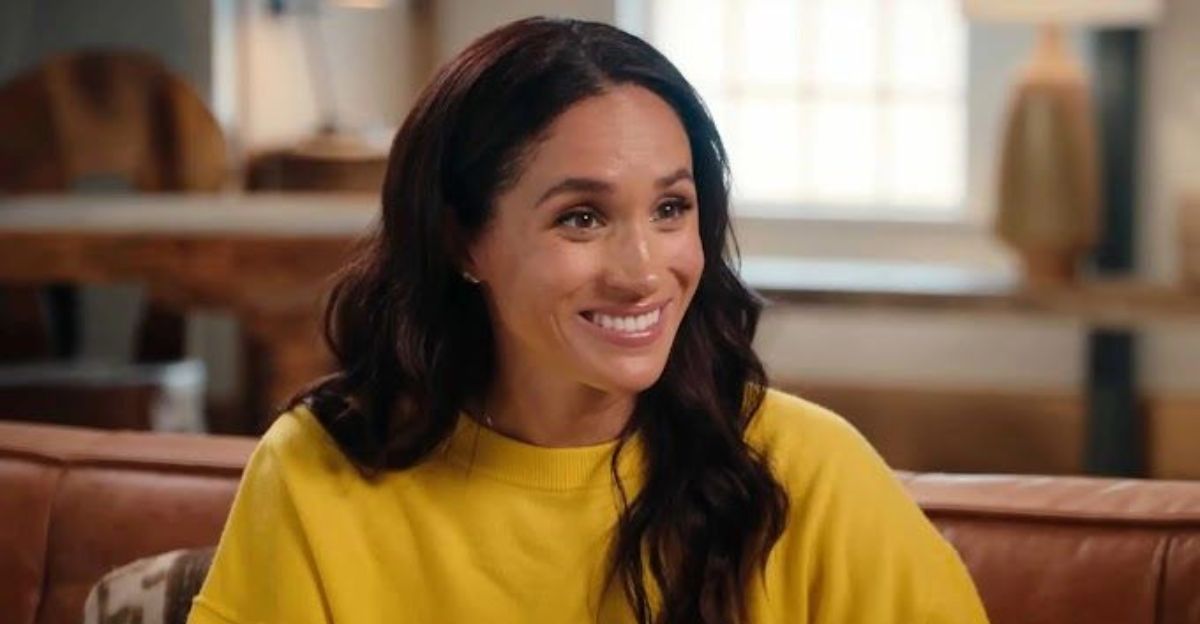
As Meghan enters 2026, a central question looms: Can As Ever grow into a major lifestyle empire without royal branding? Netflix has continued its partnership with her through 2025 and beyond, suggesting confidence in her media appeal.
Yet her product line remains constrained by inventory limits and geographic reach.
If palace rules remain unchanged under King Charles, Meghan faces a choice: accept a mid-sized lifestyle brand or attempt a reconciliation with the monarchy that might relax restrictions on title use. Neither path is certain.
Monarchy and Commercial Boundaries
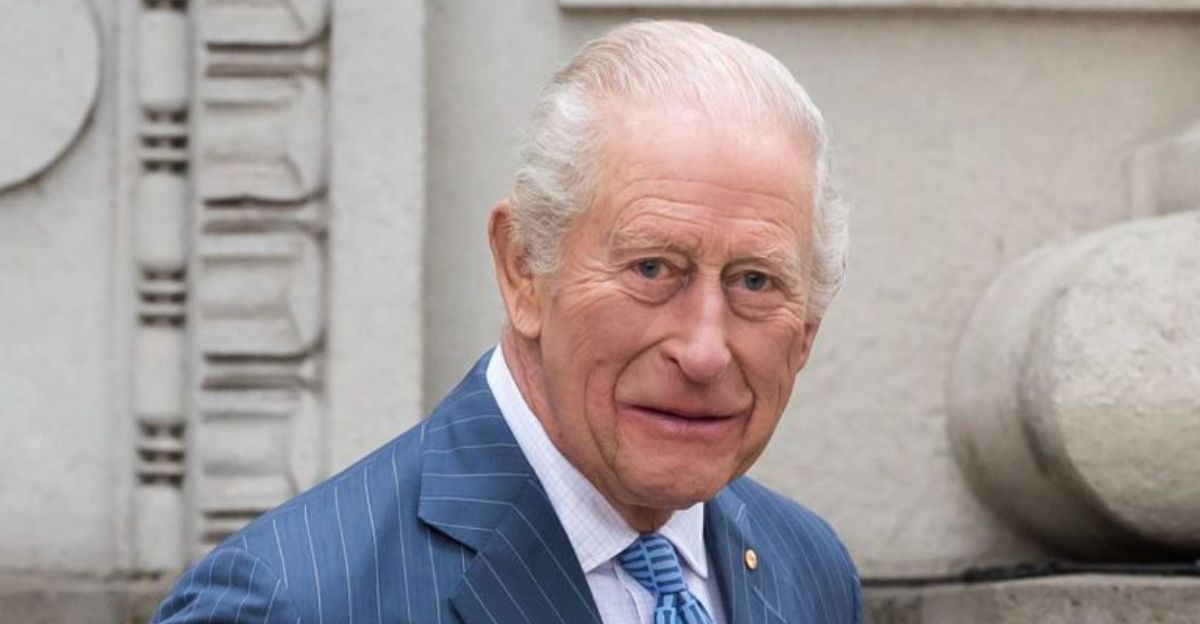
King Charles’s refusal to relax title-use rules reflects a broader institutional stance: the monarchy must maintain clear boundaries between royal status and commercial enterprise.
Allowing Meghan to brand products as “Duchess of Sussex” or “Sussex Royal” would set a precedent that could invite similar requests from other royals or former royals.
Charles’s quiet enforcement of the 2020 framework serves a political purpose—protecting the monarchy’s dignity and commercial exclusivity. This institutional logic, not personal animus, likely explains why the rules remain firm.
How Other Royals Watch
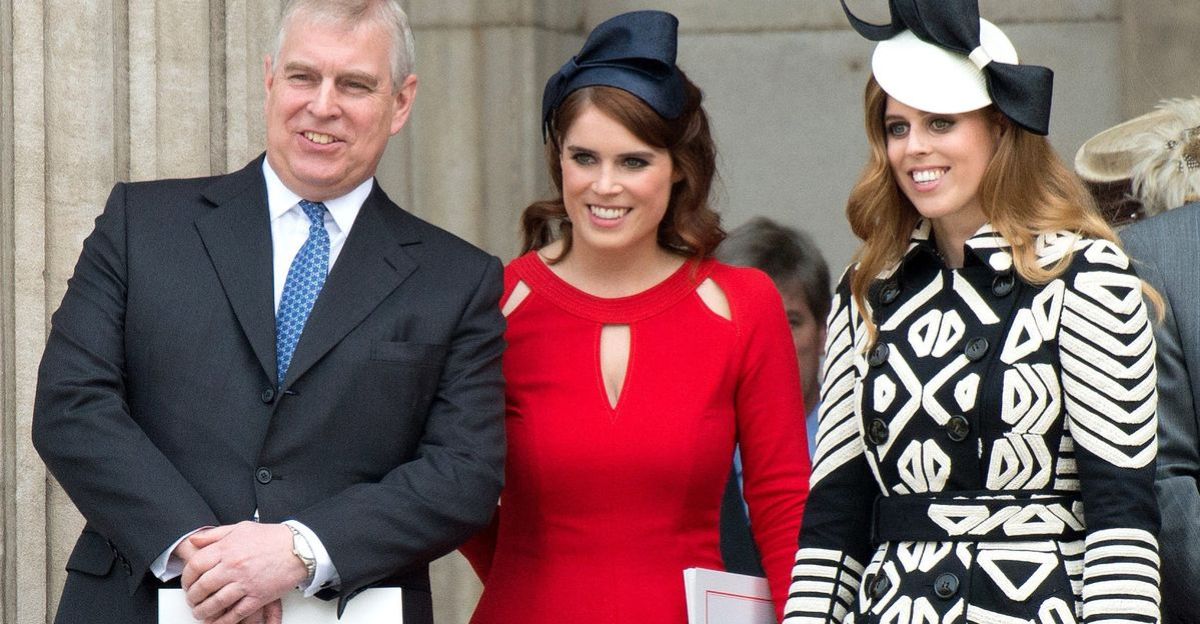
Meghan’s situation has not gone unnoticed by other members of the extended royal family or former royals in other monarchies. If King Charles were to relax rules for Meghan, it could embolden similar requests from Andrew, formerly known as Prince Andrew, Princess Beatrice, or royals in other Commonwealth nations.
The palace’s firm stance sends a signal: royal titles are not commodities for sale, regardless of a person’s celebrity status or business acumen.
This international dimension reinforces why Charles is unlikely to grant exceptions, even if it limits Meghan’s commercial potential.
Breach Risk and Palace Response
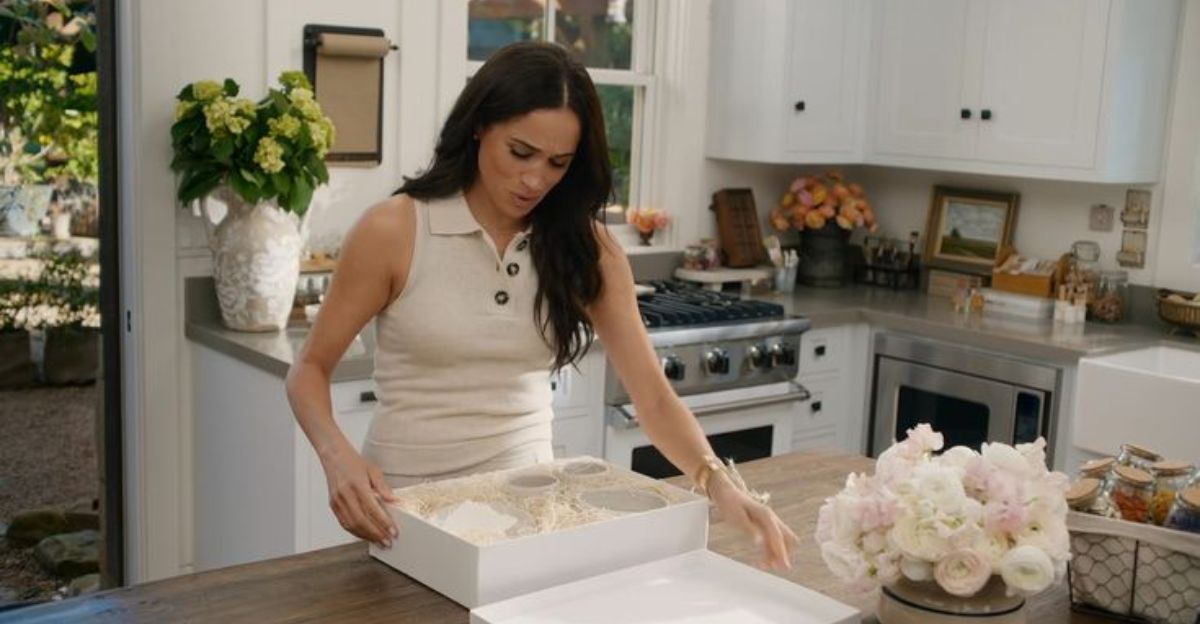
If Meghan were to overtly use “HRH” or “Sussex Royal” in commercial branding, she would likely be in breach of the 2020 agreement. Royal experts have stated that such a violation could trigger a formal palace response—potentially including legal action or a public rebuke.
This legal sword hanging over her head constrains her strategic options. She cannot test the boundaries without risking reputational and legal consequences.
The threat of breach, even if never invoked, functions as a de facto veto on her most ambitious branding scenarios.
Perception of Royal Commercialism
Public and institutional attitudes toward royal commercialism have hardened in recent years. The monarchy is increasingly protective of its brand and wary of perceived exploitation of royal status for profit.
Meghan’s ventures, while legal and entrepreneurial, have become a flashpoint in broader debates about whether royals should profit from their titles.
This cultural shift—reflected in media coverage and palace policy—makes it even less likely that King Charles will relax restrictions. The zeitgeist now favors institutional boundaries over individual commercial ambition.
What This Really Signals
Meghan’s frozen $300 million dream reveals a fundamental truth: in the modern monarchy, royal status is a privilege, not a commodity. King Charles’s quiet enforcement of title-use rules demonstrates that even the most famous, wealthy, and media-savvy individuals cannot override institutional boundaries.
Meghan has built a successful lifestyle brand and media empire—but within constraints that prevent her from fully monetizing her royal connection. As she moves forward, the question is not whether she can break the rules, but whether she can build a lasting empire in spite of them. That challenge defines her next chapter.
Editor’s Note: Readers should understand that specific claims about Meghan’s profitability and strategic missteps derive from media commentary and industry speculation rather than official sources or financial disclosures.
Sources:
BBC News January 2020 Harry and Meghan step back announcement
BBC News February 2020 Sussex Royal commercial restrictions
Forbes March 2018 Goop valuation study
The Guardian September 2022 royal title reporting
The Telegraph February 2020 Sussex Royal branding policy
The New York Times March 2021 Harry and Meghan Oprah interview
Hello Magazine 2025 Meghan business ventures coverage