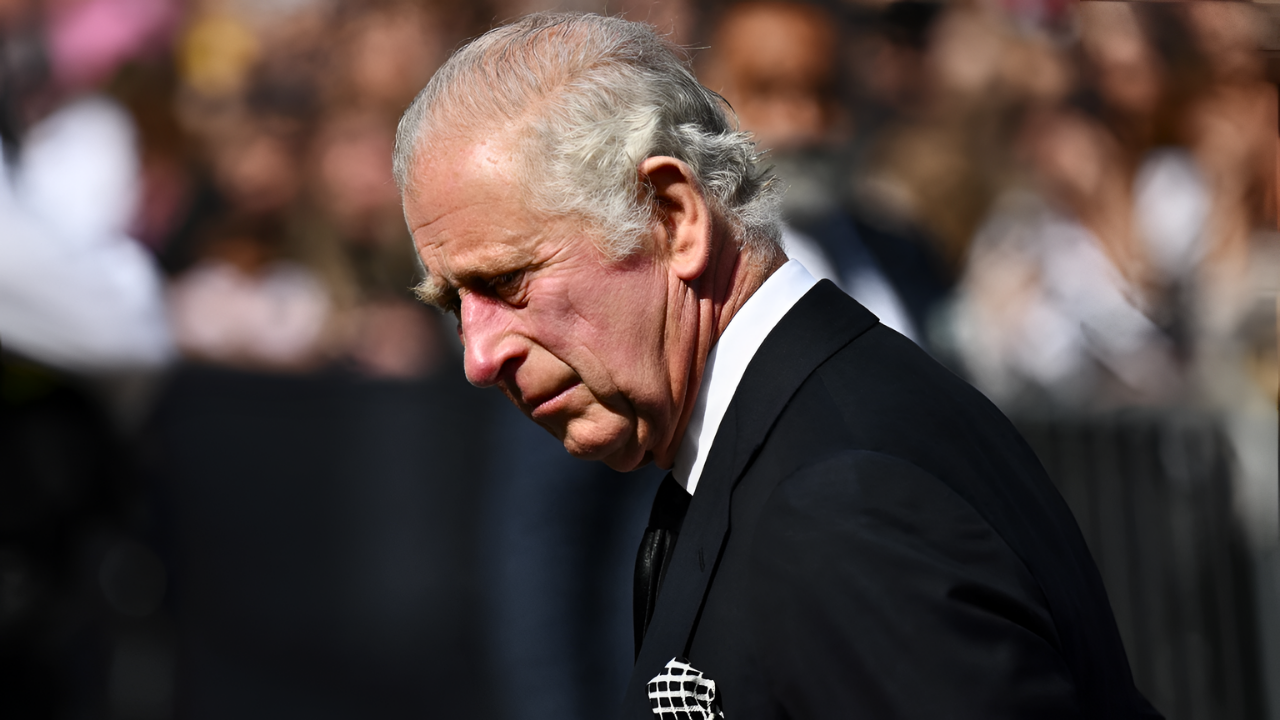
King Charles III enters 2026 balancing a reduced cancer treatment schedule with fresh scrutiny over who really steers the monarchy.
Early diagnosis has enabled the 77-year-old king to continue with his state duties and numerous engagements, even during treatment.
However, public attention is increasingly shifting to Prince William’s growing profile as the heir apparent, raising awkward questions about power and perception within Buckingham Palace.
Rising Tensions
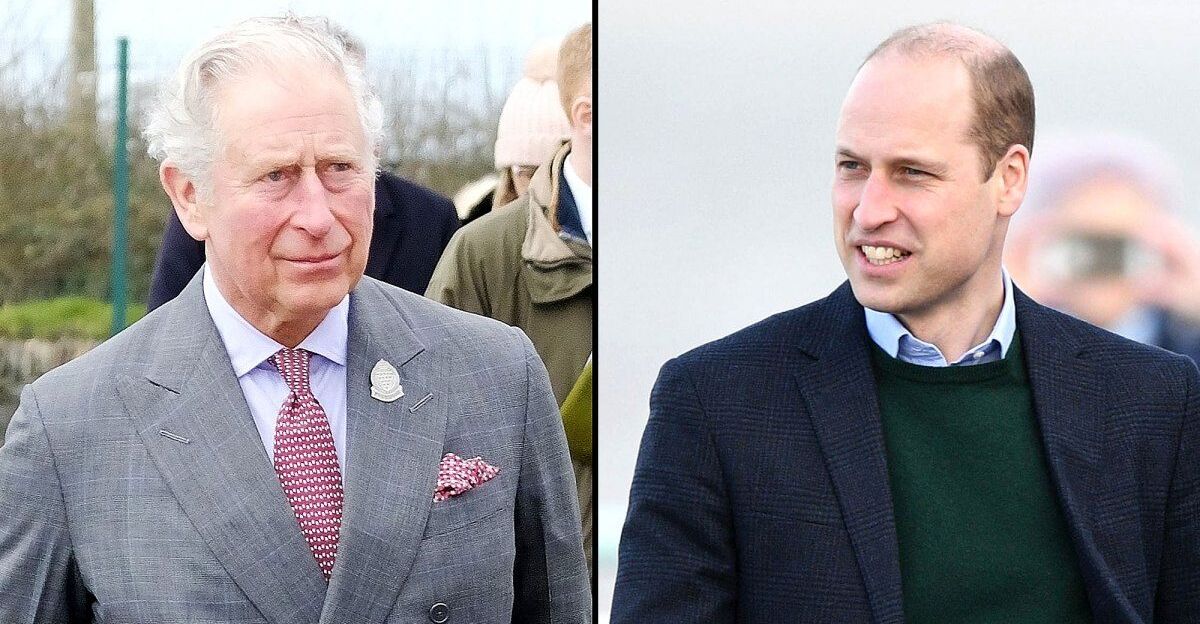
Reports in late 2024 framed Prince William as effectively “running things from the shadows,” prompting palace aides to issue unusually firm denials.
The suggestion that the Prince of Wales has become a de facto “shadow king.”
This comes as both King Charles and Catherine, Princess of Wales, manage cancer diagnoses, amplifying speculation about succession planning and decision‑making at the very top of the royal household.
Longest Wait
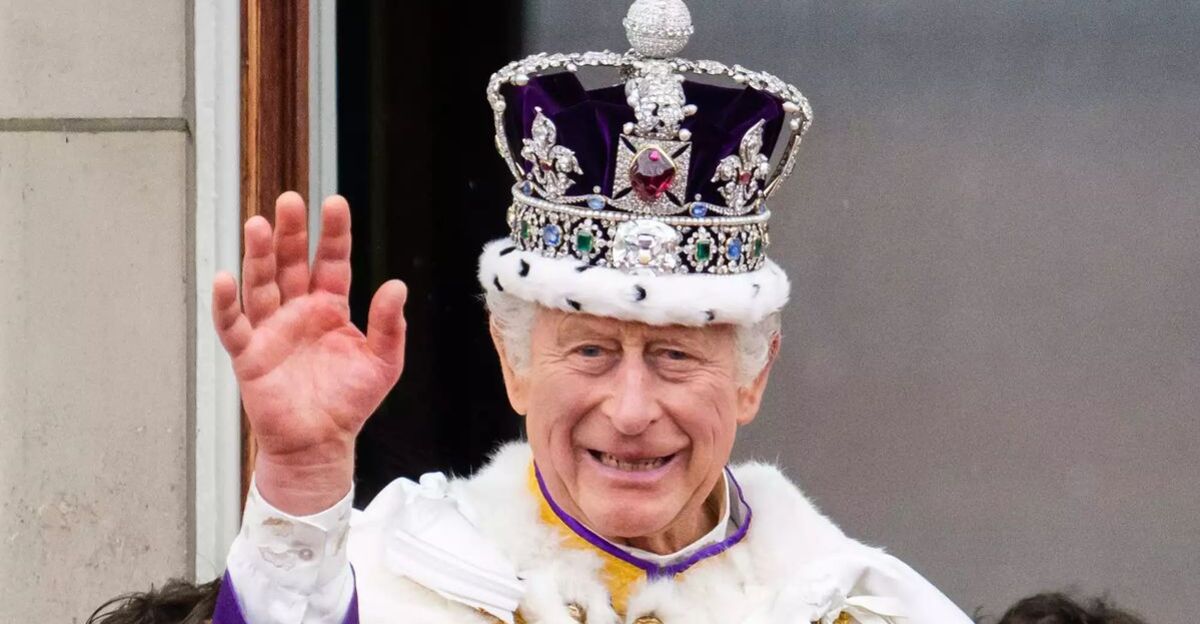
Charles’s sensitivity to these rumors is rooted in history. He became king in September 2022, following Queen Elizabeth II’s 70-year reign, the longest in British history, which had left him waiting approximately 70 years as heir apparent.
That unusually late start—ascending at age 73, compared to his mother’s accession at 25—means his reign began amid instant questions about continuity, transition, and how quickly the spotlight would pass to Prince William as the next monarch‑in‑waiting.
Health and Succession
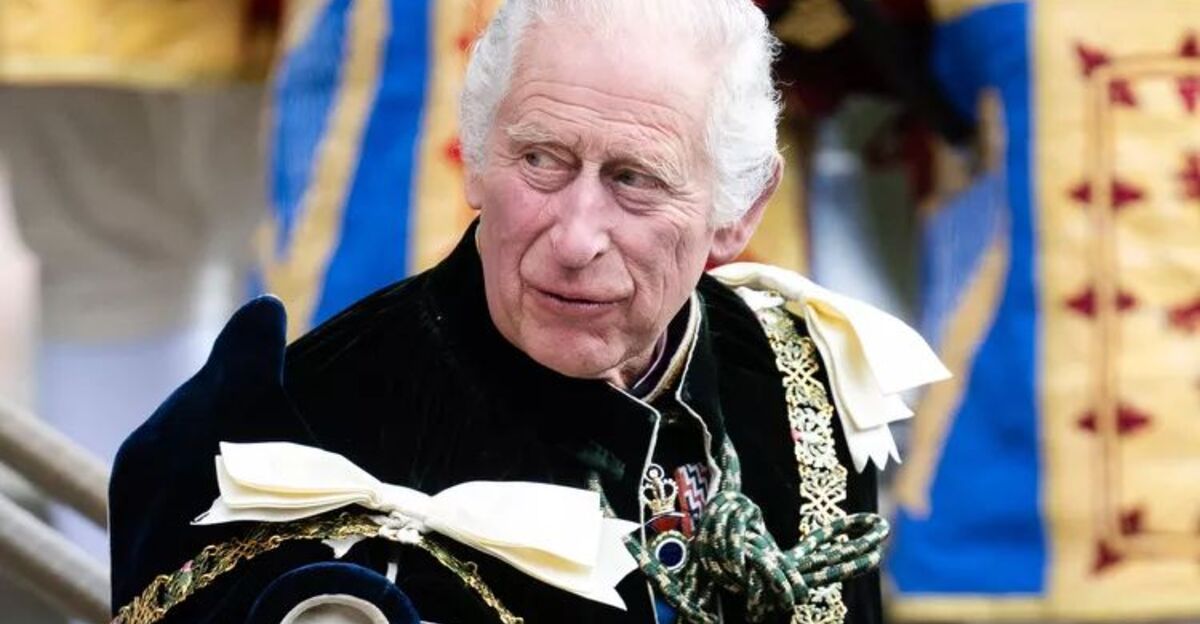
The palace announced in February 2024—just 17 months into Charles’s reign—that a “form of cancer” had been discovered after he underwent treatment for an enlarged prostate.
Public duties were scaled back for about two months, though he continued core constitutional work.
The diagnosis, followed six weeks later by Princess Kate’s own cancer announcement in March 2024, sharpened debate about how much responsibility should shift to William and what that means for the king’s authority.
Rift Exposed
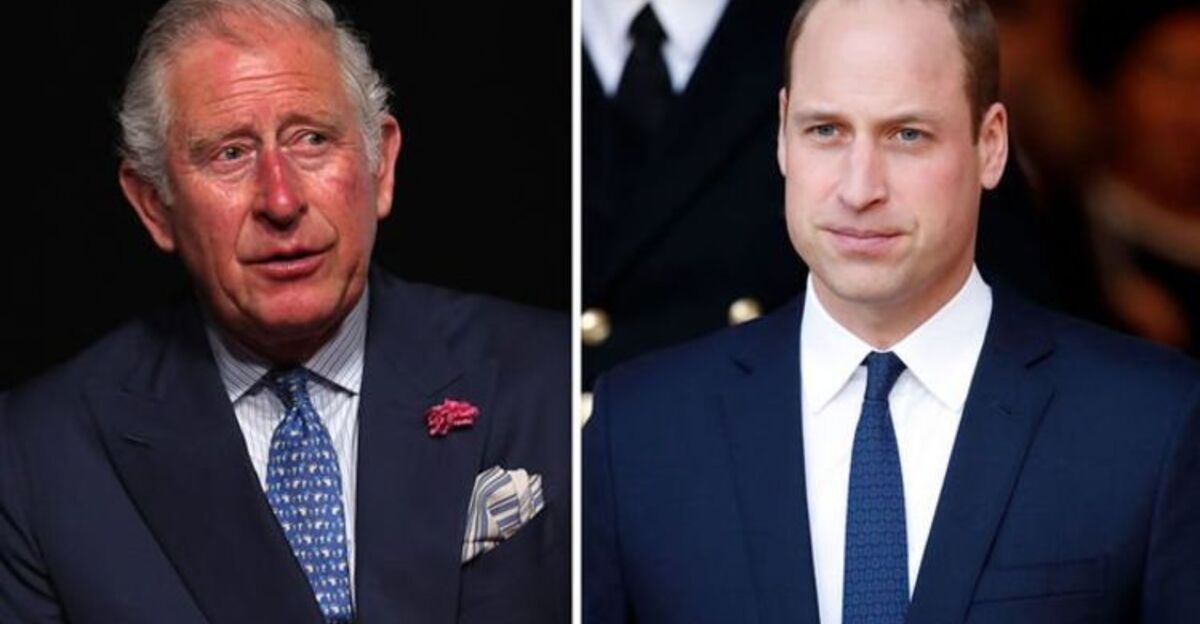
The central flashpoint emerged in a December 2024 Us Weekly cover story, which reported that King Charles was “not thrilled” by claims William was “running things from the shadows.” Palace sources insisted “decision-making remains with the King” and that no power had been relinquished.
The article described internal “pushback” against any narrative of a “shadow king,” signaling a notable, if quiet, rift within the palace over perception.
One royal source told Us Weekly: “He doesn’t feel great about it, as he has finally attained the position he has waited for his whole life. Now that he’s King, everyone is focused on who will come next.”
Palace Lines Drawn
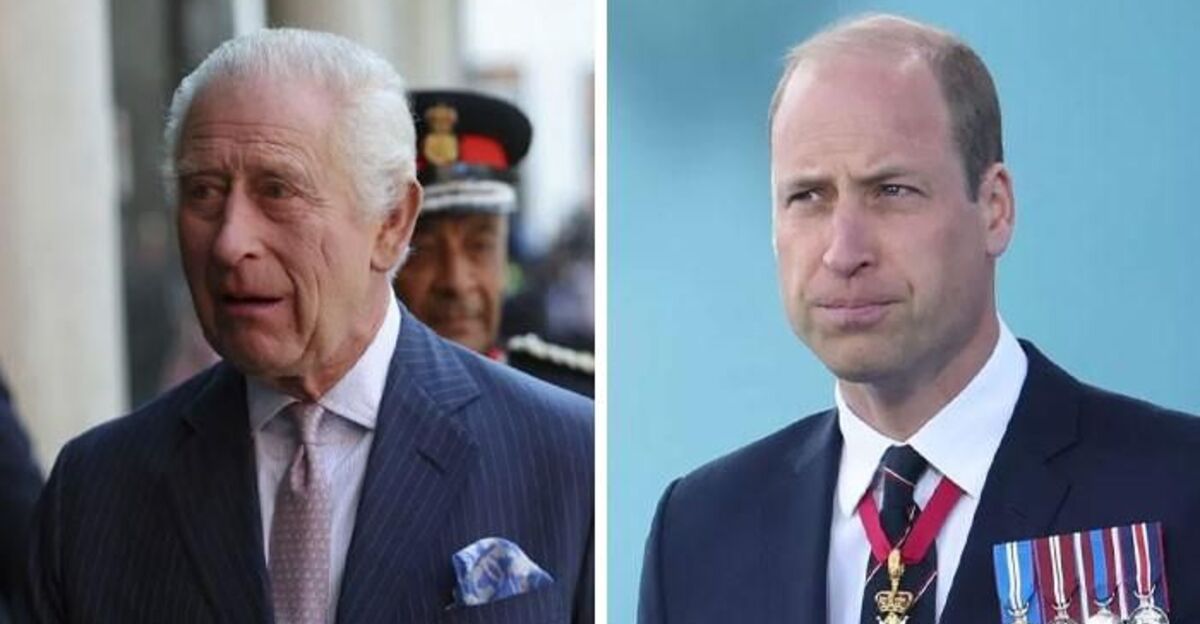
Officials close to Buckingham Palace stressed in background briefings that, constitutionally, King Charles retains full decision‑making power as head of state.
Royal.uk’s formal description of the monarchy makes no provision for power‑sharing with an heir, underscoring that any expanded role for Prince William is informal.
Courtiers framed William’s prominence as support for the sovereign, not a transfer of authority, in an effort to calm speculation.
Family Impacts
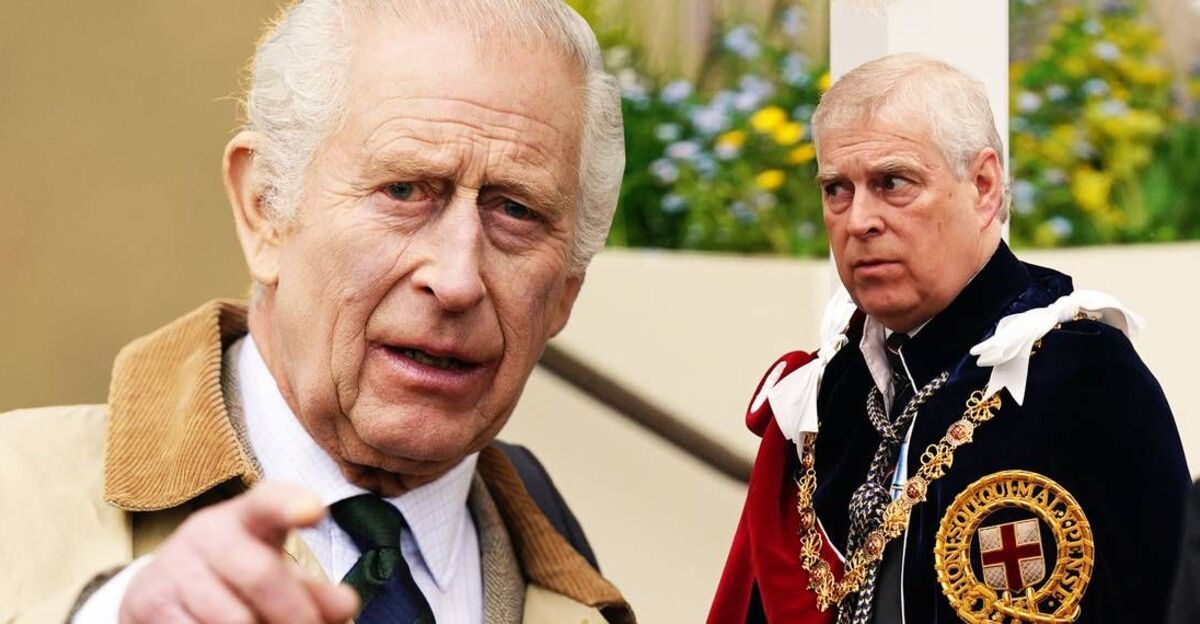
William’s increased assertiveness reportedly surfaced over Prince Andrew’s future. Us Weekly reported William “pressed the issue” at a summer Balmoral meeting to remove Andrew from all aspects of royal life after his scandal and loss of public roles.
Separate reports in late 2025 indicated Charles subsequently stripped Andrew of his remaining titles and pushed him toward leaving Royal Lodge, illustrating how disciplinary decisions can strain already fragile family ties—though final decision-making remained with the King.
Andrew’s Exile
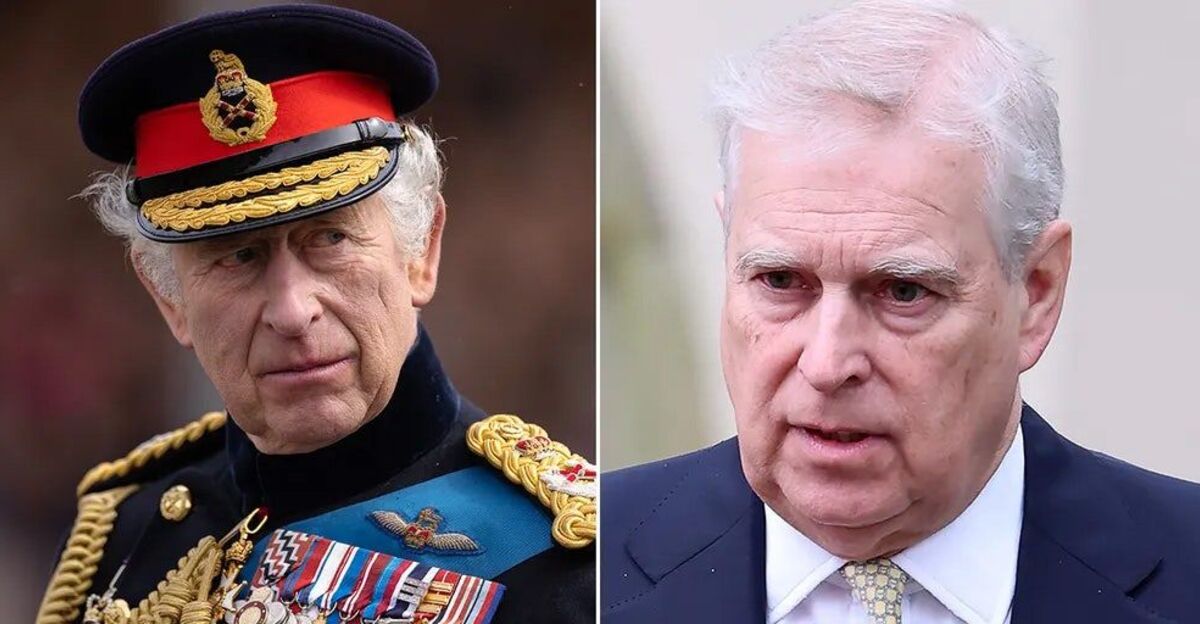
By October 2025, King Charles acted decisively against his brother Andrew, 65, after years of controversy linked to Jeffrey Epstein.
Buckingham Palace officially confirmed on October 30, 2025, that Andrew had been stripped of his “prince” title and would now be known as Andrew Mountbatten-Windsor.
The King backed plans for Andrew to leave Royal Lodge in Windsor, possibly relocating to a smaller property in Sandringham. Insiders saw it as a clear signal that institutional credibility now outweighs personal loyalty within “The Firm.”
Cancer and Public Duty
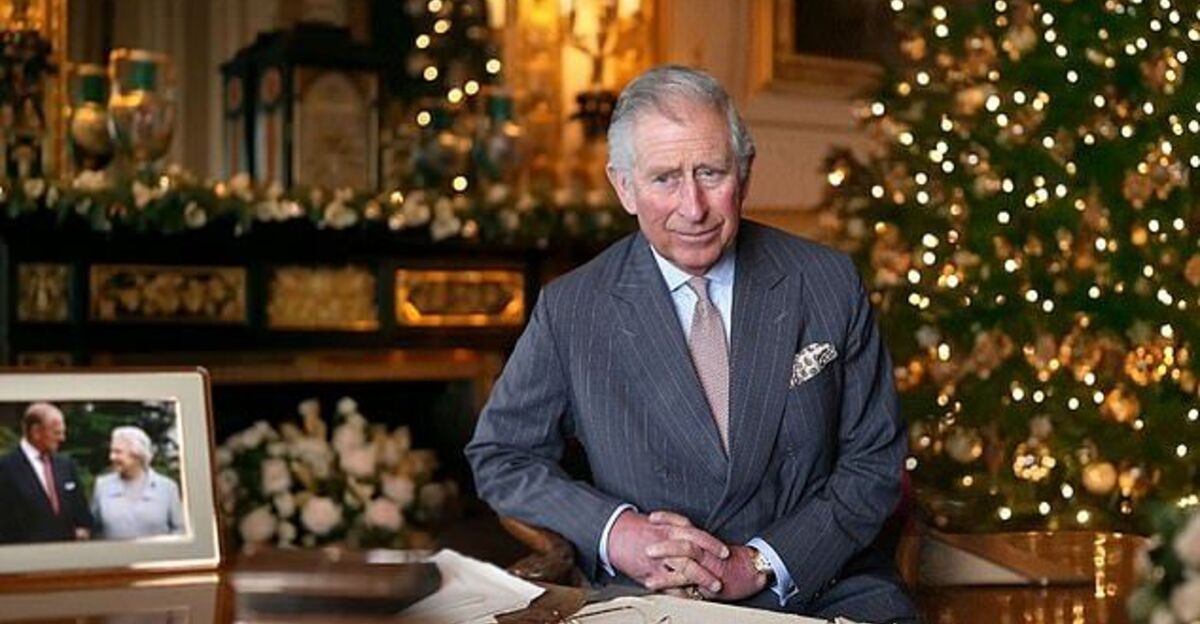
Throughout his illness, Charles emphasized the importance of continuity. He recorded a video for Channel 4’s “Stand Up To Cancer” special at Clarence House in December 2025, explaining that early diagnosis allowed him to lead a “full and active life” while in treatment.
He visited cancer centers, met patients at University College Hospital in London, and resumed public-facing engagements in April 2024, reinforcing that the monarch remains visibly at work.
Treatment Milestone
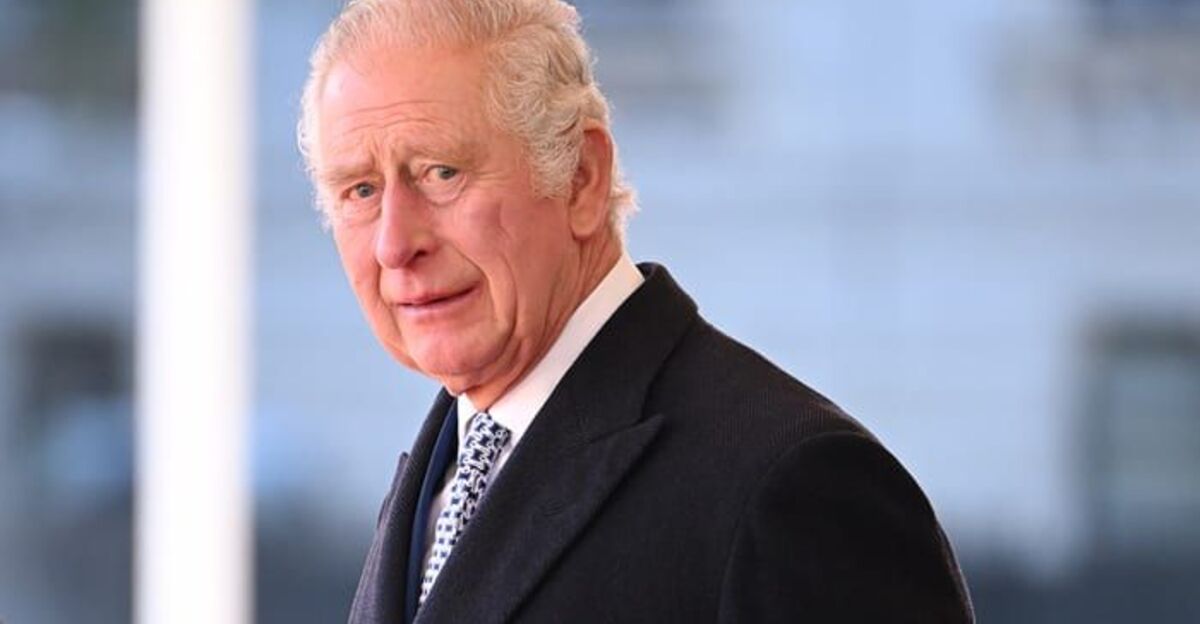
The turning point came in December 2025 when Charles disclosed that his cancer treatment schedule could be reduced in 2026, calling it a “milestone” and “personal blessing.”
He used the announcement to highlight that at least 9 million people in the U.K. are not up to date with screening, describing each missed check as a lost opportunity for early diagnosis. The message recast his illness as a national public‑health campaign.
Narrative Battle
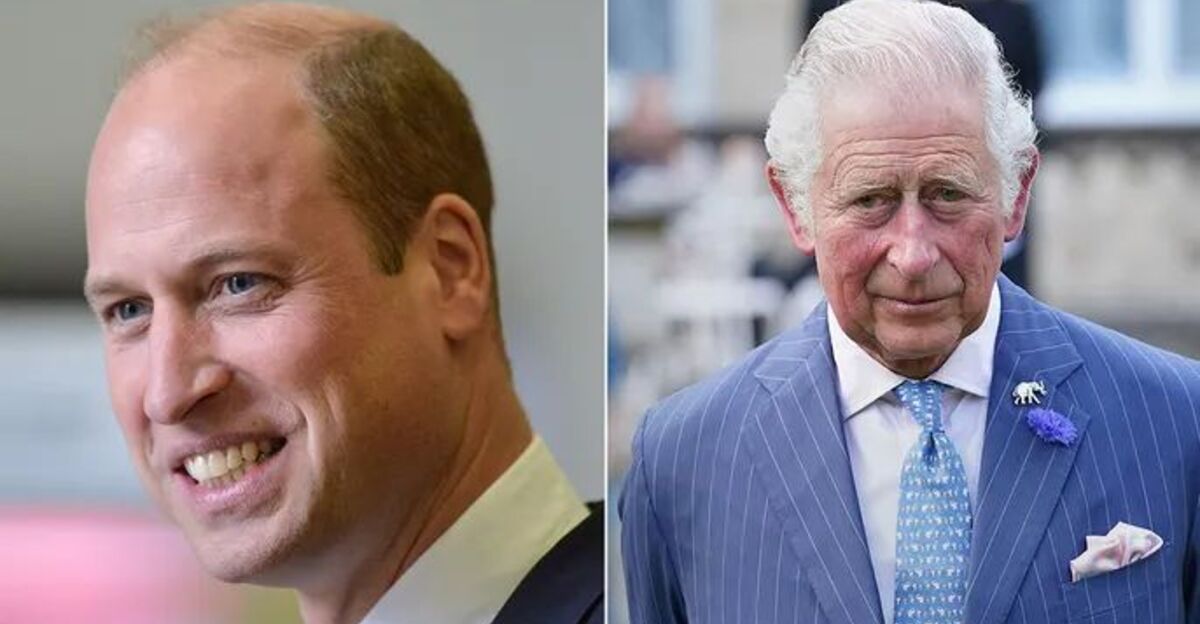
Inside the palace, sources described efforts to “push back” against portrayals of William as a “shadow king.” The king’s reported displeasure reflects concern that focus on the next reign could eclipse his own at a delicate time.
Advisors framed William’s role as that of a supportive heir assuming more visible duties while the sovereign undergoes treatment, rather than a rival center of power waiting in the wings.
Working Geography
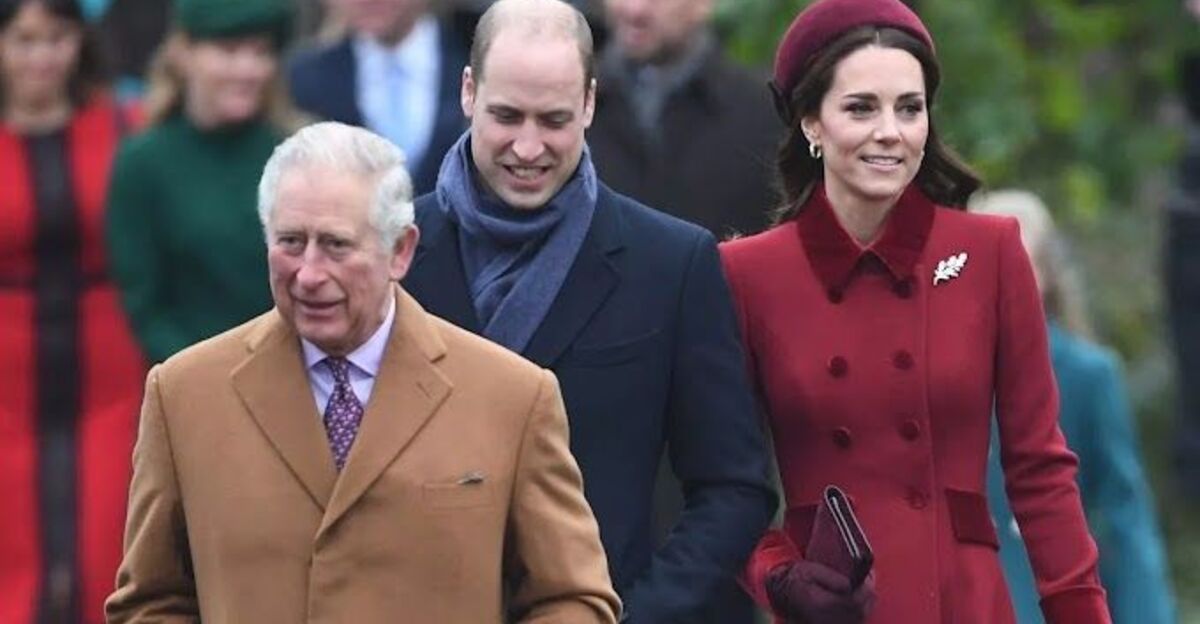
William and Catherine have increasingly based their family life at Adelaide Cottage near Windsor, rather than at Buckingham Palace, underscoring the evolving geography of royal life.
Some observers note this creates physical distance from the traditional court, while others see a deliberate attempt to build a more modern, family‑centered working model for a future king.
The arrangement reflects different priorities between generations, even as William’s public profile continues to grow.
Keeping the Show Running
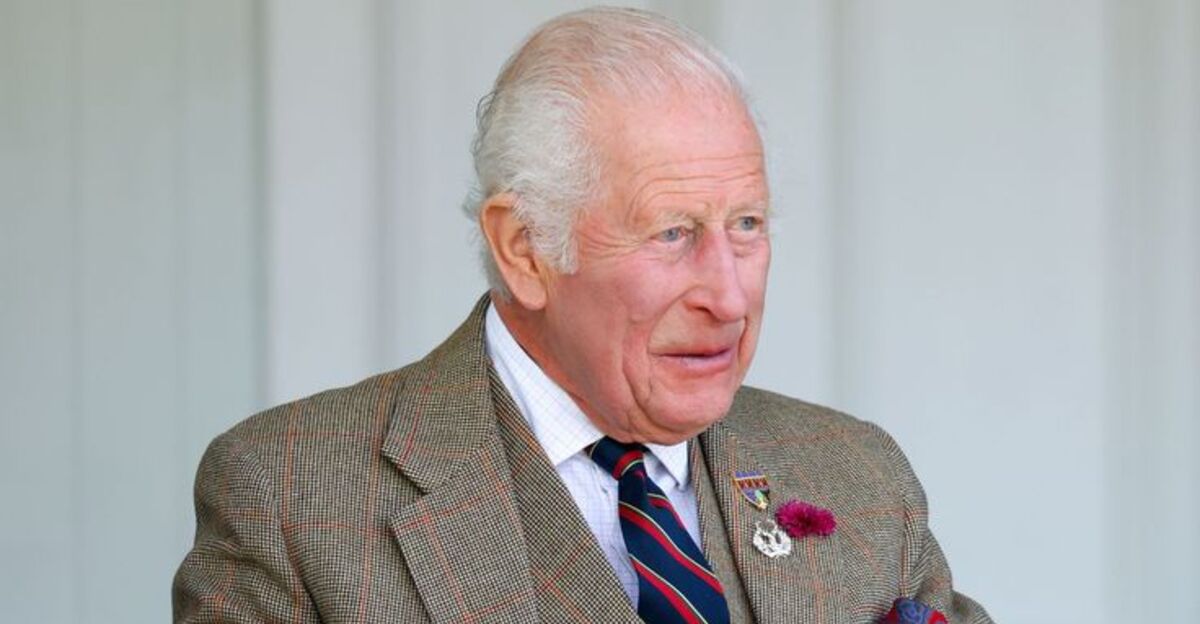
Courtiers say the internal mantra as 2026 approaches is to “keep the show on the road.” Despite treatment, Charles completed 532 engagements in 2025—earning recognition as the hardest-working royal of the year—and plans overseas travel tied to diplomacy and Commonwealth events.
This includes participation in the Commonwealth Heads of Government Meeting. The strategy aims to project steadiness, countering any sense of drift or informal regency.
Expert Caution
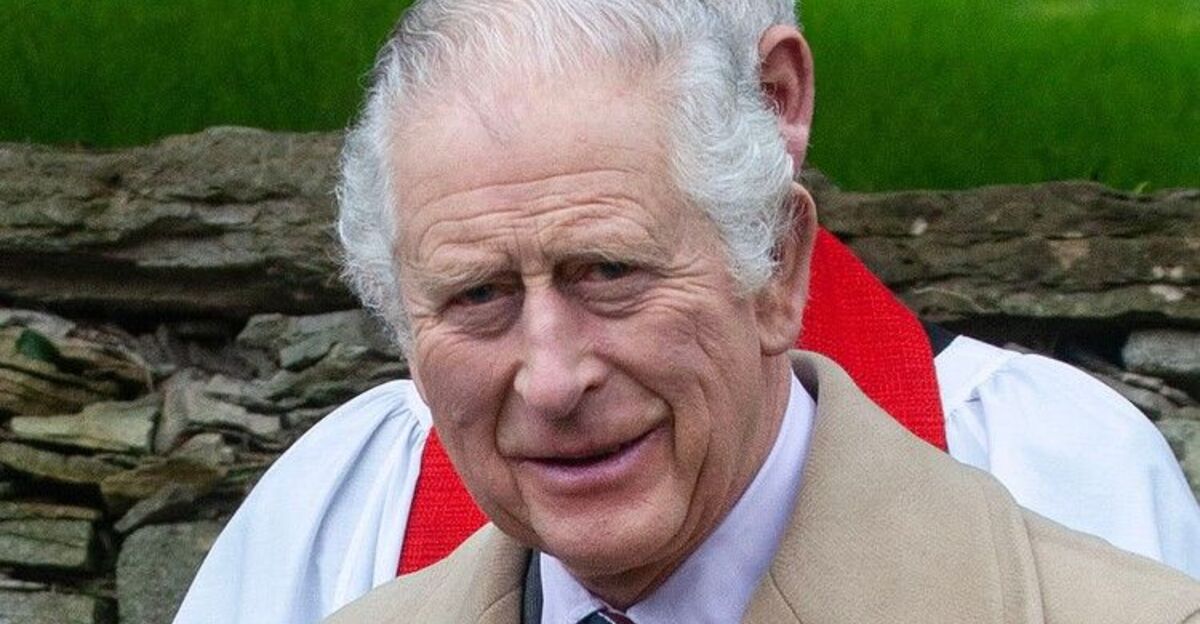
Royal commentators note that public fascination with a “shadow rule” can overstate internal tensions while still reflecting genuine unease about transition.
Analysts stress that there is no legal mechanism for William to share sovereignty unless a formal regency is declared, which has not happened.
Yet they acknowledge that strong palace denials, combined with leaked concerns, suggest real sensitivity over status and legacy at the top.
Future Focus
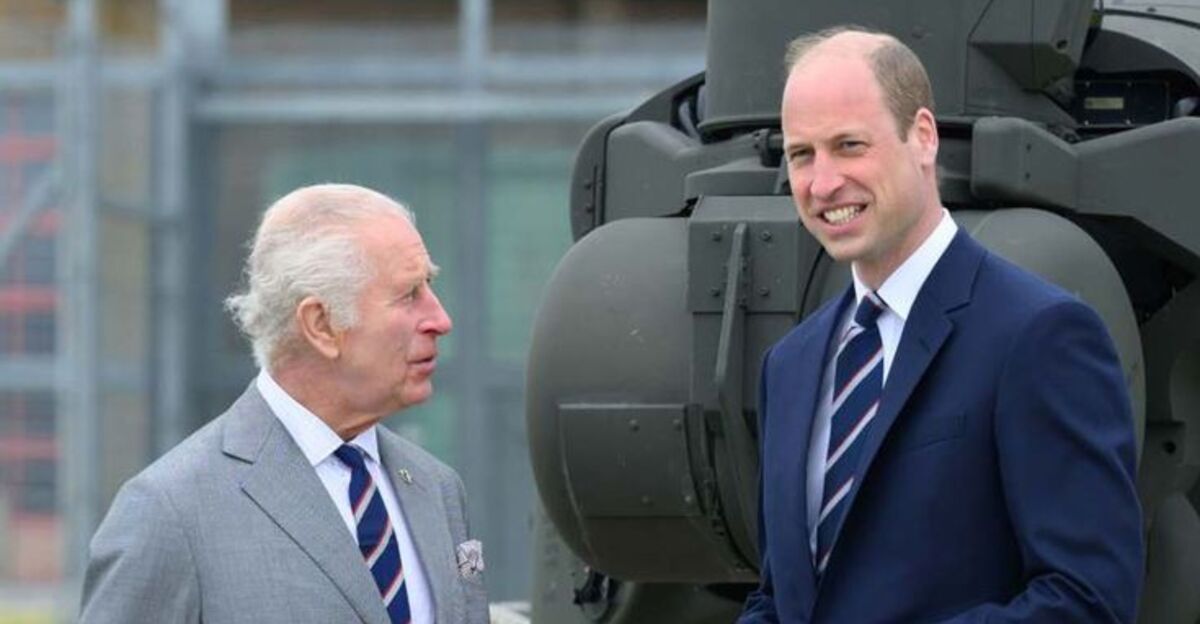
Looking ahead, the question is not whether William quietly runs the monarchy, but rather how the institution manages an extended, staged handover.
Charles’s health, Kate’s recovery following her September 2024 completion of chemotherapy, and the couple’s young family all shape expectations about how quickly William should, or will, assume more weight.
The palace must strike a balance between transparency, constitutional clarity, and public reassurance without appearing to undermine the current king’s authority.
Political Optics
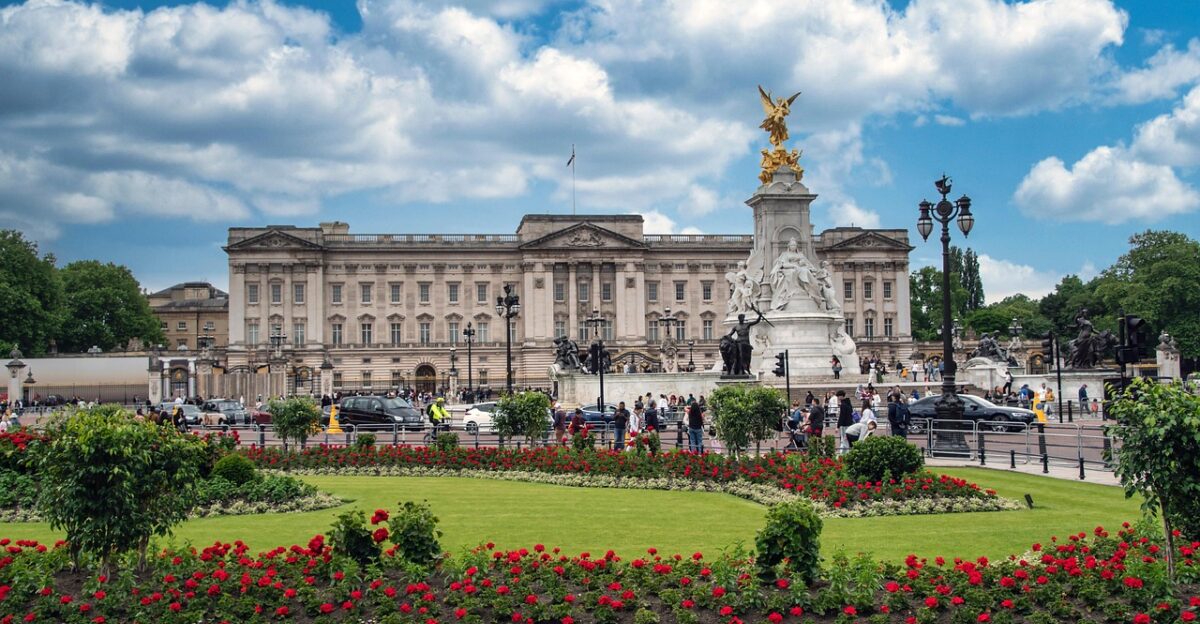
Politically, a visibly active monarch undergoing treatment helps shore up confidence in Britain’s unwritten constitution, where the sovereign plays a critical ceremonial role.
Any perception that an unelected heir is wielding undeclared influence could invite questions in Parliament and among constitutional scholars, especially as the U.K. navigates domestic challenges and its post‑Brexit global position, making clarity over who decides what more than a palace issue.
Commonwealth Signals
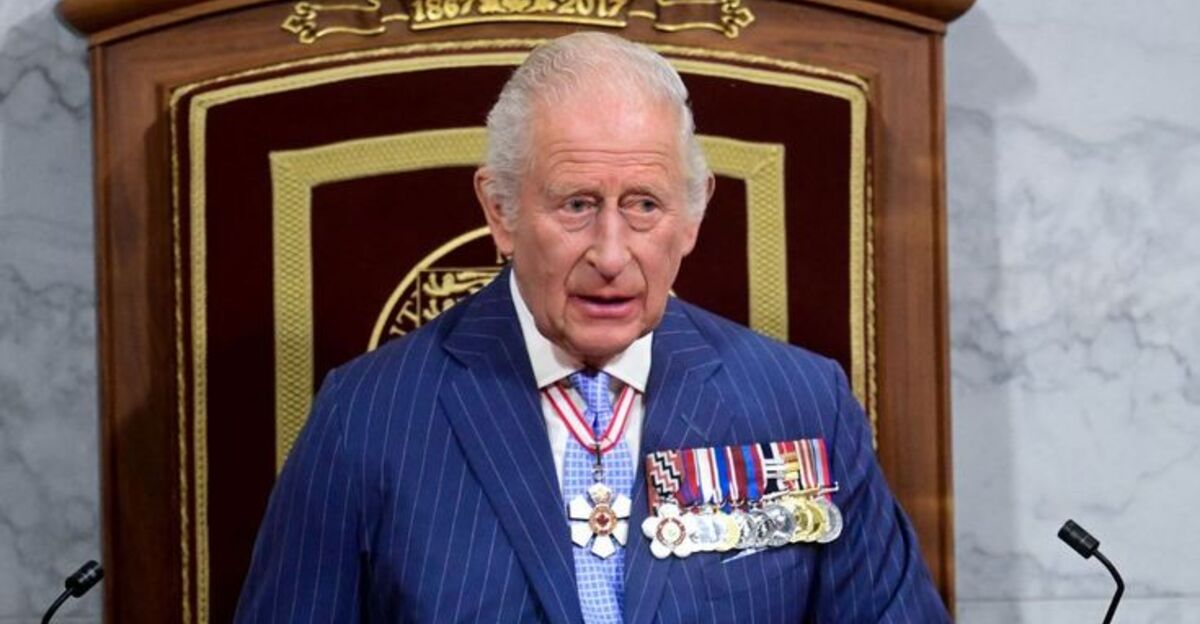
Abroad, Charles’s planned engagement with Commonwealth realms in 2026 carries added weight. The Commonwealth Heads of Government Meeting presents an opportunity to address intensifying republican debates in certain areas.
Advisers say his approach is to encourage “calm, adult discussions” about history and future ties, but any hint of divided leadership at home could complicate how those conversations unfold.
Governance and Accountability
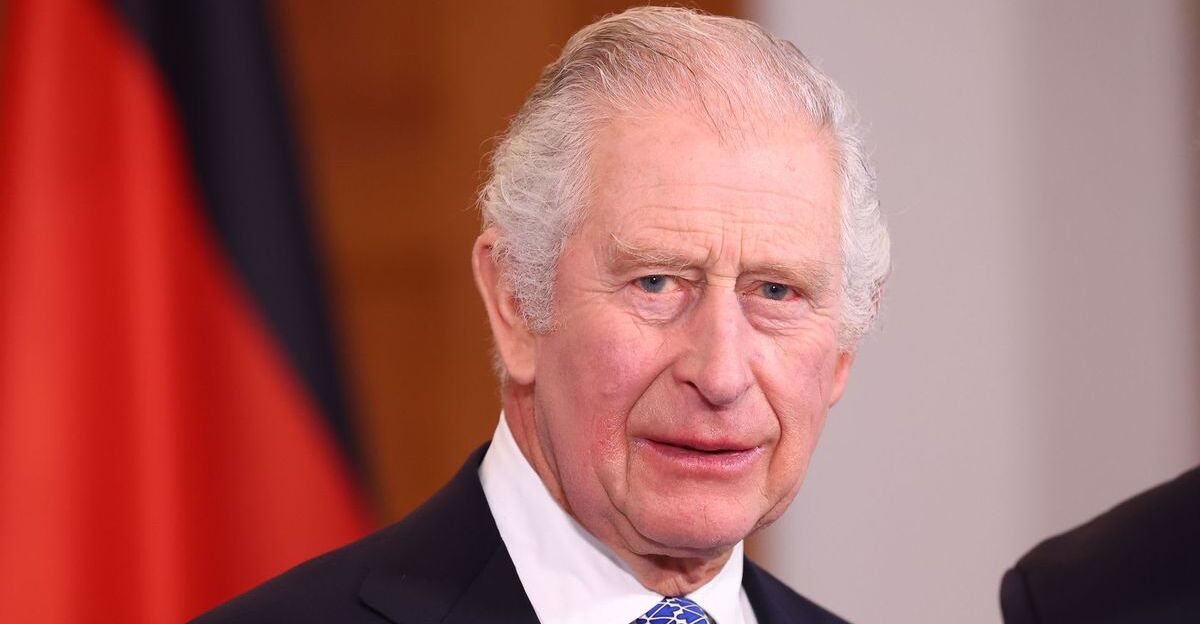
Although there is no current legal controversy, the “shadow rule” narrative raises broader concerns about transparency in royal decision-making.
Buckingham Palace traditionally discloses little about its internal deliberations, including on issues such as Andrew’s status or security arrangements.
As the monarchy leans more on informal influence and family negotiations, calls for clearer lines of accountability may gradually intensify.
Shifting Royal Culture
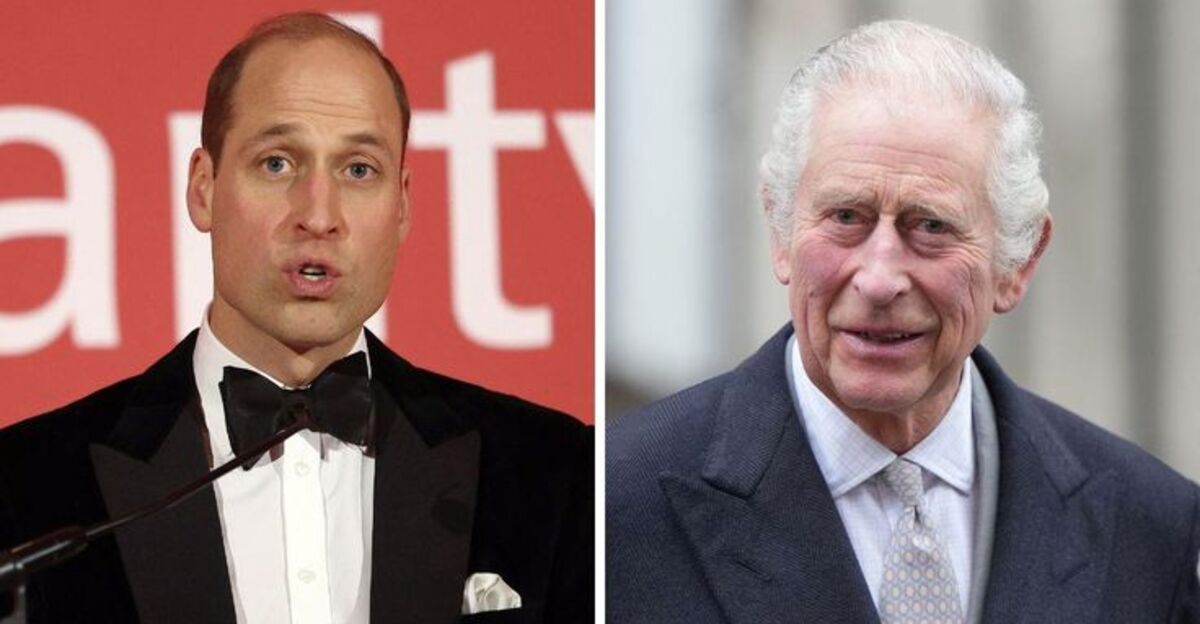
Culturally, Charles and William embody different instincts: a king steeped in traditional palace systems and an heir who has expressed concerns about aspects of the palace “ecosystem.”
Sources indicate that William seeks a working life centered on stability for his children and a more focused public impact.
That generational contrast fuels public curiosity and creates fertile ground for rumors about who is really setting the tone and priorities of the Crown.
Monarchy at a Crossroads
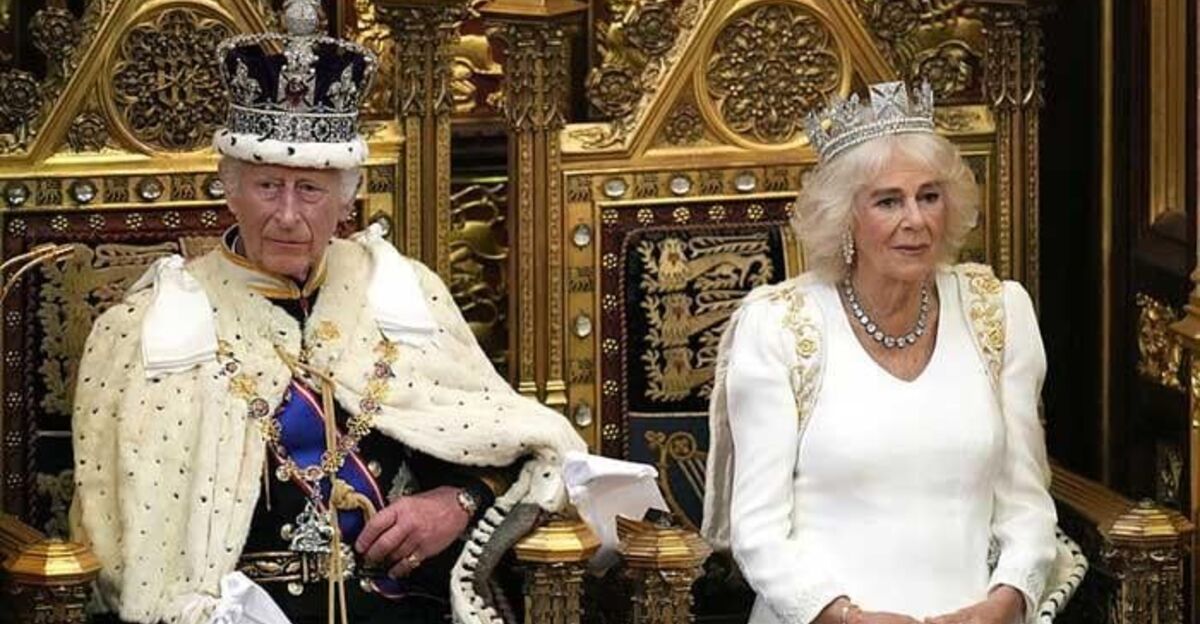
The controversy over “shadow rule” ultimately highlights a monarchy in transition, led by a 77‑year‑old king confronting cancer yet determined not to be defined by it.
As palace insiders rebut talk of a “shadow king,” the institution is quietly testing how to share workload, shape succession expectations, and protect its image.
How Charles and William navigate that balance—with clear constitutional authority remaining with the King—may do more to define this reign than any single rumor.
Sources:
Us Weekly via MSN – “King Charles Is Apparently ‘Not Thrilled’ With Reports That Prince William Is Running Things From the Shadows” – Dec 2024
Royal Household (Royal.uk) – “The Role of the Monarchy” – Reference
Royal Household (Royal.uk) – “The King” – Reference
Royal Household (Royal.uk) – “Queen Elizabeth II” – Reference
Royal Household (Royal.uk) – “Succession” – Reference
ABC News – “King Charles III says he is reducing cancer treatment schedule in 2026, stresses importance of early detection” – 6 Dec 2025