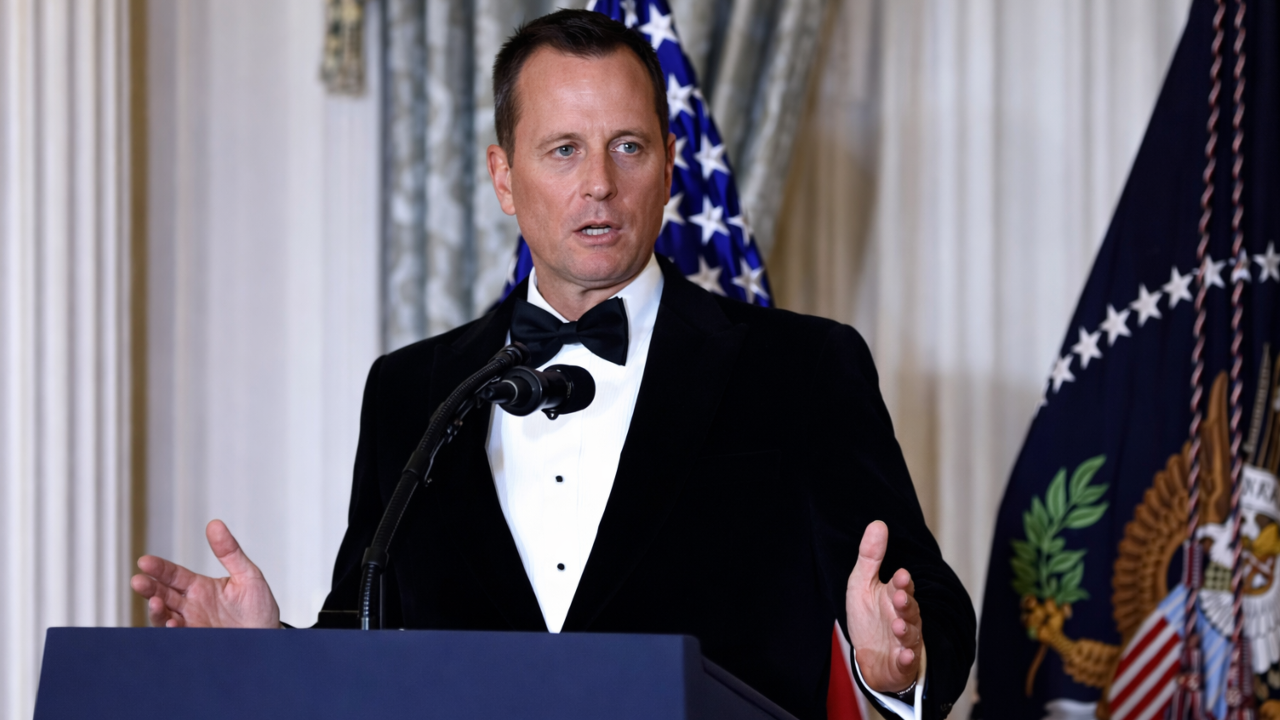
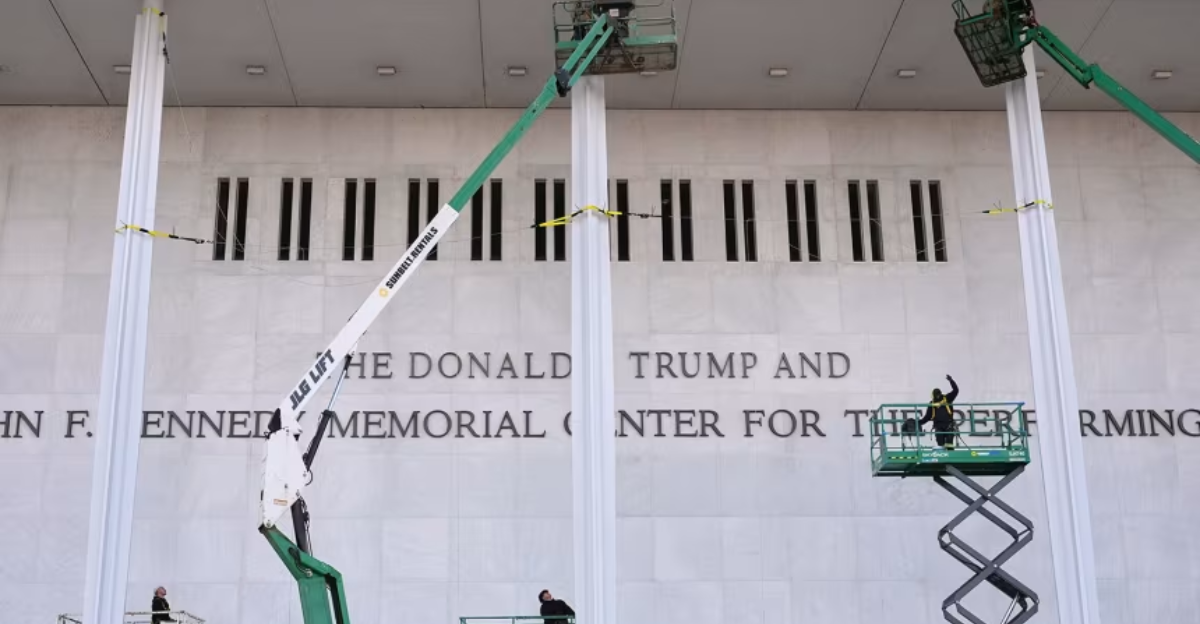
On December 24, 2025, jazz vibraphonist Chuck Redd stood at a crossroads after hosting the Kennedy Center’s Christmas Eve Jazz Jams for 19 consecutive years. He canceled after discovering the Kennedy Center had been renamed “The Donald J. Trump and The John F. Kennedy Memorial Center for the Performing Arts.” Grenell responded with a formal letter demanding $1 million in damages, and the fallout quickly spread.
When A Tradition Met Political Change

Chuck Redd had been the face of the Kennedy Center’s Christmas tradition since 2006, following a jazz master who had started the free concert decades earlier. He played alongside student musicians in an annual ritual that defined the holiday season at America’s premier arts venue. This year would be different, and the reasons traced back to turmoil building since February 2025.
Trump’s February Takeover Changed Everything
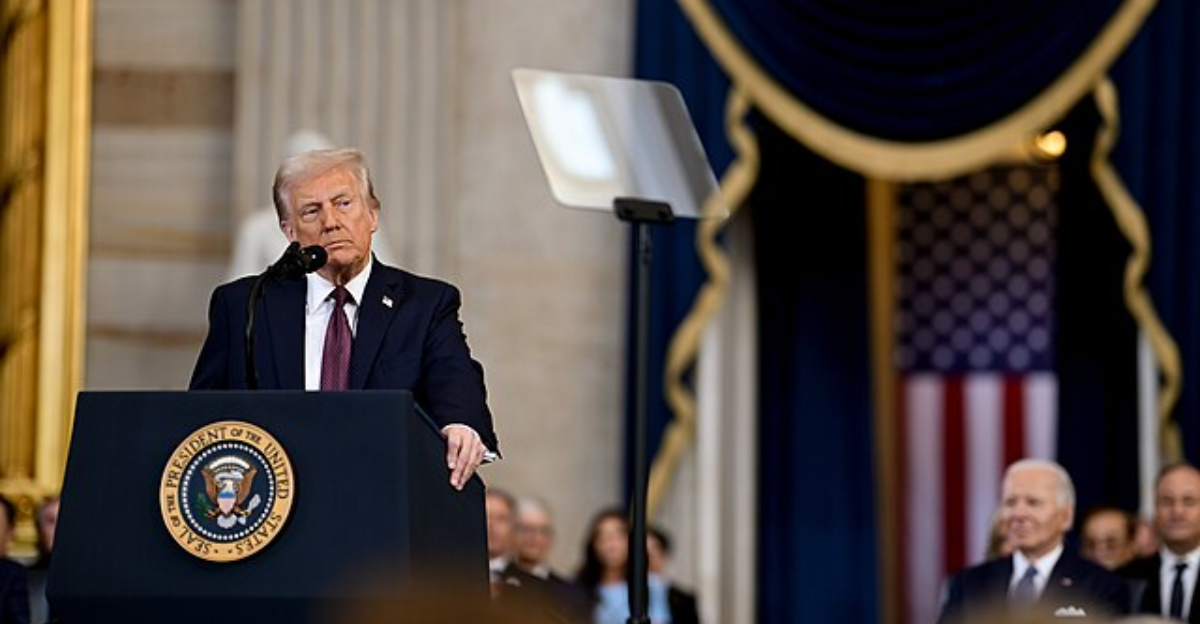
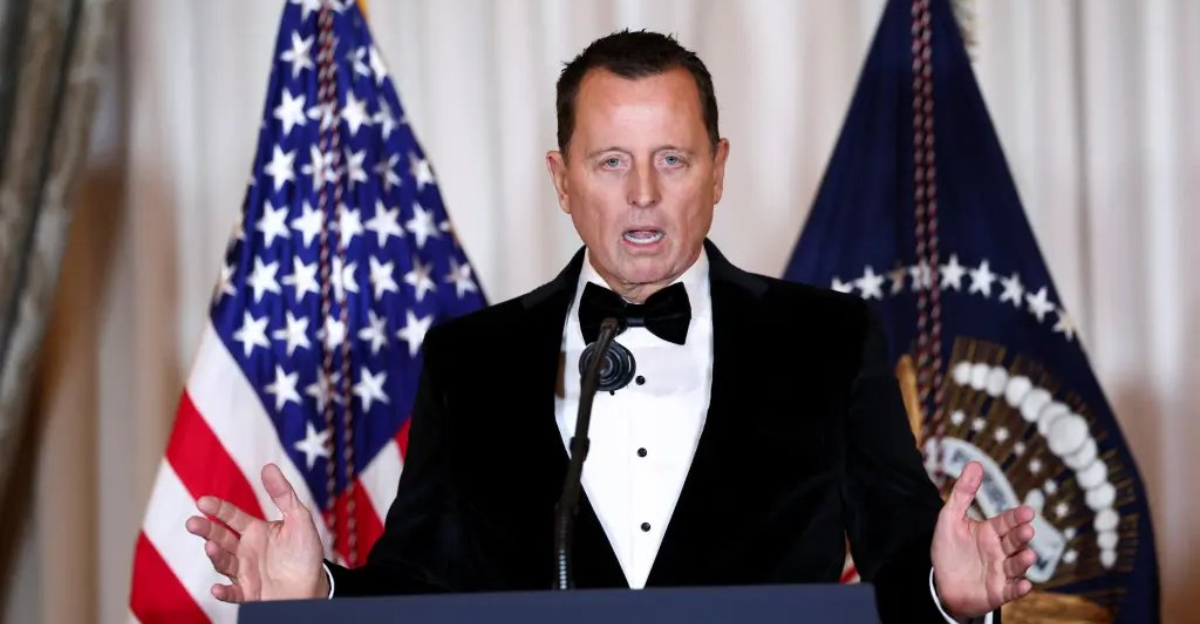
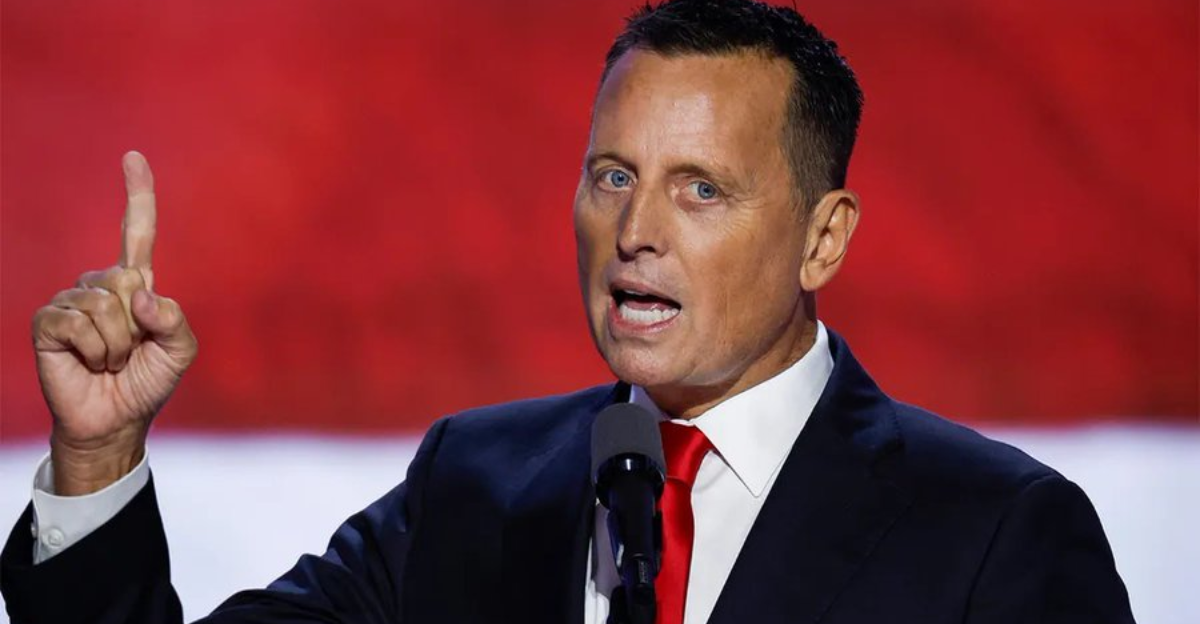
President Trump moved fast after the January 20 inauguration, firing Kennedy Center board members and installing himself as chairman, the first sitting president to hold that role. He appointed loyalists, including Susie Wiles, Pam Bondi, and Usha Vance. Trump tapped Richard Grenell as interim president, stunning the staff and the arts community with the speed at which power shifted.
The Mission Changed: “No More Drag Shows”
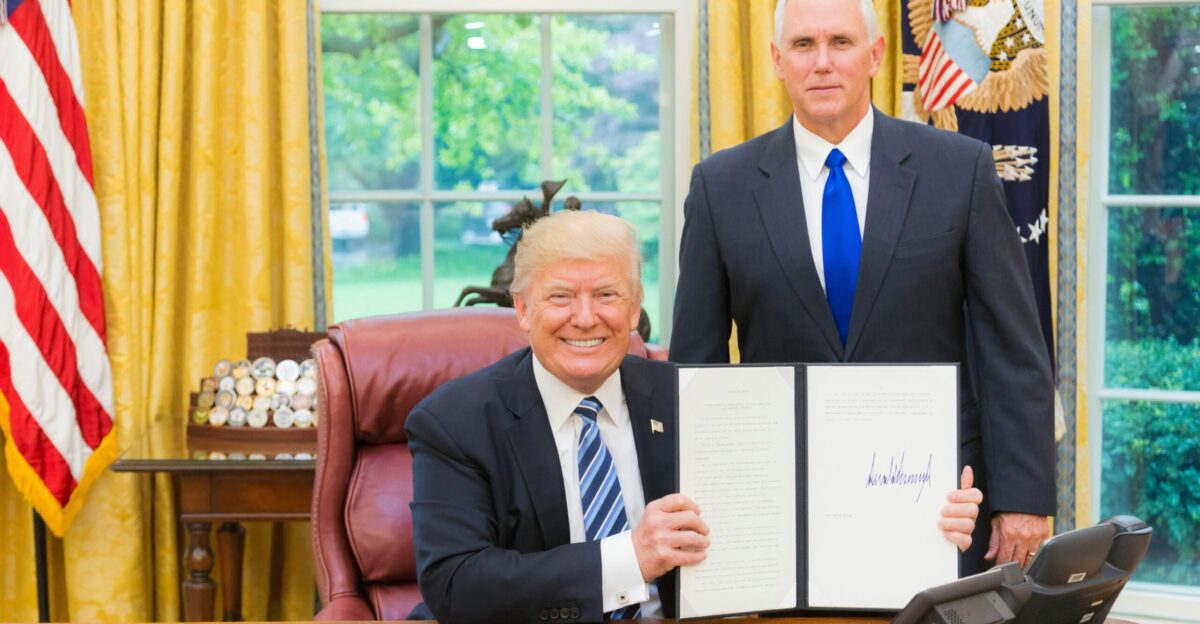
Trump made his cultural intentions clear online, declaring, “Just last year, the Kennedy Center featured Drag Shows specifically targeting our youth — THIS WILL STOP.” He vowed to eliminate what he called “anti-American propaganda” and replace it with programming celebrating “America’s great values.” Pride events were canceled or relocated, and Social Impact was dismantled with 7 layoffs, sharpening the chill.
Artists Started Fleeing by Summer
“Hamilton” was first to pull out when producer Jeffrey Seller canceled its 2026 run in March 2025. Seller said the center “can no longer be a part of an institution that has been forced by external forces to betray its mission as a national cultural center.” Issa Rae, Rhiannon Giddens, and Ben Folds followed, suggesting the damage was spreading.
December’s Bombshell: The Renaming Vote
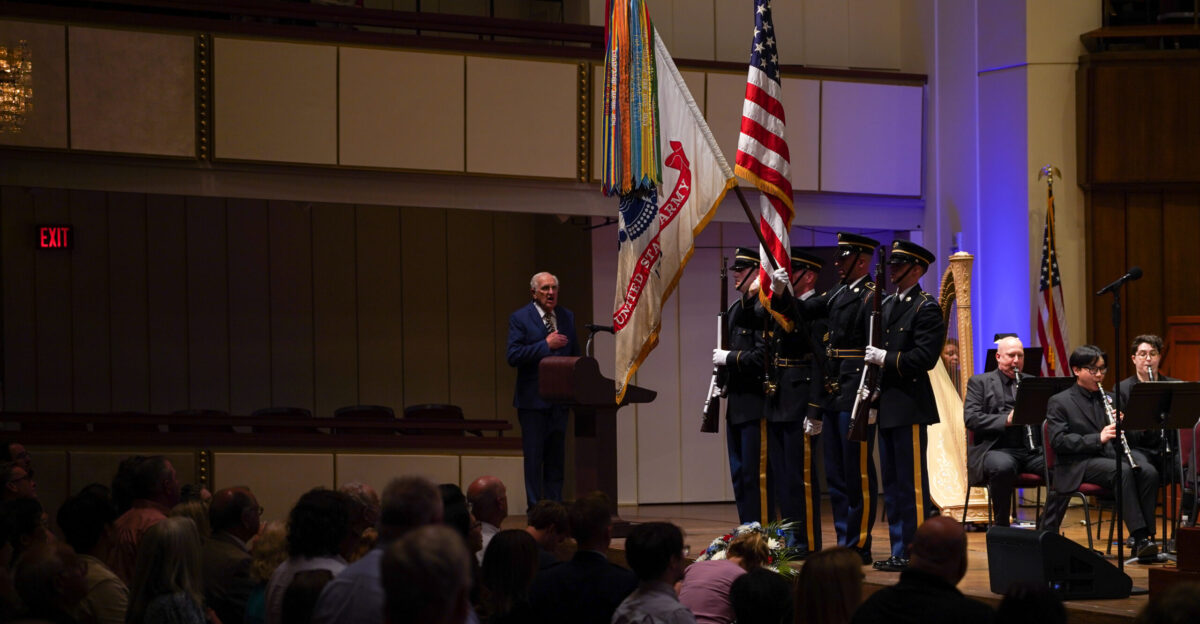
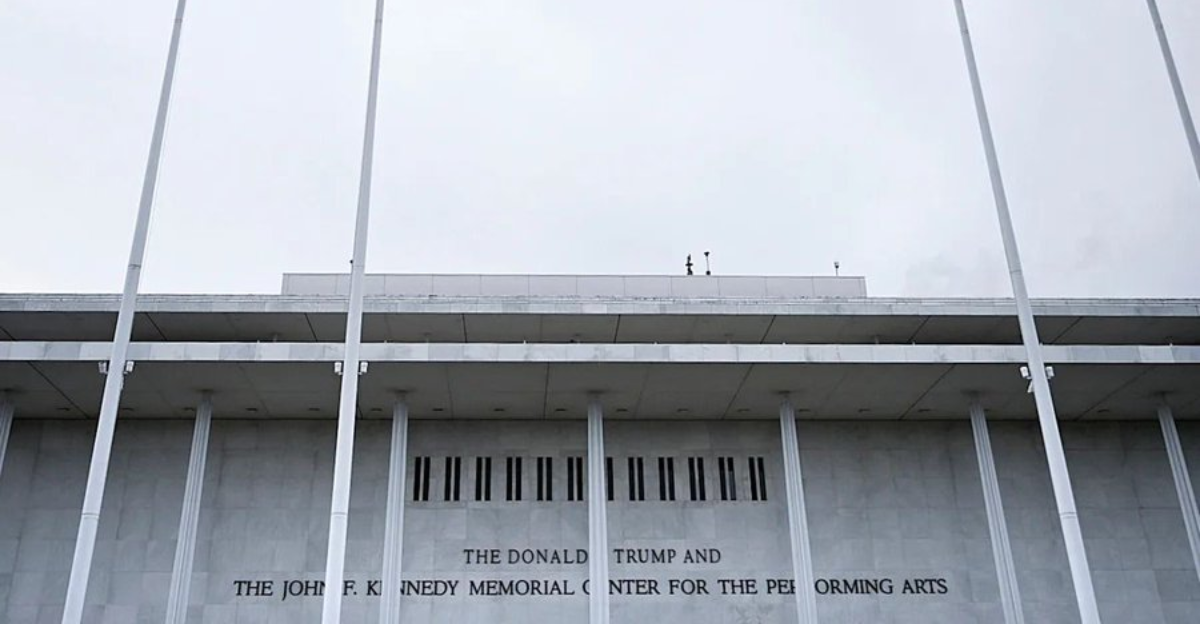
On December 18, 2025, the Trump-controlled board voted to rename it “The Donald J. Trump and The John F. Kennedy Memorial Center for the Performing Arts.” The White House said the vote was “unanimous,” but Rep. Joyce Beatty disputed it: “I was muted on the call and not allowed to speak or voice my opposition.” Workers installed Trump’s name outside the next day.
Chuck Redd’s Conscience-Based Stand
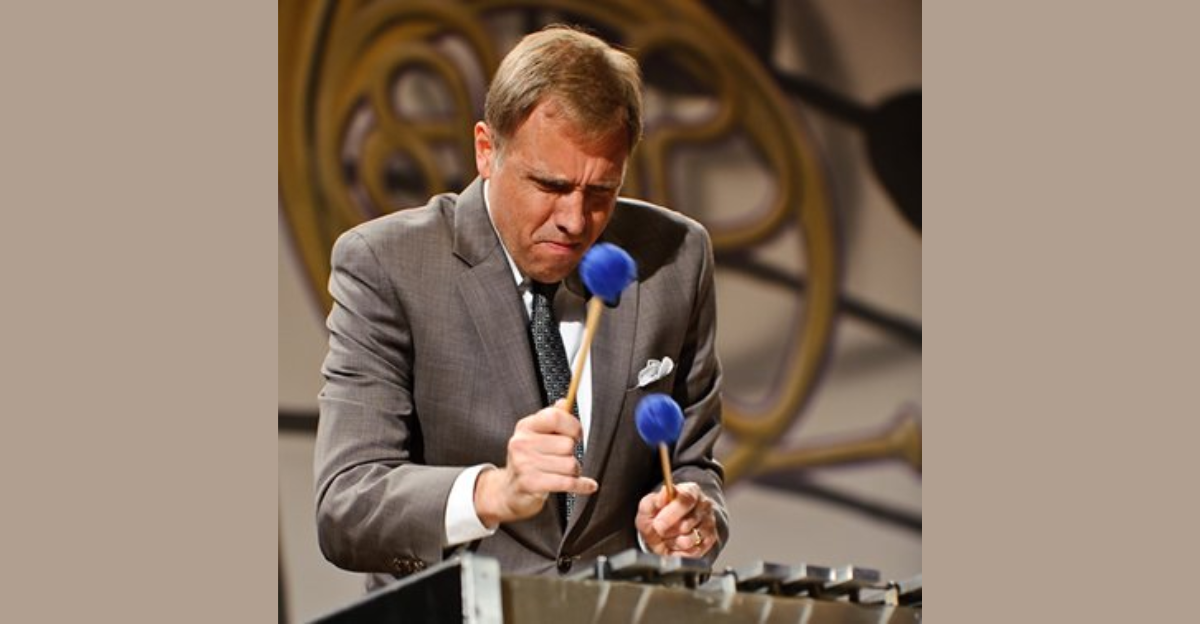
When Chuck Redd saw Trump’s name on the Kennedy Center website and then on the building itself, he reached a breaking point. “When I saw the name change on the Kennedy Center website and then hours later on the building, I chose to cancel our concert,” Redd told the Associated Press on December 24, 2025. He walked away from a nearly 2-decade tradition, and the response was swift.
The $1 Million Threat That Backfired
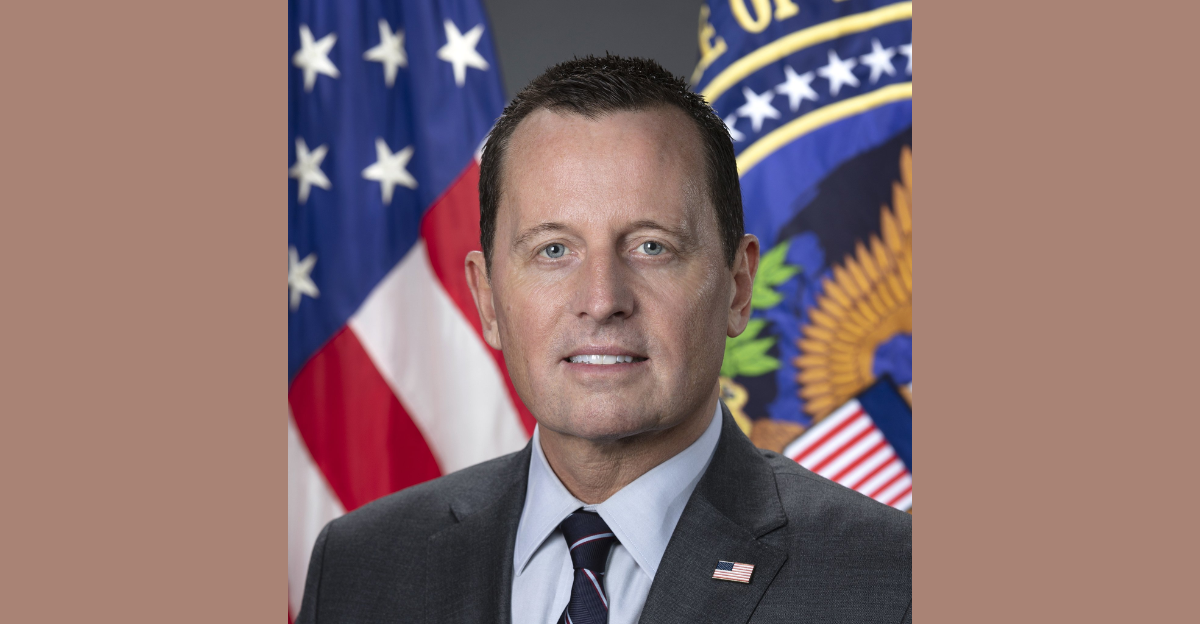
2 days after the cancellation, Grenell sent a formal letter threatening a $1 million lawsuit for what he called Redd’s “political stunt.” It accused Redd of “classic intolerance” and blamed “dismal ticket sales” and “lack of donor support.” But Redd’s concert was free, generating $0 ticket revenue, making the damages claim seem detached from reality. Would other artists be silenced?
Instead of Silencing, It Sparked an Exodus
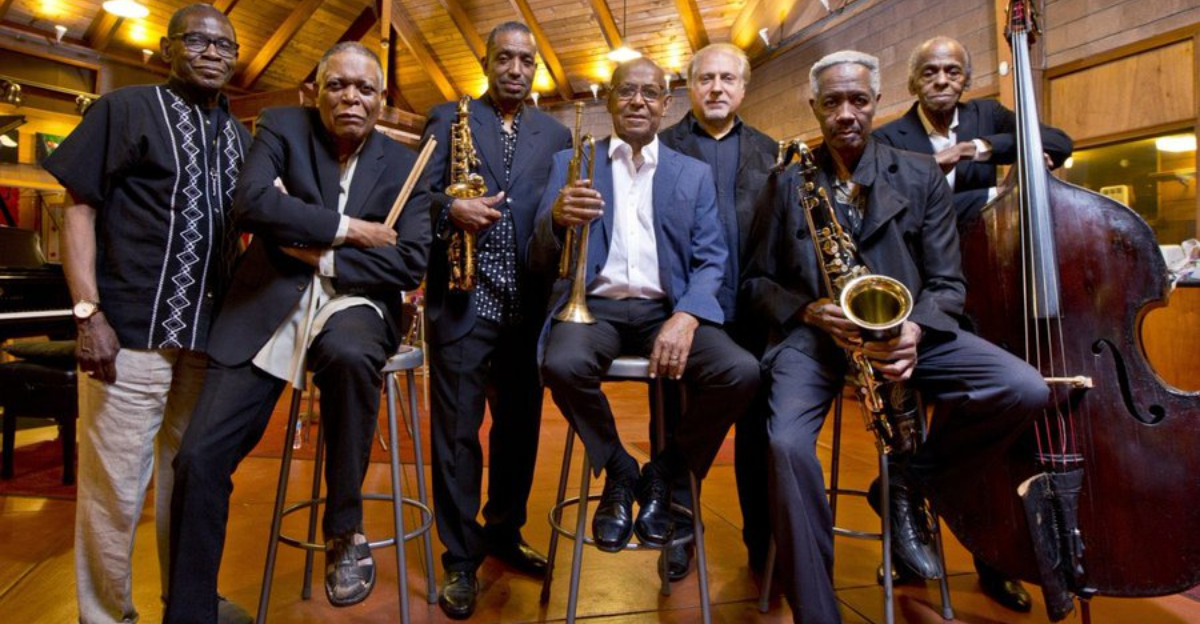
The threat triggered more cancellations. The Cookers dropped 2 New Year’s Eve performances, writing “Jazz was born from struggle and from a relentless insistence on freedom,” in their December 31, 2025 announcement. Doug Varone and Dancers canceled April dates despite losing $40,000 in revenue: “It is financially devastating but morally exhilarating.” Stephen Schwartz also withdrew, and momentum continued to build.
The Ratings Disaster That Preceded Everything
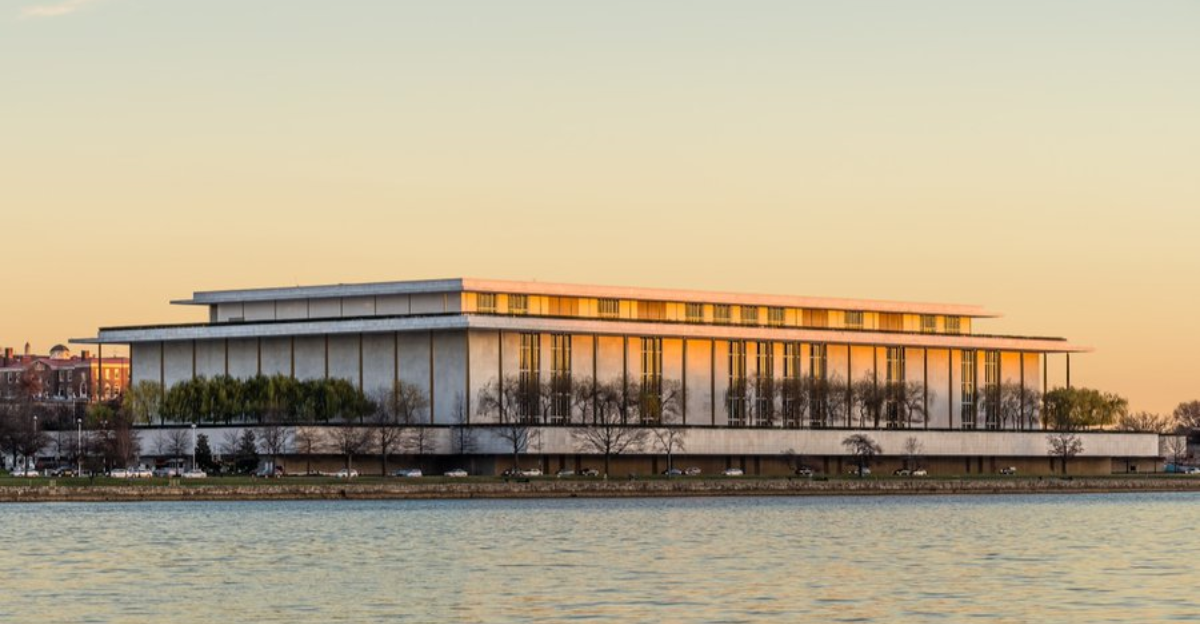
Before the renaming, the Kennedy Center Honors broadcast on December 23, 2025, hit record lows with 3.01 million viewers, down 26% from 4.1 million the prior year. It was the lowest viewership in broadcast history despite Trump predicting “the highest-rated show that they’ve ever done.” The numbers suggested audiences were already recoiling from politicization, and the broader finances looked worse.
Ticket Sales Collapsed Catastrophically
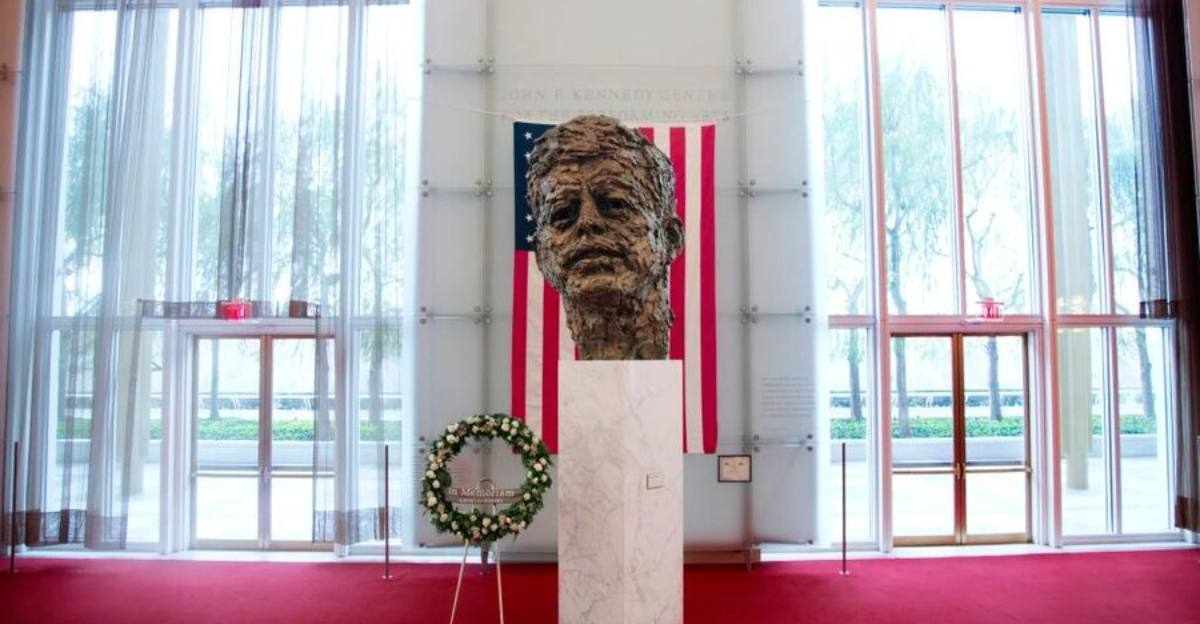
From September 3 to October 19, 2025, 43% of seats in the three largest venues went unsold, compared with 7% during the same period in 2024. The Nutcracker, once a staple, sold only 10,000 seats across 7 performances versus 15,000 per performance previously. The collapse was measurable, not theoretical, as patrons stayed away and artists followed. Could leadership still claim control?
But The Kennedy Center Claimed Different Numbers
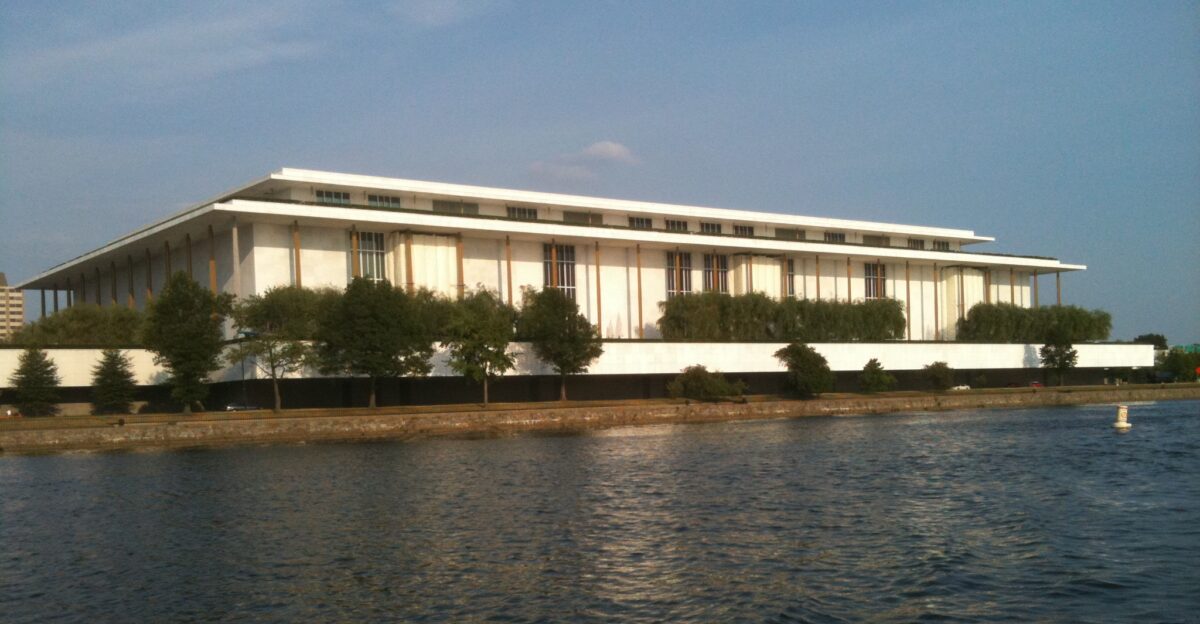
Trump-appointed CFO Donna Arduin said the center had a “$100 million operating deficit” and was “$40 million in debt” . Staff disputed the framing, noting the $100 million figure excluded donations, grants, and endowment support, key nonprofit revenue sources. Tax filings showed a $6 million profit for fiscal year 2023 on $286 million revenue. The split narrative fueled suspicion about motive.
Congress Said the Renaming Violated Federal Law
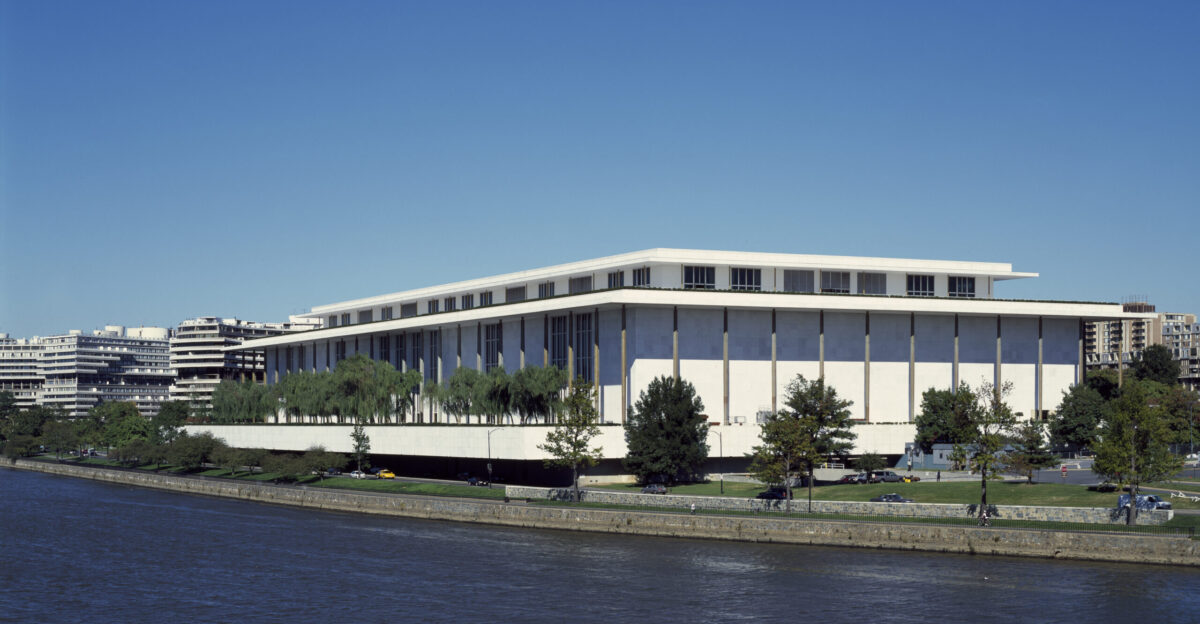
Rep. Joyce Beatty, represented by Norman Eisen, sued Trump on December 22, 2025, arguing the renaming violated the 1964 statute establishing the Kennedy Center as a living memorial to President Kennedy. The law said “no additional memorials or plaques in the nature of memorials shall be designated or installed” without congressional approval. Beatty’s filing said, “The President and his sycophants have no lawful authority to rename the Kennedy Center.” Would courts agree?
The Kennedy Family Spoke Out Against The Name
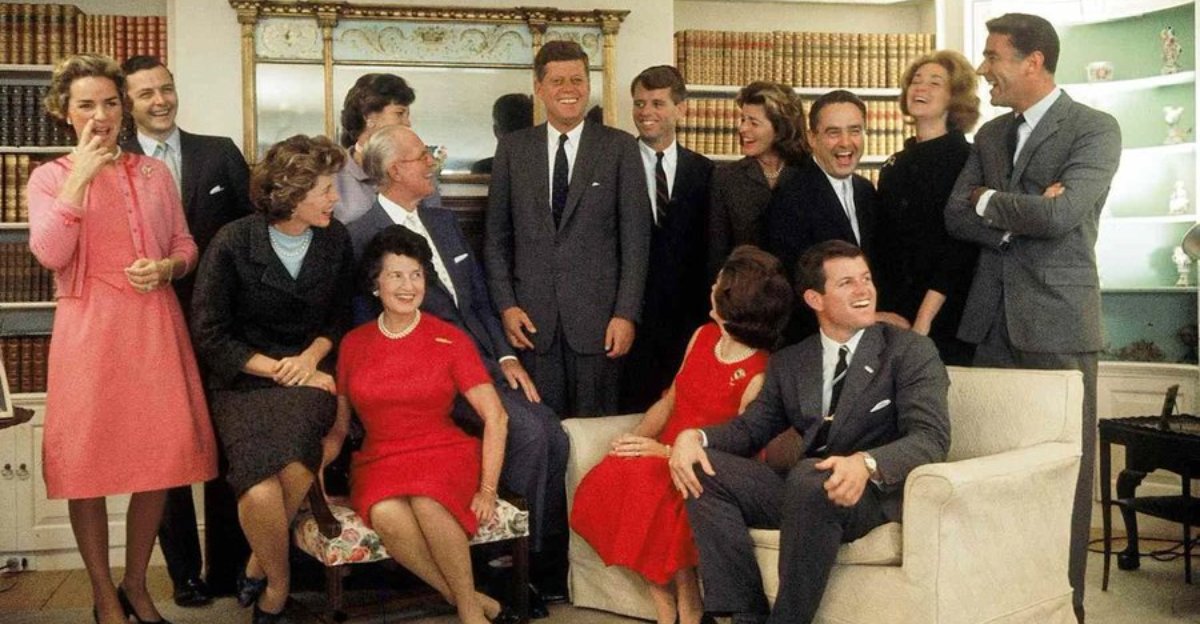
Kennedy family members opposed the renaming publicly. “It is beyond comprehension that this sitting president has sought to rename this great memorial dedicated to President Kennedy,” Maria Shriver wrote in December 2025. Kerry Kennedy posted, “Three years and one month from today, I’m going to grab a pickax and pull those letters off that building. Are you in?” Jack Schlossberg questioned legality. Their response raised the stakes beyond politics alone.
The Legal Case Hinged on Presidential Authority
Trump and appointees argued the board could rename the institution, while challengers said only Congress could under the 1964 statute. Jonathan Turley wrote that “The statute does not expressly say that name changes are a memorial,” creating ambiguity. But he warned, “If a court agrees that the statute reflects a clear congressional intent to bar any change to the memorial, the question is how it can be challenged.” Would a judge settle it?
Over 70 Members Of Congress Demanded Reversal
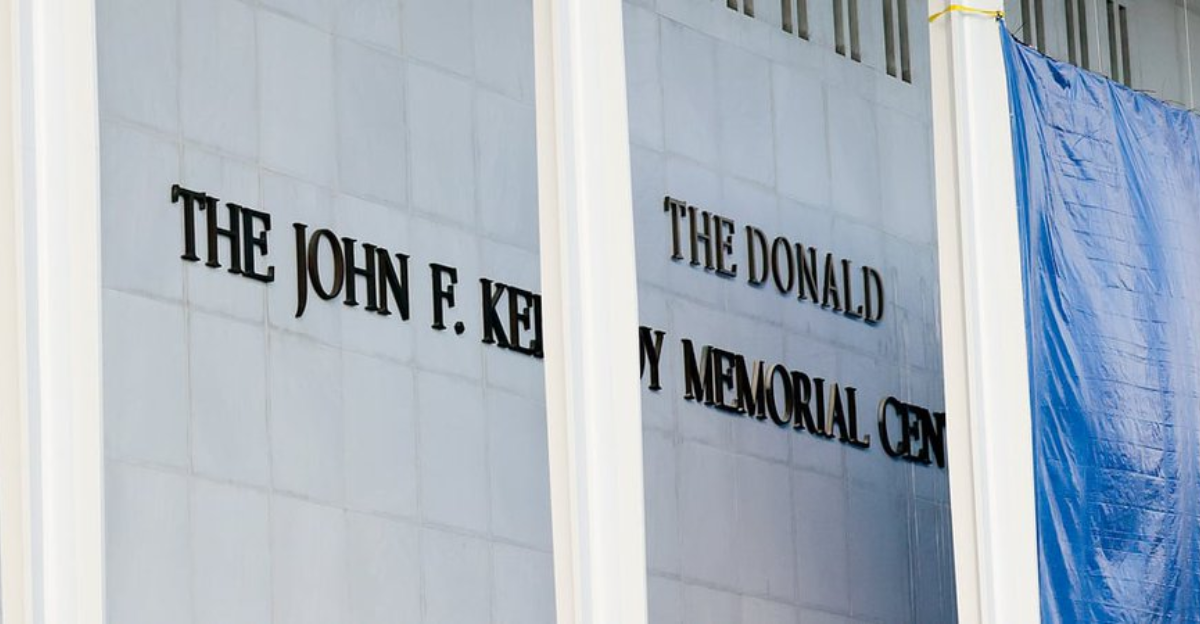
Rep. Chellie Pingree led more than 70 colleagues in a December 23, 2025, letter demanding that Trump remove his name, writing, “The Kennedy Center is a national cultural institution established by Congress, and no board vote nor social media post has the legal authority to change the name without an act of Congress.” The letter cited tanking sales and cancellations, promising to block the effort wherever possible. Yet internal pressure was also mounting.
Staff Unionized In Response To Chaos
Employees voted in May 2025 to unionize with the United Auto Workers, covering 172 staff members who said they wanted the center to remain “a beacon for bold, uncompromising art and education.” The move followed 37 firings after the takeover, including the VP of public relations and the senior VP of development. Workers sought “just cause” protections and freedom from partisan programming interference. Would labor action slow the upheaval?
The Lawsuit Against Redd Faces Serious Legal Problems
Legal experts questioned whether any $1 million claim could stand. Without a binding contract specifying damages for a free concert, the Kennedy Center would struggle to show actual harm. The performance generated $0 in ticket revenue, weakening any argument for financial loss. Analysis also noted courts “generally apply force majeure provisions narrowly and according to their specific terms,” so conscience objections might not qualify. If it were intimidation, would it still work?
The Kennedy Center Stands At A Crossroads
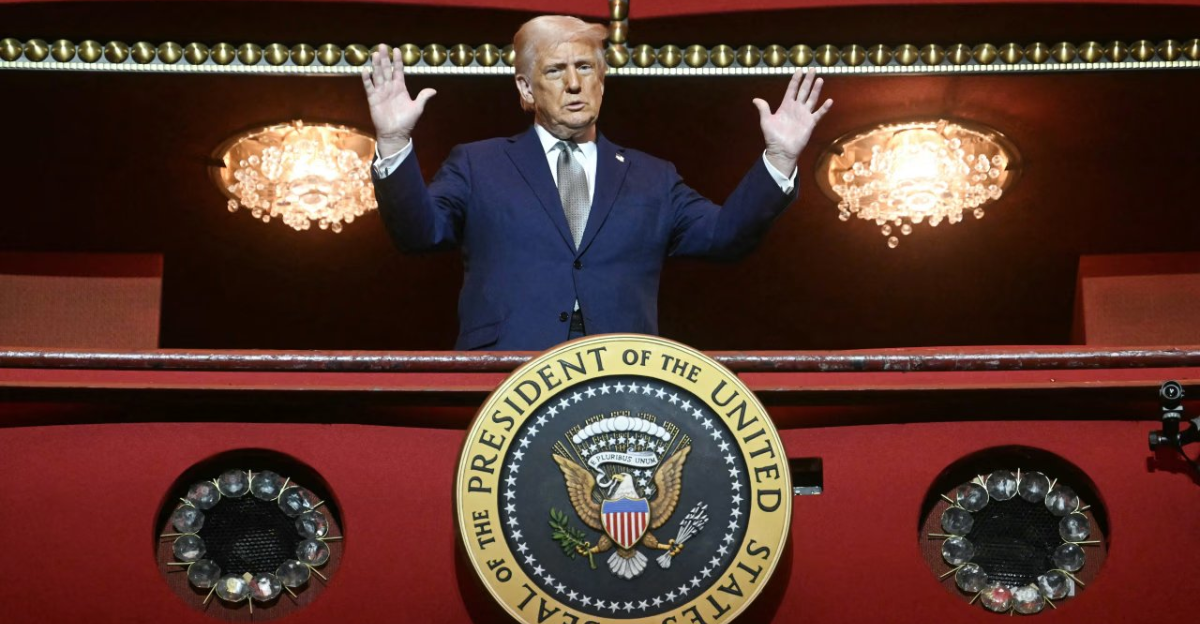
As of January 2026, the Kennedy Center continues to face declining ticket sales and ratings, a widening artist exodus, legal challenges to the renaming, staff unionization, donor uncertainty, and a lawsuit threat that appears politically counterproductive. The institution, a cultural ambassador for 55 years, faced questions about mission and recovery. Trump’s team insisted they were “saving” it, but evidence pointed to rapid institutional damage. Could anything still reverse the trajectory?
A Democracy Watches Culture Put To Trial
The Kennedy Center crisis became a test of whether American cultural institutions can stay independent from partisan control and whether statutory protections constrain executive power. Chuck Redd canceling 1 concert exposed how quickly cultural autonomy can fracture in a polarized era. The coming months would show whether courts, Congress, or public pressure can preserve the center’s historic mission, or if it becomes a lasting warning about institutional capture. One unresolved detail may decide it all.
Sources:
Artists cancel performances at Trump-Kennedy Center, citing ‘takeover’ by Trump administration. ABC News, December 30, 2025
New Lawsuit Challenges Illegal Renaming of the Kennedy Center. Washington Litigation Group, December 22, 2025
Letter from Congresswoman Chellie Pingree et al. to President Trump opposing Kennedy Center renaming. Congressional Record, December 23, 2025
Kennedy Center’s turbulent year ends with canceled New Year’s Eve shows and record-low ratings. San Francisco Chronicle, December 2025
Kennedy Center Board Votes to Change Its Name to Trump-Kennedy Center. The Washington Post, October 31, 2025