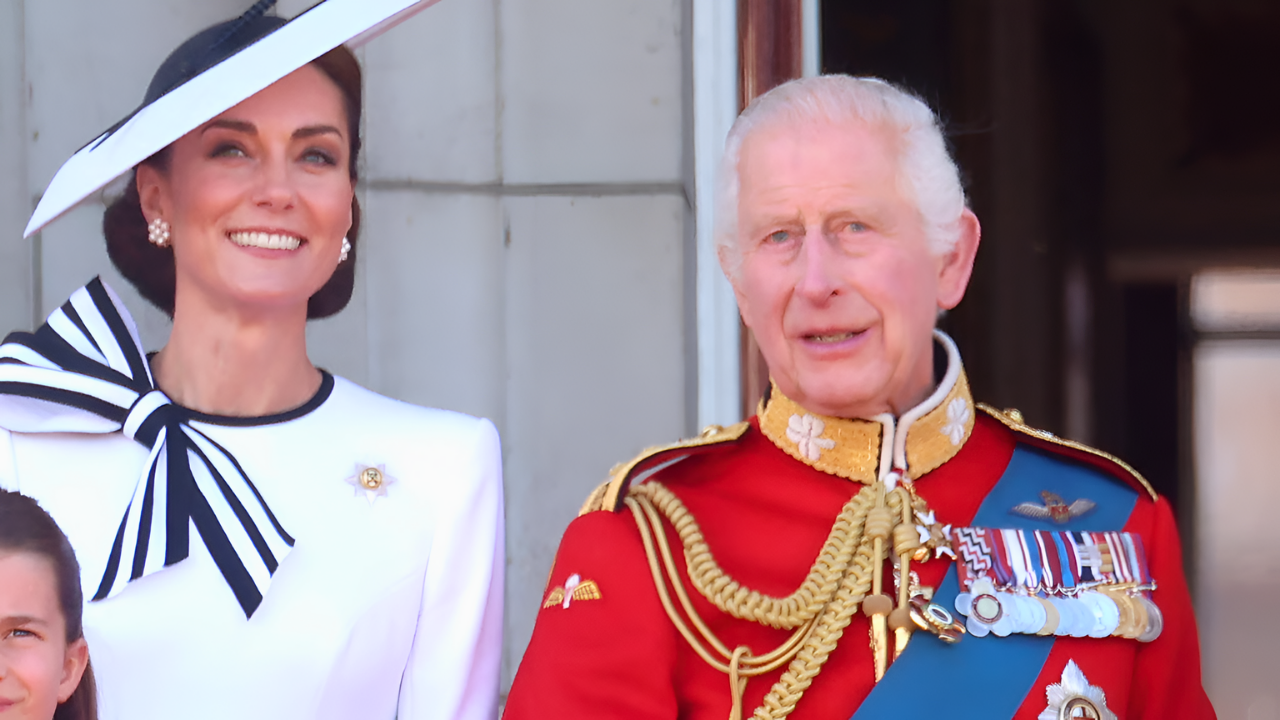
King Charles III and Queen Camilla have awarded nearly 600 Royal Warrants since taking the throne in 2022, boosting British brands with the coveted royal seal.
This gold-standard endorsement lets suppliers display Royal Arms for five years, signaling elite quality and often generating substantial commercial value.
Businesses nationwide eagerly seek this prestige, with potential implications for the monarchy’s commercial influence as more senior royals join the system.
Brands Chase Royal Nod
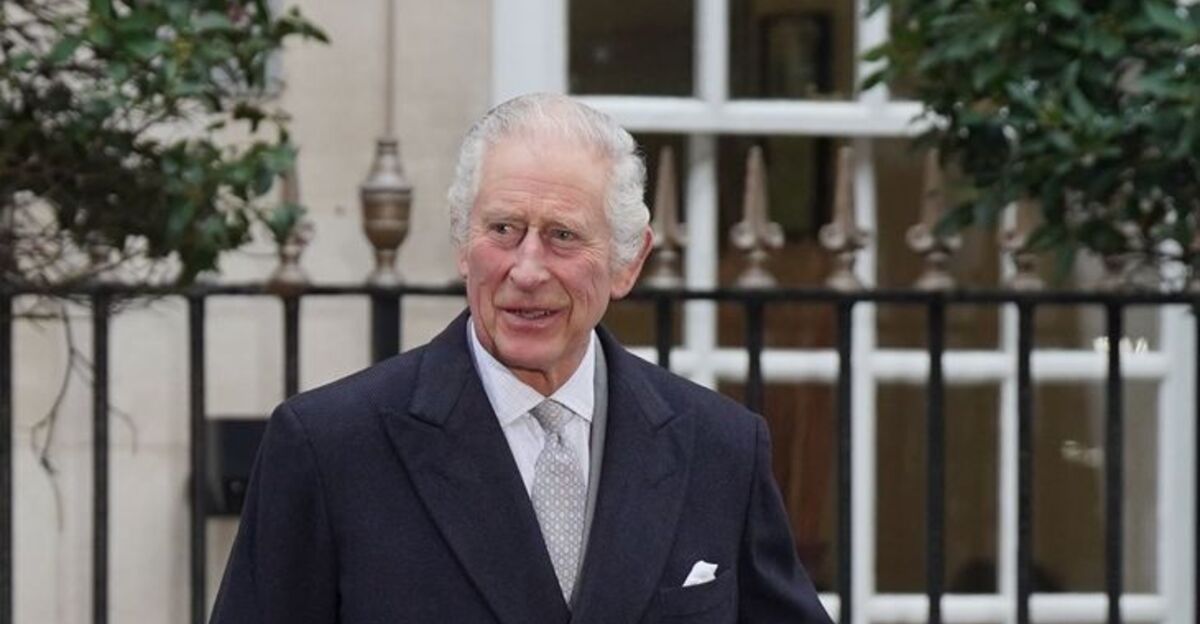
Over 800 companies currently hold active Royal Warrants, from Heinz to Burberry, transforming products into must-haves.
In the UK, this mark drives sales and trust, with applications intensifying since Charles became King in 2022.
Grantors remain tightly limited, raising the stakes for suppliers eyeing the next round of grants due in early 2026.
Warrants’ Royal Roots
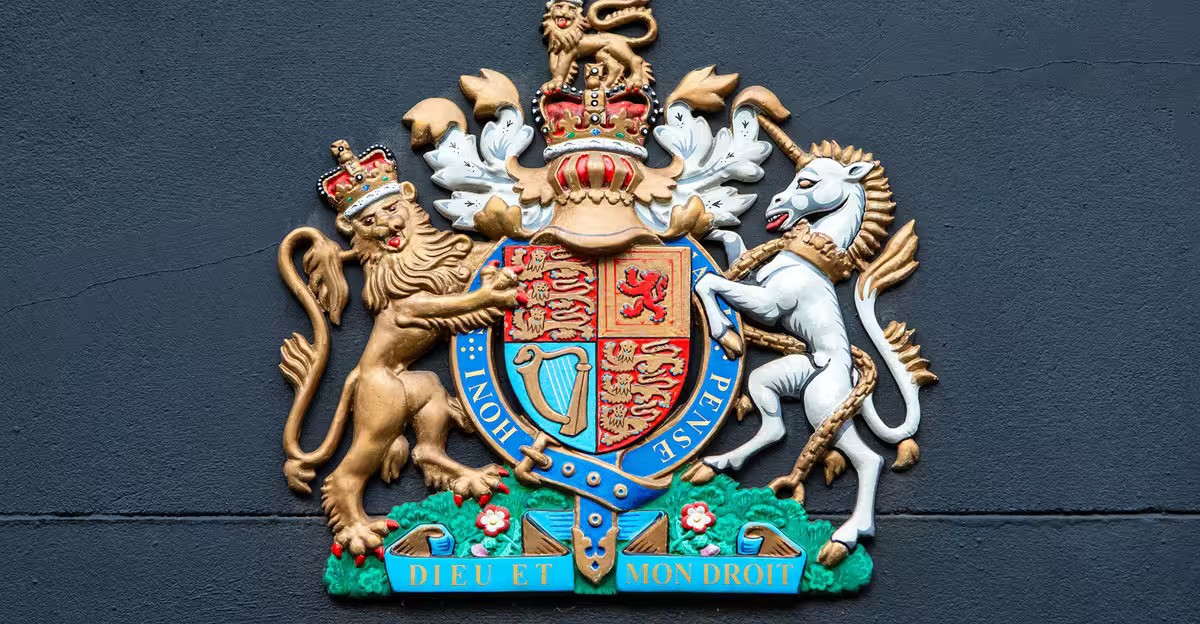
Royal Warrants date to the 15th century, formally recognizing suppliers to the British Royal Household. Grantees must provide goods or services on a regular, ongoing basis for at least five of the last seven years.
Traditionally, only the monarch and consort such as Queen Elizabeth II granted them from Buckingham Palace, quietly shaping UK industry for centuries.
Modern Monarch Boosts List
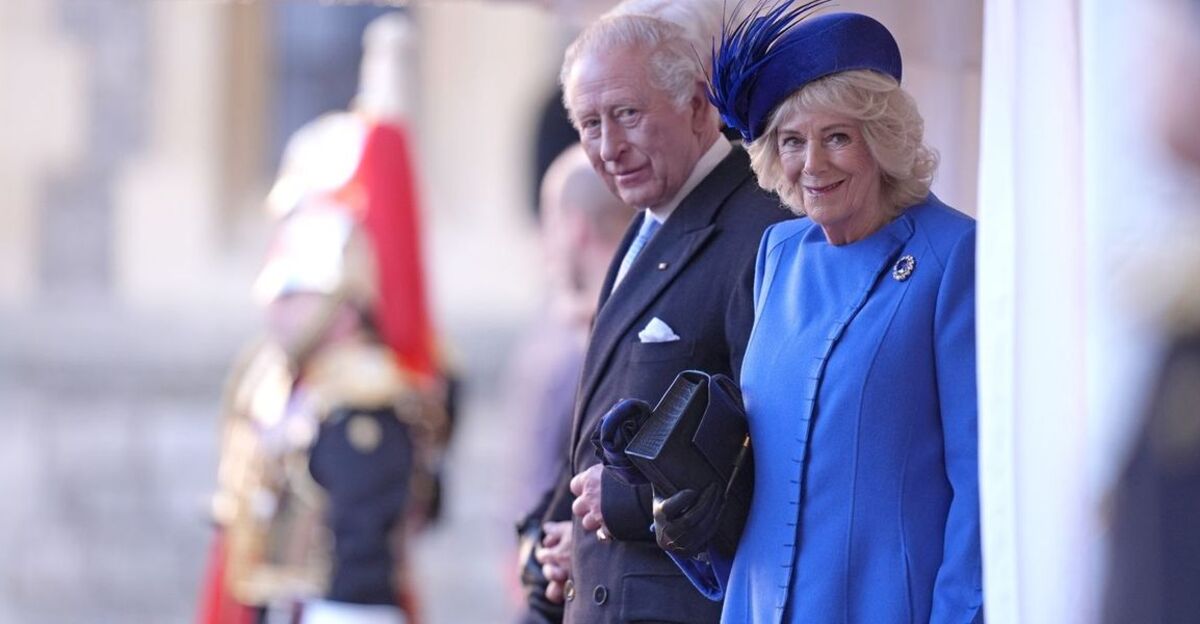
Since ascending in 2022, King Charles III has revitalized the system, issuing nearly 600 warrants with Queen Camilla by 2025.
Applications are being accepted for the next round of grants, due in early 2026.
This expansion reflects post-pandemic economic pressures on British firms seeking royal prestige amid intense competition.
Kate Joins Warrant Ranks
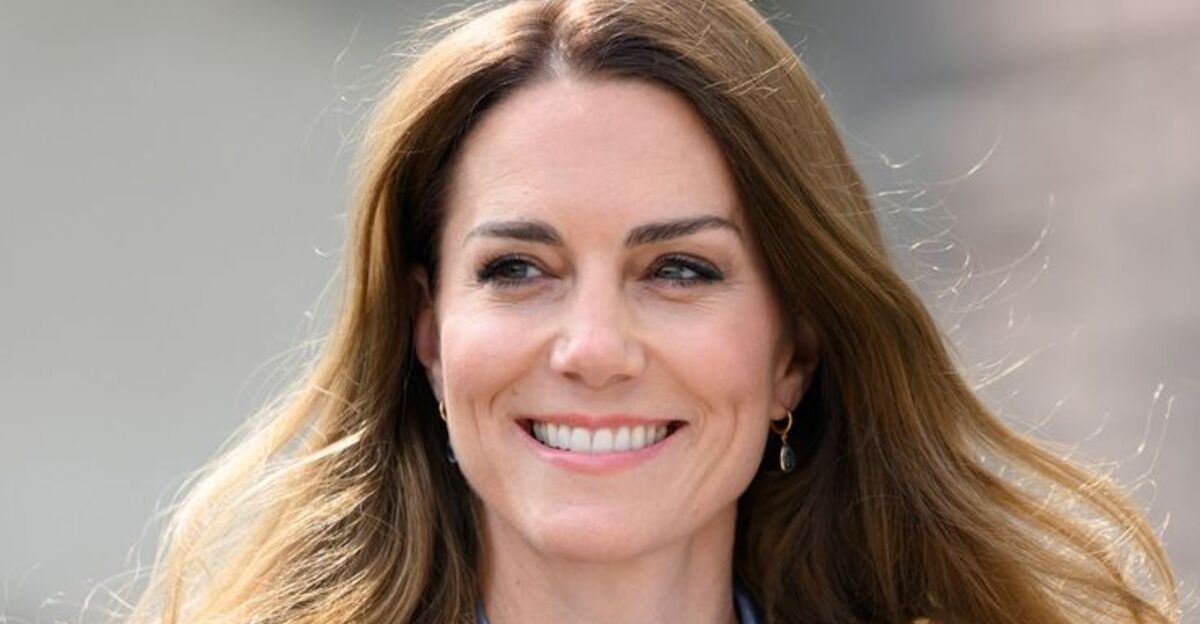
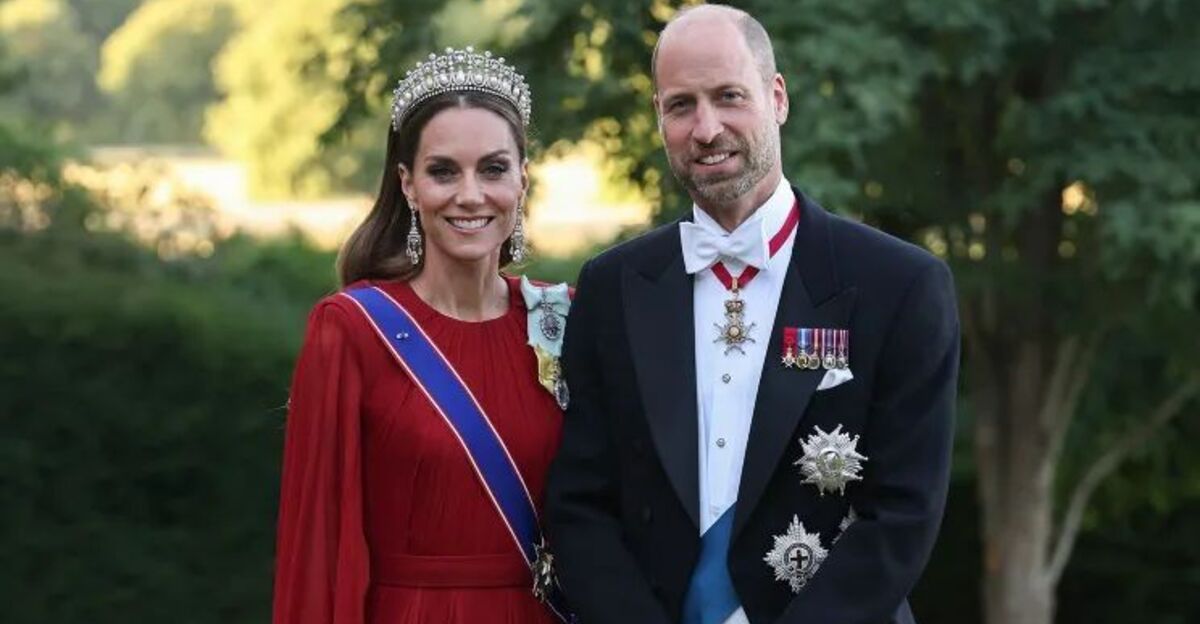
King Charles granted Prince William and Catherine, Princess of Wales—known as Kate Middleton—authority to issue Royal Warrants in 2025, with their first warrants expected from early 2026.
Kate becomes the first Princess of Wales in 116 years to hold this power, last exercised by Queen Mary in 1910.
The UK-based Royal Warrant Holders Association has acknowledged the change as part of an updated framework for royal grantors.
UK Suppliers Eye Gains
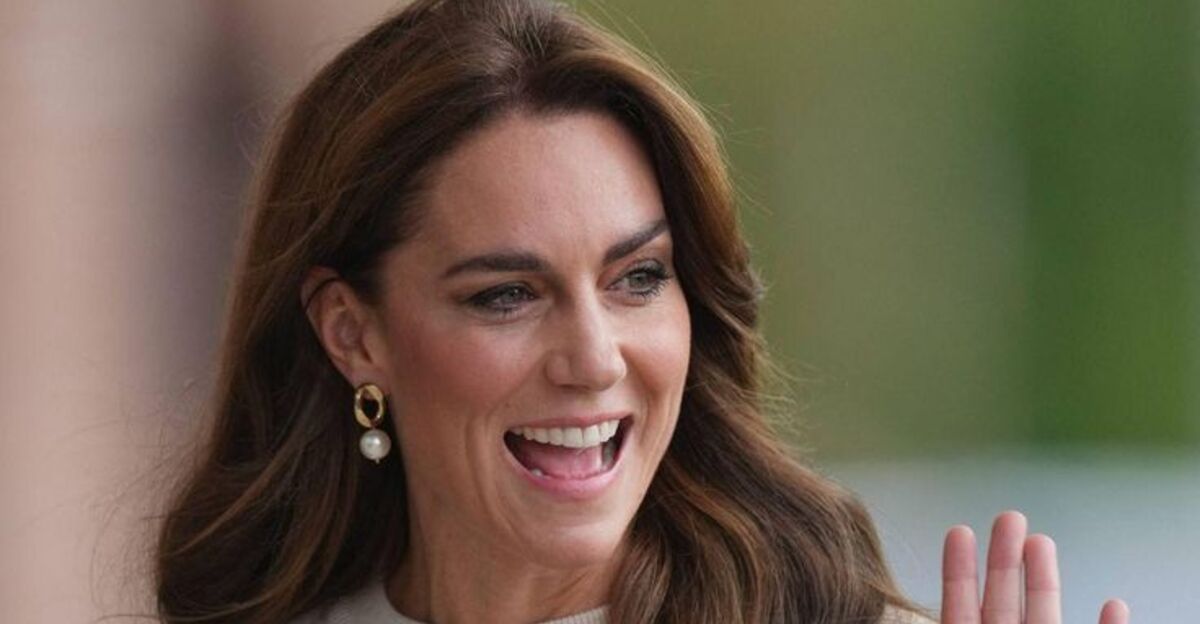
British firms from London to Scotland, including fashion houses and grocers, anticipate possible endorsements from William and Kate once their warrant-granting role begins.
Nearly 600 existing warrants under Charles and Camilla highlight the system’s scale and potential impact.
Winners will be able to advertise the Prince or Princess of Wales’s cypher and Royal Arms, targeting UK markets and exports with an elevated seal of approval.
Kate’s Influence Shines
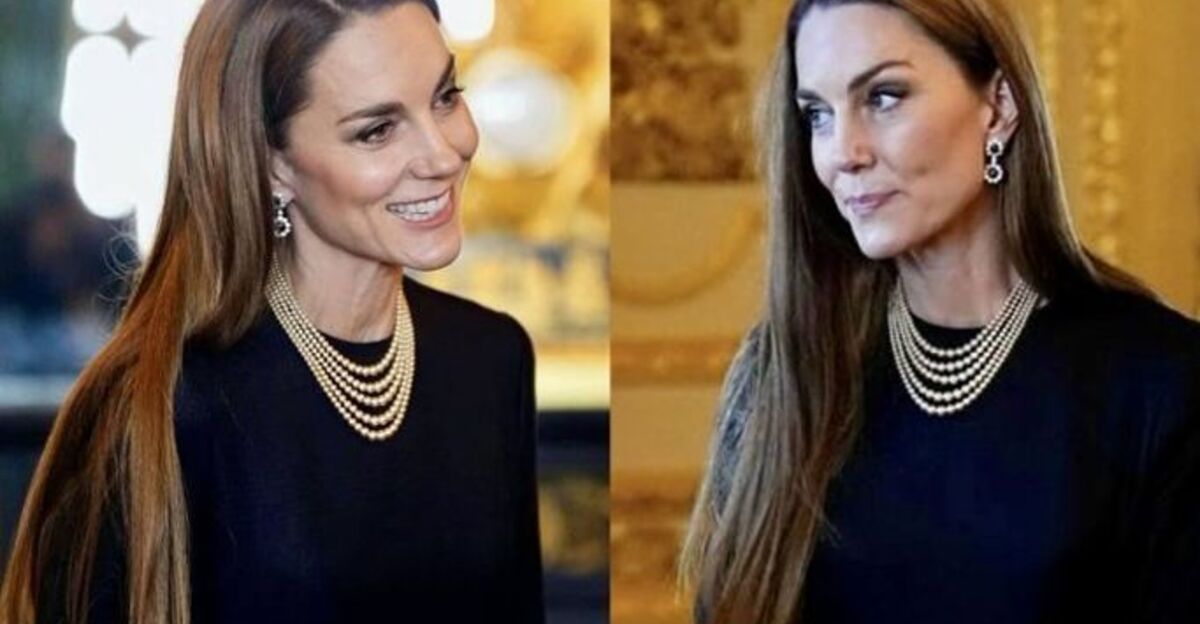
Royal commentators have suggested that Kate’s warrant will be especially sought after. Catherine, Princess of Wales since 2022, brings modern appeal, with her public image and style already driving the so‑called “Kate effect” on sales.
Suppliers like Alexander McQueen and other labels closely associated with her wardrobe may benefit, turning informal influence into formal royal recognition of British excellence.
Fashion Brands Compete
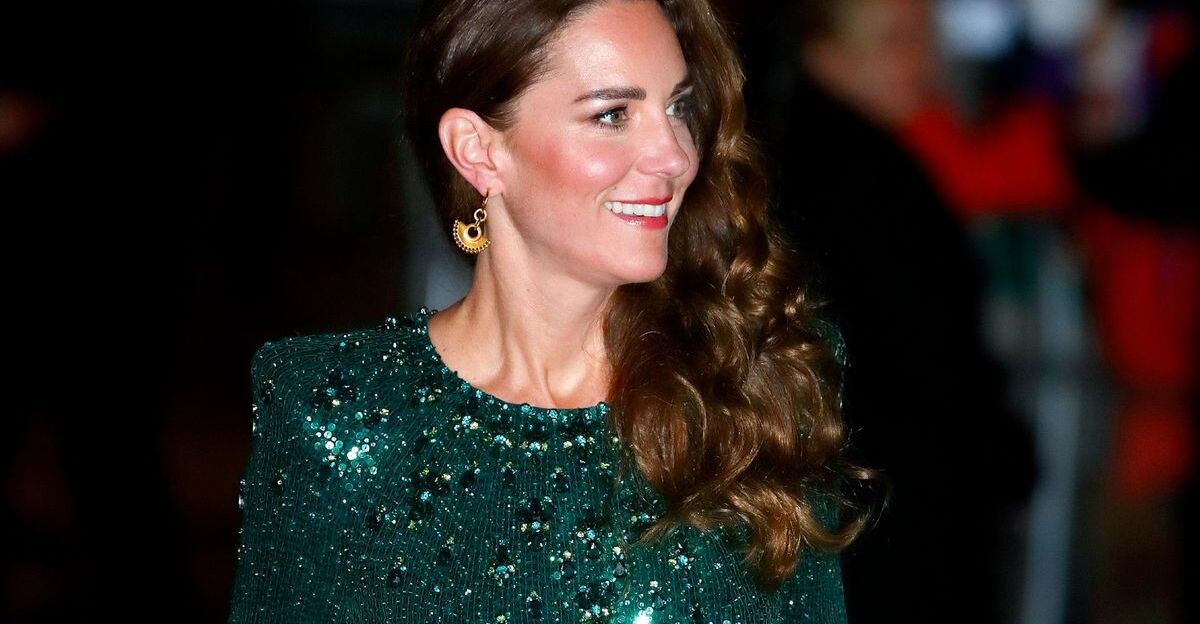
Kate-favoured designers like Emilia Wickstead, Jenny Packham and Catherine Walker are well placed to qualify for her warrants, provided they meet the strict five-of-seven-year supply criteria.
Burberry and other heritage brands already hold warrants under existing grantors; any new applicants must prove a sustained relationship supplying the royal household.
These regulatory requirements ensure merit-based recognition, adding pressure in London’s luxury and fashion sectors.
Princess Diana’s Notable Absence
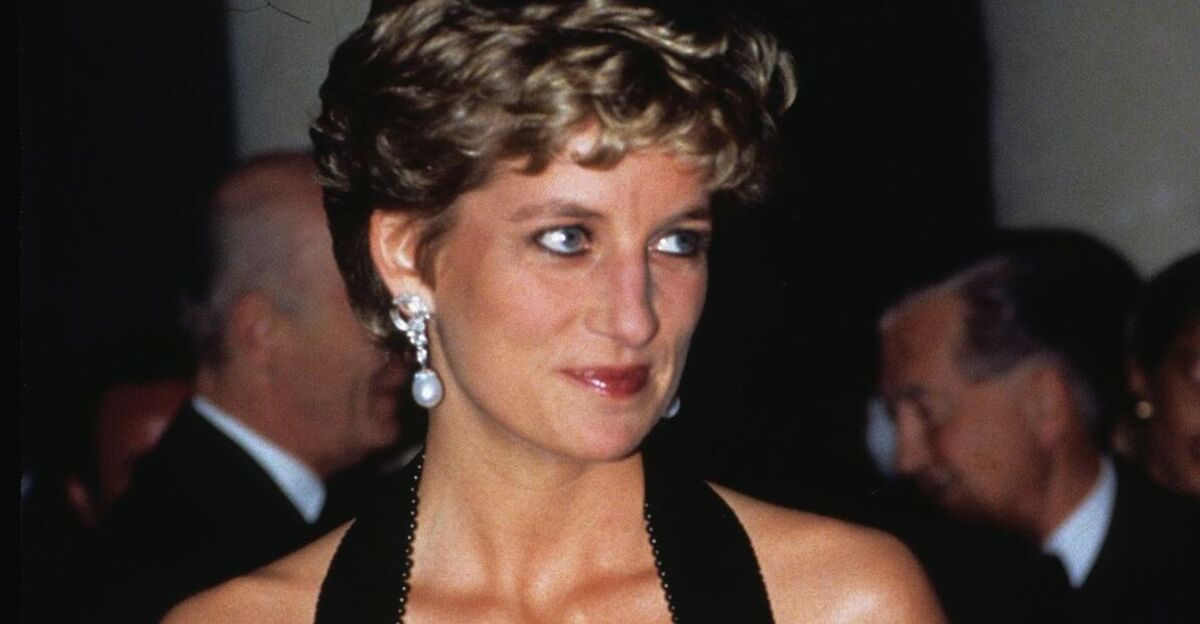
Princess Diana, Princess of Wales from 1981 to 1996, never granted warrants—unlike Queen Mary before her.
This 116-year gap highlights how selective and historically conservative the warrant-granting tradition has been.
Charles’s decision effectively ends that drought, giving the current Princess of Wales formal authority that even Diana did not hold.
Economic Impact Widens
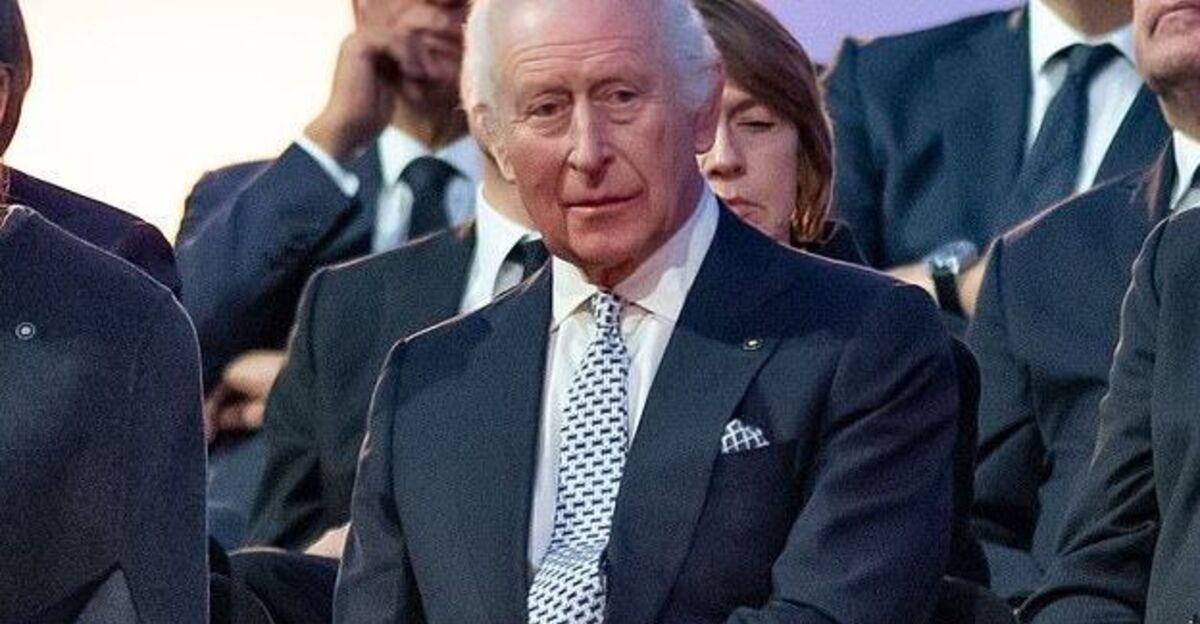
Royal Warrants signal quality and reliability at a time of ongoing UK cost pressures, helping small and mid-sized suppliers preserve traditional crafts and local jobs.
The nearly 600-warrant portfolio under Charles and Camilla underscores the monarchy’s continuing role in supporting industry and craftsmanship.
As William and Kate join the system, their involvement extends this impact to sectors aligned with their charitable interests.
Strategic Supplier Push
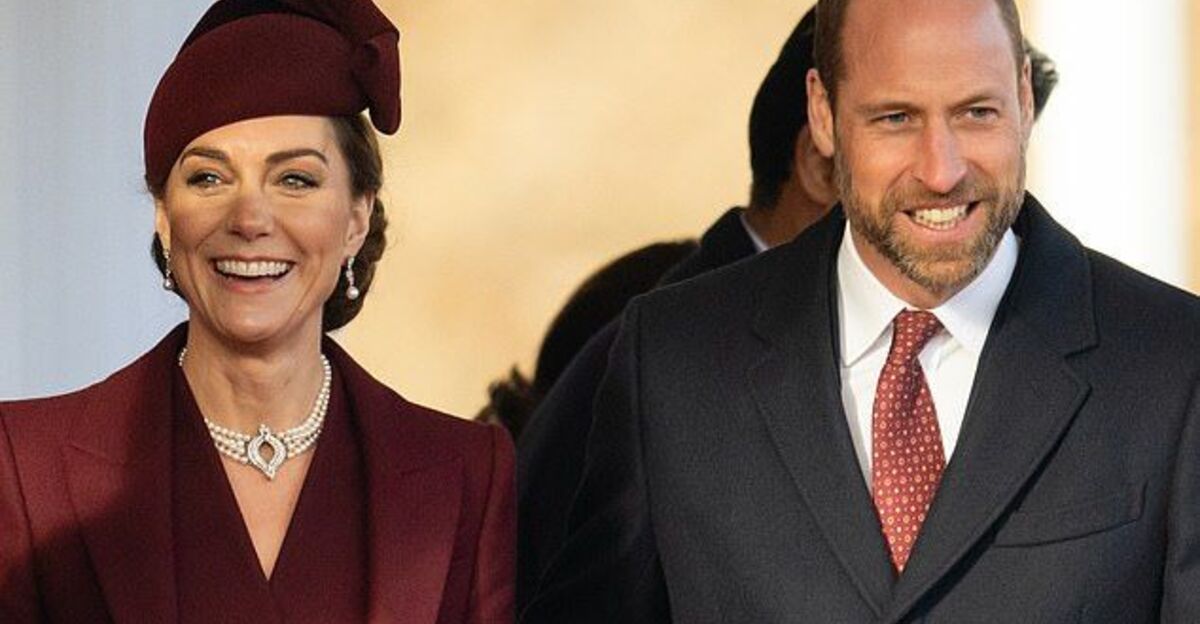
William and Kate are expected to use their new powers to spotlight UK businesses reflecting their values, including craftsmanship, mental health, and early years causes.
With grants scheduled for early 2026, the clock is ticking for firms hoping to be in the first wave.
Their stated keenness to recognize British skills and industry reflects their public priorities with genuine social impact.
Experts Weigh In
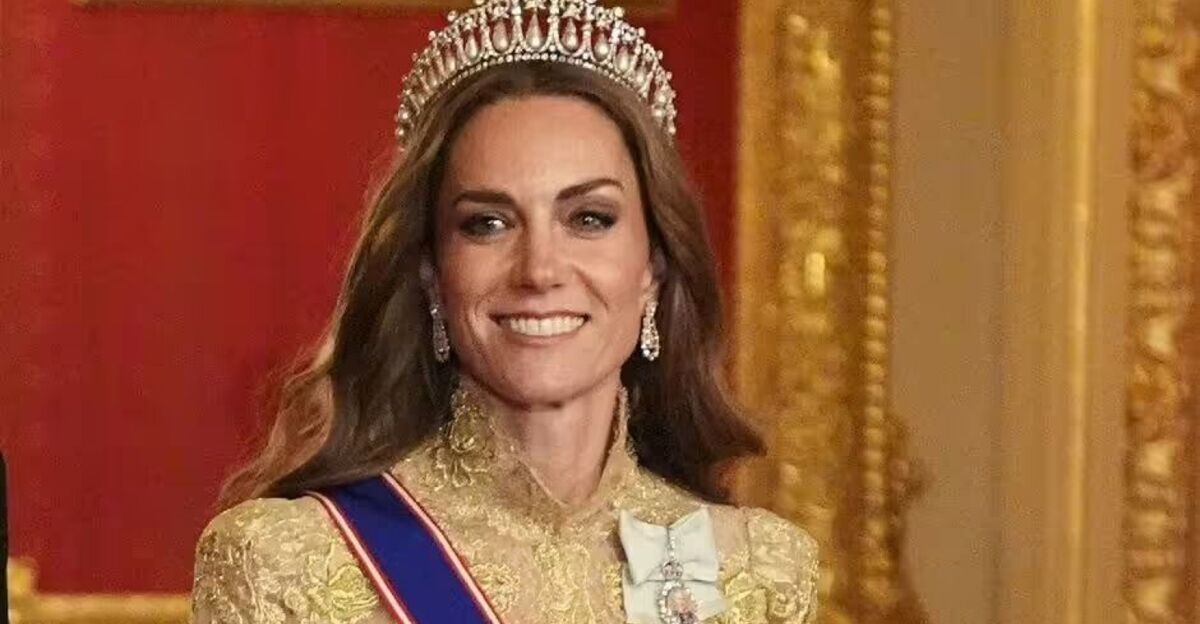
Analysts view Kate’s entry as both symbolic and commercially potent, given her track record of causing items to sell out overnight.
Royal commentators predict high demand for a Princess of Wales warrant, especially in fashion, beauty and lifestyle sectors.
Critics caution that the five-year term and strict eligibility rules will test whether newcomers can maintain the standards required in a volatile market.
Global Brands Watch
Internationally, royal tours and overseas engagements may provide opportunities to highlight warrant-holding brands in coming years.
Kate’s endorsements, now formal as well as fashion-driven, could potentially influence perceptions in regions where royal recognition carries weight.
Global luxury and heritage labels will watch closely to see which British suppliers gain this elevated endorsement.
Policy Power Evolves
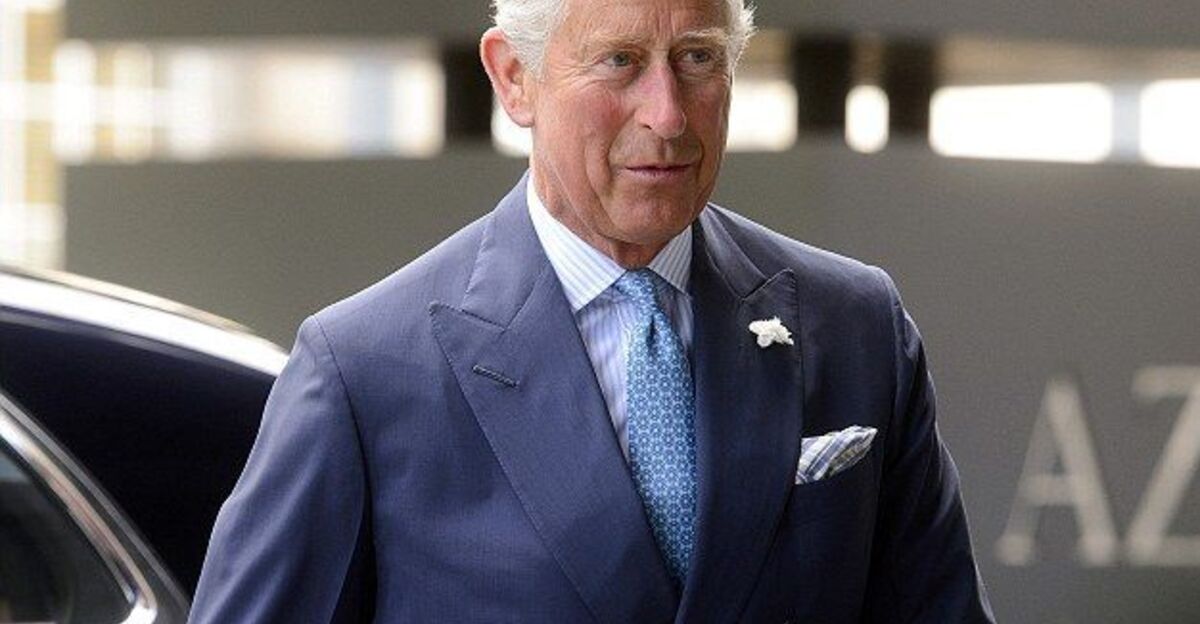
Charles’s move distributes warrant authority more broadly, signaling an evolution in how the palace engages with industry.
It empowers heirs who will eventually inherit the throne, giving them concrete levers of soft power.
For a constitutional monarchy under periodic republican scrutiny, that soft power carries long-term strategic weight.
Empire’s New Era
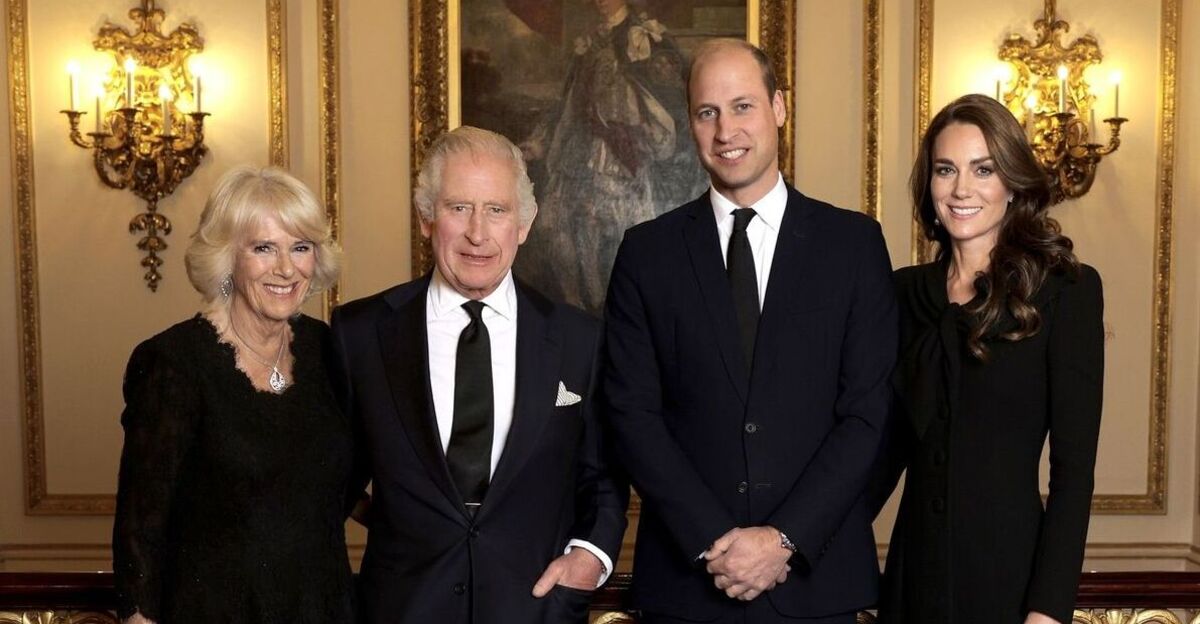
This nearly 600-warrant domain signals the monarchy’s enduring tie to British industry, with Kate’s entry ending a century-plus drought for the Princess of Wales title.
As early 2026 approaches, the first warrants bearing her name will show how royal commerce evolves in a new era.
The palace’s adaptation underscores a timeless question: why now, and why this power, for this Princess?
Sources:
Royal Warrant Holders Association, About Royal Warrants
BBC News, “Catherine becomes Princess of Wales”, 2022
Lady Sinclair Substack royal analysis, 2025–2026
Cosmopolitan UK royal protocol reporting, 2025
LADbible royal news feature, 2026
Country & Town House and other specialist royal warrant explainers