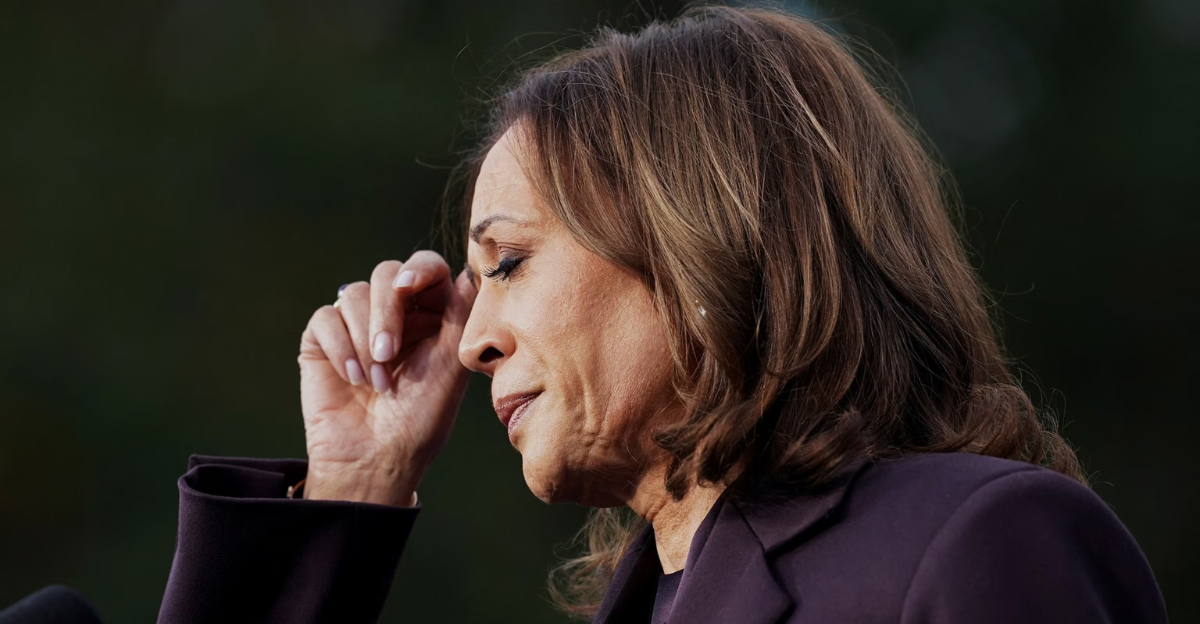
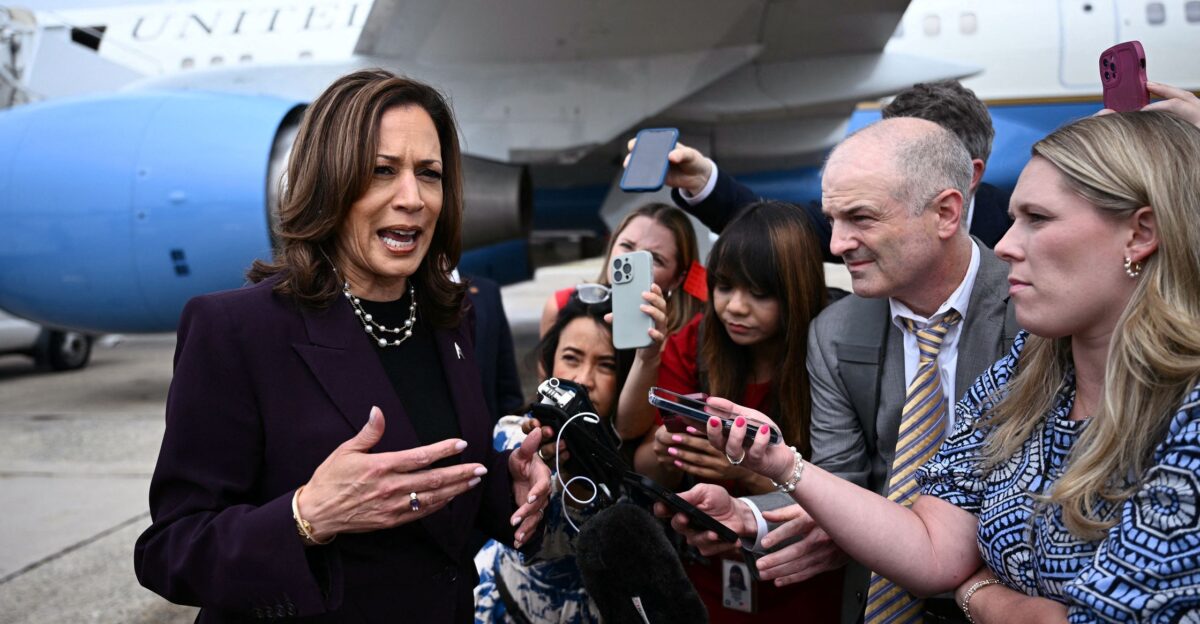
Former Vice President Kamala Harris suddenly finds herself without a federal security detail. On Saturday, the LAPD abruptly ended its temporary protection of Harris, leaving her high-profile travel plans momentarily uninsured.
LAPD sources say the pullback followed growing internal outrage – officers’ union leaders complained that dozens of Metro Division officers had been siphoned off from crime-suppression work to guard a former national politician.
The union lambasted the arrangement as wasteful, given that Harris is “a multi-millionaire … who can easily afford to pay for her own security”. Critics argue this creates an unprecedented security gap for a former Vice President during a volatile political era.
Escalating Stakes
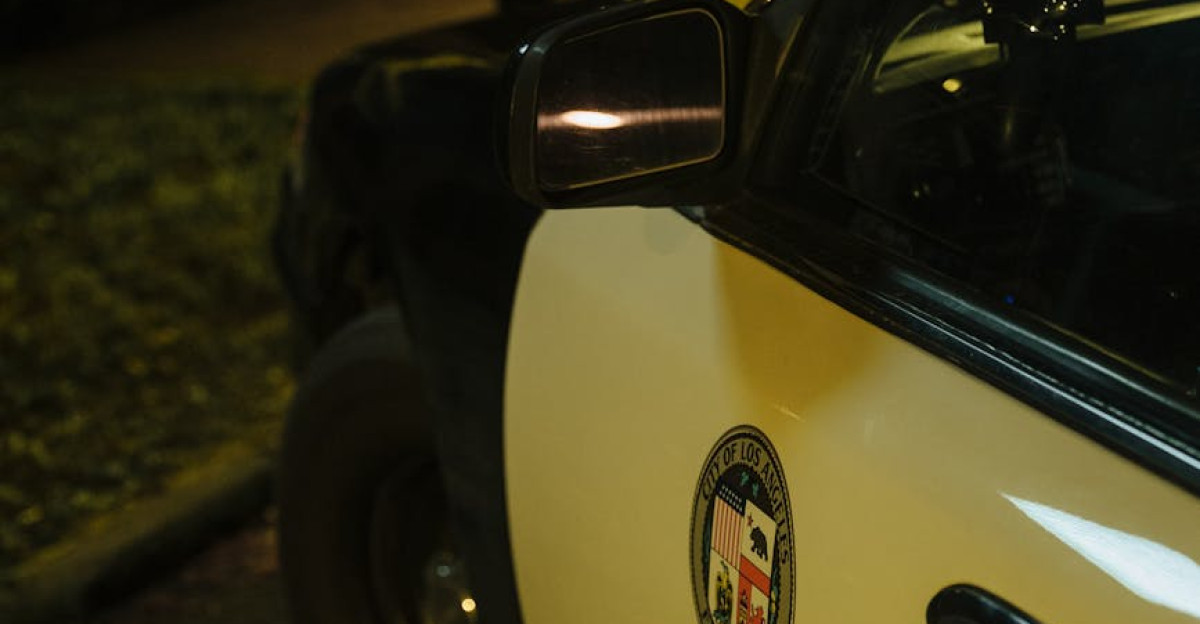
The reassignment of elite Metro police officers to Harris’s detail drew sharp criticism. The Los Angeles Police Protective League called the situation “nuts,” condemning the use of armed, tactical officers to guard “a failed presidential candidate” instead of patrolling high-crime neighborhoods.
Union leaders noted that more than a dozen specially trained officers – some from the SWAT-ready Metropolitan Division – had been pulled from San Fernando Valley streets to stand guard around Harris’s home and events. Their statement celebrated, “every now and then common sense prevails,” now that officers are “back on the street fighting crime”.
The cost and optics of protecting a wealthy ex-official inflamed rank-and-file officers and local residents alike, sparking questions about priorities and fairness in public safety resource allocation.
Protection Protocol
By law, former Vice Presidents receive only six months of Secret Service protection after leaving office, unlike ex-presidents who typically have lifetime coverage. Harris’s mandatory six-month window ended on July 21, 2025.
However, then-President Biden quietly extended her detail through July 2026 – a courtesy move that was not publicly disclosed.
Federal rules only permit such extensions if credible threats exist, and DHS must approve them. Now, President Trump has abruptly rescinded Biden’s extension. A White House memo dated Aug. 28, 2025, orders Homeland Security to “discontinue any security-related procedures previously authorized … beyond those required by law” for Harris.
Without the extension, her Secret Service protection ended as scheduled, and federal agents walked away.
Mounting Pressure
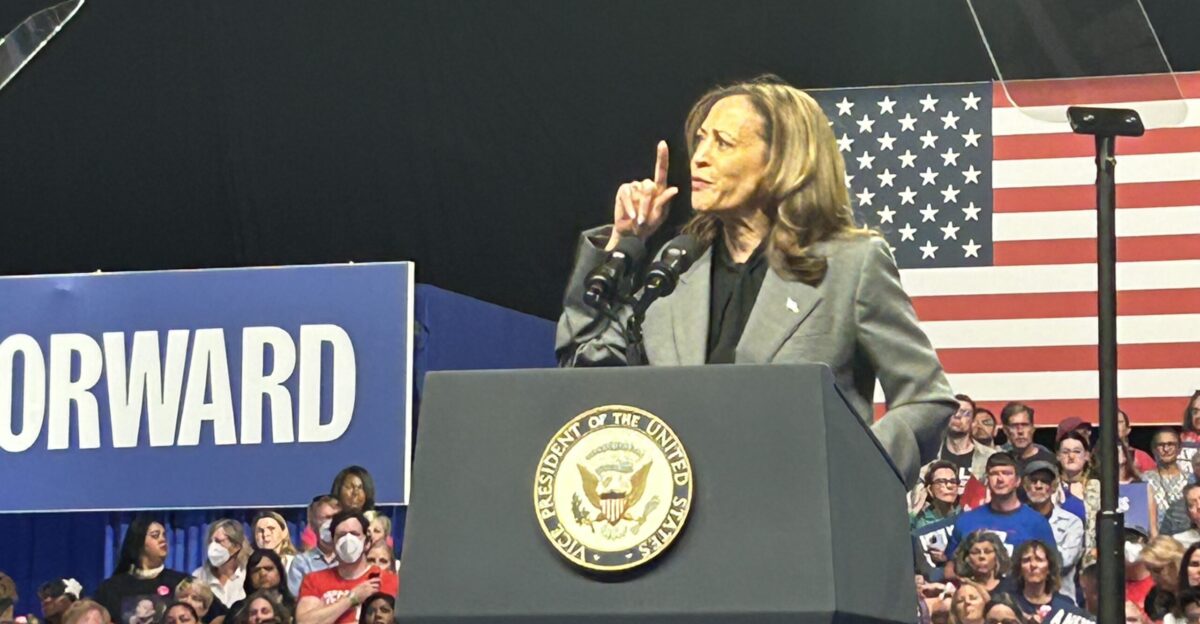
Harris’s profile and identity have long made her a sensitive security concern. As the first woman and the first Black and South Asian American to serve as Vice President, she has drawn heightened public attention and threats in the past. Now, at the age of 60, she is about to step onto an even bigger stage: a 15-city memoir tour starting Sept. 24 to promote “107 Days,” her account of the 2024 campaign.
This national (and international) tour – with stops in London and Toronto – will place her in large crowds and frequent travel.
Security experts warn that this exposure demands sophisticated protection. A.T. Smith, a former Secret Service deputy director, bluntly notes, “you’re just not going to get” the full range of threat monitoring, motorcade coordination, and counter-terror resources from private guards.
Order Revealed
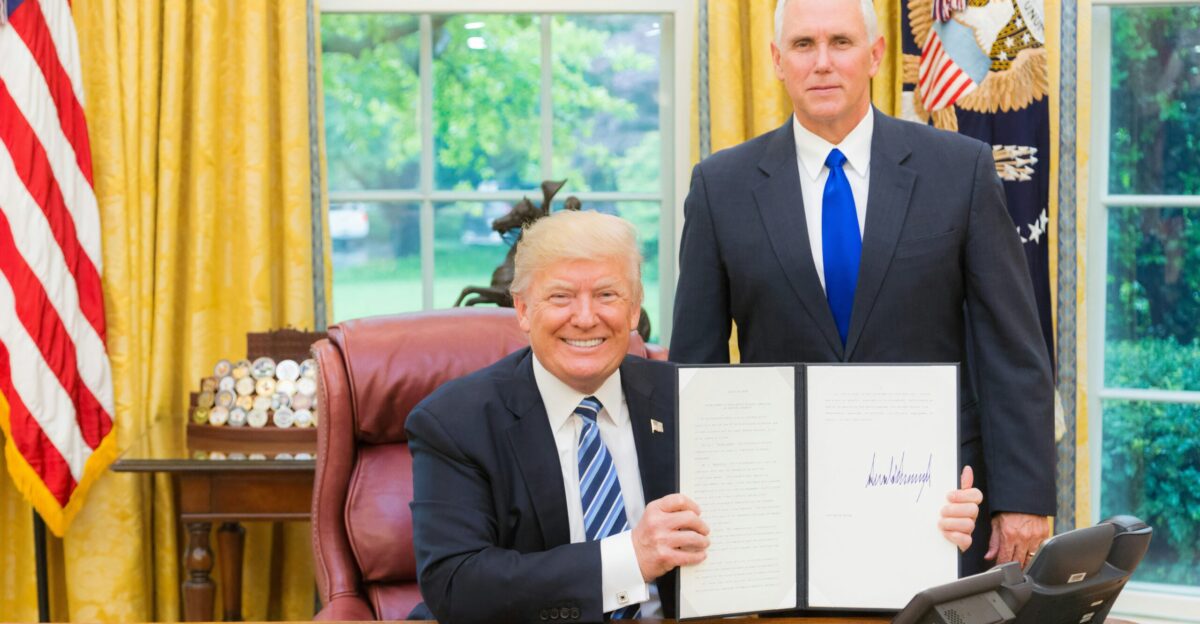
On Aug. 28, 2025, President Trump signed an executive memorandum ending Harris’s Secret Service detail effective Sept. 1. The classified letter, obtained by CNN and other outlets, “instructed Secretary Noem to discontinue any security-related procedures previously authorized by Executive Memorandum, beyond those required by law, for … Former Vice President Kamala D. Harris”.
Trump abruptly canceled the one-year extension Biden had quietly granted. The timing – just weeks before Harris’s book tour – caught California officials by surprise. Harris’s team has protested the move but offered little public response.
In a statement to NPR, Harris adviser Kristen Allen said only that “the Vice President is grateful to the United States Secret Service for their professionalism, dedication, and unwavering commitment to safety”. Meanwhile, federal and state agencies have scrambled to piece together emergency coverage.
Regional Impact
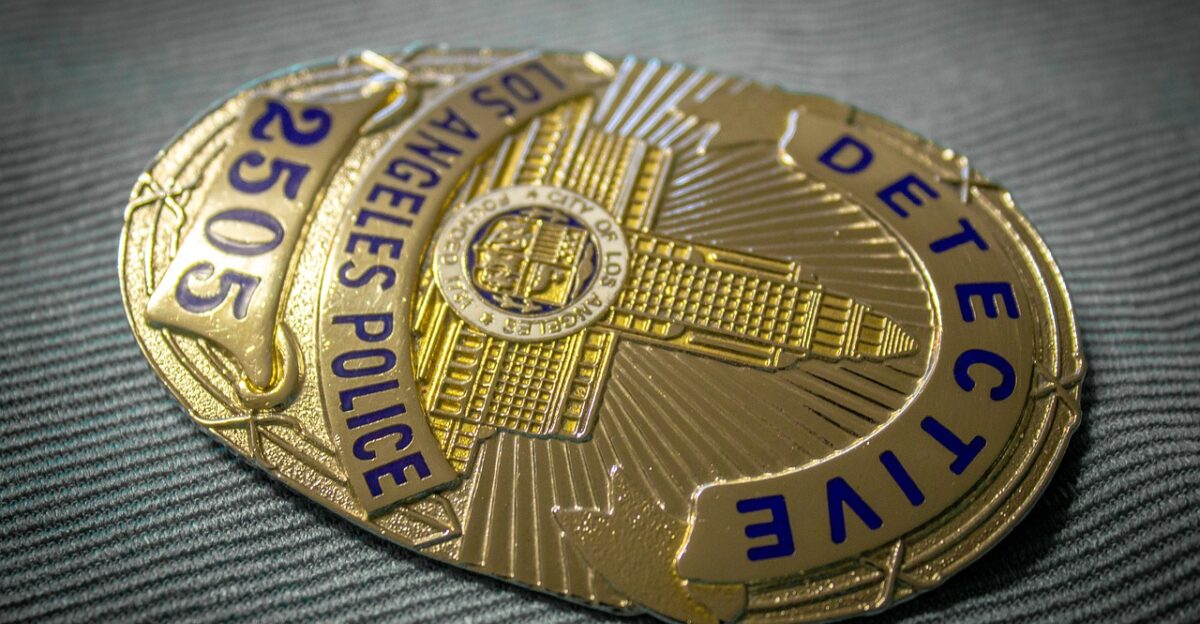
Local leaders and law enforcement rushed to adjust. Mayor Karen Bass of Los Angeles immediately called the federal action “another act of revenge following a long list of political retaliation” and warned it put Harris “in danger”. Bass stressed that the LAPD’s involvement was always intended to be temporary.
“The plan was always to provide temporary support,” she told reporters, “and I thank L.A.P.D. for protecting former V.P. Harris and always prioritizing the safety of all Angelenos”. California agencies are now rushing to coordinate the handoff from the Secret Service.
The CHP’s Protective Services division has been tapped to take the lead, but officials concede they were caught flat-footed by the abrupt federal withdrawal. Late last week, state troopers and LAPD command staff convened with Governor Newsom’s aides in attempts to avoid any lapse of protection on Harris’s upcoming travels.
Human Cost
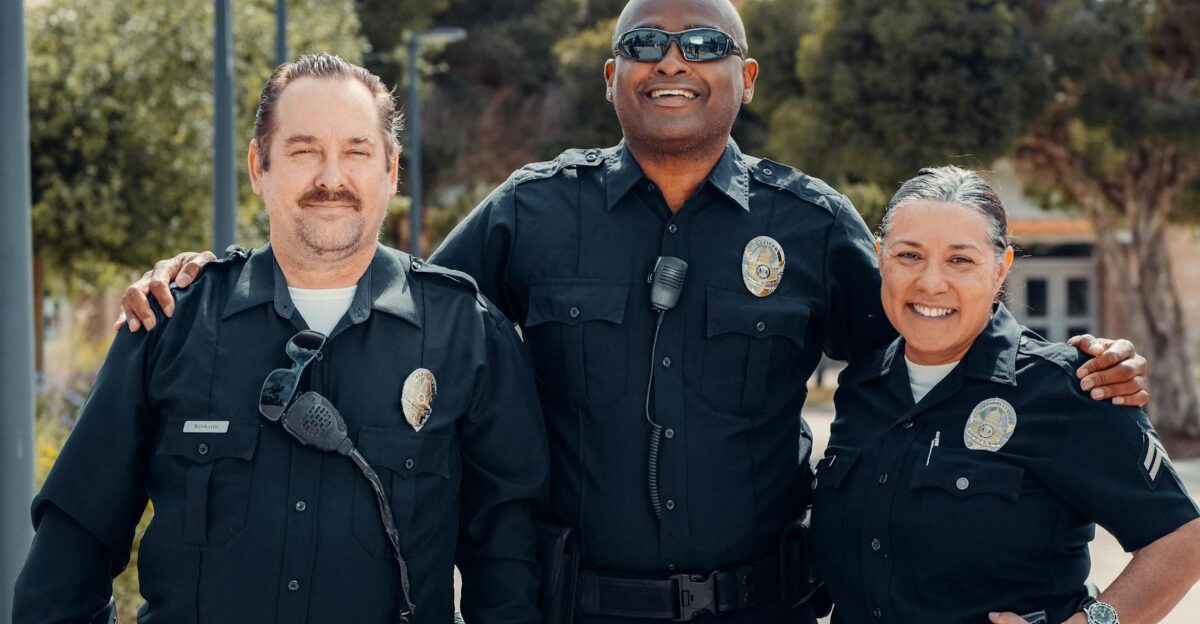
Angelenos voiced frustration that local crime-fighting took a back seat. Rank-and-file officers pointed out that Metro Division detectives, normally assigned to gang and narcotics sweeps, had spent precious patrol hours on VIP duty.
The tension was evident on the streets. “Pulling police officers from protecting everyday Angelenos to protect a failed presidential candidate who also happens to be a multi-millionaire … is nuts,” an LAPD union leader declared in print.
Officers said the diversion left some crime reports understaffed and patrols thin. Even ordinary citizens voiced opinions: one commentator suggested Harris “can afford her own security,” while others echoed Governor Newsom’s press officer, noting that “safety of public officials should never be subject to erratic, vindictive political impulses”.
Enforcement Response

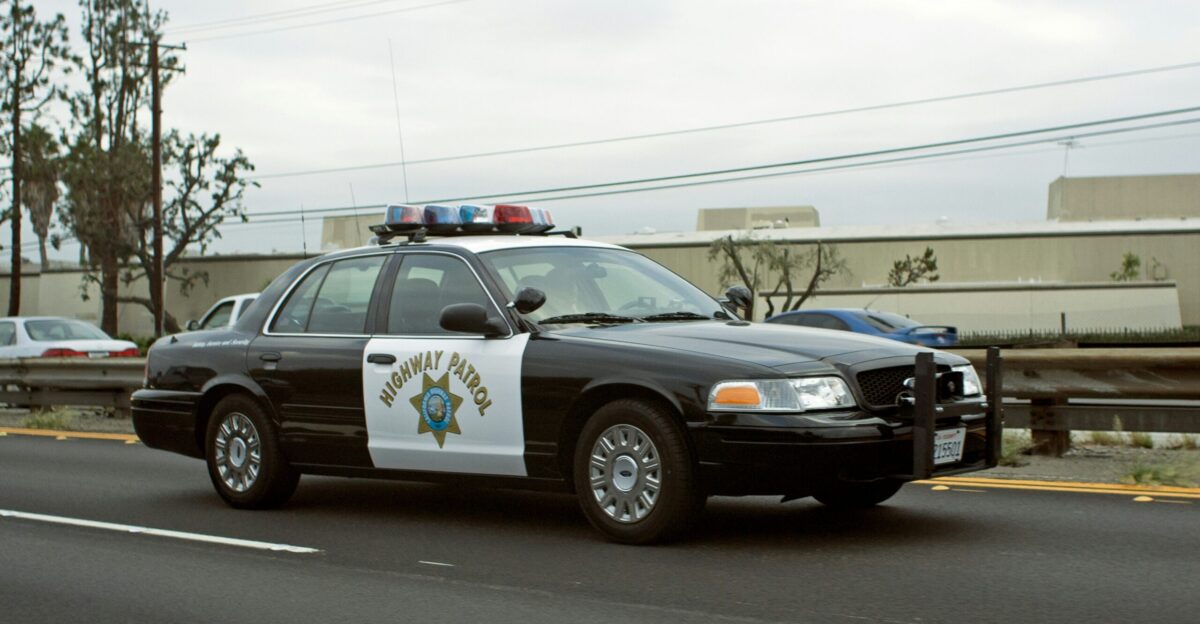
With LAPD stepping back, the California Highway Patrol must now absorb the task. The CHP’s Protective Services Division – based in West Sacramento – already safeguards the governor, statewide officials, and visiting dignitaries. Its last published budget (2009) was about $43 million; today it’s widely believed to be much higher within California’s roughly $3.2 billion yearly patrol budget.
Analysts estimate a full protective detail would require roughly 35–40 officers to guard Harris around the clock, including tactical shift supervisors and intelligence analysts.
Even at entry salaries of $150–170K each, that’s about $8 million a year in base pay alone. (For comparison, Secret Service candidate protection cost was about $38,000 per day in 2016.) The Howard Jarvis Taxpayers Association is pressing for details: “Taxpayers are entitled to know approximately how long the protection is expected to continue, how much overtime is required … and whether California taxpayers will be reimbursed for any of these expenses”.
Broader Trend

Harris’s ordeal is part of a clear pattern: the Trump administration has repeatedly withdrawn or denied security for political foes and critics. In recent months alone, Mr. Trump eliminated Secret Service details for his former NSA John Bolton, Secretary of State Mike Pompeo (and aide Brian Hook), and public health advisor Anthony Fauci.
This departure from tradition – previously a bipartisan norm to protect ex-officials under credible threat – has unsettled some in Washington. As one analyst noted, Trump’s moves flip the usual courtesy extensions on their head; even officials who served honorably under multiple administrations now face abrupt cutoffs.
Critics say this sets a concerning precedent: security decisions that once rested on threat assessments now appear as tools of political retaliation.
Cost Revelation

The change also underscores who ultimately pays. If the Secret Service had continued, Harris’s extended detail would have cost roughly $38,000 per day. Under the new plan, the bulk of that tab now falls to California. For budget-holders, the math is stark: a force of 35–40 troopers at 24/7 coverage translates to roughly $8 million annually in regular salaries (not counting overtime, travel or equipment).
Local taxpayer groups have demanded full accounting. As a Howard Jarvis official demanded, residents deserve to know how “overtime” and “whether California taxpayers will be reimbursed” will be managed.
Some pointedly ask whether Harris herself will chip in. At this cost, even casual observers are asking if this sets a new norm of footing bills for politicos’ protection.
Internal Conflict
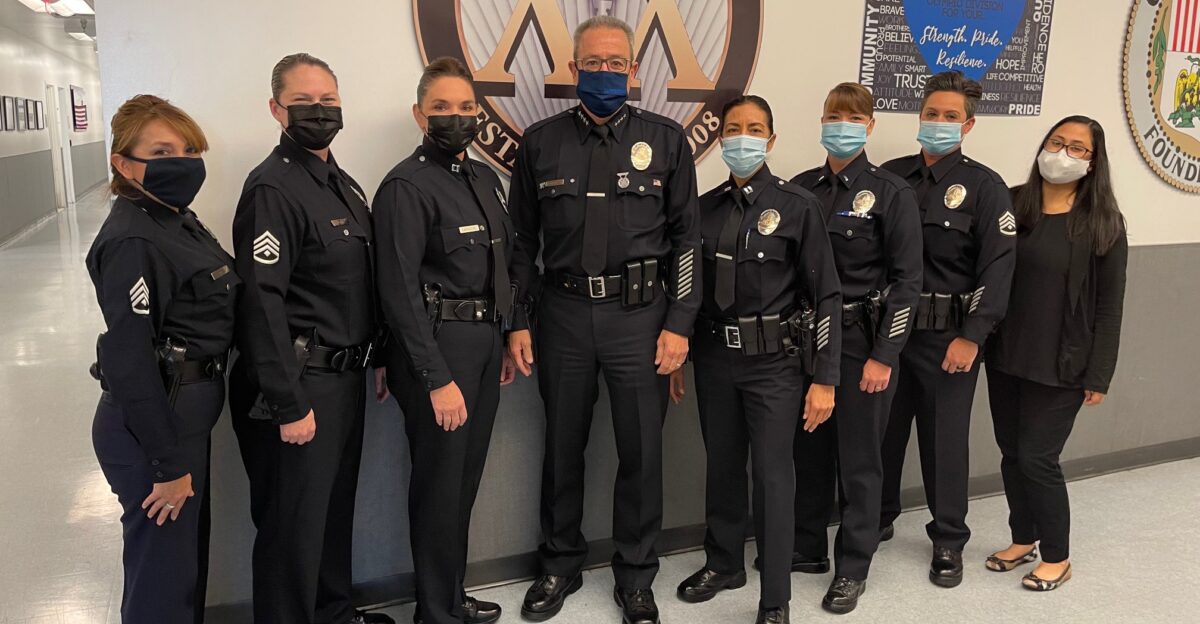
The LAPD’s leadership quietly conceded the strain. Metropolitan Division commanders had already earmarked their officers for San Fernando Valley crime units when their assignments changed at the last minute. “At some point, the LAPD was added to the plan,” sources say.
Officials report Metro officers were literally waiting to deploy out of their Chinatown barracks when word arrived to redirect them to Harris’s Brentwood home. This kind of sudden shift of personnel – on top of chronic staffing shortages – left many in the department shaking their heads.
A veteran detective told colleagues that years ago, similar details were only authorized after formal threat reviews; by contrast, “at the time, none of the people told us there was a danger,” one said. Internally, the operation was seen as unsustainable and unsanctioned by the usual policing standards.
Leadership Response
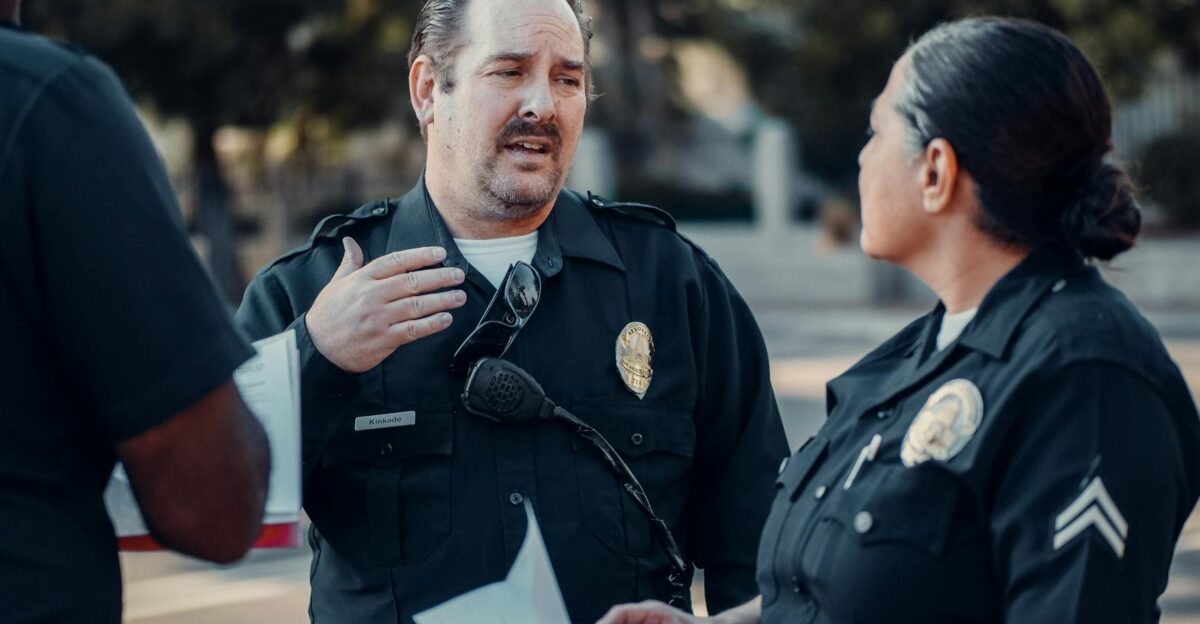
City and state officials have now moved to reassure the public. Mayor Bass reiterated that the LAPD’s role was an interim emergency fix. “This temporary coordinated effort is in place to ensure that there is no lapse in security,” LAPD spokeswoman Jennifer Forkish told reporters, adding that the state and city would share the cost until Harris hires private protection.
Bass thanked officers for their service and emphasized that local priorities remain crime control.
Meanwhile, she and Governor Newsom have quietly ordered the CHP to devise a long-term plan, including potentially reallocating existing protectees or activating retired troopers. Both leaders insist Harris’s personal safety is paramount, but state budgets and public safety needs will guide the final arrangements.
Recovery Strategy

With federal protection gone, Harris’s team is racing to assemble a private detail for her memoir tour. The logistics are complex: the 15-city itinerary spans major U.S. cities (New York, Los Angeles, Philadelphia, etc.) and even foreign stops like London and Toronto.
Each jurisdiction will demand its own approvals, police liaisons, and security coordination. Private security firms can supply bodyguards and unmarked follow cars, but they lack federal authority for road closures, VIP motorcades, or access to classified threat data.
As one expert notes, even a team of former agents “would not be able to rise to the level of the Secret Service” because it cannot tap the same intelligence-sharing networks or legal powers. Harris’s detail will likely include ex-Secret Service personnel for expertise, but they will have to coordinate closely with local law enforcement and face limits on what they can do.
Expert Analysis
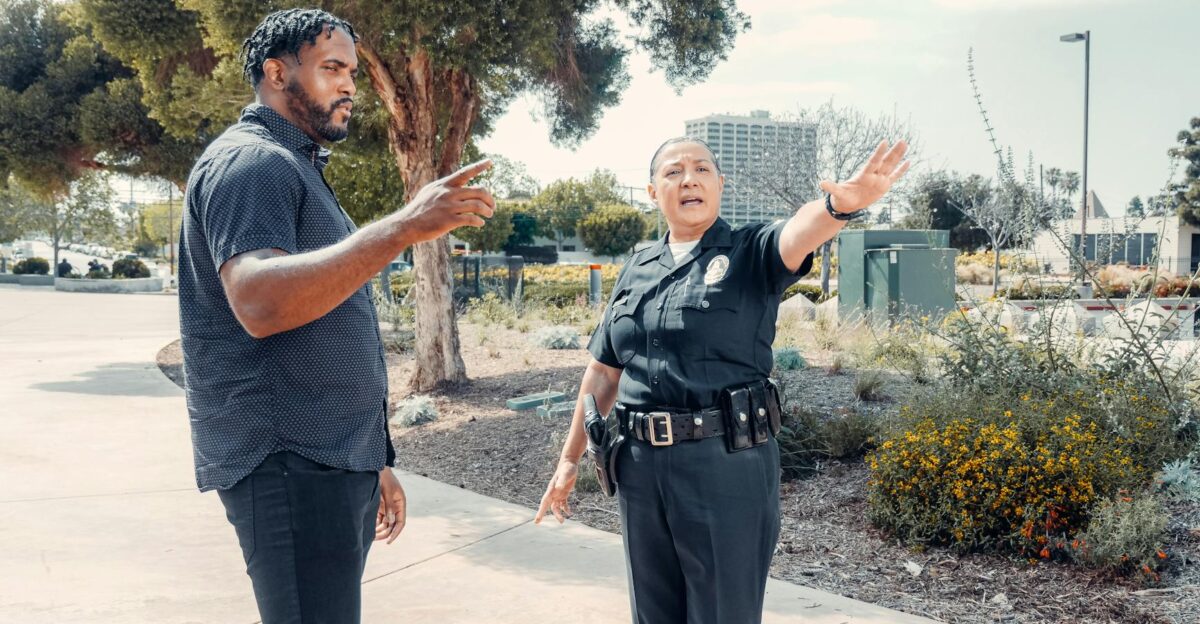
Security specialists say the gap between federal and private protection is stark. A.T. Smith, former deputy director of the Secret Service, warned that outside contractors – even if staffed by ex-agents – simply “lack access to classified threat assessments, the legal authority to conduct motorcades and crowd control, and the resources to counter cyber, chemical, and biological threats.” “Whether it’s crowd control, motorcades, or defending against … threats, you’re just not going to get it” in the private sector.
Former Secret Service director John Magaw adds that normal practice is to continue coverage until an official threat assessment clears an end to detail.
Insiders say agents “look at all of those intelligence systems” and saw “no red flags or credible evidence of a threat” to Harris – yet the protection was revoked anyway. Security analysts worry that without federal oversight, even small security breaches could go unreported or unhandled until it’s too late.
Future Questions
Harris’s situation has become a test case for future ex-officials. How long should protection last, and who decides? Traditionally, veteran law enforcement counsel believed such details were apolitical services based strictly on risk. But now President Trump’s memo suggests security may hinge on politics. If one former Vice President is stripped of coverage, what message does that send to others?
Some experts argue that state governments must now plan for such contingencies. California may need to build a standing budget line or special fund to protect ex-officials living in-state.
At the very least, Harris’s tour has ignited debate: should the United States formalize rules and funding for post-service protection in an era where every presidential transition looks more partisan? The answers remain unsettled – and could redefine norms for high-profile public servants.
Political Implications
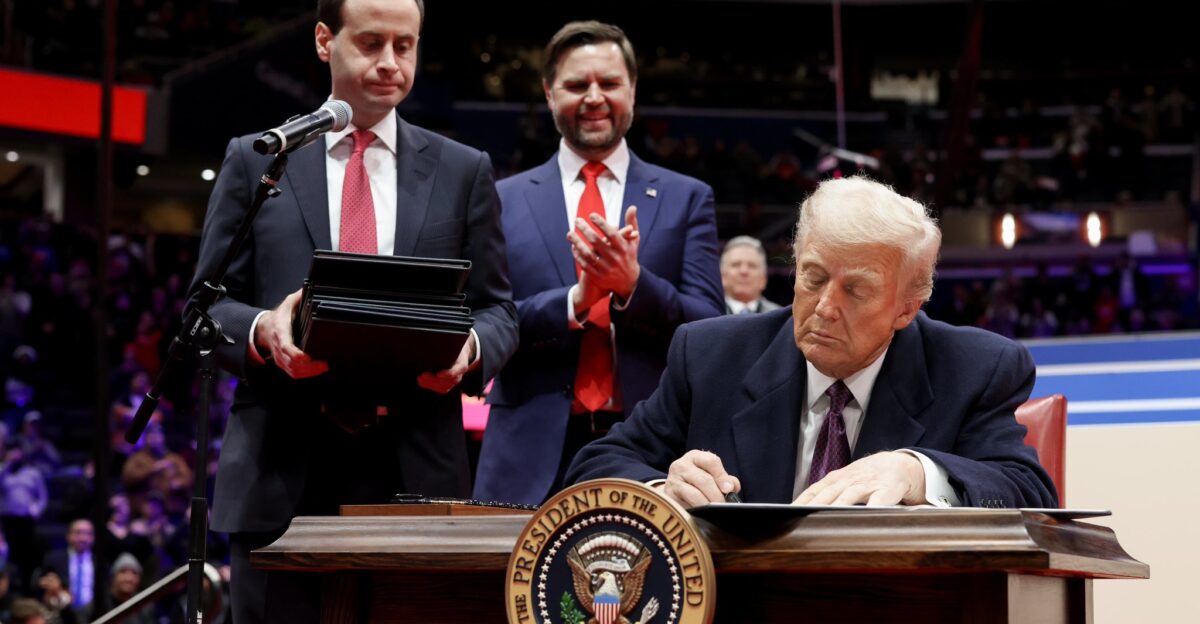
The move fits a broader pattern of “tit-for-tat” attacks on political opponents. By cutting Harris’s detail while she prepares a public tour, critics say Trump is effectively targeting a prominent Democrat for retaliation. This follows earlier moves revoking clearance or security for key figures in the Biden orbit.
During his second term, Trump repeatedly “cut off security for political adversaries” – from Bolton to members of Joe Biden’s family – actions that reverberated through both parties.
The timing is notable: Harris’s book tour is a platform to restore her national stature, and some see the decision as an attempt to curb her momentum. Whatever one thinks of the motivation, the precedent is now clear: security protections that were once guaranteed (or routinely extended) can be withdrawn for political reasons, changing the political playing field for former officials.
Federal Precedent
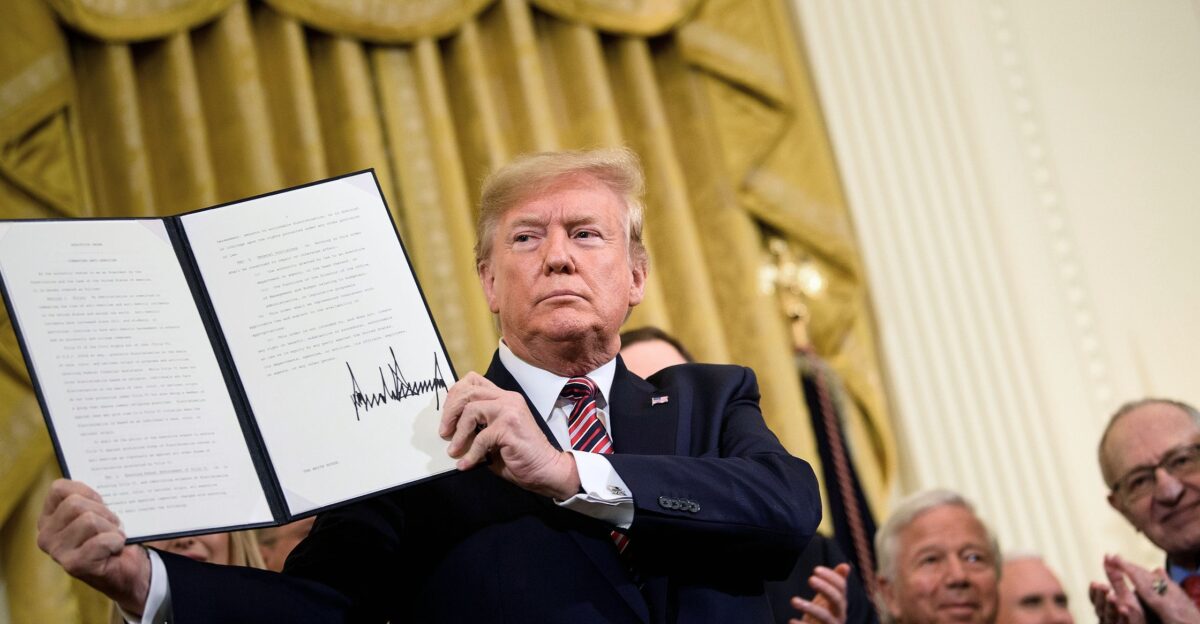
This episode has echoes in other areas of security and intelligence policy. Trump’s White House has already demonstrated a willingness to revoke long-held courtesies. For example, in early 2025, he unilaterally pulled security clearances (and intelligence briefings) from former President Biden and other officials.
Traditionally, “former presidents receive some intelligence briefings even after they have left office”, but Trump ended that practice, calling Biden “an elderly man with poor memory” and saying he saw no need to share secrets.
The Harris decision is a related break with tradition. The cumulative effect is to politicize institutions once seen as neutral; whereas in prior administrations, national security details and briefings followed accepted legal frameworks, now they appear intertwined with partisan conflict.
Legal Framework
Congress did lay down the basics. The 2008 Former Vice President Protection Act authorized exactly six months of Secret Service protection for ex-vice presidents and their immediate families. Homeland Security rules allow extensions only if credible threats are identified.
Any extension like Biden granted to Harris requires a formal threat review. However, the Act and accompanying regulations do not spell out who has the final say in ending protection early.
Experts note there is no clear congressional oversight or appeal process for revocation decisions. In effect, the law gives the executive branch broad discretion to cut off coverage at any time – leaving the stability of a protectee’s security at the mercy of whoever holds the reins in Washington.
Cultural Shift
Observers see this as a symptom of wider polarization eroding old norms. For decades, Democrats and Republicans alike quietly agreed to keep former public servants safe as a matter of institutional courtesy, regardless of politics. Those agreements are now fraying. The fact that Harris – the first woman of color to serve as Vice President – became a test case underlines how identity and politics intersect in security.
Los Angeles Mayor Bass, in particular, framed the move as part of a partisan agenda: she called it a “dark road” of retribution that makes critics “more vulnerable,” warning that it “puts the former Vice President in danger”.
Such remarks underscore the sense of a cultural shift: even basic protective measures are now being disputed along ideological lines. This episode highlights a new reality where who you are and whom you anger may determine whether agents guard you at all.
Broader Implications
In the end, the Harris security controversy may change the calculus for future leaders. If presidential transitions become arenas for payback, ambitious officials might hesitate before taking on powerful enemies. State governments – from California to Washington, D.C. – could find themselves on the hook more often to safeguard ex-federal officials when partisan winds blow.
One local voice summed up the sentiment bluntly: “Every now and then common sense prevails,” the LAPD union quipped, relieved to have their officers back on regular duty.
But the larger question lingers: in an era of entrenched polarization, will the United States maintain consistent, fair policies for protecting its former servants, or will security become yet another tool of politics?