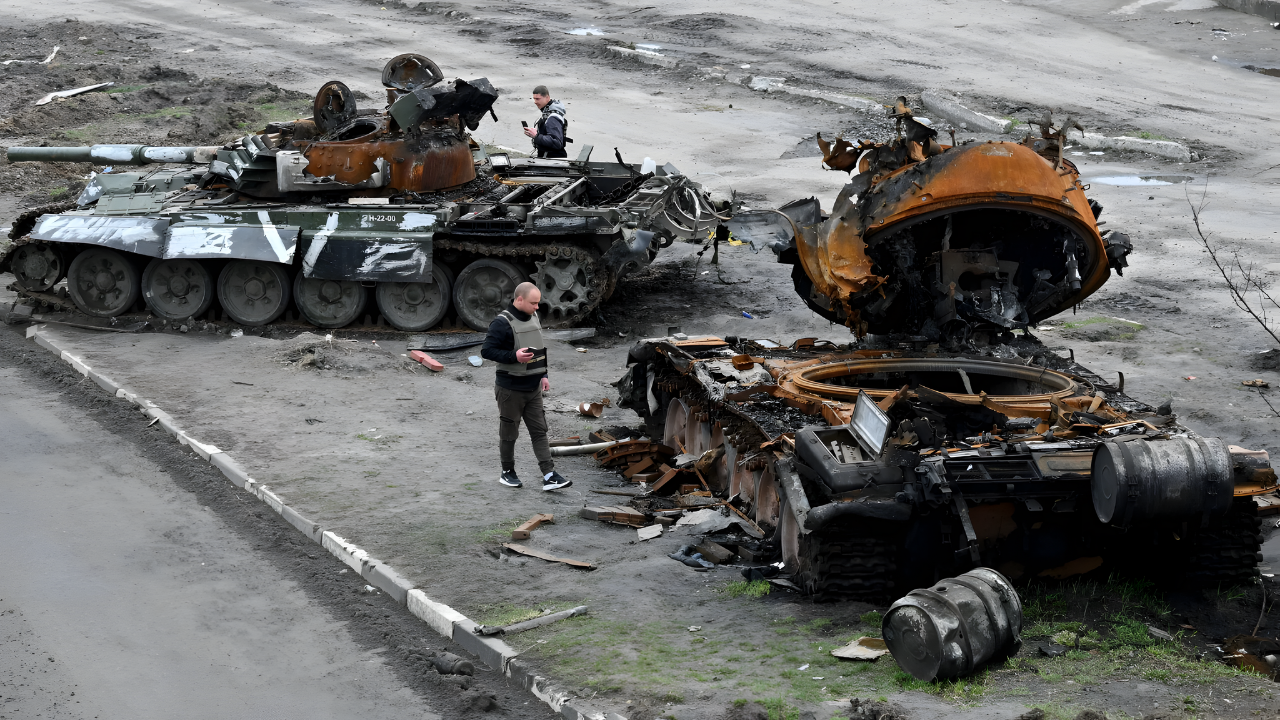
In the ruined industrial belt around Avdiivka in eastern Ukraine, a small drone detachment known as K2 has grown into one of the country’s most closely watched experiments in unmanned warfare. Operating first as part of the 54th Separate Mechanized Brigade, the unit used cheap first-person-view (FPV) kamikaze drones and reconnaissance UAVs to halt Russian armored pushes, turning open terrain into zones where tank movement became both hazardous and costly.
From Ad Hoc Team to Drone Regiment
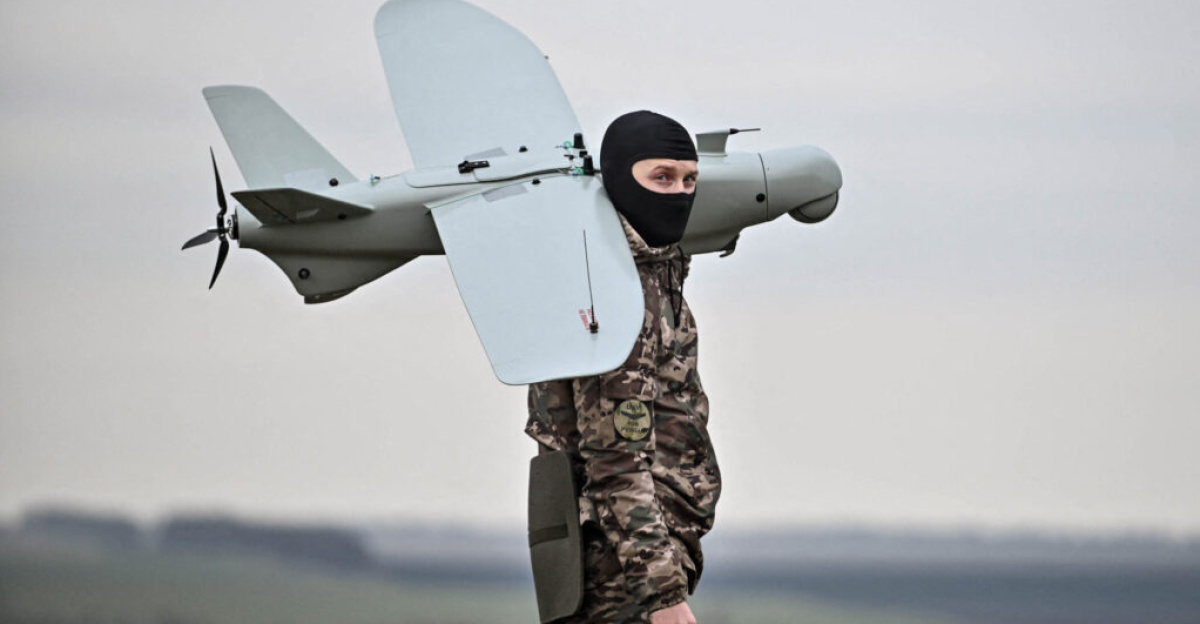
K2 began as a modest drone element supporting ground troops near Avdiivka in the Donbas region. Its operators initially flew missions to spot Russian armor, artillery, and infantry, then guided strikes by Ukrainian guns. As the unit’s FPV attacks repeatedly disabled tanks and vehicles and disrupted Russian columns, demand for its capabilities expanded.
By late 2024, K2 was reorganized as the 20th Separate Regiment of Unmanned Systems, a dedicated formation focused on drones rather than a support detachment embedded in a mechanized brigade. This upgrade signaled a broader shift in Ukrainian planning: unmanned systems were no longer viewed as a temporary adaptation to the front, but as a core part of the country’s force structure. The creation of K2’s regiment paralleled the rise of similar units elsewhere in the military and a national push to formalize training, procurement, and doctrine around drones.
Precision Strikes and Persistent Kill Zones
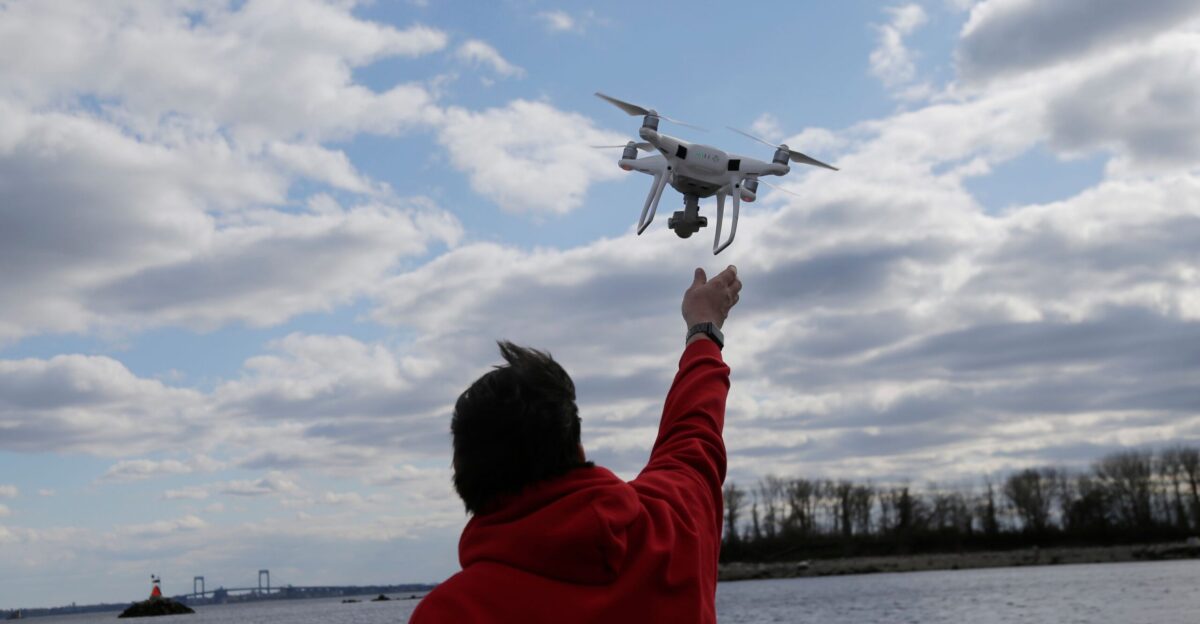
At the heart of K2’s approach are FPV kamikaze drones built from modified civilian and hobby platforms. Pilots steer them in real time using onboard cameras, guiding explosive payloads into tanks, armored vehicles, artillery pieces, and fortified positions. The combination of low altitude flight, maneuverability, and immediate operator control allows strikes on vulnerable spots, such as turrets, engine compartments, or exposed ammunition.
These capabilities enabled small, dispersed Ukrainian teams to threaten armored forces that traditionally relied on heavy protection and mobility. Continuous surveillance flights identified Russian movements along roads, treelines, and firing positions. Instead of seeking rapid territorial gains, K2 focused on denial: watching approaches, then striking whenever Russian units tried to advance, reposition, or resupply.
Over weeks and months, this pattern created de facto kill zones. Russian mechanized units found that attempts to move forward or shift artillery could trigger swift attacks from above. Offensives slowed or stalled, not because of large counterattacks, but due to steady attrition and the constant risk of observation and strike whenever units left cover.
Economic Impact and Cost Asymmetry
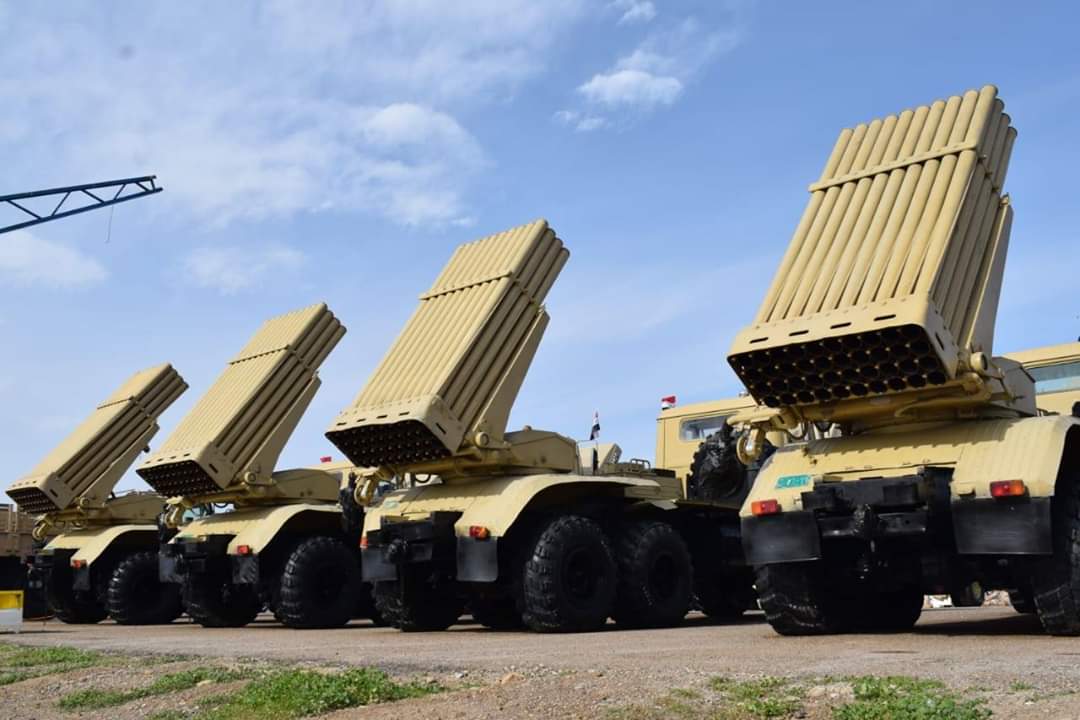
K2’s recorded strikes include Russian tanks, armored personnel carriers, and multiple-launch rocket systems such as BM-21 Grad and BM-27 Uragan. These systems are expensive to produce and, in many cases, difficult to replace quickly. While precise counts of destroyed vehicles remain hard to confirm independently, analysts have used known unit prices for tanks, armored vehicles, and rocket artillery to estimate the value of the equipment hit.
Those assessments suggest that K2’s operations may be responsible for destroying hardware worth tens of millions of dollars, with one widely cited estimate reaching around 150 million dollars in damaged or destroyed Russian assets. That figure is approximate rather than a confirmed accounting, but it points to the scale of losses that can be inflicted by tactical drone units operating continuously along a relatively narrow sector of the front.
The financial imbalance is stark. FPV drones used by K2 generally cost only a small fraction of the vehicles they target. Even allowing for drone losses to jamming, anti-air measures, or piloting errors, the ratio remains heavily in favor of the defender. Each successful hit on a tank or rocket system represents the destruction of a platform worth many orders of magnitude more than the attacking drone. In a long, attritional conflict like the one in eastern Ukraine, that asymmetry gives a significant advantage to forces that can produce and field large numbers of inexpensive unmanned weapons.
Tactics, Countermeasures, and Evolving Doctrine
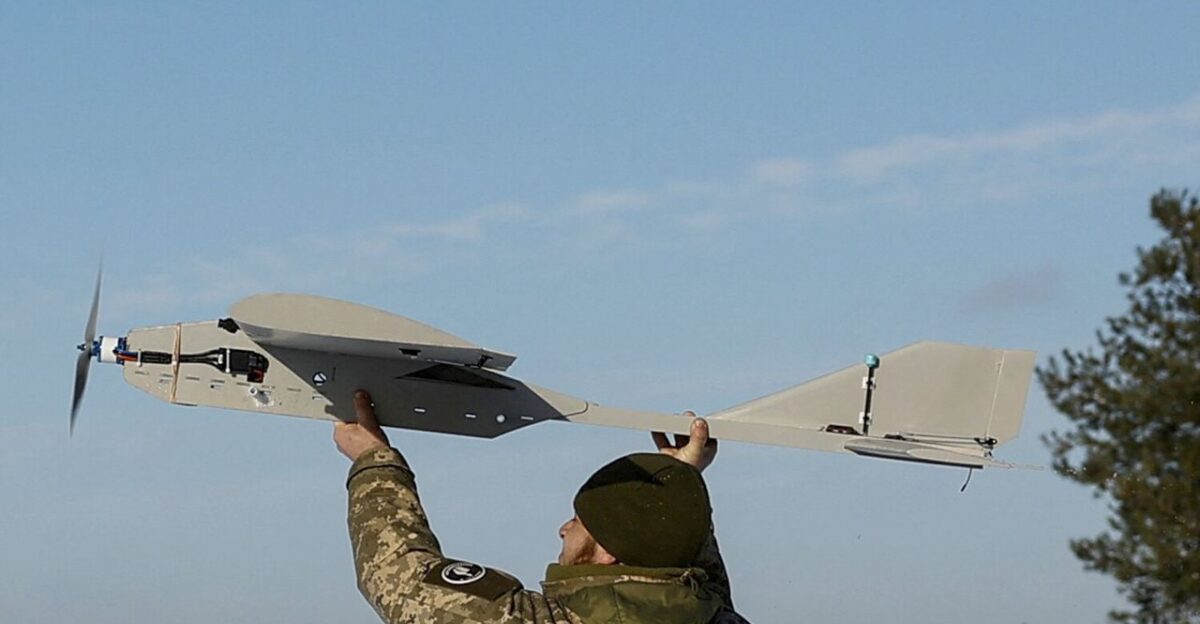
K2’s effectiveness depends on more than just kamikaze aircraft. Reconnaissance UAVs provide constant imagery of roads, dugouts, gun lines, and logistics routes. That information feeds directly into targeting decisions, shortening the time between detecting a vulnerable vehicle and launching an FPV strike. Artillery and mortars often follow up, using drone feeds to adjust fire, while FPVs finish off damaged or immobilized targets.
The near-constant drone presence also affects Russian troops psychologically. Vehicle crews face the possibility of being hit soon after they start moving, and infantry positions are rarely beyond the reach of aerial observation. This pressure discourages maneuver, complicates resupply, and can chip away at morale, reinforcing defensive behavior even during planned assaults.
Russian forces have tried to adapt. Many vehicles now carry metal cages, additional armor, or factory-installed anti-drone equipment. Electronic warfare systems attempt to jam control links and disrupt navigation. These changes have reduced the vulnerability of some targets, but have not removed the threat. K2 operators adjust frequencies, modify software, and alter approaches to exploit weak points or windows when jamming is less effective. The result is an ongoing electronic and tactical contest that evolves far faster than traditional procurement cycles.
Beyond the front around Avdiivka, K2’s trajectory has influenced Ukraine’s broader military thinking. The creation of a full unmanned regiment, the proliferation of similar units, and the emphasis on mass production and decentralized operator training all reflect the belief that drones have become decisive tools rather than niche support assets.
Militaries worldwide are watching closely. Video and assessments from K2 and comparable Ukrainian formations are being studied as examples of how low-cost unmanned systems can erode the advantages of heavy armor and conventional firepower. Training programs in other countries are increasingly including FPV operations and counter-drone measures. As Ukraine’s drone regiments continue to adapt under combat conditions, their experience is helping define how future armies will organize, equip, and fight in an era of persistent aerial surveillance and inexpensive precision strike capabilities.
Sources
Wikipedia: “20th Unmanned Systems Brigade”.
Business Insider: “Russian attack drones account for 90% of Ukrainian…”.
Bulgarian Military: “Russia deploys fresh tanks with anti-drone tech from factory”.
GSSR Georgetown: “A First Point View: Examining Ukraine’s Drone Industry”.
Foreign Policy: “Ukraine Needs More Drones”.
Ukrinform: “Ukrainian forces destroy Russian Uragan MLRS and its crew”.