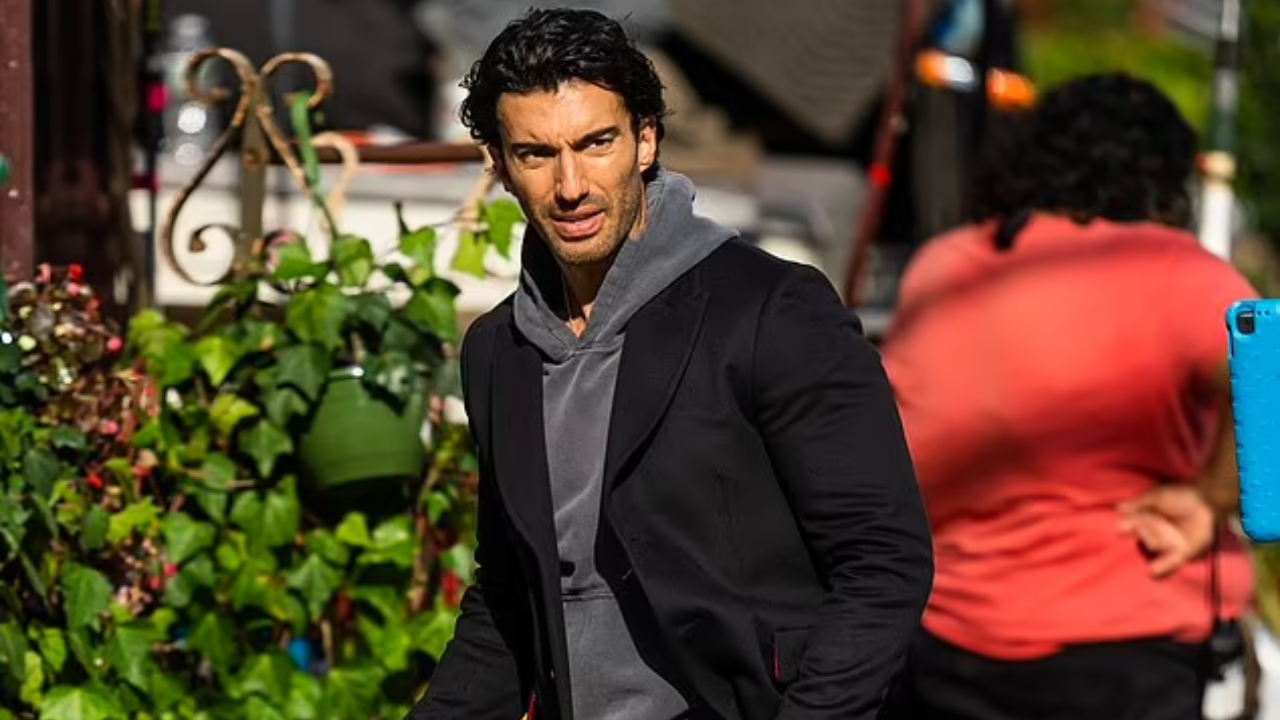
A high-profile legal showdown between actors Justin Baldoni and Blake Lively reached its conclusion on October 31, 2025, when a federal judge dismissed Baldoni’s $400 million defamation lawsuit against Lively. The dismissal followed Baldoni’s failure to amend his complaint by the court’s deadline, marking a decisive moment in a case that has captivated both the entertainment industry and the public.
The dispute began in December 2024, when Lively filed a complaint with California’s Civil Rights Department, accusing Baldoni—her co-star in the film “It Ends With Us”—of sexual harassment and orchestrating a smear campaign after she reported his alleged misconduct. The allegations, which included claims of unwanted physical contact and inappropriate discussions on set, sent shockwaves through Hollywood and ignited widespread debate.
Counterclaims and Courtroom Drama
In response, Baldoni launched a $400 million countersuit in January 2025, targeting Lively, her husband Ryan Reynolds, and publicist Leslie Sloane. He accused them of extortion, defamation, and invasion of privacy, alleging that Lively fabricated harassment claims to seize creative control of the film and damage his reputation. Baldoni’s legal team argued that he was the victim of a calculated campaign to destroy his career.
The legal battle took a pivotal turn in June 2025, when Judge Lewis Liman dismissed Baldoni’s lawsuit, citing California’s AB 933—legislation designed to protect survivors of sexual harassment from retaliatory defamation suits. The law, enacted in the wake of the #MeToo movement, shields individuals who make good-faith statements about harassment in legal complaints or to the press. Judge Liman gave Baldoni until October to amend his complaint, but Baldoni and his production company, Wayfarer Studios, missed the deadline. Lively’s attorneys called the ruling “a total victory and complete vindication.”
Allegations and Evidence
Lively’s original complaint painted a disturbing picture of the film set. She alleged that Baldoni improvised unwanted kissing during scenes, commented on her weight, discussed his pornography addiction, and entered her trailer without consent. She also claimed that producer Jamey Heath showed her an explicit video without warning. These allegations, Lively argued, created a hostile work environment.
A critical meeting in January 2024, attended by Ryan Reynolds as Lively’s representative, resulted in agreements to improve on-set conduct, including the use of intimacy coordinators and restrictions on unscripted sexual content. Despite these measures, Lively alleged that Baldoni retaliated against her, launching a campaign to undermine her reputation.
Key evidence supporting Lively’s claims included subpoenaed text messages between Baldoni’s crisis PR expert and his team, discussing strategies to “bury” Lively’s reputation. “He wants to feel like she can be buried,” one message read, with a reply: “You know we can bury anyone.” These communications became central to Lively’s case.
Industry Fallout and Global Context
The fallout from the allegations was swift. On December 21, 2024, talent agency WME dropped Baldoni as a client, just hours after Lively’s accusations became public. Baldoni claimed this was due to pressure from Lively and Reynolds, but WME denied any outside influence. The agency, which also represents Lively and Reynolds, stated that Reynolds’ former agent was not present at the event where Baldoni alleged a confrontation occurred.
Despite the controversy, “It Ends With Us” became a box office sensation, grossing over $350 million worldwide on a $25 million budget. Industry analysts noted that the legal drama may have fueled public curiosity, drawing larger audiences to theaters.
The case also drew comparisons to global #MeToo-era legal battles, such as the UK’s “Wagatha Christie” trial and high-profile defamation suits in Australia and France. California’s AB 933 represents one of the strongest legislative protections for survivors of workplace harassment, designed to prevent powerful figures from silencing accusers through litigation.
Next Steps
Baldoni’s attorney, Bryan Freedman, disputed the characterization of the outcome as a victory for Lively, insisting that the court had allowed amendments to four claims that were never filed. Meanwhile, Lively’s legal team has requested attorney’s fees and punitive damages under AB 933, with the final amount pending before the judge.
Looking Ahead
While Baldoni’s countersuit is now permanently dismissed, Lively’s original harassment and retaliation lawsuit remains active, with a trial scheduled for March 2026. The outcome could set important precedents for workplace harassment cases in the entertainment industry and beyond. As the legal spotlight shifts to the upcoming trial, the stakes remain high—not only for the individuals involved, but for the broader movement to protect survivors and ensure accountability in workplaces worldwide.