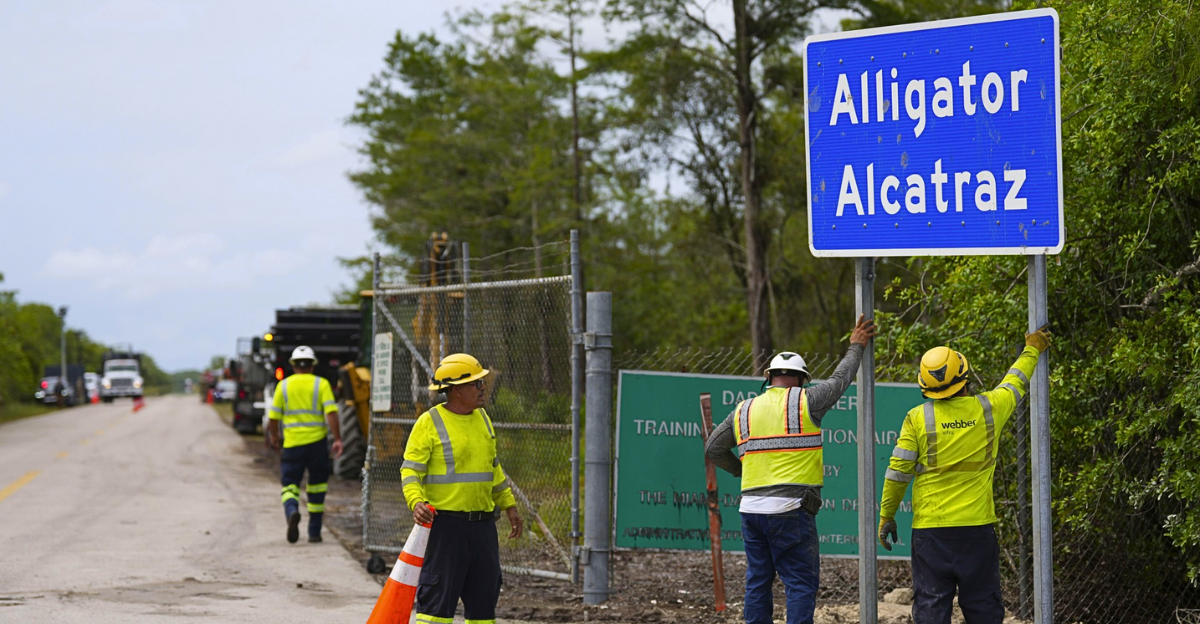
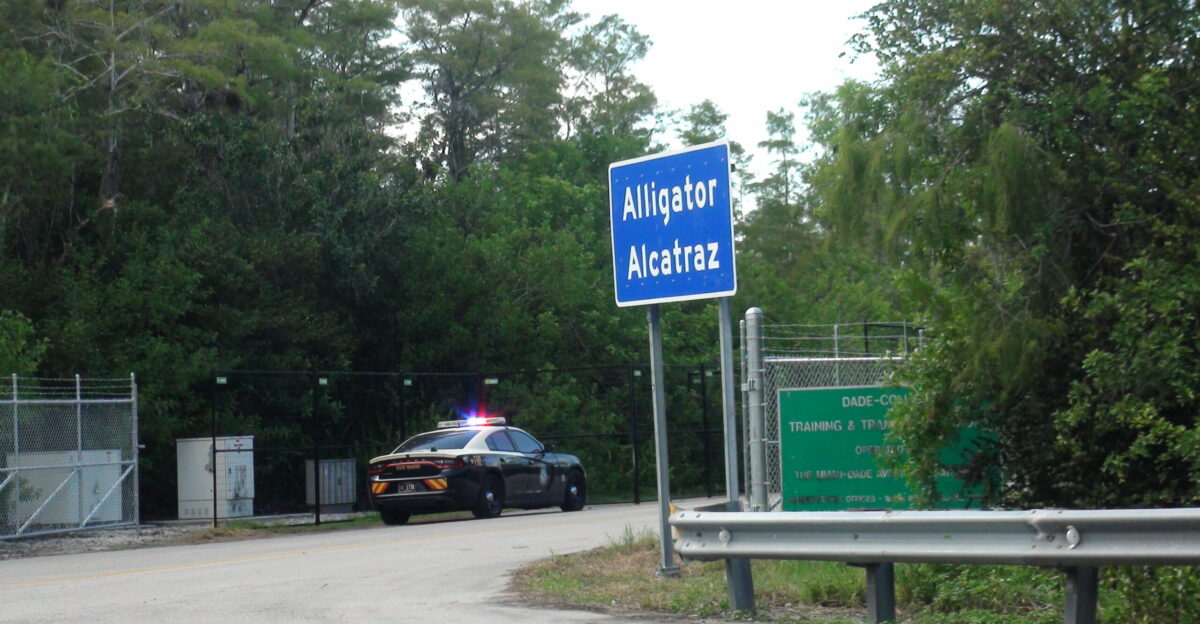
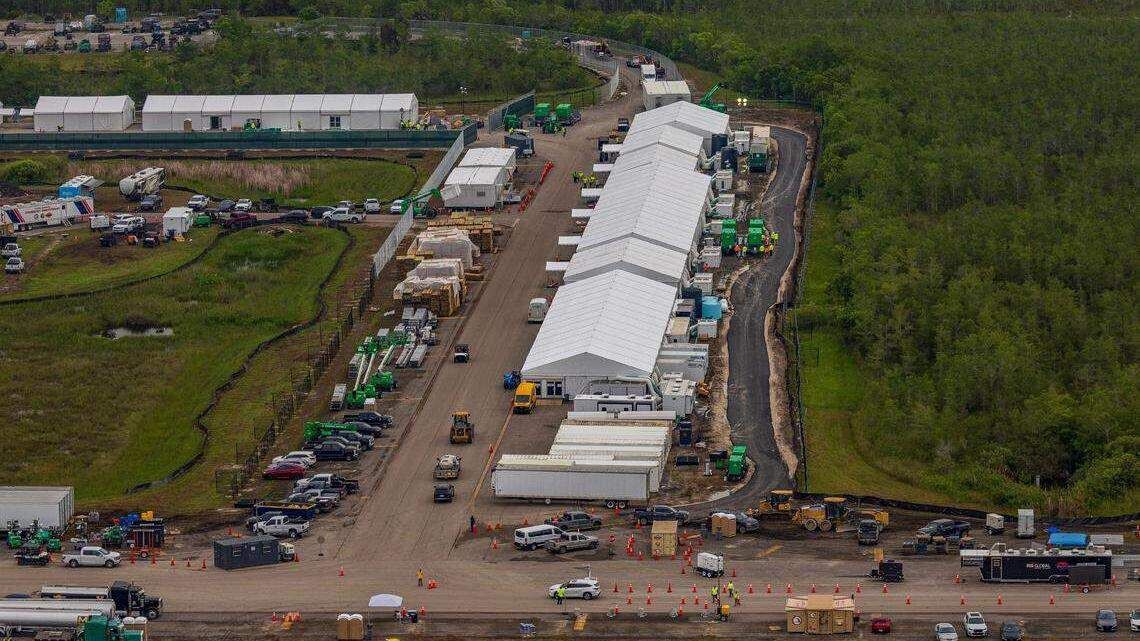
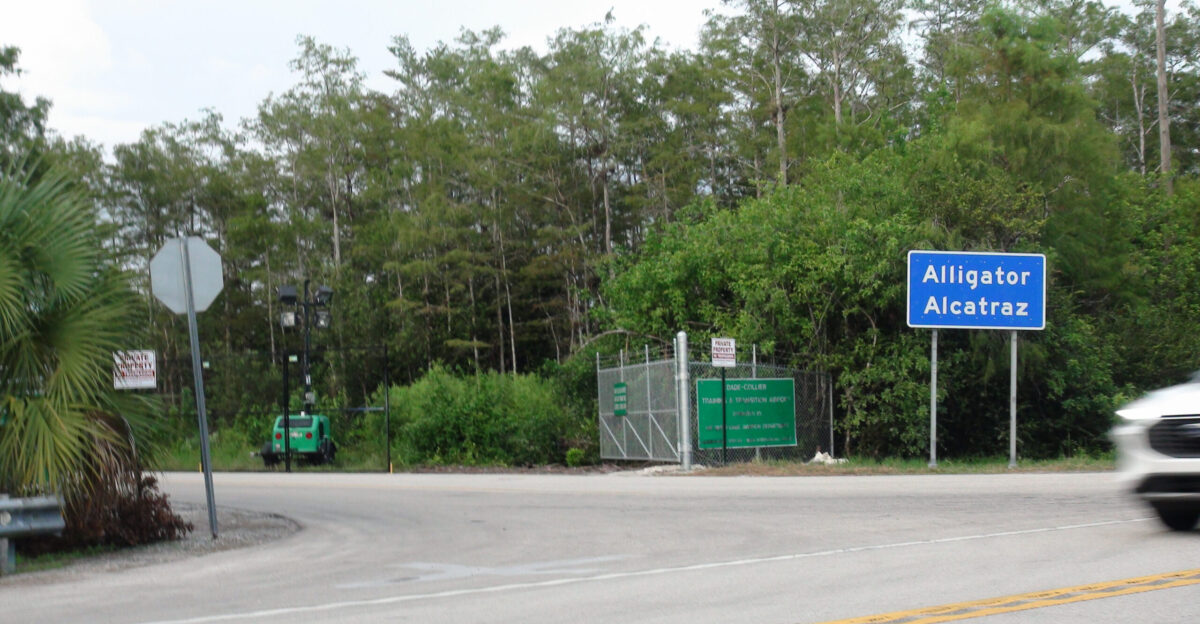
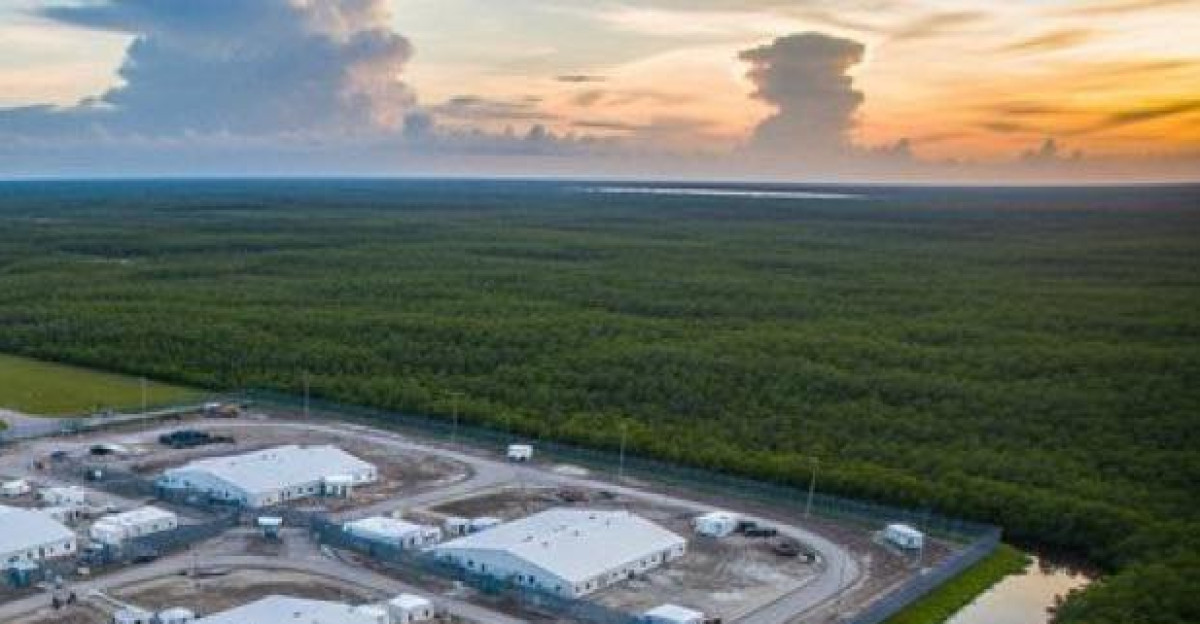
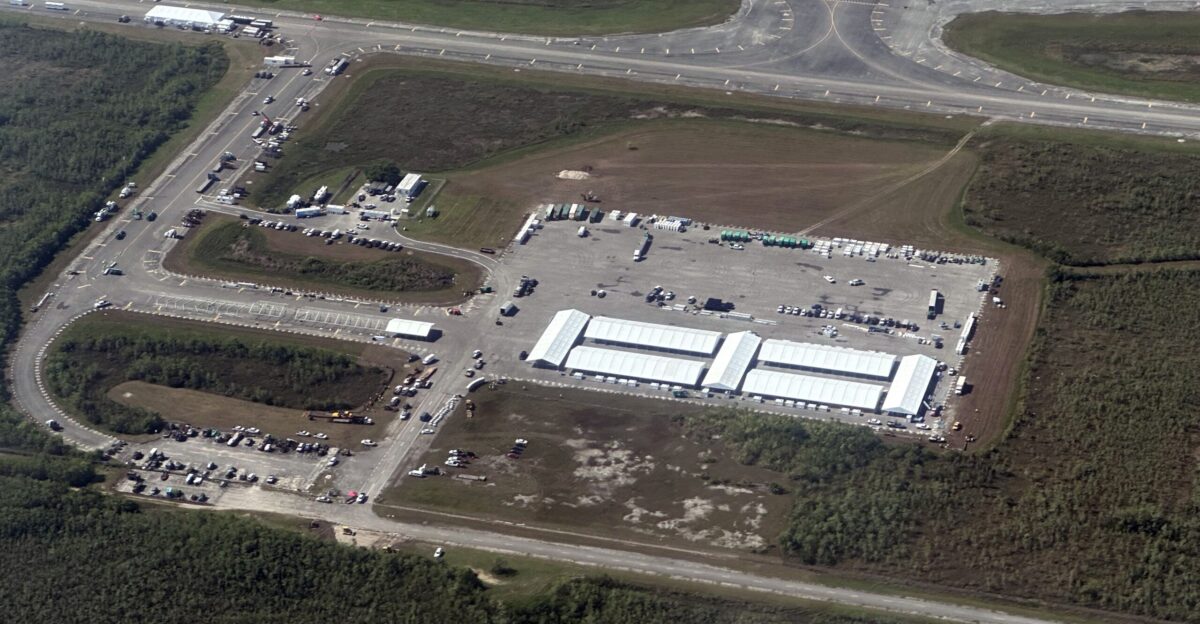
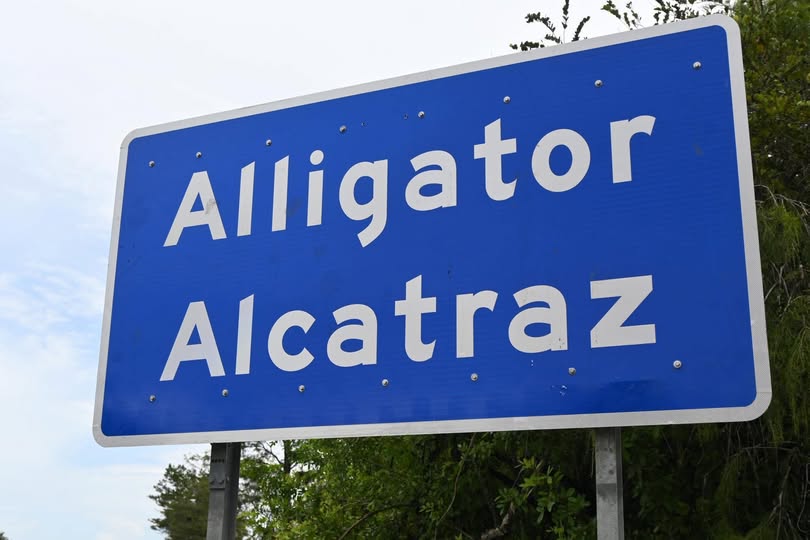
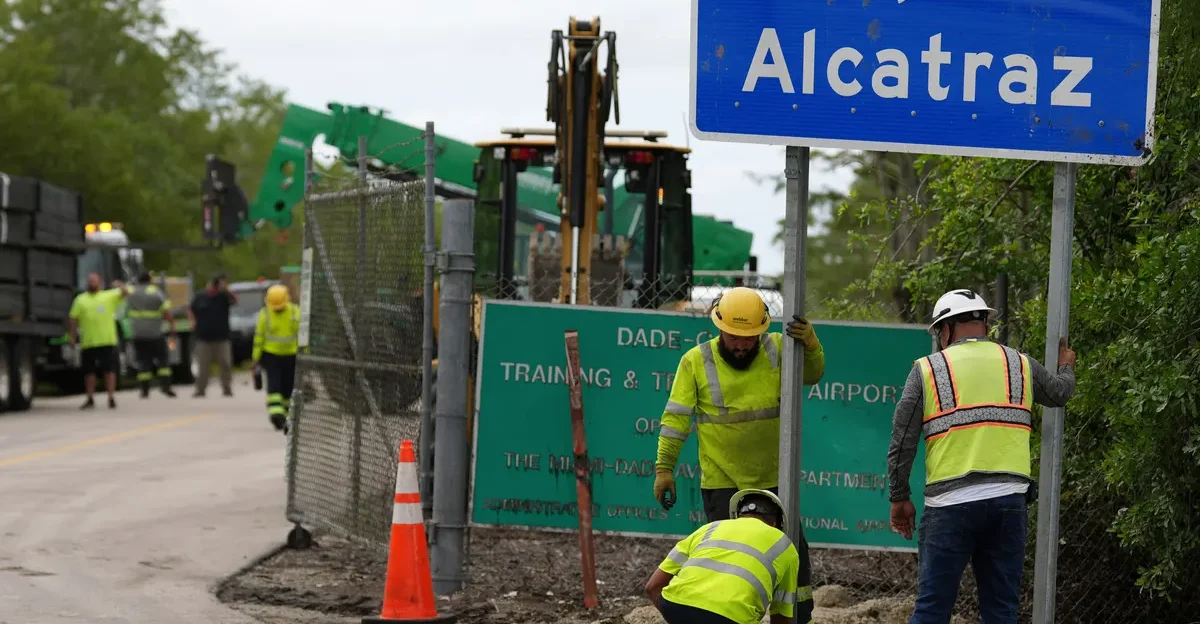
Based on the crucial conclusion that there has been “irreparable harm” to the ecologically delicate wetland ecosystem of the Everglades, a federal judge recently decided to close the $245 million Alligator Alcatraz immigration detention facility within 60 days. This landmark ruling emphasizes the legal precept that prompt action is justified when environmental harm reaches a point where it cannot be reversed or sufficiently repaired.
The decision emphasizes the need to strike a balance between environmental preservation and government infrastructure projects, highlighting the long-term effects of upsetting a distinctive, biodiverse habitat. Additionally, this closure highlights the state’s disregard for environmental regulations when the facility was built, demonstrating the court’s willingness to defend environmental safeguards against commercial or political interests.
Impact on the Environment and Scientific Proof

Significant environmental damage brought about by the detention facility was shown by scientific evidence presented during the court proceedings. The court’s determination of irreparable harm was based in large part on damage to native vegetation, disruptions to wildlife habitats, including endangered species, and damage to water flow patterns.
Large-scale construction and operation disruptions like the ones that occur here are especially harmful to the Everglades, a unique ecosystem that depends on exact hydrological cycles. The judge’s urgency to stop ongoing harm immediately was justified by the expert testimony, which emphasized that once the wetland is damaged, its recovery could take decades or even be impossible.
Environmental Protection Legal Precedents
This case is consistent with an increasing number of court rulings that highlight environmental stewardship. Due to the irreversible nature of some ecological damages, courts are increasingly leaning more toward granting injunctions to stop further harm than they are toward providing monetary compensation.
In environmental law, the legal doctrine of “irreparable harm” is essential because it requires courts to take decisive action when ecosystems are threatened with consequences that could jeopardize biodiversity and regional climate regulatory functions. This decision highlights the judiciary’s function as a check on executive overreach by reinforcing such principles with a current example involving a politically sensitive infrastructure project.
Political Background and Debates

Supported by Florida Governor Ron DeSantis and linked to immigration enforcement policies under former President Trump, the Alligator Alcatraz project has been highly politicized. The facility’s location, function, and environmental hazards sparked intense discussions about competing priorities, such as ecological preservation versus immigration control.
DeSantis’s public defense of the facility, which asserts that it has little environmental impact, stands in stark contrast to the results of scientific research and court rulings. This conflict serves as an example of the larger national struggle between environmental activism and aggressive immigration policies, in which court decisions play a pivotal role as arbiters amid political bluster.
Environmental Justice and Tribal Rights
For Indigenous environmental justice activists who have long battled for acknowledgement of their land rights and the protection of sacred sites, the decision is also a win. The activism of the Miccosukee and Seminole tribes brought attention to the relationship between ecological preservation and cultural survival.
According to environmental justice frameworks, state projects that cause ecological degradation disproportionately affect marginalized communities. With tribal voices receiving previously unheard-of judicial validation, this legal victory reflects an understanding that environmental harm is not only ecological but also social and cultural.
Impacts on Immigration Policy in the Second Order
The closure of Alligator Alcatraz has far-reaching effects on U.S. immigration enforcement tactics that go beyond environmental and tribal concerns. It suggests that similar detention centers, particularly those located on delicate ecological or tribal lands, may face political and legal challenges.
This could force policymakers to reconsider the placement and layout of detention facilities and perhaps move toward less harmful alternatives or reforms that prioritize more compassionate immigration policies. The decision could spur additional legal action and raise the standard for environmental compliance in immigration-related projects across the country.
Effects of the Closure on the Economy
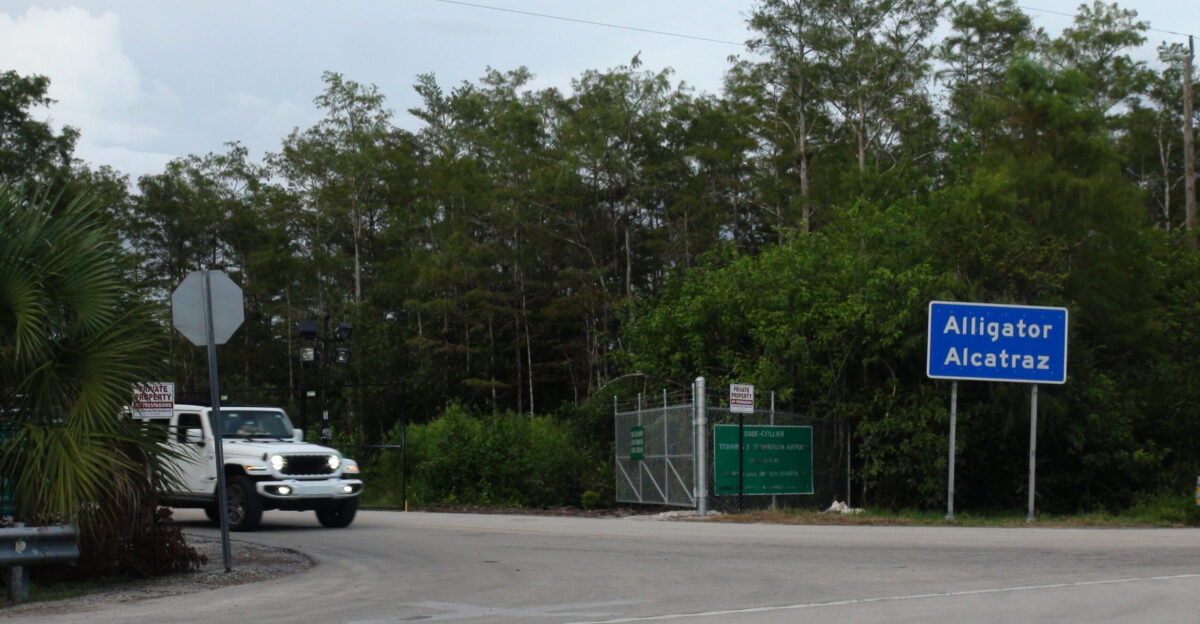
With sunk capital investments and operational disruptions, Florida would suffer a significant economic loss if a $245 million facility were shut down in 60 days. The long-term benefits of the Everglades ecosystem, such as biodiversity, flood control, and carbon sequestration, must be taken into account in the economic calculation, though, as they greatly outweigh any immediate financial losses.
Furthermore, the decision implies that environmental sustainability cannot be subordinated to economic expediency. The case might force states to reevaluate how they balance infrastructure budgets with ecological costs, which could sway future funding choices in favor of more environmentally friendly options.
Environmental Law Enforcement Difficulties
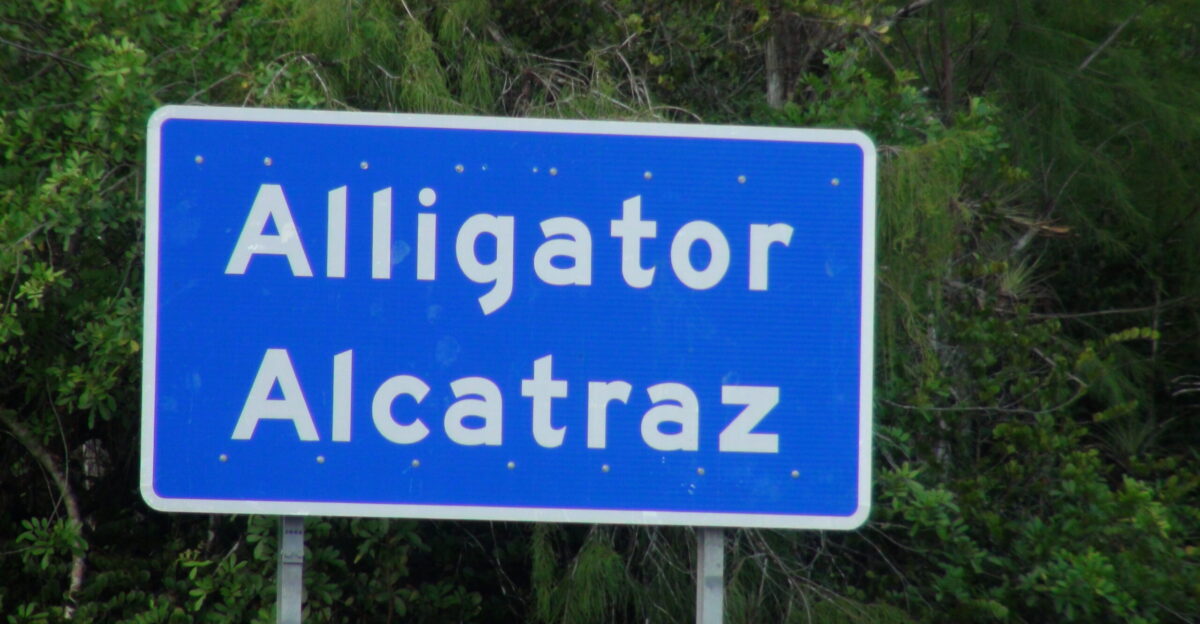
The difficulties governments encounter in upholding environmental regulations in the face of conflicting political agendas and emergency executive actions are also highlighted by this case. Vulnerabilities in oversight procedures were brought to light when the facility was taken under an emergency order without obtaining local approval.
The judge’s action demonstrates how important the judiciary is in preventing government abuses and guaranteeing that environmental laws are followed. However, to prevent similar damages from happening again, this reactive process highlights the need for proactive environmental planning, open public procedures, and more robust institutional safeguards.
“Matrix of Irreparable Damage”
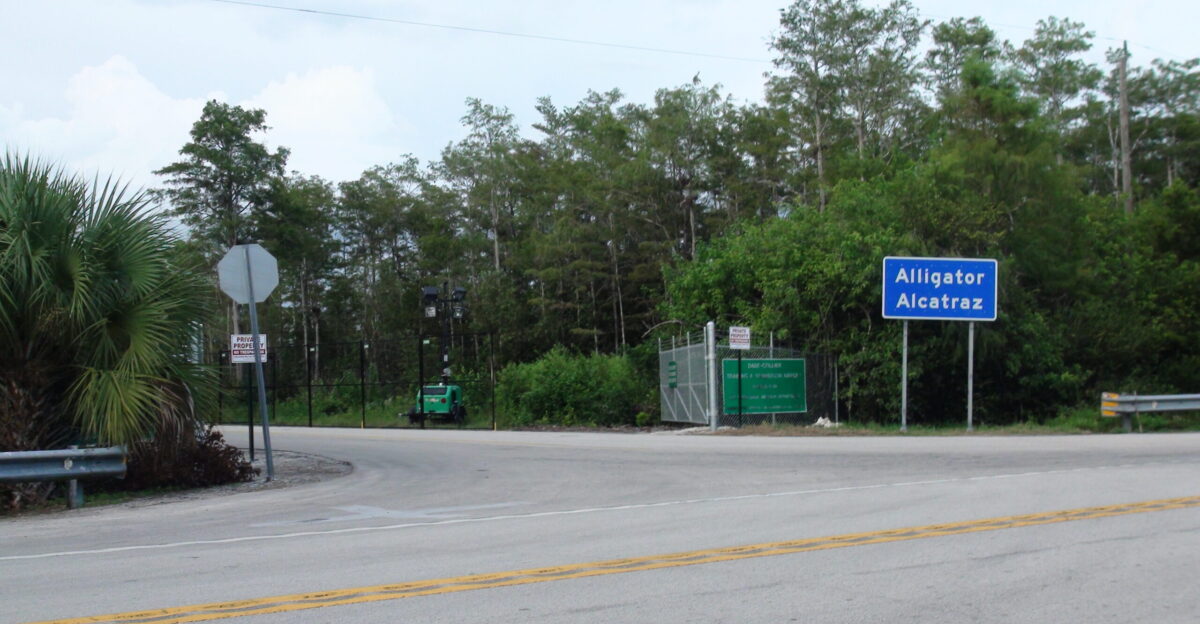
The “Irreparable Harm Matrix,” which classifies harm according to its reversibility, scale, and systemic impact, is one creative framework for comprehending this decision. This matrix helps explain why certain damages, such as the disruption of the Everglades here, call for immediate judicial injunctions because they are systemic (ecosystem function impaired), large-scale (thousands of acres), and irreversible (wetland destruction).
By offering a precise, impartial criterion to gauge the extent of harm and the need for immediate action in environmental cases, this analytical tool may help direct future legal and environmental policy decisions. The judge’s use of these standards demonstrated a practical, empirically supported approach to legal reasoning.
Comparing Environmental Collapse with Economic Growth
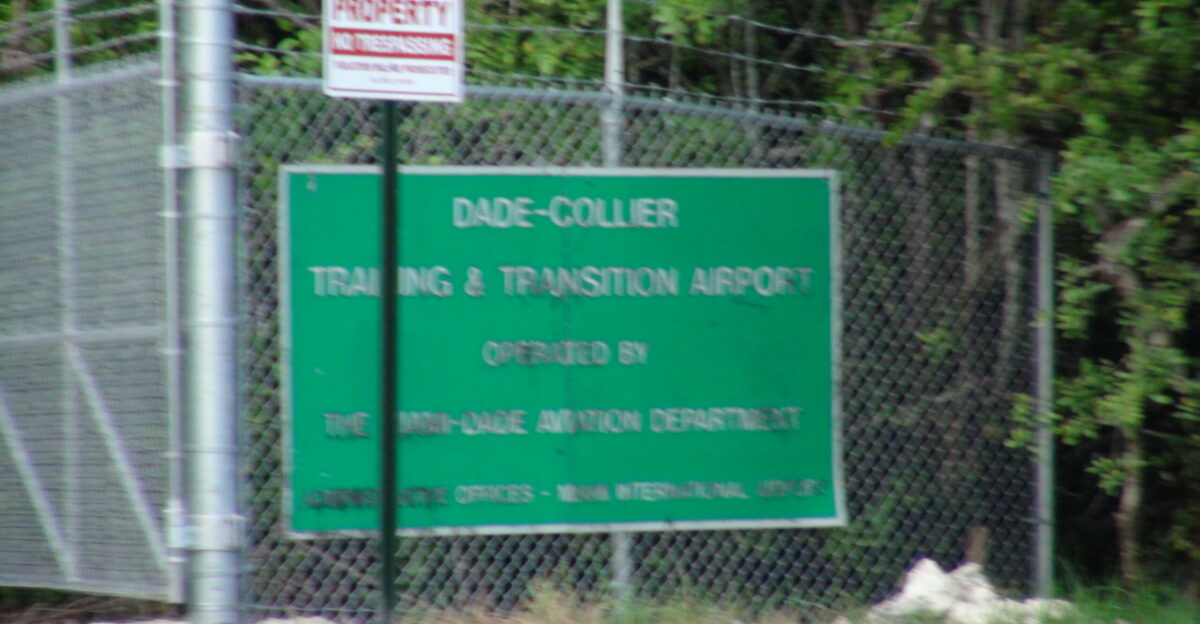
Although supporters contend that infrastructure promotes security and economic growth, this case serves as an extreme illustration of how unchecked development can lead to a wider environmental collapse with repercussions for the economy.
By arguing that economic investment is pointless if it irreparably harms the natural capital that supports all economies, the case to stop Alligator Alcatraz challenges traditional growth paradigms. This position calls for a fundamental reevaluation of what really qualifies as economic progress, elevating ecological preservation above temporary job creation or immigration hyper-efficiency.
The Effects of Judicial Decisions on Society and Psychology
The judge’s audacious decision sends a strong social message that emphasizes environmental stewardship. Psychologically, it could encourage changes in public perceptions of government accountability and ecological preservation, as well as behavioral changes.
The judiciary creates a sense of urgency and moral imperative by characterizing environmental destruction as “irreparable harm,” which has the potential to inspire grassroots activism and change societal values toward sustainability, with far-reaching consequences outside of the courtroom.
Parallel Case Study: The Dakota Access Pipeline
The closure of Alligator Alcatraz is comparable to other historic instances, such as the protests against the Dakota Access Pipeline, where environmental concerns and indigenous rights collided with massive projects. These cases show how legal systems can support tribal and ecological claims over powerful political and economic interests, influencing project planning and future policy.
In order to prevent protracted legal proceedings and social unrest, the lessons learned highlight the importance of early community consultation, open environmental assessments, and respect for indigenous sovereignty.
Unexpected Repercussions: Relocating Detention to Locations With Fewer Monitoring
One hypothetical risk emerging from the closure is the potential relocation of detention facilities to less environmentally sensitive but also less regulated or more remote regions.
This displacement effect may make oversight, environmental protection, and the humane treatment of detainees even more difficult. In order to avoid merely shifting issues rather than resolving the underlying conflicts between immigration enforcement and ecological preservation, it suggests that environmental victories must be accompanied by comprehensive policy reforms.
Statistics on the Environment: Strengthening the Argument
More than 350 bird species, 300 fish species, and a variety of endangered plants and animals can be found in the Everglades. With their 1.5 million acres, wetlands filter water and generate billions of dollars in revenue each year. These figures are at risk due to the $245 million detention facility’s disruption of natural water flow and habitat fragmentation.
Wetland destruction is a costly trade-off that necessitates immediate legal corrective action because it increases flood risks and carbon emissions, exacerbates climate change, and decreases biodiversity, according to scientific data.
The Function of Public Perception and the Media
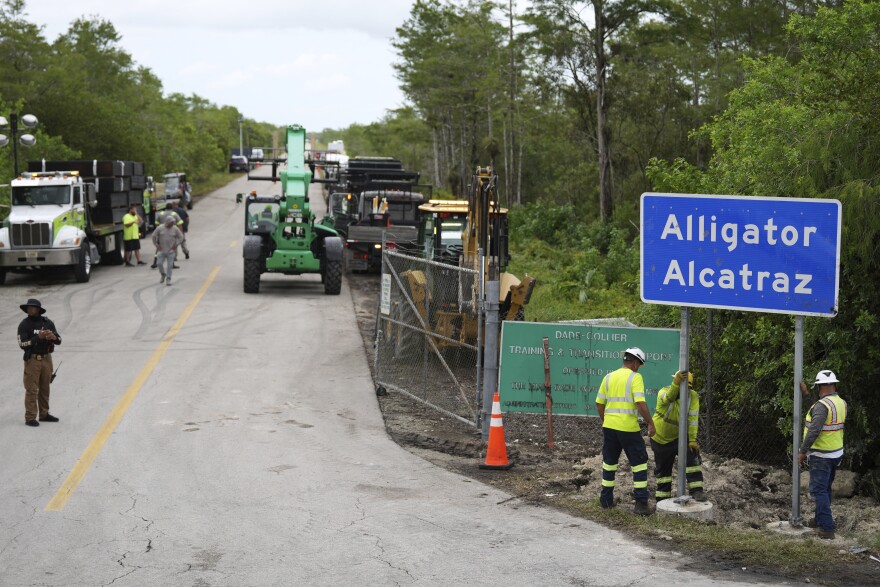
The state’s lack of transparency in emergency planning for the facility has been criticized by some media outlets, while others have defended its necessity for immigration control. The coverage has been polarizing. This division exposed the media’s ability to impact environmental justice struggles by influencing public opinion and intensifying polarization.
The judge’s decision might reorient media narratives to emphasize ecological facts and legal principles, promoting more sophisticated public discussions on striking a balance between environmental sustainability and human security.
Theoretical Hypothesis: The Deterrent Effect of Environmental Law
Environmental law acting as a deterrent as opposed to just a corrective measure is a theoretical framework worth taking into account. A prime example of how strict enforcement and judicial activism discourage future projects that could endanger delicate ecosystems is the Alligator Alcatraz case.
In times of climate crisis, when preventing new ecological harm is perhaps more crucial than repairing previous harms, this deterrence effect is crucial. Governments are encouraged to include rigorous environmental risk assessments in initial decision-making by the precedent set by this case.
Lessons in Strategic Communication from the Case
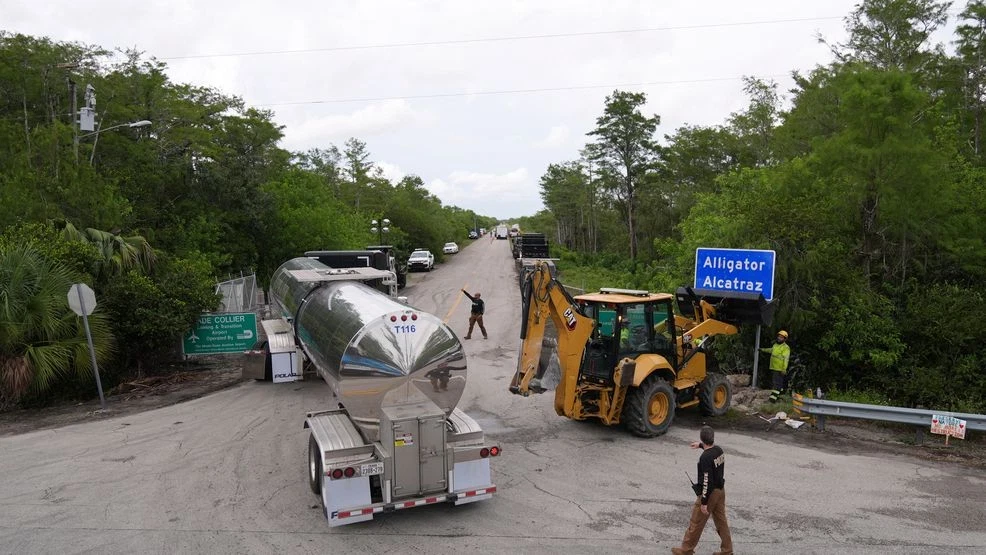
The case highlights essential lessons on stakeholder engagement, transparency, and narrative framing from the standpoint of strategic communication. Government actors failed to address ecological concerns publicly and undervalued the tenacity of environmental and tribal groups.
The intervention of the judiciary significantly changed the messaging power in favor of conservationists. To prevent reputational harm and legal setbacks, inclusive stakeholder discussions and proactive communication should be given top priority in future infrastructure projects.
Implications for Long-Term Policy and Social Change
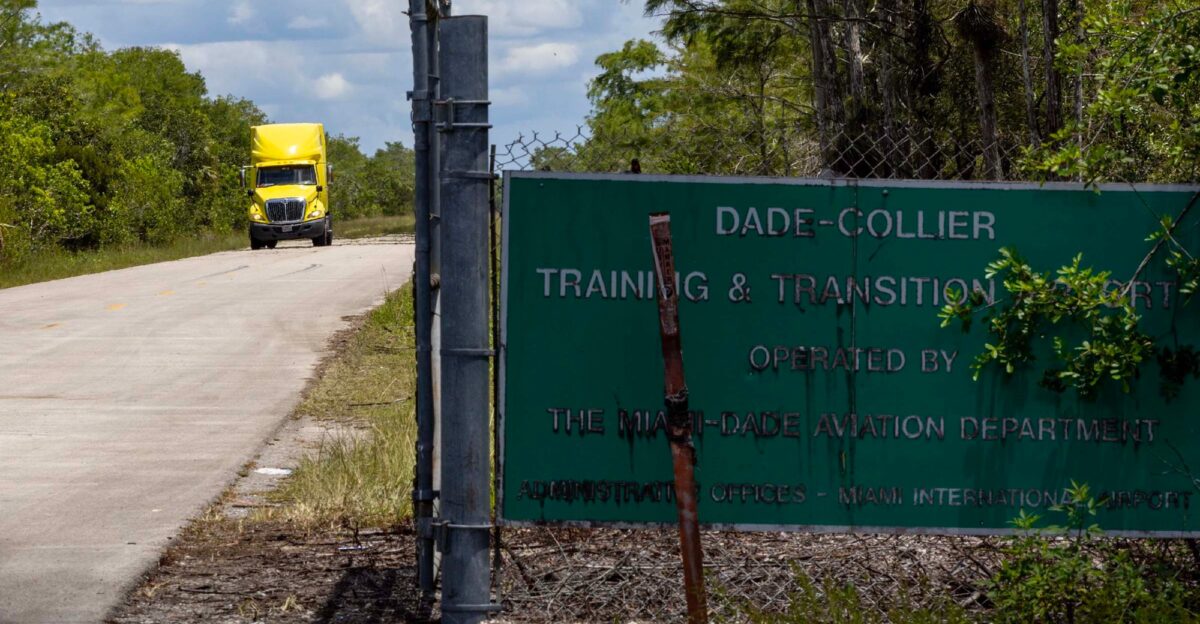
The judge’s directive to close Alligator Alcatraz within 60 days marks a change in the way that government infrastructure decisions prioritize sustainability and indigenous rights.
This change could hasten legislative changes meant to incorporate social justice and environmental standards into project approvals. The decision may eventually lead to a shift in state development paradigms and broader national and international environmental governance frameworks, establishing ecological integrity as an unassailable legal and cultural principle.