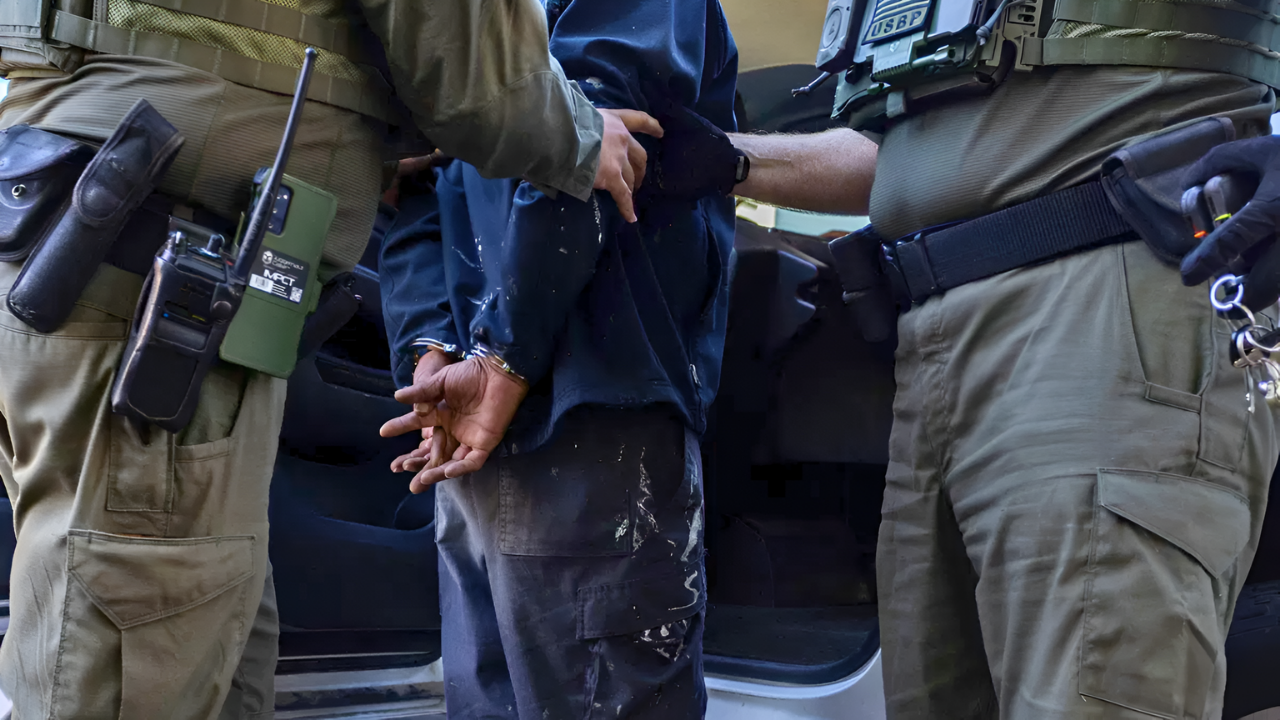
In November 2025, a federal courtroom in Chicago became the focal point of a sweeping legal battle over immigration enforcement. U.S. District Judge Jeffrey Cummings issued a forceful ruling against the federal government, finding that immigration agents had systematically violated the law during a massive operation known as Operation Midway Blitz. Over a ten-week period, more than 3,300 people were arrested across Chicago and the surrounding areas. Now, with the court’s intervention, more than 600 detainees could be released, raising urgent questions about the legality and human cost of the crackdown.
Operation Midway Blitz: A Sweeping Dragnet
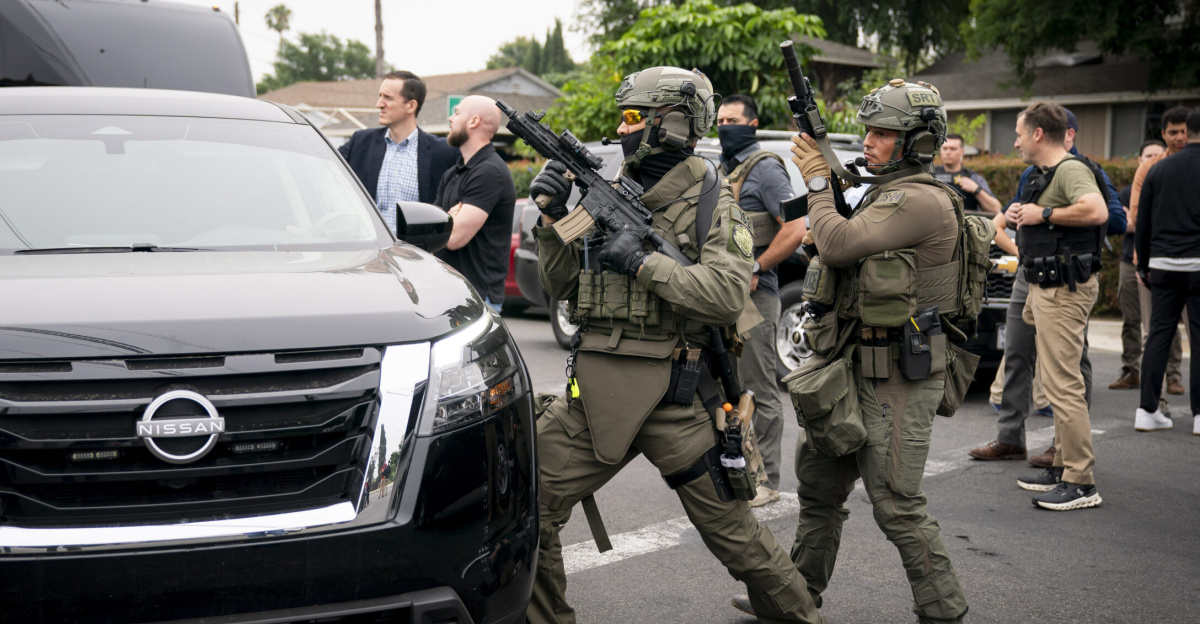
Operation Midway Blitz began quietly in September 2025, with federal agents targeting neighborhoods, workplaces, and public spaces throughout Chicago. The operation was billed as a targeted effort to apprehend dangerous criminals hiding within immigrant communities. However, by October, the scale of the arrests—averaging 330 per week—drew scrutiny from legal advocates and families. As cases reached Judge Cummings’ courtroom, a troubling pattern emerged: agents routinely failed to document probable cause for warrantless arrests, a requirement under a 2022 consent decree. Many individuals were detained in everyday situations—at drive-thrus, on sidewalks, or leaving work—without proper legal justification.
Court records revealed that nearly all arrests were made in violation of federal law. The judge’s review found that the vast majority of those detained had no criminal record, contradicting the government’s claims that the operation targeted “the worst of the worst.” Of 614 cases reviewed, only 16 individuals had any criminal history, and those offenses were mainly minor, such as drunk driving or domestic battery. The government’s own data undermined its public narrative, setting the stage for a dramatic legal reckoning.
Legal Fallout and Human Impact
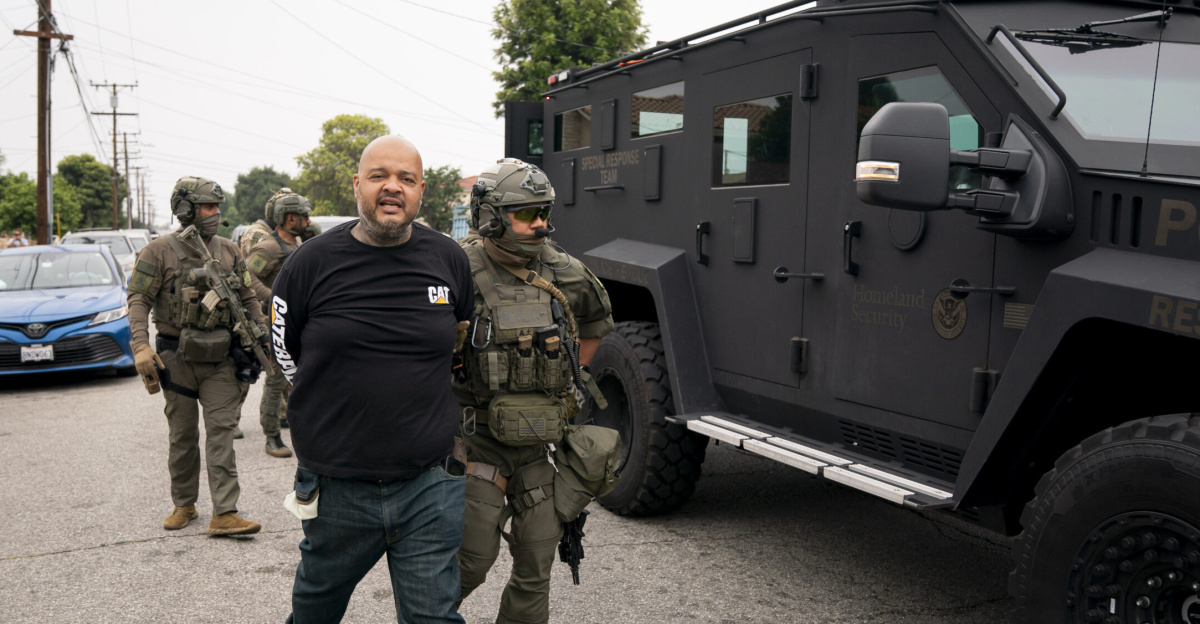
Judge Cummings responded by ordering the immediate release of 13 detainees whose arrests were deemed entirely unlawful. More significantly, he mandated that the government review the cases of 615 others still in custody, pausing deportations and requiring bond hearings. The government faced a tight deadline to justify each detention or risk the mass release of hundreds of individuals.
The legal battle centered on the Castañon Nava consent decree, a 2022 federal settlement that imposed strict limits on how Immigration and Customs Enforcement (ICE) could conduct warrantless arrests in six Midwest states. The decree required agents to document probable cause and assess the flight risk of individuals before detaining them. During Operation Midway Blitz, investigators found that agents often carried blank warrants, filling them out only after making arrests. In response, Judge Cummings extended the consent decree through February 2026, ensuring continued oversight of ICE’s practices.
The rapid pace of the operation had already resulted in the deportation or voluntary removal of over 1100 people, most before they had access to legal counsel or a chance to challenge their detention. For many families, the court’s intervention came too late, raising concerns about wrongful removals and the long-term consequences for those affected.
Conditions Inside Detention Facilities
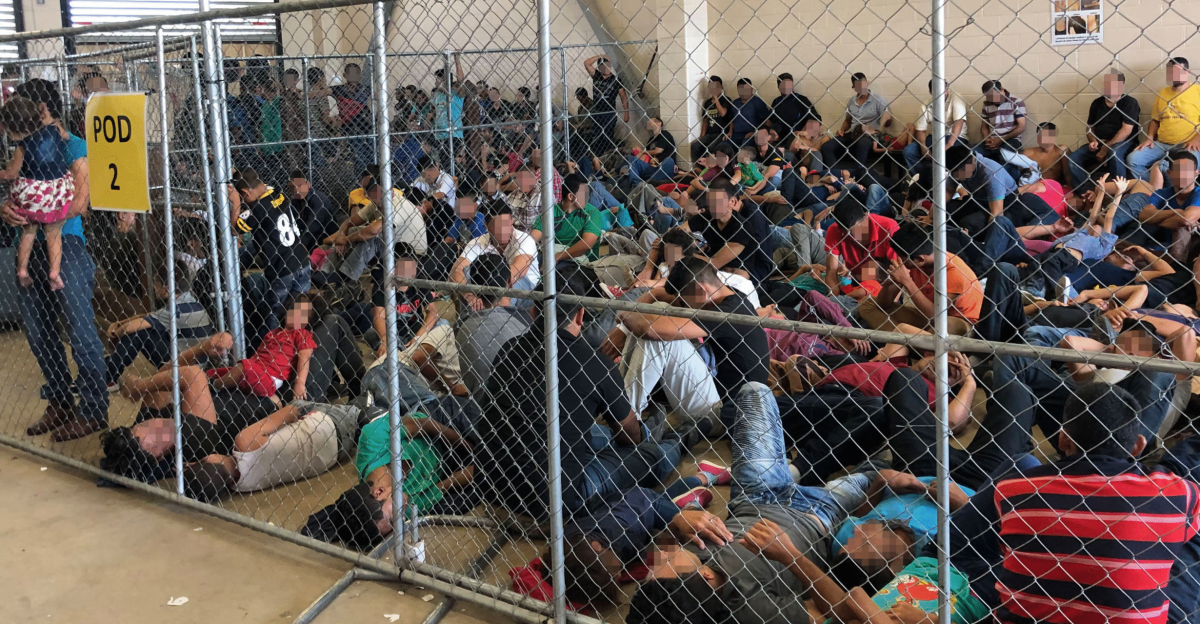
Beyond legal violations, the operation exposed harsh conditions inside ICE detention centers. The Broadview facility near Chicago, where many detainees were held, was described in court as dangerously overcrowded and unsanitary. Witnesses reported that up to 150 people were confined in spaces designed for short-term processing, with detainees sleeping on concrete floors, sharing limited toilets, and lacking access to showers or hygiene products. Meals were inadequate, and phone calls to lawyers were often denied.
Judge Cummings ordered immediate reforms, including the provision of mats, clean bedding, regular cleaning, nutritious meals, and access to showers. However, for those who had already been deported, these changes offered little comfort. The court’s actions highlighted the urgent need for humane treatment and due process for all detainees.
A Regional and National Reckoning
The implications of Judge Cummings’ ruling extend far beyond Chicago. The consent decree covers Illinois, Indiana, Kansas, Missouri, Kentucky, and Wisconsin—an area home to nearly 60 million people. The extension of federal oversight means that ICE’s enforcement tactics in the Midwest will remain under judicial scrutiny for at least another year.
The government argued that only a small fraction of the 615 remaining detainees posed a genuine public safety risk. Prosecutors identified just 12 individuals as “high risk,” casting further doubt on the necessity and scope of the operation. Testimony in court revealed that many of those arrested were teachers, day-care workers, and day laborers—community members with deep local ties rather than the dangerous criminals described in official statements.
Looking Ahead: Stakes and Unanswered Questions
As the government raced to meet the court’s deadline, families and advocates waited anxiously for news. The potential release of 615 detainees would reverse nearly one in five arrests from Operation Midway Blitz, marking one of the largest judicial interventions against federal immigration enforcement in recent history. Civil rights groups hailed the ruling as a victory for the rule of law and pledged to continue challenging unlawful detentions.
Judge Cummings’ decision signals a turning point in the debate over immigration enforcement, shifting the balance from executive discretion to judicial accountability. With federal oversight extended and further litigation likely, the outcome of this case could reshape how immigration laws are enforced across the Midwest—and potentially, the nation. As hundreds of lives hang in the balance, the stakes for immigrant communities and the broader public remain high.