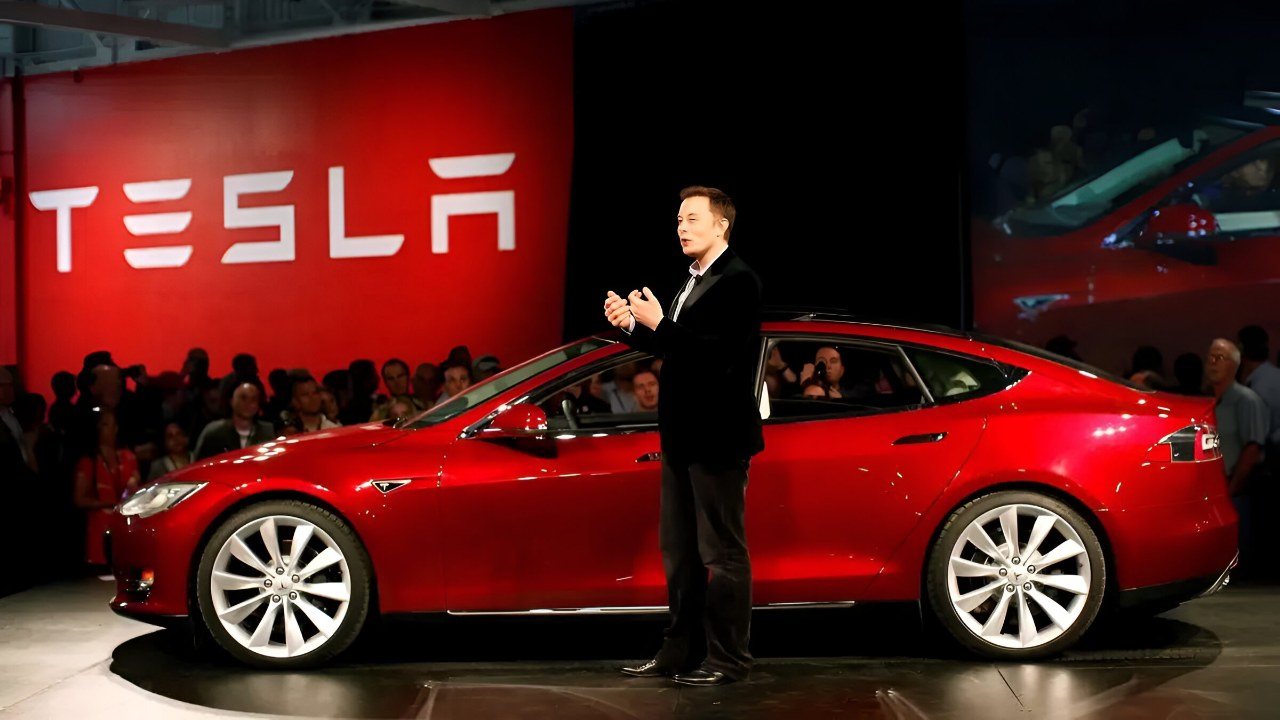
Cameras clicked inside a Sacramento press room on December 16, 2025, as California DMV Director Steve Gordon confirmed what Tesla had tried to avoid for three years. The state officially ruled that Tesla’s “Autopilot” and “Full Self-Driving” marketing was deceptive. A compliance clock began immediately.
If Tesla fails to fix its language within 60 days, California will suspend its sales license for 30 days—an unprecedented threat to the most valuable automaker in the world.
The Judge’s Recommendation vs. DMV’s Decision
The ruling placed Tesla’s California operations squarely at risk. California is Tesla’s largest U.S. market and home to its original Fremont factory, which produces a significant portion of Tesla’s global output. An administrative law judge, Juliet E. Cox, issued a proposed decision on November 20, 2025, recommending suspending both Tesla’s dealer and manufacturing licenses for 30 days. Such a move would have frozen sales and production simultaneously.
However, on December 16, DMV Director Gordon adopted Judge Cox’s findings regarding deceptive marketing—but substantially modified the penalty structure. The DMV immediately and permanently stayed the manufacturing license suspension, allowing the Fremont factory to continue operations. Separately, the DMV imposed a 60-day compliance period during which Tesla must correct its marketing language. If Tesla fails to remedy the deceptive terminology within this window, the dealer license suspension becomes active, barring new vehicle sales in California for 30 days. The manufacturing suspension remains stayed regardless of compliance outcome. Investors, regulators, and competitors immediately recognized the case as a potential national turning point for autonomous-vehicle regulation.
A Long Road to Accountability
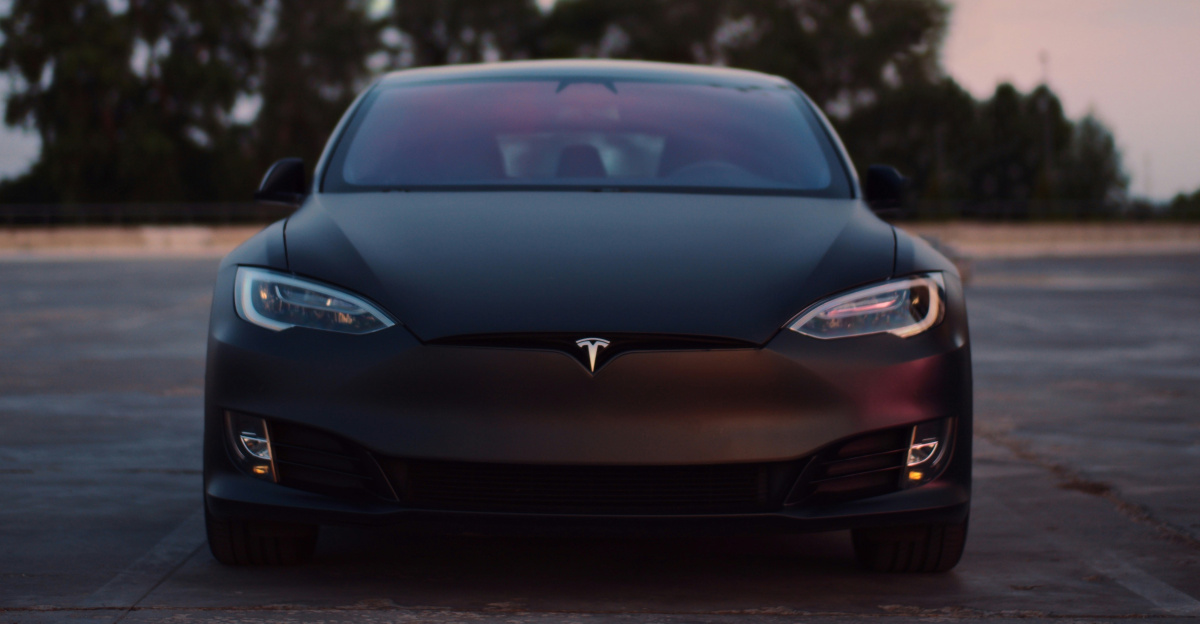
California’s case began in 2022, when the DMV accused Tesla of violating false-advertising laws. Regulators cited website claims stating the system was designed to conduct trips “with no action required by the person in the driver’s seat”—language the DMV argued overstated real-world capabilities.
Other automakers avoided similar language, marketing comparable systems as driver assistance. Tesla’s branding—”Autopilot” and “Full Self-Driving”—became the central legal issue.
Mounting Evidence From Courts and Crashes
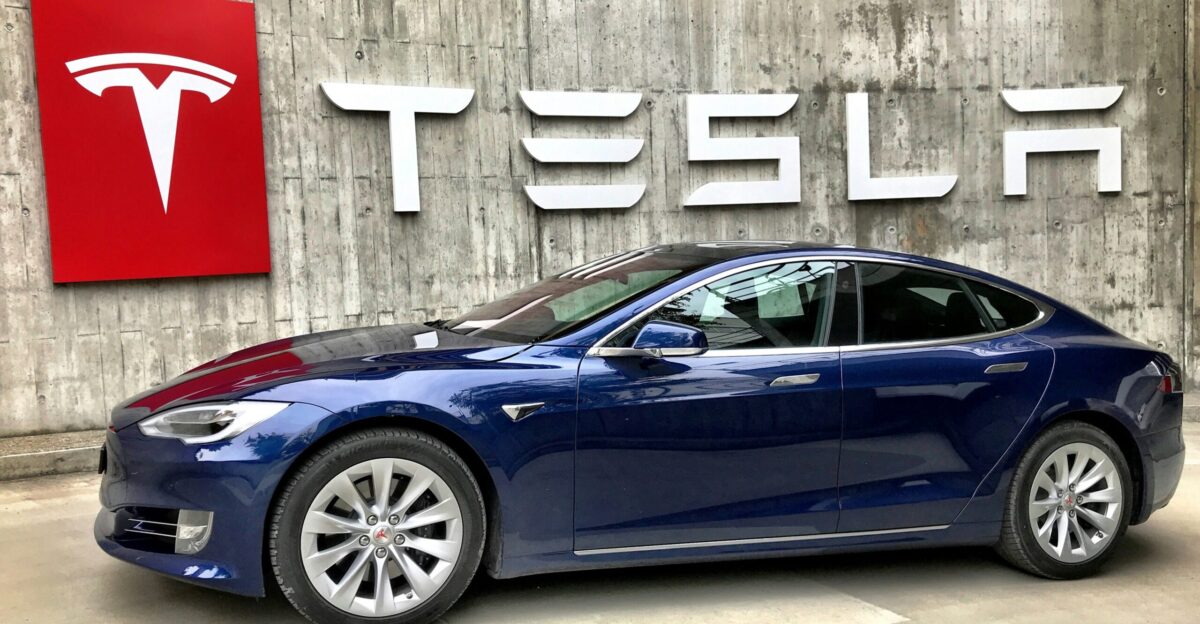
As California’s case progressed, external evidence piled up. In August 2025, a Miami jury ordered Tesla to pay $243 million in damages for a fatal Autopilot crash. The jury assigned Tesla 33% liability, while the driver was assessed 67% liability.
A peer-reviewed study documented FSD Beta disengagement rates of four to five per mile, with drivers requiring constant intervention to maintain safety. Federal researchers noted repeated near-misses captured on video. Together, court verdicts, crash investigations, and independent testing reinforced regulators’ view that Tesla’s marketing outpaced its technology.
Tesla Violated State Law
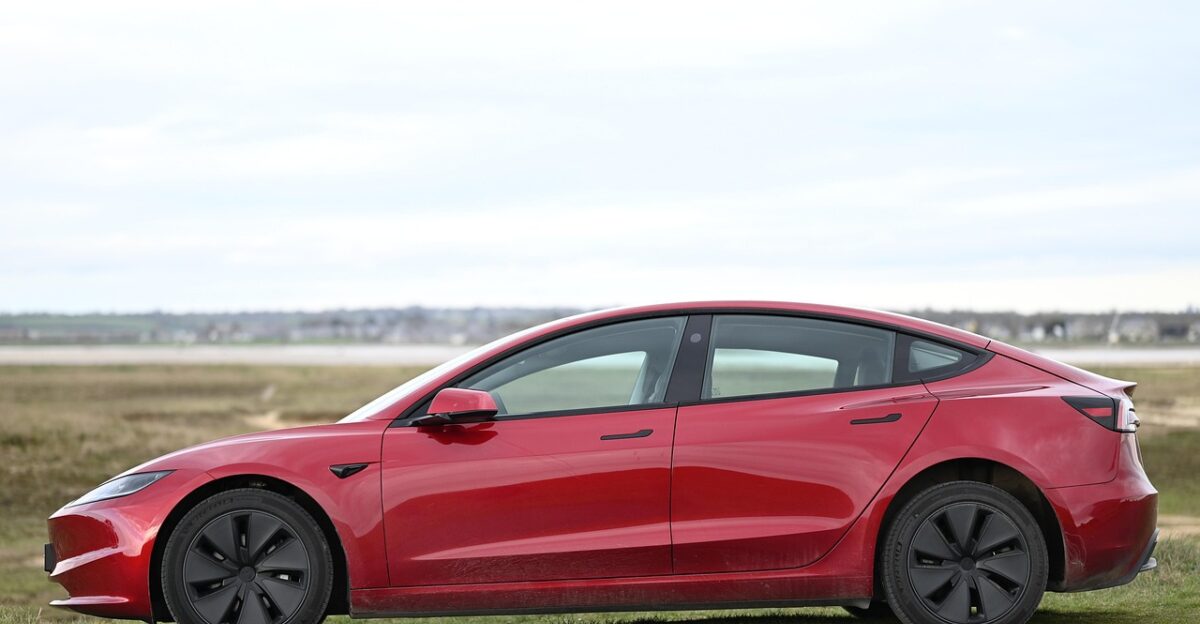
On November 20, 2025, Administrative Law Judge Juliet E. Cox issued a decisive proposed decision: Tesla engaged in deceptive marketing. She wrote that a “reasonable consumer” would believe Full Self-Driving could operate without constant attention—an assumption she ruled legally and technologically false.
Cox recommended suspending Tesla’s California dealer and manufacturing licenses for 30 days. Her decision underscored a three-year gap between Tesla’s marketing promises and actual system limitations.
California Modifies the Penalty to Allow Compliance
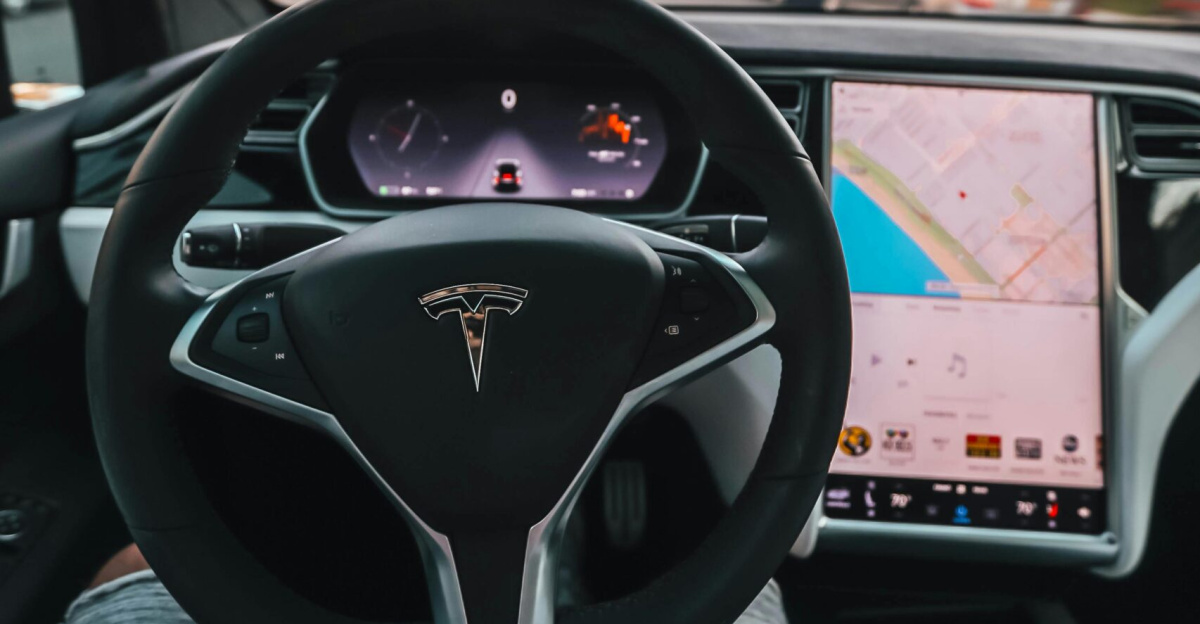
Less than a month later, on December 16, 2025, the DMV adopted Judge Cox’s findings regarding deceptive marketing—but significantly altered the penalty structure. The DMV adopted a two-part approach.
Manufacturing License: Immediately and permanently stayed the suspension, allowing Fremont to remain operational. Sales License: Imposed a 60-day compliance deadline. If Tesla corrects its misleading language within this window, the sales suspension is avoided. If Tesla does not comply, a 30-day sales ban takes effect. The move preserved thousands of manufacturing jobs while maintaining regulatory enforcement leverage. Observers noted the shift—the judge had recommended immediate dual suspensions, but the DMV opted for a compliance-first approach with the threat of sales suspension remaining active as enforcement incentive.
What Drivers Actually Experienced
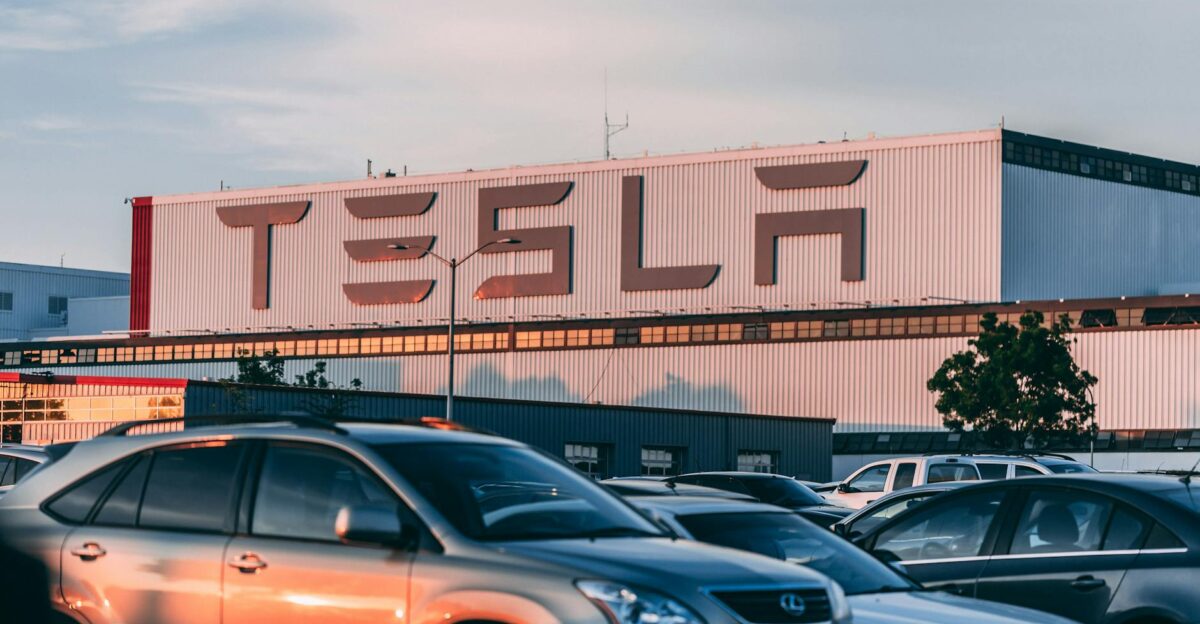
Driver testimony contrasted sharply with Tesla’s marketing. FSD users reported multiple disengagements per mile and frequent need for manual corrections. Some described the system as “babysitting” an error-prone driver.
Safety studies showed drivers using FSD maintained far higher vigilance than Tesla’s promotional language implied. Despite disclaimers buried in fine print, the overall messaging suggested autonomy. Regulators concluded that lived driver experience—and Tesla’s own data—contradicted the promise of self-driving capability.
Competitors Take a Different Path
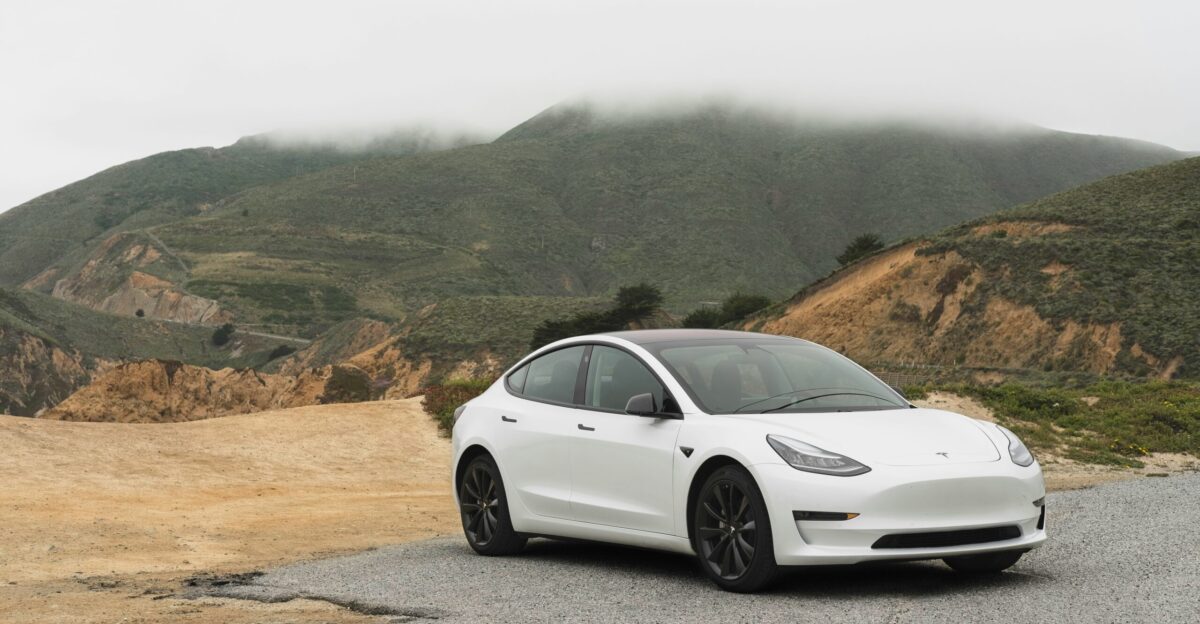
Tesla now stands apart from its rivals. Ford and General Motors market comparable systems as driver-assistance technologies with explicit supervision requirements. Industry analysts note other automakers avoided autonomy-focused naming from the outset.
California’s ruling sends a clear signal: branding matters. Other states are now watching closely, and several are reportedly considering similar reviews of autonomous-vehicle marketing language.
The Broader Autonomous Reckoning
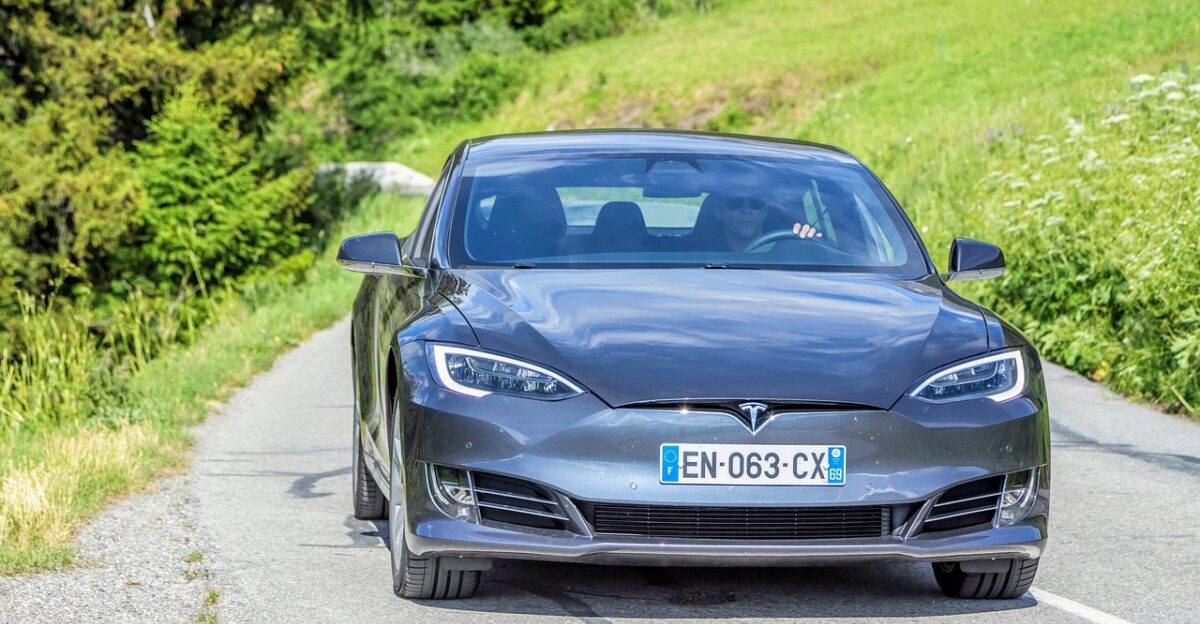
Federal regulators have received more than 750 phantom braking complaints during Autopilot use, with NHTSA opening formal investigations into multiple Autopilot-related crashes. NHTSA investigations have documented deaths and dozens of injuries associated with Autopilot use.
Specific NHTSA investigations have examined approximately 14 fatal crashes involving Autopilot, though the total number of reported Autopilot-related fatalities exceeds this figure. NHTSA investigations expanded to examine whether Tesla’s system design encourages driver overreliance. California’s ruling reflects years of mounting concern that marketing has outpaced safety. Crucially, no consumer vehicle anywhere has been certified as fully autonomous. The case reframes the industry’s central promise: autonomy remains aspirational, not achieved.
Why Naming Matters
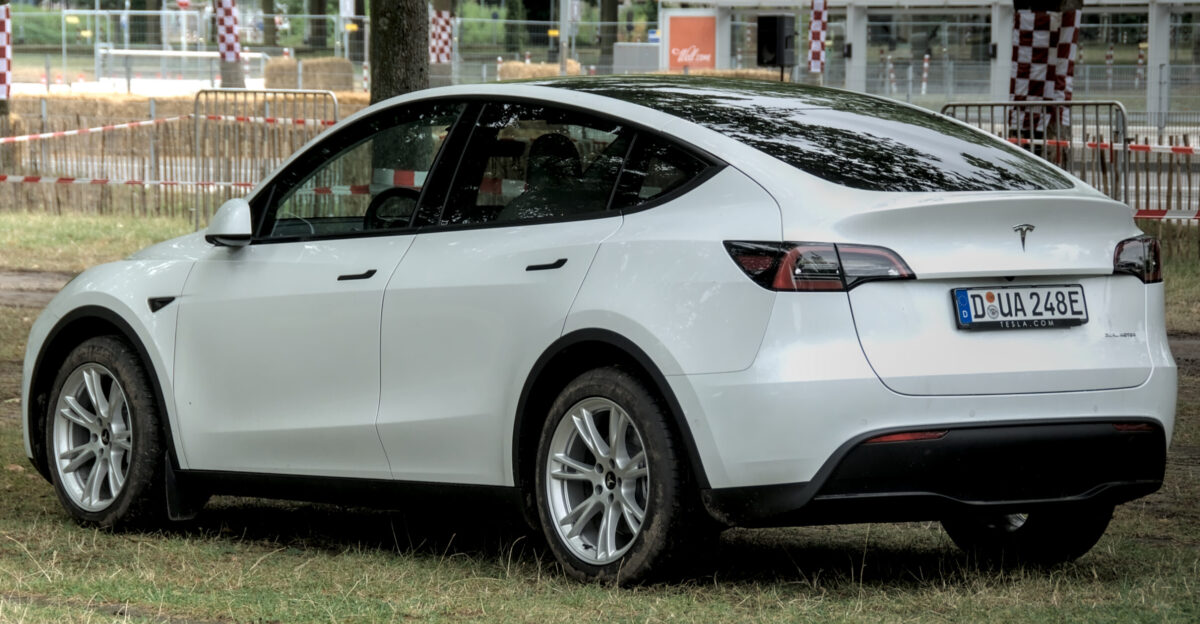
Judge Cox zeroed in on wording itself. California law bans advertising that implies a vehicle can operate without active driver engagement. “Autopilot” and “Full Self-Driving,” she ruled, violate that standard.
Tesla’s website paired bold autonomy claims with buried disclaimers, creating contradictory messaging. Regulators signaled that renaming systems—or removing autonomy implications entirely—is no longer optional. Language, not just performance, now carries legal consequences for automakers selling advanced driver-assistance systems. Tesla has already begun a partial rebranding to “Full Self-Driving (Supervised),” but regulators have indicated this may not satisfy compliance requirements if autonomy implications remain in broader marketing materials.
Tesla Pushes Back
Tesla rejected the ruling’s premise, insisting California sales would continue uninterrupted. The company reiterated its plan to appeal adverse crash verdicts. Tesla has disputed causation in individual crash cases and maintained that its systems improve safety overall.
Elon Musk has made denials regarding specific Autopilot-related incidents. Tesla’s strategy mirrors past responses: contest rulings aggressively rather than immediately altering marketing. For regulators, that resistance underscores why enforcement, not voluntary compliance, became necessary.
Leadership Under Pressure
DMV Director Steve Gordon faced competing demands: consumer advocates urging strict penalties and industry leaders warning against economic disruption. His decision to stay manufacturing suspensions while imposing a 60-day compliance deadline aimed to balance both.
Critics argue Tesla already had three years to comply with implied regulatory expectations. Gordon countered that the state had now drawn a clear legal line. “Tesla has one more opportunity,” he signaled, indicating that patience—and regulatory flexibility—was running out.
The 60-Day Compliance Countdown
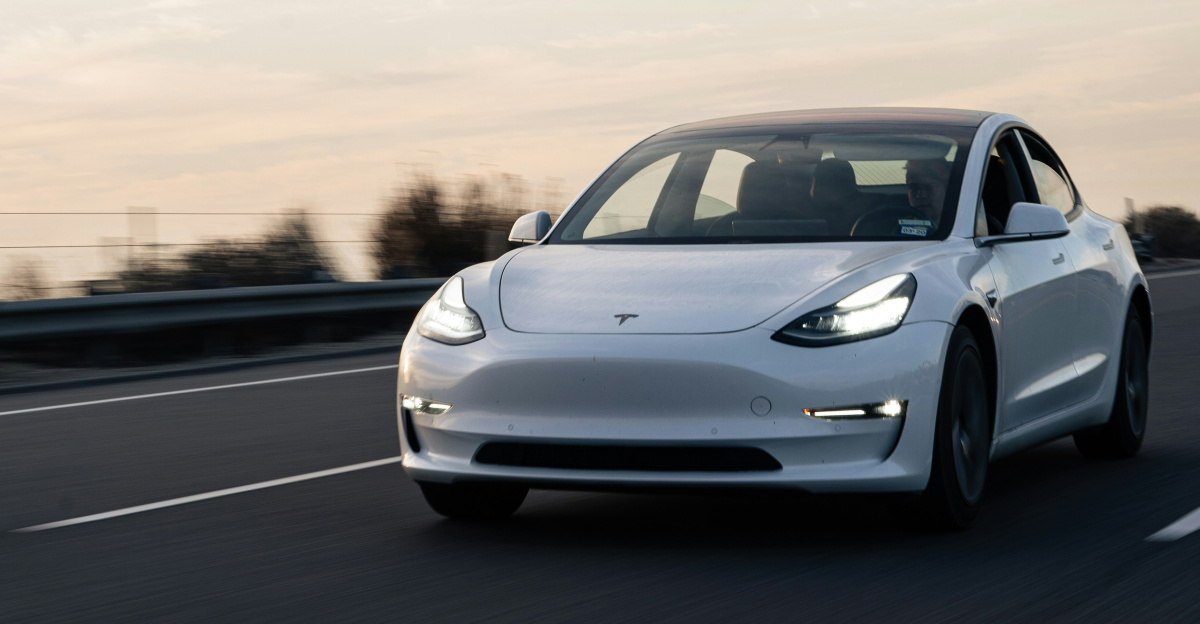
Tesla faces a 60-day compliance deadline to revise all marketing—websites, ads, in-car displays, and sales materials—to remove autonomy implications. Regulators will evaluate whether changes are substantive or cosmetic.
Failure triggers a 30-day sales suspension statewide, halting new vehicle deliveries in Tesla’s biggest U.S. market. Manufacturing would continue, but showrooms would go dark. The deadline now defines Tesla’s regulatory future in California.
Skepticism From Experts
Legal scholars doubt Tesla will fully comply. Recent rebranding to “Full Self-Driving (Supervised)” still implies advanced autonomy in the eyes of many regulators and legal experts.
Researchers who studied real-world FSD use described behavior resembling impaired driving, contradicting Tesla’s promotional tone. Experts note Tesla has historically prioritized growth over regulatory alignment. True compliance would require remarketing one of Tesla’s most profitable features as limited driver assistance—a shift that could reshape consumer perception and revenue strategy.
The Autonomy Reckoning Ahead
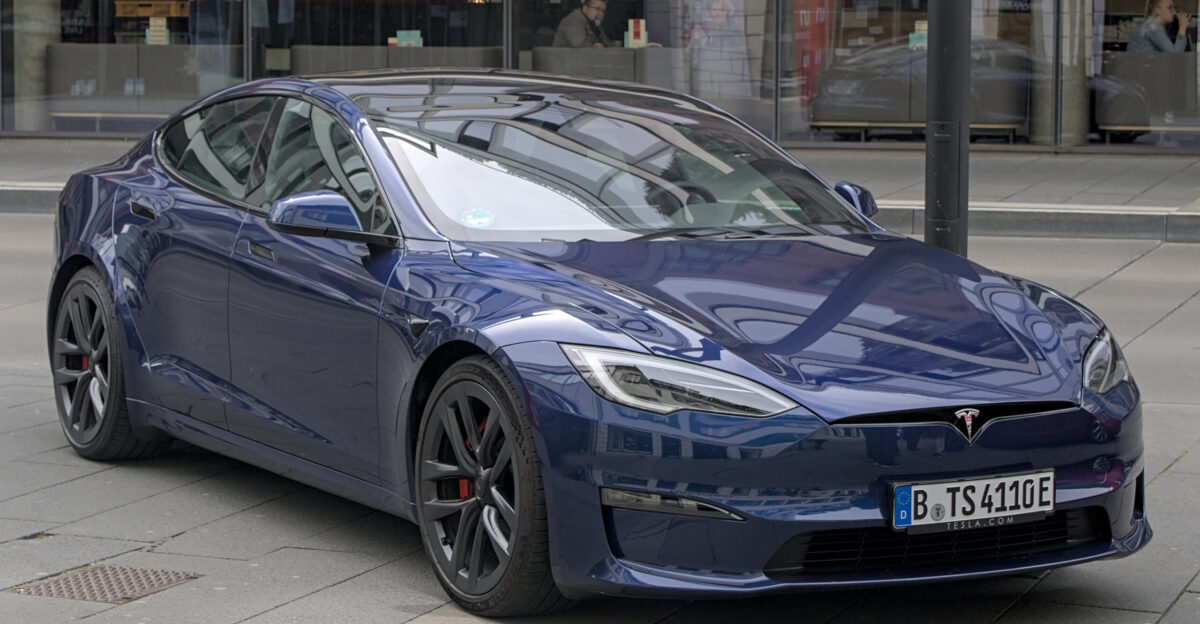
California’s ruling marks a decisive moment for the auto industry. For years, Tesla sold a vision of imminent self-driving freedom. Regulators now demand honesty over hype.
Tesla can adapt—aligning language with reality—or resist and risk a historic sales shutdown. Either path reshapes how autonomy is sold, discussed, and regulated. The message to the industry is unmistakable: the era of marketing self-driving dreams without delivering self-driving reality is ending.
Sources:
California Department of Motor Vehicles Official Statement, Office of Public Affairs, December 16, 2025, DMV Finds Tesla Violated California State Law
Los Angeles Times, December 17, 2025, California DMV threatens to shut down Tesla sales over ‘autopilot’ false advertising
TechCrunch, December 16, 2025, Tesla engaged in deceptive marketing for Autopilot and Full Self-Driving, judge rules