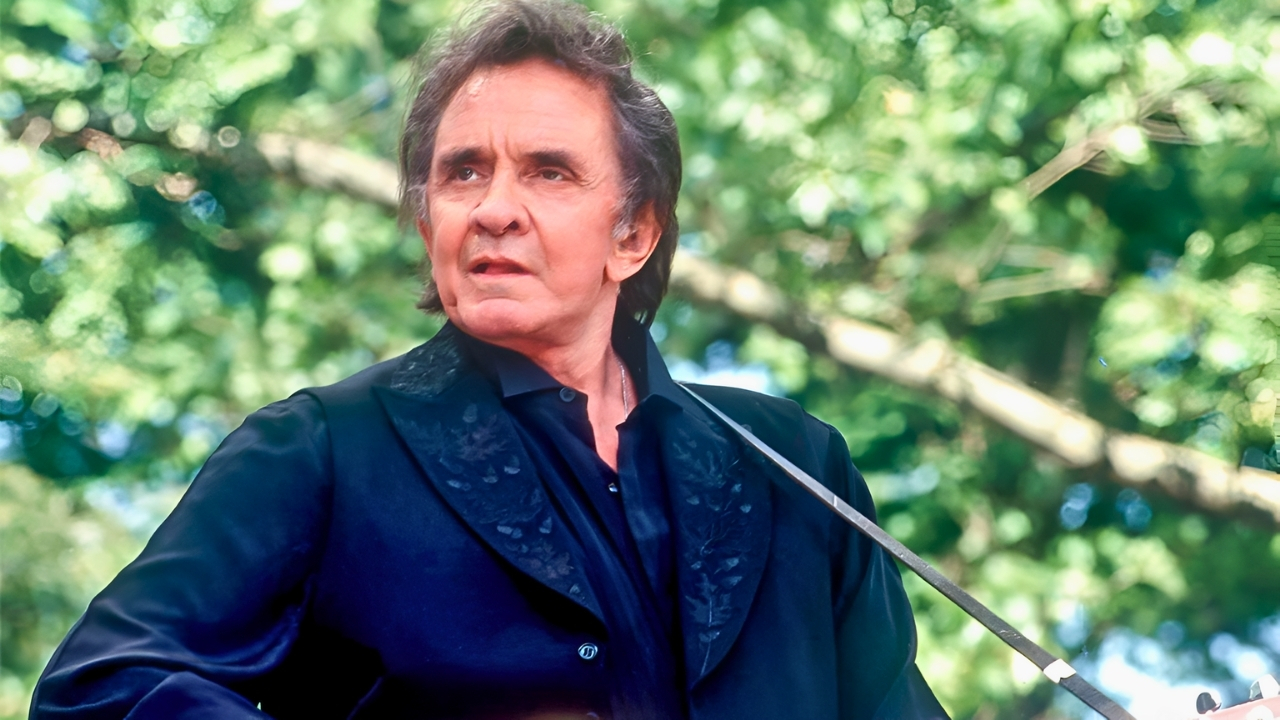
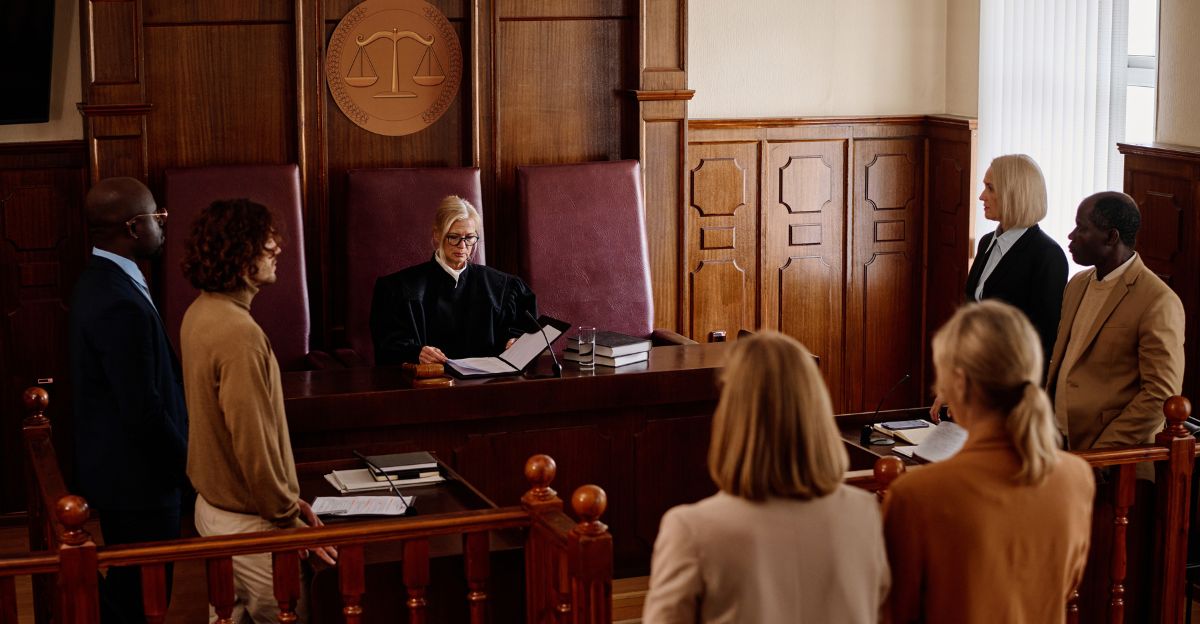
The courtroom buzzed as attorneys filed in, case documents stacked like ammunition on polished wood. The John R. Cash Revocable Trust had sued Coca-Cola, alleging the company aired a national college football commercial using a sound-alike of Johnny Cash’s voice without permission. It was a striking scene — the first major legal strike ever launched under Tennessee’s 2024 ELVIS Act, written to protect an artist’s voice even after death.
What unfolded next would test whether a voice can truly be stolen — and who has the power to stop it.
Why Coca-Cola Is Being Sued
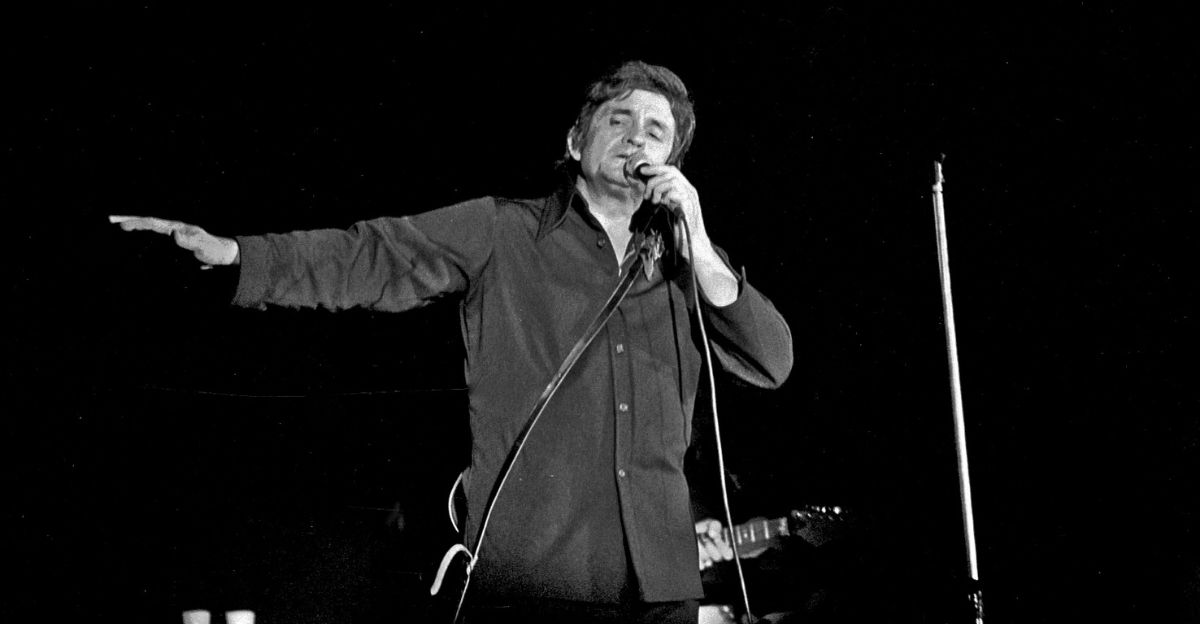
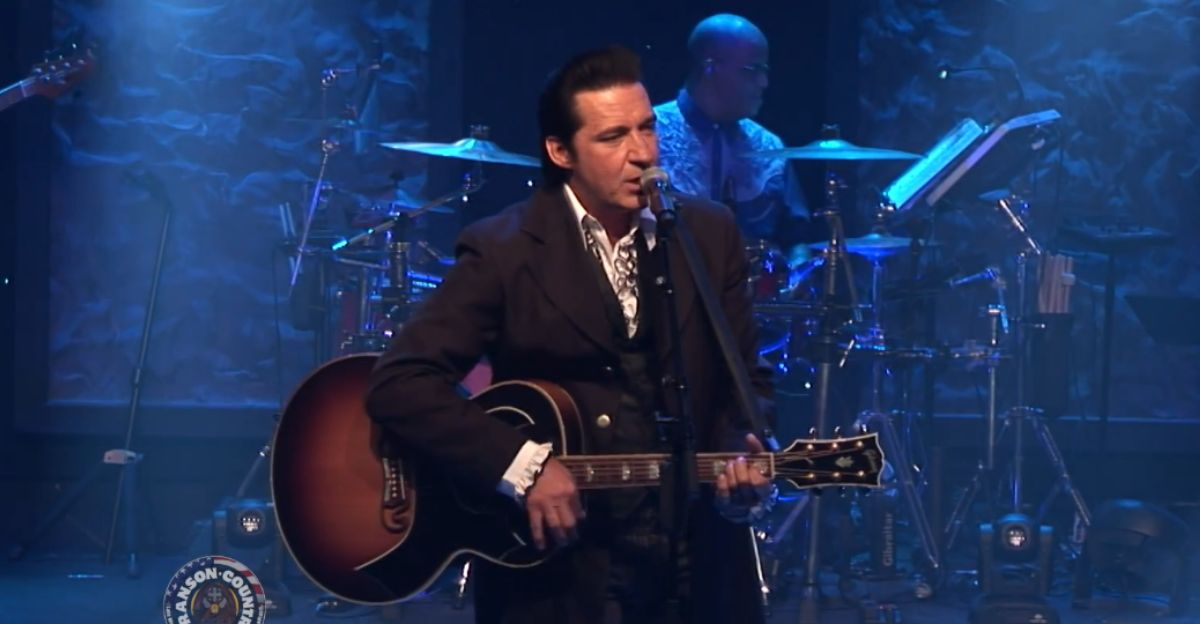
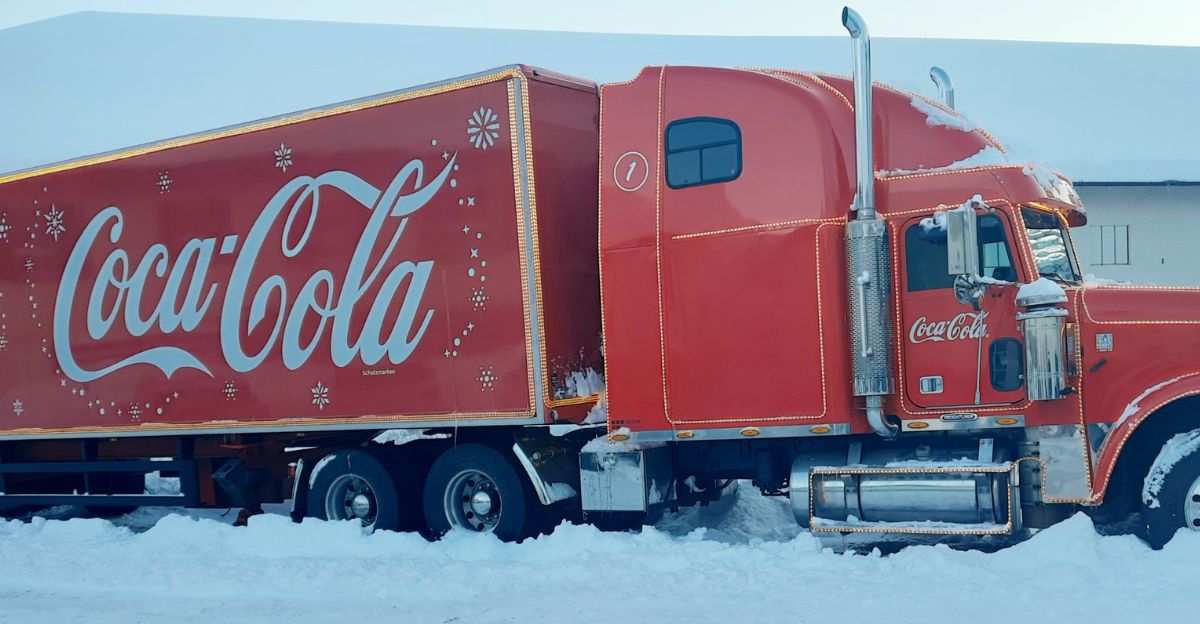
The commercial at the center of the case aired during college football broadcasts starting in August 2025 and used tribute performer Shawn Barker, known for imitating Cash’s deep baritone. The estate states Coca-Cola never requested permission or licensing, despite knowing voice rights are protected under Tennessee law.
Attorney Tim Warnock of Loeb & Loeb calls it a violation of identity at its core, saying, “Stealing the voice of an artist is theft. It is theft of his integrity, identity, and humanity.”
First Test of the ELVIS Act
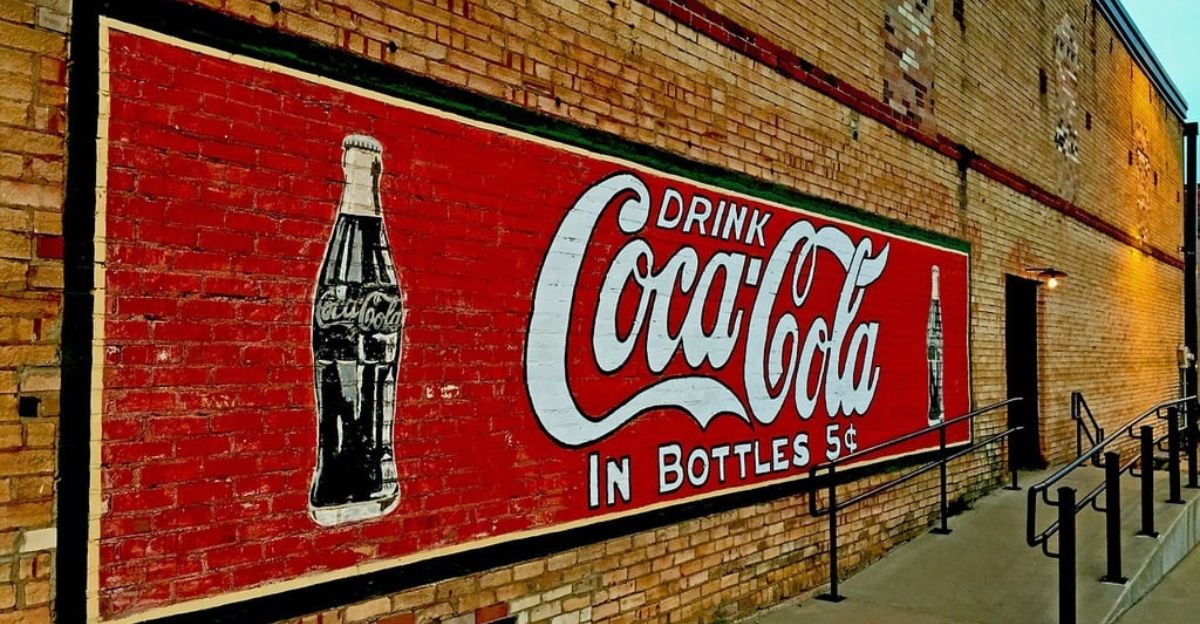
Tennessee’s ELVIS Act was created to protect artists’ likeness, image, and now—most importantly—their voices, closing a legal gap exposed by the rise of voice-cloning and impersonation. This case is its first major courtroom test, giving it nationwide legal significance.
The Cash estate seeks a court injunction requiring Coca-Cola to remove the ad, along with financial damages for voice-rights infringement. The outcome will shape how soundalike recordings are treated across the industry.
Why Coca-Cola’s Brand Faces Risk
Coca-Cola is a brand built on trust, nostalgia, and Americana. Being accused of pirating the voice of a beloved American legend could damage the company far beyond legal penalties. Millions of viewers may have heard what the estate views as an unauthorized imitation of Cash.
The lawsuit also arrives after public criticism over Coca-Cola’s previous promotions, amplifying reputational risk at a moment when authenticity in advertising matters more than ever.
The Tribute Performer at the Center
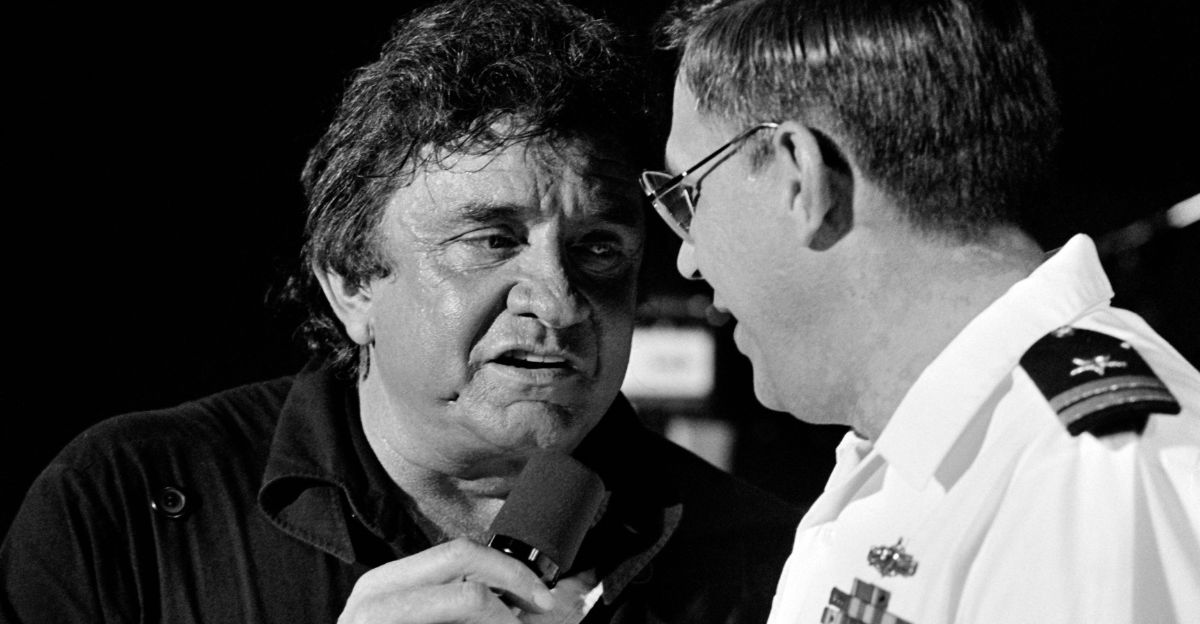
Shawn Barker, known for Johnny Cash tribute performances for over 20 years, was reportedly hired to deliver vocals styled unmistakably after Cash. While tribute artists often perform legally in concerts, advertising crosses into a different legal territory—one governed by publicity rights and likeness-protection statutes.
This case raises new questions: where is the line between honoring an icon and commercially exploiting one? And how many tribute performers could face similar litigation in the future?
Agencies Now on High Alert
Coca-Cola did not produce the commercial alone—an ad agency oversaw the creative direction and hired Barker. Industry attorneys warn this case puts agencies directly in the legal crosshairs, not just brands. Under U.S. advertising law, agencies share liability when campaigns involve unauthorized likeness use.
Brands and agencies that once saw soundalikes as a cost-saving shortcut may now treat them as legal landmines.
A Legal Precedent Reawakened
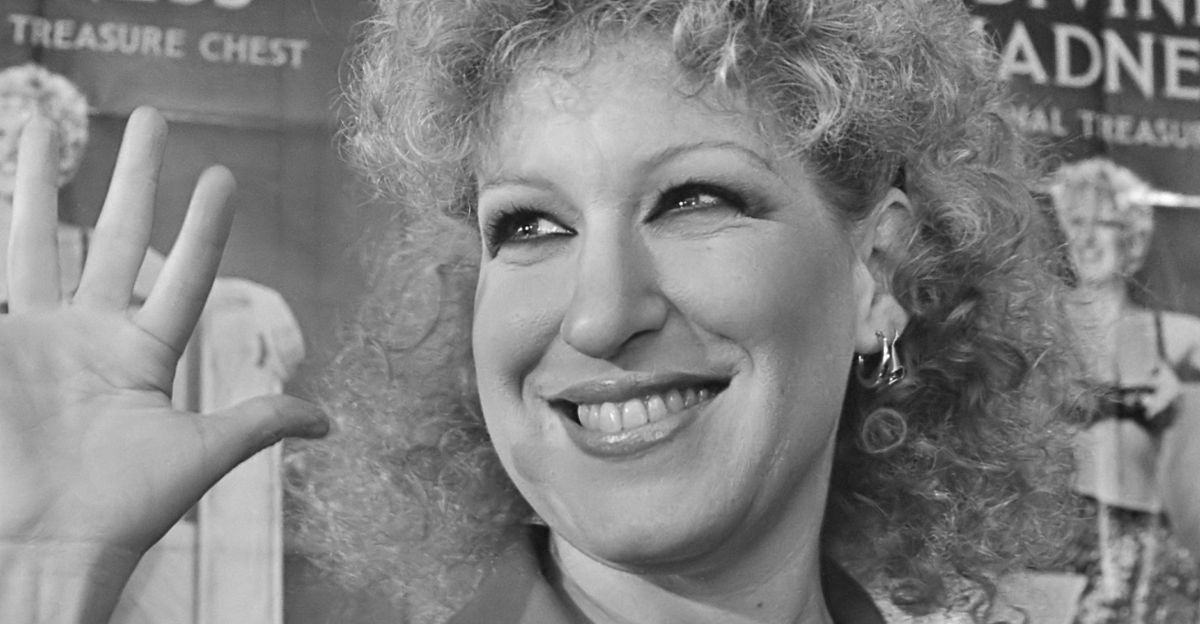
The case echoes Midler v. Ford (1988), in which Bette Midler won after Ford used a soundalike when she refused to license it. The court ruled that a famous voice is protected like a face or name, and imitating it commercially counts as appropriation.
Now, nearly 40 years later, Cash’s estate revives that foundation—in a new era where voice law and AI overlap. One historical ruling meets a modern statute with national consequences.
The Ad That Millions Heard
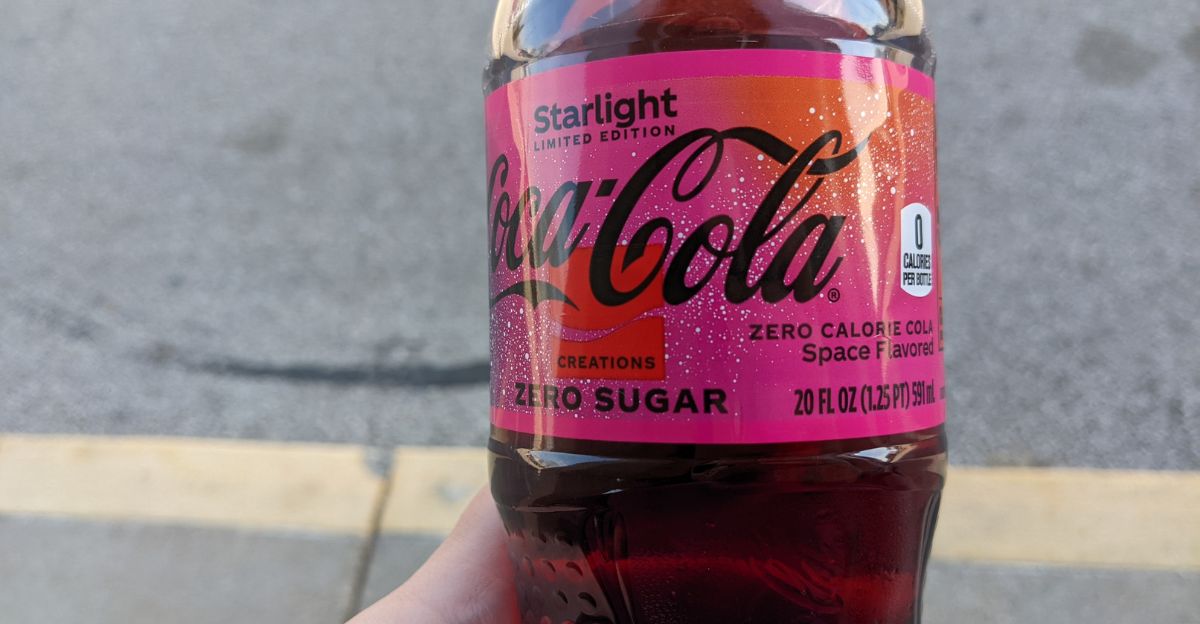
College football broadcasts reach tens of millions of viewers weekly, giving this commercial extraordinary exposure throughout fall 2025. While exact impressions are unknown, national campaigns aired over multiple months likely reached tens of millions—possibly over 50–100 million people total, based on typical season viewership volume.
That scale is critical: the more people who heard the alleged imitation, the greater the potential commercial gain—and the larger the legal stakes.
A Law Built for AI, Triggered by a Human Voice
Ironically, the ELVIS Act was drafted in response to AI voice cloning, especially viral songs like “Fake Drake” in 2023. Yet this case isn’t about AI at all. The lawsuit explicitly confirms no AI voice synthesis was used—a human tribute performer was responsible.
Still, the case demonstrates a key point: a law created for deepfakes applies equally to old-fashioned impersonation, proving the threat existed long before machine-generated mimicry.
Why Voice Licensing Matters
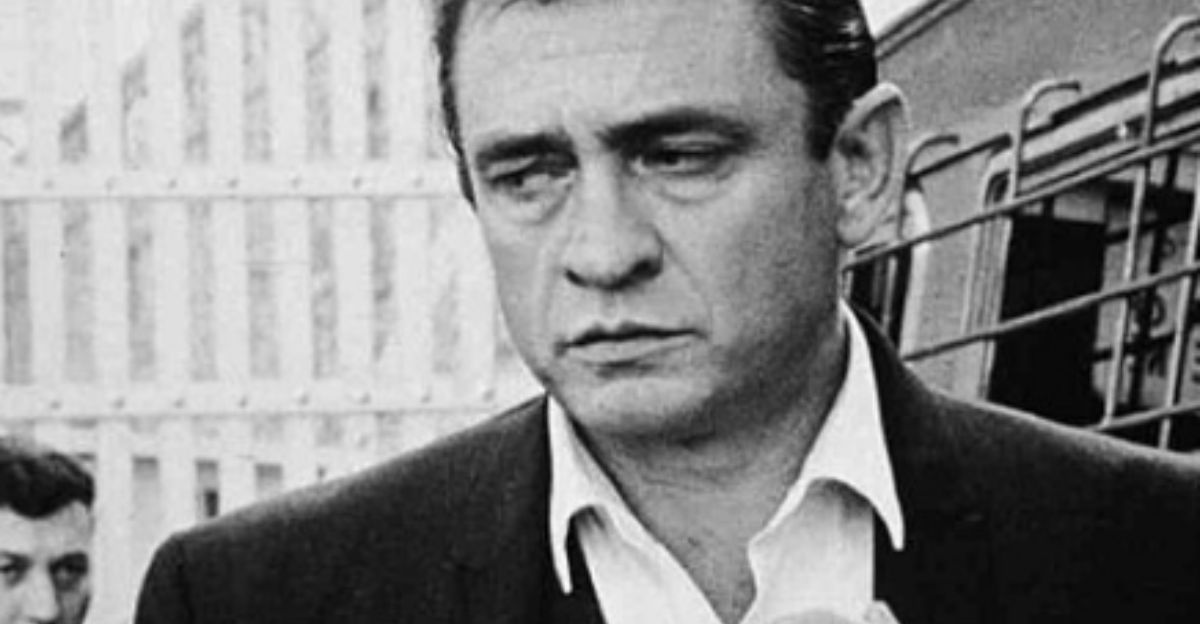
Since Johnny Cash’s death in 2003, the estate has authorized only select uses of his recorded work, including major Super Bowl broadcasts. His voice remains a controlled and high-value cultural asset, protected commercially like his songs, recordings, and name.
If Coca-Cola used a soundalike instead of licensing recordings, it suggests a calculated bypass—saving licensing approval steps while leveraging the instantly recognizable sound of Cash’s voice to sell products.
Estates Are No Longer Passive
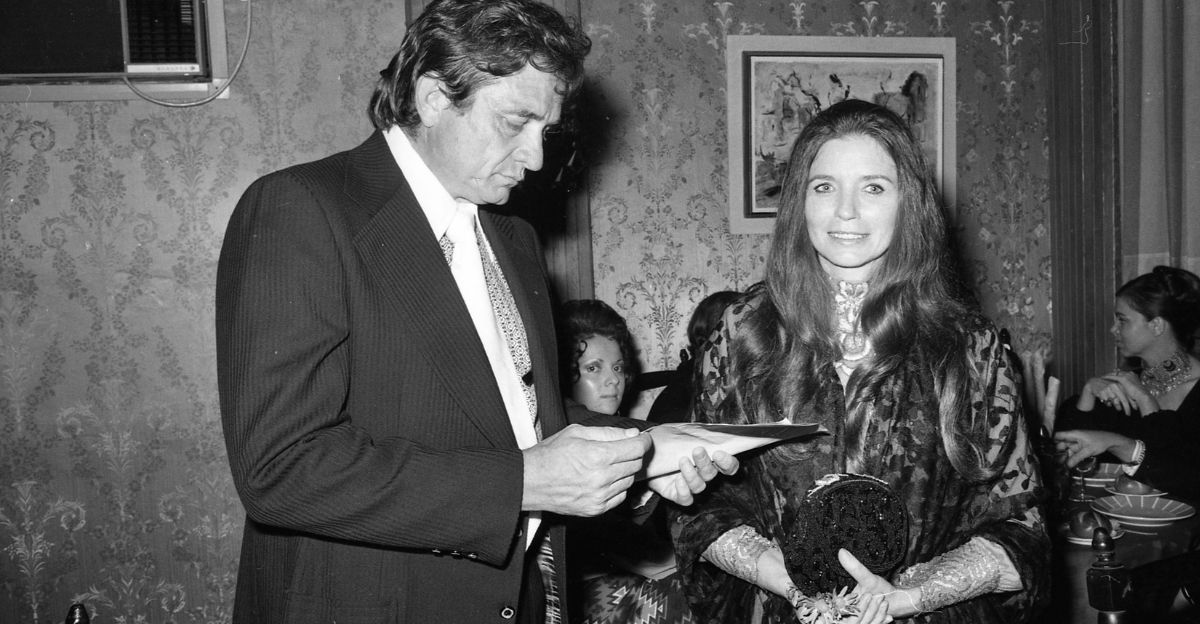
Across entertainment industries, estates are defending posthumous rights more aggressively than ever. Laws in over 20 states now protect publicity rights for decades after an artist’s death, making their voices, likeness, and persona valuable long-term intellectual property.
Johnny Cash died 22 years ago, yet his voice can still trigger litigation—proof that legacy protection doesn’t end when the artist does. It may only get stronger.
Technology Raises the Stakes
While this case stems from human mimicry, its implications reach the rapidly expanding AI-voice landscape. Modern models can convincingly clone vocals from minutes of audio. Music streaming platforms are already tightening rules to combat vocal replication without consent.
The Cash lawsuit may influence how future AI claims are judged—because if a soundalike performance without permission is actionable, AI cloning could carry even steeper liability.
Tennessee Takes the Lead

Tennessee has now positioned itself as the national epicenter of voice-rights law. Industry groups including the RIAA, SAG-AFTRA, and the Recording Academy all backed the ELVIS Act, signaling a coordinated shift toward stricter artist-likeness protection.
If the Cash estate prevails, similar legislation could ripple nationwide—potentially influencing federal proposals like the NO FAKES Act. One courtroom, one voice, one precedent could shape policy across the U.S.
Advertising Trust Is on Trial Too
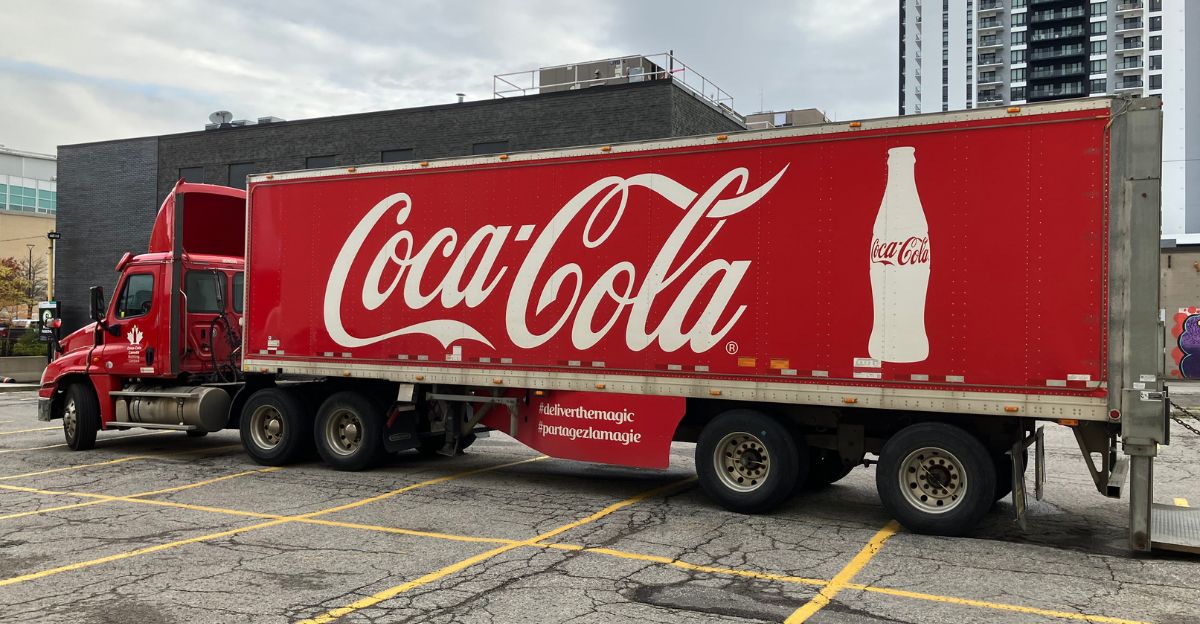
Consumers assumed they were hearing the real Johnny Cash—or at the very least, an authorized use. Discovering it may have been an unlicensed imitation creates what legal scholars call a deception-based trust breach. Modern advertising survives on credibility; if audiences begin doubting voices, music, or authenticity, the impact spreads industry-wide.
This lawsuit isn’t just about one commercial. It’s about whether audiences can trust what they hear.
The Legacy Question
At the center of everything is a voice recognized across generations. Whether Coca-Cola intentionally circumvented licensing or simply miscalculated, the lawsuit forces a new cultural and legal reckoning: Who owns a voice after death—and who gets to profit from it?
The ELVIS Act’s first major battle will determine that answer. If Johnny Cash’s voice can be used without permission, no artist’s legacy is safe. If it cannot, imitation becomes infringement—and history begins here.
Sources:
Johnny Cash Estate v. Coca-Cola Company, Case No.3:25-cv-01373 (U.S. District Court, Middle District of Tennessee, November 25, 2025); Legal filing documents and complaint
Tennessee General Assembly, Ensuring Likeness, Voice, and Image Security (ELVIS) Act of 2024, codified at Tenn. Code Ann. § 47-25-1105 et seq. (signed into law March 21, 2024; effective July 1, 2024)
Bette Midler v. Ford Motor Co., 849 F.2d 460 (9th Cir. 1988); U.S. Court of Appeals for the Ninth Circuit opinion
Rolling Stone, Independent, and Complete Music Update coverage of the Cash estate lawsuit (November 2025); Published reporting on commercial details, damages sought, and ELVIS Act implications