
John Deere has announced the reduction of over 2,200 jobs across its facilities in Iowa since early 2024. This workforce cut represents the largest in the company’s recent history.
The layoffs are indicative of the broader challenges currently affecting American manufacturing, which include trade tensions and economic uncertainty.
Declining Orders Meet Rising Costs
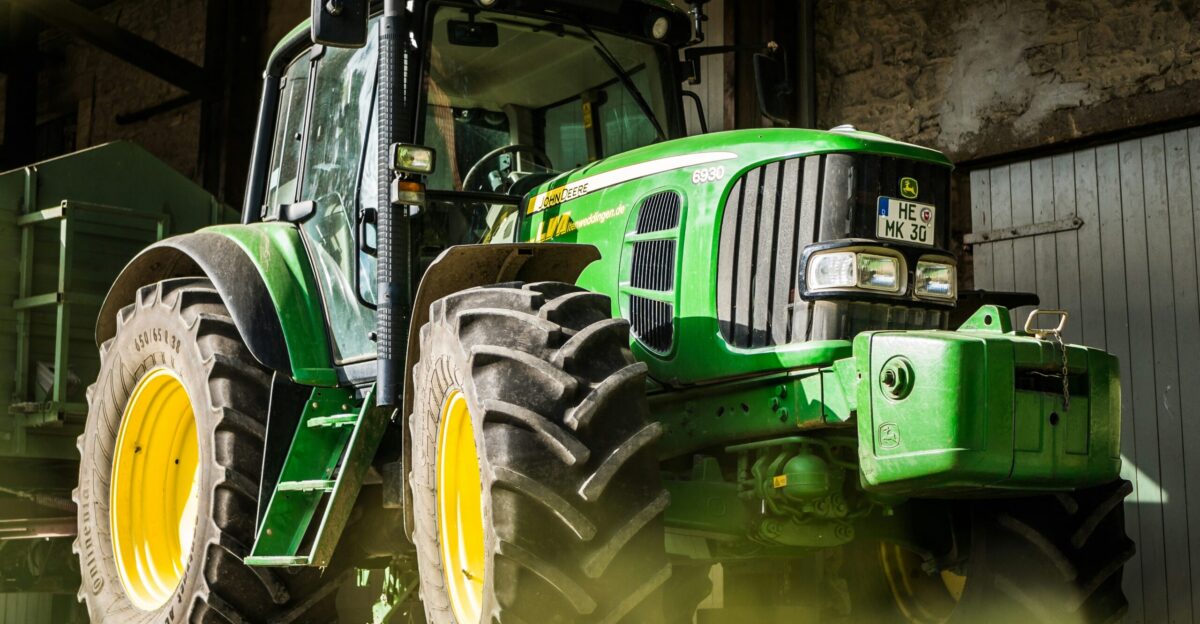
Equipment orders have dropped sharply, leading to increased tariff expenses. John Deere anticipates that these costs will reach $600 million this fiscal year, potentially impacting around 12,000 manufacturing jobs.
Company officials attribute the decline to seasonal slowdowns and ongoing trade barriers.
Farmers Face Equipment Shortages and Service Delays
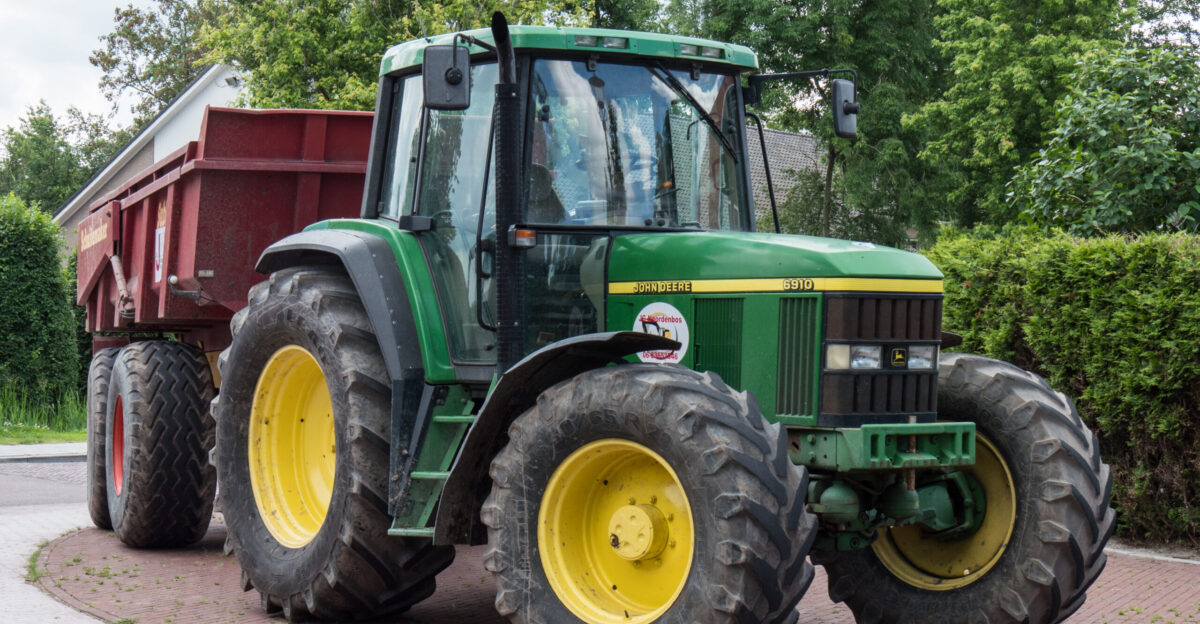
Iowa farmers are facing challenges as thousands of production staff have been cut, leading to anticipated delays in obtaining new equipment and necessary repairs.
The decrease in workforce capacity may disrupt critical spring planting schedules and preparations for the upcoming harvest across the Midwest agricultural heartland.
Strategic Shift
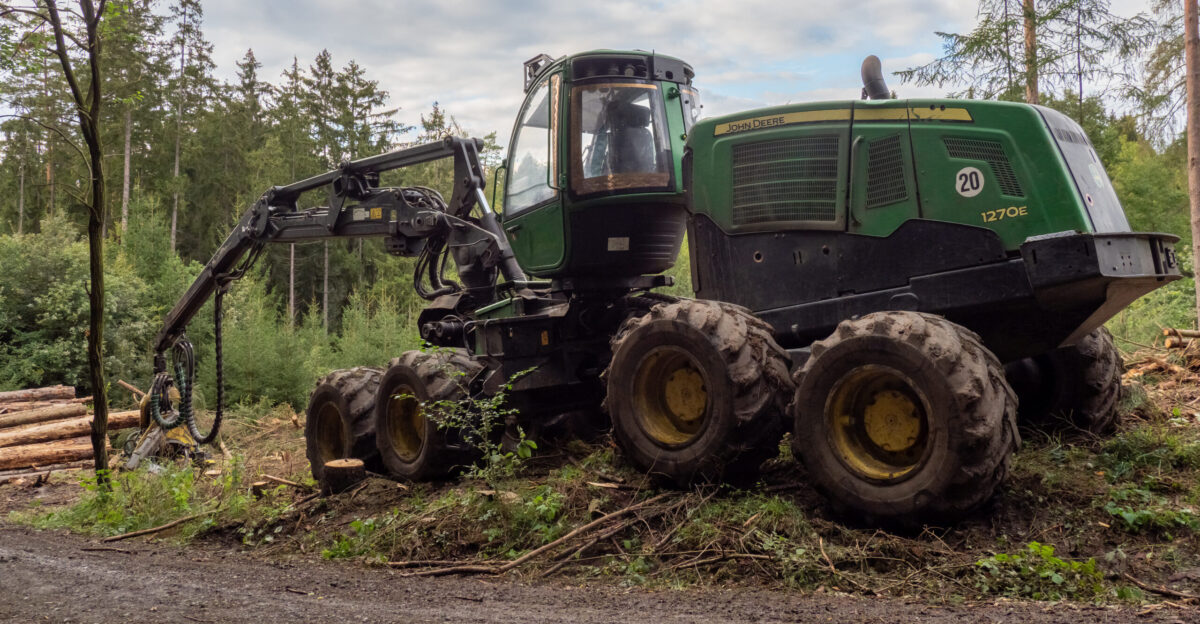
Deere & Company plans to move mid-size tractor production from Dubuque, Iowa, to an expanded facility in Mexico by 2026, backed by a $55 million investment.
This decision aligns with the closure of the Iowa plant and reflects the company’s cost-reduction strategy, raising concerns among workers about the future of American manufacturing.
Competitors Circle as Market Leader Stumbles
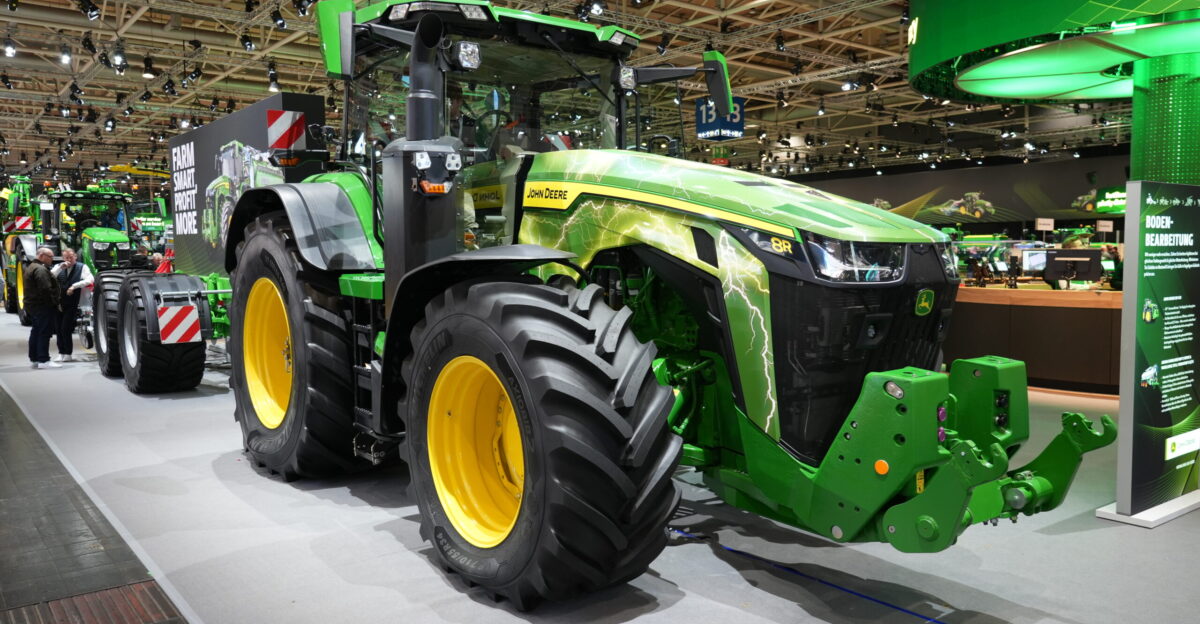
Case IH and AGCO are increasing their market presence as Deere reduces operations.
In Iowa, some dealers are expanding their product lines beyond Deere, while others are offering more competitive financing options to attract customers seeking alternatives.
Trade Wars Hit Home: $600 Million and Counting
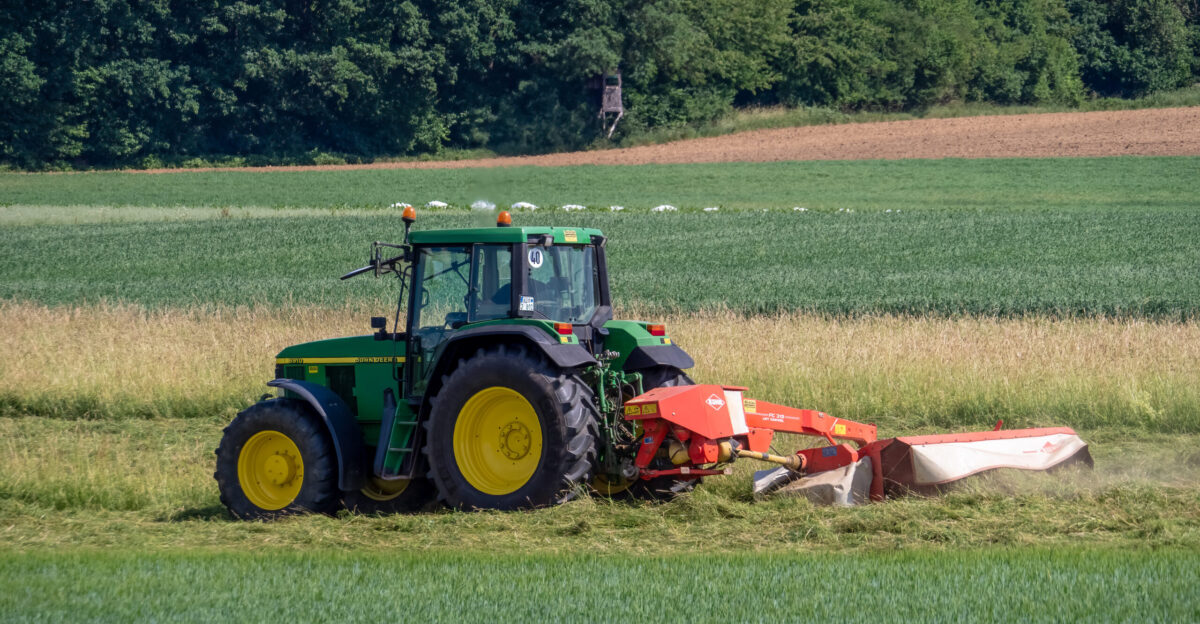
Tariffs can lead to severe economic consequences, including substantial job losses. For instance, the cost of tariffs for Deere is equivalent to the annual payroll of a medium-sized manufacturing plant.
With steel and component prices increasing by 15-25%, the company faces a tough decision: absorb the losses or pass the increased costs onto already-struggling farmers.
Communities in Crisis

In September 2025, John Deere’s Waterloo facility cut 101 jobs, and Des Moines saw a reduction of 40 positions.
Meanwhile, the Moline facility, which previously employed 4,500, has lost over 800 jobs since August 2025. These layoffs signal significant economic challenges for communities that rely on John Deere as a major employer.
Political Flashpoint
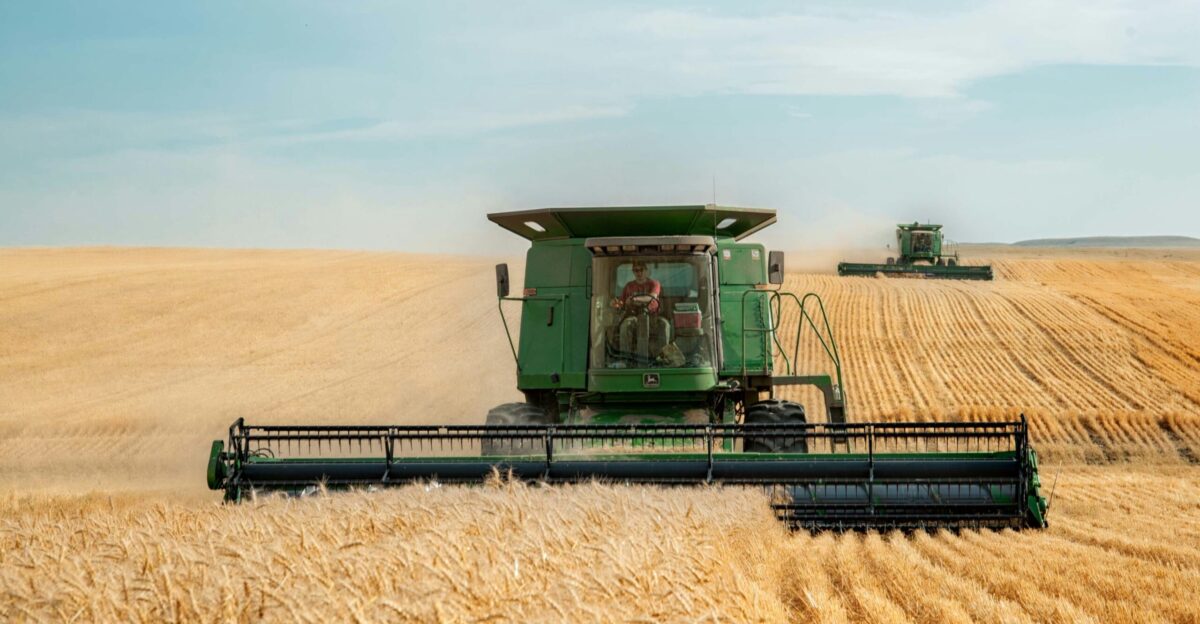
Iowa Governor Kim Reynolds has called for federal assistance for farmers affected by trade policies. As layoffs increase, congressional representatives are monitoring the situation, with some lawmakers pushing for targeted support for displaced manufacturing workers.
Economic Impact

Recent data indicate that Iowa’s average manufacturing salary is about $54,000.
The layoffs of 2,200 workers could result in a loss of roughly $119 million in annual wages, leading to diminished purchasing power and potentially harming local businesses, housing markets, and tax revenues in manufacturing-dependent communities.
Retail Revolution
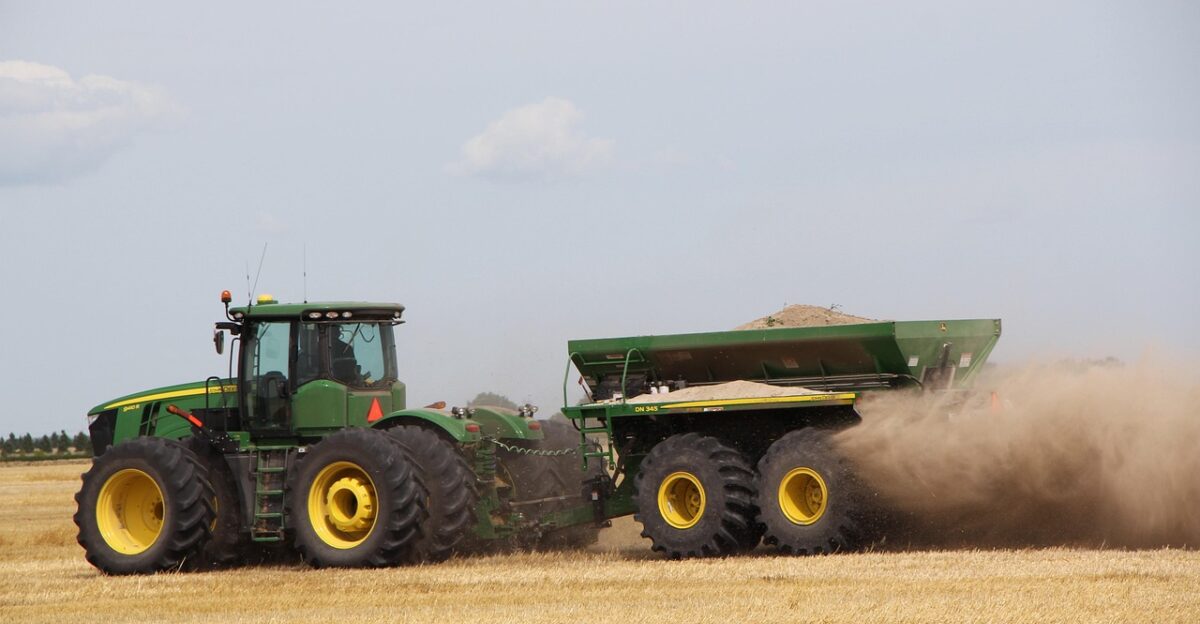
Equipment dealers are expanding their scope beyond Deere products by offering services for competing machinery and exploring precision agriculture technology.
To adapt to evolving brand loyalties, many companies are offering extended financing options and equipment leasing to maintain stable cash flow.
Supply Chain Disruption
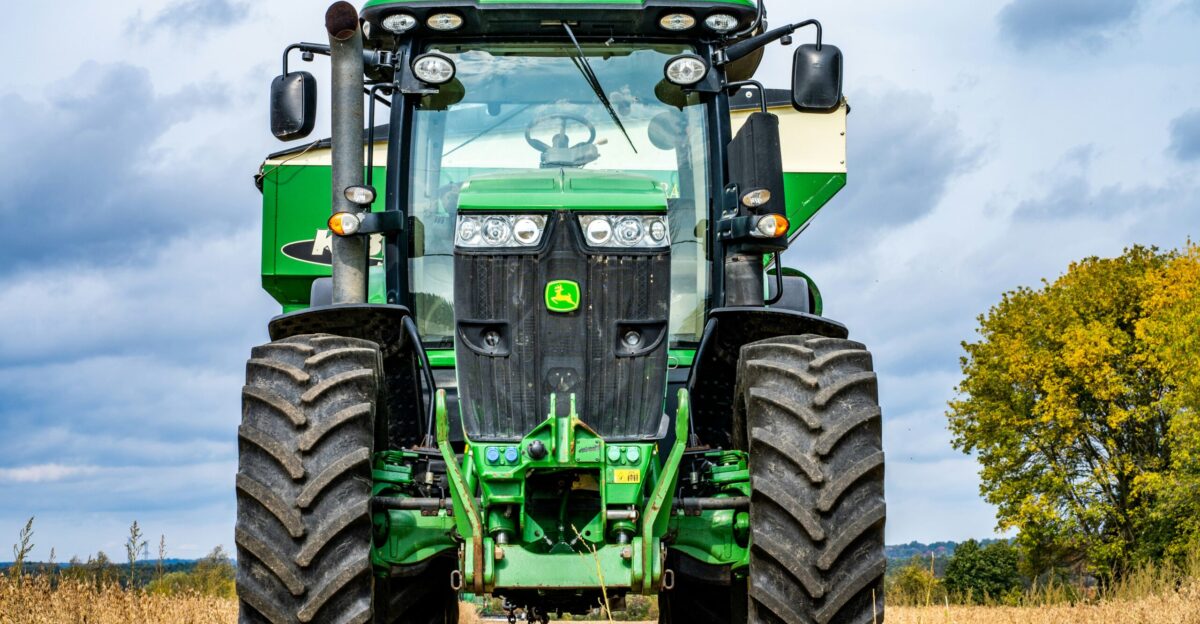
Steel suppliers in Illinois and Minnesota face order cancellations worth millions.
Electronics manufacturers serving agricultural equipment report reduced demand, while transportation companies lose shipping contracts. The interconnected nature of modern manufacturing amplifies Deere’s downsizing across multiple industries and states.
Global Customers Seek Alternatives
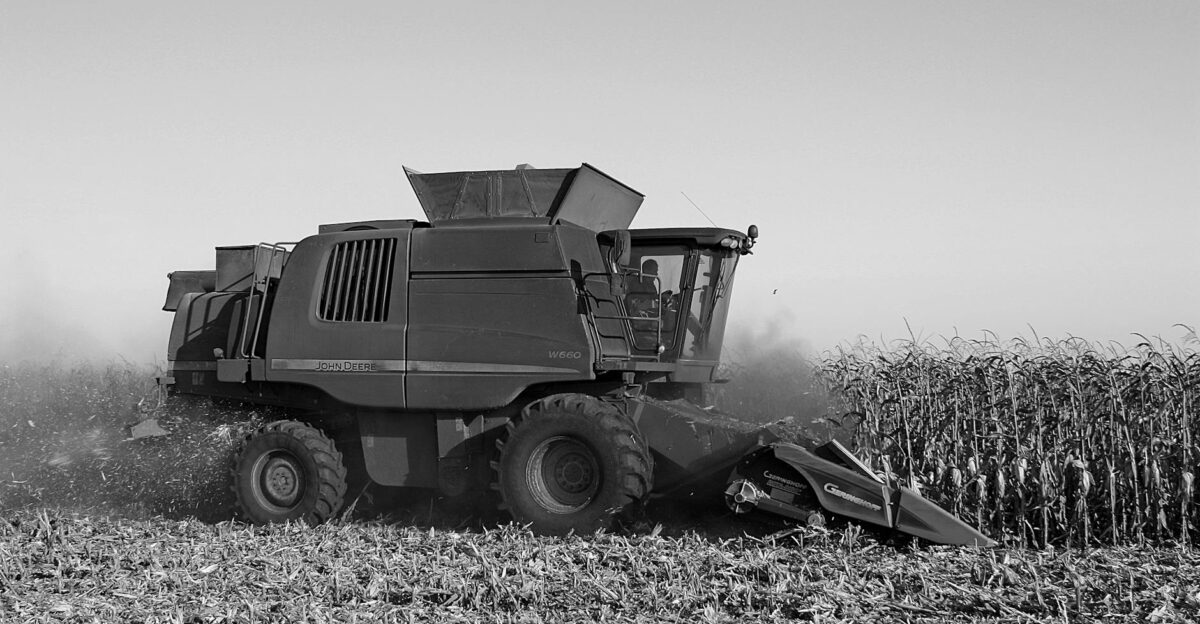
International buyers, facing higher prices and longer delivery times from U.S. facilities, increasingly consider European and Asian manufacturers.
Brazilian farmers, traditionally loyal to American brands, explore local alternatives as U.S. production constraints limit availability and competitiveness.
Community Stress
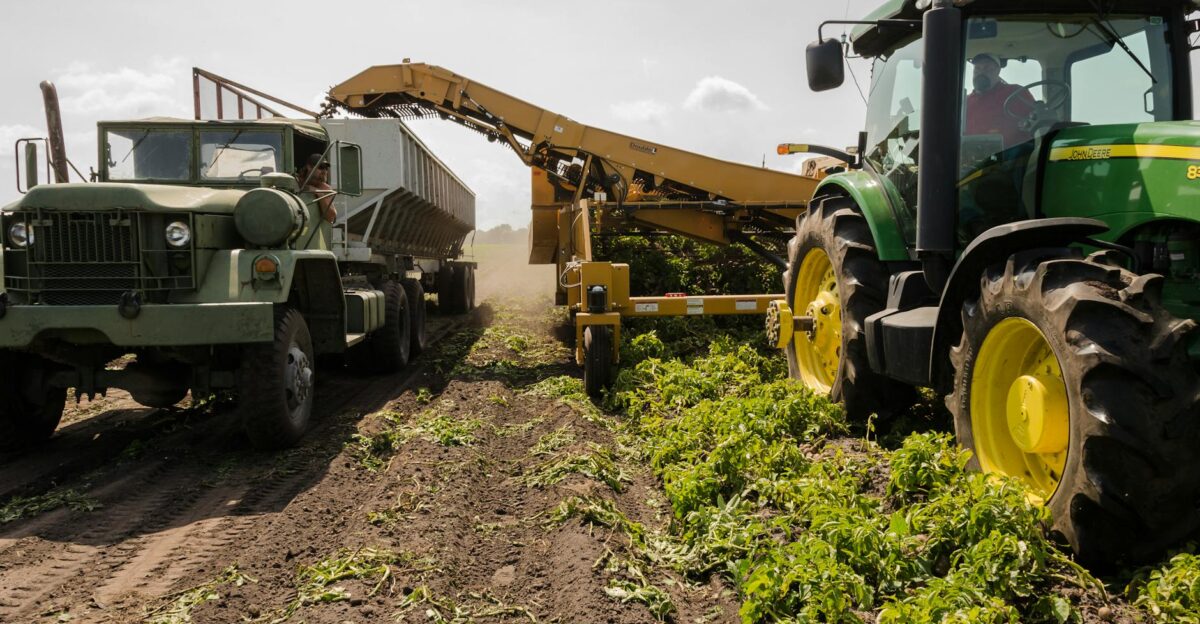
Job losses in manufacturing-dependent communities often correlate with increased demand for social services and mental health support.
The psychological impact of unemployment extends beyond individual workers to affect families and entire communities where industrial jobs have defined local identity.
What Is American Manufacturing?
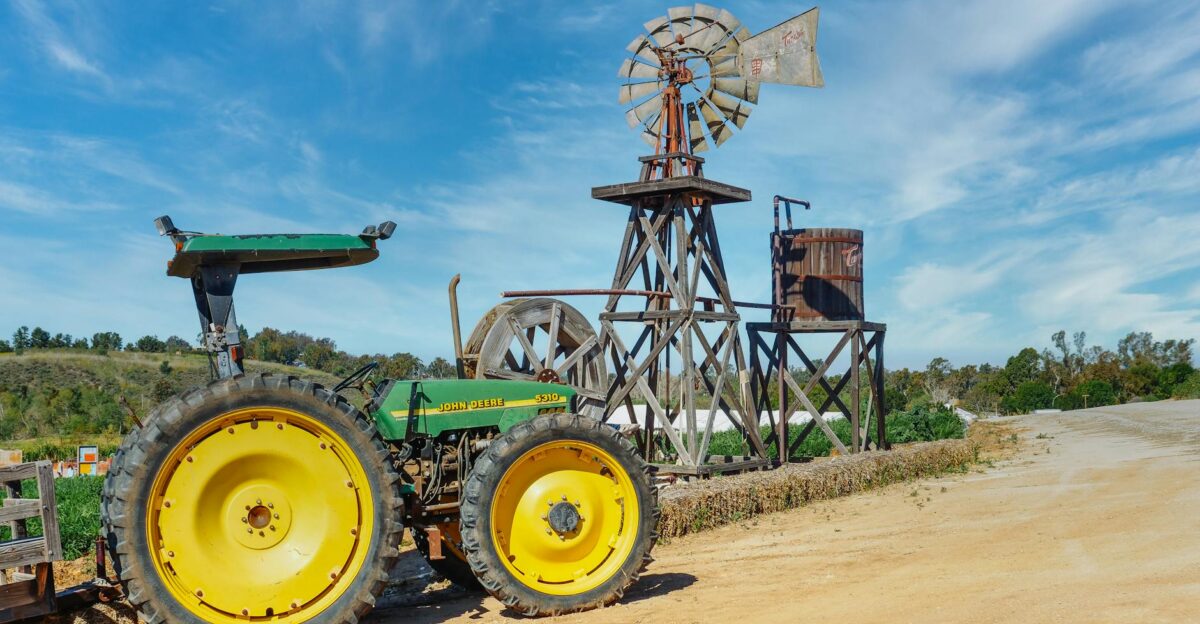
The Deere downsizing reignites debates about industrial policy, rural economic development, and the role of agriculture in American identity.
Some advocate for “Buy American” campaigns, while others push for investments in green technology to replace traditional manufacturing jobs with future-oriented alternatives.
Market Winners and Losers Emerge
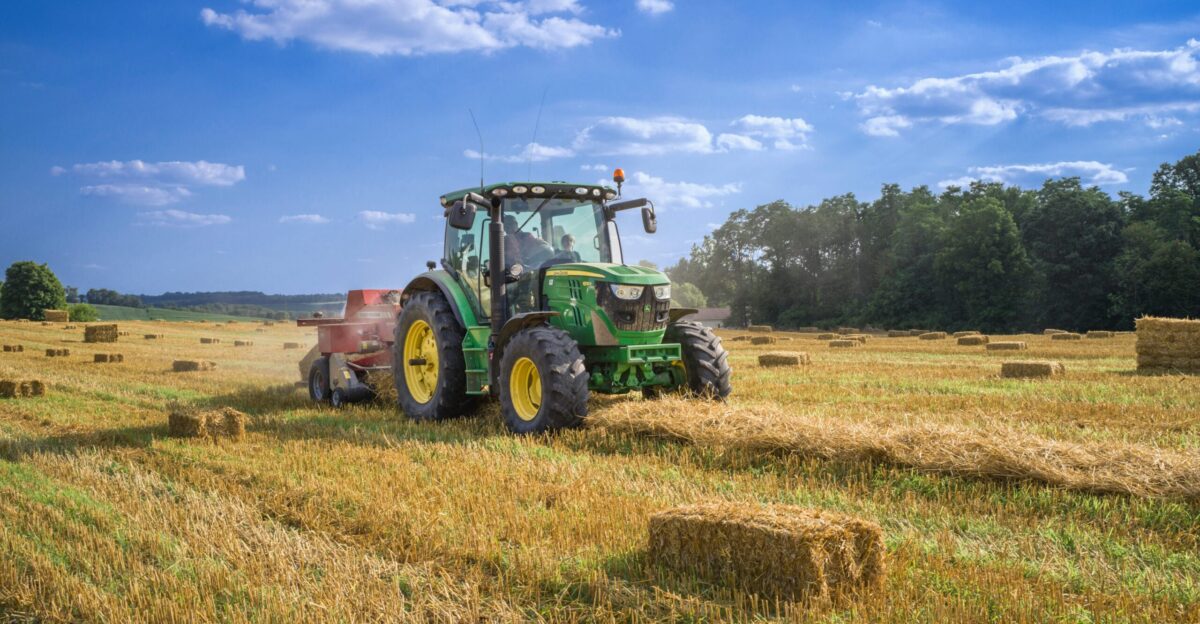
While Deere struggles, precision agriculture startups attract investor interest and experienced engineers from downsized plants.
Foreign manufacturers gain opportunities to access the U.S. market, and some former Deere suppliers pivot to serve competitors as the agricultural equipment landscape reshapes.
Financial Markets React: Stock Down 14% from Peak
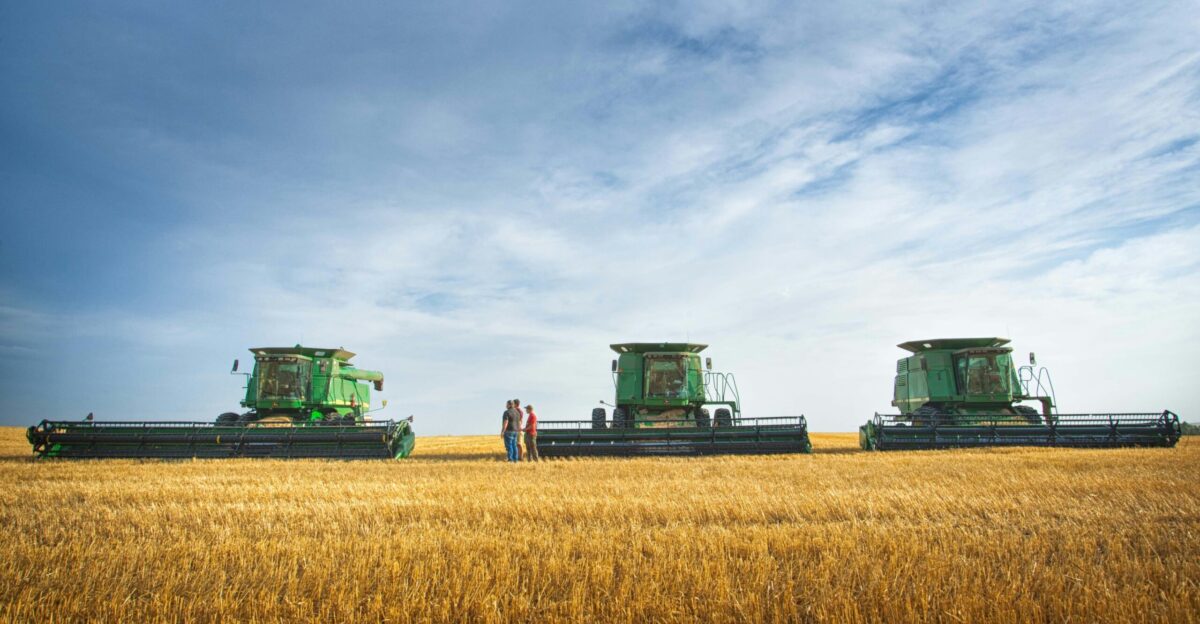
Deere’s stock has fallen from its May 2025 high of $531 to its current level of around $456, reflecting investor concerns about trade policy uncertainty and weakness in the agricultural sector.
Analysts debate whether the company’s announced $20 billion U.S. investment plan can offset current challenges and restore confidence.
Survival Strategies for Farmers and Workers
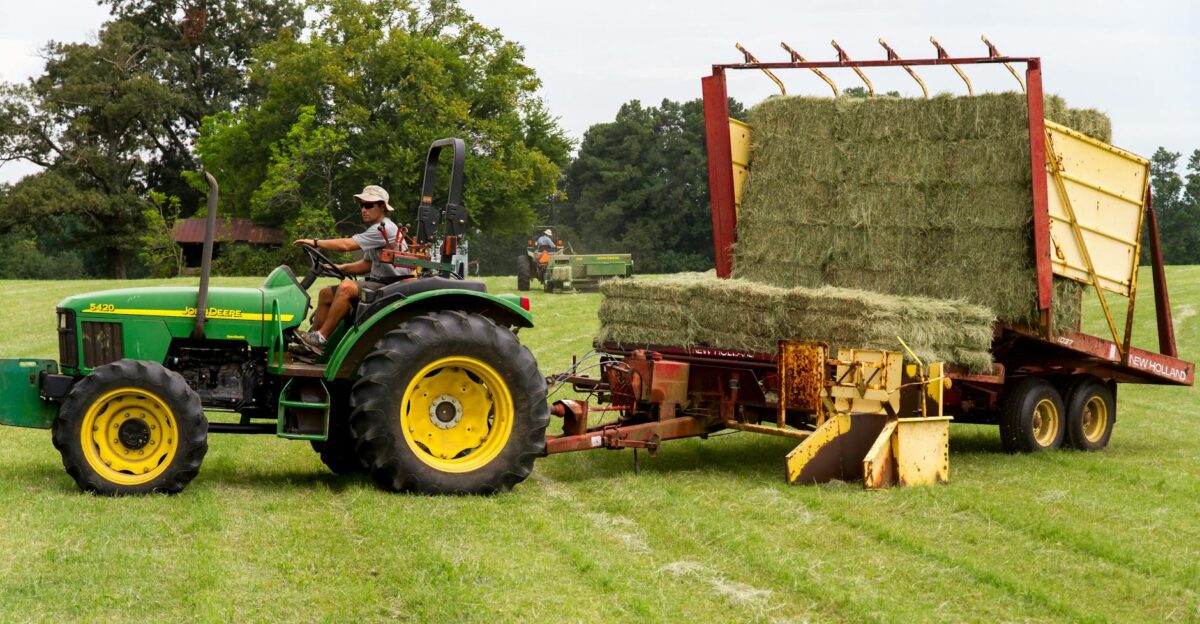
Agricultural producers are exploring equipment-sharing cooperatives, leasing arrangements, and precision agriculture technologies to maximize the efficiency of their existing machinery.
Displaced workers pursue retraining in welding, electrical systems, and renewable energy installation—skills transferable to emerging industries.
International Implications
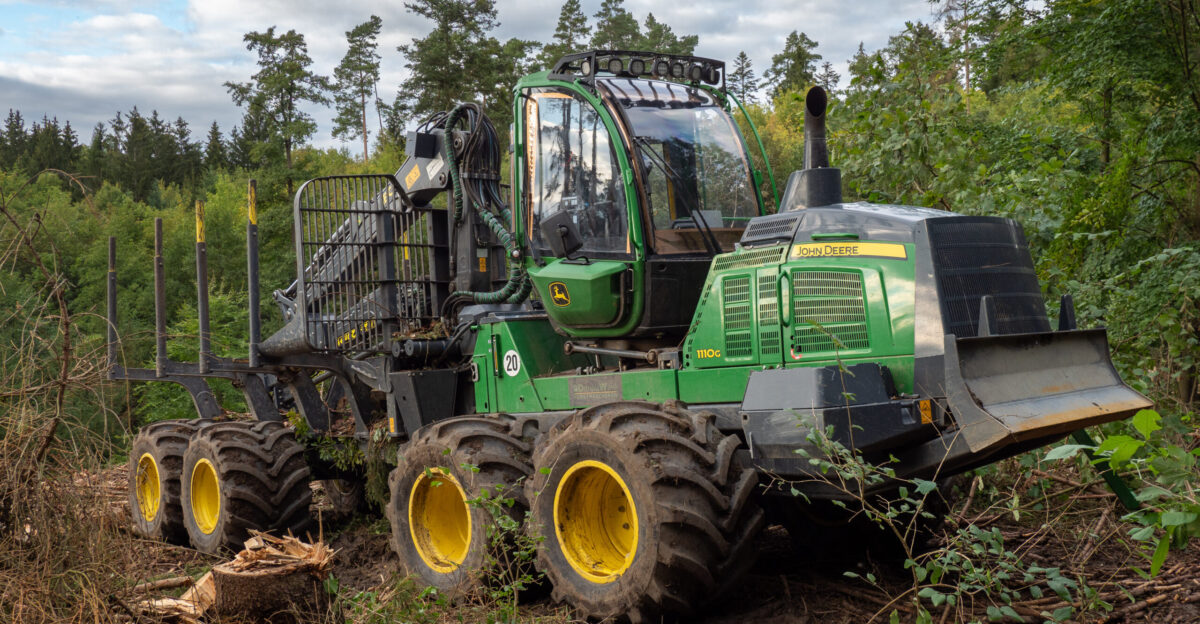
European Union officials cite the struggles of American agricultural equipment as evidence that protectionist policies can harm the domestic industries they claim to protect.
Meanwhile, Chinese manufacturers quietly expand market share in Latin America and Africa as American competitors focus on cost-cutting over growth.
Corporate Strategy: Betting on Technology and Mexico
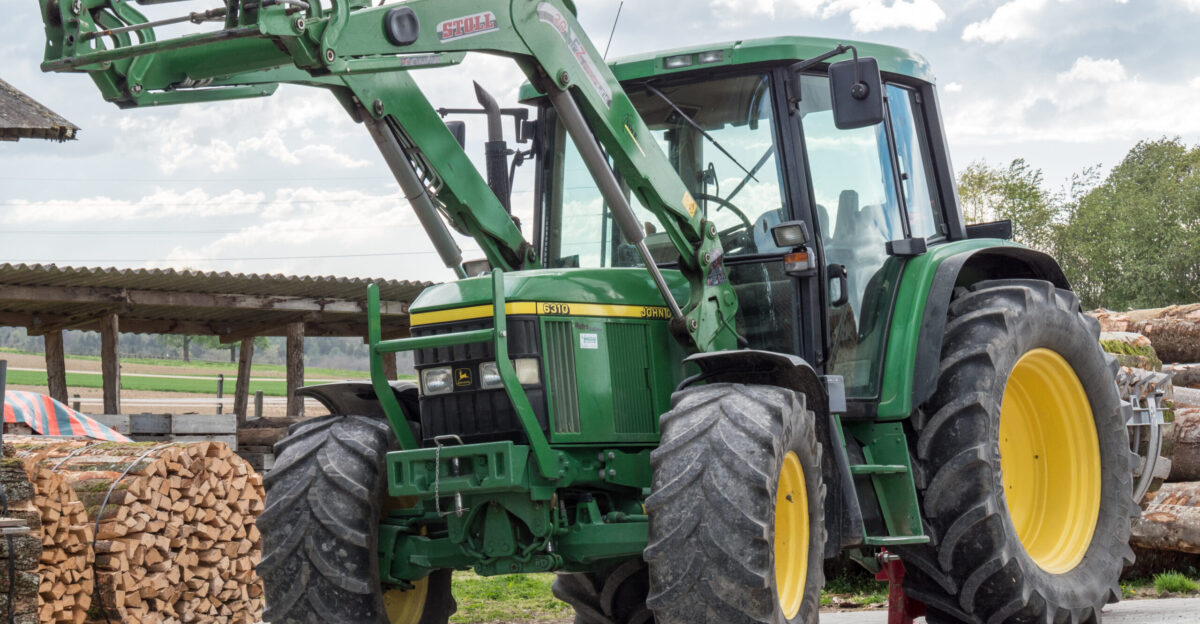
Despite workforce reductions, Deere remains optimistic about the growth of autonomous farming equipment and precision agriculture markets.
The company’s Mexican expansion and European partnerships aim to reduce trade-related vulnerabilities while preserving technological leadership in an increasingly competitive global market.
The Road Ahead
Deere’s workforce transformation reflects broader challenges facing American manufacturing in a globally integrated economy.
Success will require balancing cost reduction with innovation, managing political pressures while serving global markets, and maintaining technological leadership despite reduced domestic production capacity. The outcome will have a significant impact on Midwest economic stability.