
A celebrated Hollywood partnership has erupted into scandal, as Chinese filmmaker Yi Zhou accuses actor Jeremy Renner of sending her unsolicited explicit images and threatening her with immigration authorities. The allegations, which surfaced just weeks before the release of their joint film project, have sent shockwaves through the entertainment industry and raised urgent questions about power, consent, and the vulnerabilities faced by foreign-born creatives in Hollywood.
A Promising Collaboration Turns Contentious

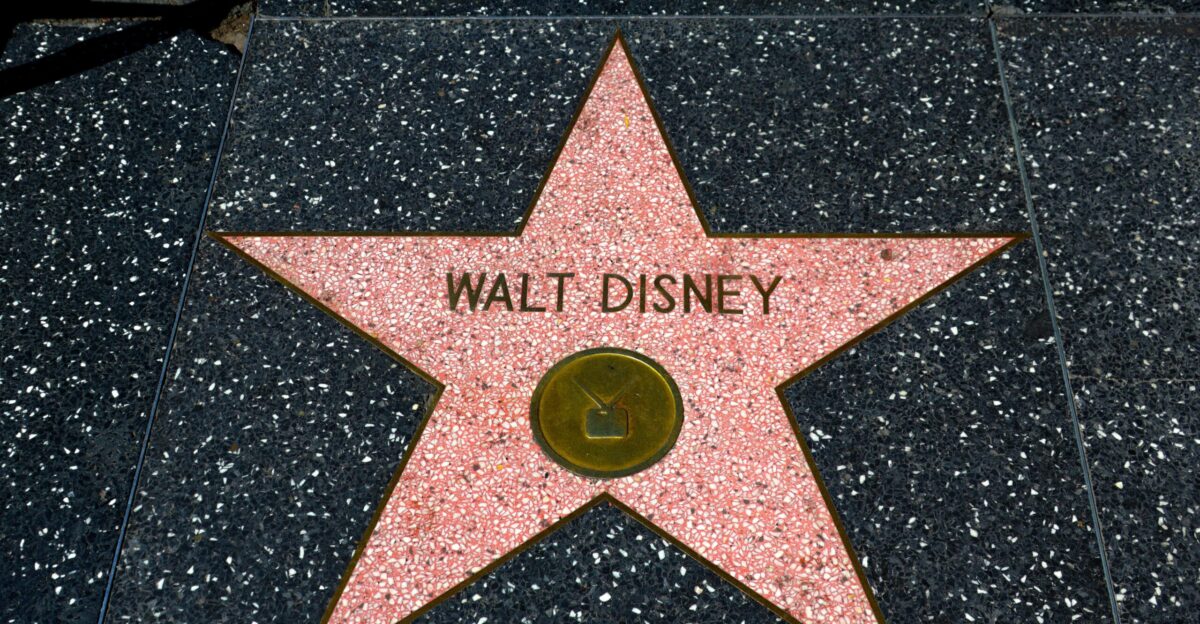
Yi Zhou and Jeremy Renner’s professional relationship began in June 2025, when the Oscar-nominated actor reached out to Zhou to collaborate on two projects: “Chronicles of Disney,” a documentary examining the Walt Disney Company’s legacy, and “Stardust Future,” an AI-animated feature set for release in late November. According to Zhou, Renner’s initial contact quickly became personal, with the actor allegedly sending her intimate photographs via direct message and WhatsApp.
Despite these early interactions, the pair moved forward with their creative plans. “Chronicles of Disney” premiered in October 2025, featuring Renner’s reflections on his recovery from a near-fatal snowplow accident and commentary from industry luminaries. The duo also composed original music for the film, which was distributed by Disney. Their second project, “Stardust Future,” was positioned as a groundbreaking AI-animated film, with Renner voicing a central character and Zhou’s production company preparing an awards campaign.
Allegations and Escalation
The working relationship deteriorated during an August 2025 meeting at Renner’s Reno home. Zhou alleges that Renner, after consuming a significant amount of wine, became verbally aggressive, prompting her to lock herself in a room out of fear. She later shared screenshots on Instagram, claiming they documented explicit WhatsApp conversations and images sent by Renner in June. Zhou stated she preserved metadata and photographic evidence of these exchanges.
When Zhou confronted Renner privately about his conduct, she claims he retaliated by threatening to report her to immigration authorities—a move that, for a foreign-born filmmaker, carried the implication of potential deportation. Zhou’s public statements emphasized the power imbalance at play, highlighting how immigration threats can be used as a tool of control in professional relationships.
Legal Maneuvers and Public Fallout
The dispute quickly escalated into a legal standoff. On November 7, Renner’s attorney, Marty Singer, sent Zhou a cease-and-desist letter, describing her allegations as “false, outrageous and highly defamatory.” Renner’s legal team asserted that Zhou had initiated romantic advances and that any encounter between them was consensual. Zhou responded by posting her own cease-and-desist letters online, claiming she had repeatedly warned Renner to stop what she described as threatening and disrespectful behavior.
Both parties now stand by their conflicting accounts, with Zhou reiterating her claims of unsolicited sexual content and immigration threats, and Renner’s team denying any wrongdoing. As of mid-November, no criminal charges have been filed, but civil litigation appears likely.
Industry Silence and Unanswered Questions

The scandal has unfolded against a backdrop of industry silence. Neither Colors of the Sun Ventures, which distributed “Chronicles of Disney,” nor Paramount+, which airs Renner’s series “Mayor of Kingstown,” has issued public statements regarding the allegations. This reticence is notable in an era when studios often respond swiftly to controversies involving their talent.
Zhou has suggested that other women may have had similar experiences with Renner, referencing messages she received after going public. However, as of November 11, no additional accusers have come forward publicly or filed formal complaints.
Broader Implications and Uncertain Futures
The case has sparked broader conversations about the intersection of immigration status and workplace power in Hollywood. Legal experts note that threatening to report someone to immigration authorities can constitute harassment or coercion, depending on context and jurisdiction. Zhou’s framing of her experience as a #MeToo-era abuse of power has resonated particularly with immigrant communities, highlighting the unique vulnerabilities faced by foreign-born professionals in the U.S. entertainment industry.
The fallout from the scandal remains uncertain. “Stardust Future,” set for release on November 29, faces box office unpredictability as public opinion divides and industry analysts speculate on the impact of the controversy.
As legal proceedings loom and the industry awaits further developments, the case underscores the complex dynamics of power, consent, and vulnerability in Hollywood’s global creative landscape. The outcome may set new precedents for how immigration threats are treated in workplace misconduct cases and could influence how studios respond to similar allegations in the future.