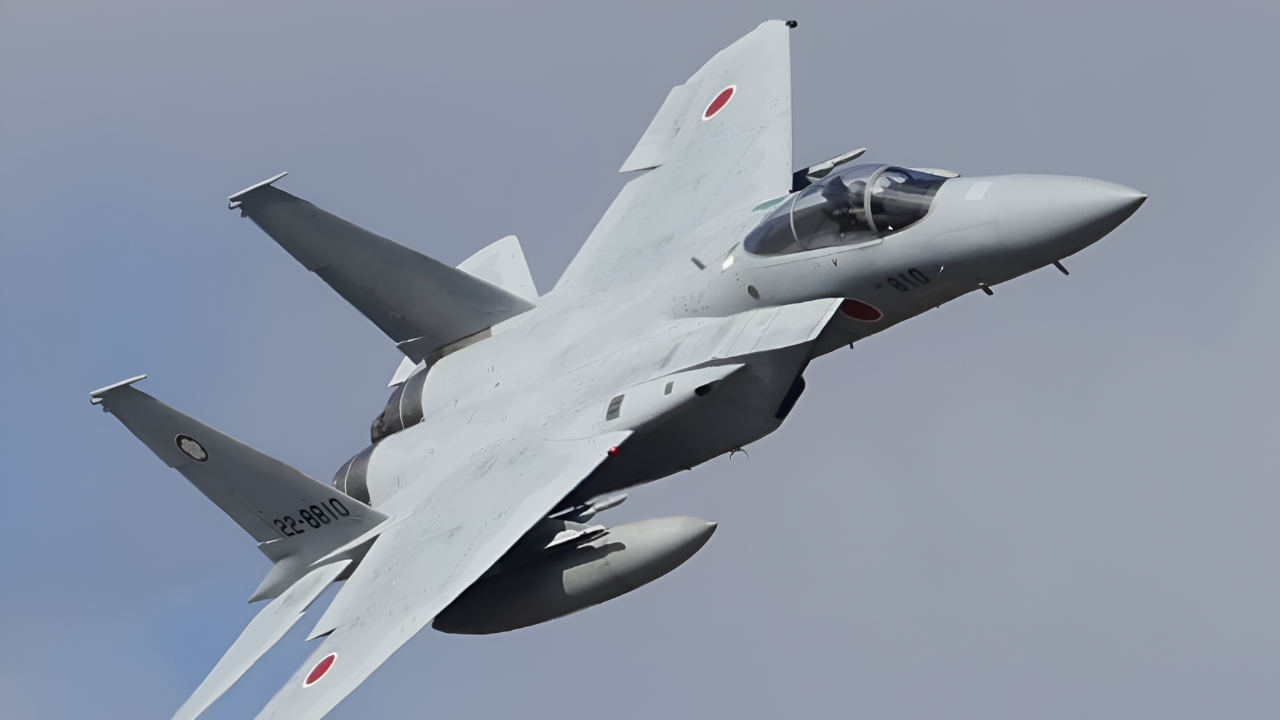
Chinese J-15 fighters flying from the aircraft carrier Liaoning locked their fire-control radar onto Japanese F-15s over international waters southeast of Okinawa on December 6, 2024, in two separate incidents just hours apart. According to the Japanese Ministry of Defense, the first radar lock occurred between approximately 16:32 and 16:35, while a second lock-on happened later that evening between 18:37 and 19:08—spanning a critical period of military tension that coincided with preparations for the 83rd anniversary of the attack on Pearl Harbor.
Tokyo formally reported these as the first recorded instances of Chinese and Japanese combat aircraft locking air-to-air missile-guidance radar on each other, and lodged what it called a “strong protest” with Beijing. Japan’s Defense Minister Shinjiro Koizumi said the radar illumination “exceeded the scope necessary for a safe flight of the aircraft.” The extended duration of the second targeting event—approximately 31 minutes—was particularly significant, as military analysts noted that such prolonged radar illumination is typically associated with preparation for imminent engagement. No shots were fired and neither side entered the other’s airspace, but Japanese authorities described the encounters as a serious safety risk in one of the Indo-Pacific’s busiest military and civilian flight corridors.
Symbolic Timing and Political Messaging
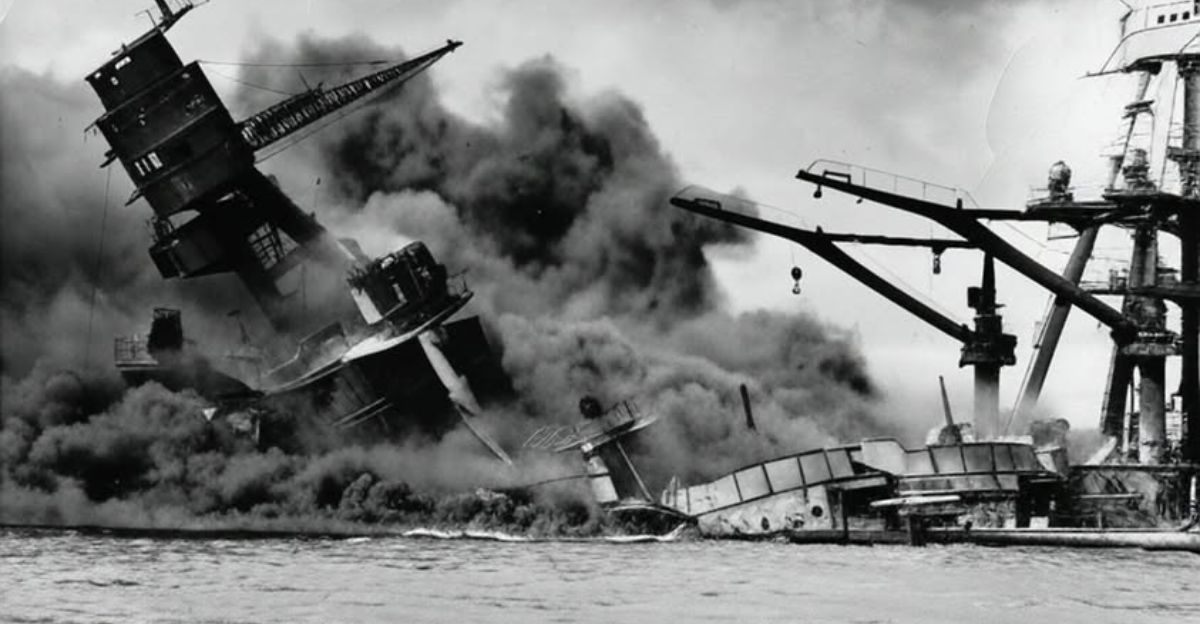
The formal Japanese protest was delivered on December 7, the 83rd anniversary of the attack on Pearl Harbor. Tokyo explicitly linked the radar locks to what it describes as mounting Chinese military pressure in the region, while Beijing rejected the accusations and issued its own protest accusing Japan of provoking the situation through surveillance activities and military ties with the United States. The proximity of the incidents to this historically significant date intensified diplomatic tensions and shaped how audiences in both nations interpreted the military confrontation.
Commentators in Japan pointed out that the Pearl Harbor anniversary frames how Japanese audiences understand sudden military escalations, while Chinese statements focused instead on Japan’s surveillance activities and alliance partnership with Washington. The result was a sharp contrast in how the same incident was framed, underscoring how historical memory and geopolitical rivalry can complicate crisis management between the two nations.
Critical Safety Concerns and Extended Targeting
The extended duration of the radar illumination was particularly significant. Japanese officials reported that in the first encounter a J-15 illuminated an F-15 for approximately three minutes in the afternoon, and in a second encounter maintained illumination for roughly 31 minutes that evening. Military analysts noted that such extended targeting—particularly the 31-minute engagement—raises concerns about the intentions and safety protocols involved in the encounter, significantly increasing the potential for miscalculation in the cockpit if either pilot misinterpreted the other’s actions.
The J-15s took off from the Liaoning carrier group, which was conducting flight operations in the western Pacific at the time. Japan regularly tracks Chinese carrier movements near its territory, and this incident intensified calls in Tokyo to accelerate upgrades to radar networks, electronic-warfare systems, and future fighter programs. Defense specialists argued that more frequent carrier operations close to Japanese airspace strengthen the case for deeper technical and operational cooperation with the United States and Australia, particularly as China’s carriers expand their operating areas into the Pacific.
The encounters took place near major air and sea routes used by commercial airlines and cargo vessels serving East Asia. While no civilian flights or shipping were interrupted, insurers and logistics planners flagged the area’s importance for energy supplies and container traffic. Some analysts warned that repeated standoffs involving radar targeting could eventually influence risk assessments, insurance premiums, and routing decisions even without an actual clash.
Regional Escalation: Taiwan’s Largest Maritime Presence
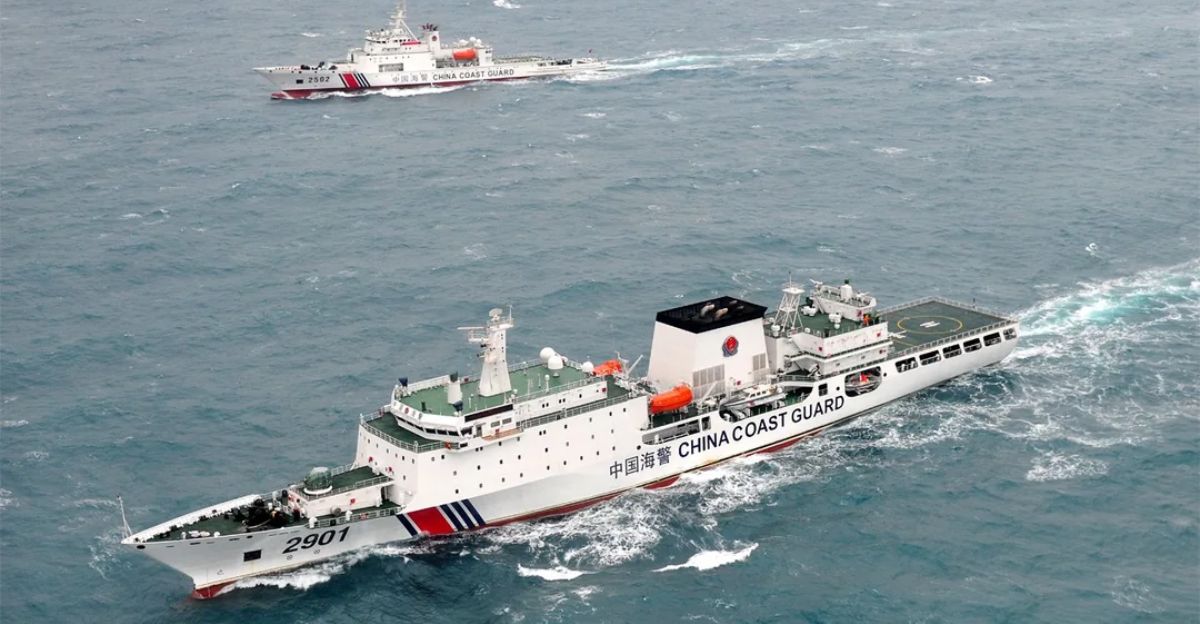
The radar illumination incidents unfolded as China’s military activity around Taiwan intensified significantly. Taiwan reported approximately 90 Chinese navy and coast guard ships operating around the island in early December 2024, marking its largest maritime presence in nearly three decades. The surge in Chinese naval operations began in mid-November, following remarks by Prime Minister Sanae Takaichi regarding Japan’s security responsibilities. At its peak, total Chinese military vessels in the region exceeded 100. Taiwanese officials interpreted the combination of mass naval deployments near Taiwan and tense air intercepts near Okinawa as part of a coordinated pressure campaign spanning the entire region. Taipei’s leaders argue that such activity supports their stance on sustaining high defense spending and keeping close security ties with both Japan and the United States.
The Liaoning carrier strike group’s passage through the Miyako Strait near Okinawa, coupled with the radar illumination incidents, signaled an assertive Chinese military posture that regional analysts described as testing Japanese response capabilities and alliance cohesion with Washington.
Human and Operational Strain on Front-Line Forces
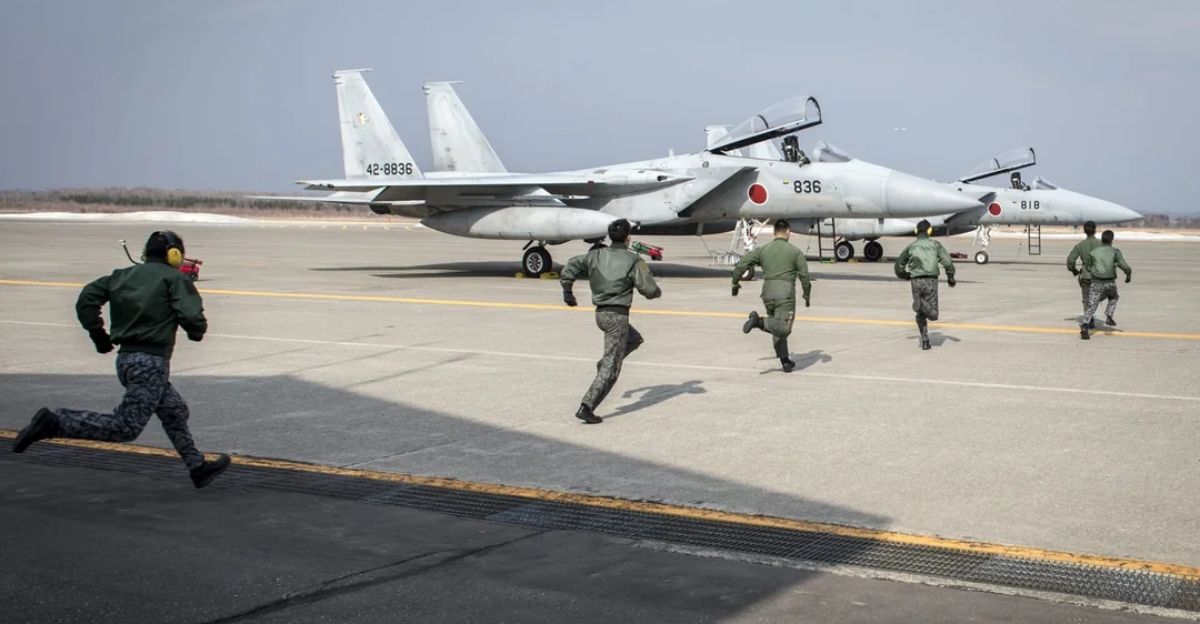
For Japanese air crews based at Naha Air Base on Okinawa, the December 6 intercepts meant responding to radar targeting of a duration rarely seen in peacetime operations. Pilots and ground controllers train for high-intensity encounters, but military medical experts note that repeated scrambles under conditions that resemble targeting preparation can create cumulative stress and fatigue among crews. Managing these confrontations requires pilots to remain poised under pressure, maintaining deterrence while avoiding steps that could be misread as preparation for engagement—a delicate balance that demands extensive training and psychological resilience.
The 204th and 304th tactical fighter squadrons, based at Naha, are responsible for nearly 60 percent of Japan’s combat air intercepts, making them the primary responders to incursions in this region. The December 6 incidents added to an already demanding operational tempo for these units.
Political Implications and Defense Policy Debate
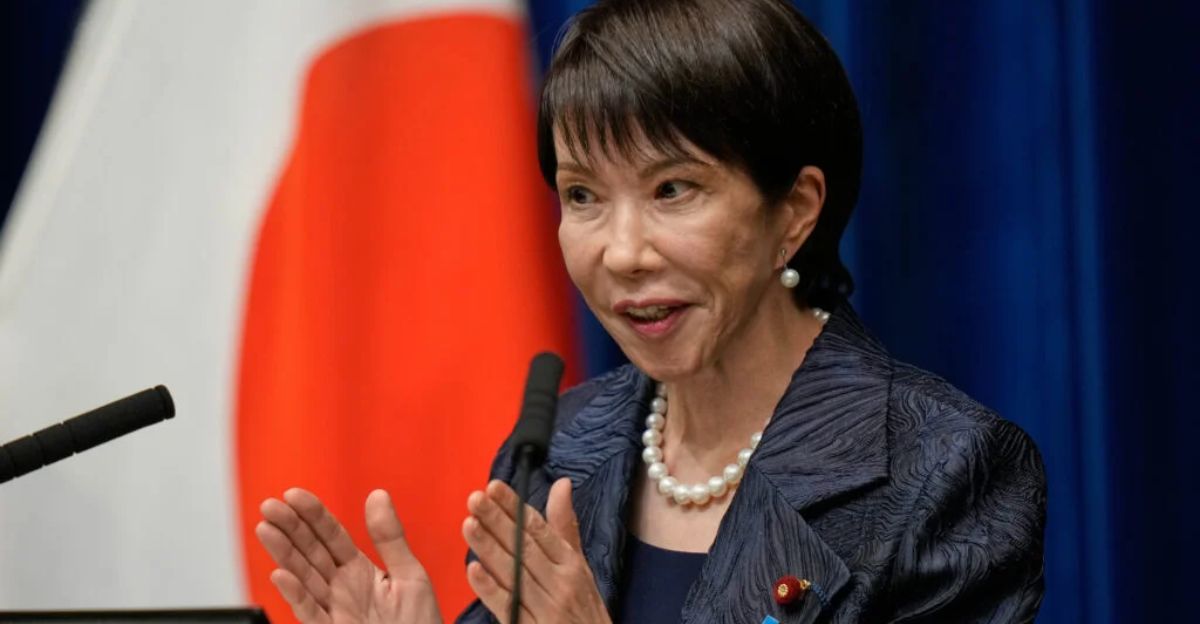
Inside Japan, the incident sharpened ongoing debate over defense posture and rules of engagement. Some lawmakers argue that China’s actions support efforts to toughen deterrence, noting that Prime Minister Sanae Takaichi stated in November that a Taiwan emergency involving “the use of warships and the exercise of military force” could constitute a “survival-threatening situation” for Japan under its right to collective self-defense. Takaichi also indicated that the government would make its determination “through a comprehensive assessment of all available information, based on the specific circumstances as they unfold.” Others warn that closer alignment with the United States and more assertive policies could draw Japan further into crises around the Taiwan Strait and the South China Sea.
International Response and Economic Implications
Regional allies expressed strong concern about the incidents. During a joint press conference in Tokyo on December 7, Australia’s Defence Minister Richard Marles stated: “We are deeply concerned by the actions of China in the last 24 hours,” and noted that “we expect those interactions to be safe and professional.” Marles emphasized that Australia and Japan “will continue to work with Japan and stand with Japan in upholding that rules-based order.” Officials in Europe and North America cited such incidents when making the case for higher defense budgets, expanded military presence in the Indo-Pacific, and closer coordination with partners including Japan, South Korea, and Taiwan.
Although financial markets did not react strongly to the radar illumination incident itself, investors and corporate planners took note of yet another flashpoint in waters crucial to global trade. Specialists in geopolitical risk say that episodes like the December targeting incidents contribute to a wider reassessment of exposure in East Asia, influencing decisions on supply-chain routes, factory locations, and long-term capital investment. Businesses with interests near the East China Sea are reviewing continuity plans, transport options, and insurance coverage, while travel to Okinawa and Taiwan remains generally stable but subject to rapid route changes if tensions escalate further.
Public Anxiety and Civil Defense Preparations
In Okinawa, where roughly 1.5 million people live amid frequent military drills and intercepts, coverage of the radar targeting alongside Pearl Harbor anniversary commentary heightened public concern. Local and national authorities reported renewed interest in civil-defense instruction, mobile alert systems, and emergency planning on Japan’s southwestern islands, reflecting growing recognition that routine patrols can quickly turn into high-risk encounters during periods of heightened military tension.
Defense companies supplying advanced radars, combat aircraft, and electronic-warfare equipment to Japan, the United States, and other regional militaries are expected to benefit from sustained demand as regional governments accelerate modernization programs. Strategic planners, however, warn that repeated near-misses at sea and in the air erode stability, tourism, and trade over time.
Path Forward: Confidence-Building Measures Under Pressure
With China increasing carrier operations near Okinawa and Taiwan facing increased military pressure, regional governments face heightened pressure to improve air-intercept protocols, establish reliable hotlines for crisis communication, and develop confidence-building measures that reduce the risk of miscalculation. The December 6 radar illumination incidents—lasting from just three minutes to over 31 minutes—demonstrate the razor-thin margins between routine military operations and potential escalation in one of the world’s most strategically vital regions.
Without such guardrails and communication channels, future radar illumination incidents—whether lasting seconds or half an hour—could push the Indo-Pacific closer to a crisis that none of the parties publicly say they want, but which miscalculation or misunderstanding could trigger.
Sources
NHK World, “Japan Condemns Chinese Radar Lock on F-15s,” 7 December 2024
AP News, “Japan Protests to China on Radar Lock Incident,” 8 December 2024
Asahi Shimbun, “Radar Lock by Chinese Fighters Raises Safety Concerns Near Okinawa,” 7 December 2024
USNI News, “Military Close Encounters in East China Sea Increase Risk,” 8 December 2025
Taipei Times, “Taiwan Reports Largest Chinese Naval Presence in Decades,” 9 December 2024
Naval News, “Pilot Stress Rises Amid Regional Air Tensions,” 2025