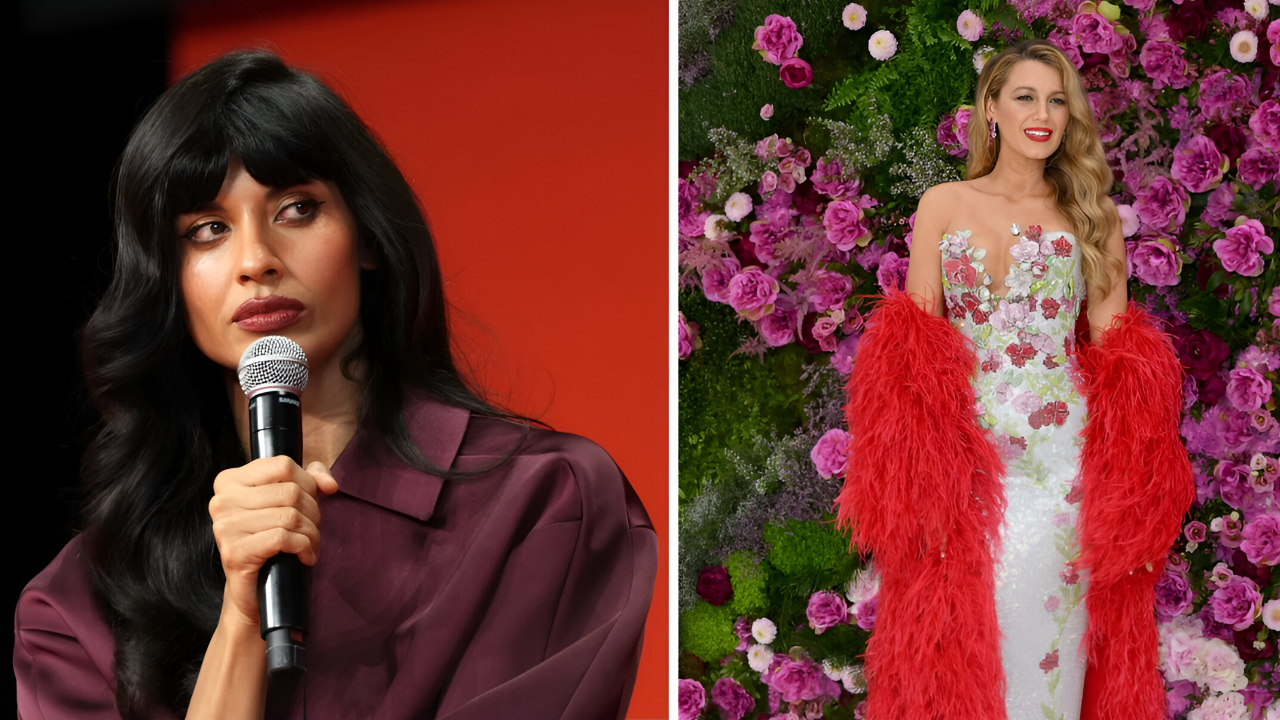
The drama around Blake Lively and director Justin Baldoni took a sharp turn when newly unsealed court papers exposed private text messages from August 2024 involving actor and activist Jameela Jamil. In those messages, Jamil referred to Lively as a “bizarre villain” and compared her to a “suicide bomber,” language that stunned many once it became public.
The texts emerged as part of Lively’s lawsuit against Baldoni, transforming what had been framed as a workplace misconduct case into something closer to a public morality play about power, perception, and loyalty in Hollywood. The filings run well over 180 pages and include screenshots, emails, and private chats, but it was Jamil’s explosive wording that captured the headlines and social feeds.
What Jamil Meant By ‘Suicide Bomber’
Inside the texts, Jamil was reacting to viral TikTok criticism of how Lively handled interviews during the press tour for the film It Ends With Us. She vented that Lively was behaving like a “suicide bomber” and said she had “never seen such a bizarre villain act before,” suggesting she saw the actress as sabotaging herself and the project in real time.
Jamil has since insisted the phrase was a metaphor for someone “using their own terrible answers in interviews to blow up their own career or their own project,” not a comment about actual violence.
The Publicist Who Used Even Harsher Words
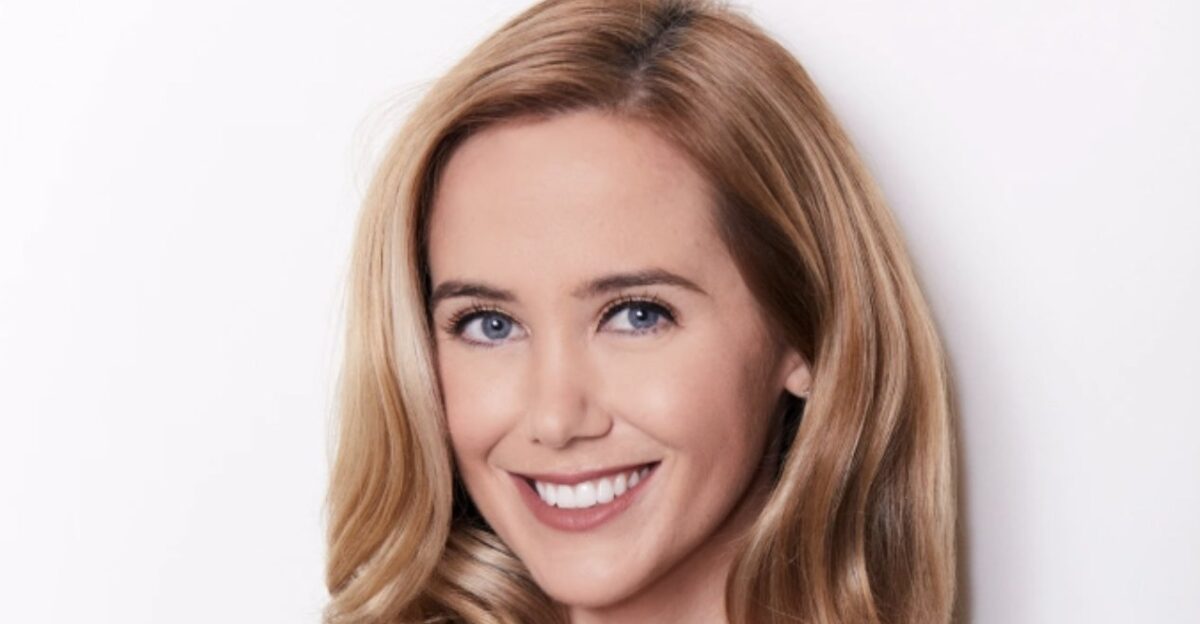
Jamil wasn’t messaging in a vacuum. She was texting with Jennifer Abel, a publicist who at the time represented both Jamil and Baldoni, and whose language about Lively was even more vulgar. According to the filings, Abel referred to Lively as a “nightmare c—” and a “demon c—,” calling her behavior “unbelievable” and insisting, “She’s doing this to herself.”
The tone of the exchange revealed a deeply personal hostility toward Lively inside part of Baldoni’s camp, even as the film’s public rollout tried to project unity and professionalism. The texts helped fuel speculation that there was a coordinated behind‑the‑scenes push to damage Lively’s reputation while the movie promoted itself as a sensitive take on domestic abuse.
Jamil Speaks Out On Instagram And TikTok
After the texts exploded online, Jamil went on social media to defend herself and to clarify what she says the public is getting wrong. In a TikTok video, she argued that feminism “doesn’t mean I have to like every woman or be friends with every woman,” insisting that criticizing another woman’s conduct is not a betrayal of gender solidarity.
She stressed that her frustration was aimed at how Lively allegedly behaved toward others, not at women in general, and that the messages were sent long before she knew they would appear in a federal case. Jamil called the leak of her unredacted name “deliberate” and “weird,” saying the timing was designed to “cause as much trouble as possible” for her personally.
A $400 Million War On Top Of A Harassment Case
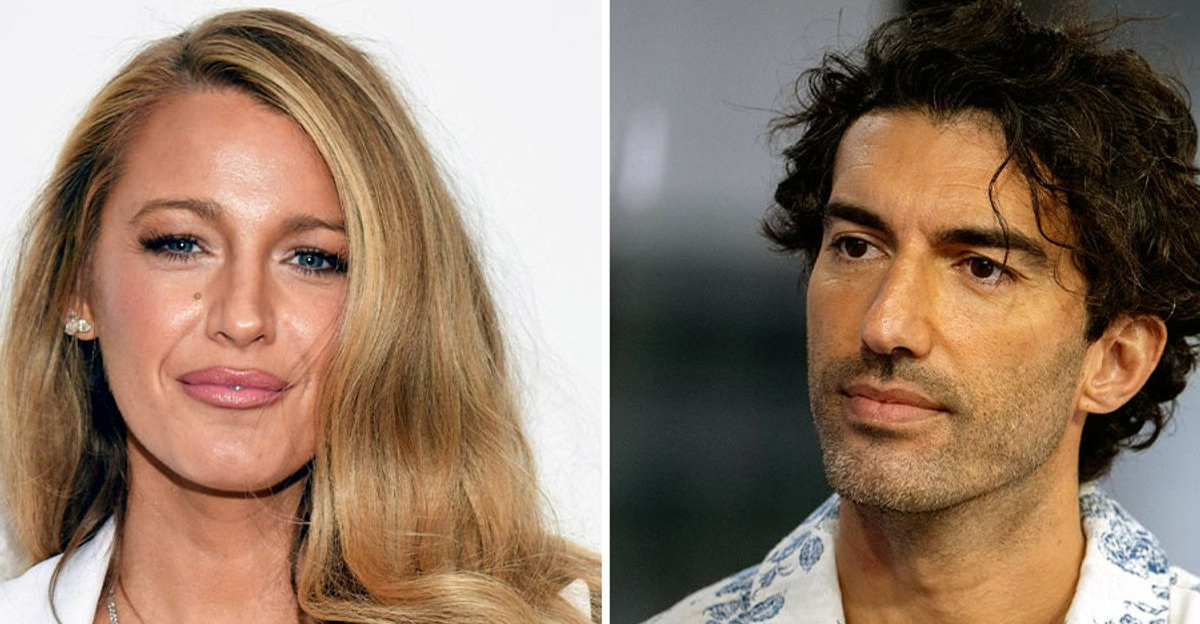
Behind the drama of the texts is an enormous legal battle. Lively filed suit in late 2024, accusing Baldoni of sexual harassment, retaliation, and creating a hostile work environment during the production of It Ends With Us. She also alleges he later engaged in a campaign to smear her and damage her career prospects.
Baldoni responded with a $400 million countersuit, accusing Lively of extortion and defamation and portraying himself as the target of a bad‑faith attack. At one point, Lively has sought hundreds of millions of dollars in damages of her own, saying her reputation, business opportunities, and even her family life, with husband Ryan Reynolds, have paid the price.
Huge Claims, Big Numbers, and Then A Collapse
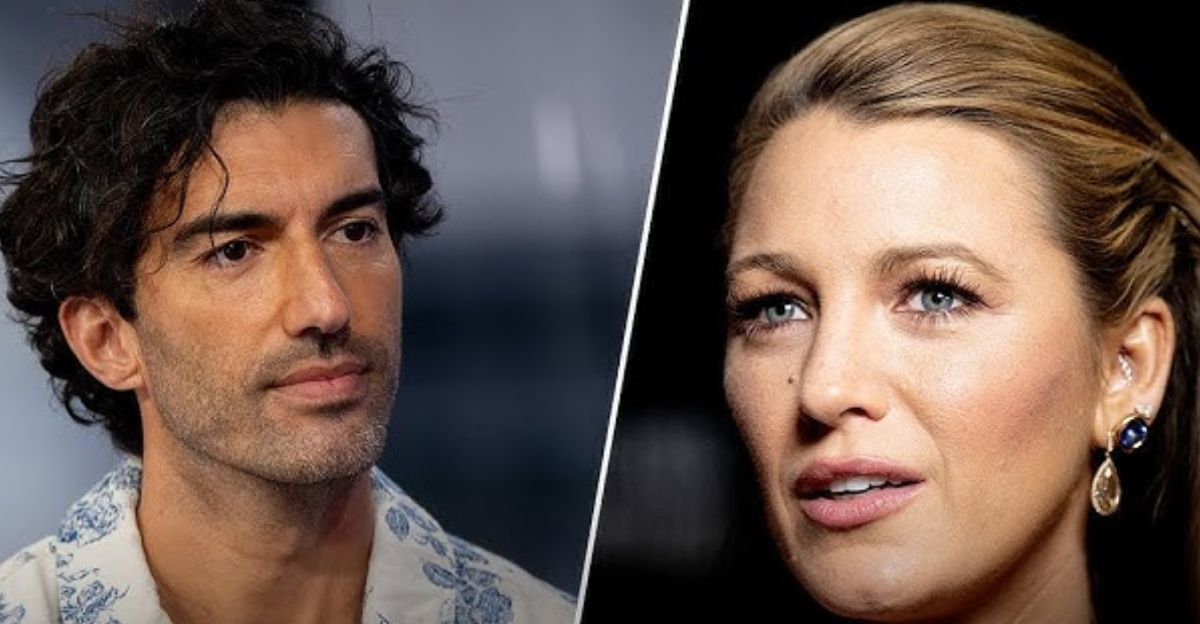
Baldoni didn’t just sue Lively. He also filed a separate $250 million libel case against the New York Times over its reporting on Lively’s allegations, pushing the total value of his legal counterattack to around $650 million. Those sweeping claims suggested Baldoni wanted to send a message not just to Lively but to media outlets that amplified her accusations.
Judges have since dismantled much of that strategy. Courts have dismissed both his $400 million countersuit against Lively and the $250 million lawsuit against the Times, stripping away his biggest financial weapons.
How The Documents Read
The unsealed court file runs to about 181 pages and reads less like dry paperwork and more like an inside look at how modern celebrity conflicts are fought. There are legal briefs, yes, but also screenshots of text threads, email chains, and internal notes that pull back the curtain on both camps’ strategies.
About eight pages are devoted specifically to Jamil’s August 2024 conversation with Abel, laying out the “suicide bomber” and “bizarre villain” lines in full. Elsewhere, the records capture messages from actors, agents, producers, and PR teams, all trying to navigate the fallout from the film and the allegations around it.
Taylor Swift And The Friendship “Shift”
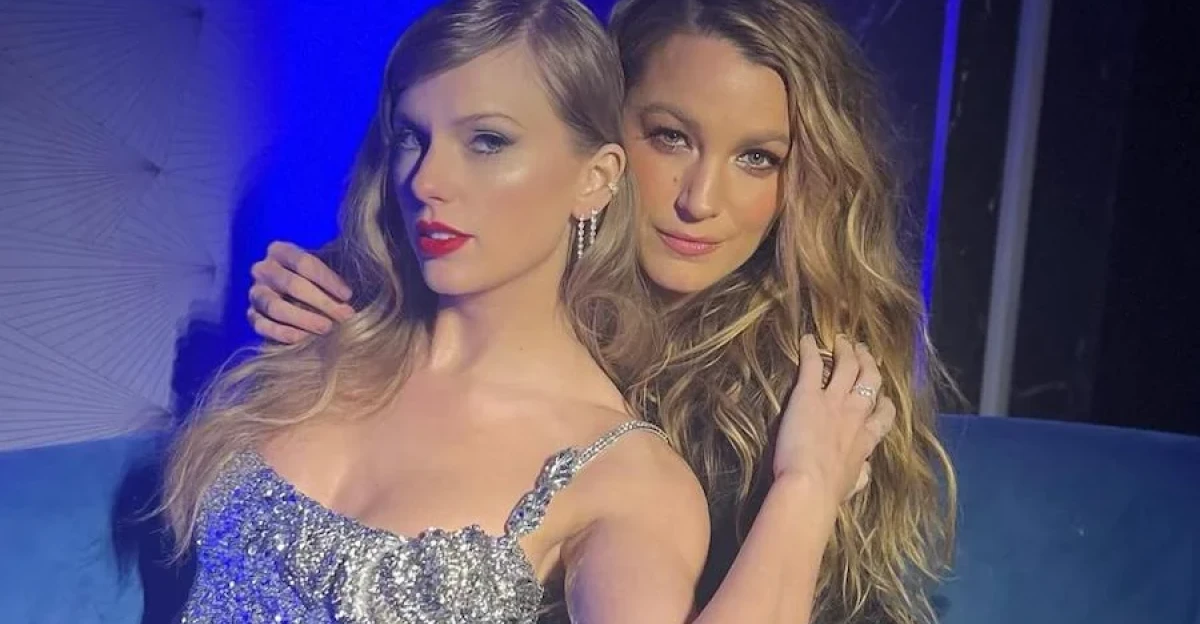
Among the most attention‑grabbing extras in the documents are references to Lively’s long‑public friendship with Taylor Swift, one of her highest‑profile allies. Messages in the filings indicate that Swift felt a “shift” in the relationship as the controversy deepened, reportedly saying that Lively’s communications had started to feel like a “mass corporate email.”
The phrase suggests a cooled intimacy, a sense that personal warmth had been replaced by PR‑style messaging. While neither star has commented in depth on the leak, the idea that even this famous friendship might be strained underscores how far the ripple effects have traveled.
Jenny Slate Calls The Shoot ‘Gross And Disturbing’
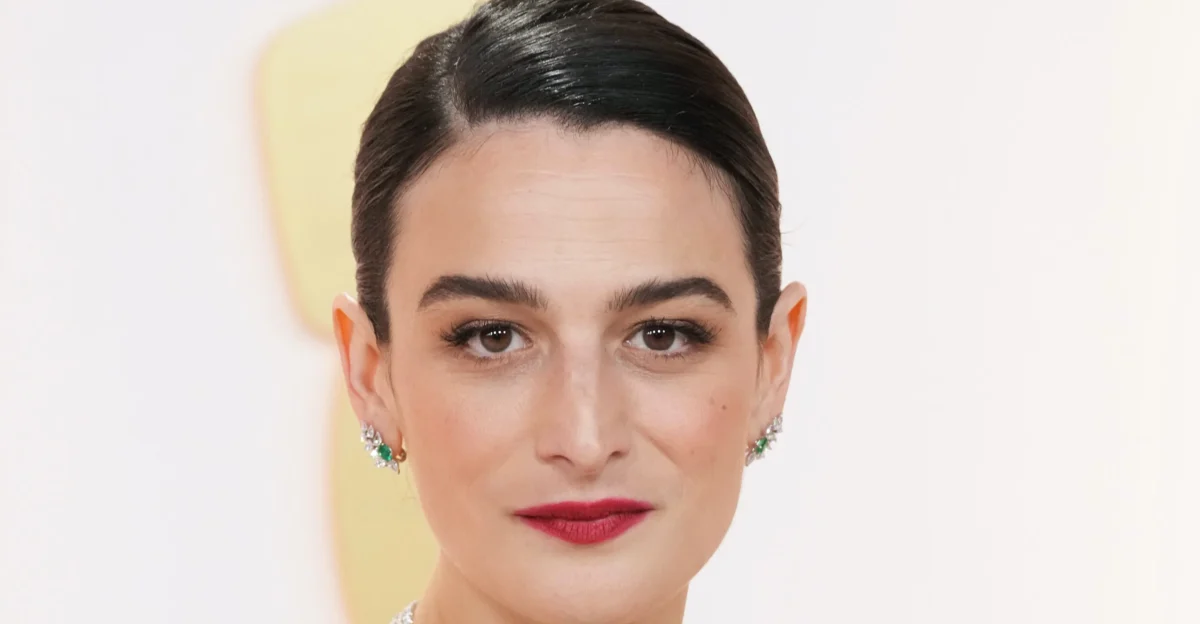
Actor Jenny Slate, who also appeared in It Ends With Us, emerges in the filings as a key voice backing up the idea that something was seriously wrong on set. In messages quoted in court records, Slate called the shoot “really gross and disturbing” and wrote that Baldoni and producer Jamey Heath were “truly unfit.” She told her agent she felt “repulsed and deeply irritated,” while noting that Lively was dealing with the situation “on a much more serious level.”
During a deposition, Slate described certain comments about actresses’ appearances and outfits as “unprofessional, inappropriate, and truly out of the ordinary,” saying such remarks “are not acceptable anymore in a workplace.” Her account strengthens Lively’s claim that the problems weren’t isolated misunderstandings but part of a broader culture that at least one co‑star found deeply troubling.
When A Misconduct Case Becomes A Reputation War
What started as a straightforward harassment and retaliation case has evolved into something far larger, a full‑blown war over image, credibility, and narrative control. The texts between Jamil and Abel show how people inside Baldoni’s orbit talked about Lively while the press tour and legal wrangling were unfolding.
Their language, mixed with Lively’s own allegations of a smear campaign, feeds the perception that both sides were fighting not only in court but in the court of public opinion. In this environment, leaked chats and gossip can sting as much as any legal filing, because they influence how audiences, studios, and future collaborators interpret the case.
A Feminist Figure Under Fire
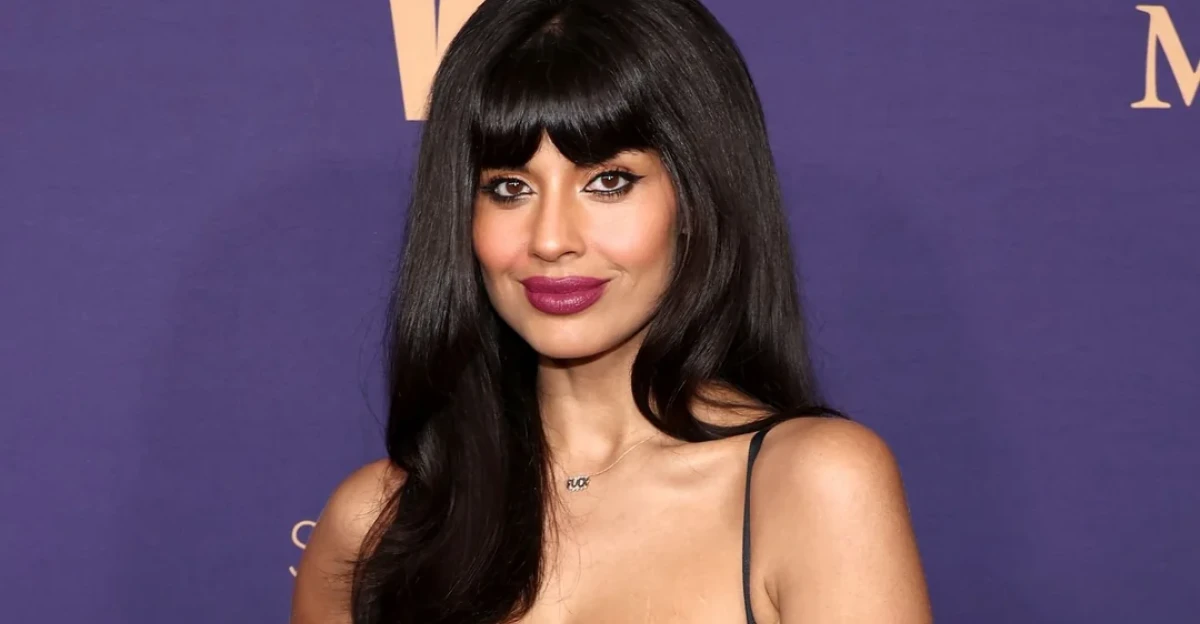
For years, Jameela Jamil has built a public identity as a feminist and body‑positivity advocate, calling out misogyny and beauty standards across pop culture. That history is part of why her language about Lively has sparked such intense backlash.
Critics argue that using terms like “suicide bomber” and “villain” against another woman in a position of vulnerability clashes with the values she promotes. Jamil counters that true equality means women in power can be criticized as sharply as men when their behavior is seen as harmful.
Mean‑Girl Culture And Quiet PR Campaigns
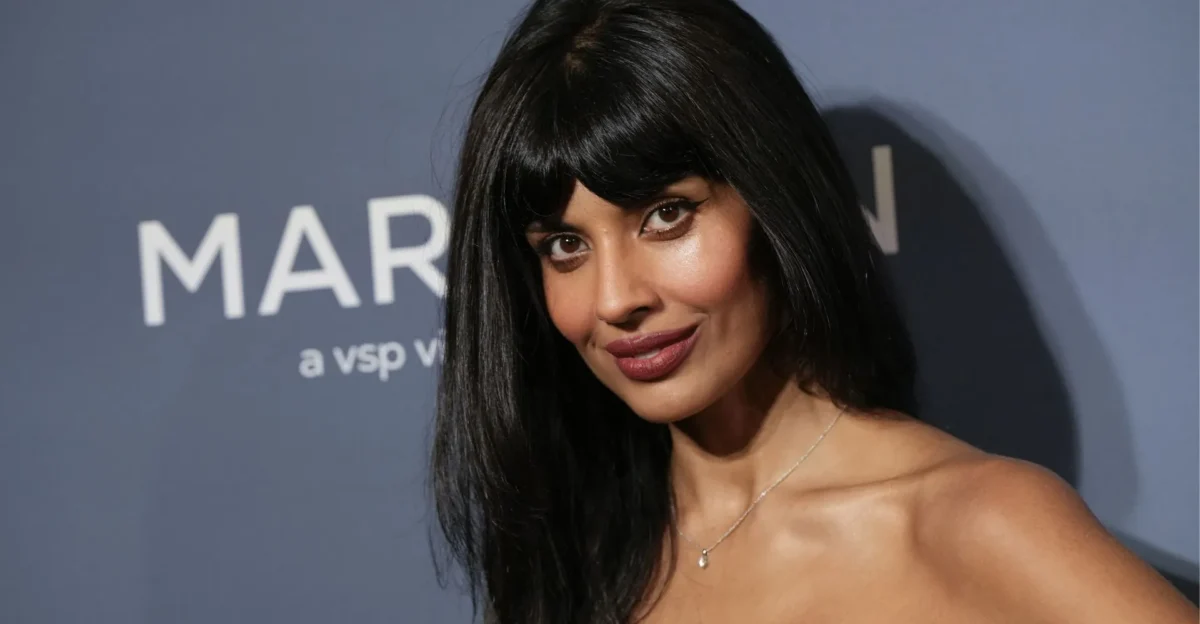
The Jamil‑Abel texts also play into a wider narrative about Hollywood’s so‑called “mean girl” culture. Publicly, many stars talk about sisterhood and support; privately, the documents show, some trade harsh insults and strategize about how to frame another woman’s behavior.
A celebrity and her publicist appear to be aligning on language and talking points about Lively long before any official statements are crafted. That dynamic has raised uncomfortable questions about how often reputations are quietly shaped by back‑channel conversations and informal smear efforts that never appear on a press release.
Trial Delays And A Long, Slow Countdown
The legal showdown between Lively and Baldoni has already stretched far beyond a standard film publicity cycle, and delays keep extending its lifespan. A trial that was once expected earlier has now been pushed to May 18, 2026, after Judge Lewis Liman said criminal cases must take precedence on his crowded calendar.
Each delay gives both sides more time to file motions, attach exhibits, and fight over what should be public or sealed. For the public, that means a steady drip of new documents and leaks rather than one short, sharp burst of testimony.
The Questions That Still Don’t Have Answers
Even with 181 pages of filings out in the open, there is still a lot the public doesn’t know about this case. Many names in the documents remain redacted, and it’s unclear how much internal studio, agency, or PR correspondence is still under seal. Legal observers expect that dozens of industry figures could be referenced in the full docket, but so far only a handful of conversations have been widely reported.
Key questions linger: How many executives knew about the behavior Lively describes? Were there earlier complaints? How did the studio respond behind closed doors? Until more material is unsealed, or until witnesses testify under oath, much of the story will remain pieced together from partial records and strategic leaks.
How One Text Thread Reframed The Entire Feud
Jamil’s “villain” and “suicide bomber” texts have become a kind of shorthand for the raw hostility pulsing beneath this legal fight. What began as a private vent in a group chat is now an exhibit in a nine‑figure courtroom battle, endlessly reinterpreted by fans, critics, and lawyers.
By responding publicly, but refusing to fully retract her words, Jamil has ensured that her perspective is now baked into how this feud will be remembered. For Lively, the texts bolster her claim that there was a broader effort to paint her as the problem rather than address her allegations.
Sources:
People — Jameela Jamil Speaks Out After Calling Blake Lively a ‘Villain’ in Unsealed Texts: ‘Still a Feminist’ — January 23, 2026
Cosmopolitan — Jameela Jamil Breaks Silence on Calling Blake Lively a “Villain” in Newly Unsealed Texts — January 22, 2026
Bored Panda — British Actress Jameela Jamil Brutally Insults “Villain” Blake Lively in Revealed Texts — January 22, 2026